14 Best Fall Foliage Hikes in the Midwest
# 14 Best Fall Foliage Hikes in the Midwest
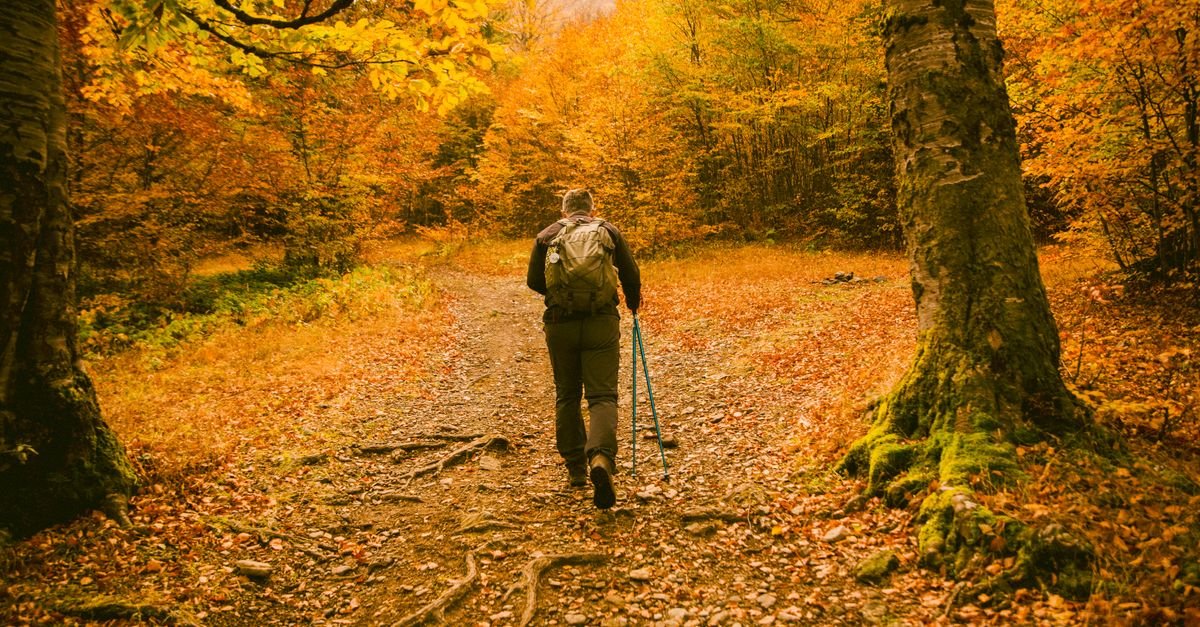
Every October, the Midwest quietly puts on one of the best shows in American hiking. While New England gets the glory, the maple-oak forests from Minnesota's North Shore to the hollows of southern Ohio ignite in reds, oranges, and golds, and the trails are far less crowded than anything on the East Coast.
The catch with fall color is timing. Go a week early and you get green. Go a week late and you get sticks. This guide to the best fall foliage hikes in the Midwest solves that problem by organizing 14 verified trails by when they peak, from late September in the north to late October in the south. Every trail includes distance, difficulty, and an honest note about what makes its color special, so you can plan a weekend trip with confidence instead of hope.
When Do Midwest Fall Colors Peak?
Fall color moves like a slow wave from north to south. The USDA Forest Service notes that color historically begins in early September in the Upper Midwest, continues through the second week of October, and can stretch into early November in the southern Midwest. Here is how that breaks down for trip planning:
| Timing Band | When | Where |
|---|---|---|
| Late September | Last 2 weeks of September into early October | Minnesota's North Shore, Michigan's Upper Peninsula |
| Early to mid-October | First 2-3 weeks of October | Wisconsin, northern Michigan, northern Lower Peninsula |
| Mid to late October | Mid-October into early November | Illinois, Indiana, Ohio, Iowa, Missouri |
These are typical windows, not guarantees. A warm September delays color; an early frost or windstorm can strip trees overnight. The pro move: check your state's DNR fall color report the week before you go. Michigan, Wisconsin, Minnesota, Ohio, and Indiana all publish weekly trackers during the season, and they are the most reliable source for "is it peaking right now."
One more timing tip: the best color often lasts only 7 to 10 days in a given spot. If the report says "peak," go that weekend, not next.
Late September: Minnesota's North Shore and Michigan's UP
1. Oberg Mountain Loop, Superior National Forest, Minnesota
~2.3-mile loop, moderate. The North Shore of Lake Superior is the Midwest's fall color capital, and Oberg Mountain is its most rewarding short hike. The loop climbs through maple hillsides (maples turn early here) to a series of overlooks above Lake Superior, with the lake's blue as a backdrop to the reds and golds. The Superior Hiking Trail system is well-marked, and the nearby town of Tofte makes a good base. Peak here is typically the last two weeks of September into the first week of October.
2. Fifth Falls Trail, Gooseberry Falls State Park, Minnesota
2 miles round trip, easy. Everyone crowds the main Gooseberry Falls, but the Fifth Falls trail continues past the busy cascades into quieter forest along the river. It is an easy walk, well-suited to beginners, and the river-valley maples put on a strong show. Pair it with the main falls for a half-day outing. The park is right off the North Shore scenic drive, making it an easy add to any fall road trip.
3. Lake of the Clouds Overlook, Porcupine Mountains Wilderness State Park, Michigan
Short paved overlook walk (easy); the full Escarpment Trail is 4.3 miles one-way. The view from the Lake of the Clouds overlook is the single most famous fall vista in the Midwest: a wilderness lake ringed by old-growth forest, with the sugar maples below turning every shade of red and orange. You can enjoy it as a short, family-friendly walk from the parking lot, or commit to the Escarpment Trail along the ridge for the full experience. The Porkies are remote, so make it an overnight trip and catch both sunrise and sunset from the overlook.
4. Upper Falls Boardwalk, Tahquamenon Falls State Park, Michigan
~1.0 mile, easy. Michigan's DNR recently completed a new 1,100-foot accessible boardwalk through old-growth forest to the Upper Falls, making this one of the most accessible fall hikes in the UP. The falls themselves are spectacular year-round, but framed by peak autumn color with the amber-colored water (tinted by tannins from cedar swamps), it is something special. The park is large enough to make a full weekend of it.
Early to Mid-October: Wisconsin and Northern Michigan
5. Eagle Trail Loop, Peninsula State Park, Door County, Wisconsin
2.1-mile loop, moderate. Door County in October is peak Midwest autumn tourism for good reason, and the Eagle Trail is its best hike: a loop through hardwood forest along limestone bluffs above Green Bay. The blufftop views through the colorful canopy are the payoff. Peninsula is Wisconsin's most popular state park, so go on a weekday or arrive early on weekends. Combine it with Fish Creek's shops and cherry pie for the full Door County experience.
6. East Bluff Trail, Devil's Lake State Park, Wisconsin
1.7 miles one-way, rated "most difficult" by Wisconsin DNR. Included with an honest flag: the DNR rates this the park's most difficult trail, with rocky footing and steep sections. The reward is sweeping views from atop the East Bluff over the lake and the Baraboo Hills in full color. Fit beginners can handle it with care and good shoes, but if you want the easy version, the Tumbled Rocks Trail (1 mile, accessible, along the lakeshore) delivers beautiful fall scenery without the climb. Devil's Lake is Wisconsin's most-visited state park, so expect company.
7. Empire Bluff Trail, Sleeping Bear Dunes National Lakeshore, Michigan
1.5 miles round trip, moderate. A climb through beech-maple forest (Backpacker has described the fall display here in terms of crimson, orange, and gold) to a boardwalk overlook above Lake Michigan. The contrast of autumn forest against the blue lake and the famous dunes is pure Michigan. The trail is short but climbs steadily, so pace yourself. The nearby Pierce Stocking Scenic Drive makes a good companion outing.
Mid to Late October: Illinois, Indiana, Ohio, Iowa, and Missouri
8. French Canyon, Starved Rock State Park, Illinois
0.8 miles round trip, easy to moderate. Starved Rock's canyons are at their prettiest in fall, when the maples and oaks above the sandstone walls turn and the waterfalls (seasonal, best after rain) add movement to the scene. French Canyon is a short, easy walk from the visitor center. Two notes: the park is extremely popular on October weekends, so arrive before 10 AM, and check for trail notices before you go, as sections of the park have faced partial closures.
9. Observation Trail, Garden of the Gods, Shawnee National Forest, Illinois
0.25-mile loop, easy. The shortest trail on this list and one of the most otherworldly: a quarter-mile accessible loop among ancient sandstone formations with panoramic views over the Shawnee National Forest wilderness. In late October, the forest below is a patchwork of color. It is a perfect roadside stop on a southern Illinois fall road trip, and pairs well with the nearby Rim Rock Trail.
10. Ogle Lake Trail (Trail 7), Brown County State Park, Indiana
1.5 miles, moderate. Brown County is Indiana's fall color headquarters, and for good reason: the park's woods are oak, hickory, beech, and maple, per the Indiana DNR, which means a long, varied color season. The Ogle Lake trail loops through hilly woods to a quiet lake. The park gets very busy on October weekends (the nearby town of Nashville leans into it), so consider a weekday or an early start.
11. Old Man's Cave Trail, Hocking Hills State Park, Ohio
~1-mile loop, moderate. The Hocking Hills region is Ohio's waterfall and gorge country, and Old Man's Cave is its centerpiece: a deep gorge with waterfalls, rock overhangs, and hemlock-lined trails that glow in autumn. The main loop is about a mile, with options to extend. The gorge trails involve stairs and can be slippery when wet, so wear shoes with traction. This is Ohio's most popular natural attraction, and October weekends are packed. Go early or go midweek.
12. Ledges Trail, Cuyahoga Valley National Park, Ohio
~1.8-mile loop, easy to moderate. Moss-covered sandstone ledges, cool crevices, and a scenic overlook, all wrapped in fall color, in a free national park between Cleveland and Akron. The Ledges are beautiful year-round, but autumn adds the color dimension that makes this a destination rather than a leg-stretcher. It is an easy day trip from either city.
13. Bridal Veil Falls Boardwalk, Pikes Peak State Park, Iowa
0.5-mile boardwalk, easy. Iowa does not get enough credit for fall hiking. Pikes Peak State Park sits on bluffs above the Mississippi River, with old-growth oak-hickory and maple-basswood forest that the Iowa DNR itself highlights for autumn color. The short boardwalk to Bridal Veil Falls is accessible and pretty, and the park's overlooks up and down the river are spectacular in mid to late October. This is a sleeper pick that will impress.
14. Island Trail, Ha Ha Tonka State Park, Missouri
1.0-mile loop, rugged. A loop past the famous castle ruins, a natural spring, and lake views, with oak-hickory forest that colors up nicely in late October. The trail is short but rugged in spots, with stairs and uneven footing, so wear sturdy shoes. The castle ruins add a storybook quality that makes this one of the most unique fall hikes in the Midwest. Frame it as a scenic lake-and-history hike in peak season.
How to Time Your Trip Right
The difference between a good fall hike and a great one is usually five days. Here is the system:
- Pick your band. Use the timing table above to choose late September (north), early-mid October (Wisconsin/northern Michigan), or mid-late October (south).
- Check the DNR report. The week before your trip, look up your state's weekly fall color report. Michigan, Wisconsin, Minnesota, Ohio, and Indiana all publish them.
- Watch the weather. A strong windstorm can strip peak color in a night. If a big storm is forecast for your weekend, consider going a week earlier rather than later.
- Go on weekdays when you can. The popular parks on this list (Devil's Lake, Starved Rock, Hocking Hills, Brown County) are dramatically less crowded Tuesday through Thursday.
- Have a backup trail. If your first choice is past peak, a lower-elevation or more southern trail nearby may be perfect.
Fall Hiking Tips for Beginners
- Dress in layers. October mornings can start near freezing and hit 60 by afternoon. The layering system in our what-to-wear guide is built for exactly this.
- Start early. Fall days are short, and popular trailheads fill by mid-morning on October weekends.
- Bring traction. Wet leaves on rock or boardwalk are slippery. Shoes with good tread matter more in fall than summer.
- Carry a headlamp. With sunset creeping earlier each week, a headlamp is cheap insurance.
- Check hunting seasons. Fall is hunting season in many states. Wear bright colors (blaze orange is ideal) and check whether your trail crosses hunting areas.
- Leave no trace. Stay on trails; the forest floor is fragile, and trampled areas take years to recover.
Pair These Hikes With a Fall Road Trip
The best fall weekends combine a great hike with a great drive. Here are three ready-made pairings from the trails above:
North Shore Fall Classic (Minnesota). Drive the North Shore Scenic Drive from Duluth to Grand Marais, stopping for the Oberg Mountain Loop and Fifth Falls Trail along the way. The drive itself is a fall-color destination, with Lake Superior on one side and maple forest on the other. Two days, one unforgettable weekend.
Door County Autumn (Wisconsin). Base yourself in Fish Creek or Ephraim, hike the Eagle Trail loop at Peninsula State Park in the morning, then spend the afternoon driving the peninsula's coastal roads, stopping at orchards and cherry shops. Add the Tumbled Rocks Trail at Devil's Lake on the drive home for a second park in one trip.
Hocking Hills Escape (Ohio). For anyone within a few hours of Columbus, Cleveland, or Cincinnati: hike Old Man's Cave in the morning, grab lunch in Logan, then hit the Ledges Trail at Cuyahoga Valley on the way home the next day. Two parks, two completely different landscapes, one tank of gas.
The pattern is simple: one anchor hike, one scenic drive, one small town for food. That formula works for every trail on this list.
Frequently Asked Questions
When is the best time to see fall colors in the Midwest? It moves north to south: late September for Minnesota's North Shore and Michigan's Upper Peninsula, early to mid-October for Wisconsin and northern Michigan, and mid to late October into early November for Illinois, Indiana, Ohio, Iowa, and Missouri. Check state DNR weekly color reports for current conditions.
Where is the best fall foliage hiking near Chicago? Within a few hours: Starved Rock State Park in Illinois (about 90 minutes), Devil's Lake State Park in Wisconsin (about 3 hours), and Brown County State Park in Indiana (about 3.5 hours). For a bigger trip, Michigan's Upper Peninsula and Minnesota's North Shore are worth the drive.
How long does peak fall color last? Usually 7 to 10 days in a given location, though the season stretches over six weeks across the region as the wave moves south. If a DNR report says "peak," go that weekend. Individual trees vary too: maples tend to turn first, oaks hold their color longest, so a mixed forest gives you the widest window.
What trees make the best fall color in the Midwest? Sugar maples (brilliant reds and oranges), oaks (russets and browns), hickories (golden yellow), beeches, and aspens. The best trails on this list run through maple-oak-hickory forest, which gives the longest and most varied color display.
Do I need reservations for these parks in fall? Most state parks on this list do not require reservations for day hiking, but campgrounds and lodging book out early for October weekends. Some national park sites (like parts of the national lakeshores) can have timed systems in peak season, so check the park website before you go.
Final Thoughts
Fall is the Midwest's best hiking season, full stop. The bugs are gone, the air is crisp, the crowds thin after the first October rush, and the forest does something extraordinary for a few weeks. Pick your timing band, check the DNR report, and get out there.
And here is a tradition worth starting: pick one trail from this list and hike it every October. Year after year, you will learn its moods, its best overlooks, and exactly which week the maples turn. Bring a friend who has never seen it, and watch their face at the first overlook. That is how a trail becomes yours, and how hikers are made. See you out there among the maples.