25 No-Cook Camping Meals: Easy Food Ideas With Zero Cooking
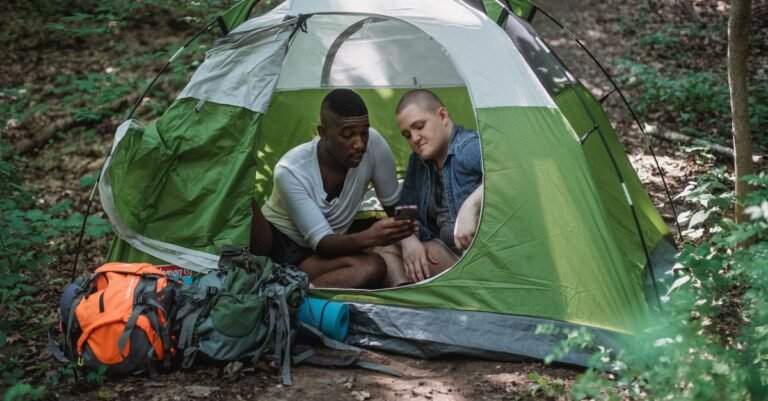
Picture this. It is Friday evening, you just fought traffic out of the city, and you finally pull into your campsite as the light goes gold. The last thing you want to do is wrestle with a camp stove, chop vegetables in the dark, and scrub pots by headlamp. So you do not. You pull a wrap from the cooler, slice an apple, crack open a bag of trail mix, and dinner is done in four minutes flat.
That is the magic of no-cook camping meals. Less gear to buy, less to clean, zero fire restrictions to worry about, and more time doing what you actually drove out there to do.
This guide gives you 25 no-cook camping meals organized by breakfast, lunch, dinner, snacks, and dessert, plus the pantry staples behind them, a crash course in cold-soaking, food-safety rules, and a full 3-day sample meal plan.
Why Go No-Cook? The Case for Skipping the Stove
Cooking at camp is romantic in theory. In practice, a cooked dinner costs you 60 to 90 minutes: unpacking the stove, prepping on a wobbly table, cooking, then washing everything by headlamp while the mosquitoes find you.
No-cook meals flip that math. Most ideas below take five minutes or less to assemble. You eat, wipe a knife, and you are back at the campfire while the light is still good.
There are practical reasons too. Many Western campgrounds spend part of every summer under fire restrictions, and a no-cook menu makes you immune to all of that. You also pack lighter and cheaper: no stove, no fuel, no pots, no pan. For a first-time camper staring at a gear list, deleting the entire kitchen category is a relief.
And food genuinely tastes better outside. A simple turkey wrap at a picnic table with a view hits different from the same wrap at your desk. You do not need complicated recipes to eat well at camp. You need decent ingredients and a little planning.
Your No-Cook Camping Pantry: The Staples to Pack
Every no-cook meal in this guide is built from the same set of building blocks. Stock these once and you can mix and match all weekend without a second grocery run.
| Category | Staples to pack | Why they work |
|---|---|---|
| Proteins | Tuna and chicken pouches, nut butter, jerky, hard cheeses, hard-boiled eggs, hummus, deli turkey | Shelf-stable or cooler-safe for days; no prep needed |
| Carbs and bases | Tortillas, bagels, crackers, pita, shelf-stable rice or couscous cups, granola | Tortillas beat bread: they do not crush and last longer |
| Fruits and vegetables | Apples, oranges, baby carrots, cherry tomatoes, cucumbers, dried fruit, avocados (early in the trip) | Sturdy produce survives a cooler and a bumpy car ride |
| Healthy fats | Mixed nuts, trail mix, olive oil packets, single-serve nut butter | Calorie-dense fuel for active days |
| Flavor boosters | Salt, pepper, hot sauce packets, salsa cups, mustard and mayo packets, honey packets, everything-bagel seasoning | Small packets weigh nothing and rescue bland food |
| Breakfast anchors | Rolled oats, shelf-stable milk boxes, yogurt cups, granola bars, muffins | Cover mornings with zero morning effort |
A note on pouches versus cans: foil pouches of tuna and chicken have quietly replaced cans for campers, and for good reason. They are lighter, they do not need a can opener, they do not leave sharp edges, and the single-serve sizes mean no half-eaten can slowly warming in your cooler. Buy the pouches.
No-Cook Camping Breakfasts
Mornings at camp should be slow. These six breakfasts are ready in minutes, and three of them are ready before you even wake up.
1. Overnight Oats
The undisputed champion of no-cook camping breakfasts. The night before, combine half a cup of rolled oats, half a cup of milk, a spoonful of chia seeds, and a drizzle of honey in a jar with a lid. Add berries or sliced banana. Seal it, stash it in the cooler, and sleep. By morning the oats have softened into a creamy cold porridge. Make one jar per person per morning and breakfast is solved.
2. Yogurt Parfaits
Layer yogurt with granola and dried or fresh fruit in a mug. Greek yogurt earns its place because the protein keeps you full through a morning hike. Keep the granola separate and add it last so it stays crunchy.
3. Peanut Butter Banana Tortillas
Spread peanut butter on a tortilla, add a sliced banana, drizzle honey, sprinkle cinnamon, roll it up. It takes ninety seconds, it travels beautifully, and it delivers the holy trinity of quick energy: carbs, fat, and potassium. Almond butter works just as well if that is your thing.
4. Bagels With Cream Cheese and Everything Seasoning
Bagels are the unsung heroes of camping bread: dense, crush-proof, and fresh for days. Pack single-serve cream cheese cups and a shaker of everything-bagel seasoning. Lox is a luxury upgrade if your cooler game is strong.
5. Muffins and Hard-Boiled Eggs
Bake or buy a batch of muffins before you leave. Pair two muffins with two hard-boiled eggs (boiled and peeled at home) and you have a balanced breakfast with zero morning effort. Muffins keep fine at ambient temperature for two to three days sealed.
6. Trail Mix and an Apple (The Honest Breakfast)
Some mornings you want to be on the trail by sunrise, not sitting around a picnic table. A big handful of trail mix and an apple is a perfectly respectable breakfast for a big hiking day. No shame in it. Pack the good trail mix, the kind with chocolate chunks and dried cherries, not the sad all-peanut kind from the gas station.
No-Cook Camping Lunches
Lunch is usually eaten on the move or back at camp between activities, so these are built to be portable, filling, and one-handed where possible.
7. Tuna Salad Wraps
Mix a tuna pouch with a mayo packet, salt, pepper, and a squeeze of lemon. Add diced celery if you prepped it at home. Pile onto a tortilla with lettuce and roll tight. Cheap, protein-packed, and endlessly variable: swap in a chicken pouch or mashed chickpeas and it never gets old.
8. Hummus and Veggie Wraps
Spread hummus thickly on a tortilla, layer sliced cucumber, bell pepper, shredded carrot, spinach, and crumbled feta. Cool, crunchy, and refreshing on a hot day. Single-serve hummus cups are made for exactly this.
9. Camp Charcuterie Board
On a cutting board, arrange hard salami, two or three cheeses, crackers, olives, dried apricots, and nuts. It feels like a treat, feeds two easily, and there is nothing to wash except a knife. Hard cheeses and cured meats also tolerate temperature swings better than deli meat.
10. Pita Pockets With Chicken Salad
Chicken pouches mixed with mayo packets, diced apple, and a pinch of curry powder, stuffed into pita halves with lettuce. The pita is structurally superior to a sandwich here: nothing slides out the back while you eat one-handed on a trail.
11. Italian Sub in a Bag
In a container, combine chopped salami, provolone cubes, cherry tomatoes, banana peppers, shredded lettuce, and Italian dressing. Eat with a fork or scoop into a crusty roll. All the deli flavor with zero sogginess, because the bread never touches the dressing until you say so.
12. Peanut Butter and Jelly (Done Right)
Do not dismiss the PB and J. On a tortilla instead of bread, with banana slices and a drizzle of honey, it becomes legitimate trail fuel instead of a sad desk lunch. The tortilla version also survives being shoved in a daypack, which bread never does.
No-Cook Camping Dinners
Dinner is where no-cook skeptics get converted. These are substantial, satisfying, and genuinely feel like dinner.
13. Mediterranean Chickpea Bowls
Mash chickpeas with a fork, toss with chopped cucumber, cherry tomatoes, red onion, olives, feta, olive oil, and lemon juice. Serve over shelf-stable rice cups eaten at room temperature, or with pita. High fiber, high protein, and it tastes like something you would order at a restaurant.
14. Black Bean and Corn Salad
Combine black beans, corn, diced bell pepper, and red onion with lime juice, salt, cumin, and chili powder. Scoop it up with tortilla chips. A complete dinner disguised as a side dish, and it improves as it sits in the cooler.
15. Cold-Soaked Couscous Salad
An hour before dinner, combine instant couscous with cold water in a sealed jar at roughly a one-to-one ratio, plus salt and a packet of olive oil. By dinner the grains are tender. Fluff with a fork and toss in sun-dried tomatoes, chickpeas, feta, and Italian seasoning.
16. Grazing Board Dinner
Scale the charcuterie into a full dinner: cured meats, three cheeses, crackers and bread, olives, pickles, dried fruit, nuts, chocolate, and fresh fruit. For two people this is legitimately filling. For a group, it is a social event.
17. Make-Ahead Pasta Salad
Cook it at home, where your kitchen works. Toss rotini with chickpeas, feta, cucumbers, olives, cherry tomatoes, and Italian dressing. Pasta salad is one of the rare foods that gets better on day two as the dressing soaks in. Portion into individual containers for grab-and-go dinners.
18. Tuna-Stuffed Avocados
Halve avocados and fill the hollows with tuna salad. Eat with a spoon. Rich, satisfying, three minutes of work. Eat these on night one, since avocados wait for no camper.
Snacks, Sides, and No-Cook Desserts
Between-meal eating is half the fun of camping. Stock these and nobody gets hangry.
- Trail mix, upgraded. Make your own: mixed nuts, chocolate chunks, dried cherries, pretzel sticks, coconut flakes. Homemade beats store-bought on every axis.
- Cheese and crackers. The simplest snack ever invented. Aged cheddar, wheat crackers, done.
- Apple slices and peanut butter cups. The lunchbox-sized cups are perfect here. Crunchy, sweet, salty, done.
- Beef jerky and dried mango. Sweet-savory, weirdly perfect, and both survive any temperature.
- Dark chocolate and dried apricots. Fancy enough to feel like dessert, simple enough for your hip pack.
- No-bake energy balls. Mix oats, peanut butter, honey, and chocolate chips at home, roll into balls, refrigerate. They hold for days in the cooler and taste like cookie dough.
- Lazy banana boats. Split a banana, stuff with chocolate chips and mini marshmallows, eat as-is. Not melted, still delicious.
Cold-Soaking: The Backpacker's No-Cook Secret
Cold-soaking deserves its own section because it turns no-cook camping from "sandwiches again" into actual meals. Instead of boiling water to rehydrate food, you soak it in cold water and let time do the work.
Put instant couscous, instant rice, broken-up ramen, or dehydrated refried beans in a jar with a screw-top lid. Add cold water at about a one-to-one ratio, plus seasoning. Seal and wait 30 to 60 minutes. Drain any excess, add olive oil and toppings, and eat.
What cold-soaks well: instant couscous (the star, ready in about 20 minutes), ramen noodles, instant mashed potatoes, and quick oats. What does not: regular rice, dried beans, or anything that genuinely needs heat. Stick to "instant" products.
Use a wide-mouth jar with a leakproof lid. Washed peanut butter jars are the classic choice: free, light, and the perfect size. A hot meal on a cold night is one of life's great pleasures, but cold-soaked couscous with feta on a warm evening, eaten with your feet up at sunset, is about 90 percent as good with 10 percent of the effort.
Food Safety Without a Stove
Eating without heat does not mean eating without rules. No-cook meals lean harder on your cooler, because you cannot cook your way out of a food-safety mistake. The rules are simple.
The 2-hour rule. The USDA is clear: perishable food should not sit at room temperature for more than 2 hours, dropping to 1 hour when air temperature tops 90 degrees. This covers meat, dairy, cut fruit, and anything mayo-based. Tuna salad gets made and eaten, not admired all afternoon. When in doubt, throw it out.
Keep it at 40 or below. That is the USDA target for cold food. A cheap fridge thermometer in the cooler takes the guesswork out. Pre-chill the cooler the night before, keep it in the shade at camp, and open it as little as possible.
Pack like a food-safety nerd. Raw meat goes on the bottom in sealed, leakproof bags so juices never drip onto anything else. Ready-to-eat foods go on top. Keep drinks in a separate cooler if you can, since the drink cooler gets opened forty times a day. Wash hands or use sanitizer before handling food.
Know your safe bets. Hard cheeses, cured meats, nut butters, uncut fruit, and shelf-stable pouches are forgiving. Deli turkey, soft cheeses, and mayo salads are not. Plan the most perishable meals for day one and let the menu get more shelf-stable as the weekend goes on: night-one avocado wraps, night-three bean salad and jerky.
Sample 3-Day No-Cook Camping Meal Plan
Here is a complete weekend, Friday dinner through Sunday lunch, built entirely from the meals above. Copy it, tweak it, make it yours.
| Friday | Saturday | Sunday | |
|---|---|---|---|
| Breakfast | (eat before you leave) | Overnight oats with berries and peanut butter | Bagels with cream cheese and everything seasoning |
| Lunch | (eat on the road) | Tuna salad wraps with apple slices | Italian sub in a bag with chips |
| Dinner | Camp charcuterie board | Mediterranean chickpea bowls | (head home) |
| Snacks | Trail mix, cheese and crackers | Jerky, apple with peanut butter cups | Energy balls, dried mango |
| Dessert | Chocolate and dried apricots | Banana boats with chocolate chips | — |
Shopping notes: one bag of tortillas, one sleeve of bagels, cream cheese cups, two tuna pouches, one chicken pouch, hummus cups, chickpeas, black beans, hard salami, two cheeses, crackers, oats, shelf-stable milk, yogurt, granola, peanut butter, honey, apples, bananas, cucumbers, cherry tomatoes, baby carrots, two avocados, lemons, olive oil packets, mayo and mustard packets, salt, pepper, chili powder, cumin, Italian seasoning, trail mix, jerky, dried fruit, chocolate. It fits in one grocery bag plus a medium cooler.
FAQ
Do I need a cooler for no-cook camping meals?
For a single overnight, you can get away without one if you stick to truly shelf-stable foods: nut butter, tortillas, jerky, hard cheese, whole fruit, and tuna pouches. For anything longer, or if you want dairy, deli meat, or mayo-based salads, a cooler is non-negotiable for food safety. A basic hard-sided cooler with enough ice keeps food at safe temperatures for a full weekend.
What is the best no-cook camping breakfast?
Overnight oats win on every axis: nutrition, cost, prep time, and cleanup. Jars prepped at home mean breakfast is literally grab-and-eat. Yogurt parfaits are the runner-up for protein, and bagels with cream cheese win for pure simplicity.
How do you keep food cold without a fridge for 3 days?
Pre-chill your cooler overnight, use block ice on the bottom (it melts slower than cubes), pack in reverse order of use so you are not digging, keep the cooler shaded, and limit openings. Frozen water bottles double as ice packs and drinking water. Aim for two parts ice to one part food.
Are no-cook meals actually filling enough for active days?
Yes, if you build them around protein, fat, and fiber instead of just carbs. A tuna wrap with cheese, a chickpea bowl with olive oil, or peanut butter tortillas with banana will fuel a full hiking day. The meals that leave people hungry are the ones that are all crackers and fruit. When in doubt, add nuts, cheese, or nut butter.
What should I avoid bringing for no-cook camping?
Mayo-based salads made too far in advance, soft cheeses in hot weather, anything that needs to stay frozen without a real freezer, and glass jars (heavy, breakable). Also skip the giant bag of chips as a meal plan. Your future self, three hours into a hike, will not thank you.
Can you cold-soak ramen noodles?
Yes. Break the noodles into a jar, cover with cold water, add the seasoning packet, seal, and wait about 30 to 45 minutes. The texture is chewier than hot ramen, more like a cold noodle salad. Add a drizzle of sesame oil and some peanuts and it is genuinely good.
The Bottom Line
No-cook camping is not about lowering your standards. It is about spending your standards wisely. A weekend has roughly 48 hours, and every one of them is precious when you work a desk job Monday through Friday. Trading an hour of dishwashing for an hour of sunset is not laziness. It is the entire point of going outside in the first place.
Start with the pantry staples, pick a few meals from each section, and run the 3-day plan above on your next trip. You might find, like a lot of weekend campers do, that the stove stays home more often than not.