How to Plan a Weekend Road Trip in 5 Steps (Without the Stress)
It is Tuesday night. You are still at your desk, the week is only half over, and all you can think about is Friday. Not Friday night drinks. Friday 5 PM, when you close the laptop, toss a bag in the trunk, and point the car toward somewhere with trees, water, or at least a sky full of stars.
The problem with most road trip advice is that it assumes you have two weeks and a camper van. You have 48 hours and a sedan with crumbs in the cupholders. That is fine. A weekend road trip is its own art form, and it runs on a different system than a cross-country epic. This guide gives you that system: five steps you can complete on weeknights without burning out before you even leave.
The 5-Step Weekend Road Trip Plan at a Glance
Short on time? Here is the whole system in one box. Details for each step follow below.
- Pick your destination and driving radius. Stay within about 4 hours one way so driving never eats the weekend.
- Map your route and choose your stops. Plot the drive, add one or two anchor stops, and leave room for spontaneity.
- Set a budget. Decide your total spend before you book anything, then assign it to gas, stay, food, and fun.
- Book your stay and get your car ready. Reserve Friday and Saturday nights, then do a 20-minute car check.
- Pack Thursday night and launch Friday. Everything goes in the car Thursday so Friday after work is pure departure.
Step 1: Pick Your Destination and Set Your Driving Radius
Every good weekend road trip starts with one honest question: how far are you willing to drive? For a two-night trip, the sweet spot is 2 to 4 hours one way. That gives you Friday evening arrival, a full Saturday, and a relaxed Sunday drive home with a stop or two along the way.
Push past 5 hours each way and the math turns against you. Ten-plus hours of driving across a weekend leaves you arriving after dark Friday, exhausted Saturday, and dreading the return Sunday. That is not a getaway. That is a commute with scenery.
How to choose where to go
Start with a radius, not a pin. Draw a rough circle around your city at the 3-hour mark and list everything interesting inside it. You will be surprised how much is hiding there: state parks, small historic towns, lakeshores, scenic byways, hot springs, waterfalls, dark-sky spots. Most people drive past great weekend destinations every day without knowing it.
Then filter your list with three questions:
- What do you actually want to do? Hike, swim, eat well, sleep in a cabin, stargaze, visit a weird roadside attraction? Pick the verb first, then the place.
- What is the weather doing? A mountain town in October is magic. The same town in a March snowstorm is a white-knuckle ordeal. Check the forecast for your specific destination, not just your city.
- Do you need reservations? Some national parks now require timed entry reservations during peak seasons, and popular campgrounds book out weeks ahead. The National Park Service notes that reservation requirements vary by park and season, so check the park's official page before you commit.
The one-destination rule
Beginners try to see three towns, two parks, and a waterfall in one weekend. Do not. Pick one anchor destination and let everything else be optional. A single great base, like a state park with trails plus a nearby town for dinner, beats a frantic tour. You will actually relax, which is the entire point.
Step 2: Map Your Route and Choose Your Stops
Once you know where you are going, open Google Maps and plot the drive. Note the realistic travel time, not the optimistic one. Add 30 minutes for gas, bathroom, and snack stops on a 3-hour drive. If the route includes mountain roads or small towns with 25 mph main streets, add more.
Plan your stops like a local
The best weekend road trips have one or two planned stops and everything else unplanned. Here is how to find the good ones:
- Use the Roadtrippers app or website. Enter your start and end points and it shows attractions, scenic viewpoints, campgrounds, and weird roadside stops along your route. Filter by what you care about: nature, food, quirky Americana.
- Check the "things to do" tabs on the destination's official tourism site. City and state tourism boards maintain surprisingly good lists, and they are free of the sponsored fluff that clogs generic travel blogs.
- Ask the internet's locals. A quick search for "best things to do in [town] reddit" surfaces honest opinions, including which famous spot is overrated and which free overlook is better.
Build in buffer, not back-to-back bookings
Leave at least one unscheduled block each day. The farm stand with the incredible pie, the trailhead you spotted from the highway, the swimming hole a local mentions at breakfast: these are the moments you will remember, and they only happen when the schedule has air in it. Aim for a morning anchor activity, a long lunch, and then either an afternoon or an evening activity, never both.
The scenic route question
Taking the scenic route on the way there and the fast route home is a classic move. You arrive energized by the views and get home in time for laundry and an early bedtime before Monday. Just verify the scenic route is actually open. Mountain passes and park roads can close seasonally, and nothing deflates a Friday like a "Road Closed" sign at dusk.
Step 3: Set a Budget That Fits the Weekend
Money stress ruins more trips than bad weather. Decide your total budget before you book a single thing. A weekend road trip for two people in the US typically lands between $300 and $800 all in, depending on lodging choices and distance. Car camping near home sits at the low end. A boutique hotel three hours away sits at the high end.
A realistic weekend budget breakdown
Here is what the money usually goes to, with typical ranges for two people:
| Category | Budget range (2 people, 2 nights) | Notes |
|---|---|---|
| Gas | $40 to $120 | Depends on distance and your car's mileage |
| Lodging | $0 to $400 | Car camping is free to cheap; hotels vary wildly |
| Food and drink | $80 to $200 | Mix of groceries and one nice meal out |
| Park fees and activities | $0 to $80 | Many state parks charge $5 to $15 entry |
| Tolls and parking | $0 to $40 | Check your route for toll roads |
| Fun money / souvenirs | $20 to $60 | Ice cream stops count as essential |
| Total | $140 to $900 | Most couples land around $400 to $500 |
Three rules that keep trips affordable
Book lodging first. It is the biggest variable cost and the one most likely to sell out. Once the stay is locked, everything else flexes around it.
Eat one great meal out, not three mediocre ones. Pack breakfast and lunch supplies from home, then splurge on one memorable dinner. You will remember the lakeside burger joint far longer than three forgettable fast-food stops.
Track gas separately. Fuel is the sneakiest budget killer because you pay for it in drips. Estimate it upfront: total miles divided by your car's mpg, times the current gas price. There is no shame in picking the closer destination when gas is expensive. A great weekend 90 minutes away beats a mediocre one 4 hours away.
Step 4: Book Your Stay and Get Your Car Ready
With destination, route, and budget set, it is time to commit. Book your Friday and Saturday nights now, even if you are a "we will figure it out" person. Weekend lodging in popular outdoor areas fills up, and nothing kills the Friday buzz like scrolling booking apps from a gas station parking lot.
Choosing where to sleep
Match your stay to your energy level, not your fantasy self:
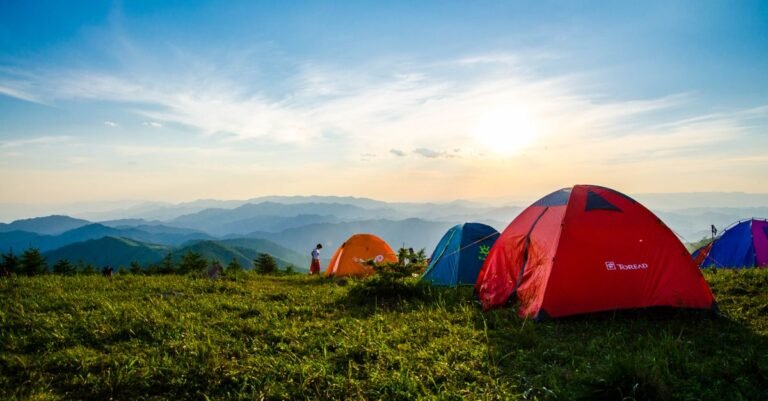
- Car camping or a tent site ($0 to $40/night): cheapest, most outdoorsy, and you are already packed for it. Great when the destination is the outdoors itself.
- Cabins and yurts ($80 to $200/night): the sweet spot for office workers who want nature without sleeping on the ground. State parks often rent them at very fair prices.
- Budget hotels and motels ($80 to $150/night): best for town-based weekends with restaurants and showers. Book directly with the property when you can; the rate is often the same and cancellation is easier.
- Vacation rentals ($120 to $300/night): worth it for groups splitting the cost, less so for two people on a short trip once cleaning fees hit.
Read recent reviews, not just the rating. A 4.2-star motel with reviews praising the quiet rooms and hot showers beats a 4.6-star place where everyone complains about highway noise.
The 20-minute pre-trip car check
Do this Wednesday or Thursday, never Friday at 5 PM. Pop the hood and walk around the car:
- Tires: check pressure (the sticker inside the driver's door gives the right numbers) and glance at tread. Look for nails or bulges.
- Fluids: oil, coolant, and windshield washer fluid. Top up the washer fluid; bugs are undefeated.
- Lights: headlights, brake lights, turn signals. Takes 60 seconds with a helper.
- Wipers: if they streak, replace them now. A $15 pair beats squinting through a mountain rainstorm.
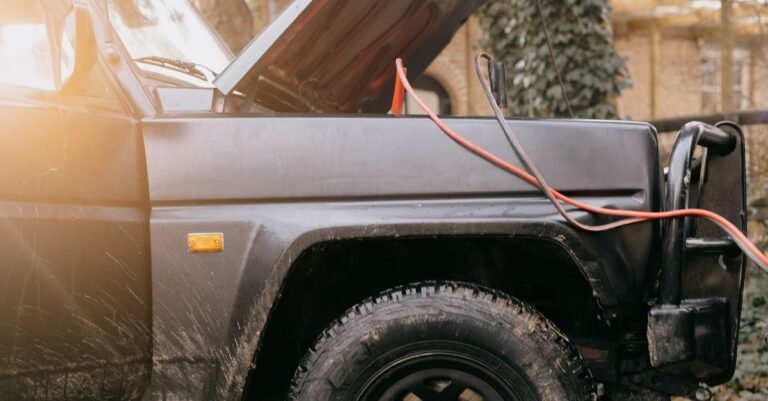
- Emergency gear: confirm you have a spare tire (or inflator kit), jack, jumper cables, and your roadside emergency kit. If you do not have a kit yet, see our roadside emergency kit checklist.
- Paperwork: insurance card and registration in the glove box, phone charger in the car.
If anything needs a mechanic, you still have time. That is the whole point of doing it midweek.
Step 5: Pack Thursday Night and Launch Friday
Here is the secret of people who take a lot of weekend trips: the car gets packed Thursday night. Friday-you is tired, decision-fatigued, and one forgotten item away from a meltdown. Thursday-you is calm and competent. Let Thursday-you do the work.
The Thursday night routine (30 minutes)
- Lay out clothes for the drive and the weekend. Check the destination forecast one more time.
- Pack the car: bags, cooler, hiking gear, pillows, chargers. Everything except what you need Friday morning.
- Prep food: wash fruit, make sandwiches or pack snack bags, freeze water bottles to double as ice packs.
- Set out your "launch kit" by the door: wallet, keys, sunglasses, phone, any medications, the good snacks.
- Get to bed at a reasonable hour. AAA's drowsy-driving guidance is blunt about this: aim for at least seven hours of sleep before driving, and never try to push through fatigue behind the wheel.
Launching Friday
The goal is to leave within 30 minutes of getting home. Change clothes, grab the launch kit and anything perishable from the fridge, lock up, and go. Leaving by 6 PM puts you at a 3-hour destination by 9, with time to settle in, find dinner or make camp, and actually see the stars.
Eat before you leave or plan one specific dinner stop. "We will find something" at 8:30 PM in an unfamiliar town is how you end up with gas station hot dogs. Which, to be fair, is a core road trip memory, but it should be a choice, not a default.
Driving smart on the way out
AAA recommends taking a break every two hours or 100 miles: get out, stretch, get fresh air, and only then continue. On a 3-hour Friday drive that means one real stop. Use it well. A 15-minute stretch at a rest area with a view beats white-knuckling straight through and arriving too wired to sleep.
If you are traveling with a partner, agree on driving shifts before you leave. Two hours each is the classic split. The passenger's job is navigation, snacks, music, and staying awake enough to keep the driver company.
A Sample Friday-to-Sunday Timeline
Here is what the system looks like in practice for a 3-hour-each-way trip:
| Time | Friday | Saturday | Sunday |
|---|---|---|---|
| Morning | Work as usual | Big breakfast, hit the trail by 9 | Sleep in, slow breakfast, pack up |
| Midday | Work as usual | Hike or main activity, picnic lunch | One last stop: overlook, town, or short trail |
| Afternoon | Leave by 6 PM | Lunch in town, rest or second short activity | Drive home (scenic detour optional) |
| Evening | Arrive ~9 PM, settle in, stargaze | The nice dinner out | Home by 7, unpack, early bed |
Total driving: about 6 to 7 hours across the whole weekend. Total adventure: two sunsets, one full day outside, and zero vacation days used.
7 Mistakes That Ruin Weekend Road Trips
- Driving too far. The number one killer. Four hours each way is the max for a two-night trip. Respect the radius.
- Over-scheduling. Three activities a day sounds fun on paper and feels like a forced march in practice. One anchor per half day.
- Booking nothing. "We will find a place" works on a Tuesday in February. It does not work on a Saturday in October near a national park.
- Packing Friday at 5 PM. You will forget the chargers. You always forget the chargers. Pack Thursday.
- Ignoring the car. A dashboard warning light is a suggestion you should have listened to on Wednesday, not a surprise on I-70.
- No food plan. Hungry travelers make bad decisions. Pack the cooler, plan the one nice dinner, and keep emergency snacks in the front seat.
- Trying to "do it all." You live within driving distance. The waterfall will still be there next month. Leave something for trip two.
Frequently Asked Questions
How far should I drive for a weekend road trip?
For a standard Friday-to-Sunday trip, keep it to 2 to 4 hours each way. That leaves you a full Saturday plus relaxed travel days. If you have a three-day weekend, you can stretch to 5 or 6 hours each way since you gain a whole extra day.
How much does a weekend road trip cost?
Most couples spend $300 to $600 for a two-night weekend road trip, including gas, lodging, food, and activities. Car camping close to home can bring that under $200. A hotel-based trip to a popular area can push past $800. Setting your budget in step 3 keeps it wherever you want it.
What should I pack for a weekend road trip?
The essentials: clothes for the forecast plus one warm layer, toiletries, medications, phone chargers, snacks and a cooler, water, a first aid kit, and gear for your planned activities (hiking boots, swimsuit, etc.). Our ultimate road trip packing list has the full printable checklist so you never forget the chargers again.
Is it better to leave Friday night or Saturday morning?
Friday night, almost always. Leaving Friday evening buys you a whole extra day at the destination. Saturday morning departures turn a weekend trip into a single full day, and you spend Sunday dreading the drive. If Friday traffic is brutal in your city, leave after 7 PM or take the scenic back roads.
How do I find good stops along my route?
Use the Roadtrippers app to discover attractions near your route, check the official tourism site for your destination, and search "[town name] reddit" for honest local opinions. Pick one or two planned stops and leave the rest to serendipity.
What if it rains the whole weekend?
Have a plan B town day ready: a museum, a historic main street, a brewery or great restaurant, a scenic drive with overlooks you can enjoy from the car. Some of the best road trip memories come from rainy-day pivots. Pack rain jackets regardless; a little rain should not cancel a hike, only a thunderstorm should.
Your Thursday Night Launch Checklist
Print this, stick it on the fridge, and run it Thursday night:
- [ ] Car packed: bags, cooler, gear, pillows
- [ ] Clothes laid out for Friday (drive outfit + weekend)
- [ ] Food prepped: snacks bagged, cooler iced, breakfast ready
- [ ] Launch kit by the door: wallet, keys, sunglasses, phone, meds
- [ ] Chargers in the car (phone, and a car adapter)
- [ ] Tires, fluids, lights checked (done by Wednesday ideally)
- [ ] Lodging confirmation saved (screenshot, in case of no signal)
- [ ] Route downloaded offline in Google Maps
- [ ] House secured: trash out, thermostat set, plants watered
- [ ] Alarm set, bed at a decent hour
That is the whole system. Five steps, a few weeknights of light prep, and Friday at 5 PM you are not planning a trip. You are on one. The trailheads, lakeshores, and small-town diners within a few hours of your office are waiting, and now you have a repeatable way to reach them. See you out there.