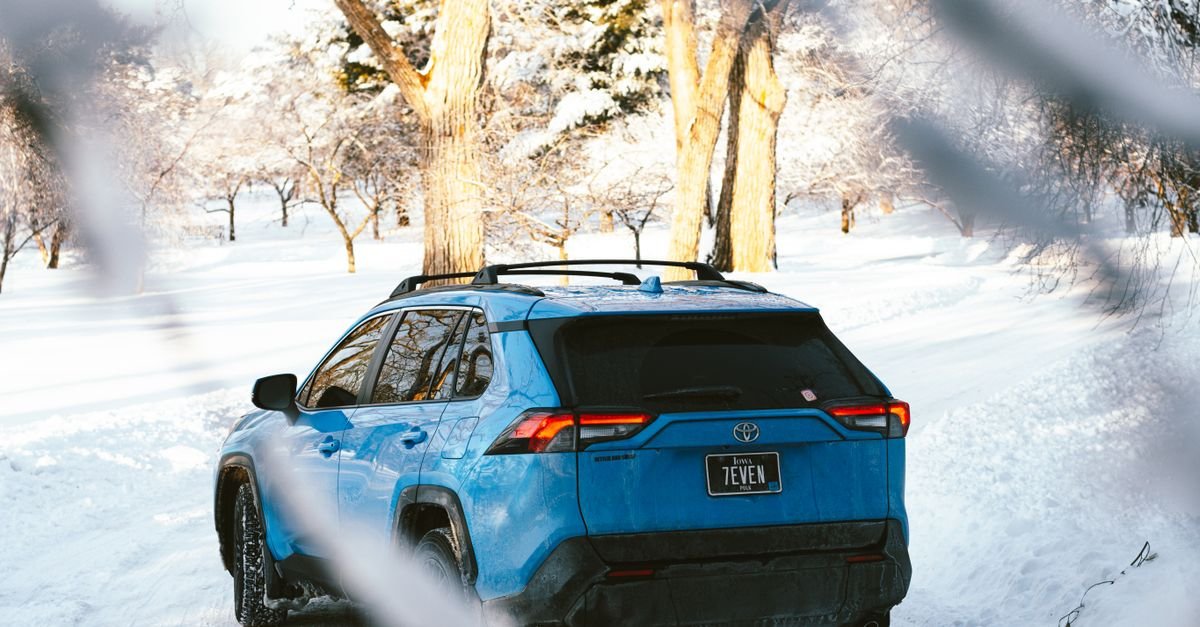
Winter Road Trip Essentials: Packing for Snow and Ice
Winter road trips are magic: empty trails, snow-draped pines, hot springs in falling snow, and national parks without the crowds. They are also the one kind of road trip where poor preparation can turn genuinely dangerous. Cold does not negotiate. It finds every gap in your planning, from the bald tires to the dead phone battery to the "we will be fine" attitude about that mountain pass.
This guide gives you the full winter system: how to prep your car, what the emergency kit must contain (based on AAA's recommendations), how to actually drive on snow and ice, what to do if you get stranded, and, just as important, how to decide when to stay home. Winter rewards the prepared and humbles everyone else.
Winter Road Trip Essentials: The Short List
- Winterized car: good tires with real tread, healthy battery, full antifreeze and winter washer fluid, working heat and defroster.
- Emergency kit: blankets, extra warm clothes, food, water, flashlight, power bank, shovel, traction aids, jumper cables or jump starter, first aid kit.
- People gear: layered winter clothing, waterproof boots, hat, gloves, extra socks, hand warmers.
- Knowledge: how to drive on snow and ice, what black ice feels like, and the discipline to cancel when conditions say no.
The Car: Winterizing Before You Leave
Do this a week before the trip, not the night before. Cold exposes every weakness.
Battery: cold cranking is brutal on batteries. If yours is more than three years old, have it tested. Most auto parts stores do it free. A battery that is "fine" in October can die on a 10-degree morning in January.
Antifreeze/coolant: verify the level and that the mixture is rated for your coldest expected temperature. Low or weak coolant can freeze, crack the engine block, and end a trip permanently.
Washer fluid: switch to winter-rated fluid that will not freeze on the windshield. Road spray at highway speed will freeze regular fluid into an opaque sheet exactly when you need visibility most.
Wipers: if they streak at all, replace them. Consider winter blades, which resist ice buildup.
Heat and defroster: run them now. Discovering the defroster is weak while driving into a snowstorm is a special kind of misery.
Lights: clean every lens. Winter grime cuts headlight output dramatically, and short days mean you drive in the dark more.
Fuel: keep the tank at least half full all trip. In extreme cold, a fuller tank reduces condensation in the fuel system, and if you get stuck, the engine is your heater.
Tires: Your Most Important Winter Decision
Everything about winter driving starts where rubber meets road. Here is the honest breakdown:
| Option | What it is | Best for |
|---|---|---|
| All-season tires (good tread) | The default on most cars | Light snow, well-plowed highways, occasional winter trips |
| Winter/snow tires | Soft rubber compound that stays grippy below freezing | Regular winter driving, mountain trips, anyone who road trips all winter |
| Snow chains or cables | Metal traction devices fitted over tires | Required by law on some mountain passes during storms; emergency backup |
| All-terrain tires | Aggressive tread, often snow-rated | Trucks and SUVs splitting time between highway and unpaved winter roads |
Tread depth matters more than the label. An all-season tire with 8/32" of tread outperforms a winter tire worn to 4/32". Check with a quarter: insert it upside down into the tread. If you can see the top of Washington's head, your tread is too shallow for winter.
Chains: some mountain states require carrying chains (or having traction tires) during winter, and chain controls can appear with little warning on passes. Practice putting them on once in your driveway. Doing it for the first time in a blizzard on a highway shoulder is nobody's idea of fun.
The Winter Emergency Kit
AAA's seasonal guidance lists the core of a proper winter kit. Build yours from this:
| Category | Pack |
|---|---|
| Warmth | Wool or thermal blankets (one per person), extra hats, gloves, socks, hand and foot warmers |
| Visibility/signal | Flashlight with extra batteries (or hand-crank), reflective triangles or flares |
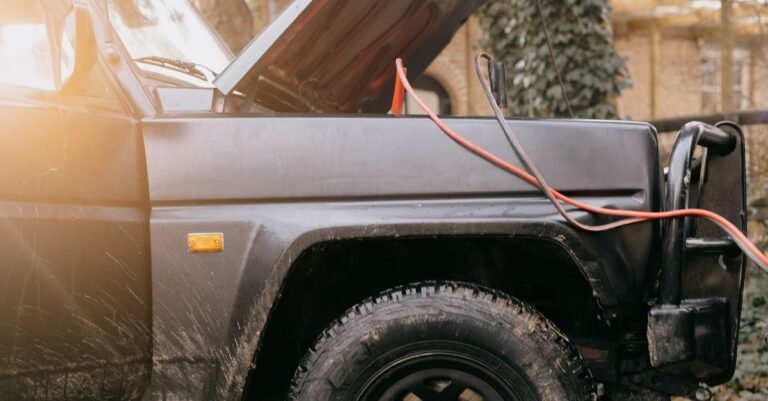
| Traction/recovery | Bag of kitty litter or sand, traction mats, compact snow shovel, jumper cables or portable jump starter |
| Sustenance | High-energy snacks (protein bars, nuts, jerky), bottled water (check periodically that bottles have not frozen and cracked) |
| Comms/power | Fully charged power bank, phone charger |
| Medical | First aid kit with bandages, antiseptic, pain relievers, personal medications |
| Tools | Multi-tool, extra fuses, paper towels, windshield washer fluid |
Keep the kit accessible, not buried under luggage. If you slide off the road, you need the blankets and flashlight in seconds, not after unpacking the trunk in a snowbank.
What to Wear and Pack for People
Dress for the possibility of standing outside in the worst weather on your route, because that is exactly when you will need it: changing a tire, digging out, or waiting for a tow.
- Base layer: moisture-wicking thermal top and bottom. Cotton kills in winter because it holds sweat against your skin.
- Mid layer: fleece or wool for insulation.
- Outer layer: waterproof, windproof shell. Wind is what makes 20 degrees feel like zero.
- Extremities: warm hat (you lose disproportionate heat from your head), insulated gloves or mittens (mittens are warmer), wool socks plus a spare pair, waterproof insulated boots.
- In the car: a warm blanket per person even if you never plan to need it, plus a thermos of something hot for departures.
Driving on Snow and Ice: Technique That Keeps You Safe
Winter driving is a different skill, and it is learnable. The core principle: everything happens slower. Accelerate gently, brake earlier, steer smoothly, and multiply your following distance.
- Following distance: triple it at minimum. On ice, think in terms of 8 to 10 seconds behind the car ahead, not car lengths.
- Braking: brake early and gently before turns, not during them. If you have ABS, press firmly and hold in an emergency; the pulsing pedal is normal. If you skid, look where you want to go and steer there; do not slam the brakes.
- Hills: build momentum before the climb (without speeding), and descend slowly in a low gear rather than riding the brakes.
- Cruise control: turn it off on slippery roads. You want direct control of acceleration.
- Bridges and overpasses: they freeze first. Treat every bridge as potentially icy even when the road feels fine.
- Speed: the speed limit assumes good conditions. In snow, the safe speed is often far below it. Arriving late beats not arriving.
If your car starts to slide, the instinct is to yank the wheel and stomp the brake. Both make it worse. Ease off the gas, look where you want the car to go, steer smoothly in that direction, and give the car time to respond.
Black Ice: How to Handle It
Black ice is a thin, transparent glaze that looks like wet pavement. It forms overnight on bridges, in shadows, and anywhere meltwater refreezes. You often cannot see it until you are on it.
Prevention: be extra cautious in the early morning, on bridges and overpasses, and in shaded curves. If the temperature is near freezing and the road looks wet, assume parts of it are ice.
If you hit it: do not brake hard and do not jerk the wheel. Ease off the accelerator, keep the wheel steady, and let the car roll across it. Most black ice patches are short. Panic is what turns a slippery moment into a spin.
The Go or No-Go Decision: When to Cancel
The hardest winter skill is not driving. It is deciding not to. Set your rules before the trip, when you are calm:
- National Weather Service winter storm warning or blizzard warning on your route: do not go. Warnings mean dangerous conditions are happening or imminent.
- Chain controls you are not equipped for: if the pass requires chains and you do not have them (or do not know how to fit them), reroute or wait.
- You are uncomfortable: this is a valid reason on its own. No one at the office will remember that you postponed; everyone remembers a ditch.
- The return matters more than the arrival: check the forecast for the drive home, not just the drive out. Getting there is only half the trip.
Build a flex day into winter itineraries. Storms pass. The mountains will still be there tomorrow, and driving them in sunshine after a storm is one of life's great pleasures.
If You Get Stranded: Survival Priorities
If you slide off the road or get stuck in a storm, run this list in order:
- Stay with the car. It is shelter, it is visible, and it has supplies. People who leave their cars in winter storms get into life-threatening trouble.
- Make yourself visible. Hazards on, dome light on at night, bright cloth on the antenna. Clear snow from the tailpipe area and keep checking it.
- Stay warm. Blankets on, extra layers on, huddle together. Run the engine in bursts: about 10-15 minutes per hour for heat, with a window cracked slightly for ventilation. Keep the exhaust pipe clear of snow to prevent carbon monoxide buildup. This is critical.
- Stay hydrated and fed. Melt snow for water only if you must (it lowers body temperature; a little at a time). Eat the high-energy snacks.
- Signal and wait. A whistle or horn blasts in groups of three (the universal distress signal) if you hear people. Conserve phone battery; text rather than call when signal is weak, since texts get through on weaker signals.
Know hypothermia signs: uncontrollable shivering, confusion, drowsiness, slurred speech. Frostbite signs: numb, pale, or waxy skin, especially fingers, toes, nose, ears. Both are medical emergencies.
Winter Car Camping: Sleeping Warm on the Road
Combining this guide with our car camping system? Winter car camping is absolutely doable with a few adjustments. Upgrade to a sleeping bag rated at least 10 degrees below the expected low, and double up insulation underneath you: a foam pad plus an air mattress, because the car floor leeches heat all night. Crack two windows a half inch for ventilation (condensation freezes on windows otherwise), and keep a dedicated warm layer, beanie, and thick socks just for sleeping. Never run the engine all night for heat; the carbon monoxide risk is real. Instead, do the hot water bottle trick: boil water on your camp stove, fill a sturdy bottle, and tuck it in your sleeping bag. Park facing east for morning sun, and keep your boots and next day's clothes in the sleeping bag with you so nothing freezes solid overnight.
Winter Road Trip Destinations Worth the Effort
- Yellowstone in winter: geysers steaming in subzero air, wolves and bison in the snow. Limited road access (most roads close; the north entrance stays open), which keeps crowds tiny.
- Hot springs tours: Colorado, Idaho, and Nevada have spectacular developed and wild hot springs. Soaking in 104-degree water while snow falls is peak winter.
- Desert parks in winter: Zion, Joshua Tree, and Saguaro are delightful in winter: cool hiking weather, tiny crowds, and snow-dusted cacti.
- Northern lights chasing: the Upper Midwest and northern New England offer aurora chances on dark winter nights.
- Cozy mountain towns: Leavenworth, WA; Stowe, VT; Ouray, CO. Christmas-light winters without needing to ski. These towns lean into the season with festivals, ice sculptures, and hot drinks on every corner, making them perfect for travelers who want winter atmosphere without winter sports.
Plan winter destination trips around flexibility. Book lodging with free cancellation, watch the forecast from a week out, and be ready to swap a mountain park for a desert park if a storm parks itself over your route. The travelers who enjoy winter most are the ones who treat the itinerary as a suggestion.
Frequently Asked Questions
Do I need snow tires for a winter road trip?
Not always, but they are the single biggest safety upgrade for regular winter driving. For an occasional trip on plowed highways, good all-season tires with deep tread are adequate. For mountain passes, frequent winter trips, or any driving in serious snow country, winter tires are worth every penny. Check tread depth regardless.
How do I keep my car from freezing overnight on a trip?
Park facing east so the morning sun hits the windshield, lift wipers off the glass, and use a windshield cover or even a tarp. Keep the fuel tank half full or more. If temperatures will be far below zero, consider a block heater if your car supports one.
Is it safe to drive through a blizzard?
No. Blizzard conditions mean whiteout visibility and life-threatening wind chills. If you are caught in one unexpectedly, get off the road at the first safe exit, parking lot, or town and wait it out. Never try to push through a blizzard to "make time."
What should I do if my car slides on ice?
Ease off the gas, do not slam the brakes, look where you want to go, and steer smoothly in that direction. Most slides resolve if you stay calm and avoid sudden inputs. ABS will pulse the brakes for you in a hard stop; keep firm pressure and steer.
Can I use cruise control in winter?
Not on slippery or potentially slippery roads. Cruise control can cause sudden acceleration if the car loses traction, and it slows your reaction time. Save it for dry, clear stretches.
How much extra time should I allow for winter driving?
Plan on trips taking 25 to 50 percent longer than in good conditions, and build in a buffer day for storms. Rushing is the root cause of most winter driving trouble.
Is roadside assistance worth it for winter road trips?
Yes, especially if you drive an older car or travel remote routes. A dead battery or slide-off in subzero weather is exactly when you want one phone call to bring help. Check what your auto insurance or credit card already includes before buying a separate plan, and save the assistance number in your phone (and on paper) before you leave.
Winter Packing Checklist
| Category | Pack |
|---|---|
| Car | Winter tires or chains, battery tested, winter washer fluid, antifreeze checked, ice scraper, snow brush |
| Emergency kit | Blankets, extra warm clothes, hand warmers, shovel, kitty litter/sand, jumper cables, flashlight, power bank, first aid, flares/triangles, snacks, water |
| Clothing | Thermal base layers, fleece mid-layer, waterproof shell, insulated boots, hat, gloves/mittens, wool socks + spares |
| Navigation | Offline maps downloaded, paper map, route shared with someone at home |
| Comfort | Thermos, high-energy snacks, sunglasses (snow glare is real), lip balm, lotion |
Winter does not care about your itinerary, but it richly rewards your preparation. Pack the kit, respect the forecast, drive gently, share your route with someone back home, and you will get the version of the season most travelers never see: silent snow, empty parks, and steaming hot springs under falling flakes. That is worth a little extra packing.