Best Aquariums in the United States
Best Aquariums in the United States rank among the most advanced in the world. They combine science, engineering, and education at a scale few countries match. These institutions do more than display marine life. They support conservation, rescue injured animals, and help the public understand fragile aquatic systems.
For travelers, best aquariums in the united states offer reliable, weather-proof experiences. For families, they provide structured learning without pressure. For students and curious adults, they translate complex marine science into clear, visual knowledge. A well-designed aquarium leaves visitors better informed, not just entertained.
The strongest US aquariums operate under strict professional standards. Many hold accreditation from the Association of Zoos and Aquariums. AZA accreditation matters because it sets enforceable requirements for animal welfare, veterinary care, habitat design, nutrition, staff training, and conservation funding. Facilities undergo regular inspections and peer review. Accreditation is not permanent and can be withdrawn. This system separates serious institutions from attractions focused only on display.
This guide evaluates aquariums based on real-world value. Rankings rely on experience quality, ethical practices, and educational impact rather than popularity alone. Size matters only when it improves animal welfare and visitor understanding. Conservation work, research partnerships, and rescue programs carry significant weight.
Practical planning also plays a role. Location, accessibility, crowd management, and visit length affect whether an aquarium fits into a trip. Clear layouts, public transportation access, and inclusive design improve the experience for all visitors.
This guide serves multiple audiences. Families looking for educational outings will find options with interactive exhibits and clear pacing. Couples seeking thoughtful experiences will find aquariums with strong design and quieter spaces. Solo travelers and students will find institutions that reward curiosity and time.
How We Chose the Best Aquariums in the United States
Selection relied on professional standards used within marine science and zoological fields. Popularity alone did not qualify an aquarium. Each location needed to demonstrate long-term value for animals, visitors, and conservation outcomes.
Size and scale of exhibits
Large habitats matter when they improve animal welfare. Greater water volume supports stable chemistry, natural movement, and social behavior. Scale counted only when paired with sound engineering and expert care.
Marine life diversity
Priority went to best aquariums in the united states that present complete ecosystems. Sharks, sea turtles, penguins, rays, and coral reef species must appear within a clear ecological context. Diversity without explanation does not educate.
Conservation and rescue programs
Active involvement in wildlife rescue and rehabilitation carried significant weight. Best Aquariums in the United States operating conservation centers or partnering with wildlife rescue programs demonstrate responsibility beyond display. Measurable outcomes mattered more than messaging.
Visitor experience and education
Strong aquariums guide visitors through learning, not confusion. Underwater tunnels, touch tanks, and interactive exhibits earn credit only when supported by accurate interpretation. Education needed to remain clear, factual, and age-inclusive.
Accessibility and travel convenience
Location affects educational reach. Best Aquariums in the United States near public transportation, with barrier-free design and clear navigation, serve broader audiences. Practical planning features such as timed entry and crowd flow improved overall value.
Accreditation by the Association of Zoos and Aquariums served as a baseline requirement. AZA standards cover animal welfare, veterinary oversight, staff training, emergency planning, and conservation funding. Institutions undergo regular inspections and peer review. This process separates ethical aquariums from purely commercial attractions.
List of the Biggest Aquariums in the US Worth Visiting
Size influences what an aquarium can responsibly display. Large water volume supports stable conditions, natural movement, and social behavior for wide-ranging species. Open-ocean tanks, long viewing tunnels, and deep habitats allow animals to move in ways closer to their natural patterns. Still, scale alone does not define quality. The best large aquariums pair engineering with science, restraint, and clear education. When size improves welfare and understanding, it becomes an asset rather than a spectacle.
Georgia Aquarium: A Giant of Marine Engineering
Location: Atlanta, Georgia
The Georgia Aquarium represents one of the most complex aquatic engineering projects ever built. Its largest habitats hold millions of gallons and support species rarely displayed responsibly, including whale sharks and manta rays. These animals require extensive swimming space, stable water chemistry, and continuous monitoring.
Exhibit design focuses on depth and perspective. Large acrylic panels and expansive viewing windows allow visitors to observe natural movement without crowding animals. The Ocean Voyager habitat recreates pelagic environments rather than isolating species in fragmented tanks.
Behind-the-scenes tours provide insight into life support systems, veterinary care, and animal training methods used for health checks. These programs emphasize transparency and science. Educational staff explain filtration, nutrition, and enrichment in practical terms.
For first-time aquarium visitors, Georgia Aquarium offers clarity and scale without confusion. Layouts remain logical, signage stays focused, and learning builds progressively.
Shedd Aquarium: Great Lakes Meets Global Oceans
Location: Chicago, Illinois
Shedd Aquarium blends regional responsibility with global perspective. Its Great Lakes galleries highlight freshwater systems critical to human life, fisheries, and biodiversity. These exhibits correct a common gap in marine education by treating freshwater ecosystems with equal importance.
The Wild Reef habitat transitions visitors into coral environments, presenting sharks and reef species within structured ecological narratives. Careful lighting and habitat design support both animal welfare and visitor focus.
Shedd operates a dedicated aquatic animal health and rehabilitation center. Veterinary teams treat fish, amphibians, and other aquatic species while advancing care standards across the field. Research conducted onsite informs exhibit design and animal management.
Seasonal terraces overlook Lake Michigan and the Chicago skyline, reinforcing the connection between urban life and aquatic systems. Public transportation access and thoughtful pacing make Shedd accessible without sacrificing depth.
Johnny Morris’ Wonders of Wildlife: Museum and Aquarium Experience
Location: Springfield, Missouri
Johnny Morris’ Wonders of Wildlife National Museum and Aquarium offers a format rarely matched in the best aquariums in the United States. Instead of separating aquatic life from broader ecosystems, it places water systems within a complete environmental story. Visitors move between aquarium habitats and wildlife galleries without abrupt shifts, reinforcing how land and water connect.
The aquarium portion includes freshwater rivers, coastal systems, and large marine habitats. Species appear within layered environments rather than isolated tanks. Interpretation focuses on habitat relationships, food chains, and conservation pressures.
Wildlife galleries expand the experience beyond water. The Amazon Rainforest exhibit presents dense vegetation, humidity control, and species behavior patterns that mirror natural conditions. Swamp at Night shifts attention to nocturnal life, showing how ecosystems function after daylight fades.
This structure supports longer visits without fatigue. Families benefit from varied pacing and clear transitions. The combination format works especially well for children, who move between visual immersion and structured learning with ease.
Best Aquariums in the United States for Unique Experiences
Not every memorable aquarium relies on size. Some create impact through immersion, emotion, and education rooted in real outcomes. These aquariums focus on rescue work, conservation storytelling, and thoughtful design that encourages attention rather than overload.
South Carolina Aquarium: Sea Turtle Care and Conservation
Location: Charleston, South Carolina
The South Carolina Aquarium stands out for its active Sea Turtle Care Center. Injured turtles arrive from across the region suffering from boat strikes, entanglement, and cold exposure. Veterinary teams provide imaging, surgery, and long-term rehabilitation.
Visitors observe care areas through designated viewing spaces. Educational displays explain causes of injury, treatment methods, and release outcomes. This transparency builds trust and understanding rather than passive admiration.
Beyond turtle care, the aquarium highlights coastal ecosystems. Touch tanks allow controlled interaction with invertebrates. The salt marsh aviary introduces bird species native to southeastern wetlands. Each exhibit ties back to local conservation challenges.
The aquarium excels at storytelling grounded in real work. Conservation messaging remains clear, specific, and factual.
Ripley’s Aquarium of the Smokies: Walk Through the Ocean
Location: Gatlinburg, Tennessee
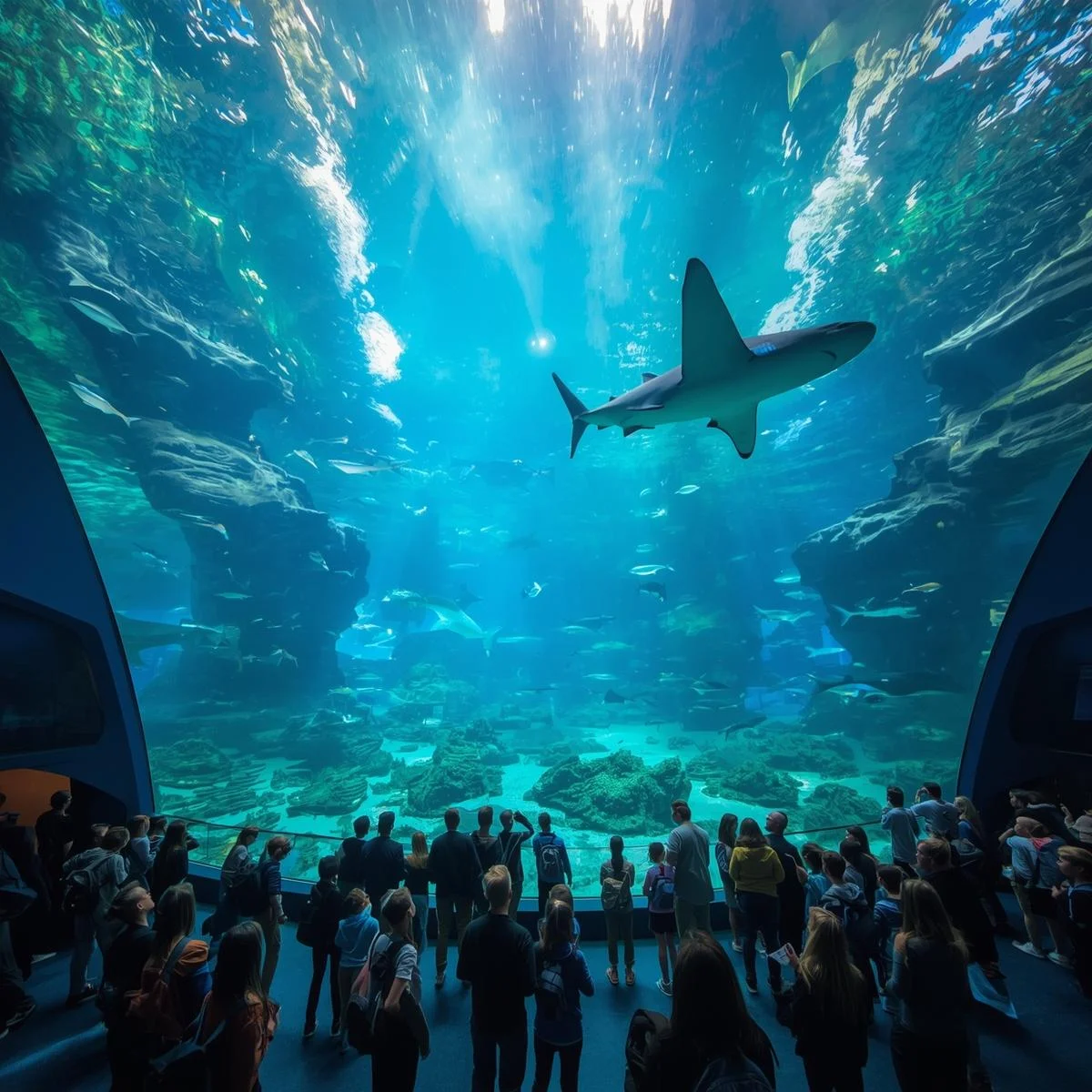
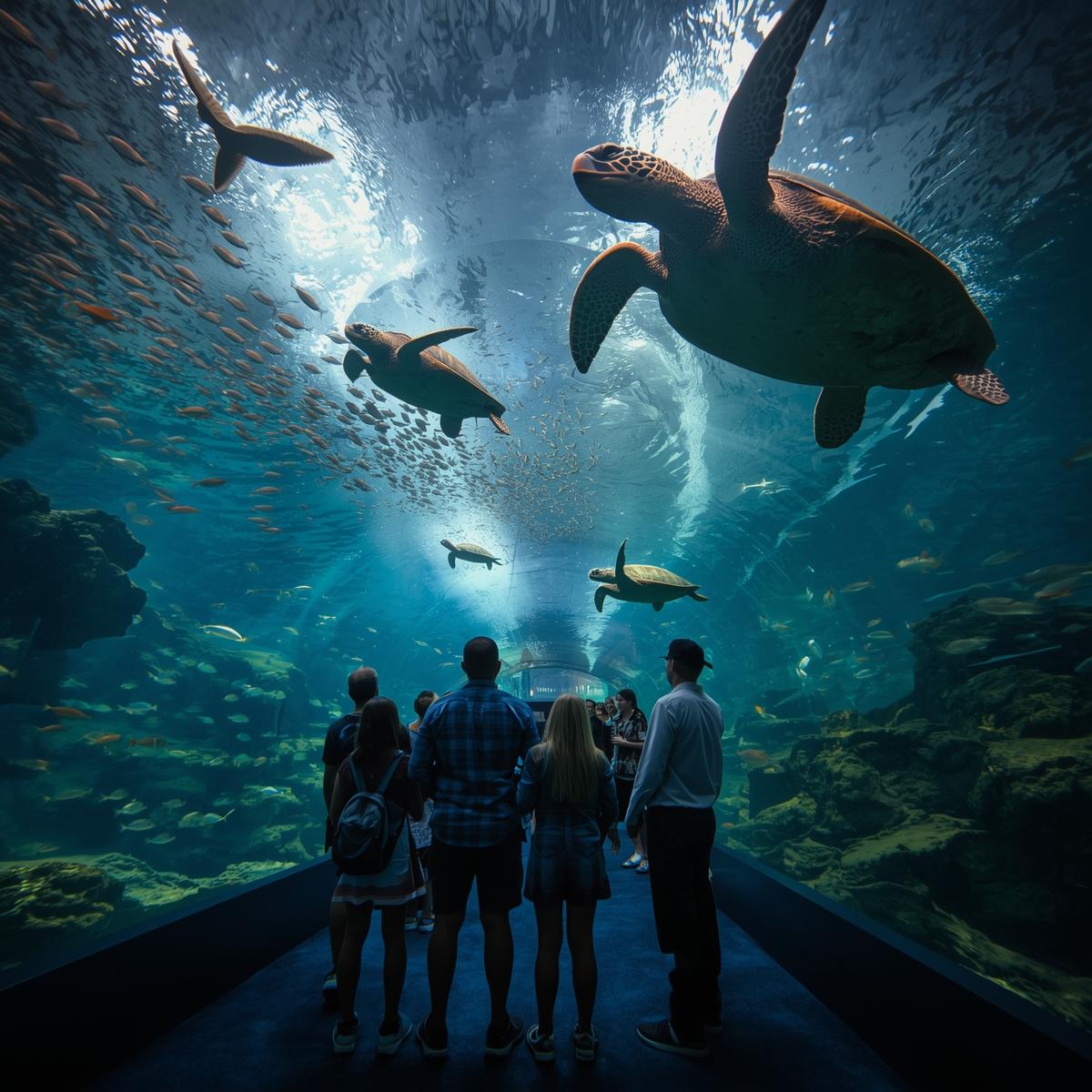
Ripley’s Aquarium of the Smokies centers on immersion. Its underwater tunnel provides continuous, unobstructed views of sharks, rays, sea turtles, and schooling fish. A slow conveyor system maintains steady movement, allowing visitors to observe animal behavior without crowd pressure.
Supporting exhibits include jellyfish galleries and tropical reef habitats. Lighting and design encourage focus rather than spectacle. Educational panels remain concise and age-inclusive.
Open year-round, the aquarium serves as a reliable indoor attraction in the Smoky Mountains region. Clear layouts and family-friendly pacing make it accessible for all ages.
New England Aquarium: Education at the Core
Location: Boston, Massachusetts
The New England Aquarium anchors its visitor experience around education and research. Its four-story ocean tank houses reef species within a vertical habitat visible from multiple levels. This design allows observation of depth-related behavior.
A prominent penguin colony introduces visitors to species behavior, breeding, and care practices. Interpretation emphasizes adaptation and environmental pressures.
Research through the Anderson Cabot Center for Ocean Life informs exhibits and public programming. Scientists study climate impacts, fisheries, and marine mammal protection. Findings translate into clear educational messages for visitors.
Public transportation access and compact design make this aquarium especially effective for school groups and independent learners.
Biggest Aquariums in the US for Families and Kids
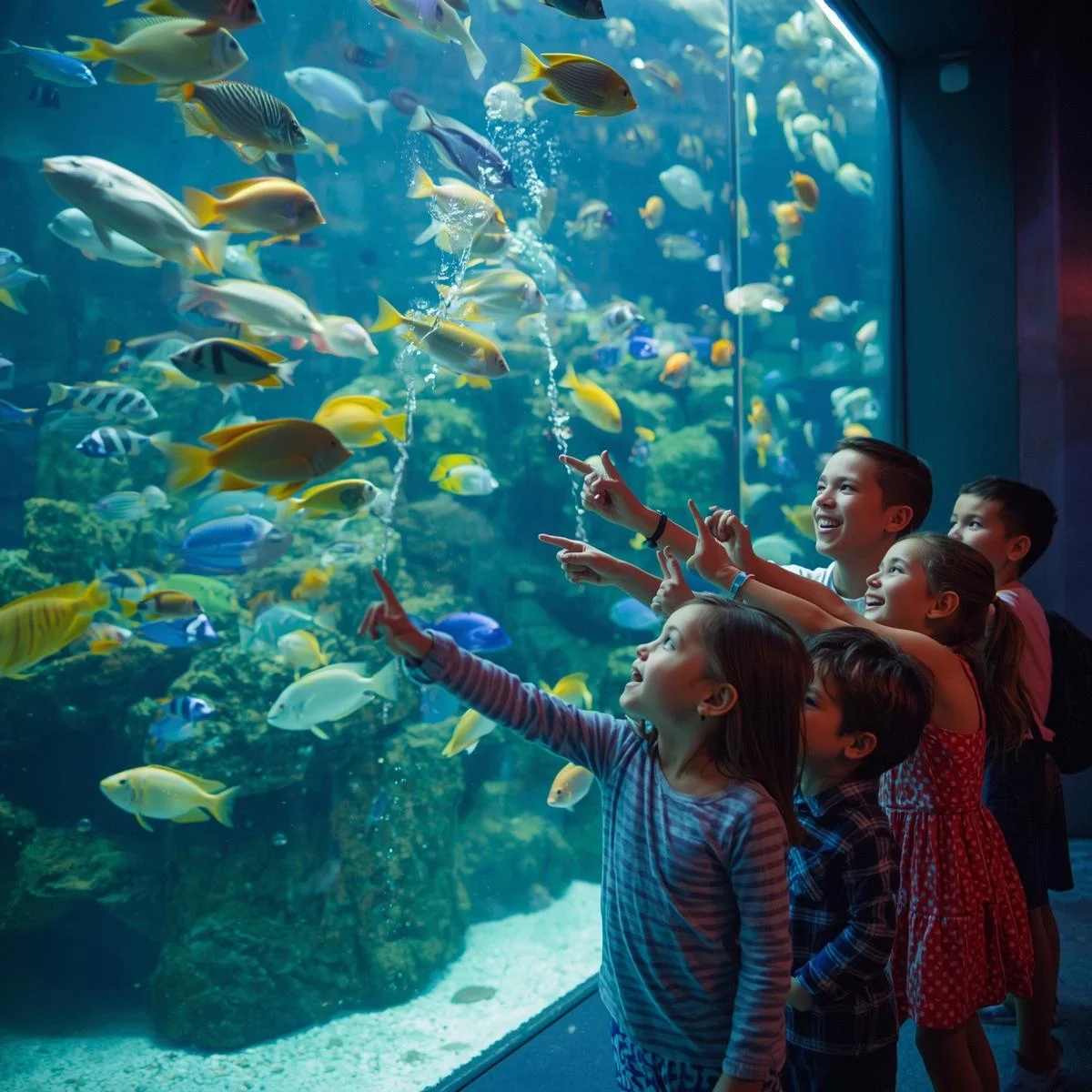
Family-focused aquariums succeed when they respect attention spans, movement needs, and learning differences. Interactive exhibits help children stay engaged without overstimulation. Clear pacing prevents fatigue. Indoor layouts offer reliable activities regardless of the weather. The best aquariums in the united states below balance education with comfort, making them well-suited for family travel.
Ripley’s Aquarium of Myrtle Beach
This aquarium delivers strong visual engagement within a compact, easy-to-navigate space. Shark tunnels allow children to observe large species from safe, immersive angles. Stingray touch pools provide controlled interaction supported by staff guidance. A penguin habitat adds familiarity and curiosity.
Free parking removes a common travel stressor. Its location at Broadway at the Beach places dining and entertainment within walking distance. Families can plan short visits without sacrificing experience quality.
OdySea Aquarium: Desert Meets Ocean
Location: Scottsdale, Arizona
OdySea Aquarium offers a climate-controlled escape in a desert environment. Exhibits include river systems, otter habitats, and penguin colonies presented with clear interpretation. Walkways remain wide and stroller-friendly.
The aquarium connects directly to nearby attractions such as Butterfly Wonderland and dinosaur-themed exhibits. Combo tickets extend value and reduce planning complexity. This setup allows families to adjust visit length based on energy levels.
Indoor design makes OdySea especially valuable during extreme summer heat.
Texas State Aquarium: Education and Splash Fun
Location: Corpus Christi, Texas
The Texas State Aquarium focuses on coastal ecosystems of the Gulf region. Exhibits present coral reefs, wetlands, and open-water habitats with a clear ecological context.
A dedicated Wildlife Rescue Center treats injured birds, turtles, and marine mammals. Visitors learn about rehabilitation processes and release efforts through structured interpretation.
Seasonal splash pads provide physical activity without distracting from educational goals. This balance keeps children engaged while reinforcing conservation themes.
Best Aquariums in America for Ocean Lovers and Conservation Fans
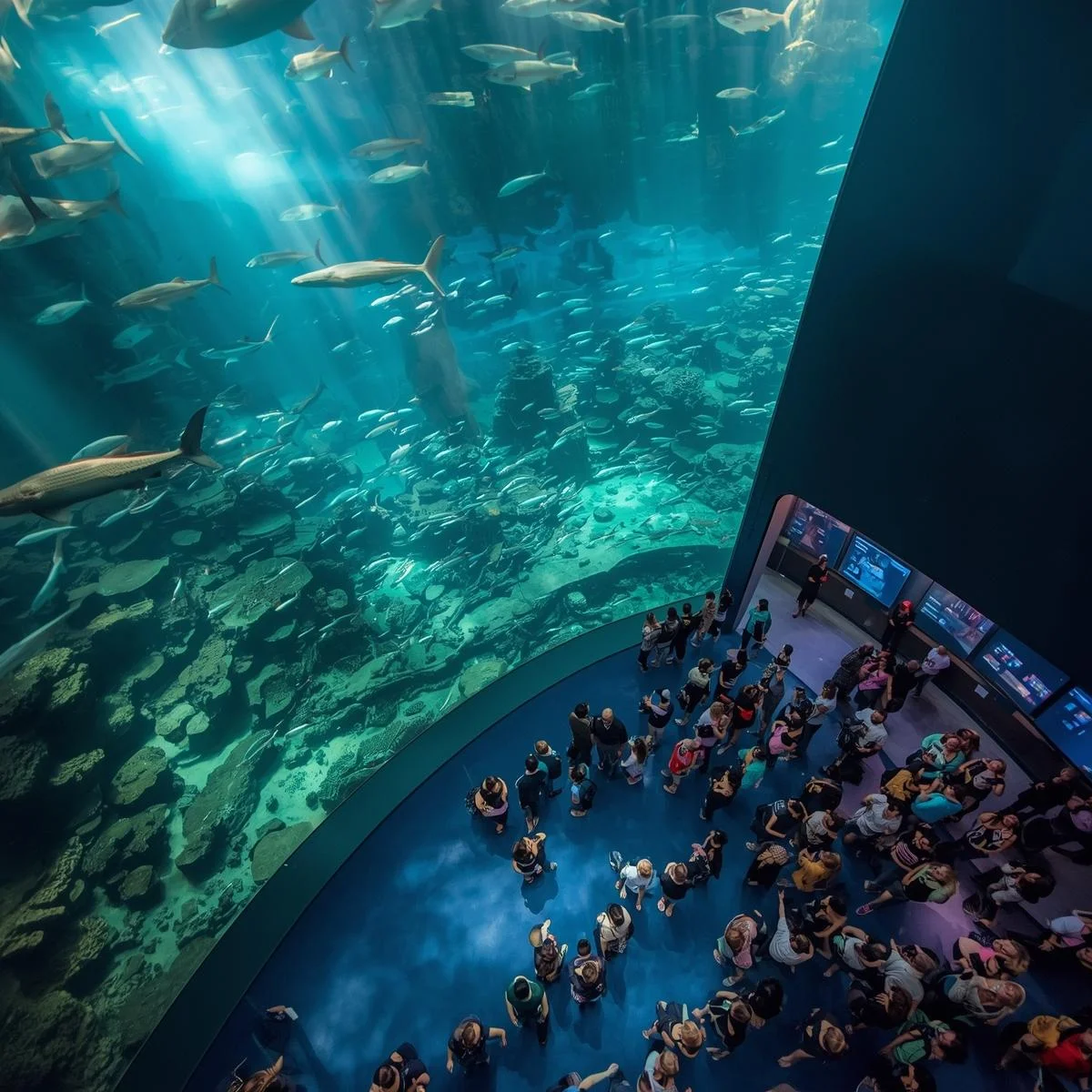
For many visitors, aquariums create lasting emotional connections. Seeing marine animals up close often shapes how people understand ocean health and human impact. Conservation-focused aquariums build on that connection by linking exhibits to real ecosystems, research, and protection efforts. These institutions appeal to travelers who value purpose alongside experience.
Maui Ocean Center: Hawaiian Marine Life Up Close
Location: Wailuku, Hawaii
Maui Ocean Center centers its entire mission on Hawaiian marine ecosystems. Every species displayed reflects local waters, reinforcing a strong sense of place. Sharks, rays, and sea turtles appear within habitats designed to mirror natural movement and behavior patterns.
The Open Ocean exhibit allows visitors to observe species native to the Pacific without artificial theming. Interpretation explains ecological roles and cultural significance rather than spectacle.
The “Humpbacks of Hawaii” three-dimensional experience draws directly from scientific research and underwater recordings. It presents whale behavior through documented data, not dramatization. This approach supports learning while maintaining emotional impact.
By focusing on regional identity, Maui Ocean Center promotes conservation through understanding rather than abstraction. Visitors leave with clearer insight into the ecosystems surrounding the islands.
Comparison Table: Which Aquarium Is Right for You?
Choosing the right aquarium depends on interests, travel style, and time available. The table below summarizes strengths across key categories.
Best Overall:
Georgia Aquarium offers unmatched scale paired with structured education and transparent care practices.
Biggest by Size:
Georgia Aquarium leads in water volume and open-ocean habitats.
Best for Kids:
Ripley’s Aquarium of the Smokies balances immersion with pacing suited to families.
Best for Conservation:
South Carolina Aquarium stands out for active sea turtle rehabilitation and clear conservation outcomes.
Best for Rainy Days:
New England Aquarium provides a compact design, strong transit access, and indoor learning.
Best for Couples:
Shedd Aquarium combines thoughtful exhibit design with scenic views and quieter spaces.
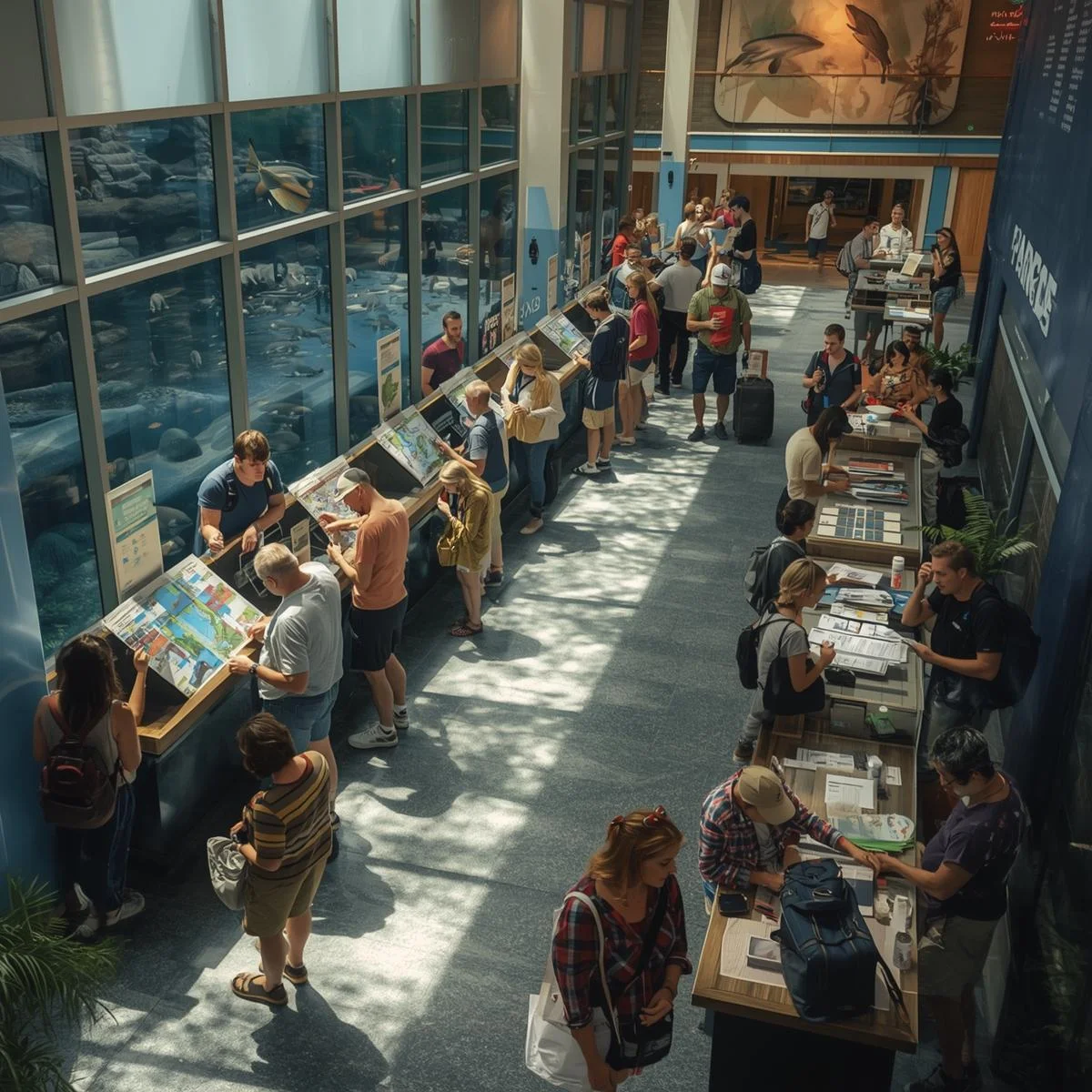
Planning Tips for Visiting Aquariums in the US.
Thoughtful planning improves both learning and enjoyment. Aquariums reward visitors who arrive prepared, especially at high-traffic locations.
Best times to visit
Weekday mornings offer the quietest experience. School holidays, weekends, and rainy days increase crowd levels. Early entry allows clearer views and easier movement through popular exhibits such as tunnels and large viewing windows.
Ticket strategies and city passes
Many major aquariums use timed entry to manage flow. Purchasing tickets in advance reduces wait times. City attraction passes often bundle aquarium admission with museums or zoos, lowering the overall cost for multi-day trips. These passes work best in cities with strong public transportation.
Parking versus public transportation
Urban aquariums frequently sit near transit hubs. Subways, buses, and commuter rail reduce cost and stress compared to downtown parking. In suburban or coastal locations, parking tends to be easier and often included with admission. Checking parking policies before arrival avoids delays.
Accessibility and stroller friendliness
Most major aquariums provide elevators, ramps, and accessible restrooms. Wide pathways support strollers and mobility devices. Some institutions offer sensory-friendly hours with reduced lighting and sound. Guest services can provide maps and quiet space guidance when needed.
Planning with these factors in mind leads to longer engagement and better learning outcomes.
Frequently Asked Questions
What is the largest aquarium in the United States?
Georgia Aquarium holds the largest exhibit volume, supporting open-ocean species that require extensive swimming space and advanced life support systems.
Are US aquariums ethical and accredited?
Many leading aquariums hold accreditation from the Association of Zoos and Aquariums. This accreditation enforces strict standards for animal welfare, veterinary care, staff training, and conservation funding through regular inspections.
Which aquarium is best for sea turtles?
South Carolina Aquarium leads in sea turtle rehabilitation. Its care center treats injured turtles and releases many back into the wild after recovery.
How long should you plan to spend at an aquarium?
Most visitors spend two to three hours. Large facilities or combined museum complexes may require four hours or more for a complete visit.
Conclusion: Why Aquariums Are a Must-Visit in the United States
Best Aquariums in the United States play a vital role in education, research, and wildlife protection. They translate complex ecosystems into experiences people can understand and remember. The strongest institutions pair science with ethics, creating environments that respect animals while informing the public.
For travelers, aquariums offer reliable attractions that enrich any itinerary. For families and students, they provide structured learning outside traditional classrooms. For conservation-minded visitors, they support organizations working to protect marine life and freshwater systems.