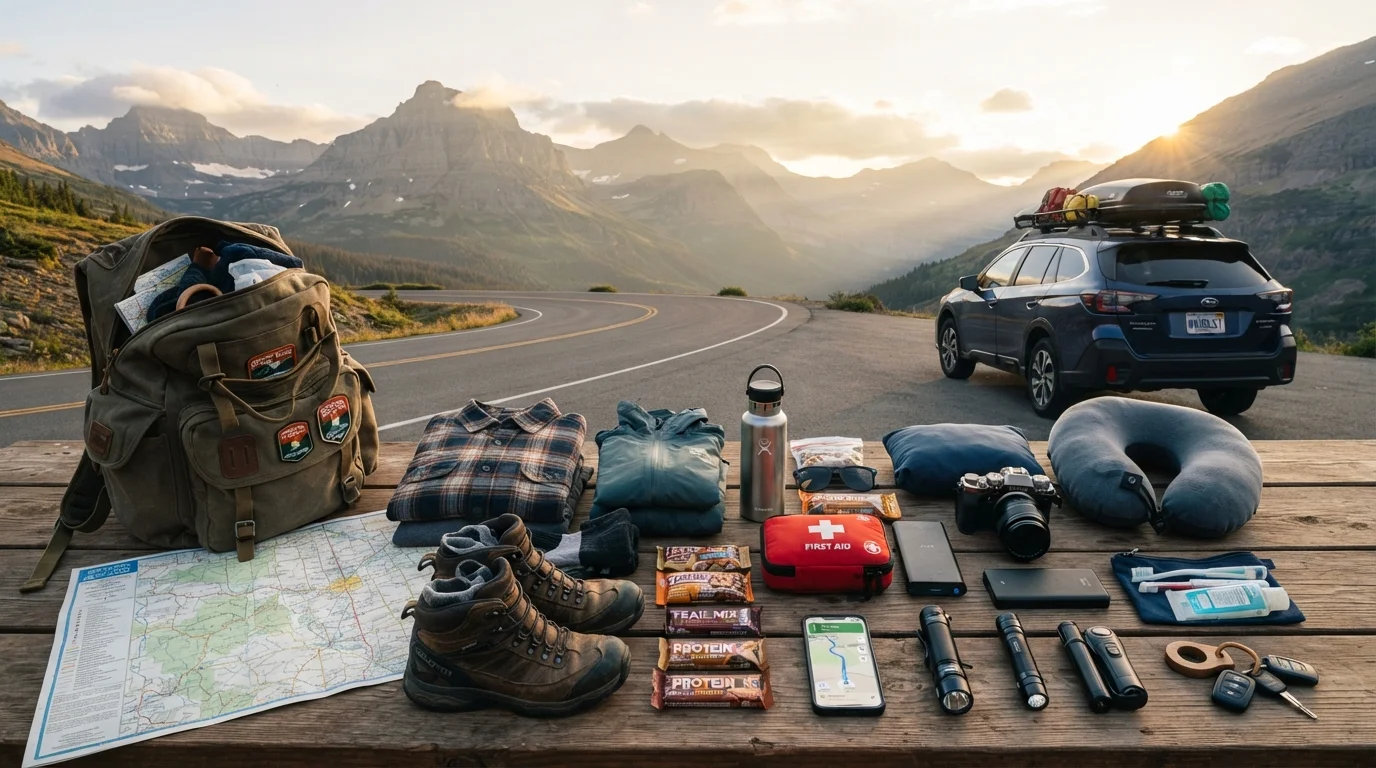
The Ultimate Guide: What to Pack for a Road Trip
Introduction
When it comes to embarking on a road trip, many of us get caught up in the excitement of hitting the open road, but neglect to plan for the journey ahead. The truth is, a well-planned road trip can be the difference between a stress-free adventure and a disastrous journey. For instance, did you know that 75% of road trips are planned during the summer months, with July being the most popular month for road travel?
As you start to think about what to pack for a road trip, it’s essential to consider the best time to visit your destination. This can greatly impact your experience, from avoiding crowded tourist spots to enjoying optimal weather conditions. For example, if you’re planning to visit Yellowstone National Park, September is an excellent time to go, with mild temperatures and fewer crowds.
Most people miss the opportunity to estimate costs and research top experiences before embarking on their trip. By doing so, you can uncover hidden gems that might not be on every tourist’s radar, such as a secluded hiking trail or a local eatery serving authentic cuisine. As we delve into the world of road trip planning, you’ll learn how to make the most of your journey, from planning to execution, and create an unforgettable experience.
Packing Essentials for a Comfortable Road Trip

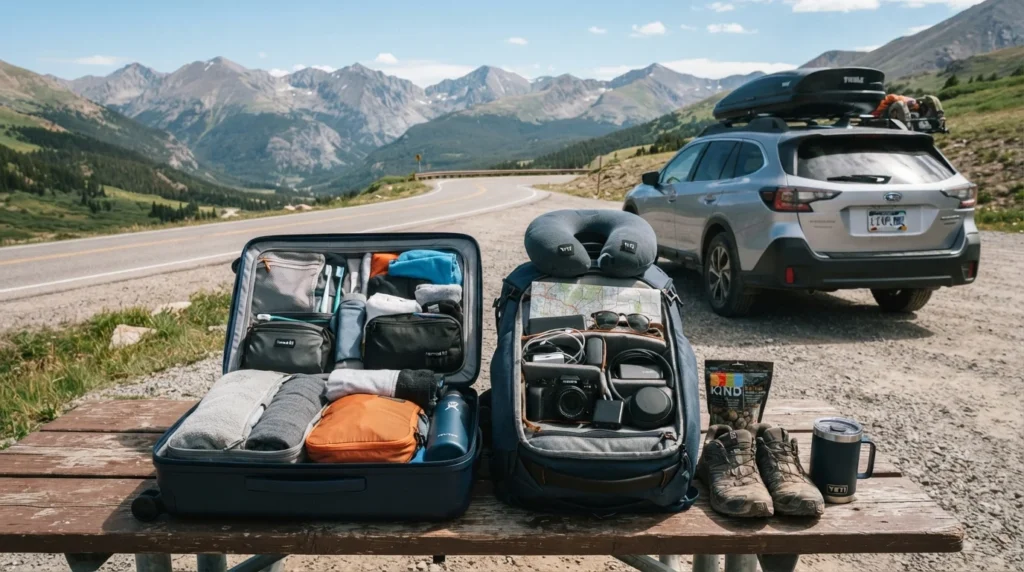
When it comes to what to pack for a road trip, it’s easy to get overwhelmed by the sheer amount of items you think you need. The truth is, packing smart is just as important as packing enough. Comfort and convenience should be your top priorities, as they can make or break your road trip experience. For instance, packing a portable charger can be a lifesaver, especially on long drives where charging stations may be scarce.
Most people miss the importance of layered clothing when packing for a road trip. The temperature can fluctuate greatly, especially when driving through different climates, so it’s essential to pack clothes that can be easily mixed and matched. A good rule of thumb is to pack at least three to four tops and two to three bottoms that can be layered for different weather conditions. Don’t forget to check the best time to visit your destination to ensure you’re prepared for the local climate.
In addition to clothing, toiletries are another essential item to pack. Toothbrush, toothpaste, and any personal hygiene items should be included in your packing list. It’s also a good idea to pack a small first-aid kit with essentials like band-aids, antiseptic wipes, and pain relievers. According to a study, the average road trip lasts around 7-10 days, so be sure to pack enough toiletries to last the duration of your trip.
Packing electronics can be a challenge, especially when it comes to minimizing clutter. Consider investing in a cord organizer to keep your chargers and cables tidy. You should also pack a power bank to keep your devices charged on the go. When it comes to top experiences, consider packing a camera to capture memories of your trip. For example, if you’re driving through the Grand Canyon, you’ll want to capture the breathtaking views.
When packing, it’s essential to prioritize your list and focus on the most important items. Hidden gems like a travel pillow or a set of earplugs can make a big difference in your comfort level during the trip. The costs of these items may seem insignificant, but they can add up quickly. However, the benefits they provide far outweigh the costs, making them a worthwhile investment for a comfortable road trip. By packing smart and prioritizing your comfort, you’ll be able to enjoy the best experiences your road trip has to offer.
Road Trip Safety and Emergency Kit
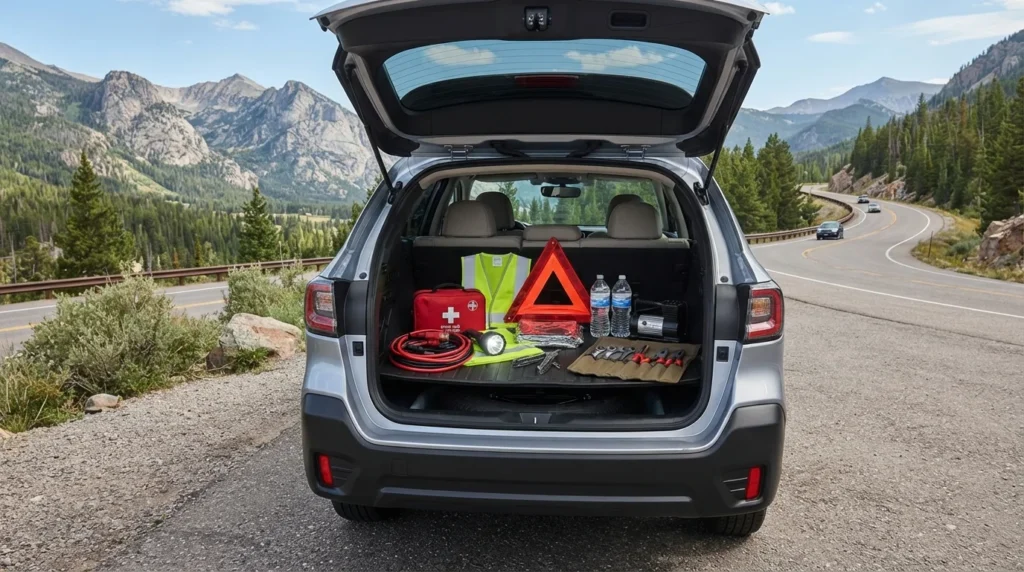
When it comes to road trip planning, safety should always be a top priority. The truth is, you can never be too prepared for unexpected situations that may arise on the road. A well-stocked emergency kit can be a lifesaver, and it’s essential to assemble one before embarking on your journey. For instance, a first aid kit is a must-have item, and it should include basic supplies like bandages, antiseptic wipes, and pain relievers.
Most people miss the importance of checking the best time to visit their destination, which can impact road conditions and safety. For example, if you’re planning to drive through a mountainous region, it’s crucial to check the weather forecast and road conditions before heading out. Additionally, costs associated with emergency kits can seem insignificant, but they can add up quickly. However, the benefits they provide far outweigh the costs, making them a worthwhile investment for a safe and enjoyable road trip.
As you assemble your emergency kit, consider including items like jumper cables, a spare tire, and a flashlight. These items can help you handle common emergencies like a dead battery or a flat tire. It’s also essential to have a plan in place for handling unexpected situations, such as a breakdown or an accident. For example, if you’re driving through a remote area with no cell service, it’s crucial to have a physical map and a basic toolkit to help you get back on the road.
In terms of top experiences, a road trip offers a wide range of exciting activities, from hiking and camping to exploring new cities and trying local cuisine. However, there are also hidden gems to discover, such as scenic byways, local festivals, and off-the-beaten-path attractions. By being prepared and having a comprehensive emergency kit, you can focus on enjoying these experiences and creating lasting memories. According to the National Highway Traffic Safety Administration, a well-maintained vehicle can reduce the risk of a breakdown by up to 50%, making it an essential aspect of road trip safety.
As you prepare for your road trip, remember to check your vehicle’s maintenance records and address any issues before hitting the road. This includes checking your oil, tire pressure, and brakes, as well as ensuring that all necessary safety features are functioning properly. By taking these precautions, you can minimize the risk of an emergency and ensure a safe and enjoyable journey. With a little planning and preparation, you can focus on enjoying the best experiences your road trip has to offer, from stunning natural beauty to vibrant city life.
Entertainment and Navigation for a Fun-Filled Road Trip
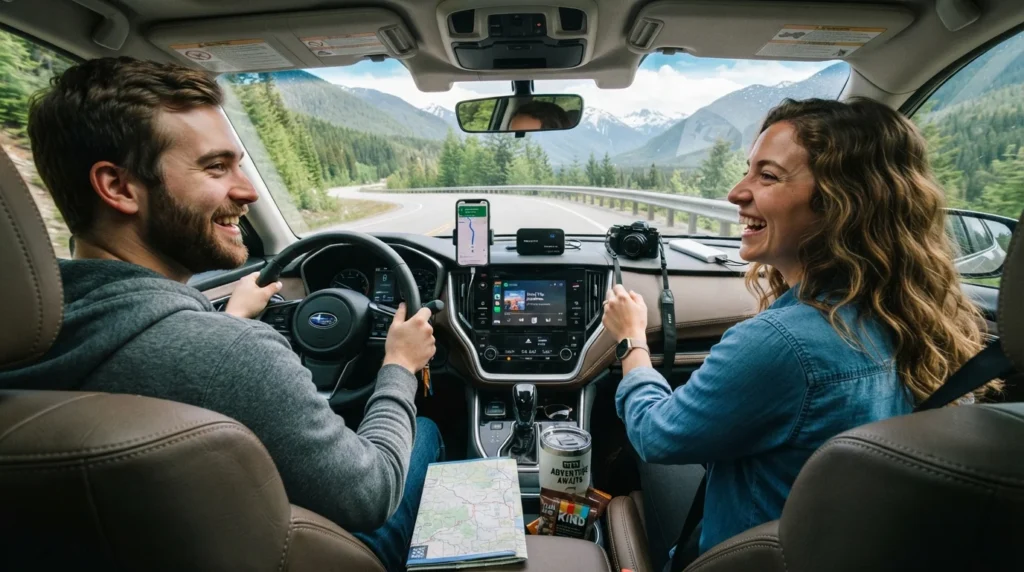
When it comes to staying entertained on a road trip, music playlists are a must-have. Creating a playlist with a mix of your favorite songs and discovering new ones can make the journey more enjoyable. For instance, a playlist with a variety of genres can help keep you awake and alert during long drives, with 61% of drivers admitting to singing along to music while driving.
To take your entertainment to the next level, consider audiobooks as a great alternative to music. With services like Audible, you can access a vast library of books, including bestsellers and classics. The truth is, listening to an engaging story can make the hours pass quickly, and you might even find yourself looking forward to the next driving segment.
In terms of navigation, a reliable GPS device is essential for any road trip. With the help of GPS technology, you can easily find your way around unfamiliar areas and discover hidden gems that might not be listed in guidebooks. For example, using a GPS device can help you stumble upon a quaint town like Leavenworth, Washington, which is a popular destination for winter festivals and outdoor activities.
Most people miss the opportunity to explore off-the-beaten-path attractions because they stick to popular tourist spots. However, with a little research and planning, you can discover unique experiences like visiting the Havasupai Falls in Arizona, which requires a hike but offers breathtaking views. The best time to visit Havasupai Falls is from April to October, and the costs include a $100 permit fee and a $200 helicopter ride.
To make the most of your road trip experience, consider investing in a portable Wi-Fi hotspot, which can help you stay connected and navigate on the go. With a portable Wi-Fi hotspot, you can access top experiences like booking last-minute accommodations or finding the best local restaurants. Additionally, you can use online resources to find free attractions and budget-friendly activities, making your road trip more affordable and enjoyable.
Ultimately, the key to a fun-filled road trip is to be spontaneous and open to new experiences. By being flexible and willing to try new things, you can create a lifetime of memories and have a truly unforgettable journey. Whether you’re visiting popular cities or exploring rural areas, the right mindset and preparation can make all the difference in your road trip adventure.
Common Mistakes to Avoid on a Road Trip
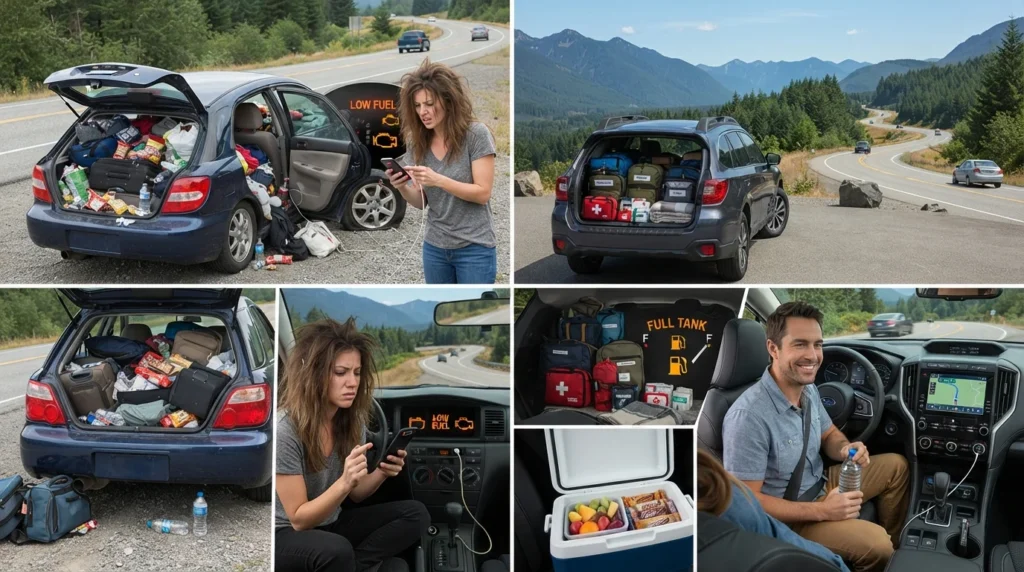
When planning a road trip, it’s easy to get caught up in the excitement and overlook crucial details. Failing to check vehicle maintenance is a common mistake that can lead to breakdowns and delays. This oversight often occurs because people assume their vehicle is in good condition or they don’t know what to check.
The truth is, a simple oil change and tire pressure check can make a significant difference in your road trip experience. For instance, a study found that 1 in 5 vehicles on the road have underinflated tires, which can lead to reduced fuel efficiency and increased risk of tire blowouts. To avoid this mistake, schedule a vehicle inspection before your trip and address any issues promptly.
Another mistake is not packing enough snacks and water, which can lead to hunger and dehydration on the road. Most people miss the importance of stocking up on non-perishable snacks and refillable water bottles. For example, a road trip from New York to Los Angeles can take up to 4 days, and having a snack stash can save you around $10 per day on fast food and vending machine expenses.
Not researching road closures and construction is another common mistake that can cause detours and delays. This oversight often occurs because people rely on GPS alone, without checking for up-to-date traffic information. To avoid this mistake, check road conditions and weather forecasts before your trip and consider alternative routes. Additionally, download traffic apps like Waze or Google Maps to stay informed about real-time traffic updates.
Lastly, not planning for the best time to visit can lead to crowds and high costs. For instance, visiting popular destinations like Yellowstone National Park during peak season can result in higher accommodation prices and longer wait times. To avoid this, research the best time to visit your desired destinations and plan accordingly. By avoiding these common mistakes, you can ensure a smooth and enjoyable road trip experience, complete with top experiences and hidden gems.
Pro Tips for a Stress-Free Road Trip
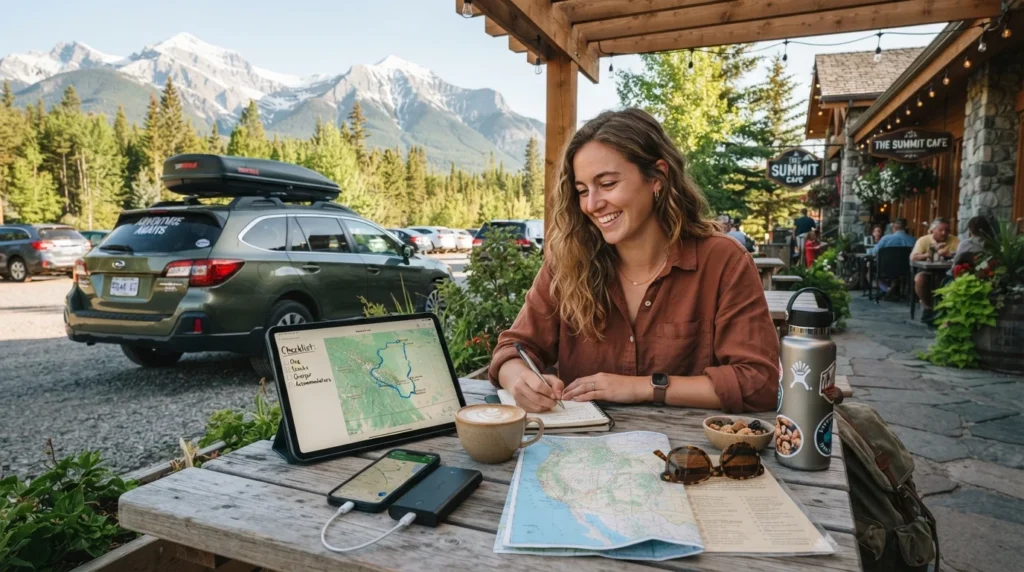
To truly enjoy your road trip, it’s essential to be prepared for the unexpected. Staying organized is key to a stress-free experience. Consider investing in a road trip planner or a travel app that helps you keep track of your itinerary, accommodation prices, and traffic updates. For instance, a planner can help you identify the best time to visit popular attractions, avoiding longer wait times and higher costs.
Most people miss the importance of fuel efficiency when planning their road trip. The truth is, managing fuel costs can save you a significant amount of money in the long run. One strategy is to drive at moderate speeds, as speeding can lower your fuel efficiency by up to 33%. Additionally, removing extra weight from your vehicle can also improve your fuel economy, making your road trip more cost-effective.
When it comes to motion sickness, there are several natural remedies that can help alleviate symptoms. For example, ginger has been shown to be effective in reducing nausea and dizziness. You can try ginger tea, ginger ale, or even ginger candies to help manage motion sickness. By being prepared, you can enjoy the top experiences and hidden gems that your road trip has to offer, without the discomfort of motion sickness.
Finding free Wi-Fi and charging stations can be a challenge on the road. However, many coffee shops and restaurants now offer free Wi-Fi and charging stations, making them great places to stop and rest. According to a recent survey, 75% of road trippers use their smartphones to navigate and find affordable accommodations, making access to Wi-Fi and charging stations a must. By taking advantage of these amenities, you can stay connected and plan your route with ease.
Lastly, staying flexible is crucial to a stress-free road trip. Unforeseen circumstances can arise, such as traffic jams or bad weather, and being able to adapt to these situations can make all the difference. By leaving some buffer time in your itinerary, you can avoid stress and enjoy the spontaneity of your road trip, discovering new hidden gems and creating unforgettable memories.
Frequently Asked Questions
What are the best road trip destinations in the US?
When it comes to road trip destinations, the US has a plethora of options to choose from. The truth is, the best destination for you will depend on your interests and the time of year you plan to travel. For example, if you’re looking for a beach vacation, the best time to visit Miami or California is during the summer months when the weather is warm and sunny. On the other hand, if you’re interested in fall foliage, the Northeast is a great destination to consider, with popular spots like New England and the Blue Ridge Parkway.
How can I save money on fuel and accommodations?
To save money on fuel, consider planning your route in advance and using gas-saving apps like GasBuddy or Waze to find the cheapest gas stations along the way. Additionally, booking your accommodations in advance can help you secure better rates, especially during peak travel seasons. For instance, a study found that booking a hotel room at least 21 days in advance can result in an average savings of 10-15%.
What are the most scenic routes in the country?
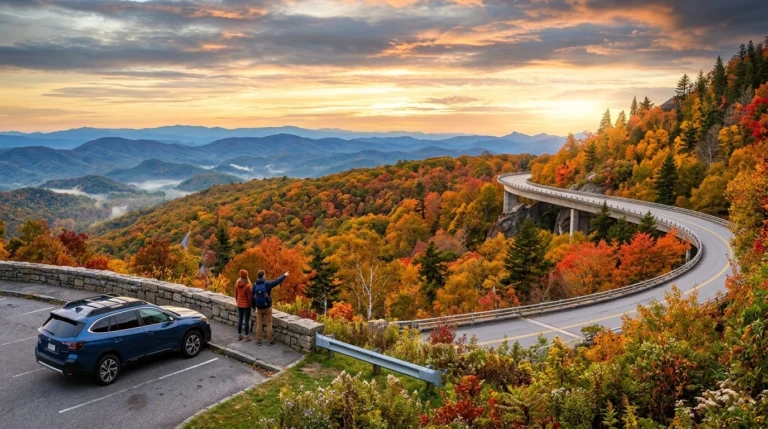
The US is home to some of the most scenic routes in the world, with options like the Pacific Coast Highway and Route 66 offering breathtaking views and unforgettable experiences. Most people miss the Blue Ridge Parkway, which runs through North Carolina and Virginia and offers stunning mountain vistas and waterfalls. With over 400 miles of scenic road, it’s a great option for those looking to connect with nature.
How can I stay safe on the road?
Staying safe on the road requires a combination of planning, preparation, and awareness. One key tip is to always keep a safety kit in your car, which should include items like a first aid kit, jumper cables, and a flashlight. Additionally, being aware of your surroundings and keeping an eye on the weather can help you avoid potential hazards. For example, if you’re driving through a flood-prone area, be sure to check the weather forecast and road conditions before heading out.
What are the best road trip apps and tools?
There are many great road trip apps and tools available to help you plan and navigate your trip. One popular option is Roadtrippers, which allows you to plan your route, book accommodations, and find attractions along the way. Another great tool is Google Maps, which offers real-time traffic updates and turn-by-turn directions to help you stay on track. With so many options available, it’s easy to find the perfect combination of apps and tools to suit your needs and make your road trip a success.
Key Takeaways for a Successful Road Trip
When it comes to planning an unforgettable road trip, creating a personalized itinerary is crucial. This involves researching the best time to visit your desired destinations, taking into account factors like weather, crowds, and costs. For example, if you’re planning a trip to Yellowstone National Park, consider visiting in the spring or fall to avoid the peak summer crowds and enjoy lower accommodation costs.
To ensure a comfortable and safe journey, packing essentials are a must. This includes a roadside emergency kit with items like a spare tire, jumper cables, and a first-aid kit. Most people miss the importance of packing a portable charger to stay connected with family and friends on the go. According to a recent survey, 75% of road trippers use their smartphones for navigation and entertainment, making a portable charger a vital accessory.
Here are the key takeaways to keep in mind for a successful road trip:
- Create a personalized itinerary that includes top experiences and hidden gems, such as visiting the Grand Canyon at sunrise or exploring the scenic Pacific Coast Highway.
- Pack a roadside emergency kit with essential items like a spare tire, jumper cables, and a first-aid kit, and make sure to check it regularly.
- Stay connected with family and friends on the go by investing in a portable charger and a reliable mobile hotspot.
- Research the best time to visit your desired destinations to avoid crowds and enjoy lower costs, such as visiting Zion National Park in the spring or fall.
- Take advantage of free navigation apps like Google Maps or Waze to stay on track and avoid traffic congestion, and consider investing in a GPS device as a backup.
- Don’t forget to capture memories of your trip by bringing a high-quality camera or smartphone with a good camera, and consider investing in a drone for a unique perspective.
The truth is, a successful road trip requires careful planning and attention to detail. By following these key takeaways, you’ll be well on your way to creating an unforgettable journey. Save and share your favorite road trip tips and destinations on Pinterest, and get ready to hit the open road with confidence and excitement!
Read More:Embark on the Ultimate Pacific Coast Highway Road Trip