

19 Best Times to Visit Cape Town for Every Season
Introduction
Cape Town sees over 300 days of sunshine a year — yet picking the best time to visit Cape Town isn’t as simple as chasing good weather. The right month depends entirely on what you actually want to do there.
This city runs on a Mediterranean climate that flips the script on traditional seasons: hot, dry summers from November to April, and cool, wet winters that transform the landscape into something quietly spectacular.
That contrast creates wildly different travel experiences depending on when you arrive. Wildlife encounters, whale watching, world-class wine harvests, festival season, budget travel windows — they all peak at different times.
For another perspective, this detailed piece on Best Time to Visit Cape Town is worth a read.
In this guide, we’ve mapped out 19 distinct travel scenarios to help you find your perfect timing, whether you’re planning a beach holiday, a hiking adventure, or a family-friendly escape on a tighter budget.
Your ideal Cape Town trip is out there — it just depends on knowing when to go.
Best Time to Visit Cape Town: A Quick Season-by-Season Overview
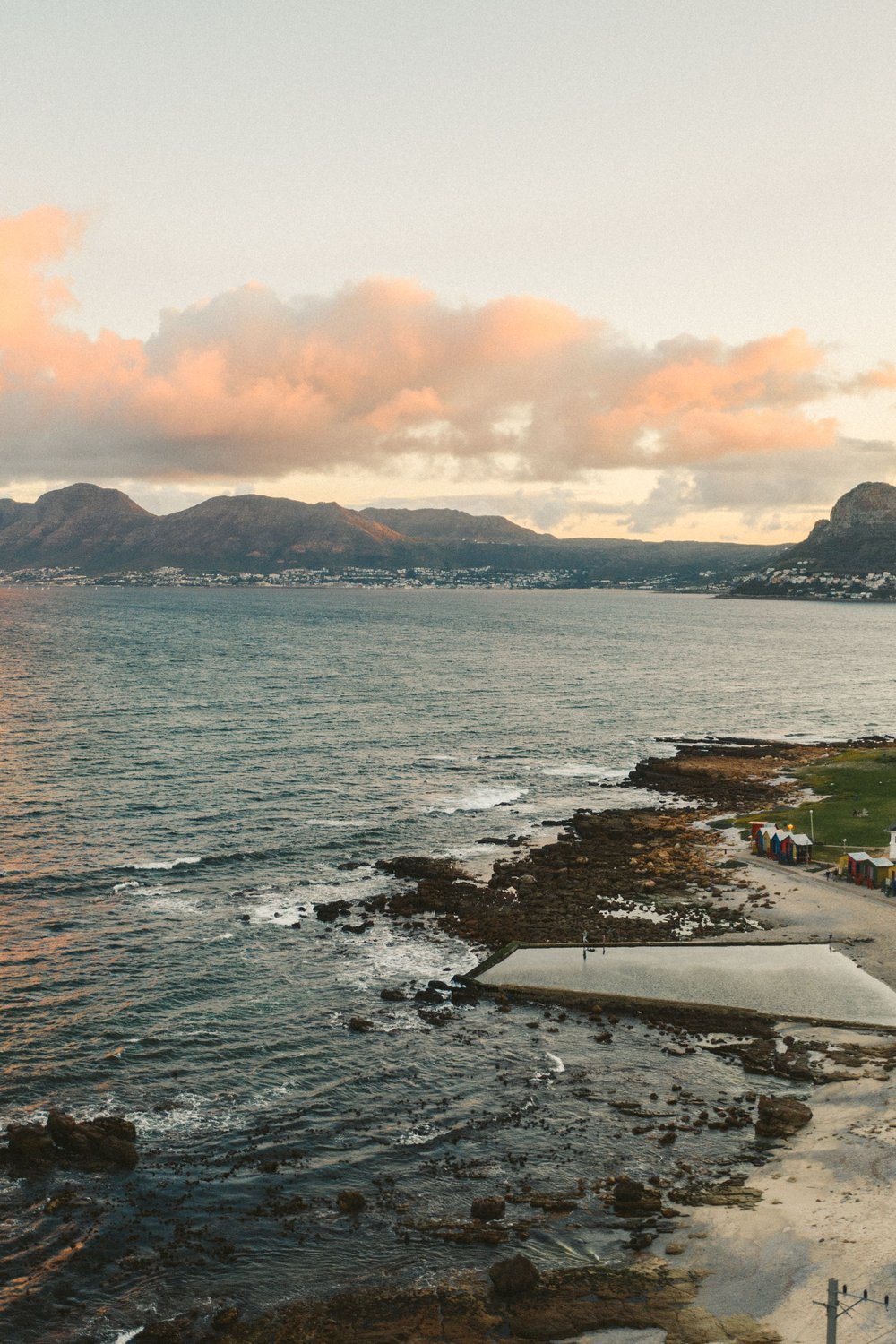
You’ve got two weeks off and a Cape Town dream board — but no idea whether to pack sunscreen or a rain jacket. That decision hinges entirely on timing.
Here’s a fast snapshot to point you in the right direction:
- Summer (Dec–Feb): Hot, sunny, 28°C+ — peak crowds, peak prices, electric energy
- Autumn (Mar–May): Warm, quieter, golden light — a sweet spot for value and weather
- Winter (Jun–Aug): Cool and rainy — lowest hotel rates, whale watching season begins
- Spring (Sep–Nov): Wildflowers, mild temps, rising buzz — crowds building fast
The best time to visit Cape Town really depends on what kind of trip you’re after. Budget traveler? Outdoor adventurer? Beach lover? Each section below dives deeper into activities, costs, and which traveler each season suits most.
December to February: Peak Summer Sun, Festivals and Beaches

Ready to experience Cape Town at its most electric? This sun-drenched window is widely considered the best time to visit Cape Town — and it’s easy to see why.
Temperatures cruise between 25–30°C with long golden days stretching well past 8pm. The beaches at Clifton and Camps Bay fill fast, while Boulders Beach delivers that magical moment of watching African penguins waddle within arm’s reach.
The energy peaks around New Year’s Eve at the V&A Waterfront, and the Cape Town Carnival lights up the city with colour, music and street performances that are genuinely unforgettable.
One honest heads-up though:
- Book accommodation at least 6 months ahead — nightly rates can spike by 40% or more during December and January
- School holiday crowds mean popular spots get busy early in the morning
March to May: Why Autumn Is Many Locals’ Favourite Season

Everyone rushes to Cape Town in December. Yet ask a local, and they’ll tell you autumn is quietly the best time to visit Cape Town — fewer crowds, golden light, and none of the summer chaos.
Temperatures settle into a gorgeous 18–24°C sweet spot, warm enough for long lunches outdoors but comfortable enough for exploring without wilting.
The real showstopper? The Winelands. Stellenbosch and Franschhoek vineyards blush crimson and amber during harvest season — genuinely one of the most photogenic landscapes in the country.
- Wine festivals and cellar-door tastings ramp up through April
- Shoulder-season rates kick in — accommodation can drop 20–30% compared to peak summer
- Hiking trails and beaches feel blissfully uncrowded
June to August: What Cape Town’s Winter Actually Looks Like

HTTPSConnectionPool(host=’wpautoblogtool.com’, port=443): Ma
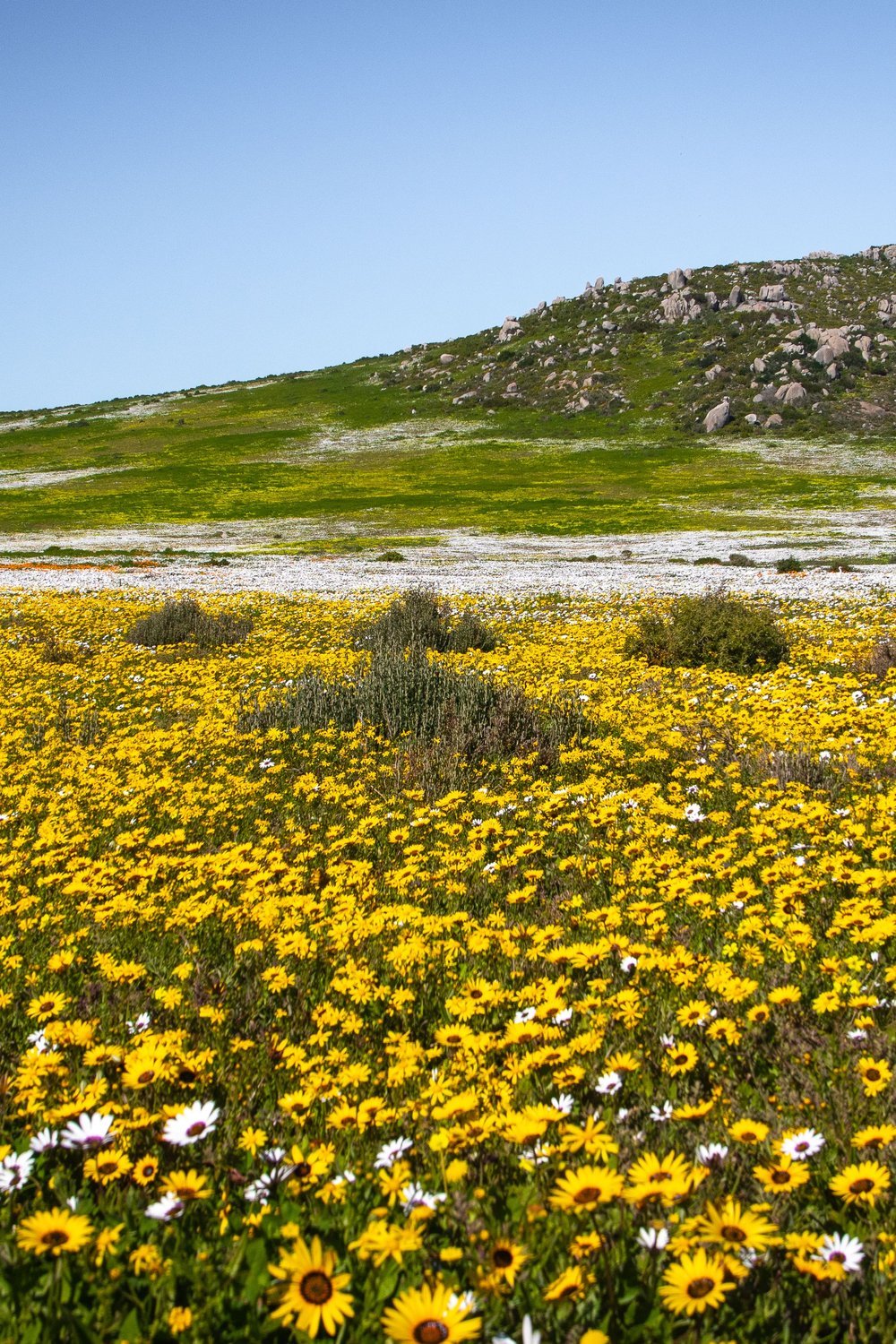
September to November: Spring Wildflowers and the Best of Both Worlds
HTTPSConnectionPool(host=’wpautoblogtool.com’, port=443): Ma
Best Time to Visit Cape Town for Whale Watching

HTTPSConnectionPool(host=’wpautoblogtool.com’, port=443): Ma
Best Month to Visit Cape Town for Table Mountain Hikes

HTTPSConnectionPool(host=’wpautoblogtool.com’, port=443): Ma
Best Time to Go for Cape Winelands Day Trips

The Cape Winelands produces over 400 million litres of wine annually — and you can taste that abundance at the source any month of the year.
Harvest season (February through April) is genuinely magical. Cellar doors buzz with pressing events, barrel tastings, and impromptu festivals that you simply won’t find off-season.
- Stellenbosch Wine Festival and Constantia Wine Festival both fall in summer — book ahead
- Winter brings roaring fireplaces, hearty seasonal menus, and almost no queues
- Every winery region stays open 12 months, so timing is flexible
If you’re weighing the best time to visit Cape Town around wine experiences, February to April wins for atmosphere — but honestly, a rainy June afternoon with a Pinotage by the fire has its own quiet charm.
Best Time to Visit Cape Town on a Budget

You’ve found the flight, you love the destination — now you just need the price to cooperate. Timing your trip right can save you hundreds.
June through August offers the lowest hotel rates of the year, with accommodation often 40–50% cheaper than December peak season. Flights from major hubs drop significantly too.
If winter feels too grey, May and September hit the sweet spot — shoulder season prices with noticeably better weather. Honestly, September might be the best time to visit Cape Town for value-conscious travellers.
Stretch your budget further with these practical moves:
- Book self-catering apartments instead of hotels
- Explore Green Point Park and the Company’s Garden — both completely free
- Visit world-class museums on free public entry days
Smart timing plus simple choices make Cape Town far more affordable than most visitors expect.
Best Time to Visit Cape Town for Families With Kids

Planning a trip around school schedules? Timing really does make or break a family holiday here.
South African schools break in December–January, Easter, and mid-year June–July. These windows bring noticeably higher crowd levels at major attractions, so booking ahead is non-negotiable.
December and January deliver classic beach days at Camps Bay, visits to the Two Oceans Aquarium, and the beloved Boulders Penguin Colony — pure magic for little ones.
For a gentler pace, April school holidays offer milder temperatures around 22°C, cultural festivals, and far less heat to manage with young children.
- Pack SPF 50+ sunscreen — the Cape sun is intense year-round
- Hats are genuinely essential, not optional
- The V&A Waterfront has excellent child-friendly restaurants nearby
Honestly, the best time to visit Cape Town with kids depends on your family’s pace — but April quietly wins for comfort.
Best Time to Visit Cape Town for Outdoor Adventures and Water Sports
Many visitors assume Cape Town slows down in winter — but outdoor thrills run almost year-round here, with each season delivering something different.
- Kite surfing at Bloubergstrand peaks between December and February, when the Cape Doctor winds regularly hit 25–30 knots — serious enough to keep advanced riders grinning all afternoon.
- Muizenberg’s surf breaks are rideable year-round, but autumn swells (March–May) bring that extra punch that intermediate surfers dream about.
- Mountain biking through the Cape Peninsula National Park feels magical in autumn and spring — cooler temperatures, softer light, fewer crowds.
- Scuba diving near Cape Point is clearest in summer, when visibility around the historic wrecks can stretch beautifully.
If adventure is your priority, the best time to visit Cape Town is honestly whenever your favourite sport peaks — this city rarely disappoints.
Best Time to Visit Cape Town for the Cape of Good Hope and Peninsula Drive
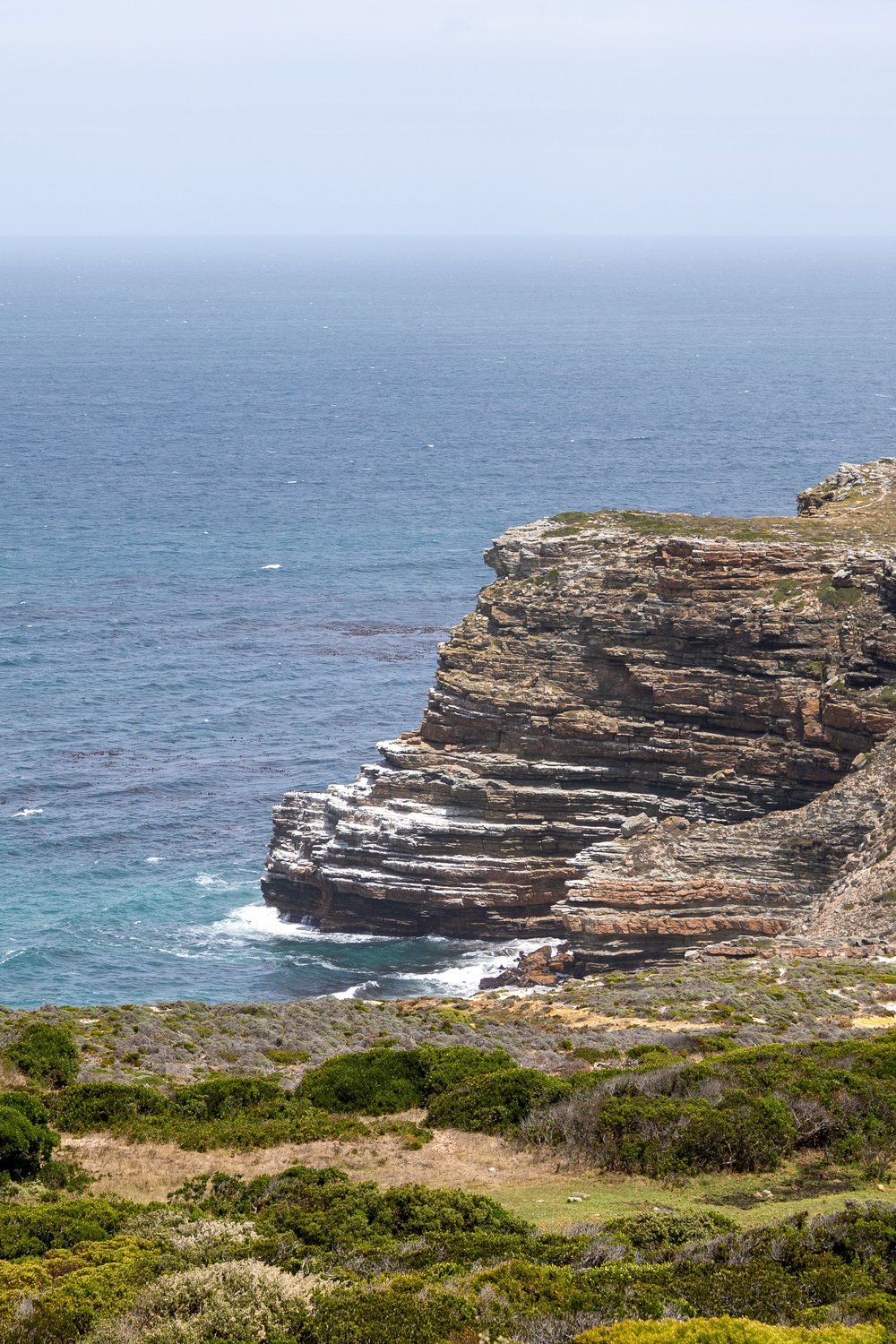
That first glimpse of Chapman’s Peak curving into the ocean never gets old — and timing your visit right makes it genuinely magical.
Spring (September to November) is arguably the best time to visit Cape Town’s Peninsula, with wildflowers carpeting the fynbos slopes along Chapman’s Peak Drive in shades of orange, yellow, and white.
In summer, aim to reach the Cape of Good Hope before 10am — the notorious South Easter wind typically kicks in by midday, making cliff walks uncomfortable and photography tricky.
- Visit on weekdays to avoid packed tourist coaches at Boulder’s Beach and the Cape Point viewpoint
- Keep windows closed and bags zipped — baboons are boldly active year-round but especially bold in summer near picnic areas
I’ve found early autumn (March–April) offers the sweet spot: calm winds, quieter roads, and still-warm swimming temperatures.
Best Time to Experience Cape Town’s Food and Restaurant Scene

Book restaurant reservations at least 48 hours ahead during peak season — Cape Town’s best tables fill up fast.
Summer evenings at Camps Bay are made for long outdoor dinners, sunset cocktails, and fresh seafood braais with the Atlantic as your backdrop.
Autumn is arguably the best time to visit Cape Town if food is your priority. Taste of Cape Town festival and restaurant week deals make world-class dining surprisingly affordable.
Winter draws slow-food lovers to the Bo-Kaap’s Cape Malay curry houses — warming broths, fragrant stews, and cozy neighbourhood spots that tourists rarely discover.
Year-round, two markets never disappoint:
- V&A Waterfront food market — open daily
- Old Biscuit Mill Saturday market in Woodstock — a local favourite for artisan bites
Best Time to Visit Cape Town for Photography and Scenic Views

Every season hands you a completely different frame. Knowing when to shoot makes all the difference between a good photo and a genuinely breathtaking one.
- Summer golden hour stretches past 7pm, giving you incredible warm light at Boulders Beach long after the day-trippers have left.
- Autumn mist rolling over Table Mountain produces dramatic, layered atmospheric shots that feel almost painterly — completely underrated by most visitors.
- Spring wildflower fields near Darling and Langebaan burst into vivid colour, with saturation levels that need almost zero editing.
- Winter storm watching from Signal Hill is raw, moody, and honestly one of the most underrated photography experiences in the city.
If capturing landscapes is your priority, the best time to visit Cape Town is whenever you can align your trip with at least two of these seasonal windows.
Best Time to Avoid Crowds at Cape Town’s Top Attractions

Skipping peak season can save you up to 2–3 hours of waiting time at the city’s busiest spots — easily worth planning around.
- Table Mountain cable car gets brutally congested December through January. Visiting in May or October means shorter queues and cooler, clearer mornings.
- The V&A Waterfront feels genuinely breathable during April–May, when shoulder season thins the crowds without sacrificing the atmosphere.
- Boulders Penguin Colony rewards early risers — arriving before 9am in March gives you an intimate, almost private experience with the colony.
If you’re deciding on the best time to visit Cape Town specifically to dodge tourist overwhelm, shoulder seasons are your answer.
One practical rule: book attraction tickets online in advance — it bypasses the physical queue entirely, whatever month you arrive.
Month-by-Month Weather Guide: What to Expect in Cape Town All Year
Cape Town experiences four genuinely distinct seasons — something rare for a African coastal city sitting at 33°S latitude.
Summer (December–February) brings hot, dry days hitting 27°C+, low rainfall, and brutal UV levels above 10. Pack light linens, quality sunscreen, and a hat you’ll actually wear.
Autumn (March–May) softens beautifully — mild temps, golden light, fewer crowds. The best time to visit Cape Town for a balanced experience often falls here.
Winter (June–August) means Atlantic fronts, 50mm+ monthly rainfall, and cosy restaurant evenings. Bring a waterproof layer — not just a cardigan.
Spring (September–November) explodes with wildflowers and warming seas. Light layers work perfectly.
The Cape Doctor — a fierce South Easter wind — blows hardest from November through February, reaching 60km/h regularly. It scours the sky a brilliant blue but flattens beach umbrellas instantly.
Whatever the forecast, Cape Town’s microclimates mean Camps Bay sunshine and Table Mountain cloud can coexist within minutes of each other. Always pack one layer more than you think you need.
Best Time to Visit Cape Town for LGBTQ+ Travellers and Pride Events

You’re scrolling through travel plans and wondering where you’ll genuinely feel at home — Cape Town should be top of your list.
Cape Town Pride, typically held in late February, is Africa’s largest pride festival, drawing thousands of locals and international visitors to Green Point and beyond.
Summer through autumn (December to April) is when the LGBTQ+ social scene truly peaks — beach parties, open-air events and vibrant nightlife all collide beautifully.
That said, De Waterkant keeps the energy going year-round, with its bars, clubs and community spaces always welcoming. It’s Cape Town’s rainbow heart.
- Pride festival entry events start from around R150
- Cape Town ranks among Africa’s most LGBTQ+-friendly cities
- The best time to visit Cape Town for pride is late February
Best Time to Combine Cape Town With a Safari or Garden Route Road Trip

Planning to stretch your trip beyond the city? Pairing Cape Town with the wider Western Cape or a bush experience takes some timing strategy.
March through May is ideal for the Garden Route — crowds thin out, prices drop, and the landscape turns impossibly lush after late-summer rains. Roads through Knysna and Tsitsikamma are far quieter than December.
If you’re adding a Kruger safari, November to February suits both destinations well — great game viewing and long Cape Town beach days in one trip.
- Allow at least 14 days to do both regions properly
- Peak school holidays (December–January) mean busier N2 highway traffic
- April–May offers the quietest self-drive conditions year-round
When weighing the best time to visit Cape Town alongside a road trip, shoulder season consistently wins on value and experience.
How Many Days Do You Need in Cape Town and When to Go

Many visitors squeeze Cape Town into a long weekend — and leave wishing they’d stayed longer. Five days is your realistic minimum to cover Table Mountain, the Cape Peninsula, the Winelands, and the V&A Waterfront without constantly rushing.
Seven to ten days is the sweet spot. That relaxed pace opens up overnight stays in Hermanus or a long lunch in Franschhoek without sacrificing anything.
Season genuinely shapes your daily rhythm. Summer’s extended daylight hours — sometimes until 8:30 PM — mean you can comfortably fit a morning hike and an afternoon wine tasting into one day.
Choosing the best time to visit Cape Town also means building in buffer days. Weather shifts fast here, and the spontaneous detours — a hidden beach, a surprise market — are often the best bits.
Best Time to Visit Cape Town Based on Your Travel Style

Not every traveller wants the same Cape Town experience — and honestly, picking the right month changes everything.
- Adventure Seeker: October–March. Warm, dry conditions for hiking Table Mountain and surfing. Note: December crowds thin the trails fast.
- Budget Traveller: May–August. Accommodation drops up to 40% off peak rates. Expect rain, but fewer queues.
- Foodie: February–April. Harvest season means peak restaurant menus and wine estate visits. Worth every bite.
- Romantic Couple: April or September. Quieter, golden-lit evenings. Caveat: summer’s Cape Doctor wind genuinely disrupts beachside sunsets.
- Family: November or early April. School-holiday sweetspot — warm but not overwhelmingly busy.
- Wildlife Lover: July–October. Whale season peaks in September, with Southern Rights close to shore.
The best time to visit Cape Town ultimately depends on what lights you up as a traveller. Use this as your confident starting point.
FAQ
Bookmark this section — these are the questions most travellers search before booking their Cape Town trip.
What is the best month to visit Cape Town?
If you want the best time to visit Cape Town, aim for March, April, October or November. These shoulder months hit a sweet spot of warm, settled weather, reasonable accommodation rates and beaches that aren’t elbow-to-elbow. In my experience, early April is particularly magical — the summer crowds have thinned but the ocean is still warm from months of sunshine.
Which is the rainy season in Cape Town?
Winter — June through August — is the wettest period, with most rain falling on the Atlantic-facing slopes of Table Mountain. The good news is that downpours rarely last all day; mornings can be grey while afternoons clear beautifully, making it still very workable for sightseeing.
How many days do you need in Cape Town?
Budget a minimum of 5 days to cover the city highlights comfortably. If you want to add day trips to the Winelands, Cape Point or the Garden Route, 7–10 days gives you the breathing room to actually enjoy each stop rather than rush through them.
What is the cheapest time to go to Cape Town?
June through August consistently delivers the lowest flights and hotel rates of the year, with some properties dropping prices by up to 40% compared to peak summer. September is a close runner-up — prices stay low while the weather begins to improve noticeably.
You might also like: 18 Best Things to Do in Positano You Can’t Miss
Key Takeaways
Cape Town shines in every season — your perfect window simply depends on what you’re chasing. Here’s a quick snapshot to help you plan:
- Beach lovers & sunshine seekers: December–February delivers the hottest, driest days for coastal adventures.
- Whale watchers: July–November is prime season — book your Hermanus tour at least 4–6 weeks ahead as spots sell out fast.
- Budget travellers: May and June offer noticeably quieter crowds and lower accommodation rates.
- Hikers & Table Mountain fans: March–April brings settled weather and the cable car running at full capacity.
- Wine & food experiences: Harvest season in February–March makes the Winelands absolutely magical.
- Festivals & culture: January hosts the Cape Town Minstrel Carnival — a truly unmissable spectacle.
Ultimately, the best time to visit Cape Town is deeply personal. Use the month-by-month guide and traveller matrix above to lock in your ideal window — and save this pin so it’s ready when you are!