18 Easy Ways to Get to Interlaken Without the Stress
Introduction
Switzerland has one of the most punctual rail networks on the planet, yet figuring out how to get to Interlaken still leaves thousands of first-timers staring at SBB timetables in total confusion.
Part of that confusion is built into the town itself. Interlaken sits between two lakes, Brienzer See and Thunersee, in the heart of the Bernese Oberland, and it has not one but two train stations. Interlaken Ost and Interlaken West serve different routes, and picking the wrong one can send you in the opposite direction from your hotel.
This guide cuts through all of it. You’ll find every realistic route from Zurich Airport and Geneva Airport, real journey times, honest costs, and a straight answer on whether a Swiss Travel Pass is actually worth buying.
Every transport option is covered in one place, so you can stop second-guessing and start planning.
Zurich Airport Arrival
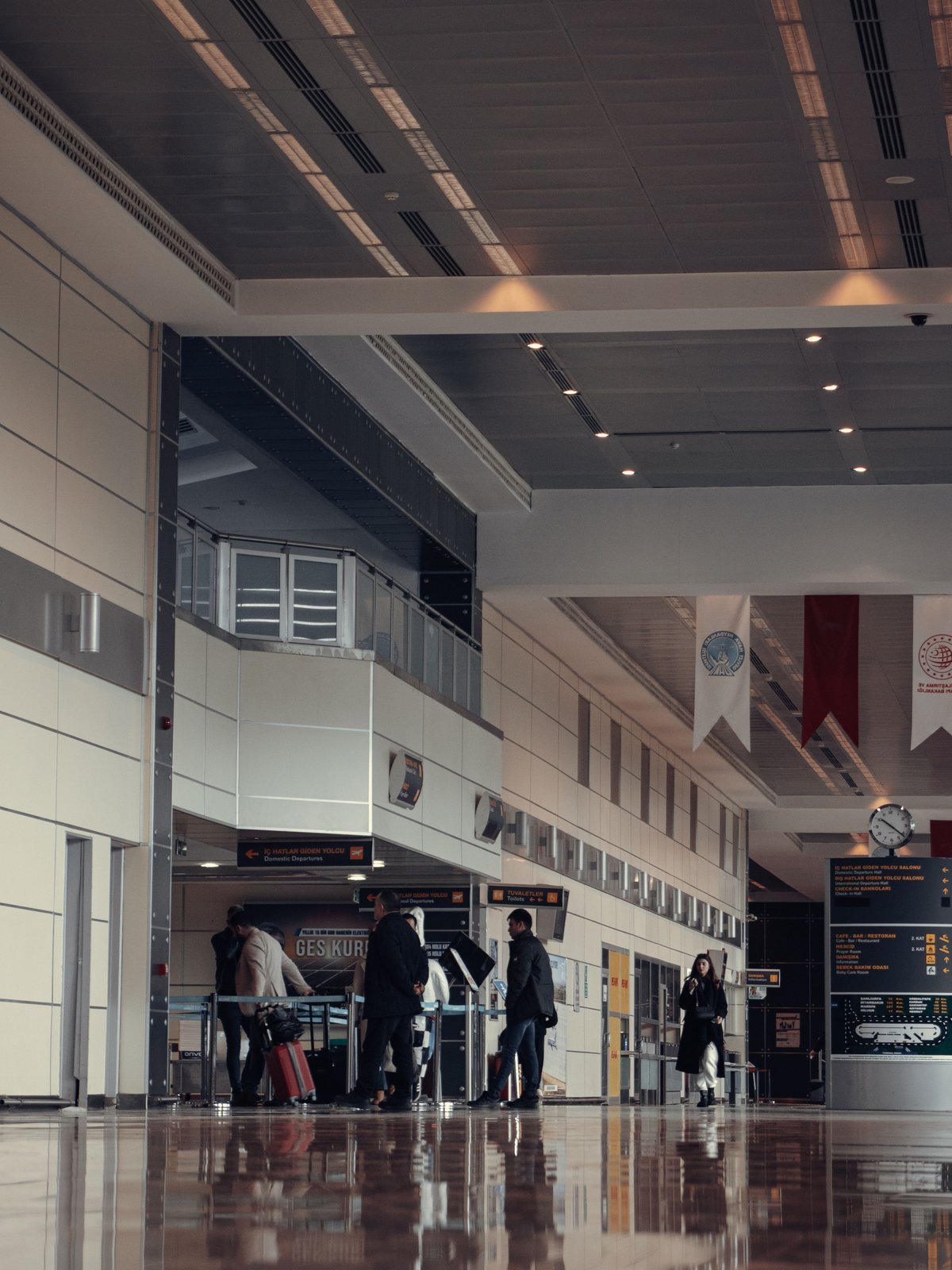
You’ve just landed after a long transatlantic flight, your bags are heavy, and the last thing you want is a complicated connection. That’s exactly why most Americans flying from the US route through Zurich.
Flights from New York, Chicago, and Washington typically connect through Zurich via Swiss Air or United, making it the smoothest entry point for reaching the Bernese Oberland region. Zurich Airport sits directly on the SBB Swiss Federal Railways network, so you walk downstairs and board a train without stepping outside.
The direct train to Interlaken takes around 2 hours, and tickets range from roughly CHF 30 to CHF 70 depending on class and how far ahead you book. Second class is perfectly comfortable for this journey.
Book through Wanderu or the Trainline app before you leave home to lock in lower fares. Most trains arrive at Interlaken Ost, which is the station you want if you’re heading toward Grindelwald or Lauterbrunnen.
If you need a break before boarding, luggage storage lockers are available at the airport near the arrival hall for around CHF 8 per bag. That’s one easy way how to get to Interlaken without feeling rushed straight off the plane.
Geneva Airport Arrival
Flying into Geneva and wondering about how to get to Interlaken from there? If you’re arriving from southern Europe or on a budget airline route, Geneva Airport can actually be a smarter starting point than you’d expect.
SBB Swiss Federal Railways connects Geneva Airport directly into the Swiss rail network, and the journey to Interlaken runs through Bern. The total travel time sits at roughly 2.5 to 3 hours depending on your connection.
A standard second-class ticket costs around 65 to 80 CHF booked through the SBB app or Trainline. If you hold a Swiss Travel Pass, this route is fully covered, which makes the pass worth calculating before you book.
The honest trade-off is that this journey involves at least one transfer, usually in Bern. Platform changes at Bern can feel fast, sometimes under 6 minutes, so watch the departure boards closely and don’t wander.
You’ll arrive at Interlaken West before the train continues to Interlaken Ost. Most hotels in the town centre sit closer to West, so check your accommodation address before you grab your bags.
Train from Zurich
Many first-timers assume the train to Interlaken is complicated. It’s actually one of the smoothest rail journeys in Europe, and you don’t need to pre-book weeks ahead.
Book through SBB Swiss Federal Railways at sbb.ch. Your destination is always Interlaken Ost, not Interlaken West. Ost is the main hub and connects directly to Grindelwald and Lauterbrunnen, so arriving there saves you an extra step.
You have two route options. Via Bern takes around 2 hours and is the faster, more direct choice. Via Lucerne runs closer to 3 hours but follows the water past Brienzer See and delivers genuinely stunning views if you have time to spare.
The 2024 standard second-class fare sits around CHF 68 one way. First class adds roughly CHF 30 more. If you’re wondering about the cheapest way to handle this, the Swiss Half-Fare Card costs CHF 120 and cuts every ticket price in half. For anyone planning how to get to interlaken and exploring multiple cities, it pays for itself fast.
Geneva to Interlaken by Train
Geneva is further from Interlaken than most people expect, but the train connection is straightforward once you know the transfer point.
If you’re figuring out how to get to Interlaken from Geneva, the standard route runs on SBB Swiss Federal Railways with a change at Bern. You board at Geneva Cornavin, ride to Bern (about 1 hour 45 minutes), then switch platforms and continue directly to Interlaken West or Interlaken Ost. The full journey takes around 2 hours 20 minutes. Trains run roughly every hour throughout the day, and a standard second-class fare sits around 50 to 60 Swiss francs in 2024.
The Bern transfer is simple. Connections are usually timed within 10 minutes, and the platforms are clearly signed in English.
If you want something more memorable, take the Golden Pass Line instead. It departs from Montreux, hugs the shoreline of Lake Geneva, and winds through the Alps before reaching Interlaken. It takes longer, but it’s genuinely one of the most beautiful rail journeys in Europe.
Getting Here from Bern
If you’re figuring out how to get to Interlaken, Bern is the fastest and most overlooked starting point. A direct train from Bern to Interlaken West takes just 50 minutes, with SBB Swiss Federal Railways running two trains per hour throughout the day.
Tickets start at around CHF 15 one-way with a Swiss Travel Pass discount, making it one of the cheapest legs on any Swiss itinerary.
What makes Bern worth more than a quick platform change is its compact medieval old town. You can walk the famous arcaded streets, visit the clock tower, and be back at the station in a few hours without rushing.
Staying overnight in Bern before heading into the Bernese Oberland region also takes the pressure off an early Alpine arrival. You arrive rested, bags sorted, and ready to actually enjoy Interlaken rather than spend the first hour recovering from a long travel day.
Interlaken Ost vs West
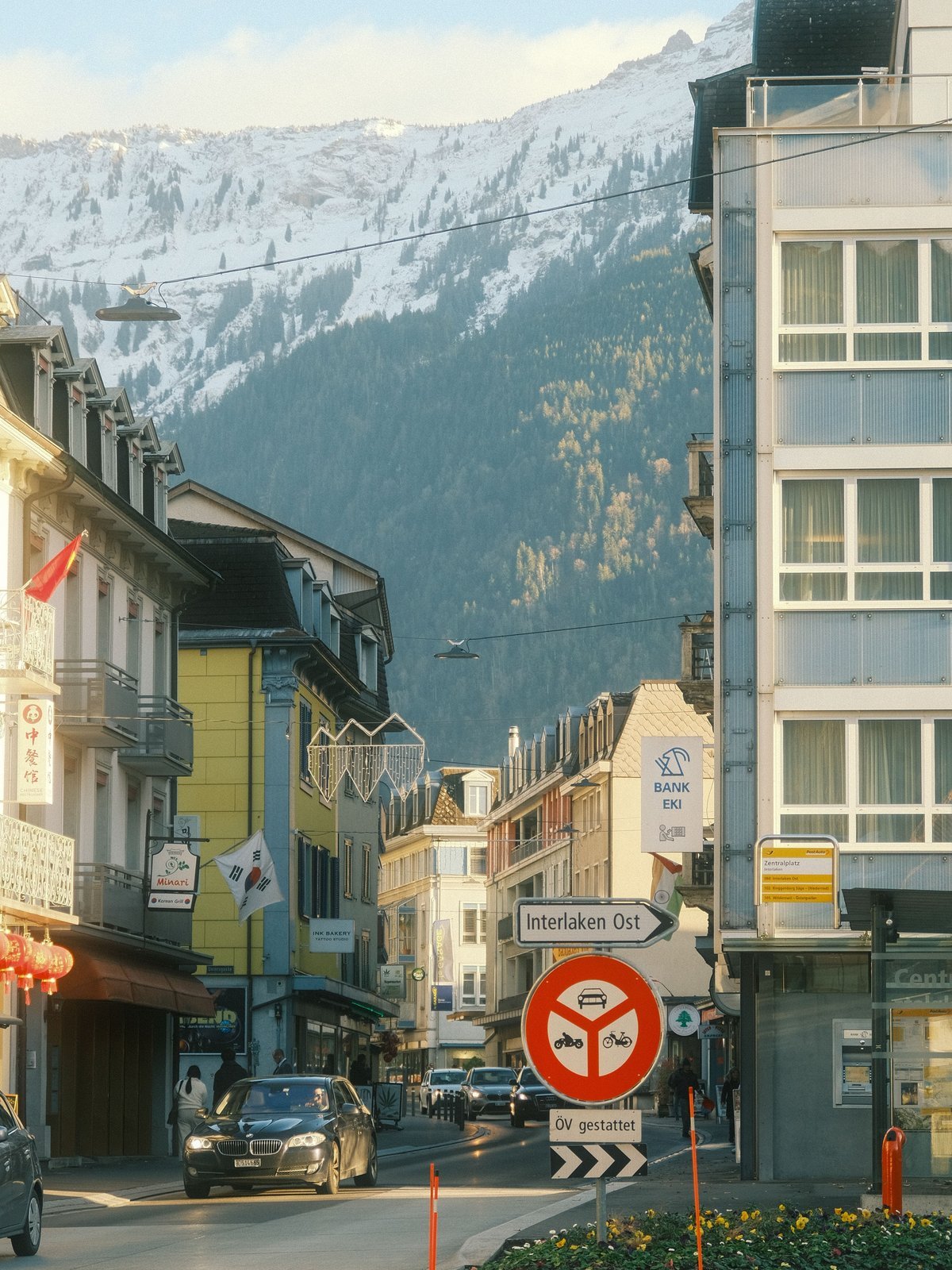
Every summer, first-time visitors figure out how to get to interlaken and then freeze on the train platform trying to decide whether to stay seated or jump off. The answer depends entirely on what you’re doing next.
Interlaken Ost is the station you want for mountain excursions. It’s where SBB Swiss Federal Railways connects you directly to Lauterbrunnen and Grindelwald, both roughly 20 minutes away by train. If your whole reason for visiting the Bernese Oberland is alpine scenery, this is your stop.
Interlaken West sits closer to Höheweg, the main shopping and restaurant street running through the town center. If your hotel is in the heart of Interlaken and you’re not heading into the mountains the same day, getting off here saves you a 15-minute walk with luggage.
Most trains stop at both stations, so you don’t have to choose your ticket based on this. Just know which one matches your plans before the train pulls in.
Driving from Zurich
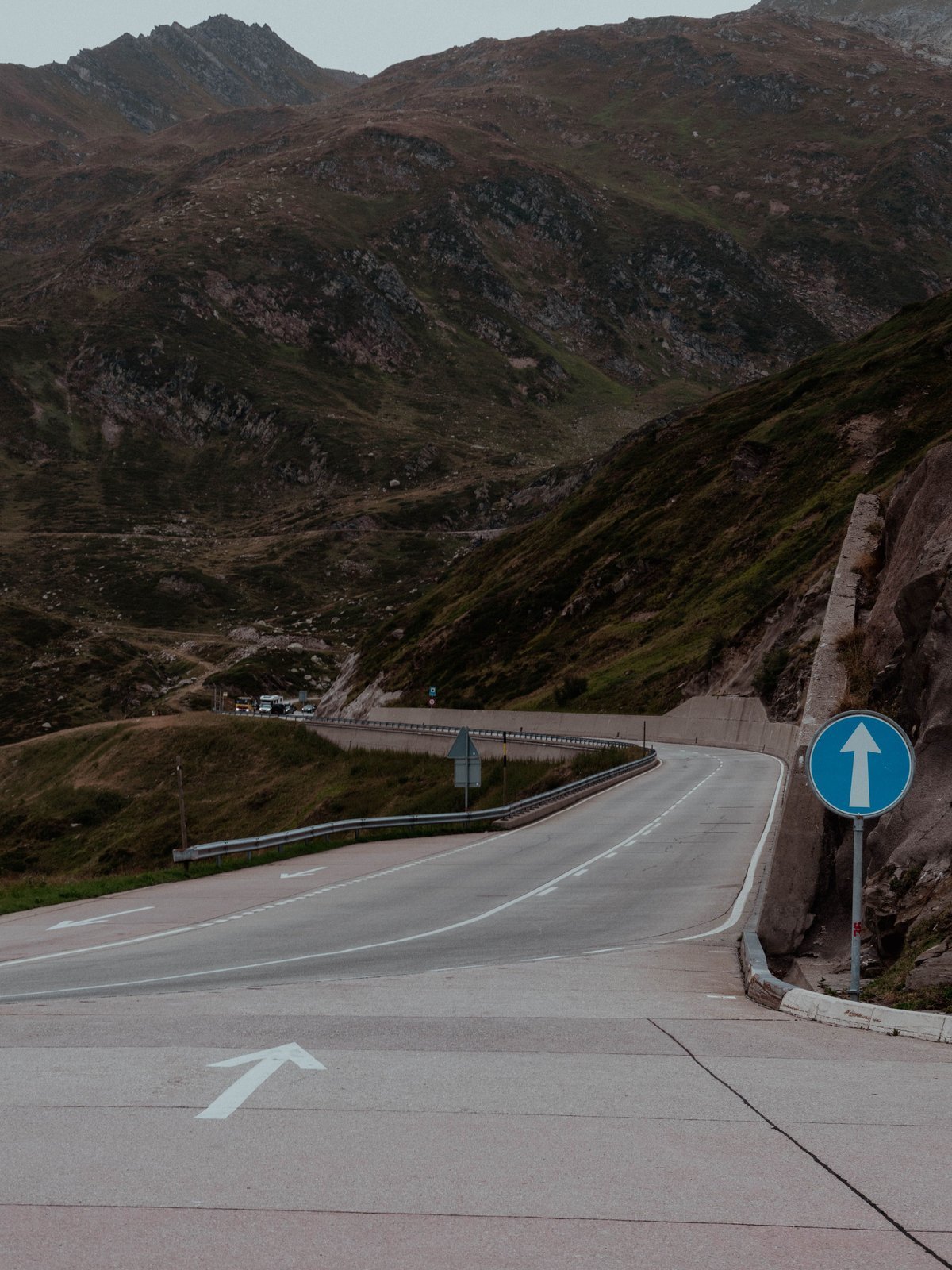
Driving costs more than the train once you factor in fuel, parking, and the Swiss vignette sticker (around CHF 40), which you must buy to use the A8 motorway legally. The drive itself takes roughly 1 hour 45 minutes from Zurich under normal traffic.
Parking in Interlaken town center is paid and fills up fast in summer. Most lots charge by the hour, and you’ll likely spend more time managing the car than enjoying the trip.
The bigger issue is that the car becomes almost useless once you arrive. Trains reach Lauterbrunnen and Grindelwald directly from Interlaken Ost, so you end up paying to park a vehicle you’re not using.
If you’re figuring out how to get to Interlaken with young kids, a lot of luggage, or an early-morning schedule, driving makes sense. The flexibility is real. But for couples or solo travelers, it adds cost and stress that the Swiss rail network simply doesn’t.
That honest trade-off is worth sitting with before you book a rental.
Driving from Geneva
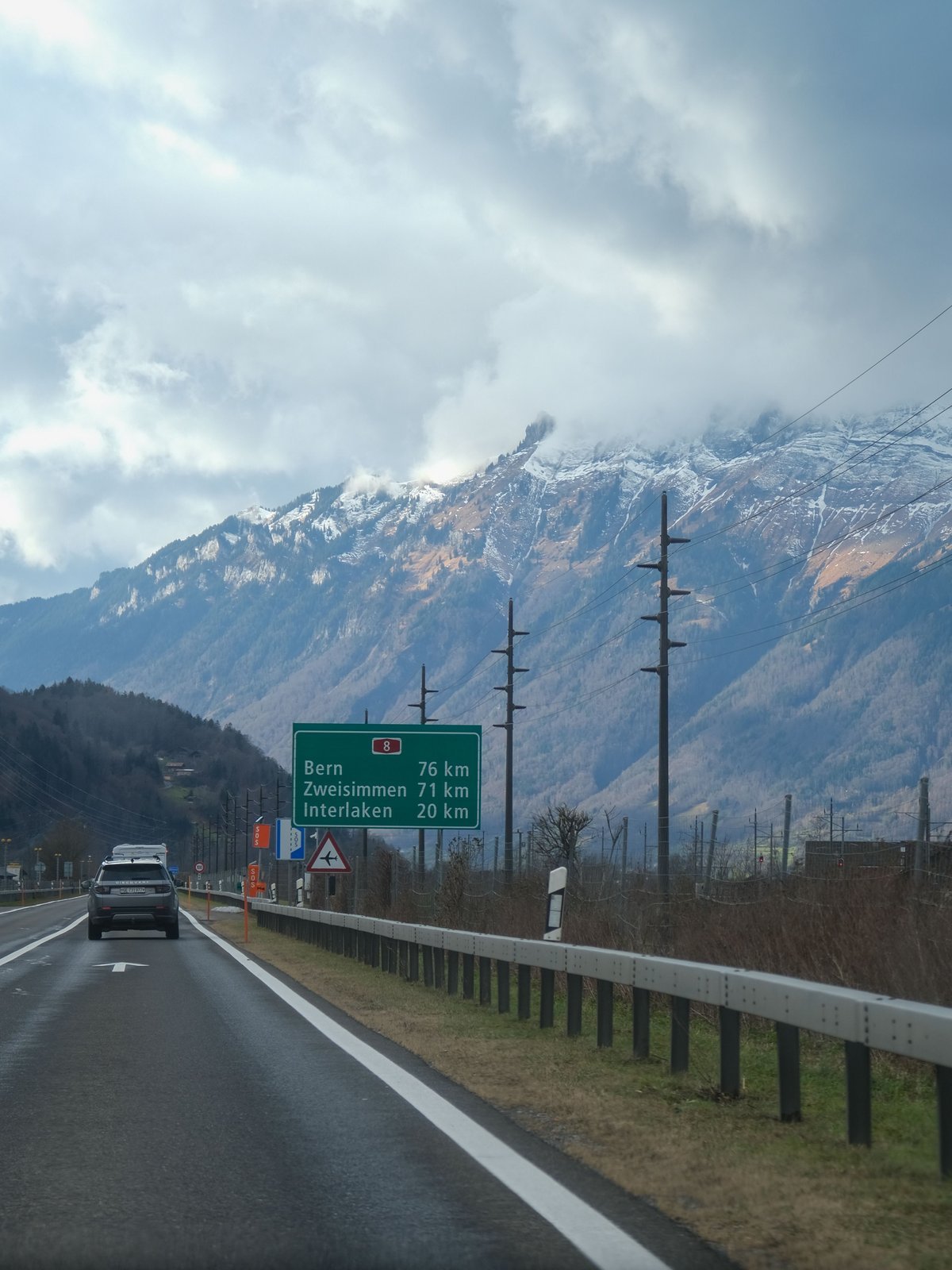
The Geneva to Interlaken drive is just under 2 hours on a clear day, making it one of the fastest city-to-city connections in Switzerland by car.
You’ll follow the A12 motorway toward Bern, then pick up the A6 south into the Bernese Oberland. Traffic near Bern can add 20 to 30 minutes during morning rush hours, so an early start helps.
Switzerland requires a motorway vignette, which costs 40 CHF and covers the whole calendar year. Buy it at the border crossing, any petrol station, or online before you leave home at shop.post.ch.
If you’re researching how to get to Interlaken by road, summer is the best time to drive. The Bernese Oberland scenery through the pre-Alps is genuinely stunning once you leave the motorway.
One honest trade-off: winter driving toward Grindelwald and Lauterbrunnen can be restricted or require snow chains, and some mountain roads close entirely. Check conditions on viasuisse.ch before you go.
Swiss Travel Pass Savings
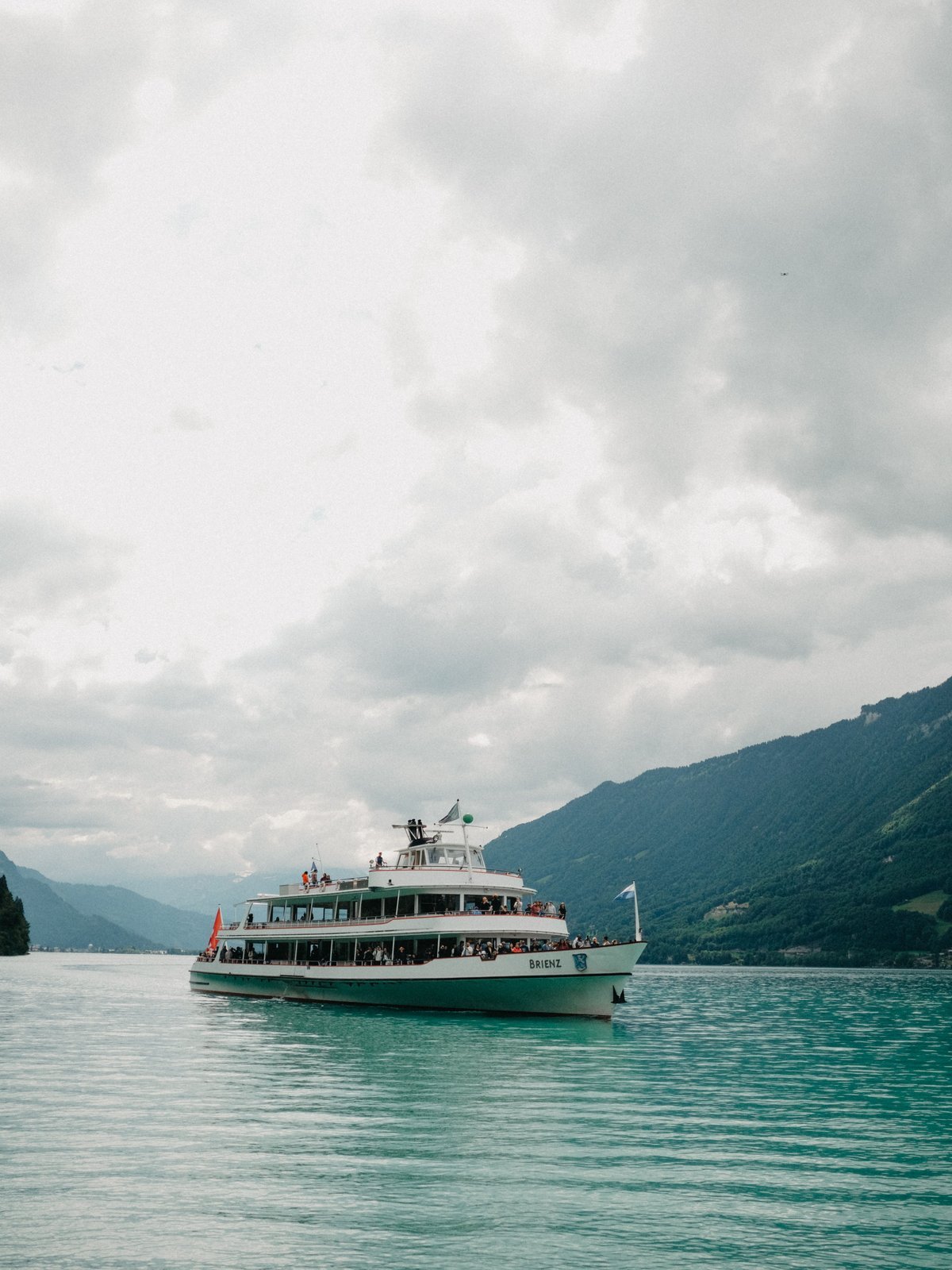
You’re planning to visit Grindelwald, maybe Lauterbrunnen, and take a few PostBus routes around the Bernese Oberland. That’s exactly when a Swiss Travel Pass starts making financial sense.
The pass covers unlimited travel on SBB Swiss Federal Railways trains, most PostBus routes, and lake ferries including boats on Thunersee and Brienzer See. Mountain railways like the ones above Grindelwald get a 25 to 50 percent discount rather than free travel, which is still worth having.
A 3-day second class pass costs around CHF 244. Compare that to buying a Zurich to Interlaken Ost ticket (roughly CHF 54 each way) plus separate fares into the mountains, and the pass pays for itself quickly if you’re moving around daily.
That said, figuring out how to get to Interlaken on individual tickets is genuinely cheaper for a one or two day stay. If you’re arriving, sleeping, and leaving, point-to-point SBB tickets will cost you less than any pass.
Buy individual tickets through the SBB app to avoid booking fees charged by third-party sites.
Eurail vs InterRail Passes
Are you planning to buy a rail pass before your trip? The answer to which one you need depends entirely on where you live.
Eurail Passes are for non-European travelers, including Americans, while InterRail is sold only to European residents. Both cover Switzerland’s main rail network, including trains toward Interlaken, but they are not interchangeable at the ticket window.
One thing that catches a lot of visitors off guard: Switzerland charges a reservation surcharge on certain scenic routes even when you hold a valid pass. The Glacier Express, for example, costs around 13 CHF extra on top of your pass.
Before you figure out how to get to Interlaken using a pass, check the SBB Swiss Federal Railways website to confirm which trains your pass covers and which require a paid seat reservation.
If your whole trip stays in Switzerland, a Swiss Travel Pass often works out cheaper than a Eurail Pass. It covers unlimited travel, including regional trains into the Bernese Oberland, with no extra reservation fees on most routes.
The PostBus Option
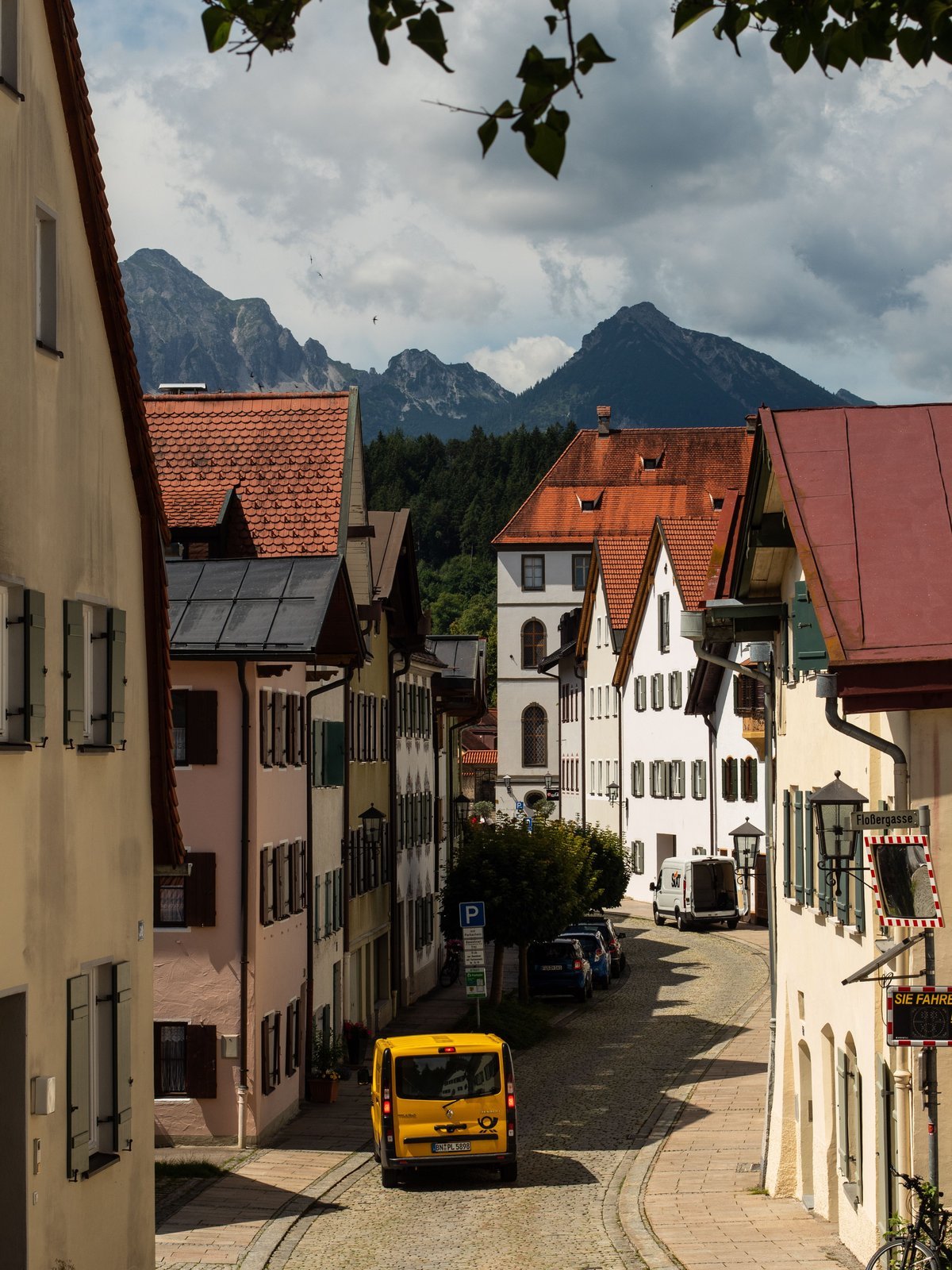
Trains get all the attention, but plenty of travelers arrive in smaller regional towns and assume they’re stuck. The yellow PostBus network covers routes that SBB Swiss Federal Railways simply doesn’t reach, and it runs on the same schedule-integrated system so your connections actually work.
If you’re coming from Italy or the Ticino region, you’ll likely arrive into Brig first. From Brig, PostBus routes connect south through the Bernese Oberland toward Kandersteg, where you then pick up a train north toward Interlaken. It adds roughly 40 minutes compared to a direct Bern approach, but it’s your best option from the south.
That Brig vs Bern difference is worth understanding. Travelers arriving via Geneva or Zurich Airport route through Bern naturally and reach Interlaken West faster. Travelers coming up from Ticino hit Brig first, and forcing a Bern detour wastes time. The PostBus fills the gap between those two paths cleanly.
Your Swiss Travel Pass covers PostBus fares, so there’s no extra ticket to buy. If you’re figuring out how to get to Interlaken from a less obvious entry point, this is the route most travel blogs skip entirely.
Cheapest Way to Interlaken
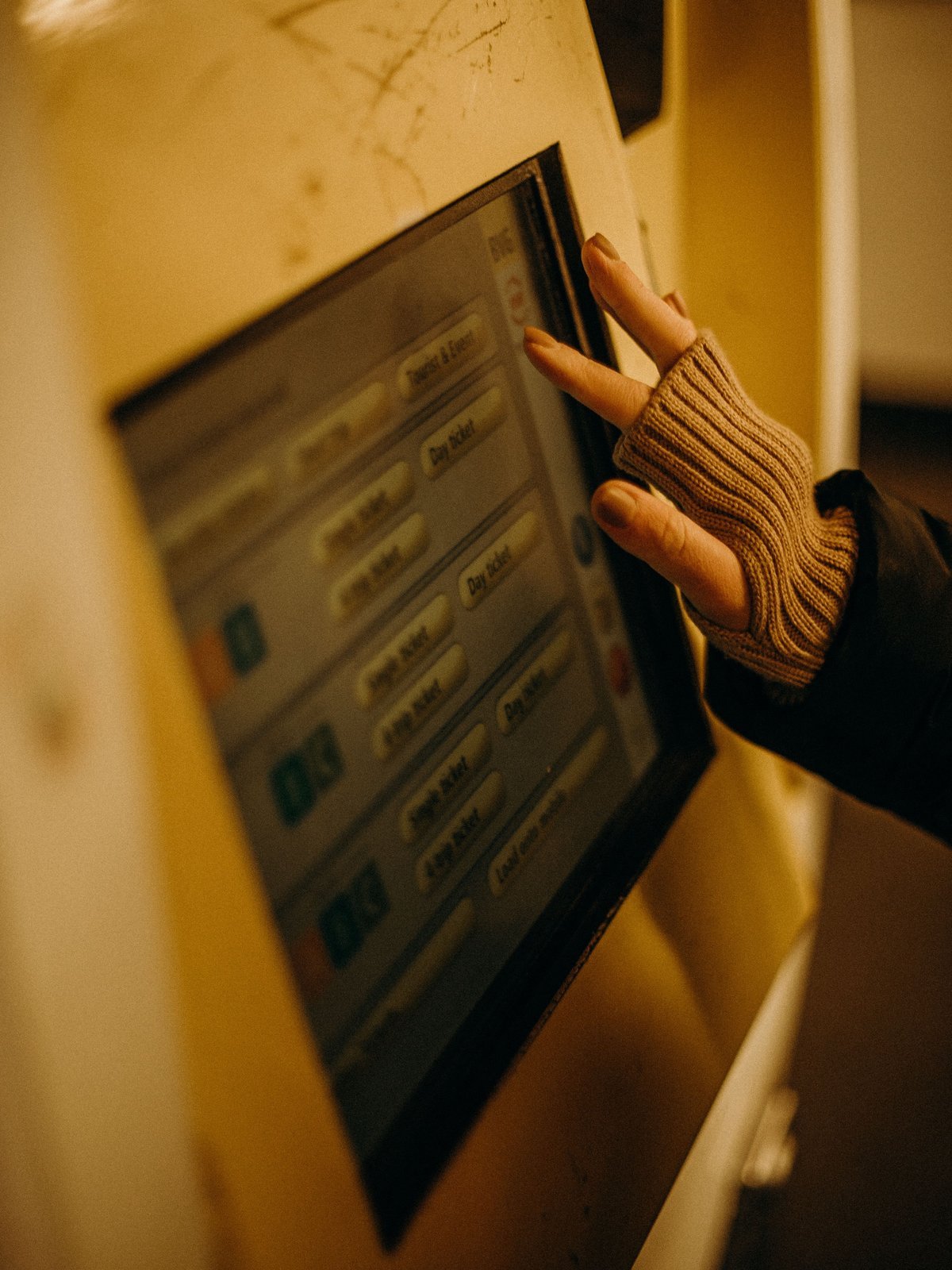
Spending a little time on the SBB website before your trip can save you a surprising amount of money, especially if you book at least 30 days out.
Booking a non-flexible SBB fare in advance is the single most realistic way to keep transport costs low. From Zurich, you can realistically plan on spending around 30 to 40 CHF one way when you grab an early saver ticket, compared to the full flexible fare which can hit 70 CHF or more.
If you’re visiting Switzerland more than once, the SBB half-fare card cuts most train tickets in half for around 120 CHF. That math works in your favor fast.
FlixBus serves some Swiss cities but does not run directly to Interlaken. You’d need a connection, and the time cost usually cancels out any price saving.
For anyone researching how to get to Interlaken on a tight budget, the Zurich to Interlaken Ost route on a saver fare is your most dependable starting point.
Scenic Train Routes
Book the GoldenPass Express from Montreux if you want one of the most visually dramatic ways to arrive in Switzerland. The train climbs through the Bernese Oberland foothills, passes mirror-still lakes, and drops you right into Interlaken with views that genuinely earn the ticket price.
For 2024, expect to pay around CHF 80 to CHF 100 for a standard seat, and yes, a reservation is required. The journey takes roughly 3 hours, and seats in the panoramic first-class car sell out fast in summer, so book through SBB Swiss Federal Railways at least a few days ahead.
If you have more time, the Lucerne to Interlaken route via the Brienzer See is worth planning around. It’s slower at about 2 hours, connecting through stunning lake scenery before pulling into Interlaken Ost, the station you’ll want if you’re heading onward to Grindelwald or Lauterbrunnen.
Knowing how to get to Interlaken by scenic rail turns travel time into the actual experience.
Lake Ferry Arrival
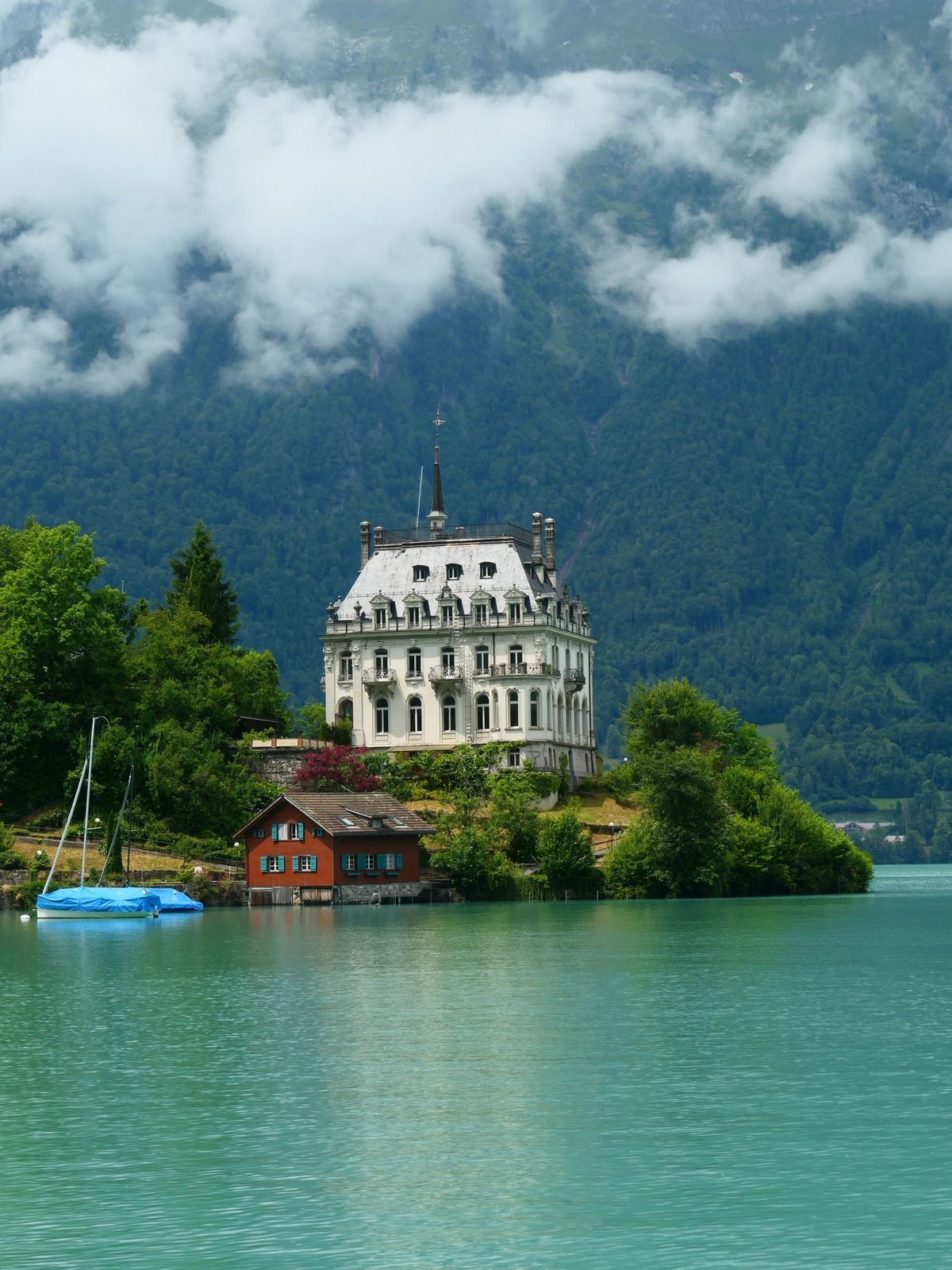
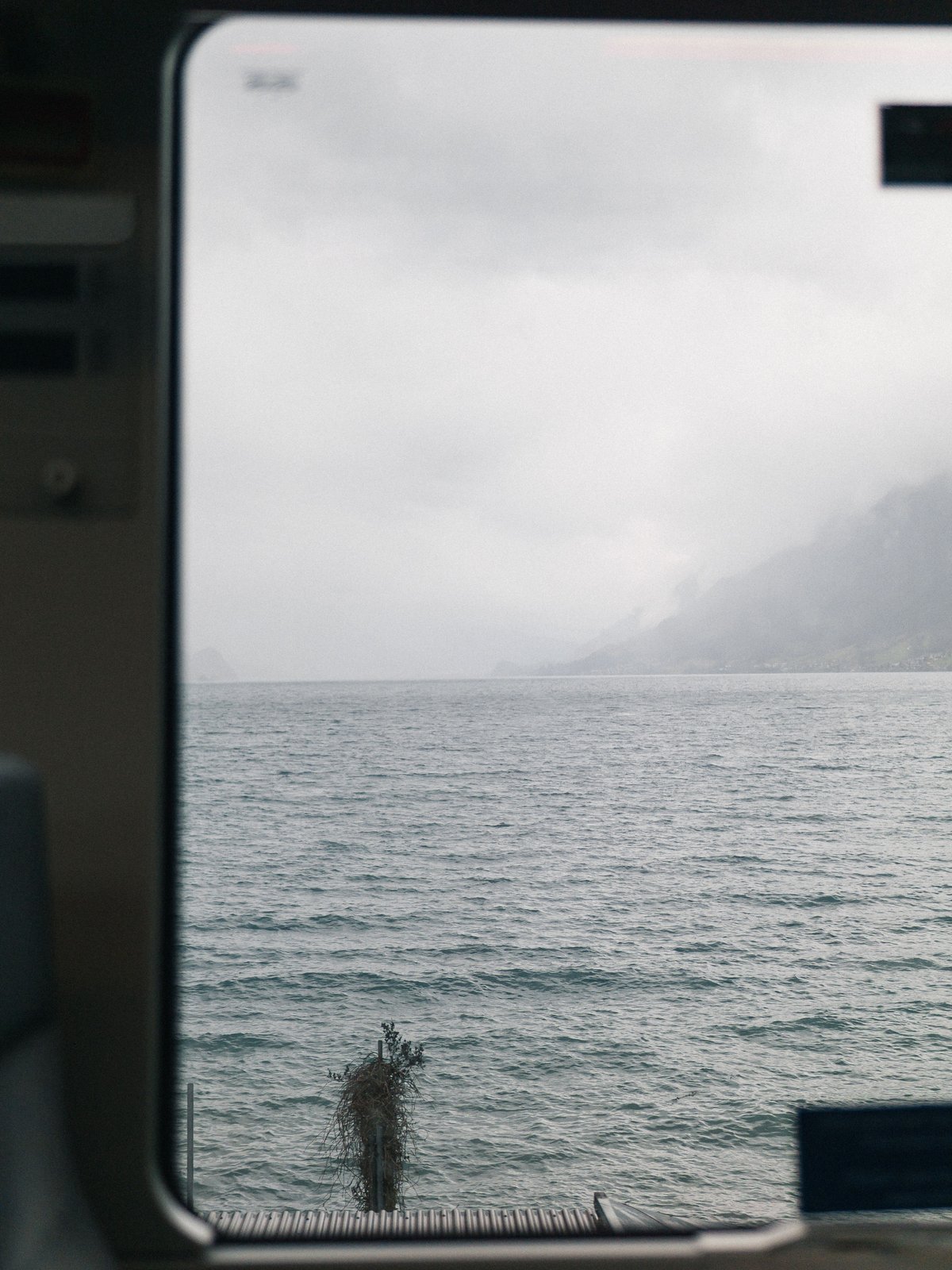
From late May through early October, you can reach Interlaken by boat across the Brienzer See, and this is a genuine transport option, not just a sightseeing cruise.
Take the SBB train from Lucerne to Brienz, then board the BLS ferry straight into Interlaken West. The full journey runs about 2.5 hours and the ferry leg alone costs around CHF 18 one way.
If you’re figuring out how to get to Interlaken and you have flexibility with your schedule, this route makes real sense for anyone arriving via central Switzerland. It connects naturally into the Swiss rail network without any complicated transfers.
The ferry docks directly at Interlaken West, which puts you right in town. That’s a practical advantage over some train routes that only stop at Interlaken Ost.
Keep in mind this is a weather-dependent seasonal service. Fog, heavy wind, or low season scheduling can cancel or limit sailings, so always check the BLS timetable before you commit to this as your arrival plan.
From the US to Interlaken
Flying from the US to Switzerland costs anywhere from $600 to $1,200 return depending on when you book, and routing through Zurich Airport is almost always the smartest choice for Interlaken. It saves you a long transfer across the country compared to landing in Geneva.
Direct transatlantic flights into Zurich run from JFK, Newark, Chicago O’Hare, and Atlanta on carriers like Swiss Air, Lufthansa, and United. Most flights land in under 9 hours from the East Coast.
Once you land, figuring out how to get to Interlaken is genuinely simple. SBB Swiss Federal Railways connects directly from the airport’s lower terminal with no separate transfer service, taxi, or shuttle needed.
The train takes roughly 2 hours to Interlaken Ost, which is the station you want if you’re heading toward Grindelwald or Lauterbrunnen afterward.
Book your Zurich to Interlaken train ticket before you leave home. Fares are cheaper booked in advance through SBB’s website, and seats on busy summer departures fill up faster than most Americans expect.
Day Trip Planning Tips
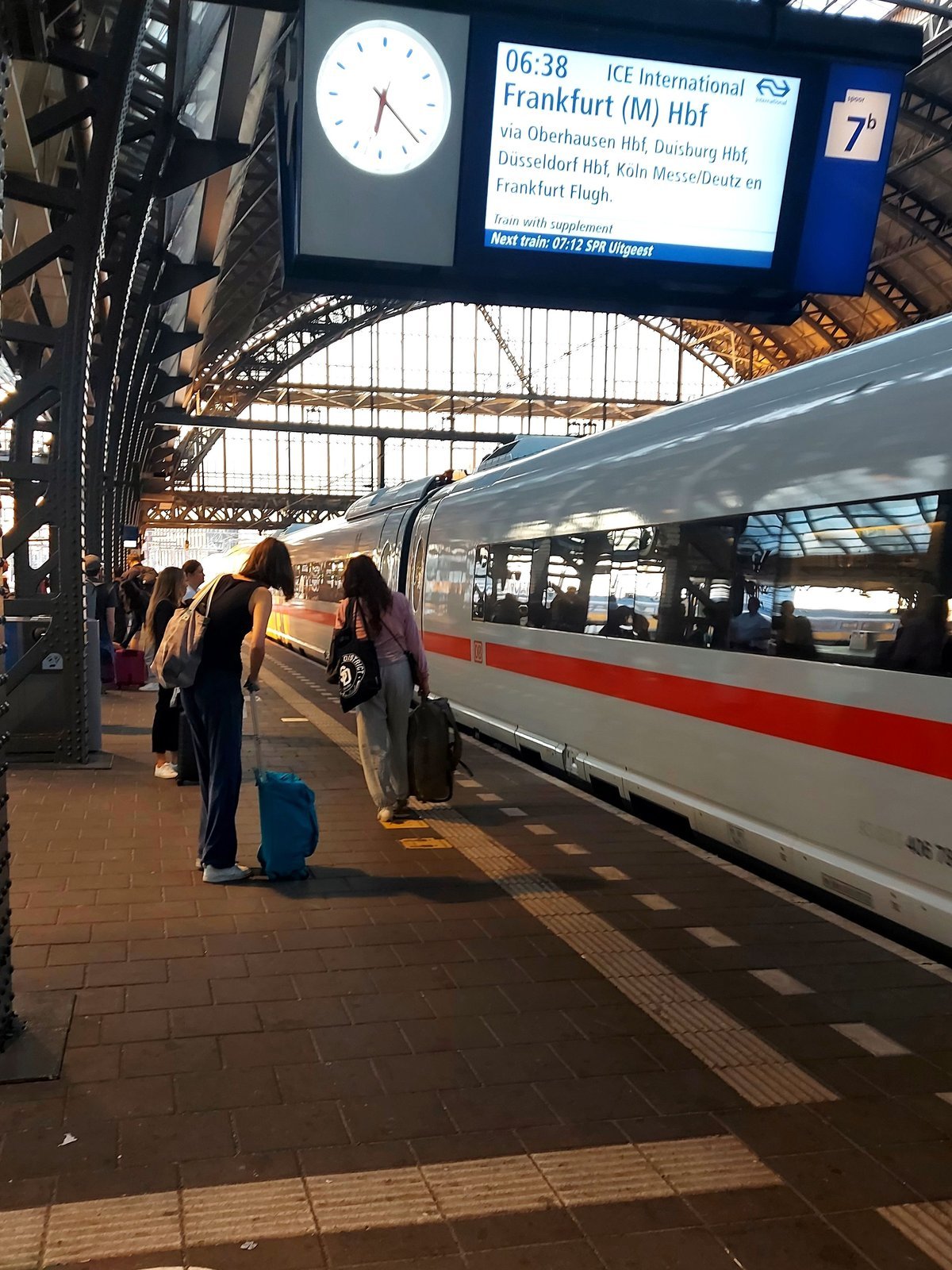
Over 90% of day-trippers to the Bernese Oberland region miss their best window simply by arriving too late in the morning.
If you’re figuring out how to get to Interlaken for a single day, aim for the first or second SBB departure from Zurich, which puts you at the station by 9am. From Geneva, the 7:00am train works well and gets you there before 10am, leaving a solid six or seven hours to explore.
Interlaken Ost is the station you want, not Interlaken West. Trains to Lauterbrunnen and Grindelwald leave directly from Ost, so arriving there saves you time and confusion.
Interlaken Ost also has luggage storage lockers starting at around 6 CHF for a small locker. Drop your bag there and you’ll move through the valley towns much more comfortably.
Plan your return train no later than 6pm. Swiss connections run like clockwork, but the last trains fill up fast in summer.
Common Arrival Mistakes
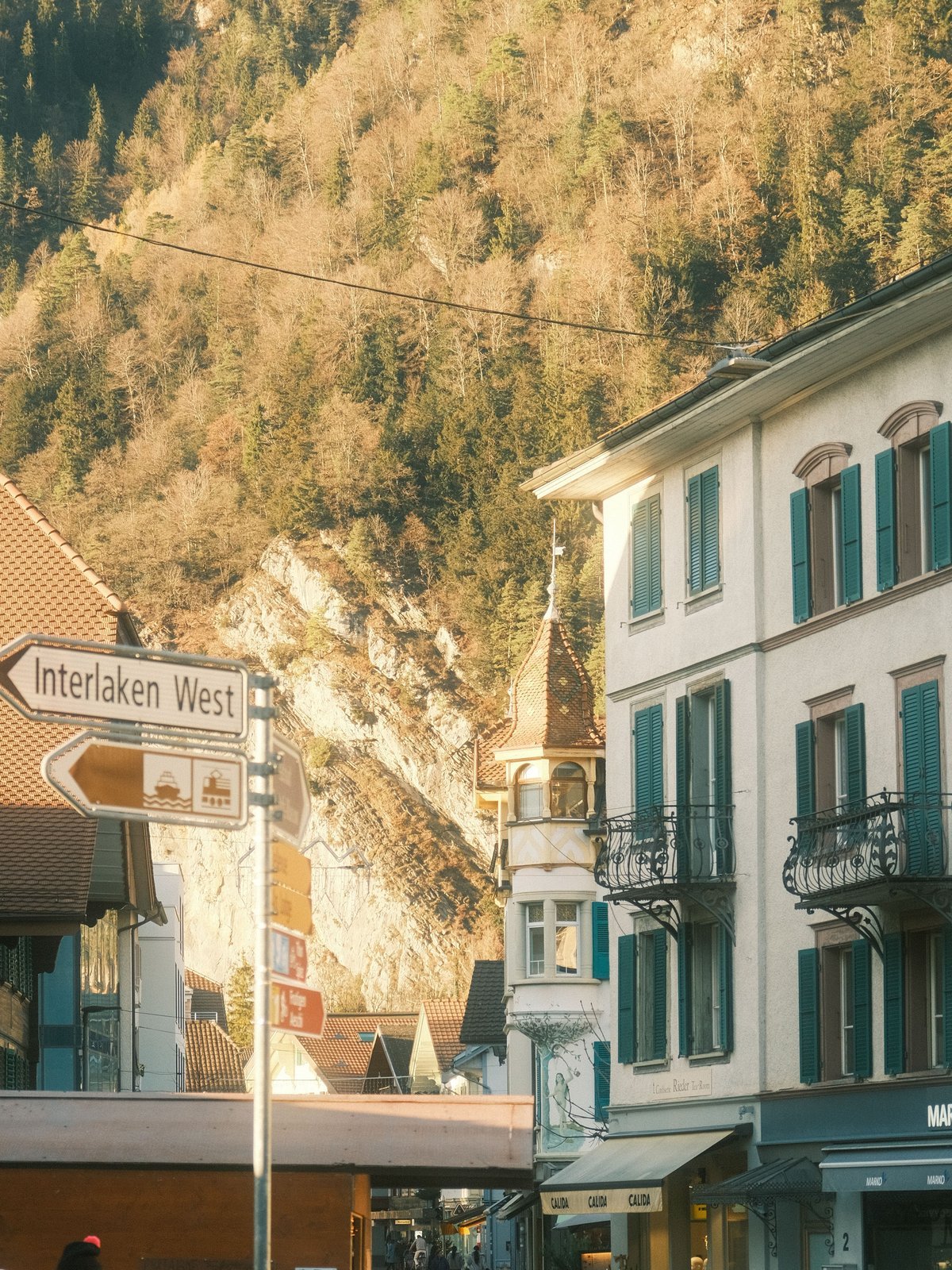
You step off the train, bags in hand, feeling great about your planning. Then you realise you’re at Interlaken West when you needed Interlaken Ost to connect to Grindelwald or Lauterbrunnen. It happens constantly to first-timers.
West is the shopping and hotel stop. Ost is where mountain trains depart. If your trip to the Bernese Oberland includes any mountain excursions, always confirm your ticket ends at Ost.
SBB departure boards show both the next stop and the final destination, which throws people off. The train might say “Interlaken Ost” as the final destination but also list Interlaken West as a stop along the way. Read the final destination, not just the first name you recognise.
If you’re driving, a Swiss motorway vignette costs 40 CHF and is required the moment you join the highway. Buying it at the border takes five minutes. Skipping it means a fine.
Bern connections can feel tight, but don’t panic. Swiss trains run on time roughly 92 percent of the time, so a 6-minute transfer at Bern is genuinely manageable. Knowing how to get to Interlaken stress-free starts with trusting the SBB network.
Booking Tools to Use
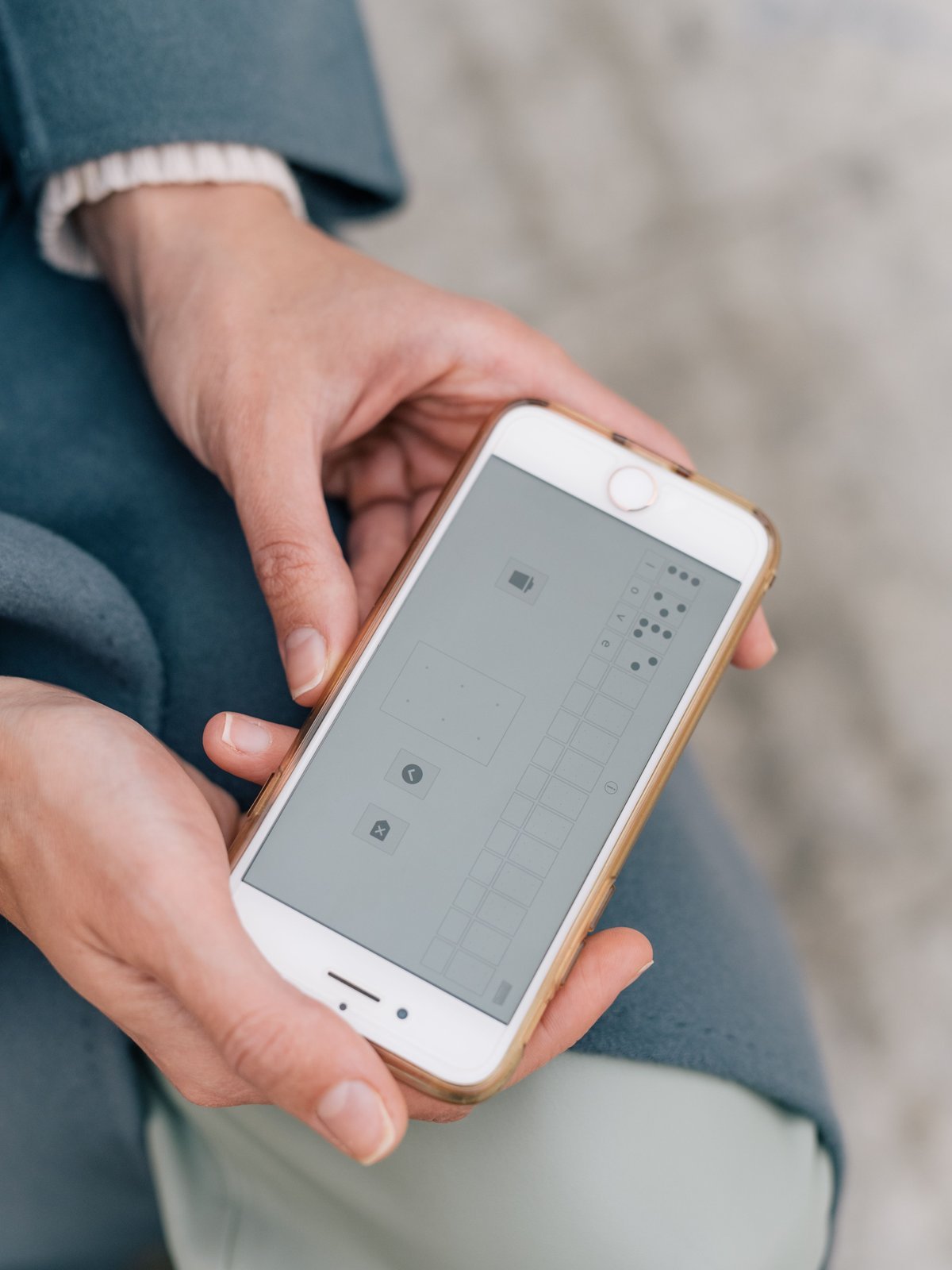
Already know your route? The right app makes buying tickets take about two minutes.
The SBB app is the one tool worth downloading before you leave home. It covers the entire Swiss rail network, including connections to Interlaken Ost and Interlaken West, and lets you buy tickets in advance without queuing at a machine. Search “SBB Mobile” in the App Store or Google Play and set it up while you still have your home data plan.
If you’re piecing together a multi-leg trip across Europe, Wanderu and Trainline are useful for comparing prices before you commit. They won’t always beat SBB for domestic legs, but they’re good for spotting cheaper combinations when flying into Zurich Airport or Geneva Airport.
For real-time journey planning, Google Maps is surprisingly reliable for Swiss public transport, including PostBus routes into the Bernese Oberland region. That’s the fastest free way to check how to get to Interlaken from wherever you are on any given day.
For another perspective, this detailed piece on Getting here is worth a read.
FAQ
Which airport is closest to Interlaken?
Many visitors assume Geneva Airport is the obvious choice, but Zurich Airport is actually the better arrival point for most trips to Interlaken. The direct train connection from Zurich takes around two hours and runs multiple times daily on SBB Swiss Federal Railways.
How much does the Zurich to Interlaken train cost?
A standard second-class ticket costs roughly CHF 68 one way, though prices vary by booking date and travel time. The journey takes about two hours, and you can book directly through SBB or compare options on Trainline before you go.
Should you use Interlaken Ost or Interlaken West?
This is genuinely one of the most confusing parts of figuring out how to get to Interlaken for first-timers. Interlaken Ost is the station you want if you’re heading to Grindelwald, Lauterbrunnen, or the Bernese Alps. Interlaken West is closer to the main shopping street and most hotels in the town centre.
Is a Swiss Travel Pass worth buying?
If your trip covers three or more days of travel between cities, a Swiss Travel Pass can save you real money compared to buying individual tickets. It also covers Postbus routes and some lake ferries, including boats on Brienzer See, which adds genuine flexibility.
How do you get to Interlaken from Geneva?
From Geneva Airport, take a direct train toward Bern and change there for Interlaken. The full journey runs around two and a half hours and connects smoothly through the Swiss rail network with no stress at the transfer.
You might also like: 18 Amazing Day Trips from Cape Town Worth Taking
Key Takeaways
Once you understand how the Swiss rail system fits together, figuring out how to get to Interlaken stops feeling complicated and starts feeling like part of the adventure.
- Best airport: Zurich Airport is the closest major hub, with direct SBB Swiss Federal Railways connections that get you to Interlaken in around 2 hours.
- Fastest train route: Zurich to Interlaken via Bern is the quickest and most reliable option for first-timers.
- Which station to use: Arrive at Interlaken Ost if you’re heading to Lauterbrunnen or Grindelwald. Interlaken West is better for the town centre.
- Pass vs ticket: A Swiss Travel Pass pays off if you’re taking three or more regional trains in a week.
- Scenic option worth adding: The ferry across Brienzer See is a slow, beautiful way to roll into the Bernese Oberland region.
Save this to Pinterest so your Bernese Oberland itinerary planning starts from a solid base.