International Crane Foundation in Baraboo, Wisconsin: What to Expect, Why It’s Unique, and How to Plan Your Visit
The International Crane Foundation in Baraboo, Wisconsin stands as one of America’s most quietly powerful wildlife destinations. Tucked into rolling countryside, this conservation center blends science, education, and outdoor beauty into a place that feels calm yet deeply important. You arrive expecting a museum. You leave understanding how fragile—and resilient—the natural world can be.
Unlike flashy attractions, the International Crane Foundation in Baraboo, Wisconsin rewards curiosity and patience. Cranes call across wetlands. Trails wind through prairie grass. Each exhibit connects you to crane conservation, endangered birds, and global wildlife protection in a way that feels personal rather than distant.
What Is the International Crane Foundation—and Why It Matters
At its core, the International Crane Foundation operates as a global nonprofit dedicated to protecting cranes and the ecosystems they depend on. Scientists, educators, and conservationists collaborate here on research, captive breeding, habitat restoration, and reintroduction programs. These efforts support wetlands that also sustain countless other species.
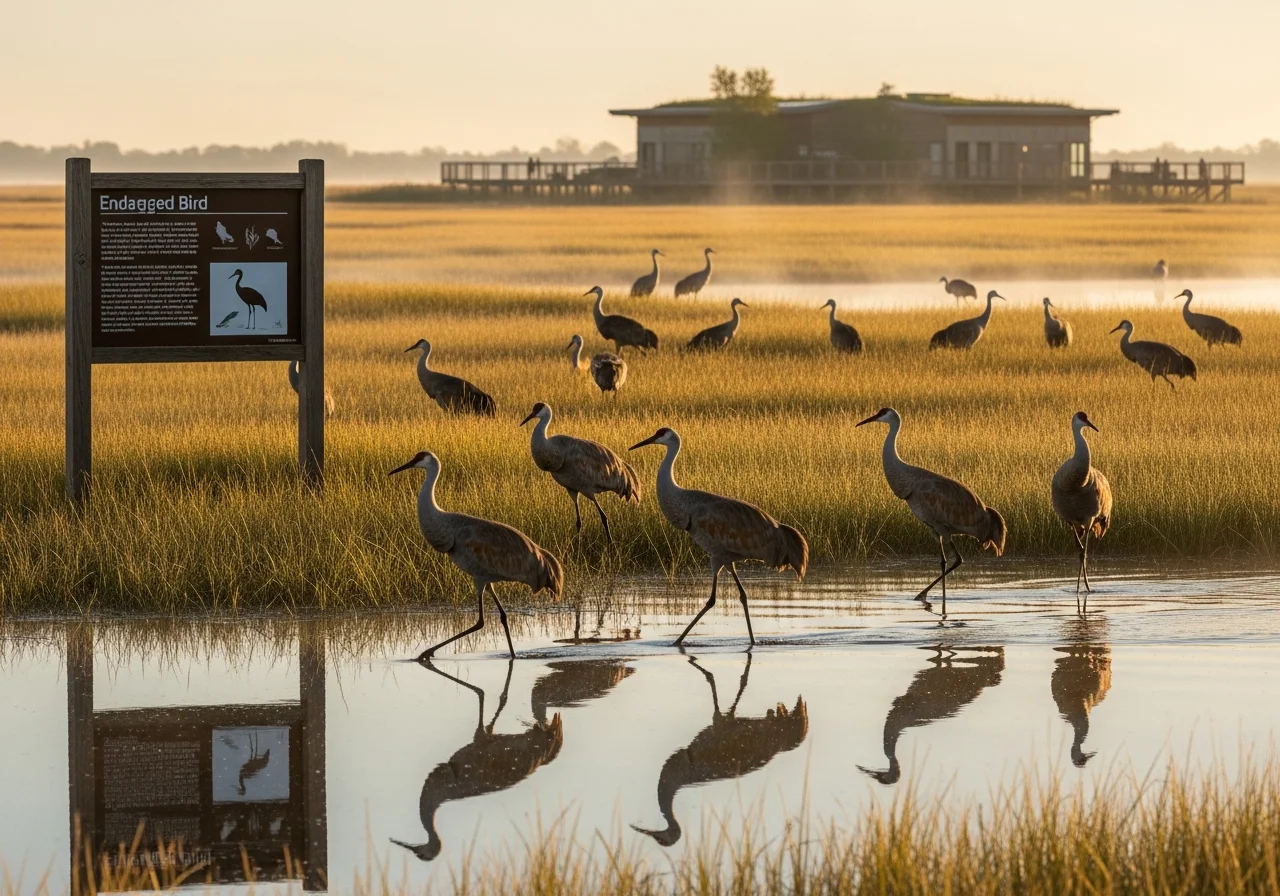
What elevates the mission is scale and urgency. Cranes rank among the world’s most threatened bird families. By housing every species in one location, the foundation turns abstract science into visible reality. You don’t just read about endangered birds. You watch them forage, call, and interact, which makes global wildlife protection feel tangible and necessary.
Why the International Crane Foundation Is One of a Kind
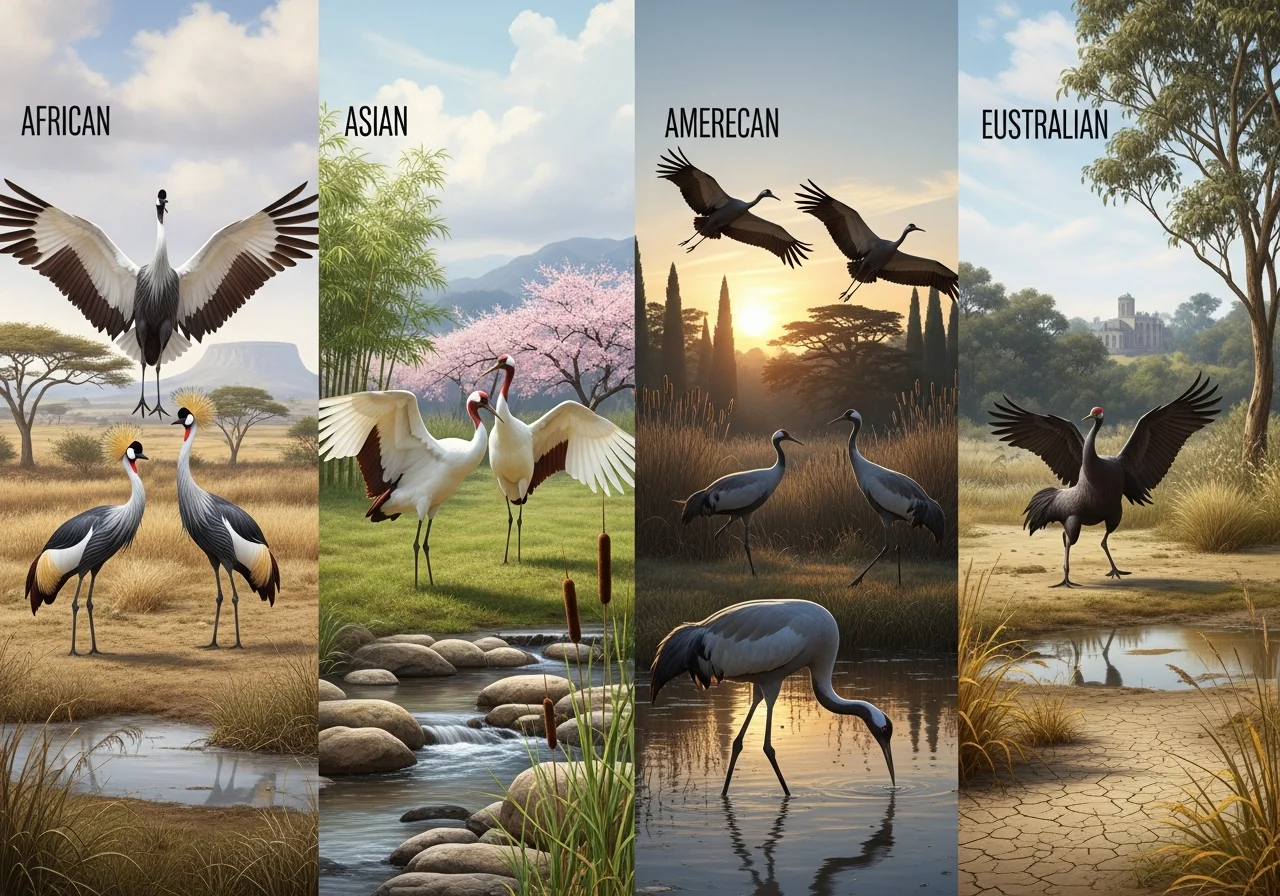
No other destination on Earth allows you to see all fifteen crane species in one place. That distinction alone places the International Crane Foundation in Baraboo, Wisconsin in a category of its own. Each habitat reflects the bird’s native landscape, offering a living classroom instead of static displays behind glass.
The work also stretches far beyond Wisconsin. Field projects reach across Africa, Asia, and North America, protecting migration corridors and wetlands. This global footprint transforms a peaceful walk into a window on crane conservation worldwide. You aren’t just observing animals. You’re witnessing outcomes of decades of coordinated international science.
Where Is the International Crane Foundation Located?
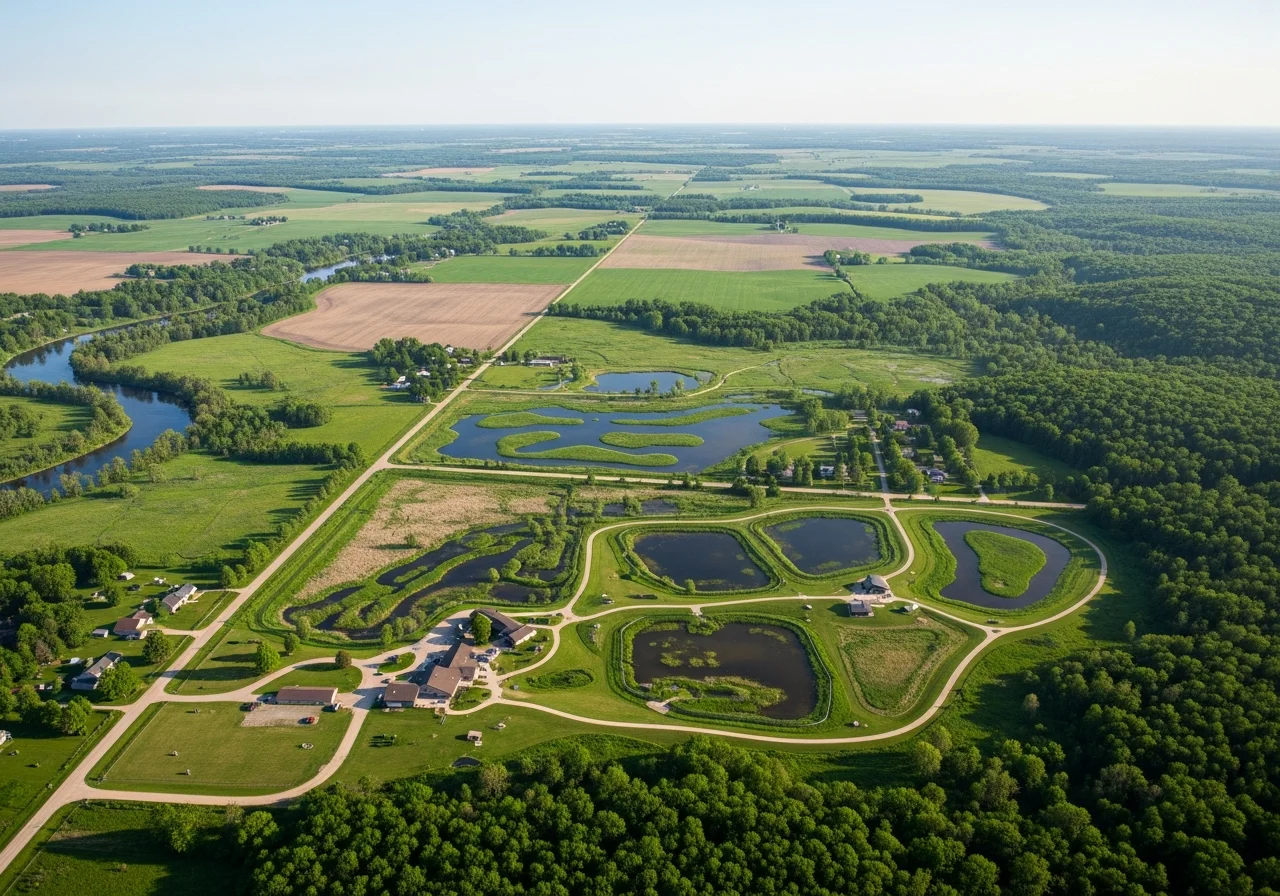
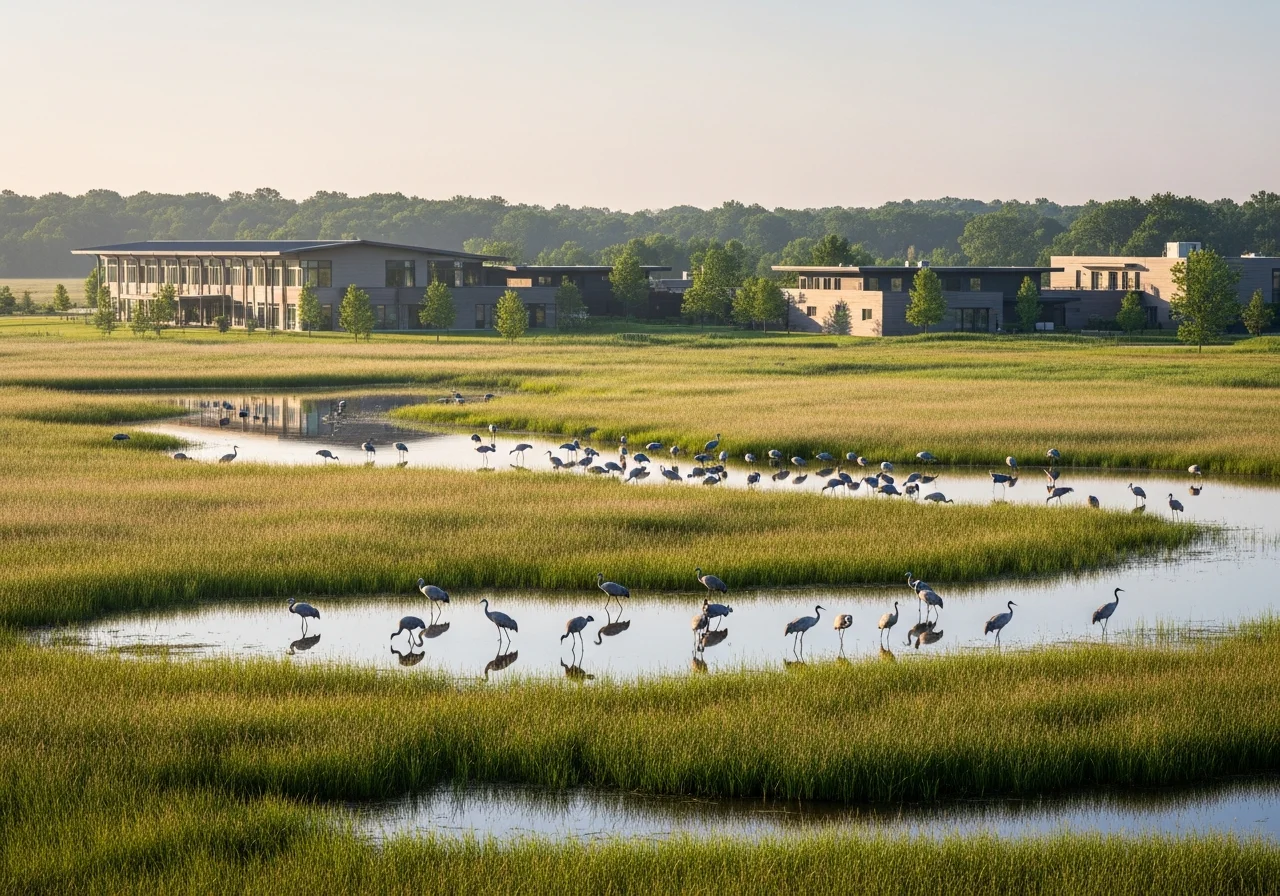
The foundation sits just outside Baraboo, surrounded by farmland, wetlands, and wooded ridges. The rural setting keeps noise low and views open, allowing cranes to behave naturally. That quiet atmosphere shapes the entire visit and encourages slower exploration.
Location adds convenience too. The site lies about ten minutes from Wisconsin Dells and roughly an hour from Madison. Many travelers pair the visit with other things to do near Wisconsin Dells, which makes the foundation an easy addition to a larger Midwest trip.
Planning Your Visit to the International Crane Foundation
Hours, Admission Prices, and Best Time to Visit
The International Crane Foundation in Baraboo, Wisconsin operates seasonally, usually from early May through late October. Winter closures protect the birds during colder months. Admission prices stay modest compared to large zoos, reflecting the nonprofit mission rather than commercial entertainment.
Late spring and early fall deliver the best balance of mild weather and active cranes. Early mornings often bring louder calls and feeding behavior. Weekdays feel quieter, while weekends feature guided tours that add context to crane conservation efforts.
How Much Time You Need (Sample Visit Timelines)
Time spent here depends on curiosity level. A focused ninety-minute visit covers the main exhibit loop. A relaxed two-to-three-hour stay allows time to read signage and observe behavior. Half-day visits add nature trails and quiet sitting areas, which deepen appreciation for global wildlife protection.
To clarify expectations, the table below shows typical pacing.
| Visit Style | Time Range | Experience Depth |
|---|---|---|
| Quick overview | 1–1.5 hours | Highlights and main exhibits |
| Standard visit | 2–3 hours | Full exhibits with interpretation |
| Immersive visit | 4+ hours | Trails, tours, and observation |
What You’ll See at the International Crane Foundation
Crane Species You Can See (Including Endangered Cranes)
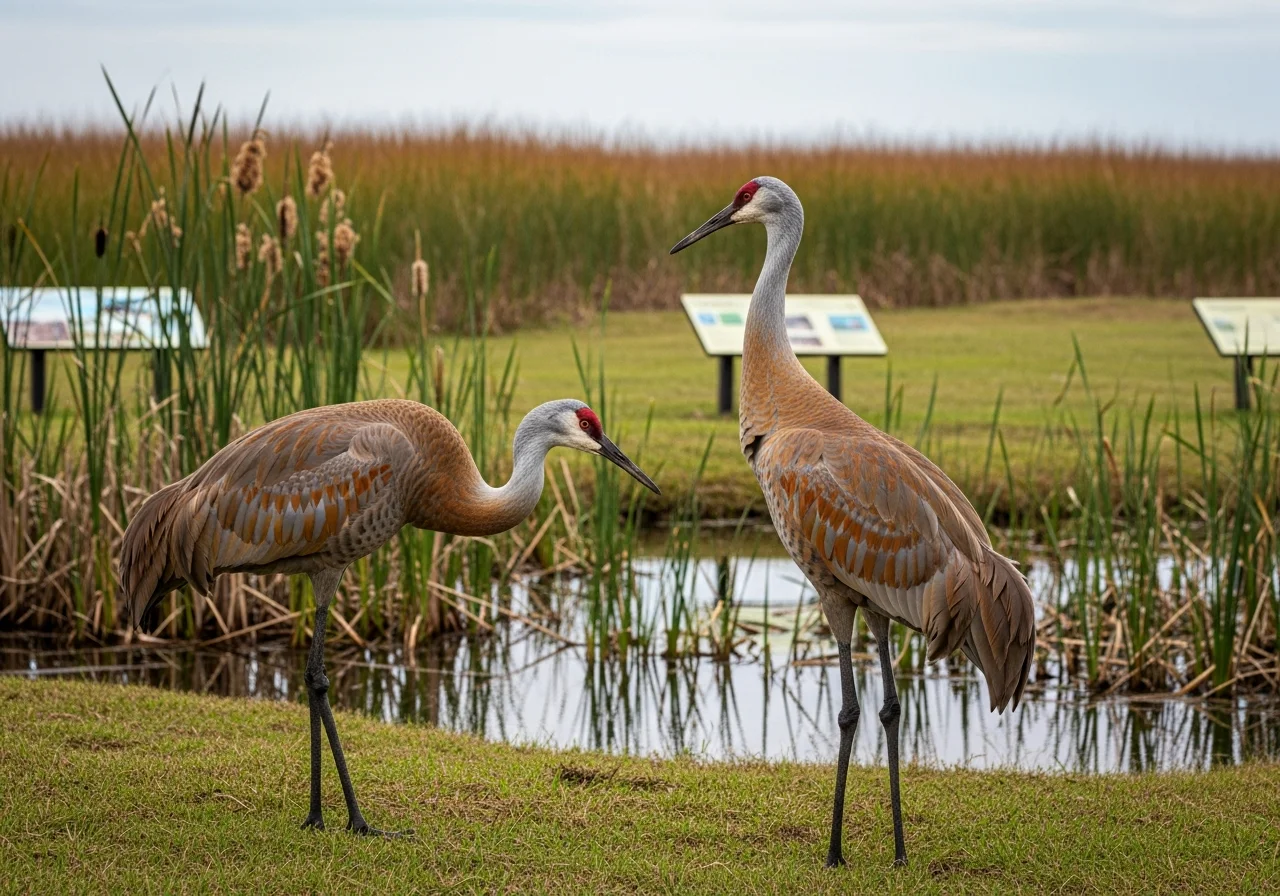
All fifteen crane species live here, from the towering Whooping Crane to the delicate Demoiselle Crane. Several species rank as critically threatened, including the Siberian Crane. Seeing them together underscores how endangered birds face different risks yet share similar needs.
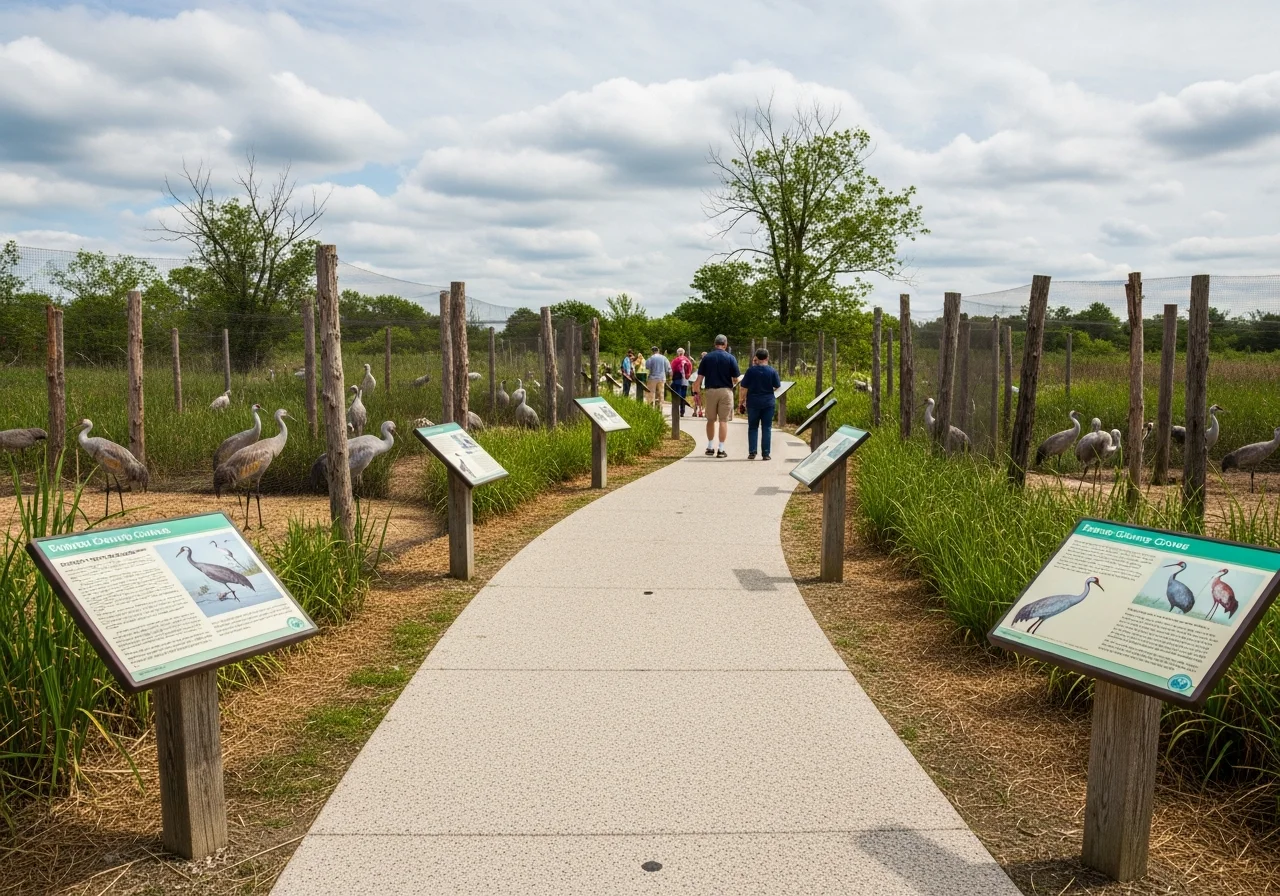
Interpretive panels explain conservation status using clear facts rather than alarmist language. You learn population numbers, migration distances, and breeding challenges. This educational framing strengthens understanding of crane conservation without overwhelming casual visitors.
Outdoor Exhibits, Trails, and Scenic Areas
Exhibits follow a paved loop that remains mostly flat and easy to navigate. Habitats blend water, grasses, and shelter, allowing cranes to behave naturally. Artwork and quiet gardens break up viewing areas, giving eyes and minds a rest.
Beyond the loop, walking-only trails pass through prairie and wetland restoration zones. These areas show how habitat work supports not just cranes but entire ecosystems, reinforcing the message of global wildlife protection through lived experience.
Tours, Education, and Interactive Experiences
Guided Tours and Educational Programs
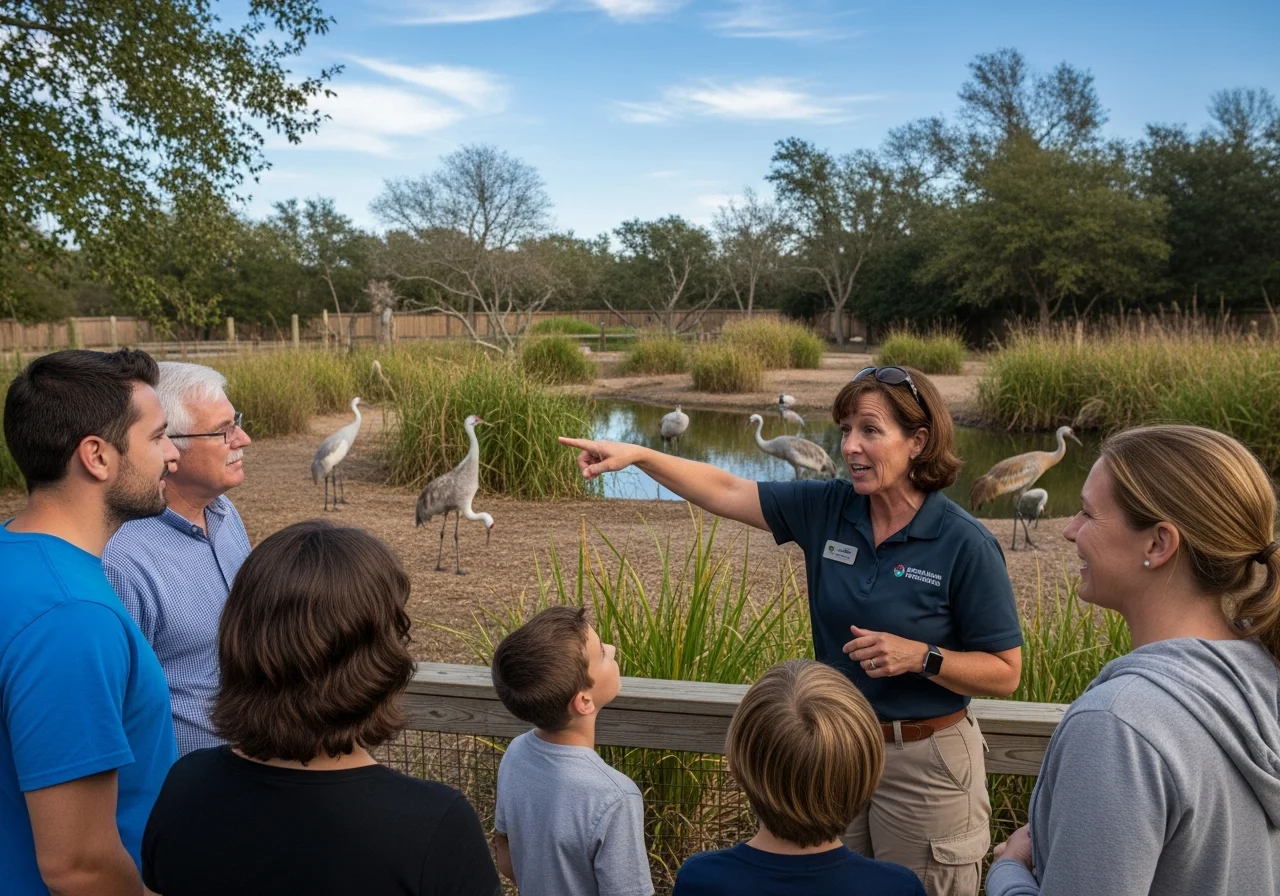
Weekend tours led by trained staff explore themes such as migration, culture, and habitat loss. These sessions translate complex science into clear stories. School groups benefit from age-appropriate programs that combine observation with discussion.
Education extends beyond tours. Seasonal talks, signage, and informal conversations with staff deepen insight into crane conservation strategies used worldwide.
What Kids, Families, and First-Time Visitors Will Enjoy Most
Families appreciate the open space and natural pacing. Kids respond to crane calls, movement, and size differences. Learning happens through observation rather than lectures, which keeps attention strong.
First-time visitors often enjoy the calm rhythm. There’s no rush between exhibits. That slower tempo encourages questions and reflection about endangered birds and shared environmental responsibility.
Accessibility, Amenities, and Visitor Tips
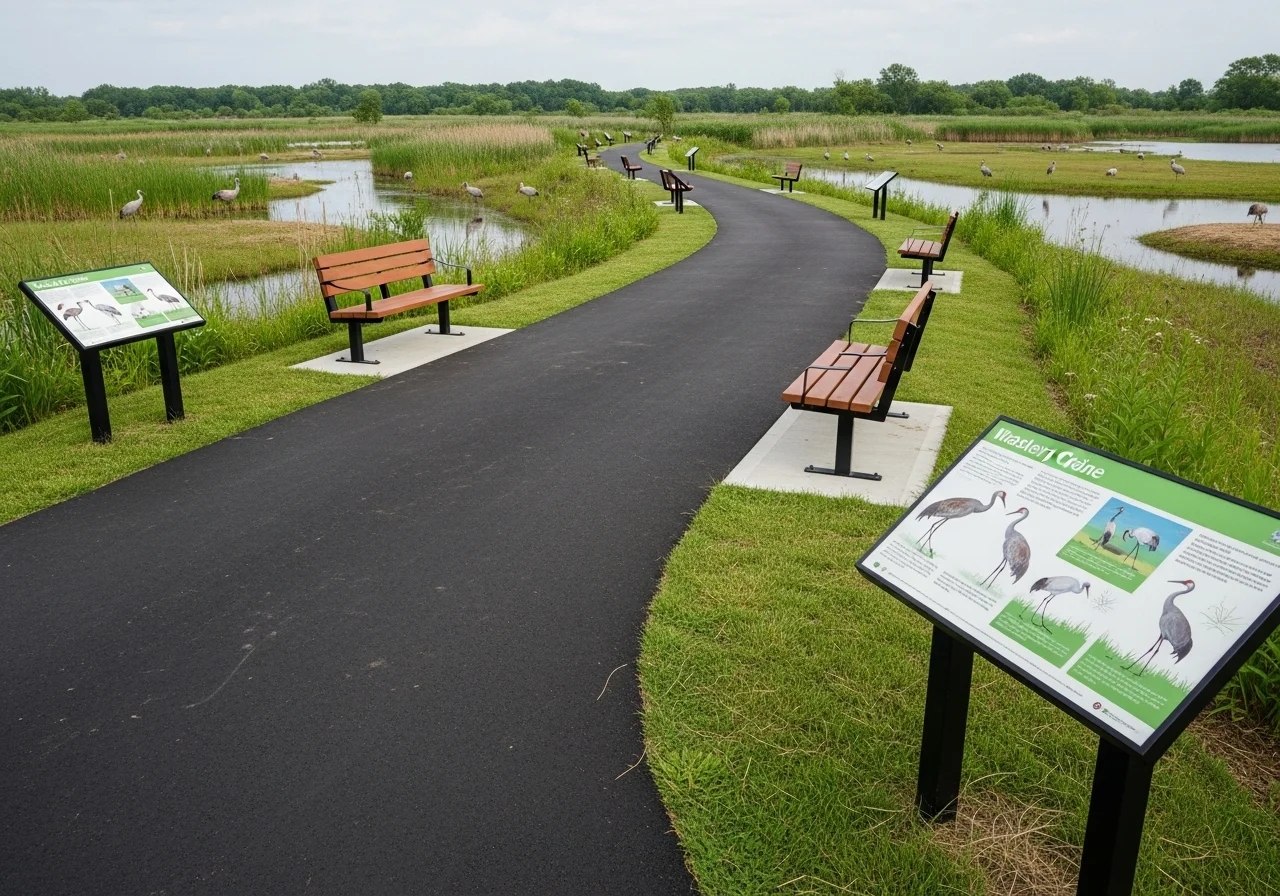
Most main paths meet accessibility standards, making the International Crane Foundation in Baraboo, Wisconsin welcoming for many mobility levels. Nature trails remain uneven and suit walking only. Parking sits close to the entrance, reducing long walks.
Restrooms, water stations, and a small gift shop support comfort. Weather matters here. Comfortable shoes, sun protection, and layers improve the experience, especially when spending time outdoors learning about global wildlife protection.
Is the International Crane Foundation Worth Visiting?
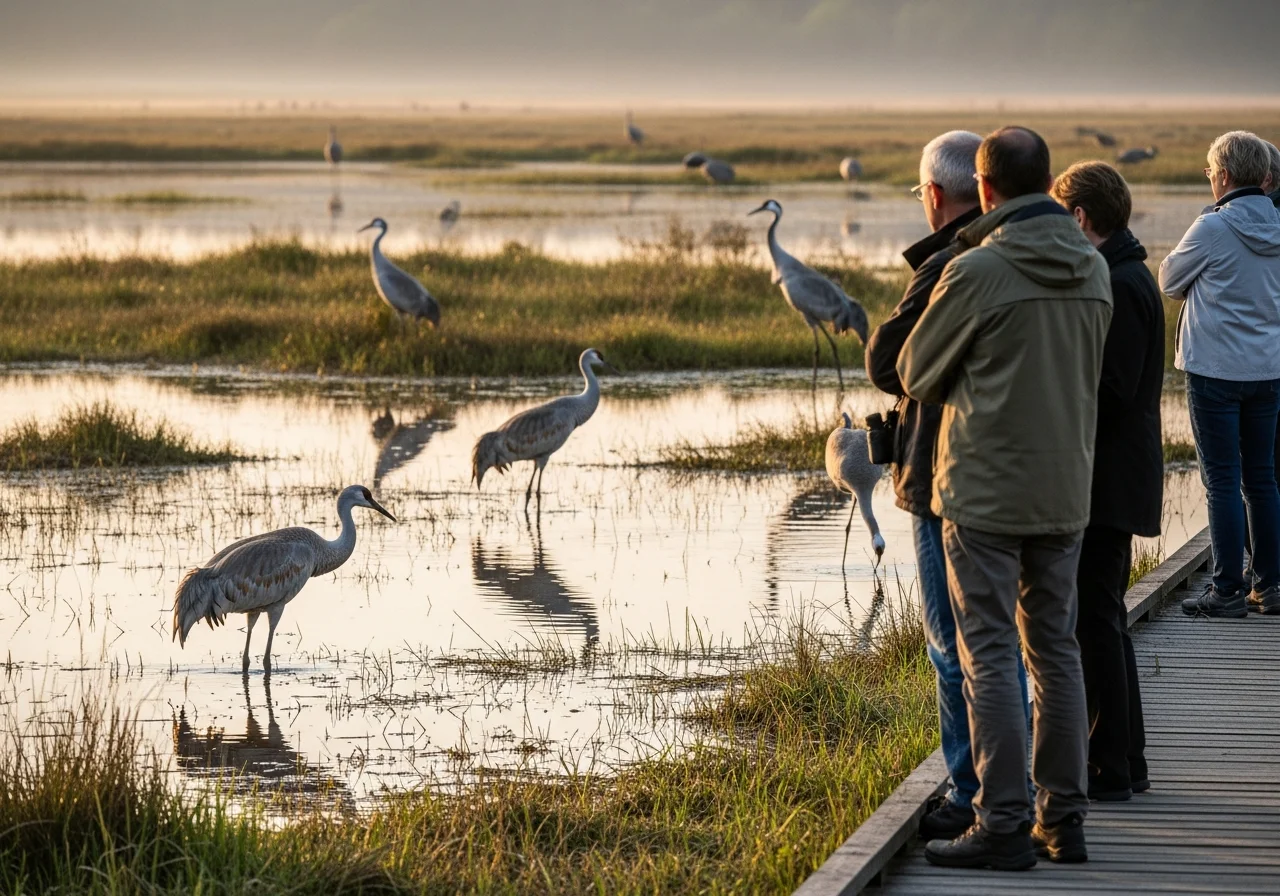
The answer depends on expectations. Nature lovers, photographers, families, and travelers curious about conservation often find the visit rewarding. The setting encourages quiet attention rather than constant stimulation.
Those seeking indoor attractions or thrill rides may feel underwhelmed. The experience remains outdoor-focused, and weather plays a role. For visitors open to reflection and learning, the International Crane Foundation in Baraboo, Wisconsin delivers lasting value.
Additional Things to Do Near Baraboo, Wisconsin
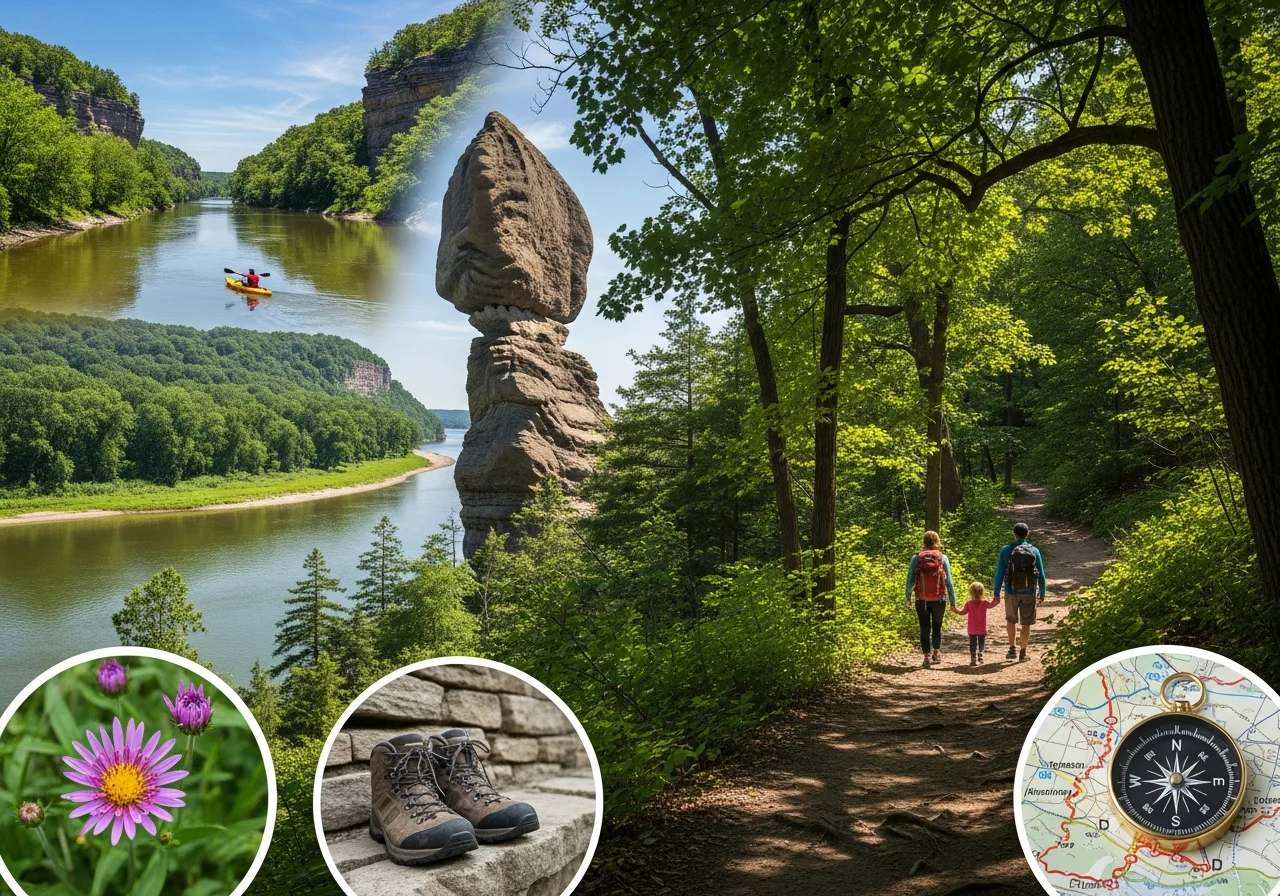
Many visitors combine the foundation with nearby attractions. Circus World explores the town’s circus heritage. Devil’s Lake State Park offers dramatic bluffs and hiking trails.
The Baraboo Riverwalk provides a gentle stroll, while Wisconsin Dells attractions add variety for longer stays. This mix balances education, nature, and entertainment without straying far from the region.
Final Thoughts
The International Crane Foundation in Baraboo, Wisconsin combines rare wildlife access with meaningful conservation work. Seeing every crane species together transforms abstract environmental issues into real encounters.
More than an attraction, the visit offers perspective. You leave with a clearer understanding of endangered birds, renewed respect for global wildlife protection, and a quiet reminder that thoughtful conservation begins with awareness.