
17 Rio de Janeiro Travel Tips for First-Time Visitors
Introduction
6 million visitors a year head to Rio, and this rio de janeiro travel guide helps you plan a safe, fun trip in 1, 5 days. You’ll get clear advice on neighborhoods, transport and a compact 3-day itinerary so you see Christ the Redeemer and Sugarloaf Mountain without rushing.
If you’re a solo traveler, couple or small group, expect beach days at Copacabana and Ipanema, quick metro rides on Metrô Rio, and smart use of Uber/99 for nights out. I include concrete safety steps for daytime and nighttime, plus realistic costs like local rides from BRL 10 to BRL 40.
Read on for packing tips, when to visit to avoid crowds, practical transit cheats, and a simple safety playbook that helps you enjoy Carnival, Guanabara Bay views and Tijuca hikes with less stress.
Best time to visit
Picture arriving in Rio on a cloudy, wet week after paying for flights and a Copacabana hotel. The best months are March to May or September to November when temperatures are pleasant and crowds are smaller.
In short, avoid mid-February if you can unless you want Carnival. Carnival brings huge energy at the Sambadrome and Lapa, but expect hotel rates to rise about +50% and far bigger crowds.
Monthly weather shifts from hot, rainy summers in January to drier, mild autumn and spring; use the metro and Uber/99 to dodge rainy-day delays. This rio de janeiro travel guide recommends shoulder seasons for cheaper rooms and easier sightseeing at Christ the Redeemer and Sugarloaf Mountain.
Rio de Janeiro safety
Looking for a quick safety plan for Rio that actually works?
By day stay in busy areas like Copacabana, Ipanema and around Christ the Redeemer, use the metro or Uber/99, and keep valuables hidden in a money belt or hotel safe.
By night avoid walking alone in Lapa or Centro after midnight and take a ride-hail or trusted taxi instead; a short 15 to 25 BRL Uber ride is often worth the peace of mind.
- Neighborhood caution: Santa Teresa is charming but watch for uneven streets and pickpockets.
- Actionable rule: always lock passports and extra cash in the hotel safe and show only a copy when needed.
Christ the Redeemer

Myth: you can get a calm, private shot at Cristo Redentor. Reality: it draws big crowds, but the view over Guanabara Bay, Copacabana and Sugarloaf is unbeatable, so it should be on any rio de janeiro travel guide.
- Why visit: iconic statue, 710-m peak in Tijuca National Park and panoramic photos of Rio.
- Best photo times: early morning 8:00, 10:00 for soft light and fewer people; sunset can be dramatic but very crowded.
- Ticket tips: buy timed-entry tickets in advance; expect about BRL 100 for a combo train and entry ticket via the Corcovado rack railway.
- Peak hours: 10:30, 15:00 are busiest, so plan transport by metro, Uber/99 or official vans accordingly.
Sugarloaf Mountain

I remember the first cable car ride up Pão de Açúcar and the bay opening like a postcard beneath me.
Take the two-stage cable car to the 396 m summit and buy a round-trip ticket to save time and stress at busy hours.
For photos, aim to arrive 30 minutes before sunset for golden light over Guanabara Bay viewpoint; you’ll capture Christ the Redeemer, Copacabana and the bay in one frame.
- Logistics: get there by metro or Uber/99, allow extra time for lines.
- Essentials: bring sun protection and a light layer , temperatures drop after sunset.
Copacabana Beach
Practical tip: bring a beach towel and a small lock for your bag so you can swim without worrying about petty theft.
Follow beach etiquette: don’t leave trash, don’t set towels too close to others, and avoid loud music at noon. Locals from Ipanema to Copacabana expect the same courtesy.
Watch the swim safety flags: green means safe, yellow means caution, red means no swimming. Lifeguards patrol busy stretches near Posto 6 most days.
Along the sand you’ll find showers, kiosks selling caipirinhas, fresh coconuts, and vendors offering sunscreen and cold beer.
Expect chair and umbrella rentals about BRL 40 per day; a single towel and lock cost under BRL 20 at small shops.
This rio de janeiro travel guide suggests using the metro or Uber/99 to reach Copacabana and avoid walking with valuables at night.
Ipanema Beach
In summer the sand fills fast, so arrive early for space and cooler light; in winter the water is calmer and the sunsets are clearer. This rio de janeiro travel guide tip helps you plan by season and crowd levels.
- Vibe by sector: Posto 9 is lively and great for people-watching; the middle sectors draw families and the western stretch is quieter for couples.
- Best kiosks: Try Kiosk Vitrine or Barraca da Foca for fresh seafood and snacks, and grab a caipirinha at a nearby kiosk for about BRL 20.
- Sunset photo spots: Walk to the stone jetty near Posto 9, or climb the short hill beside Arpoador for an iconic view toward Copacabana and Sugarloaf Mountain.
Tijuca National Park
A self-guided visit costs about BRL 16 while guided treks run near BRL 80, and most routes are 2, 4 hour hikes. This rio de janeiro travel guide says Tijuca is a rain forest in the city with steep, sweaty trails and great viewpoints toward Christ the Redeemer and Sugarloaf Mountain.
Pick trails by fitness: Vista Chinesa is roughly 3 km and moderate, Pico da Tijuca is steeper and harder. Wear quick-dry clothing and closed shoes for roots and rocks. Bring snacks and 1 litre of water.
Mosquitoes are common. Use insect repellent with DEET, consider a long-sleeve shirt at dusk, and stick to marked paths for safety and to avoid getting lost.
Sambadrome Carnival

80,000 people can fill the Sambadrome on a single parade night, and the sound is constant and very loud.
The Sambadrome experience is a rush of music, samba schools, floats and choreographed parades that feel like a living music video up close. For a safer night, stick to reserved stands, keep your phone in a zipped pocket and use official entrances near the metro or an Uber/99 drop-off.
If attending Carnival, budget extra: seated tickets from USD 60, book months ahead and expect loud crowds and late nights.
For a first-time visitor follow basic rio de janeiro safety tips and plan a day at Copacabana or a quieter view from Sugarloaf Mountain the next morning.
Lapa Arches
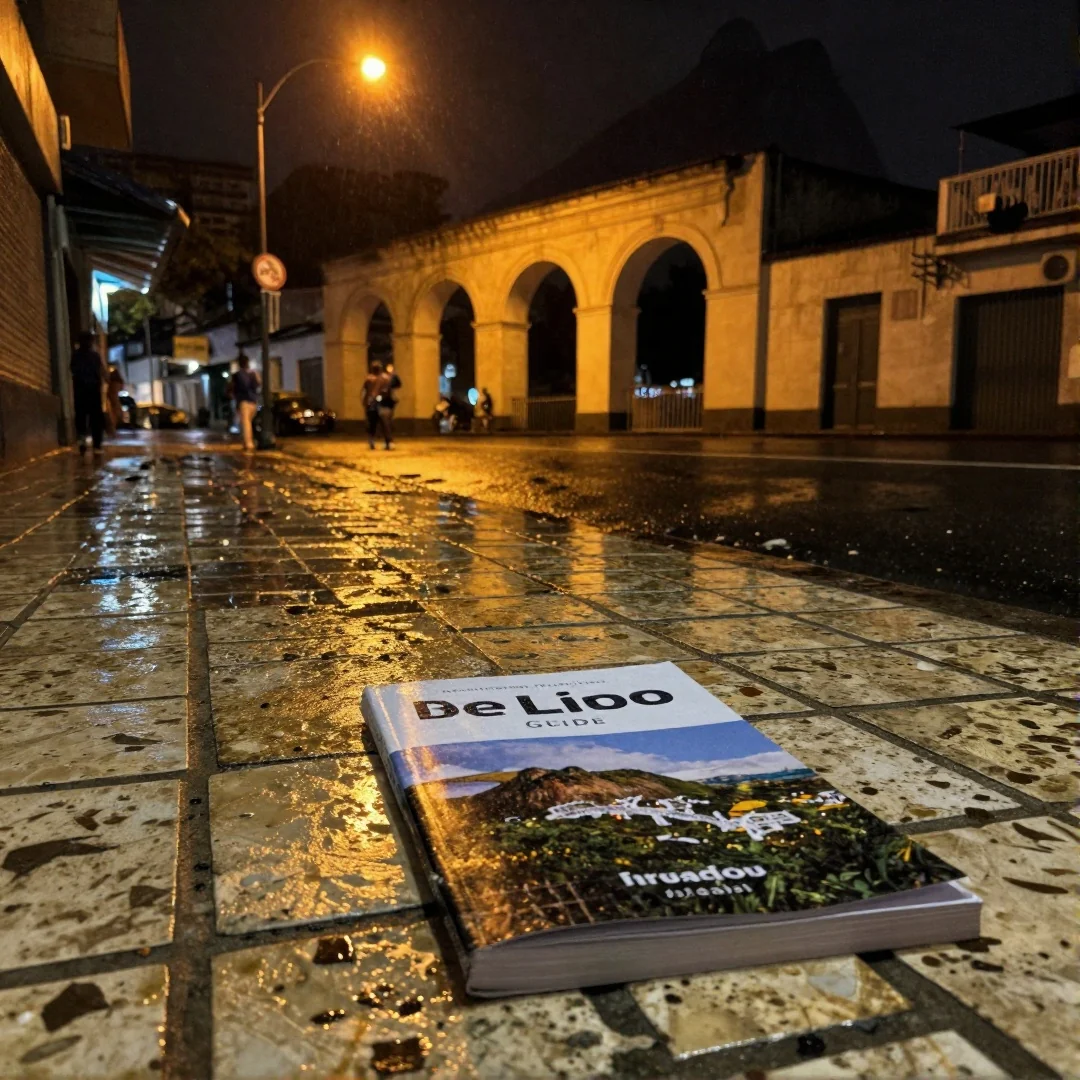
You step out of a samba bar into the lit arches and feel the buzz that makes Lapa famous, but crowds attract pickpockets too.
This rio de janeiro travel guide tip: go with a group and stick to Rua do Lavradio and the Selarón Steps area before 11:00 p.m.
- Keep valuables hidden and keep phones secure in a front pocket or money belt.
- Use ride-hailing like Uber or 99 back to Copacabana or Ipanema; expect about BRL 25 for a short trip.
Accept caipirinhas and the music, but avoid empty side streets and lone late-night walks toward Santa Teresa.
For metro connections head toward Carioca station or choose a registered taxi if you feel unsafe near the Arcos da Lapa.
Selarón Steps
Looking for the best way to photograph Escadaria Selarón without the crowds?
Visit at 7am to catch soft light and near-empty stairs; the mosaic runs over 215 steps so plan 10 to 20 minutes for a calm walk.
Respect the Santa Teresa neighborhood by staying on marked paths, not sitting on tiles, and avoiding loud groups.
Do not fly a drone over the steps without written permission from local authorities; fines apply and you risk confiscation.
For safety and transit, use Metrô Rio plus an Uber/99 drop in Lapa, then walk; this is solid rio de janeiro travel guide advice for first timers.
Getting around metro
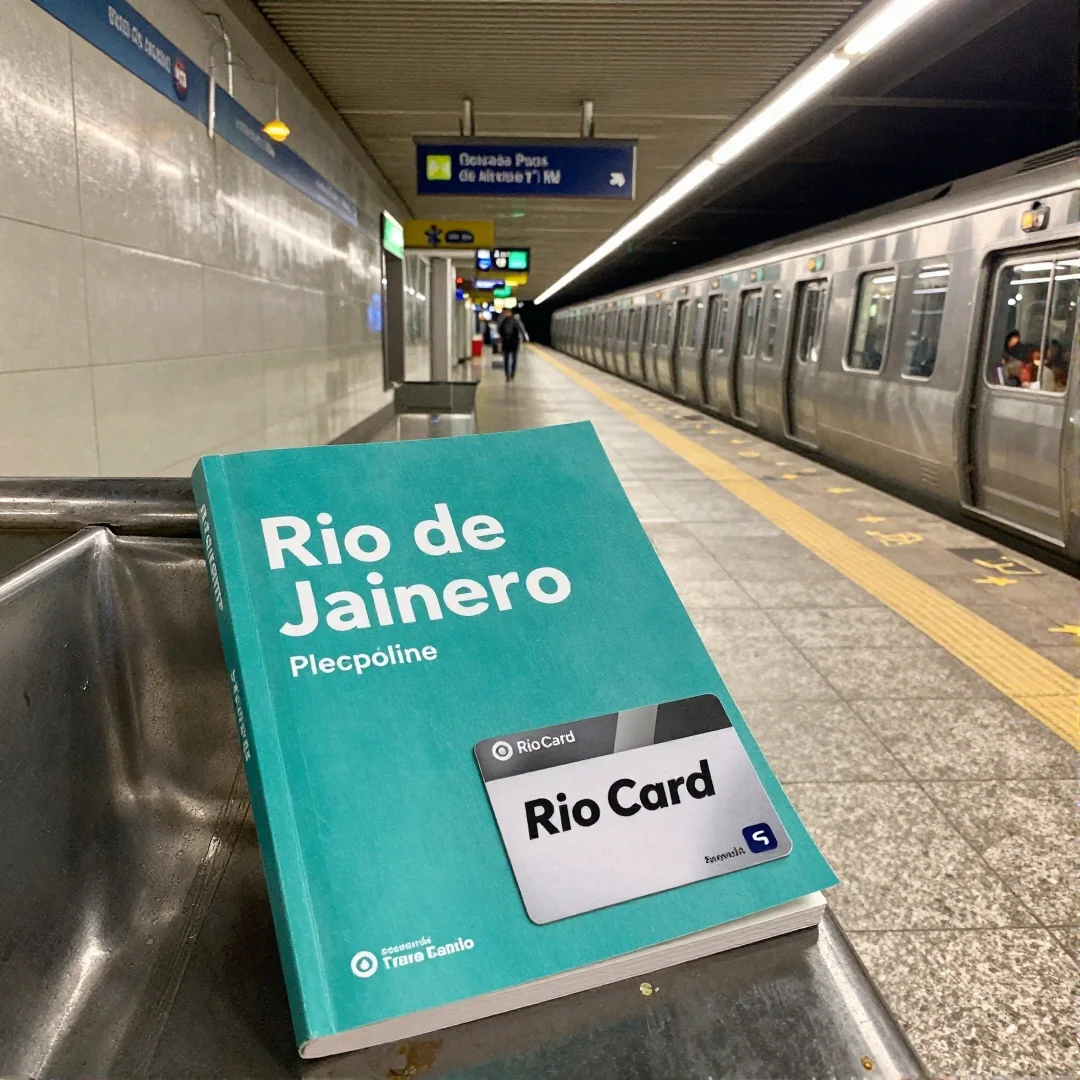
Myth: the metro only serves downtown. Reality: Metrô Rio reaches Centro, Copacabana, Ipanema and parts of Zona Sul so it connects you to many main sights like Sugarloaf and the start points for Christ the Redeemer tours.
Answer first. Buy a reloadable RioCard at any station ticket window or machine and top up with cash or card for faster transfers and buses.
Single rides cost about BRL 5. Using the card makes multiple rides and short transfers cheaper and quicker than cash tickets.
Lines run roughly north-south and east-west with good links to Centro and Botafogo; for Santa Teresa or late nights use Uber/99 instead.
Watch your bag at busy stations to follow simple rio de janeiro travel guide safety tips for first time visitors.
Ride-hailing tips
I usually choose a ride app after sunset in Rio because the metro stops earlier and buses get crowded.
Use Uber/99 for late-night trips in neighborhoods like Lapa, Santa Teresa or from Copacabana to the airport; use the metro for daytime journeys to Christ the Redeemer or Sugarloaf Mountain when stations are nearby.
- Before you hop in compare the app fare to a meter taxi; short rides often cost around BRL 25 but can rise in heavy traffic.
- Share your trip live with someone and always confirm the plate and driver photo before you enter.
- Pick well-lit pickup points, avoid streets with few people, and keep phones and cameras stowed until you lock the door.
Neighborhoods to stay

Quick tip: pick a beach neighborhood for daytime ease and Lapa or Santa Teresa for night culture; for most first-timers I recommend the beach strip for safety and access. This rio de janeiro travel guide focuses on practical stays near main sights.
- Copacabana , Pros: very central, lots of restaurants and buses, about a 5-minute walk to the sand; Cons: busier, louder at night but easy to get an Uber or metro.
- Ipanema , Pros: great beach vibe, cafes and shopping, close to Sugarloaf Mountain views; Cons: pricier hotels, crowds on weekends.
- Leblon , Pros: safest-feeling, upscale restaurants, family friendly; Cons: highest prices, fewer budget options.
- Santa Teresa , Pros: charming streets, artsy bars, views toward Christ the Redeemer; Cons: hillier and less metro access, steeper walks and uneven cobblestones.
Rio de Janeiro packing list
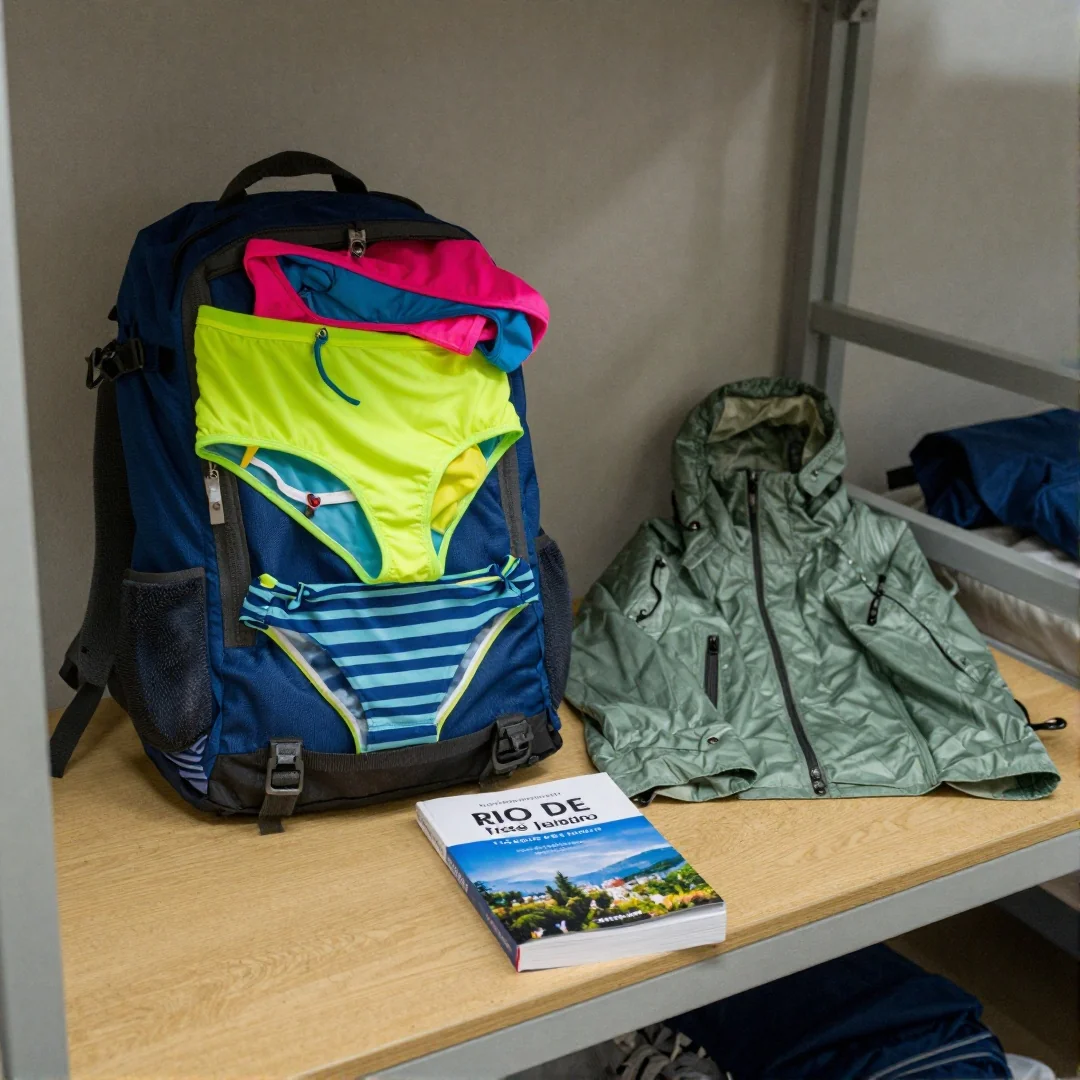
For summer beaches and sudden downpours bring light layers; rainy season runs December to March so pack a rain layer and sun gear. This rio de janeiro travel guide tip helps you plan by season and activity.
- Beachwear: SPF swimwear, a wide-brim hat, and sandals for Copacabana or Ipanema.
- Hiking gear: quick-dry polyester shirt, lightweight hiking pants, and trail shoes for Tijuca National Park.
- Rain layer: pack a compact waterproof jacket for summer storms.
- Daypack: a small pack under 20L for camera, water, and a light layer.
- Extras: money in BRL, a refillable water bottle, and basic first-aid items.
Rio de Janeiro costs

Rio de Janeiro costs Rio can cost as little as USD 50 a day or climb past USD 300, depending on where you stay and how you get around. This rio de janeiro travel guide uses realistic daily totals so you can plan ahead.
- Budget traveler: ~USD 50/day (BRL 250). Hostels, metro trips, street food and a day at Copacabana.
- Midrange traveler: ~USD 120/day (BRL 600). Midrange hotels, occasional Uber/99 rides, museum entrances and a Sugarloaf cable car ticket.
- Splurge traveler: ~USD 300+/day (BRL 1500). Boutique hotels in Ipanema, guided tours to Christ the Redeemer, dinners and private transfers.
24h itinerary
24h itinerary Did you know Christ the Redeemer sees about 2 million visitors a year? Start at 8:00 am to beat crowds and catch morning light; entry and tram can cost around R$79.
After the statue, drop into the Santa Teresa neighborhood for lunch and walk the Selarón Steps; expect a relaxed 60 minute meal and cobbled streets that make great photos.
Late afternoon head to Copacabana or Ipanema for sun, swimming and people watching; bring SPF and follow beach etiquette for safe swimming.
Use the metro or Uber/99 to save time and stay in safe zones; this compact plan appears in this rio de janeiro travel guide for first timers.
72h itinerary
72h itinerary If you have 72 hours in Rio, spend one full day on the main sights, one for beaches and neighborhood walks, and one for a nature or coastal day trip; this is the straightforward rio de janeiro travel guide plan that fits most first-time visitors.
For another perspective, this detailed piece on Rio de Janeiro, Brazil: Take It or Leave It is worth a read.
- Day 1: Morning visit to Christ the Redeemer, afternoon tram or cable car to Sugarloaf (allow 1 morning for Sugarloaf), evening in Lapa for live music.
- Day 2: Half-day on Copacabana or Ipanema, lunch, then Santa Teresa, Selarón Steps and Arcos da Lapa by metro or Uber/99.
- Day 3: Hike in Tijuca National Park or a day trip to Búzios/Paraty; budget about 1,500 BRL for a guided day trip.
FAQ
?Worried about safety in Rio right now?
Is Rio safe now?
Short answer: yes, with caution. Use neighborhood-by-neighborhood caution, avoid flashing valuables and expensive jewelry, stick to busy areas like Copacabana and Ipanema by day, use Uber/99 or the Metrô Rio after dark, and get travel insurance before you go.
What are the best months to visit?
Plan for May to September for lower humidity, fewer crowds, and easier hiking in Tijuca National Park. If you want Carnival energy, book for February or March but expect far higher prices and crowds.
How much does transit cost?
Local transit is cheap; a metro or bus ride is about BRL 5 per trip, while short Uber rides across neighborhoods typically run BRL 15 to BRL 50 depending on distance. For airport transfers, budget around BRL 80 to BRL 150 from Galeão.
What should I pack by season?
For summer bring lightweight cotton, reef-safe sunscreen, and a beach towel for Copacabana and Ipanema; for winter pack a light jacket for evenings and a good pair of walking shoes for Sugarloaf and Christ the Redeemer. If you plan hikes in Tijuca, add closed-toe shoes and a rain shell.
How many days do I need for main sights?
One full day covers Christ the Redeemer and Sugarloaf Mountain, two days adds Copacabana, Ipanema and Lapa Arches, and three days lets you add Tijuca or a day trip to Búzios. Use this rio de janeiro travel guide to fit a 1, 3 day itinerary around your interests.
You might also like: 18 Best Tours from Santorini for Unforgettable Adventures
Key Takeaways
Myth: Rio is too risky to enjoy safely. Reality: with a few habits and the right neighborhoods you can see top sights like Christ the Redeemer and Sugarloaf without stress.
- Plan 3 full days for main sights, more for relaxed beach time in Copacabana or Ipanema.
- Pack smart for sun and hiking: lightweight quick-dry clothes, sturdy shoes for Tijuca, and reef-safe sunscreen.
- Budget clearly with daily ranges and carry BRL cash for markets; expect higher prices during Carnival.
- Use safe transport , take the metro (Metrô Rio) by day and Uber/99 at night; keep rides shared when solo.
- Follow local safety steps like leaving valuables at your hotel, avoiding empty streets after dark, and using neighborhood-specific do’s and don’ts.
- Save this pin for quick reference when you book flights and tours from Guanabara Bay or plan day trips to Búzios.