A Taste of Wisconsin: Experience a Door County Fish Boil
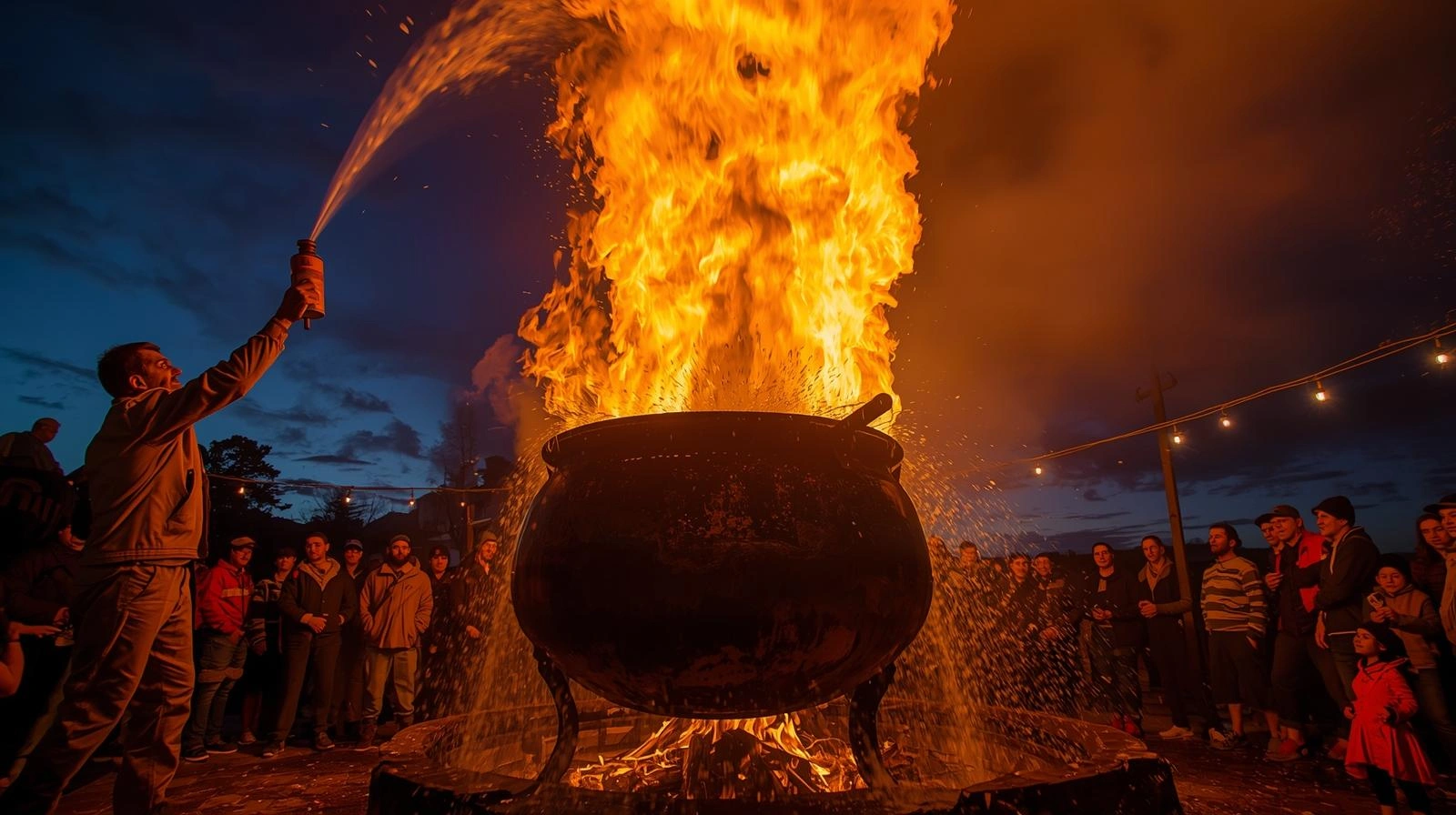
The Door County Wisconsin food experience stands as one of the Midwest’s most captivating culinary traditions. Picture this: flames shooting fifteen feet into the air as a kerosene fireball ignites over a massive cauldron bubbling with fresh whitefish, potatoes, and onions. This isn’t just dinner—it’s theater, history, and community wrapped into one unforgettable evening. The Wisconsin fish boil tradition draws thousands of visitors annually to witness this spectacular cooking method that transforms simple ingredients into an extraordinary meal. Whether you’re planning Door County date night ideas or seeking authentic Wisconsin food, this experience delivers memories that linger long after the last bite of cherry pie disappears.
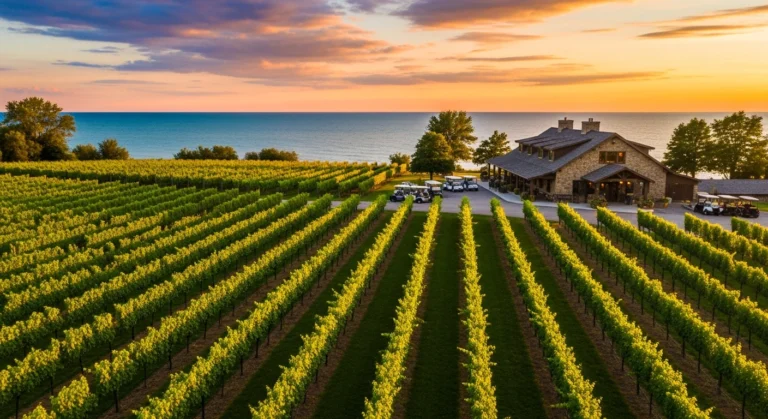
Nestled along Lake Michigan’s western shore, Door County transforms into a bustling haven during the summer tourist season. The peninsula’s charming villages host numerous waterfront fish boil restaurant locations where this time-honored ritual unfolds nightly. From Ephraim to Sister Bay, the aroma of boiling whitefish mingles with fresh lake breezes as crowds gather around outdoor kettles. This traditional fish boil dinner represents more than sustenance—it’s a gateway to understanding the region’s immigrant workers history and the resourcefulness that shaped Wisconsin’s culinary landscape. The Door County travel experience wouldn’t be complete without witnessing a skilled boilmaster command flames while sharing tales of lumberjacks and Scandinavian settlers who perfected this cooking method generations ago.
History of the Fish Boil
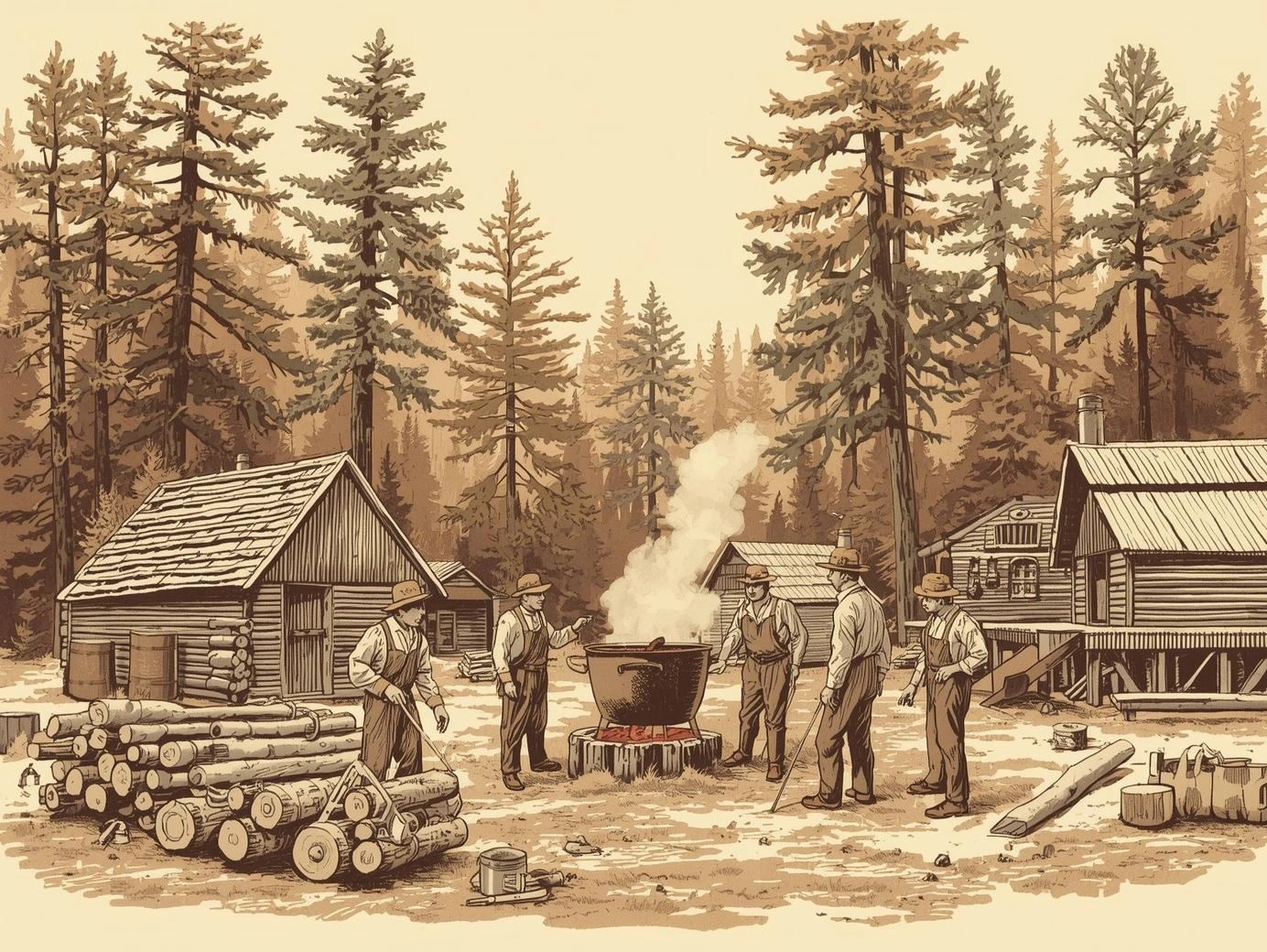
The Scandinavian fish boil history traces back to mid-1800s Wisconsin when Norwegian and Swedish immigrants arrived seeking timber industry opportunities. These hardy workers needed efficient, nutritious meals that could feed dozens of hungry lumberjacks after grueling days felling virgin forests. Cooking over open flame cooking setups became standard practice in lumber camps where refrigeration didn’t exist and fresh ingredients meant whatever local waters provided. The method proved brilliantly simple: throw fish, potatoes, and onions into a giant pot over fire, add generous salt portions, and boil until tender. Fish oils would naturally rise to the surface, creating an unappetizing film that clever cooks learned to remove through the now-famous “boil-over” technique that thrills audiences today.
Door County’s transformation from logging territory to tourist attraction happened gradually throughout the twentieth century. Restaurants recognized this historic food tradition could become signature entertainment that distinguished the peninsula from other vacation destinations. The Old Post Office Restaurant fish boil in Ephraim pioneered the commercial adaptation during the 1960s, turning utilitarian camp cooking into dramatic spectacle. The Ephraim Door County fish boil became legendary as word spread about the live cooking experience where masters deliberately caused controlled eruptions by tossing kerosene onto roaring fires. This theatrical element transformed practical necessity into an authentic cultural experience that celebrates Wisconsin’s immigrant heritage while creating unforgettable moments for modern travelers seeking connections to the past.
How Much Does a Fish Boil Cost
Planning your budget for this Door County food experience requires understanding typical pricing structures at various establishments. Most restaurants charge between twenty-two and thirty-five dollars per adult for the complete traditional fish boil dinner package. This fish boil dinner price generally includes generous portions of Lake Michigan whitefish, red potatoes, sweet onions, coleslaw, homemade rye bread with butter, and the region’s famous Door County cherry pie for dessert. Children’s meals typically run twelve to eighteen dollars depending on age and portion size. Some upscale waterfront dining experience locations command premium prices—occasionally reaching forty dollars—when situated in particularly scenic spots offering sunset views over Green Bay alongside the meal.
Reservation recommended policies vary by establishment and season, though securing advance bookings guarantees seating during peak months when crowds swell. Many venues offer package deals combining the fish boil with beverages or upgraded dessert options for an additional five to ten dollars. Several restaurants accommodate alternative meal options including chicken, steak, or vegetarian selections for guests who prefer something beyond the traditional whitefish preparation. The gluten free fish boil option has become increasingly available as awareness grows around dietary restrictions—most establishments gladly omit the rye bread and verify that other components meet gluten-free standards when guests request modifications during the booking process.
| Restaurant Type | Adult Price Range | Children’s Price | Special Features |
|---|---|---|---|
| Standard Fish Boil Venue | $22-$28 | $12-$15 | Basic outdoor seating, traditional menu |
| Waterfront Premium Location | $30-$40 | $15-$18 | Bay views, enhanced atmosphere |
| Package Deal Options | $35-$45 | $18-$22 | Includes beverages, premium desserts |
What to Wear
Choosing appropriate attire for your fish boil experience Door County adventure means embracing casual comfort over formality. Jeans, khakis, shorts, and comfortable shirts work perfectly for this relaxed dining atmosphere where outdoor seating by the bay predominates at most establishments. The peninsula’s unpredictable weather patterns demand layering capabilities—summer evenings can shift from warm sunshine to cool Lake Michigan breezes within minutes as temperatures drop fifteen to twenty degrees after sunset. Bringing a light jacket or sweater ensures comfort throughout the entire experience regardless of how pleasant conditions seem when you first arrive.
Footwear deserves special consideration since many venues position their cooking demonstrations and seating areas on gravel, grass, or uneven outdoor surfaces. Closed-toe shoes provide better stability and protection than sandals or flip-flops when navigating these areas, particularly after dark when visibility decreases. Some restaurants offer indoor vs outdoor seating options, though choosing outdoor placement means witnessing the boilmaster storytelling and flame spectacle up close—an opportunity worth minor wardrobe adjustments. Remember that smoke from the fire may drift toward seating areas depending on wind direction, so avoid wearing clothes you’d worry about smelling like campfire afterward. This family-friendly event atmosphere welcomes everyone from toddlers to grandparents dressed in their everyday comfortable clothing.
The Fish Boil Experience
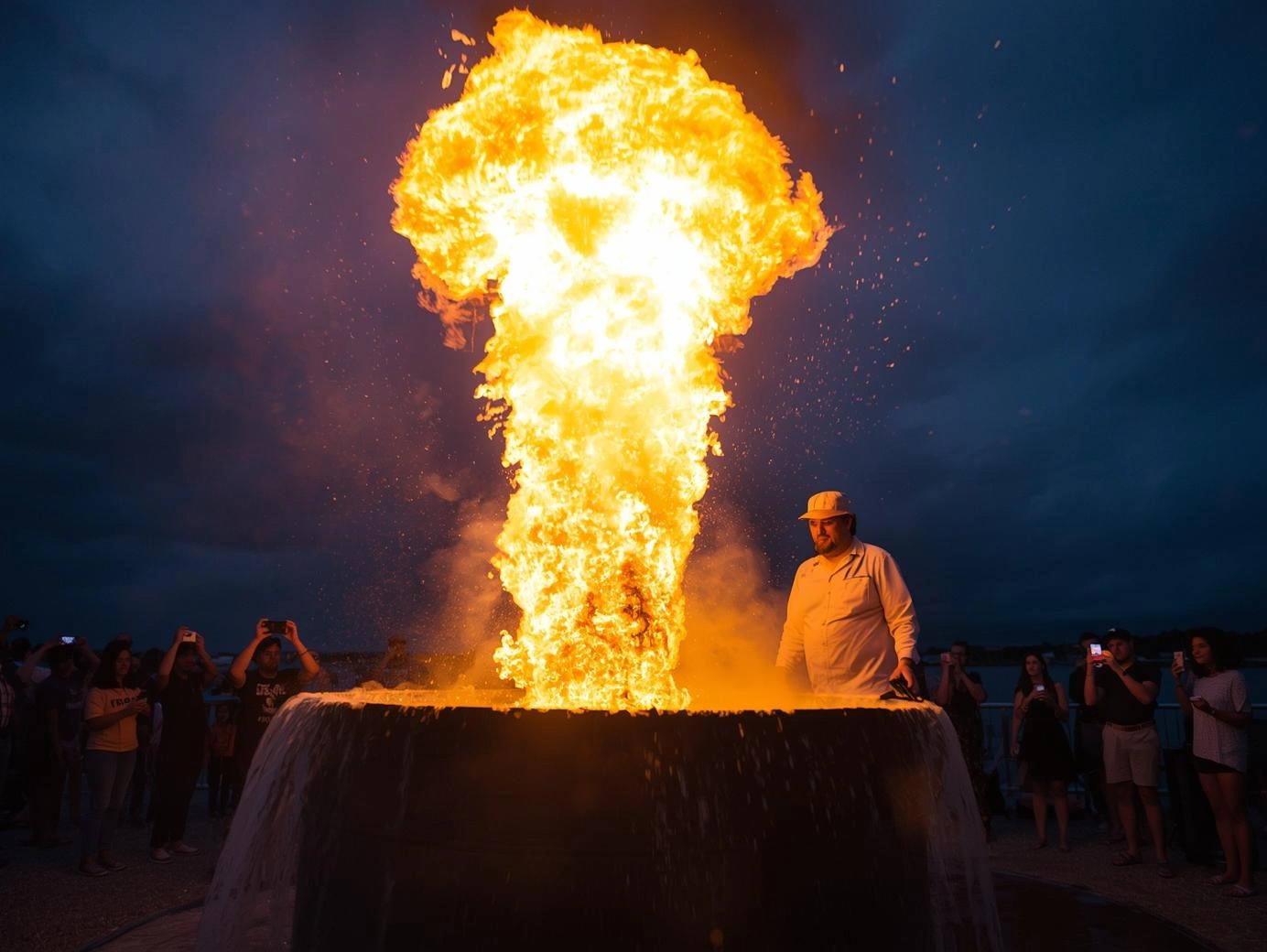
Arriving at your chosen venue reveals an atmosphere buzzing with anticipation as guests from across the country converge for this uniquely Wisconsin spectacle. The setting typically features long picnic tables arranged near massive outdoor kettles where preparations have been underway for hours. Outdoor fish boil event coordinators position seating strategically so everyone enjoys unobstructed views of the main attraction while soaking in waterfront dining experience ambiance. Conversations flow easily among strangers united by curiosity about this legendary cooking method. The unmistakable aroma of simmering fish wafts across the property as Lake Michigan’s waves provide natural background music. This communal gathering feels reminiscent of old-fashioned community suppers where sharing tables with fellow travelers sparks unexpected friendships.
The boilmaster—often a local character with decades of experience—commands attention as showtime approaches. These skilled practitioners have perfected their craft through hundreds of performances, yet each demonstration carries genuine excitement. They share colorful anecdotes about the tradition’s origins, explain the science behind why potatoes and onions require different cooking times than fish, and build suspense before the climactic moment arrives. The giant pot over fire contains thirty to fifty gallons of heavily salted boiling water, with ingredients added at precisely timed intervals. As the master’s narration reaches its crescendo, they dramatically hurl kerosene onto the flames creating that signature fireball that sends water cascading over the kettle’s rim. The crowd erupts in applause as oils and impurities spill away, leaving behind perfectly cooked fish ready for plating. This live cooking experience creates Instagram-worthy moments while honoring the authentic cultural experience passed down through generations of Wisconsin cooks.
Fish Boil Reservations
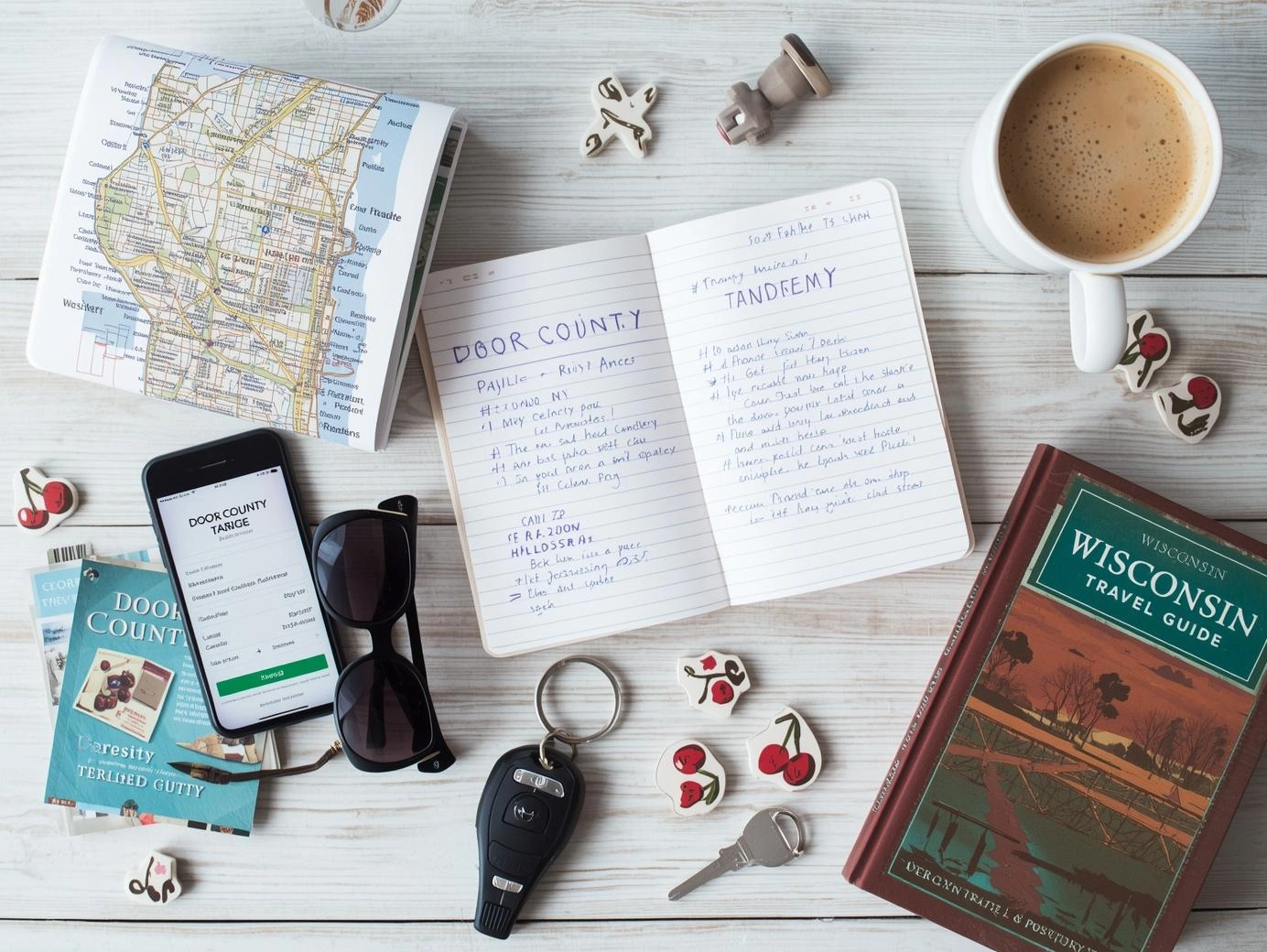
Securing your spot at popular fish boil venues requires advance planning, particularly during the summer tourist season when demand far exceeds available seating. Establishments like the Old Post Office Restaurant fish boil and other waterfront locations often book solid six to eight weeks ahead for Friday and Saturday evenings between Memorial Day and Labor Day. Reservation recommended warnings should be taken seriously—walk-in guests frequently face disappointment or extended wait times that can stretch beyond two hours. Most restaurants now offer online booking systems through their websites, making the process straightforward for travelers planning itineraries weeks or months before arrival. Calling directly sometimes yields better results for parties larger than six people or when requesting specific seating preferences.
Flexibility with timing dramatically improves booking success rates. Weekday evenings, especially Tuesday through Thursday, maintain much lighter reservation pressure while delivering identical food quality and entertainment value. Some venues operate multiple seatings per evening—typically at 5:30 PM and 7:30 PM—with earlier time slots generally easier to secure. Off-season visits between September and May eliminate reservation stress entirely, though fewer establishments maintain regular fish boil schedules during colder months when outdoor cooking becomes less appealing. Cancellation policies vary by restaurant, so review terms carefully when booking. Many locations require credit card guarantees and charge no-show fees ranging from fifteen to thirty dollars per person when parties fail to appear or cancel within twenty-four hours of their scheduled time.
| Reservation Strategy | Best For | Advance Booking Time | Success Rate |
|---|---|---|---|
| Weekend Peak Season | Large groups, special occasions | 6-8 weeks ahead | Moderate |
| Weekday Summer | Flexible travelers | 2-3 weeks ahead | High |
| Off-Season Visit | Budget-conscious visitors | 1 week ahead | Very High |
| Last-Minute Walk-In | Solo/couples with time flexibility | Same day | Low to Moderate |
The Fish Boil
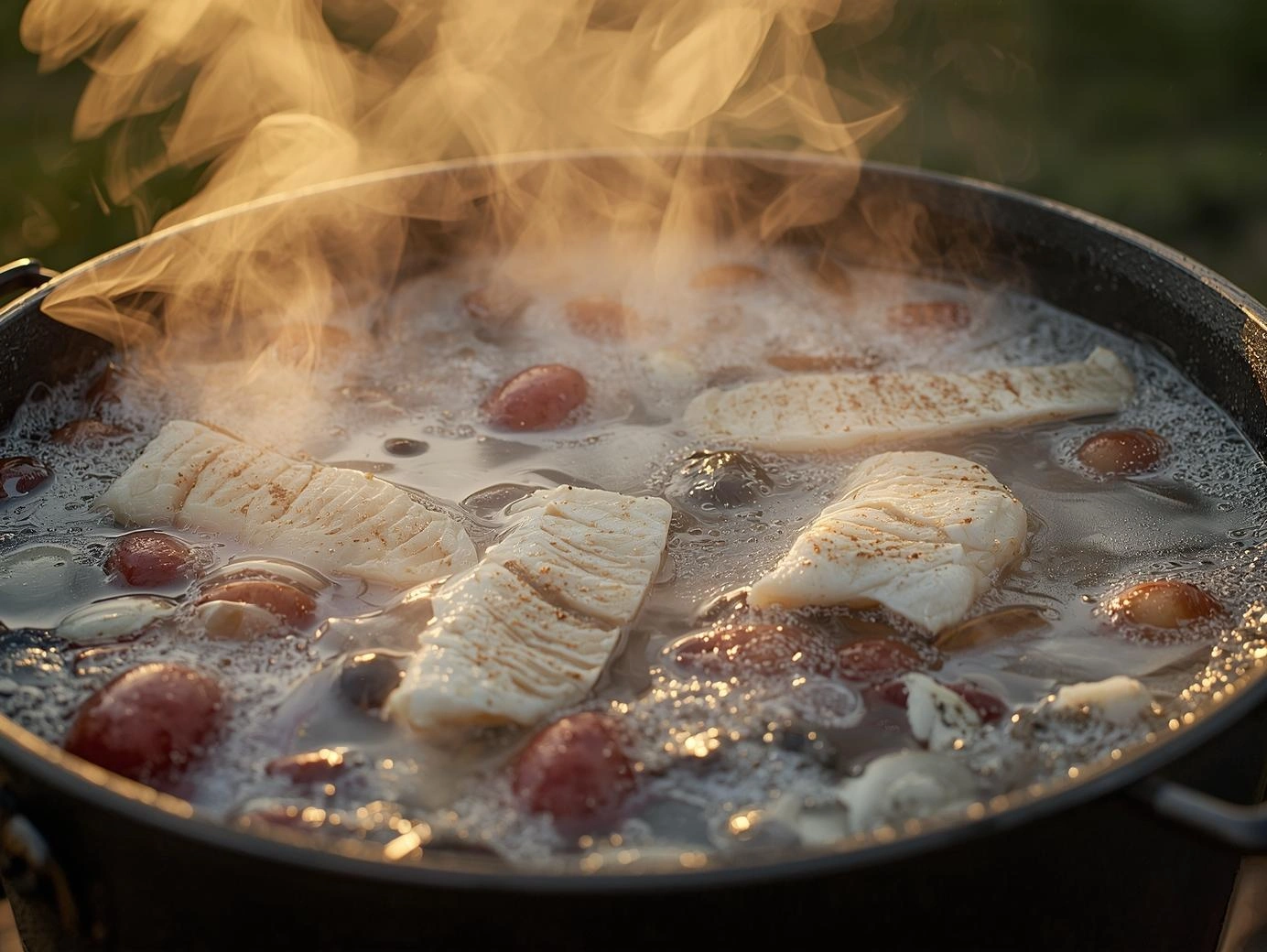
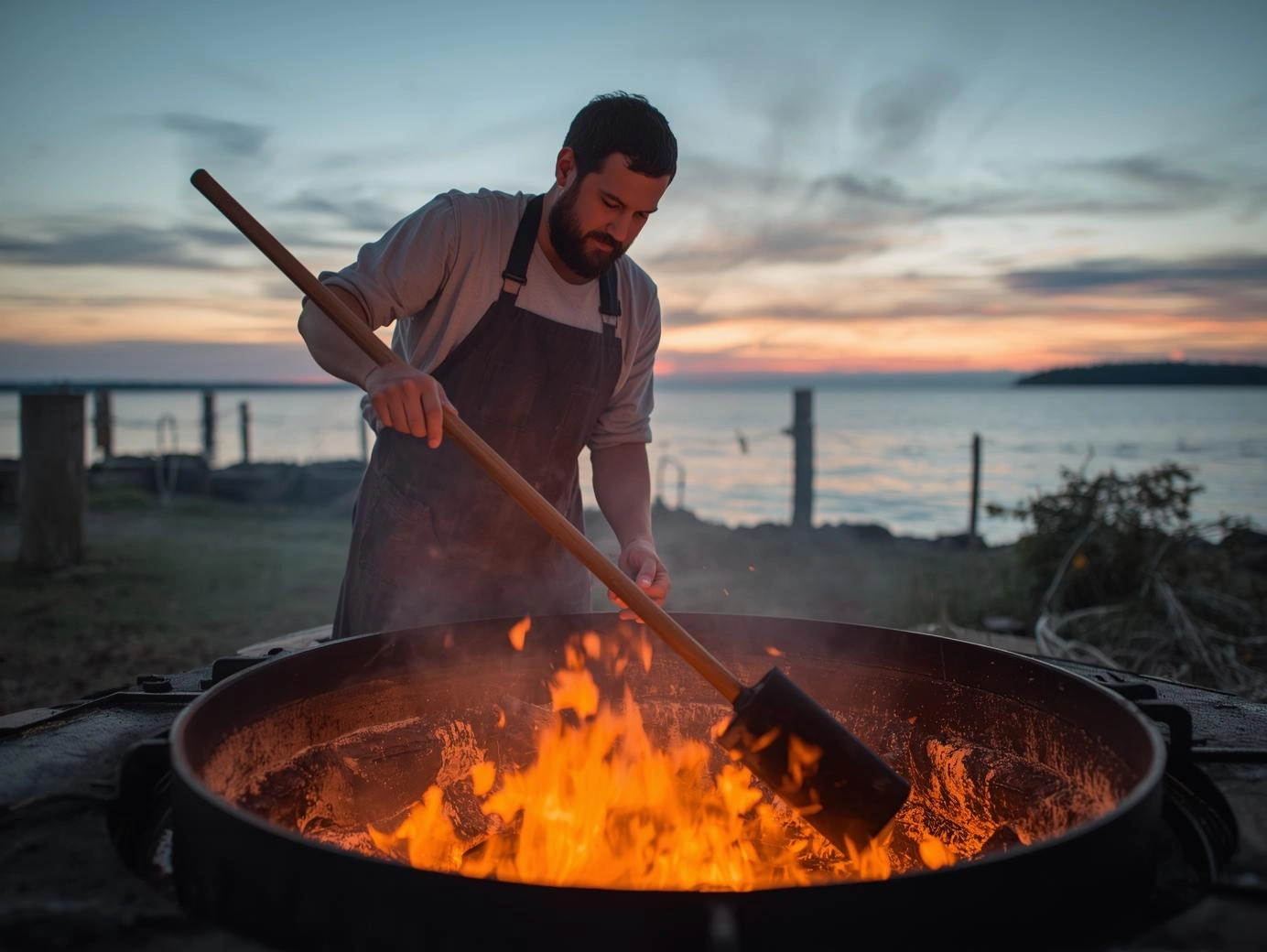
The actual cooking process follows a carefully choreographed sequence developed over more than a century of refinement. Fresh whitefish arrives daily from local fishermen catch operations, with Lake Michigan’s cold waters producing delicate, mild-flavored fish perfect for this preparation style. The boilmaster begins by filling the massive kettle with water and adding rock salt in quantities that would horrify health-conscious diners—roughly one pound of salt per gallon of water. This heavy salting serves multiple purposes: it raises the boiling point, helps proteins coagulate on the fish surface creating appealing texture, and seasons ingredients throughout rather than just on the surface. The water reaches a violent rolling boil before any food enters the pot.
Timing determines success in this deceptively simple cooking method. Small red potatoes go in first since they require the longest cooking period—approximately twelve to fifteen minutes depending on size. Sweet onions follow several minutes later, with the fish making its appearance during the final moments. Fresh whitefish steaks cut into generous portions need only five to seven minutes in the roiling water to achieve perfect doneness. The giant pot over fire maintains such intense heat that proteins cook rapidly without becoming tough or rubbery. As cooking concludes, fish oils rise to the surface creating a layer that must be removed. Here comes the dramatic finale: the boilmaster tosses kerosene onto the fire creating that spectacular flame burst. The resulting pressure surge forces water to cascade over the kettle’s edge, carrying away oils and impurities while leaving behind pristine fish, potatoes, and onions ready for serving. This controlled eruption represents the pinnacle of the open flame cooking tradition.
The Dinner
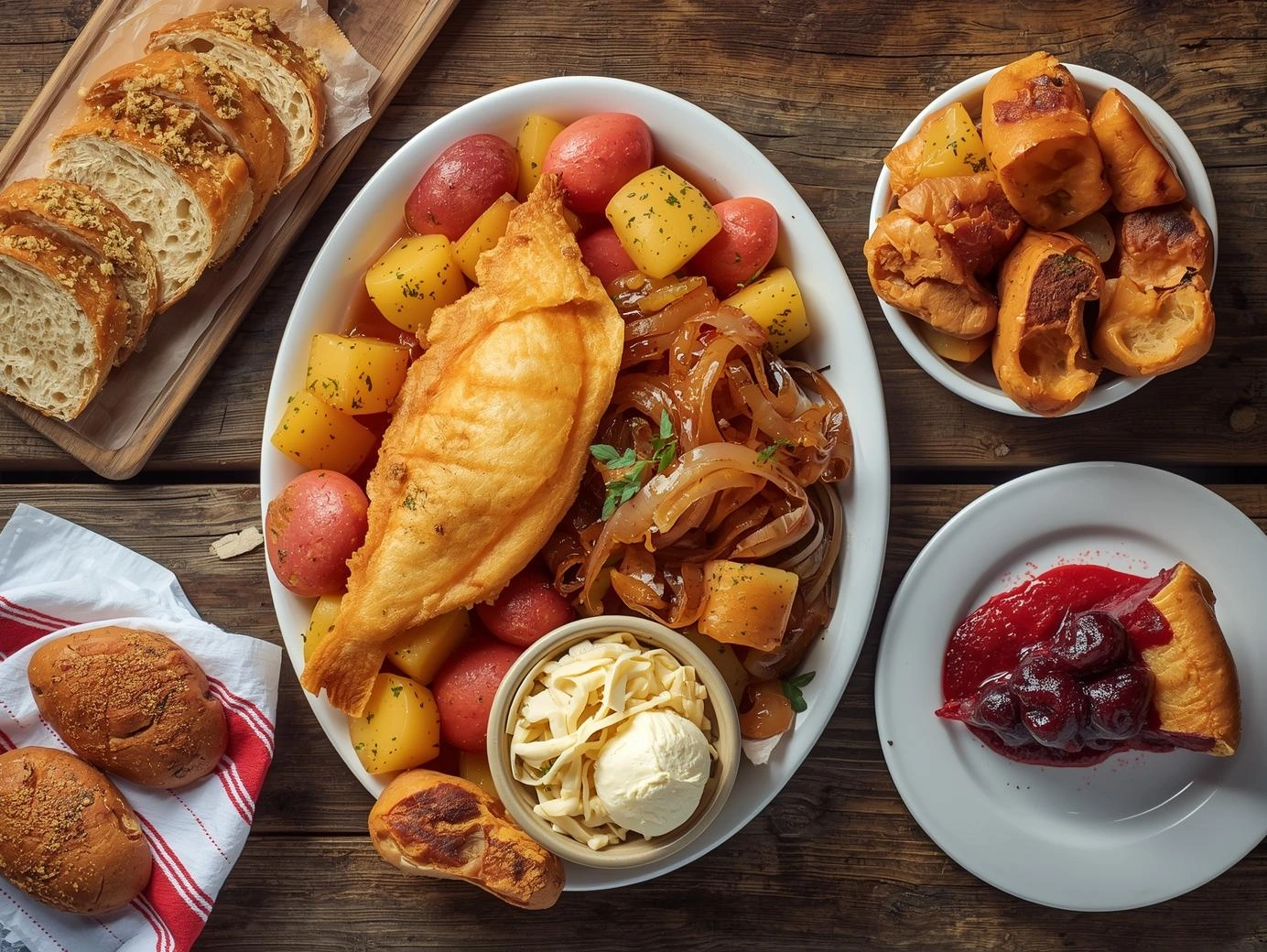
Servers quickly transfer the freshly cooked components from kettle to kitchen, plating meals with practiced efficiency that gets food to tables while still steaming hot. The traditional fish boil dinner arrives family-style on large platters encouraging sharing and conversation among tablemates. Generous whitefish portions showcase the delicate flakiness achieved through this cooking method—the flesh pulls apart easily with a fork while retaining moisture that prevents dryness. The heavy salting during cooking means the fish carries plenty of seasoning without requiring additional salt at the table. Melted butter arrives in small ramekins for those who enjoy added richness, though many purists argue the fish’s natural flavor needs no enhancement.
Accompaniments complete the meal with straightforward Midwestern heartiness. Boiled red potatoes arrive tender throughout with skins intact, their earthy flavor complementing the mild fish perfectly. Sweet onions cooked in the same water develop surprising depth while maintaining enough structure to hold their shape. Creamy coleslaw provides acidic contrast cutting through the meal’s richness, while dense rye bread—often baked on-site—offers satisfying chew and nutty grain flavors. The finale arrives in the form of Door County’s famous cherry pie, made from Montmorency tart cherries grown in local orchards. This dessert balances sweet and tart notes beautifully, with many establishments serving it warm alongside vanilla ice cream. The entire experience emphasizes quality ingredients prepared simply, letting authentic Wisconsin food speak for itself without unnecessary embellishment or trendy culinary techniques obscuring the tradition’s humble origins.
you may also like this:3-Day Madeline Island Itinerary [Wisconsin]: Top Things to Do and See
Conclusion
The Door County fish boil represents far more than a meal—it’s a living connection to Wisconsin’s immigrant heritage and the ingenuity of workers who transformed limited resources into lasting traditions. This historic food tradition continues thriving because it delivers genuine entertainment value while honoring the past authentically rather than creating manufactured nostalgia. The combination of dramatic presentation, delicious Door County local cuisine, and communal atmosphere creates experiences that photographs can’t fully capture. Visitors leave understanding why this cooking method endured through generations and why Door County zealously guards its reputation as the fish boil capital of the world. The tradition’s accessibility welcomes everyone regardless of culinary sophistication—no pretension exists here, just honest food served generously alongside Lake Michigan’s beauty.
Planning your visit means embracing flexibility around weather, making reservations well ahead, and arriving with appetites ready for hearty portions. The Door County travel experience offers countless attractions from cherry orchards to maritime museums, yet many visitors cite their fish boil evening as the trip’s highlight. Whether you choose waterfront establishments with premium sunset views over Green Bay or more modest venues focusing primarily on food quality, the core experience remains remarkably consistent. The boilmaster storytelling, the kerosene fireball climax, and the satisfaction of fresh local fishermen catch prepared using methods passed down through generations—these elements combine into something genuinely special. Don’t just read about this Wisconsin treasure; book your reservation today and discover firsthand why the fish boil experience Door County continues captivating diners more than a century after lumberjacks first gathered around camp kettles for their evening meal.