Top 6 Best Things To Do in Jekyll Island: Your Complete Georgia Golden Isles Travel Guide
Nestled along Georgia’s enchanting Atlantic coastline, Jekyll Island Georgia beckons travelers with its irresistible blend of untouched natural beauty and captivating historical intrigue. This Golden Isles getaway destination once served as an exclusive winter retreat for America’s wealthiest families, including the Vanderbilts, Rockefellers, and Pulitzers. Today, this barrier island paradise welcomes visitors from across the nation who seek authentic Southern Georgia travel experiences. Whether you’re planning a romantic getaway Jekyll Island style or searching for family friendly things to do in Jekyll Island, this coastal gem delivers unforgettable moments at every turn. The island’s unique character stems from its remarkable preservation efforts, with nearly 65% of its landmass protected from development. Many travelers wonder, “is Jekyll Island worth visiting?” The answer resonates clearly through the testimonials of countless visitors who’ve discovered this hidden treasure. From sun-drenched beaches to moss-draped maritime forests, the island presents a mesmerizing tapestry of ecosystems rarely found in such proximity.
The best things to do in Jekyll Island span an impressive spectrum of experiences that cater to history enthusiasts, nature lovers, adventure seekers, and those simply craving coastal tranquility. Unlike commercialized beach destinations, Jekyll Island maintains an authentic, unhurried atmosphere that transports visitors to a simpler era. The island’s accessibility makes it an ideal Jekyll Island weekend trip destination for travelers throughout the southeastern United States. Located just 90 minutes from Jacksonville and roughly five hours from Atlanta, this Jekyll Island vacation spot offers convenient escape without sacrificing exclusivity or natural splendor. The Jekyll Island itinerary possibilities range from action-packed adventures to leisurely coastal contemplation. Year-round mild temperatures create perfect conditions for exploring outdoor wonders, while the island’s compact size ensures you’ll never waste precious vacation time navigating congested traffic or searching endlessly for parking. This comprehensive Jekyll Island travel guide unveils six exceptional experiences that showcase why discerning travelers consistently rank this destination among Georgia’s most cherished coastal retreats.
About Jekyll Island
Jekyll Island Georgia represents one of the most historically significant barrier islands along the entire Atlantic coastline. Positioned strategically between St. Simons Island and Cumberland Island within the Georgia Golden Isles archipelago, this 5,700-acre maritime sanctuary boasts a storied past dating back thousands of years. The island’s transformation from indigenous Guale territory to Spanish mission outpost, then to wealthy plantation, ultimately culminated in its most famous incarnation as the ultra-exclusive Jekyll Island Club. Between 1886 and 1942, this private hunting and recreation club hosted members whose combined wealth represented approximately one-sixth of the world’s total financial resources. These industrial titans and their families gathered annually, escaping harsh northern winters while conducting informal business discussions that shaped American economic policy. Following World War II, the State of Georgia purchased the entire island for $675,000, establishing it as a state park accessible to all citizens. This democratic transformation preserved not only the historic cottages Jekyll Island residents occupied but also protected the island’s irreplaceable natural ecosystems from unchecked development.
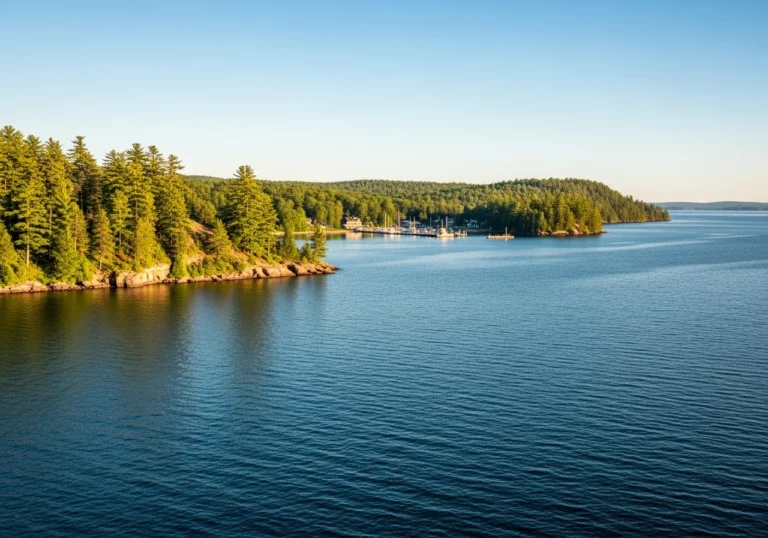
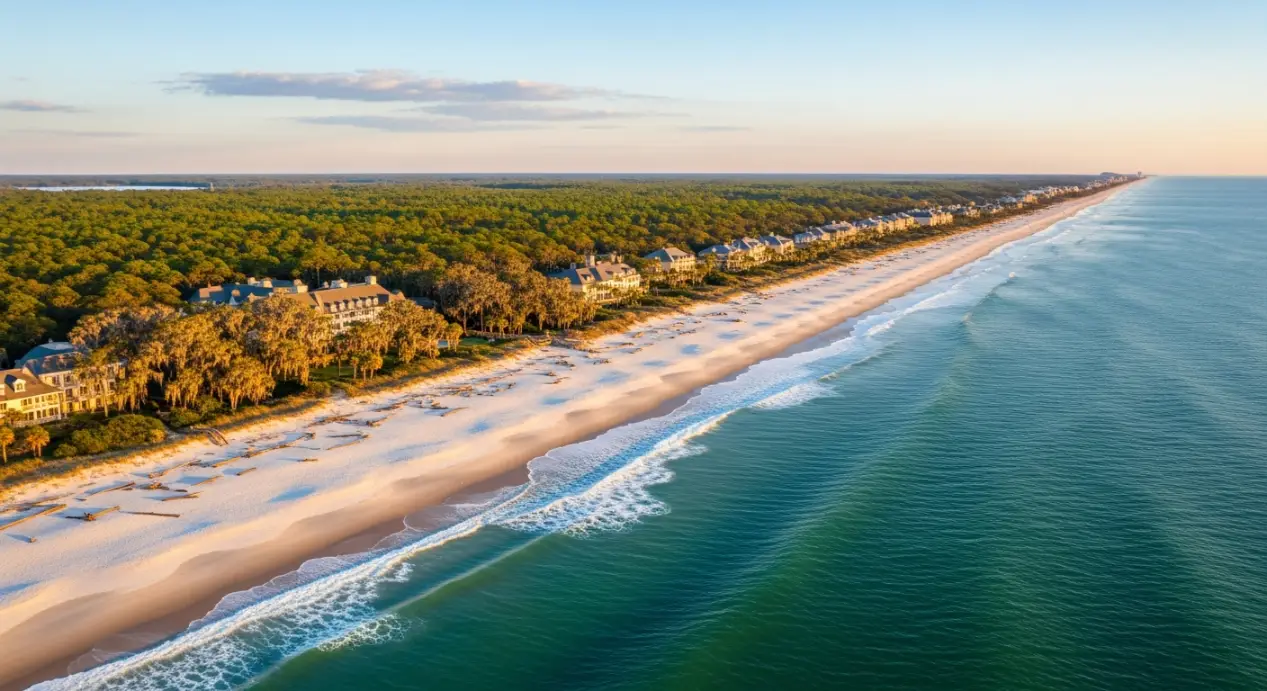
The island’s contemporary identity reflects careful stewardship balancing tourism with environmental conservation and historical preservation. Visitors discover a refreshingly uncommercialized atmosphere where natural beauty takes precedence over flashy attractions and overdevelopment. The island operates under strict building codes limiting structure heights to preserve sight lines and maintain the coastal canopy’s integrity. Jekyll Island beaches remain pristine and uncrowded compared to neighboring destinations, offering ten miles of unspoiled shoreline perfect for shelling, swimming, and contemplative beach walks. The maritime forest ecosystem supports diverse wildlife populations including white-tailed deer, armadillos, alligators, and over 200 bird species. Freshwater wetlands, saltwater marshes, tidal creeks, and ancient oak hammocks create habitat variety that naturalists and casual observers alike find captivating. Temperature-wise, Jekyll Island enjoys remarkably pleasant conditions year-round, with summer averages hovering around 89°F and winter temperatures rarely dipping below 50°F. This climate advantage extends the tourism season considerably, making shoulder months particularly attractive for visitors seeking fewer crowds without sacrificing favorable weather conditions.
Best Things to Do on Jekyll Island
The Jekyll Island attractions landscape defies simple categorization, encompassing everything from architectural marvels to ecological wonders. This carefully curated selection of Jekyll Island activities represents the island’s most compelling offerings, each providing distinctive perspectives on what makes this destination extraordinary. Unlike cookie-cutter beach towns where attractions feel repetitive and commercialized, Jekyll Island delivers genuinely unique experiences rooted in authentic history and unspoiled nature. The things to do in Jekyll Island range from structured tours and educational programs to spontaneous explorations and leisurely beach days. Families appreciate how the island seamlessly blends educational opportunities with pure recreational fun, creating vacations that entertain while enriching young minds. Couples discover romantic settings perfect for Jekyll Island wedding photos or anniversary celebrations, with Spanish moss-draped oaks and golden-hour beach vistas providing naturally stunning backdrops.
Adventure enthusiasts find ample opportunities for active pursuits including kayaking through tidal marshes, stand-up paddleboarding calm coastal waters, and exploring extensive trail networks by foot or bicycle. Meanwhile, those seeking relaxation discover countless quiet corners where stress evaporates beneath gentle sea breezes and rhythmic wave sounds. The Jekyll Island points of interest detailed below represent just the beginning of what awaits explorers willing to venture beyond their resort accommodations. Each attraction offers layered experiences that reveal new dimensions upon repeated visits, ensuring that even frequent travelers to the island uncover fresh discoveries. The Jekyll Island tourism industry deliberately maintains a low-key, sustainable approach that prioritizes visitor experience quality over maximum capacity crowds. This philosophy permeates every aspect of island life, from dining establishments to recreational facilities, creating an atmosphere where genuine hospitality flourishes naturally. Whether you’re crafting a comprehensive Jekyll Island itinerary or prefer spontaneous exploration, these six experiences form the foundation of any memorable visit to Georgia’s most enchanting coastal sanctuary.
1. Explore the National Historic Landmark District
The National Historic Landmark District transports visitors into America’s Gilded Age with remarkable authenticity and architectural grandeur rarely found elsewhere. This meticulously preserved enclave encompasses the original Jekyll Island Club Resort complex along with several spectacular “cottages”—though calling these mansions cottages represents the ultimate understatement of wealthy families’ legendary modesty. Walking through this historic Jekyll Island district feels like stepping through a portal into 1890s high society, when America’s industrial elite gathered annually for leisure and informal business dealings. The centerpiece clubhouse, designed in the Queen Anne style with distinctive turrets and wraparound verandas, originally opened in 1888 and now operates as a luxury hotel maintaining period elegance while offering modern comforts. Surrounding this architectural masterpiece, you’ll discover the opulent residences of families whose surnames remain synonymous with American capitalism, including the Rockefellers, Pulitzers, Vanderbilts, Morgans, and Cranes.
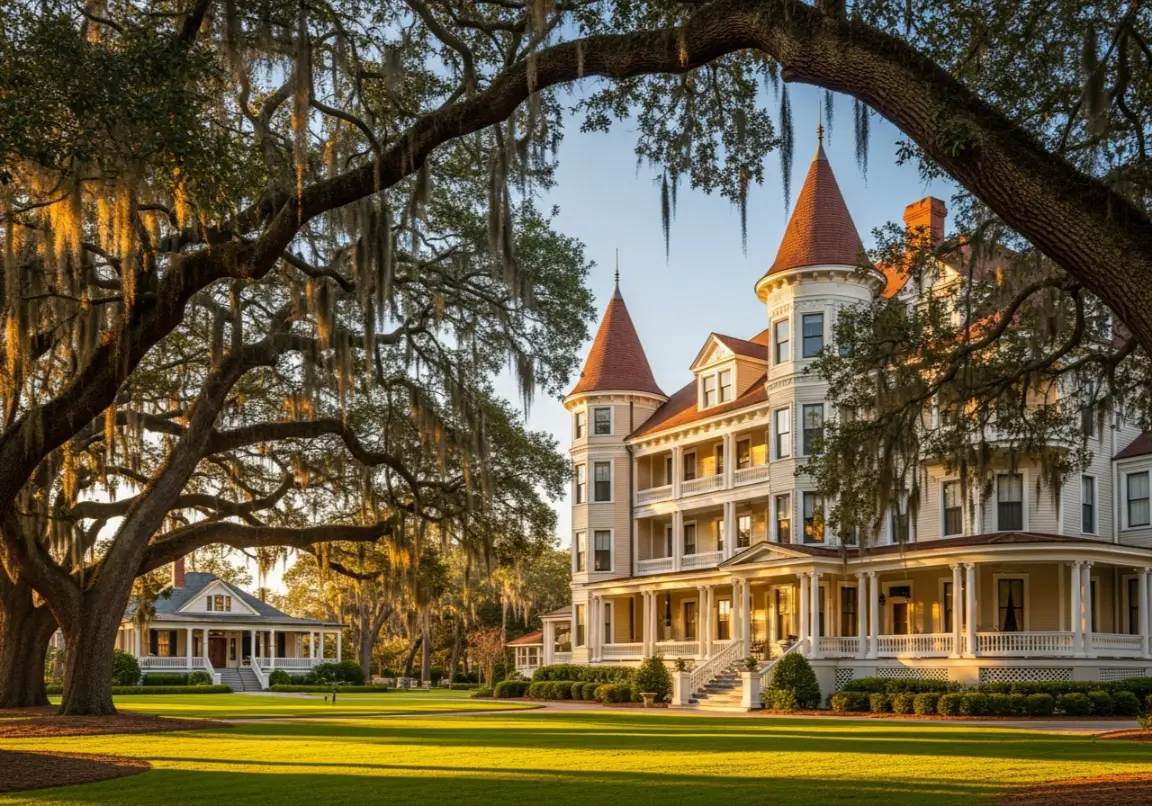
Jekyll Island Museum personnel offer expertly guided tours revealing fascinating insights into how America’s wealthiest families vacationed during the nation’s transformative industrial era. The tours showcase exquisite details including imported Tiffany stained glass windows adorning Faith Chapel, intricate hand-carved woodwork demonstrating Old World craftsmanship, and original furnishings that survived decades of changing fortunes. Indian Mound Cottage, built for Gordon McKay in 1892, exemplifies the Shingle Style architecture popular during that period and now houses museum exhibits chronicling the island’s multifaceted history. Crane Cottage, constructed in 1917 for Chicago plumbing magnate Richard Teller Crane Jr., represents Italian Renaissance Revival architecture at its finest and remains one of the district’s most photographed structures. Self-guided exploration allows flexibility for photography enthusiasts and those preferring to absorb history at their own pace, with informative plaques providing context throughout the district. The historic cottages Jekyll Island families occupied reveal not just architectural preferences but also social hierarchies, family dynamics, and lifestyle choices of an era when wealth concentration reached unprecedented levels.
2. Visit the Georgia Sea Turtle Center
The Georgia Sea Turtle Center represents one of the most rewarding Jekyll Island activities for visitors of all ages who appreciate marine conservation and wildlife rehabilitation. This state-of-the-art facility serves as Georgia’s only sea turtle hospital, providing critical medical care for injured, ill, and stranded sea turtles rescued from Georgia’s coastal waters. Educational exhibits illuminate the challenges these ancient mariners face, from boat strikes and fishing gear entanglements to pollution impacts and climate change effects. Interactive displays engage young visitors while conveying serious conservation messages, creating awareness that extends far beyond vacation memories. The sea turtle rescue center Georgia operates transparently, with large viewing windows allowing guests to observe rehabilitation activities including veterinary examinations, wound treatments, and physical therapy sessions designed to prepare recovered turtles for ocean release.
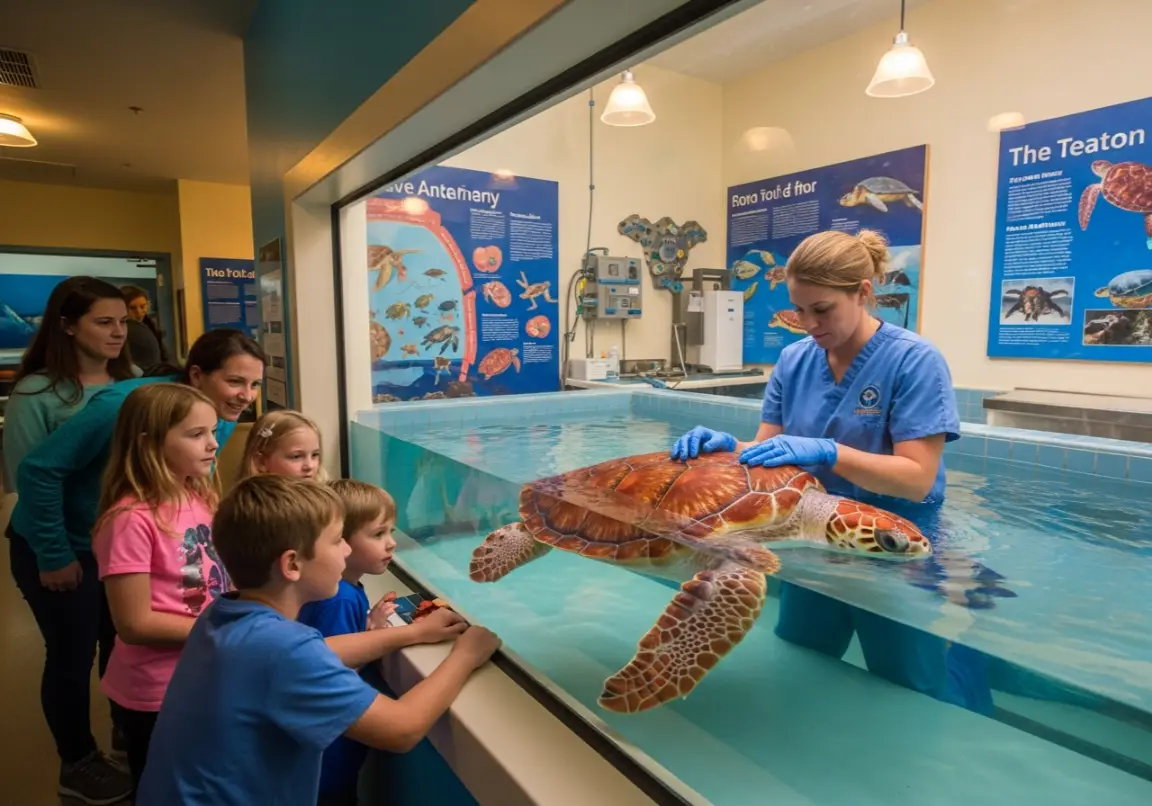
Behind-the-scenes tours provide even deeper engagement, granting access to areas typically restricted from general visitors and offering opportunities to learn directly from marine biologists and veterinary staff. These passionate professionals explain treatment protocols, discuss individual turtle patient stories, and share success statistics that inspire hope for species survival. The center treats multiple sea turtle species including threatened loggerheads, endangered green turtles, and critically endangered Kemp’s ridley turtles, with each species presenting unique rehabilitation challenges. Seasonal programs coincide with nesting season from May through October, when staff members monitor Jekyll Island beaches for nesting females and protect vulnerable eggs from predators and environmental threats. Participation in educational beach walks during nesting season offers unforgettable opportunities to witness these magnificent creatures in their natural behaviors. The facility’s gift shop features conservation-themed merchandise, with proceeds supporting the center’s vital rehabilitation work and expanding educational outreach programs throughout Georgia’s coastal communities.
3. Venture Around Horton Pond
Horton Pond Jekyll Island offers a tranquil escape into freshwater ecosystems that contrast beautifully with the island’s saltwater environments. This scenic pond and surrounding wetlands create exceptional habitats for wading birds, waterfowl, and other wildlife species thriving in brackish transitional zones. The Tupelo Trail meanders alongside the pond, providing elevated boardwalk sections that protect sensitive wetlands while offering spectacular observation points for nature photography and birding enthusiasts. During spring and fall migrations, the pond attracts remarkable concentrations of bird species including roseate spoonbills, wood storks, great blue herons, white ibises, and various egret species whose elegant forms create living artwork against cypress reflections. Photographers arrive during golden hour when soft light transforms ordinary scenes into extraordinary compositions, with Spanish moss draped over pond cypress trees creating those quintessentially Southern atmospheres that define Southern Georgia travel imagery.
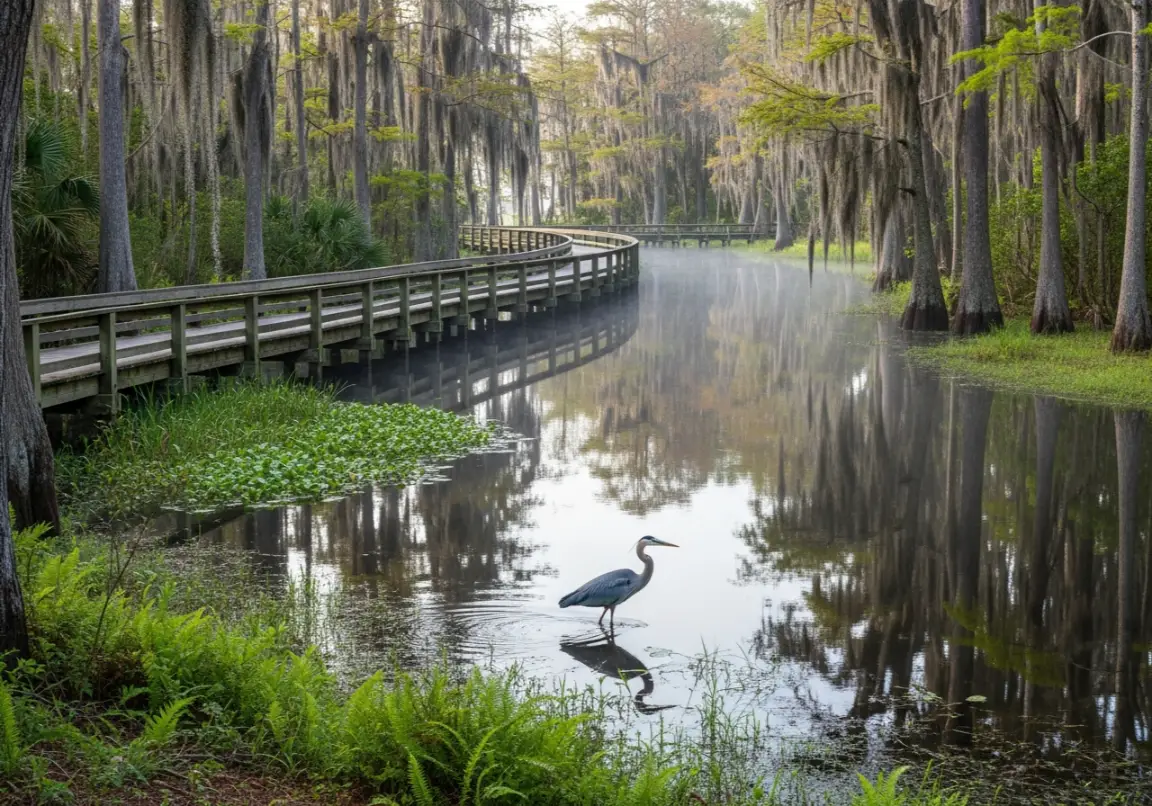
The relatively easy walking trails accommodate various fitness levels, making this one of the most accessible outdoor activities in Jekyll Island for families with young children or visitors with mobility considerations. Interpretive signage along the trail provides ecological context explaining the pond’s role in the island’s overall hydrological system and its importance for wildlife populations. Alligators frequently bask along pond banks, offering thrilling viewing opportunities from safe distances, though visitors should always maintain respectful separation and never approach or feed these wild predators. The pond’s proximity to Horton House, the tabby ruins of Major William Horton’s 1743 residence, adds historical dimension to nature-focused visits. These atmospheric ruins stand as tangible connections to Jekyll Island’s pre-Revolutionary plantation era, with their sturdy tabby construction—a mixture of oyster shells, lime, sand, and water—demonstrating colonial building techniques adapted to coastal environments. Combining pond exploration with ruins investigation creates a comprehensive experience blending natural history with human heritage.
4. Tour Jekyll Island by Bike
Bike riding in Jekyll Island ranks among the most popular and practical ways to explore this compact island paradise. The island features over 25 miles of paved Jekyll Island bike trails weaving through diverse landscapes including maritime forests, coastal marshlands, historic districts, and beachfront areas. These well-maintained paths accommodate cyclists of all abilities, from casual riders to serious enthusiasts seeking longer distances and varied terrain. The island’s predominantly flat topography eliminates challenging climbs, making cycling accessible for families with children and older adults who might struggle with hillier destinations. Jekyll Island bike rentals operate from multiple convenient locations throughout the island, offering standard beach cruisers, tandem bicycles, adult tricycles, and increasingly popular electric bikes that extend exploration range without physical strain.
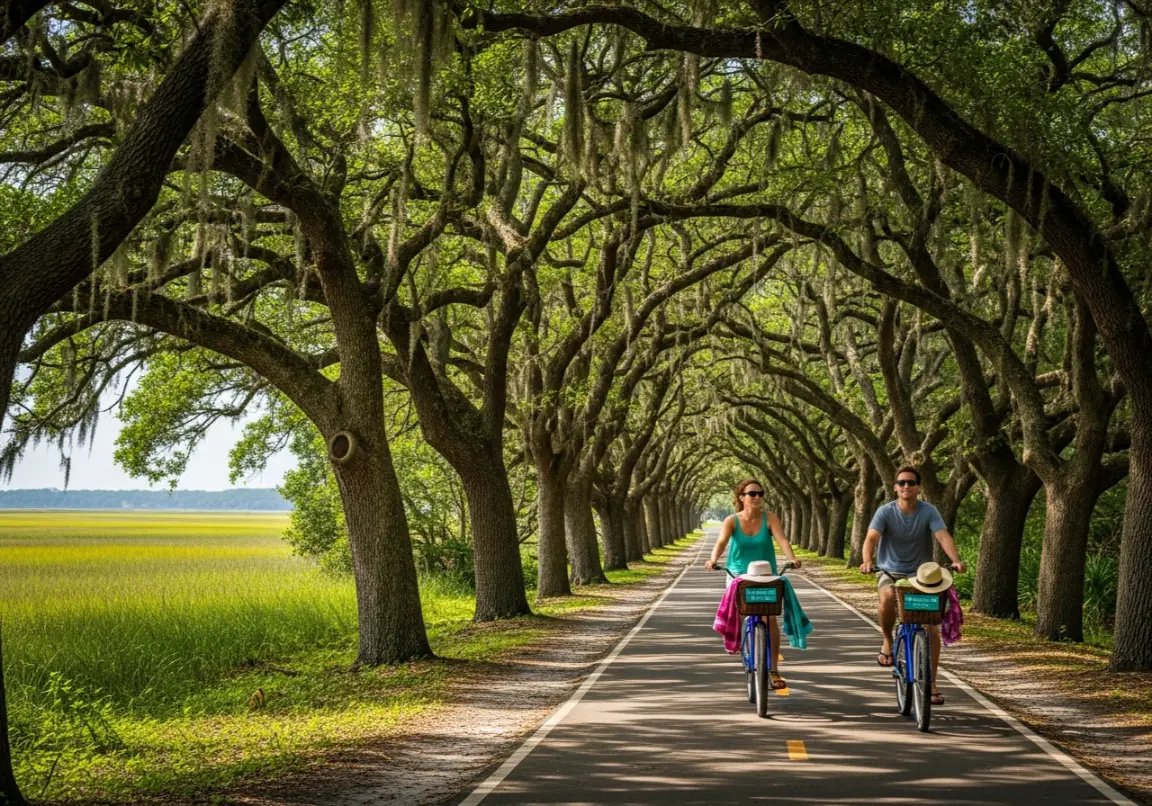
Cycling provides environmental benefits aligning perfectly with the island’s conservation ethos while offering practical advantages including flexible parking, easy access to attractions, and intimate connections with natural surroundings impossible from automobile interiors. Recommended routes include the scenic Clam Creek Trail following tidal creeks through pristine marshlands where dolphins occasionally surface and wading birds hunt shallow waters. The Beach Village Trail connects shopping and dining areas with accommodation zones, facilitating car-free vacation experiences that reduce stress while increasing spontaneous discovery opportunities. History buffs appreciate routes traversing the National Historic Landmark District, where slower bicycle speeds allow proper appreciation of architectural details while covering more ground than walking permits. Safety remains paramount, so helmet usage proves essential despite not being legally mandated for adults, and riders should always observe traffic regulations at road crossings. Many restaurants and shops provide bicycle parking, and several dining establishments feature bike-in service encouraging pedal-powered patronage. Multi-day visitors often establish patterns cycling to breakfast spots, pedaling to beaches with gear-laden baskets, and returning via different routes that reveal new Jekyll Island points of interest with each journey.
5. Lose Track of Time at Driftwood Beach
Driftwood Beach Jekyll Island presents one of Georgia’s most photographed and hauntingly beautiful coastal landscapes. This remarkable shoreline on the island’s northern end showcases nature’s sculptural artistry through massive fallen trees and tangled root systems bleached silver-gray by relentless sun and salt exposure. Coastal erosion gradually claims the maritime forest, toppling ancient oaks and creating this otherworldly “graveyard” where twisted wood forms resemble abstract sculptures arrayed across sand and shallow tidewater. Photographers flock here during sunrise and sunset when dramatic lighting transforms already striking scenes into ethereal compositions worthy of gallery walls. The beach’s unique character makes it exceptionally popular for Jekyll Island wedding photos, engagement sessions, and family portraits seeking distinctive natural backdrops unavailable at conventional beach locations.
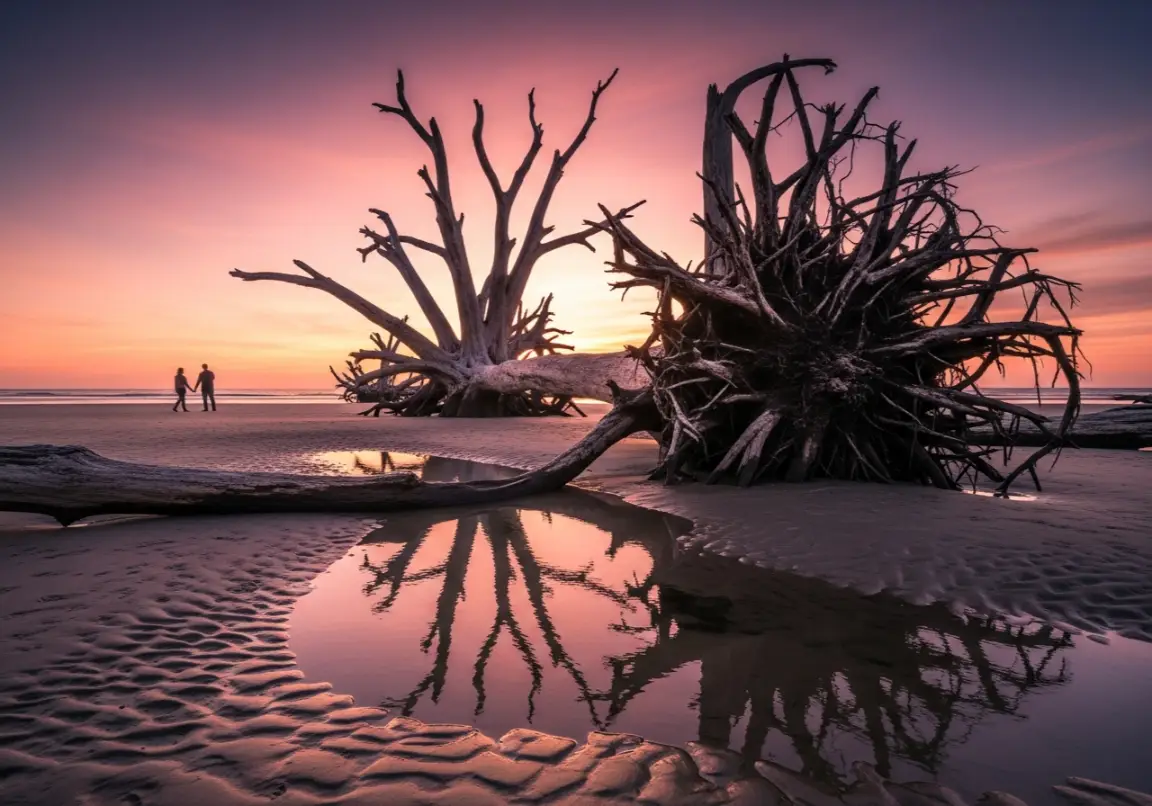
Geological forces creating this phenomenon stem from the island’s northern erosion patterns where ocean currents and wave action steadily consume shoreline at measurable rates. While this natural process eventually will claim all current driftwood, new trees continuously fall, ensuring the beach’s character persists even as specific formations change over time. Low tide reveals the most extensive driftwood fields and creates mirror-like tidal pools reflecting sculptural forms in ways that double visual impact. Shell collectors discover productive hunting grounds here, with less foot traffic than southern beaches leaving more treasures undiscovered. The beach lacks typical amenities including lifeguards, restrooms, and concessions, maintaining a wild, undeveloped character that enhances its mystical atmosphere. Access requires parking at Clam Creek Picnic Area and walking approximately a quarter mile through maritime forest trails, though this brief hike filters casual crowds while building anticipation for the remarkable scene awaiting beyond the treeline. Visitors should time their trips carefully, as high tides submerge much of the driftwood field and create hazardous conditions for exploration.
6. Enjoy the Day at Great Dunes Beach Park
Great Dunes Beach Park delivers quintessential Jekyll Island beach vacation experiences with family-friendly amenities and pristine natural beauty. This popular oceanfront destination features the island’s most impressive dune systems, with towering sand formations stabilized by sea oats and other native vegetation demonstrating the crucial role dunes play in coastal storm protection and habitat provision. The park’s comprehensive facilities include convenient parking, modern restroom buildings, outdoor showers for rinsing sand and saltwater, covered pavilions perfect for picnicking, and accessible boardwalk pathways accommodating strollers and wheelchairs. Seasonal lifeguard coverage during summer months provides added safety reassurance for families with young swimmers, though visitors should always check posted conditions and exercise appropriate caution regarding currents and marine life.
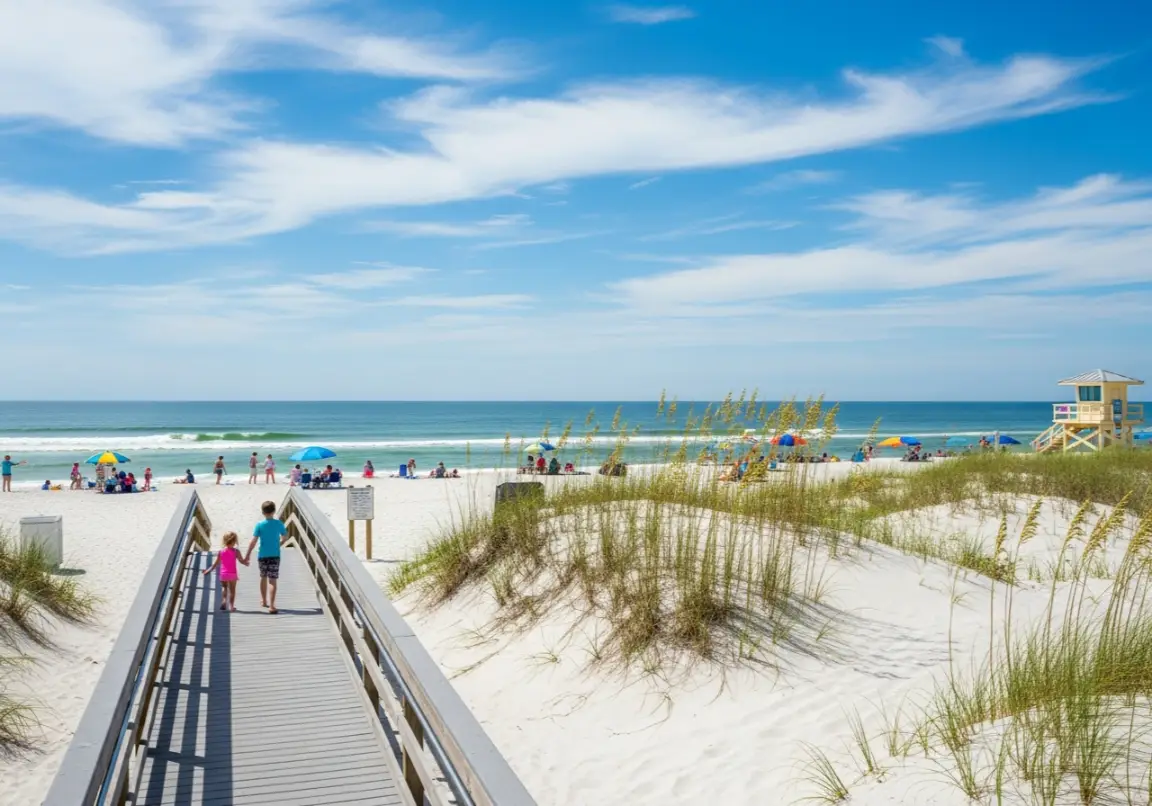
The beach itself extends for miles in both directions, offering ample space even during peak season weekends when visitor numbers swell. Soft sand invites castle building, volleyball games, and leisurely sunbathing, while gentle waves typically provide safer swimming conditions than Georgia’s more northern barrier islands. The best beaches in Jekyll Island debate often centers on Great Dunes versus nearby Glory Beach, with personal preferences typically determining favorites based on desired amenities versus wilderness character. Great Dunes’ developed infrastructure appeals strongly to families requiring facilities and supervision, while more adventurous beachgoers sometimes prefer undeveloped stretches offering greater solitude. Educational signage throughout the park explains dune ecology, proper beach etiquette including sea turtle nest protection, and Leave No Trace principles ensuring these natural treasures remain pristine for future generations. Nearby playground equipment entertains children needing beach breaks, and the park’s proximity to island dining options makes it simple to grab lunch without abandoning prime beach positions.
Conclusion
The best things to do in Jekyll Island collectively showcase why this Golden Isles getaway destination captivates travelers seeking authentic coastal experiences beyond typical beach resort formulas. From exploring Gilded Age opulence within the National Historic Landmark District to witnessing marine conservation efforts at the Georgia Sea Turtle Center, from discovering freshwater ecosystems around Horton Pond Jekyll Island to pedaling scenic Jekyll Island bike trails, from contemplating nature’s artistry at Driftwood Beach Jekyll Island to enjoying family fun at Great Dunes Beach Park, this barrier island paradise delivers remarkable diversity within its compact geography. The island’s commitment to balancing preservation with accessibility ensures that visitors experience genuine natural beauty and historical authenticity rather than commercialized approximations. Whether planning a romantic getaway Jekyll Island style, organizing family friendly things to do in Jekyll Island, or simply seeking peaceful coastal rejuvenation, this enchanting destination exceeds expectations while respecting the environmental and cultural heritage that makes it truly special.
Your Jekyll Island vacation awaits with countless hidden gems in Jekyll Island ready for discovery beyond these six highlighted experiences. The island’s unhurried pace, uncrowded beaches, and authentic character create the perfect antidote to modern life’s relentless demands. Start planning your Jekyll Island trip ideas today, and prepare to understand why generations of travelers have fallen under this magical island’s spell. From the moment you cross the causeway onto this protected sanctuary, you’ll recognize that some destinations transcend typical tourism, instead offering transformative experiences that linger in memory long after sand has been shaken from beach bags and suntan has faded.
You may also like this post: The Ultimate Maui Itinerary: 8 Days of Outdoor Adventures