Weekend in Kenosha, WI: A Human-First Guide to the Lakefront, Museums, Food, and Quiet Corners
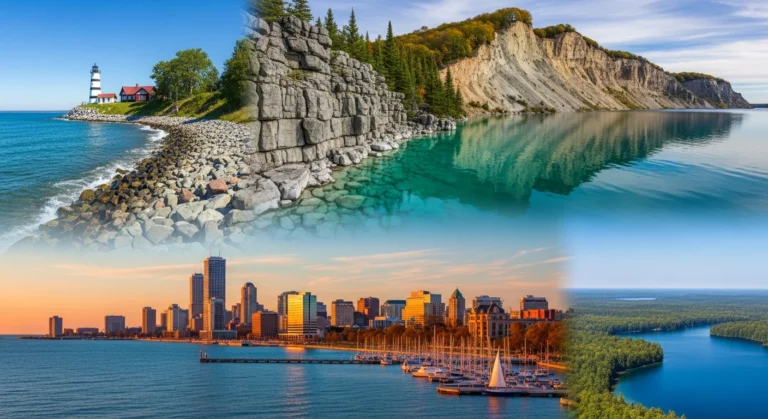
Weekend in Kenosha does not try to compete with big cities. That is exactly why it works so well for a weekend. Sitting on the western shore of Lake Michigan, between Chicago and Milwaukee, Kenosha offers space to slow down without sacrificing things to do. You can walk along the water, step into well-curated museums, eat locally, and still have time left in the day.
This guide is written for real travelers. It focuses on what helps you plan a smooth, rewarding weekend in Kenosha. No exaggeration. No filler. Just clear guidance based on how the city actually works.
Why Kenosha Is an Ideal Weekend Destination
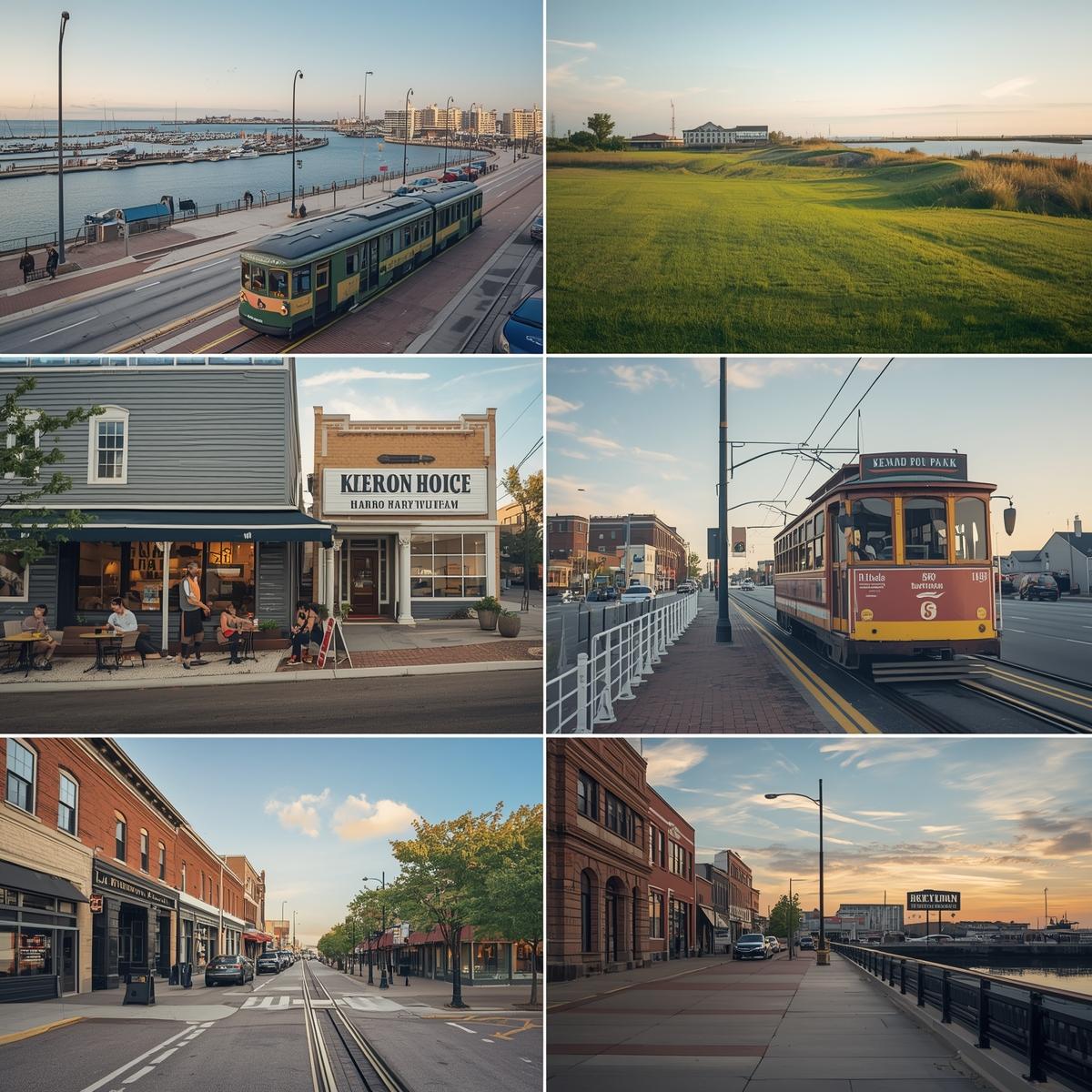
Kenosha fits naturally into a short trip. The city has density where it matters and space where it helps. Downtown, the harbor, museums, and lakefront all sit close together. You can move between them on foot or by streetcar. That alone reduces stress.
Another strength is value. Several major museums offer free admission. Parks and beaches cost nothing. Food and lodging prices stay reasonable compared with larger nearby cities. According to Visit Kenosha, the city has invested heavily in public spaces along the lake, which shows in how accessible and well maintained they feel.
Kenosha also benefits from location. Travelers from Chicago, northern Illinois, and southeastern Wisconsin can arrive quickly. Amtrak connects downtown Chicago to downtown Kenosha. Drivers reach the city easily via Interstate 94. This accessibility makes Kenosha popular for spontaneous Weekend in Kenosha trips.
Understanding Kenosha’s Layout
Knowing how Weekend in Kenosha is laid out helps you plan smarter.
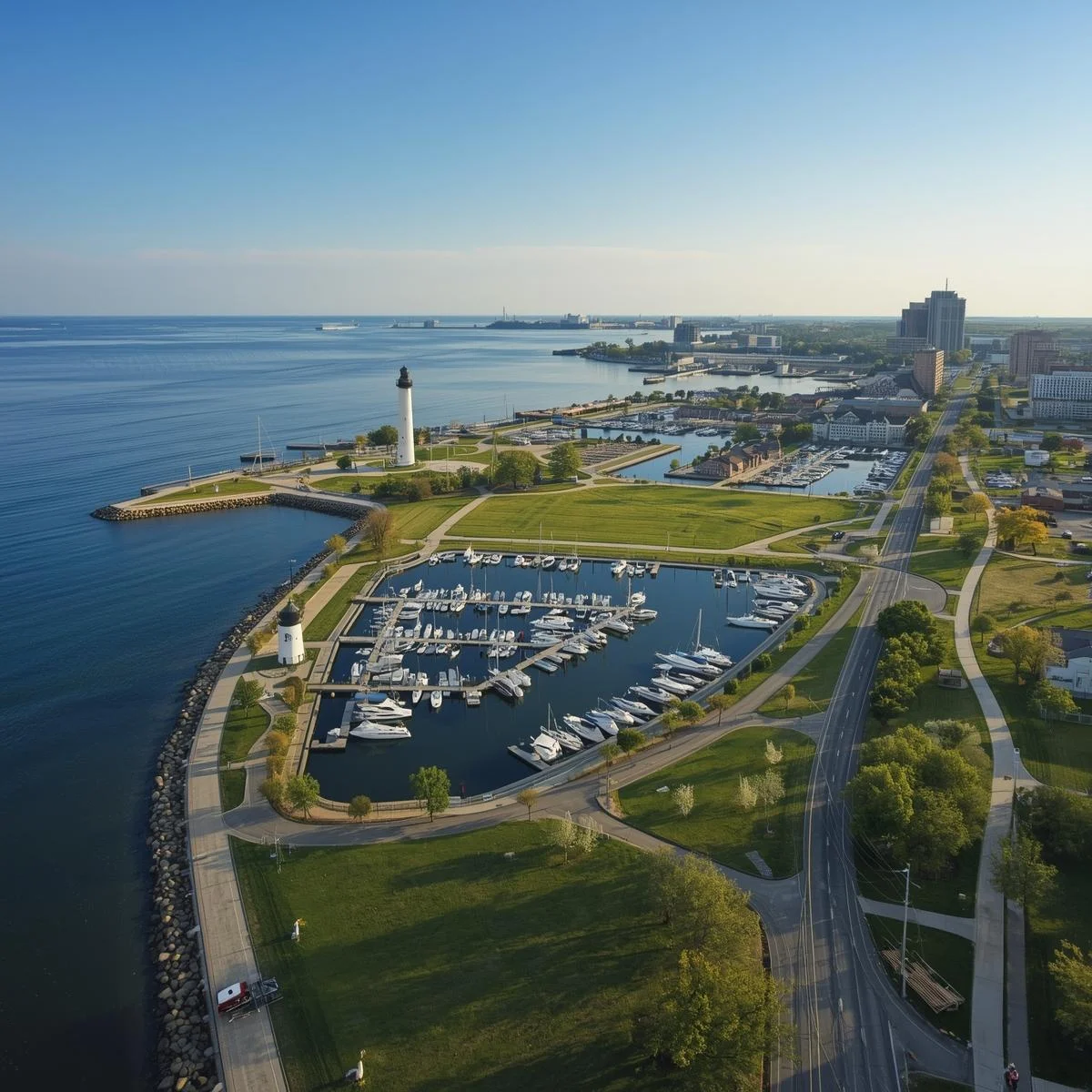
The lakefront forms the city’s heart for visitors. HarborPark, the marina, museums, and Simmons Island Park all cluster here. Downtown Kenosha sits just inland, connected by streets and the electric streetcar. Residential neighborhoods surround this core, offering quieter walks and historic homes.
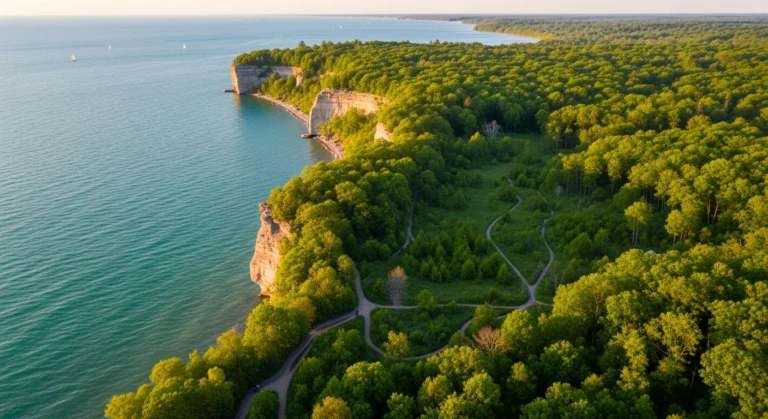
Nature areas like Hawthorn Hollow and Petrifying Springs Park sit slightly outside the core but remain close enough for short drives.
This compact layout explains why Weekend in Kenosha works so well for a two or three day stay.
Best Time to Visit Kenosha
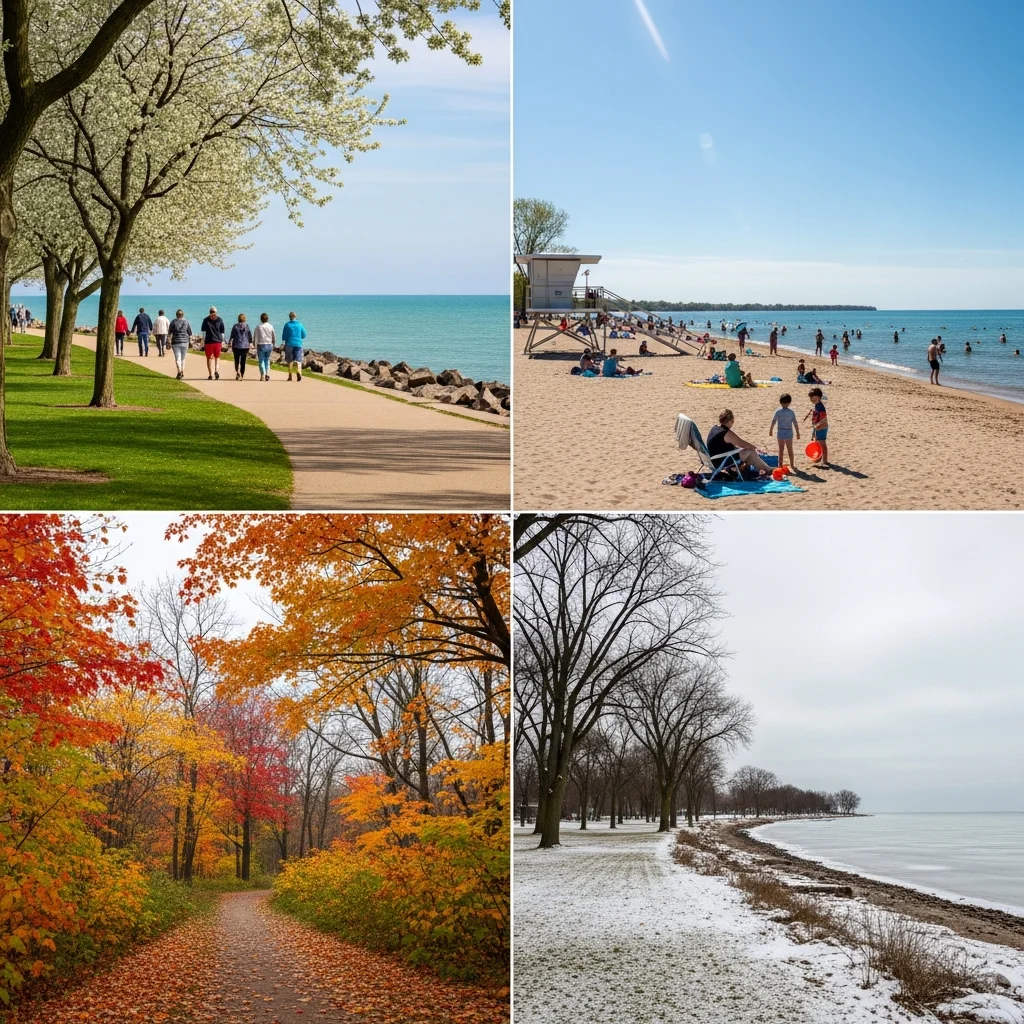
Kenosha offers something in every season, but each one changes the pace.
Spring
Spring brings mild temperatures and lighter crowds. The lakefront feels calm. Trails open up. Museums remain quiet. This season suits travelers who enjoy space and flexibility.
Summer
Summer is Kenosha’s busiest time. Beaches open fully. HarborMarket runs weekly near the museums. Outdoor festivals and concerts appear across the city. According to the City of Kenosha, summer events attract visitors from across the region, especially on weekends.
Fall
Fall delivers cooler air and strong color. Trees near Hawthorn Hollow and Petrifying Springs Park turn quickly. Crowds drop after summer, making this a good balance of weather and calm.
Winter
Winter favors indoor exploration. Museums, cafés, and quiet lake walks define the experience. Snow and ice along Lake Michigan create dramatic views, especially near the lighthouse.
Getting to Kenosha
By Train
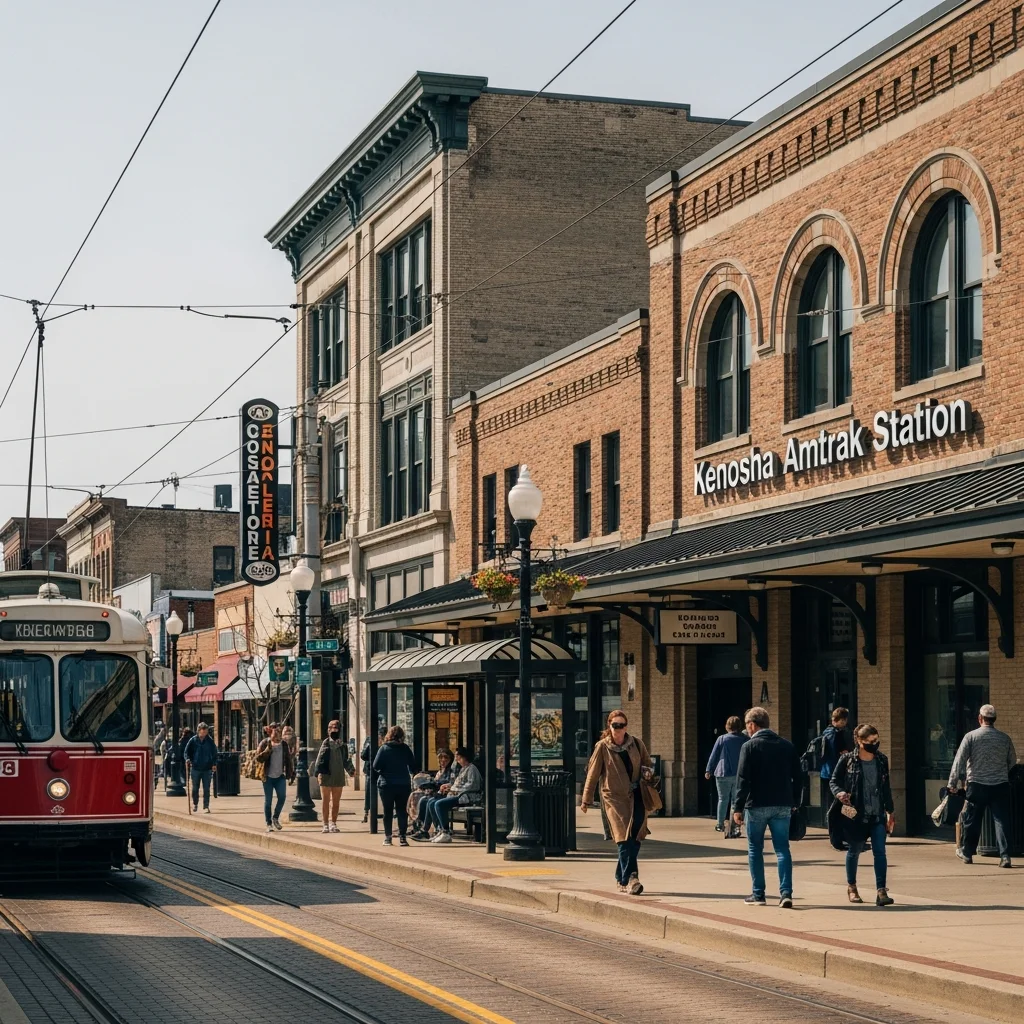
Amtrak’s Hiawatha Service runs daily between Chicago and Milwaukee, with stops in downtown Kenosha. The station sits within walking distance of the lakefront and downtown hotels. For travelers without a car, this option works well.
By Car
Driving via Interstate 94 remains straightforward. Kenosha sits about sixty five miles north of Chicago. Parking downtown and near the harbor is easier than in larger cities, especially outside peak summer weekends.
Getting Around the City
Downtown Kenosha is walkable. Sidewalks connect museums, restaurants, shops, and the lake.
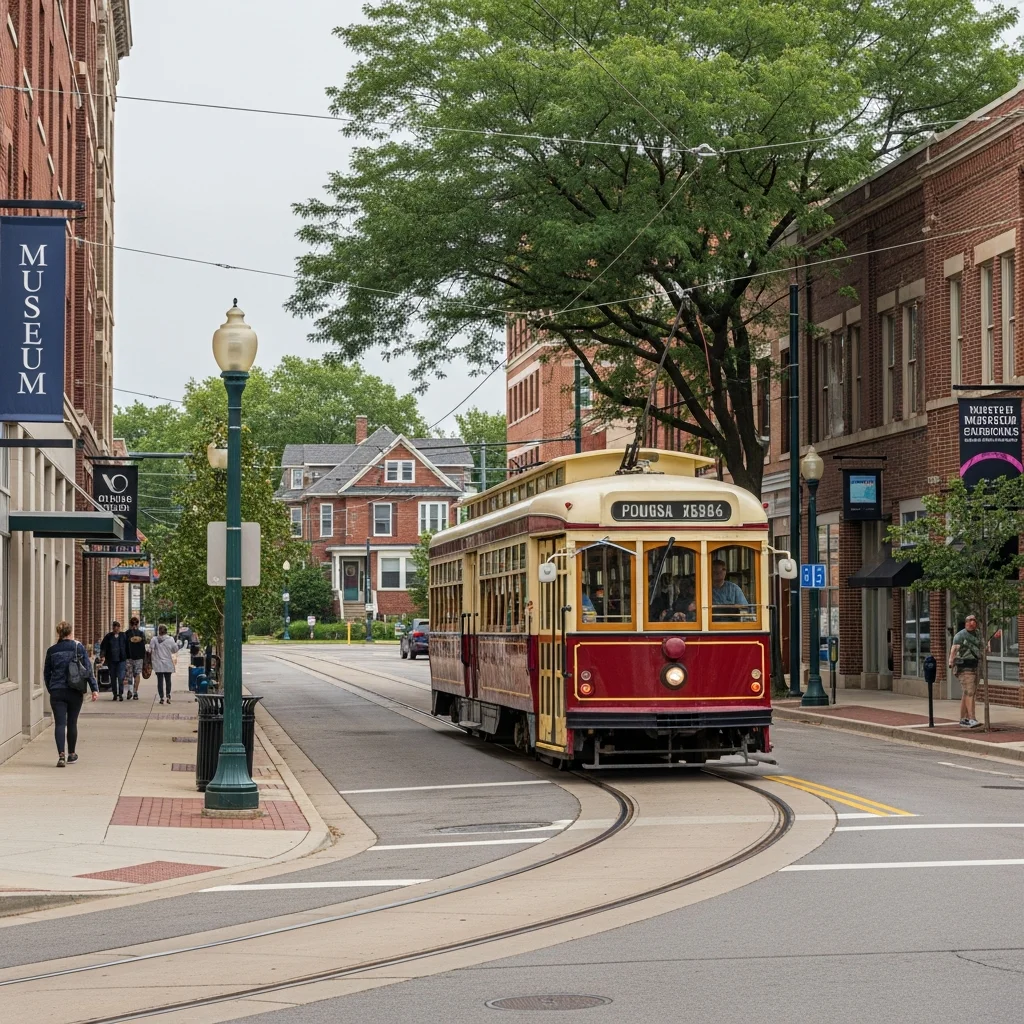
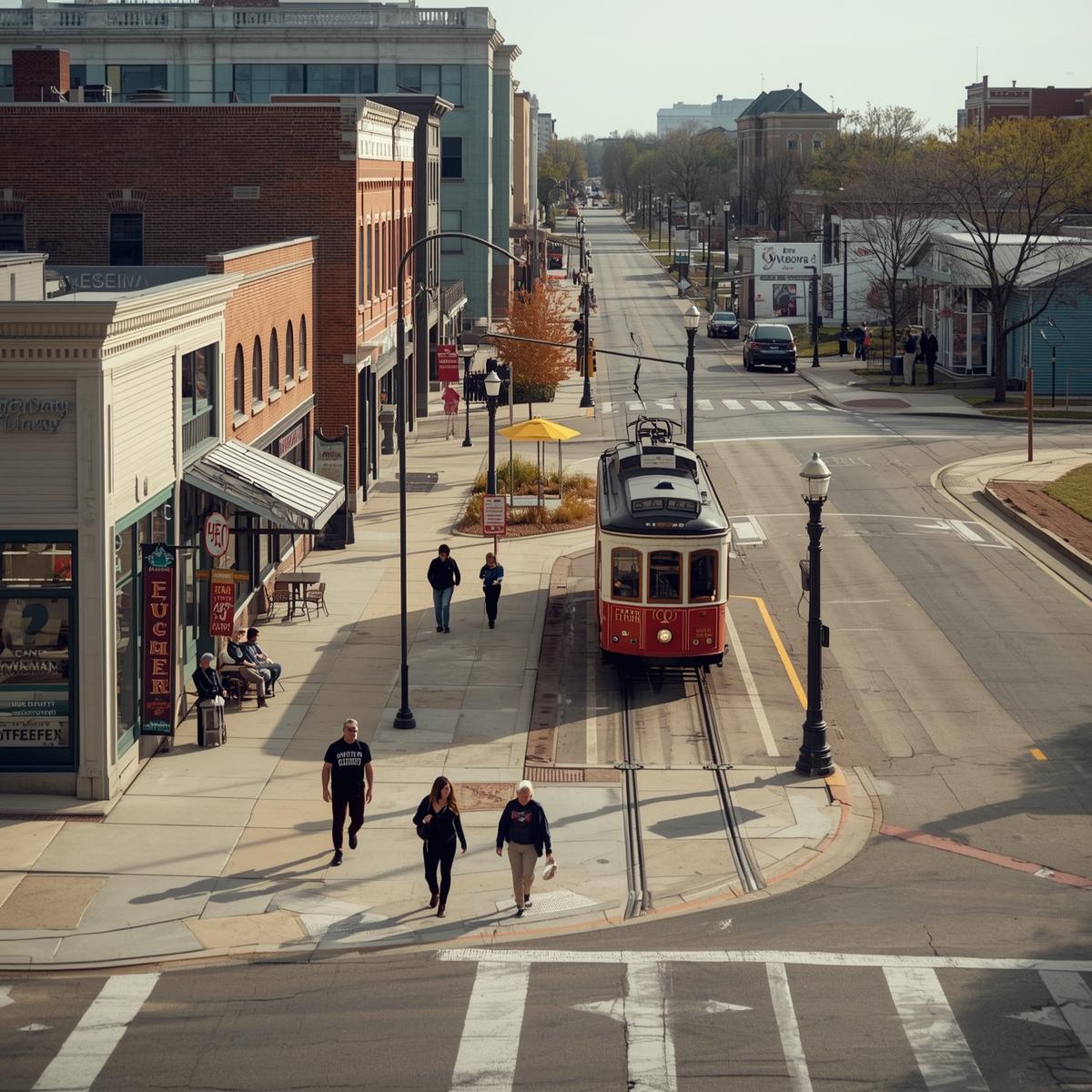
The Kenosha Electric Streetcar adds both function and character. Operated by the city, it runs year round on multiple routes. Fares remain low. According to the City of Kenosha, the system preserves the city’s transit heritage while serving daily transportation needs.
Walking and streetcar travel together cover most visitor needs.
Starting Your Weekend in Kenosha at the Lakefront
The lakefront sets the tone for Kenosha. Begin here.
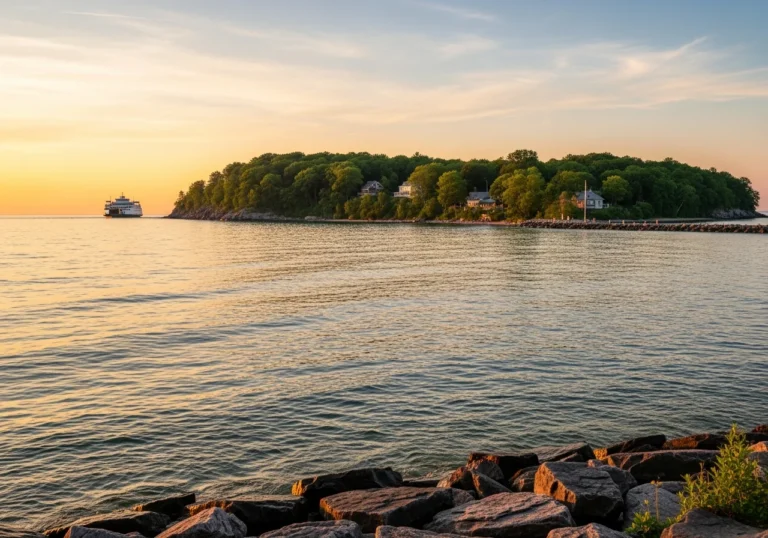
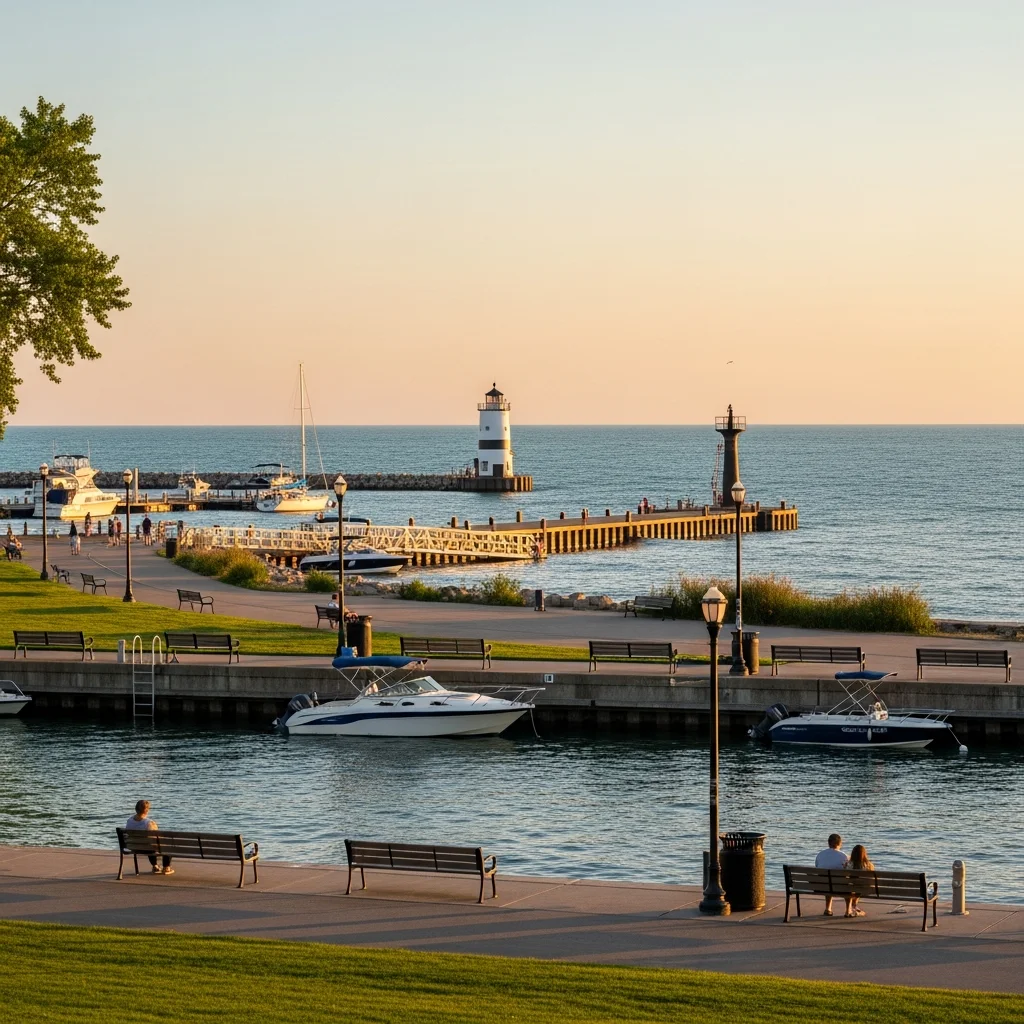
HarborPark stretches along Lake Michigan and connects museums, marinas, and walking paths. Benches line the water. Boats move slowly in and out of the harbor. The space feels open and unforced.
Southport Light Station marks the harbor entrance. Built in the nineteenth century, it once guided ships along the Great Lakes. Today, it operates as a museum and observation point. The Kenosha History Center documents its role in maritime navigation and local industry.
Sunsets here draw quiet crowds. The horizon feels wide. The city fades into the background.
Kenosha’s Museums: Small City, Strong Depth
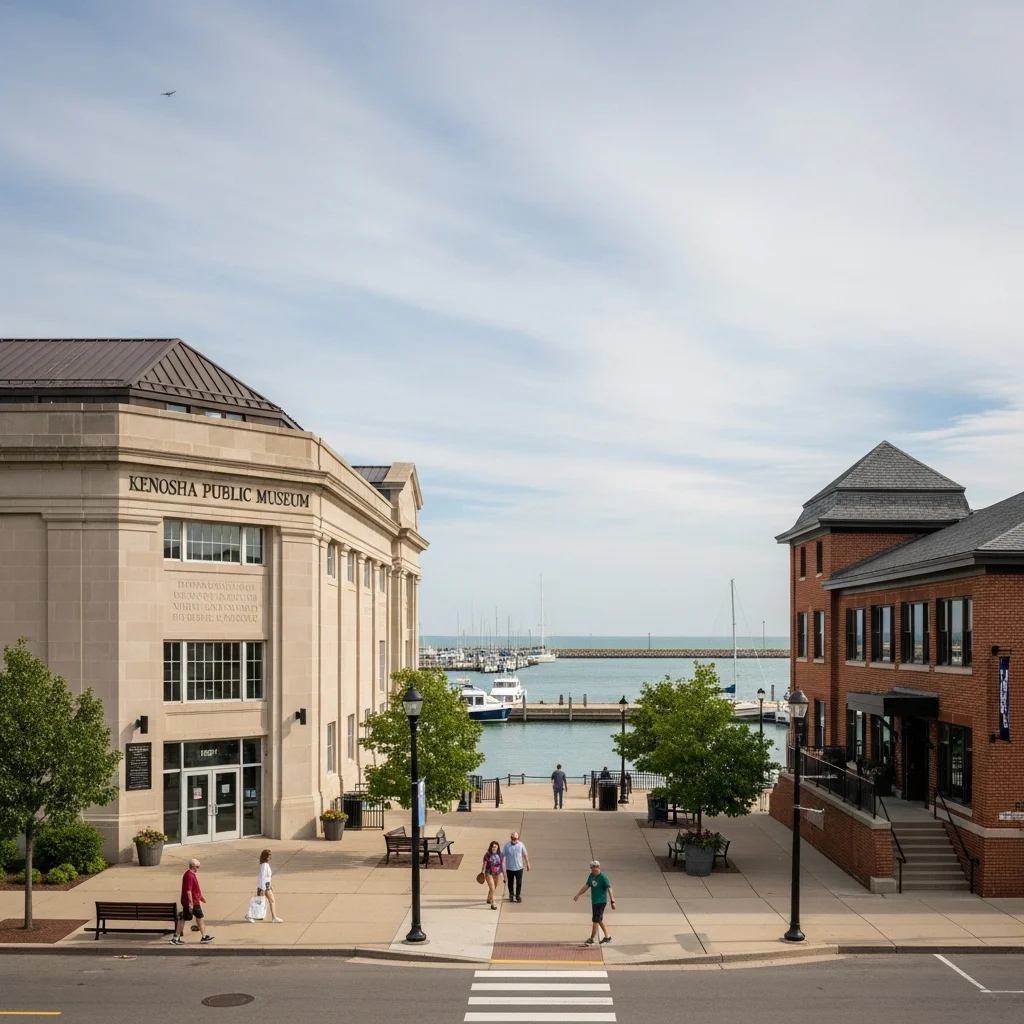
Kenosha’s museums stand out for quality and accessibility. Several sit close together near the harbor, forming a compact cultural district.
Kenosha Public Museum
This museum focuses on natural science and fine art. Permanent exhibits include mammoth fossils and regional history displays. Rotating exhibitions bring in traveling shows and contemporary art. According to the museum, its mission centers on education and community engagement.
Dinosaur Discovery Museum
Connected to the Public Museum, this space explores the evolution of birds from dinosaurs. The focus stays tight, which helps clarity. Fossils, casts, and interactive displays appeal to both adults and children without oversimplifying.
Civil War Museum
The Civil War Museum examines the American Civil War through personal stories, artifacts, and multimedia exhibits. Its lakefront location adds context and atmosphere. The museum emphasizes how national events affected individuals and communities.
These museums require little travel time between them, making them ideal for a relaxed afternoon.
Riding the Kenosha Electric Streetcar
The streetcar offers more than transport. It offers perspective.
Routes pass through downtown, residential areas, and museum zones. Cars include restored historic vehicles alongside modern models. Riding helps you understand the city beyond the main attractions.
The system reflects Kenosha’s industrial and transportation history. According to local records, Kenosha once supported extensive streetcar networks tied to manufacturing growth.
A short ride adds texture to your visit.
Simmons Island Park and Beach
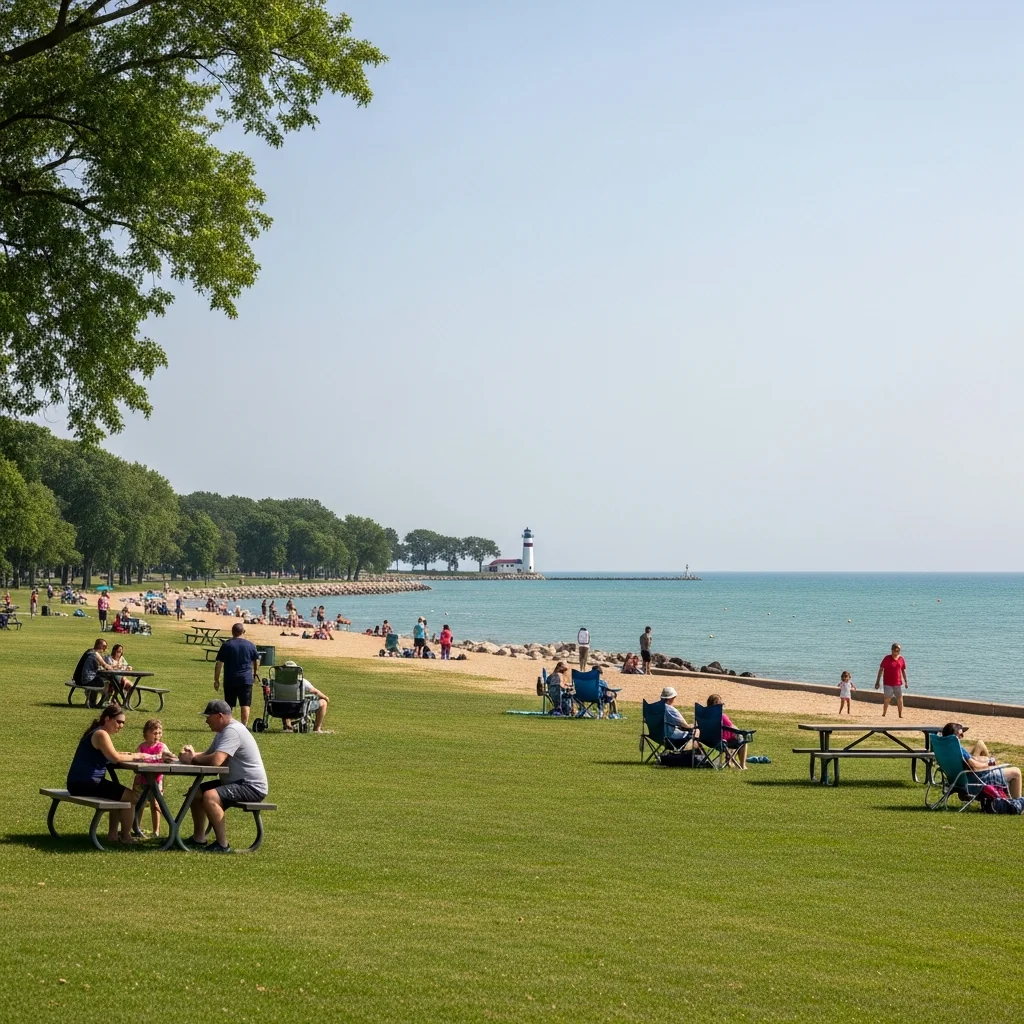
Simmons Island Park sits near the harbor and offers Kenosha’s main beach. The park includes open lawns, picnic areas, and lake access.
During summer, swimming draws families and groups. Outside peak season, the park becomes a scenic walking area. The lighthouse remains visible from several points, creating a strong visual anchor.
The park works well for visitors who want both activity and rest.
Exploring Kenosha’s Lesser Known Nature Areas
Many visitors focus on the lakefront. That leaves several nature spots quieter and rewarding.
Hawthorn Hollow Nature Sanctuary
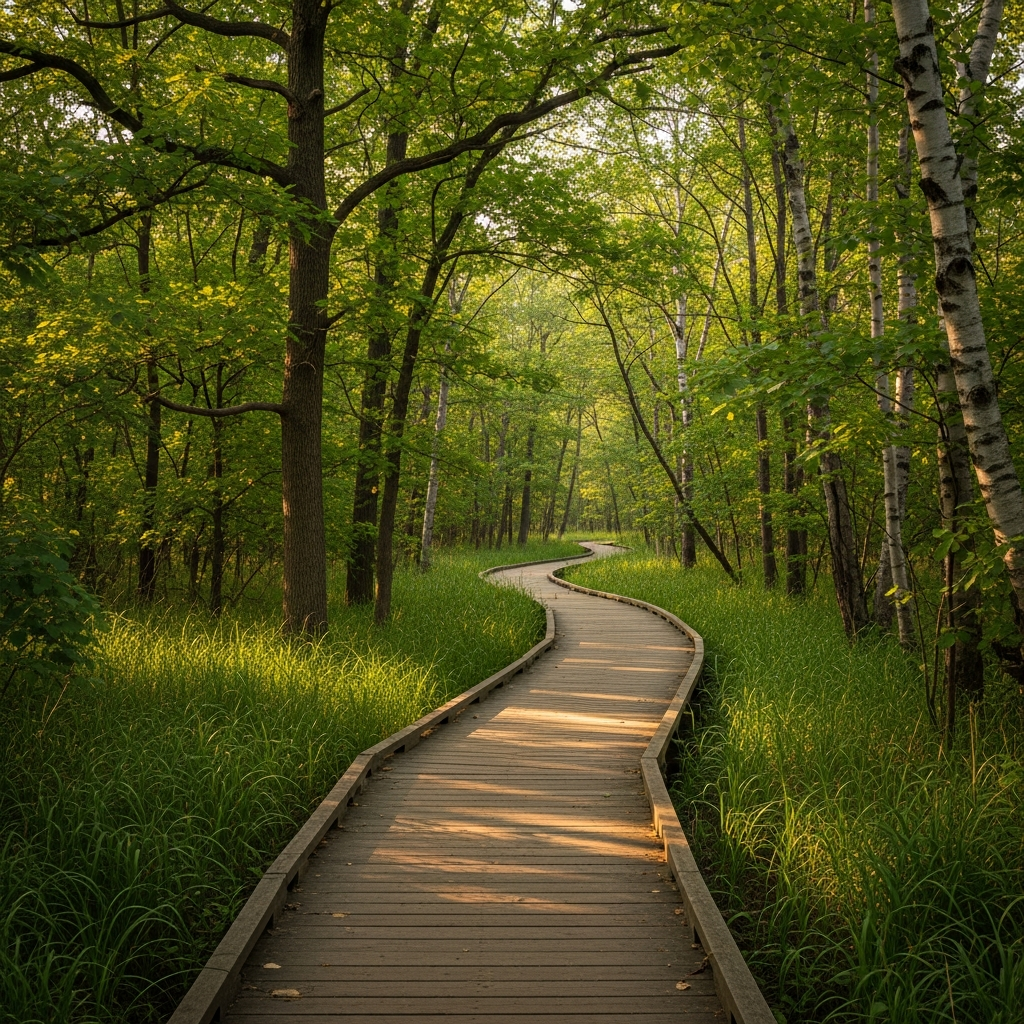
Hawthorn Hollow lies just outside downtown but feels far removed. Trails pass through woods, wetlands, and prairie spaces. The organization focuses on conservation and education. According to Hawthorn Hollow, the sanctuary protects more than sixty acres of natural land.
The trails suit slow walking and observation. Birdlife and native plants dominate the experience.
Kenosha Sand Dunes
North of downtown, protected dunes stretch along Lake Michigan. Boardwalks guide visitors through sensitive areas. The landscape feels wild, especially compared with nearby urban zones.
Petrifying Springs Park
Managed by Racine County, Petrifying Springs Park offers wooded trails, open fields, and creek crossings. Hikers, runners, and families use the space year round. The park adds depth to a longer stay.
Washington Park Velodrome
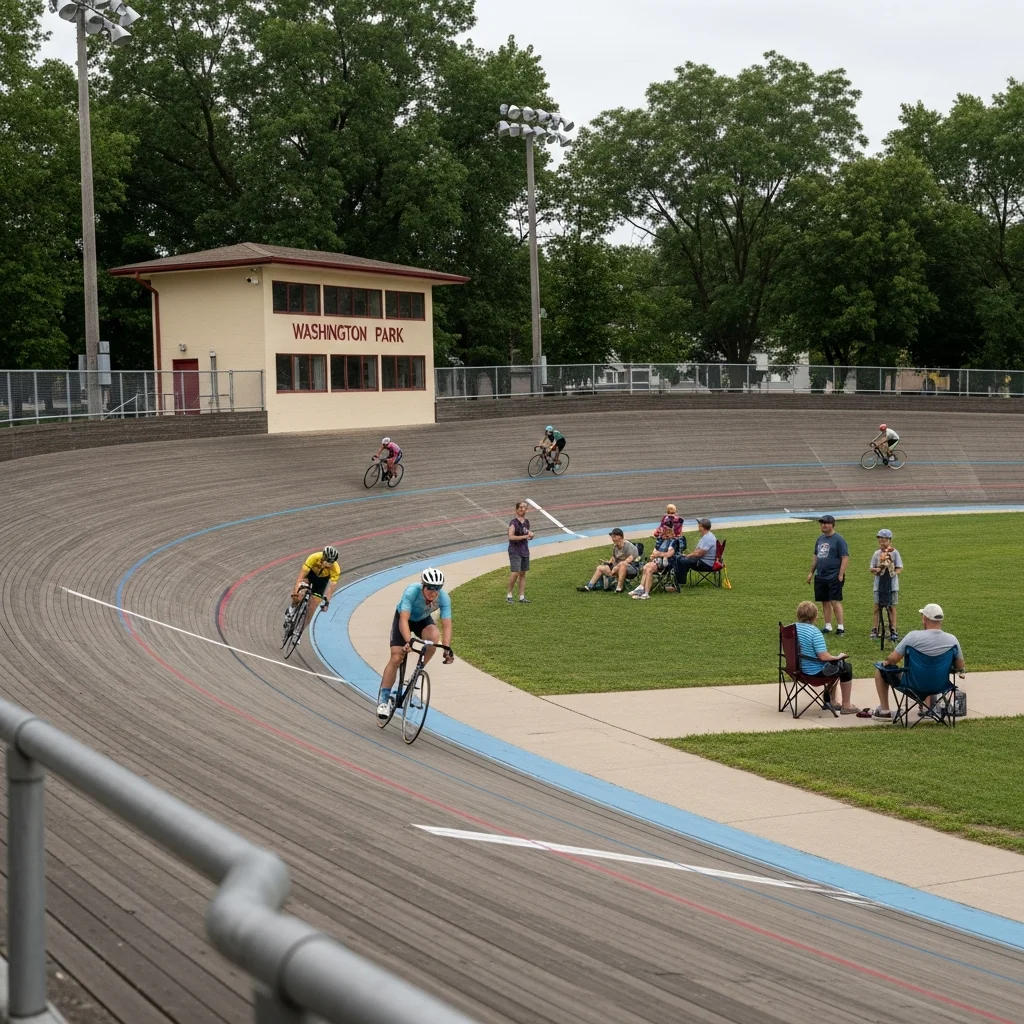
The Washington Park Velodrome remains one of the oldest operating cycling tracks in the United States. Historical records date its origins to the early twentieth century.
The structure reflects Kenosha’s strong community and sporting traditions. Seasonal races attract local riders and spectators. Even outside events, the velodrome stands as a unique landmark worth seeing.
Food in Kenosha: What to Expect
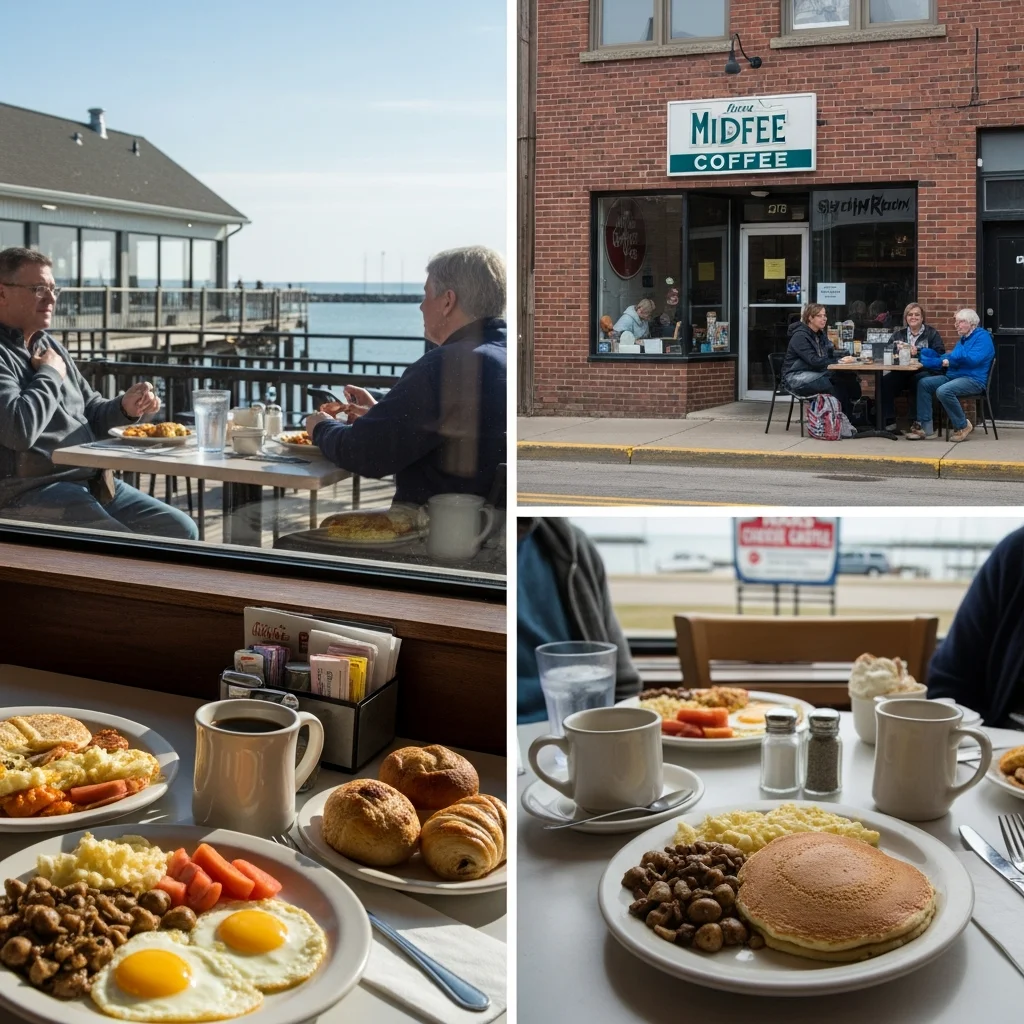
Kenosha’s food scene values consistency over flash. You will not find excessive hype. You will find solid meals and local loyalty.
Breakfast and Brunch
Downtown cafés focus on classic breakfast dishes. Expect eggs, pancakes, baked goods, and coffee done well. Portions stay reasonable. Prices remain accessible.
Lunch and Dinner Near the Harbor
Lakefront restaurants offer American comfort food, seafood, and regional staples. Views of the harbor add atmosphere without overshadowing the meal.
Coffee, Bakeries, and Casual Stops
Small cafés dot downtown streets. Many serve as gathering places for locals. This usually signals quality and reliability.
A Wisconsin Staple
Mars Cheese Castle, located near Interstate 94, draws travelers interested in local cheeses and regional products. According to its history, it has operated as a roadside landmark for decades.
Shopping and Downtown Exploration
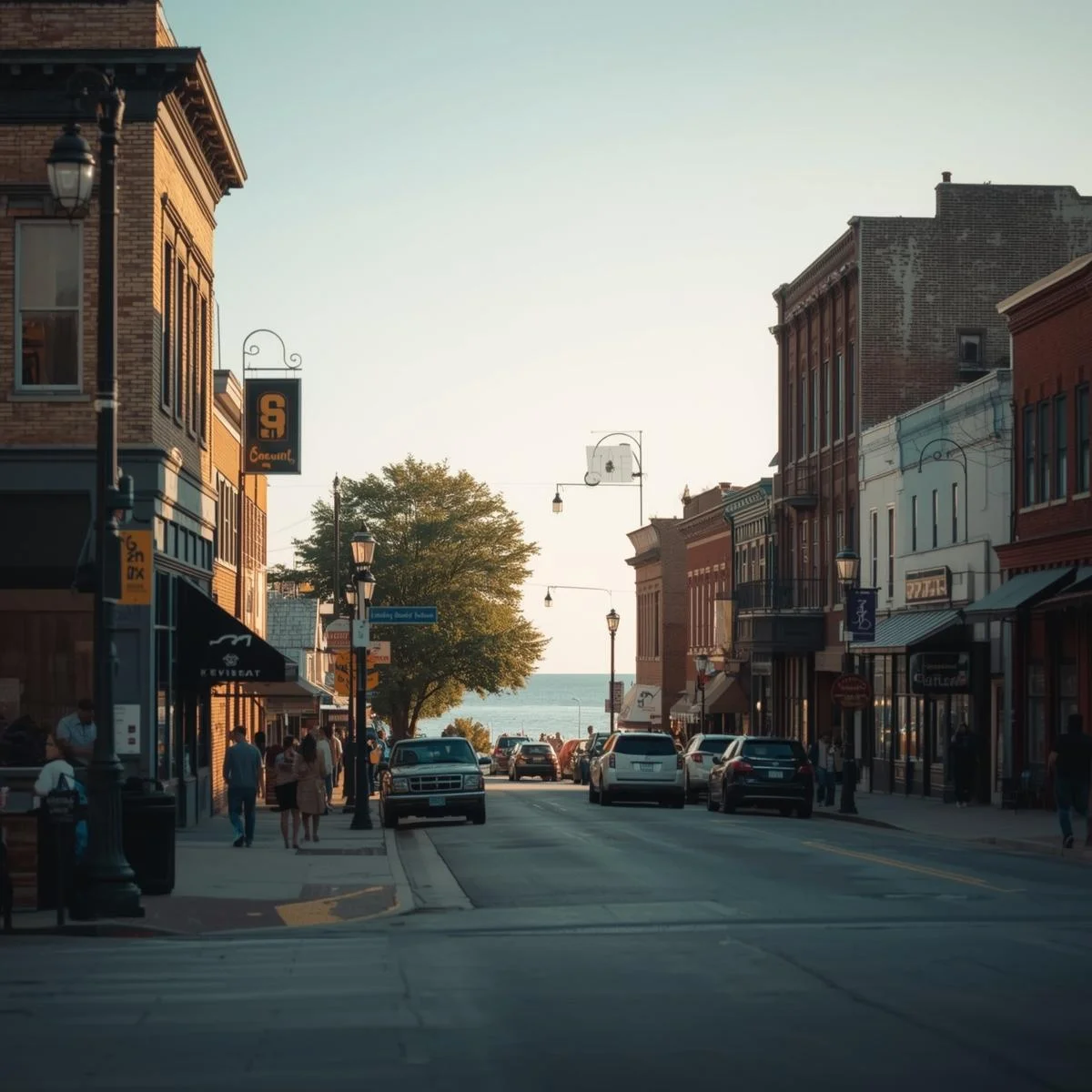
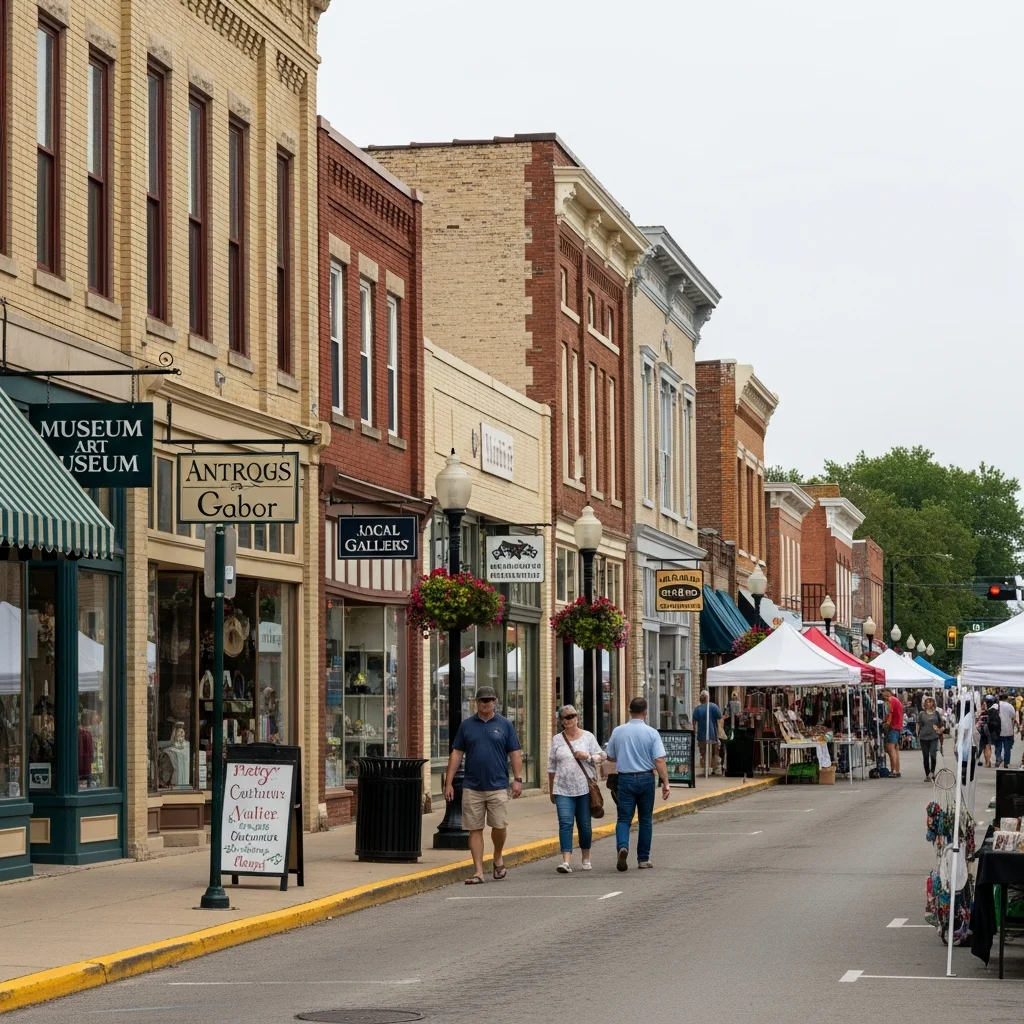
Downtown Kenosha remains compact and walkable. Independent shops dominate. Antique stores, boutiques, and galleries occupy historic buildings.
Browsing feels relaxed. You can walk without pressure to buy. Seasonal events like art walks and markets add energy.
HarborMarket operates during warmer months near the museums. Vendors sell produce, food, and handmade goods. The market supports regional growers and makers, according to organizers.
A Balanced Two Day Weekend Itinerary
Day One
Arrive in Kenosha by train or car. Start at HarborPark. Walk along the lake and marina. Visit the Civil War Museum. Have lunch downtown. Spend the afternoon at the Kenosha Public Museum and Dinosaur Discovery Museum. Ride the streetcar through downtown neighborhoods. End the day with dinner near the harbor and a sunset walk.
Day Two
Begin with breakfast downtown. Head to Simmons Island Park or the sand dunes. Visit Hawthorn Hollow before lunch. Spend the afternoon shopping downtown or visiting the velodrome if events are scheduled. Depart in the evening.
This structure leaves time to adjust based on energy and weather.
Extending the Trip to Three Days
A third day allows deeper exploration.
Add Petrifying Springs Park for a longer hike. Spend more time at the lakefront. Explore residential streets by streetcar. Visit additional museums or attend a seasonal event.
With three days, Kenosha shifts from a sightseeing destination to a place you experience at a slower pace.
Visiting Kenosha With Children
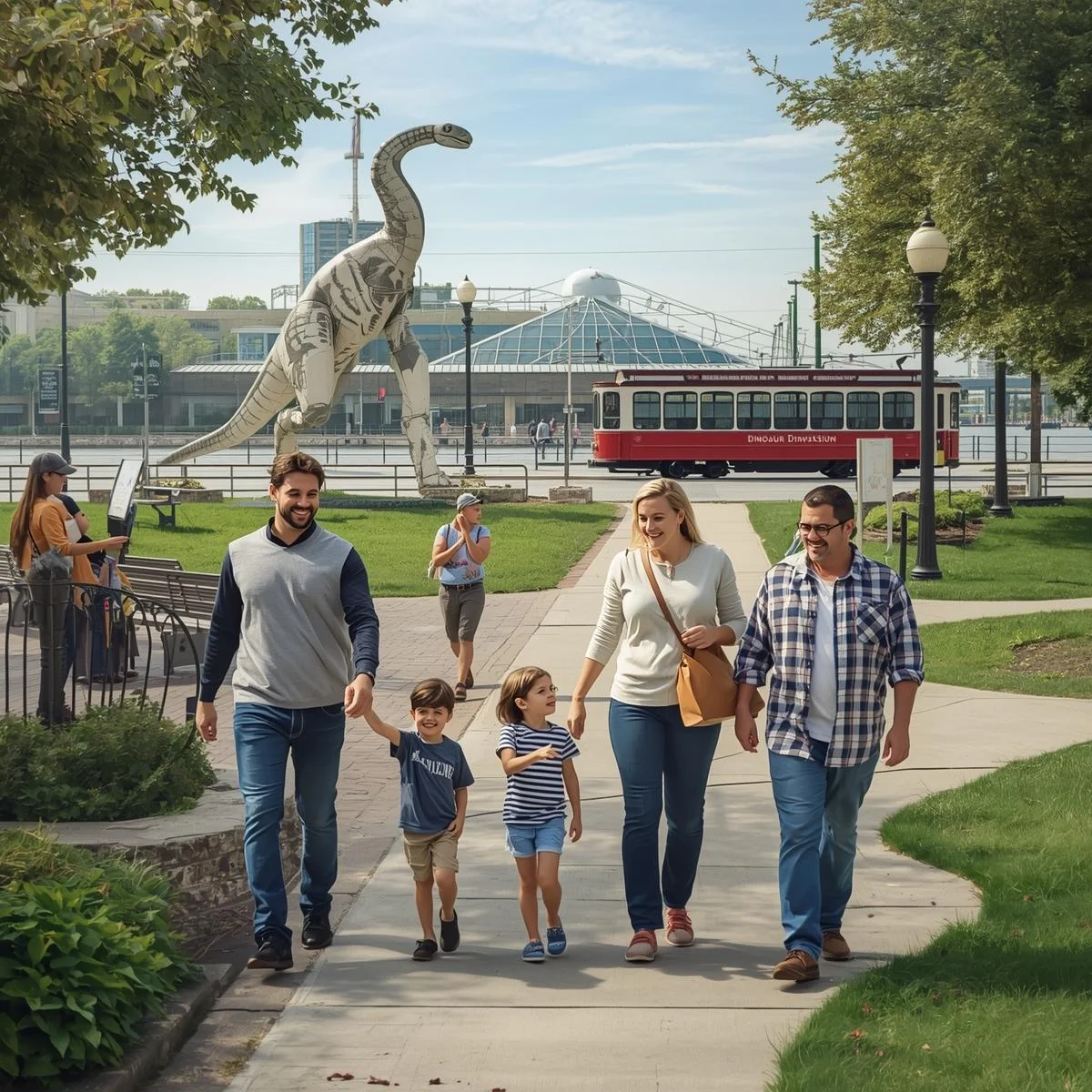
Kenosha suits families well. Museums remain engaging without overwhelming. Beaches and parks offer open space. Distances stay short.
The Dinosaur Discovery Museum appeals strongly to children. Simmons Island Park allows movement and play. The streetcar feels fun and manageable.
Parents appreciate free museums and straightforward logistics.
Budget Friendly Travel in Kenosha
Kenosha supports budget conscious travel.
Museums offer free admission. Walking covers most attractions. The streetcar costs little. Nature areas remain open and accessible.
Food prices stay lower than in larger cities. Hotel rates reflect the city’s calmer pace.
Where to Stay in Kenosha
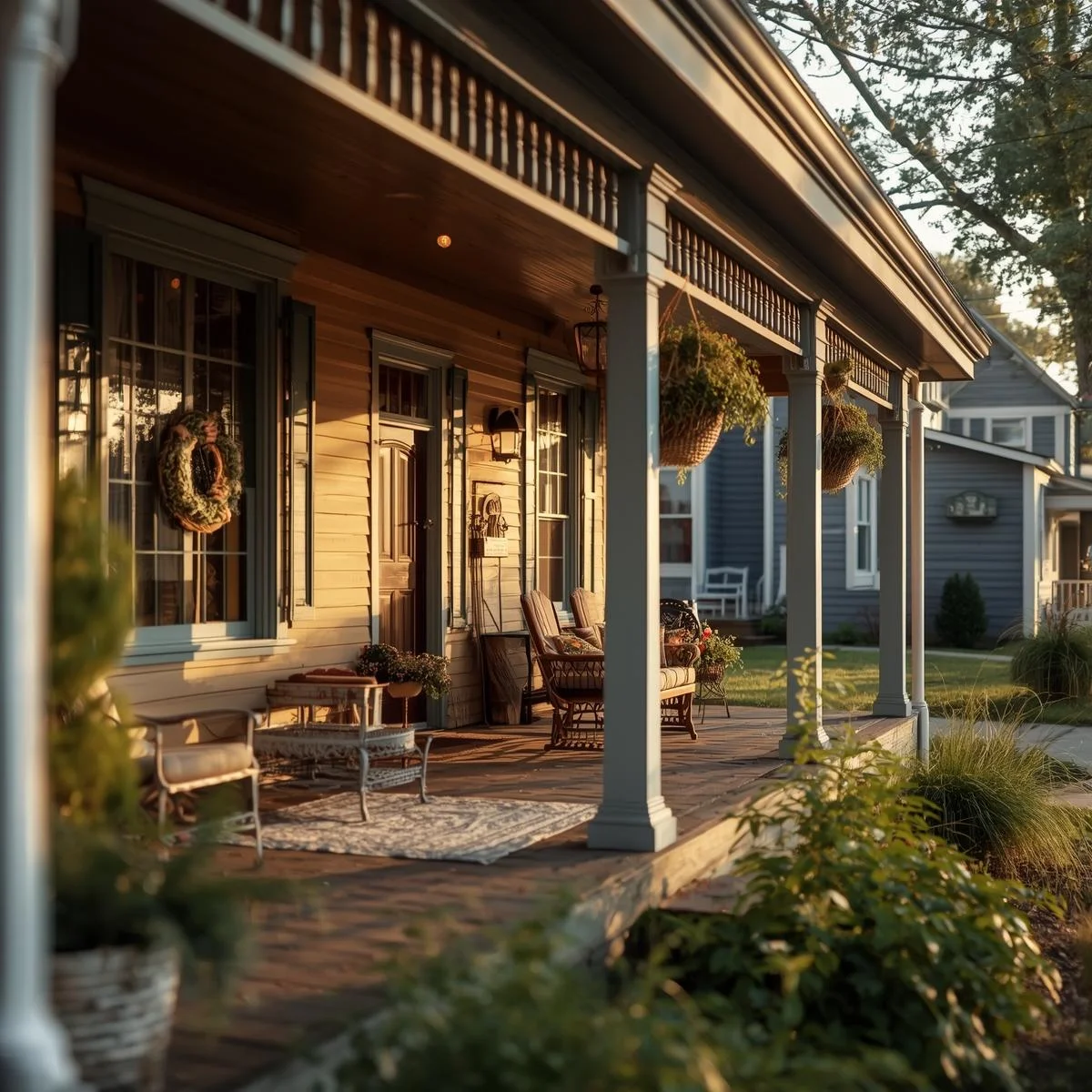
Most visitors choose downtown or lakefront areas. Staying near the harbor simplifies transportation. You can walk to museums, restaurants, and the streetcar.
Hotels range from familiar chains to smaller local options. Travelers seeking quieter nights sometimes stay slightly inland.
Visit Kenosha’s official tourism site provides updated lodging listings and seasonal availability.
Events and Seasonal Activities
Kenosha hosts events throughout the year. Summer brings festivals, markets, and outdoor concerts. Winter focuses on smaller community gatherings.
Checking the city calendar before arrival helps shape your plans. Events can change the rhythm of a Weekend in Kenosha.

Practical Planning Tips
Pack layers. Lake Michigan affects temperatures quickly. Comfortable walking shoes matter. Downtown streets and trails invite exploration.
Plan museum visits earlier in the day if crowds matter to you. Sunset times change by season, so check local listings.
If arriving by train, choose accommodations near downtown to avoid unnecessary transport.

Is Kenosha Worth Visiting for a Weekend
Yes. Kenosha offers a rare mix of access, calm, and substance. The city does not overwhelm. It rewards travelers who value walkability, museums, lake views, and local routines.
It works best for those who enjoy slowing down rather than rushing through highlights.
Frequently Asked Questions
How far is Kenosha from Chicago
About sixty five miles. Travel time averages ninety minutes by train or car.
Are there free things to do in Kenosha
Yes. Several museums, parks, beaches, and walking areas cost nothing.
Can you visit Kenosha without a car
Yes. Downtown, museums, and the lakefront work well on foot and by streetcar.
What area is best to stay
Downtown or near the harbor offers the most convenience.
Final Perspective
A weekend in Kenosha feels grounded. The city does not chase trends. It invests in public spaces, culture, and access. Lake air, thoughtful museums, and steady local life shape the experience.