
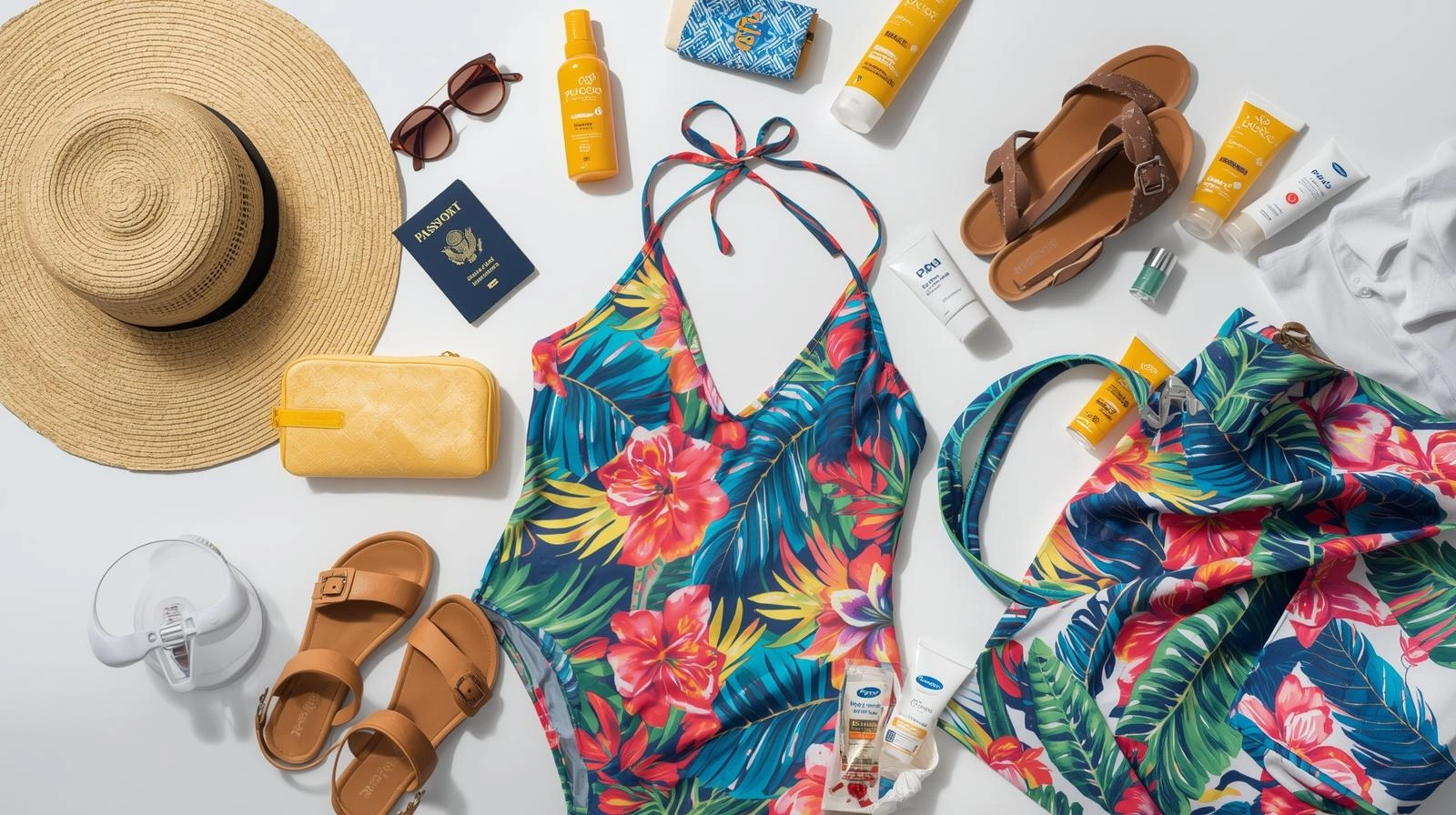
The Ultimate All-Inclusive Vacation Packing List: 20 Essential Items You Can’t Forget
Picture yourself stepping off the plane into warm tropical air. The scent of ocean salt mingles with blooming hibiscus. You’ve booked the all-inclusive resort of your dreams, yet that nagging question persists: what exactly should fill your suitcase? Many travelers oscillate between overpacking three checked bags or forgetting crucial items that transform a good vacation into an exceptional one. This comprehensive beach vacation packing guide eliminates that anxiety entirely. Whether you’re heading to Cancun’s turquoise waters, Jamaica’s reggae-infused shores, or the Dominican Republic’s pristine beaches, this vacation suitcase checklist ensures you’re prepared for every moment. The beauty of all-inclusive vacation packing lies in strategic minimalism—resorts provide numerous amenities, but certain essentials dramatically elevate your experience. This guide draws from seasoned travelers who’ve learned hard lessons about forgotten sunscreen and wrinkled dinner clothes. You’ll discover which items resorts rarely provide despite premium pricing, which resort packing tips save money, and which conveniences transform poolside lounging from ordinary to extraordinary. Unlike generic lists floating across travel blogs, this tropical vacation packing guide focuses specifically on American travelers visiting international destinations. We’ll navigate TSA regulations, currency considerations, and cultural expectations that differ from domestic trips. By the final paragraph, you’ll possess complete confidence in your packing strategy, allowing mental energy to shift toward selecting which beach destination adventures to pursue first.
Booked An All-Inclusive Vacation?

Congratulations on securing your escape to paradise! All-inclusive resorts bundle accommodations, meals, beverages, and entertainment into one upfront price. This hospitality model originated in Caribbean destinations during the 1950s and has since revolutionized how Americans vacation internationally. The appeal proves irresistible—no wallet required at poolside bars, no surprise restaurant bills, and unlimited access to activities from water aerobics to salsa lessons. However, this convenience creates packing confusion. Which toiletries does housekeeping provide? Should you bring beach towels or snorkeling equipment? The answer sits somewhere between overpacking your entire bathroom cabinet and arriving woefully unprepared. Understanding what resort travel essentials truly matter requires distinguishing between items resorts universally provide versus gaps in their amenities. Most properties supply basic shampoo, conditioner, and body wash, though discerning travelers often prefer familiar brands. Resort beach towels typically circulate freely at pool stations, yet personal preferences or peak-hour shortages might warrant bringing your own. Activities like tennis or kayaking include necessary equipment, but specialized gear for serious enthusiasts often disappoints in quality.
Strategic packing for all-inclusive vacation destinations hinges on researching your specific property beforehand. Luxury brands like Sandals and Excellence operate differently than budget-friendly options like Apple Leisure Group properties. Some resorts provide beach bags filled with sunscreen samples; others charge premium prices at gift shops. The smartest approach involves consulting your resort’s website, reading recent TripAdvisor reviews, and joining Facebook groups where past guests share insider knowledge. One common mistake American travelers make involves assuming all-inclusive means absolutely everything gets included. Reality reveals different tiers—premium liquor costs extra, spa treatments require payment, and resort excursions to nearby attractions carry additional fees. Your packing strategy should account for these scenarios. The following travel packing guide organizes items into three categories: absolute essentials that prevent catastrophe, all-inclusive resort essentials that maximize comfort, and nice-to-have luxuries that elevate ordinary beach days into extraordinary memories worth sharing on social media platforms.
you may also like this:20+ Best Travel Resources for Planning Your Next Adventure: A Complete Guide to Saving Money and Time
The Absolute Essentials
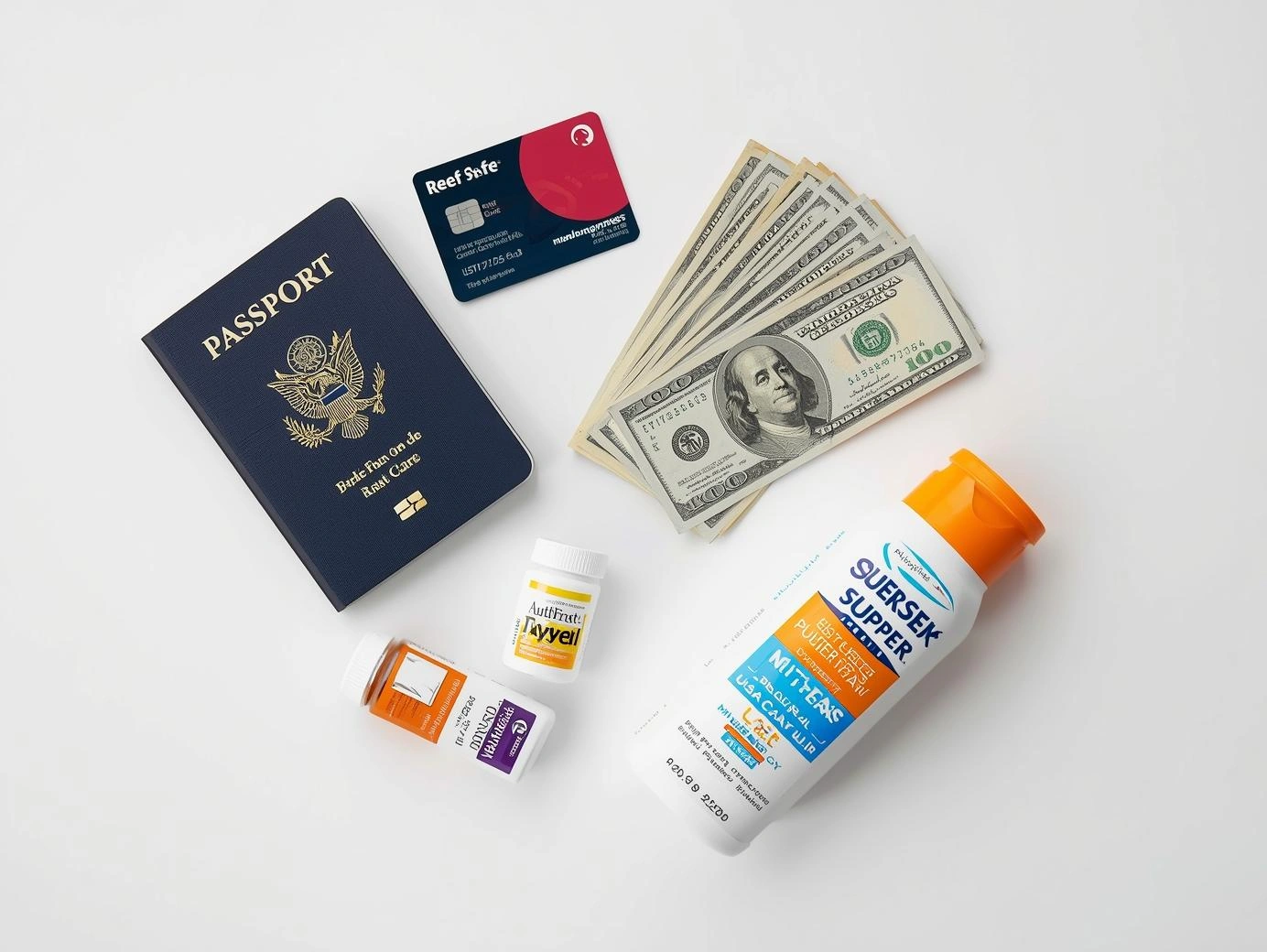
These five items constitute the non-negotiable foundation of your international travel essentials checklist. Forgetting any single item from this category can derail your entire vacation or create expensive, stressful situations abroad. Unlike items you might purchase at resort gift shops with mere inconvenience, these essentials either cannot be replaced easily or carry such importance that traveling without them proves foolhardy.
1. Passport
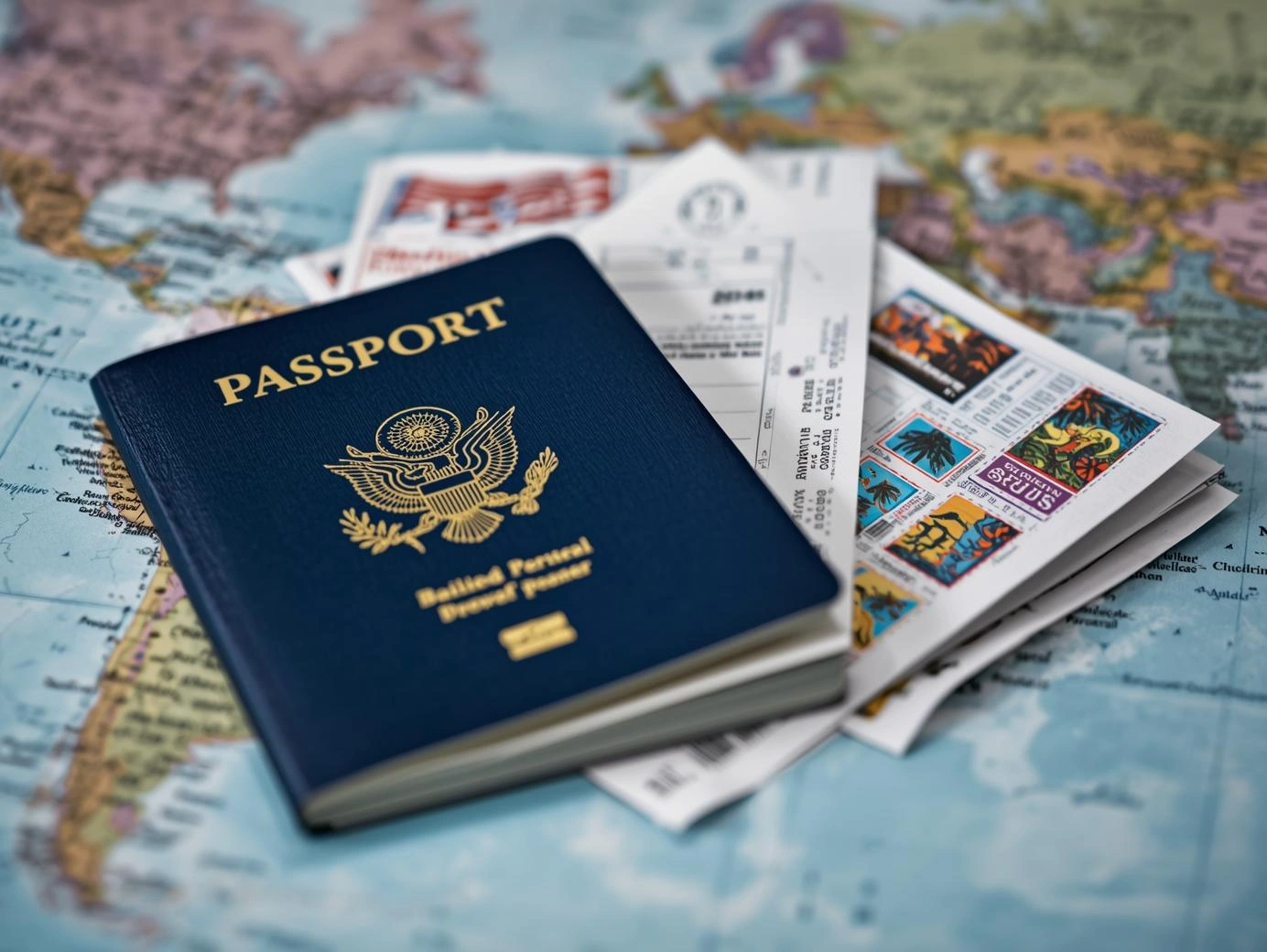
Your passport represents the single most critical document for international beach destination travel. Without this small blue book, airlines refuse boarding and customs officials deny entry. The State Department requires passports remain valid for at least six months beyond your planned return date—many countries enforce this “six-month rule” strictly. Check your expiration date immediately upon booking flights rather than days before departure. Passport renewal typically requires 8-11 weeks for routine processing, though expedited services reduce this to 5-7 weeks for additional fees. Rush processing exists for genuine emergencies but costs significantly more and requires proof of immediate travel needs.
Beyond basic validity, smart travelers implement protective measures. Make two photocopies of your passport’s information page—pack one separately from your actual passport and leave another with trusted family members stateside. These copies expedite replacement if theft or loss occurs. Digital backups stored in encrypted cloud services provide additional insurance. Some travelers photograph their passport with smartphones, though security experts debate this practice’s wisdom. Consider investing in RFID-blocking passport holders that prevent digital pickpocketing, an emerging concern at crowded tourist destinations. When lounging poolside, never leave passports unattended in beach bags. Most all-inclusive resorts provide in-room safes specifically for securing travel credit cards and identification documents. Note that passport cards—cheaper alternatives to traditional passport books—only work for land and sea border crossings from Canada, Mexico, Caribbean nations, and Bermuda. Flying to your all-inclusive vacation destination requires the full passport book regardless of distance.
2. Credit Card with No Foreign Transaction Fee
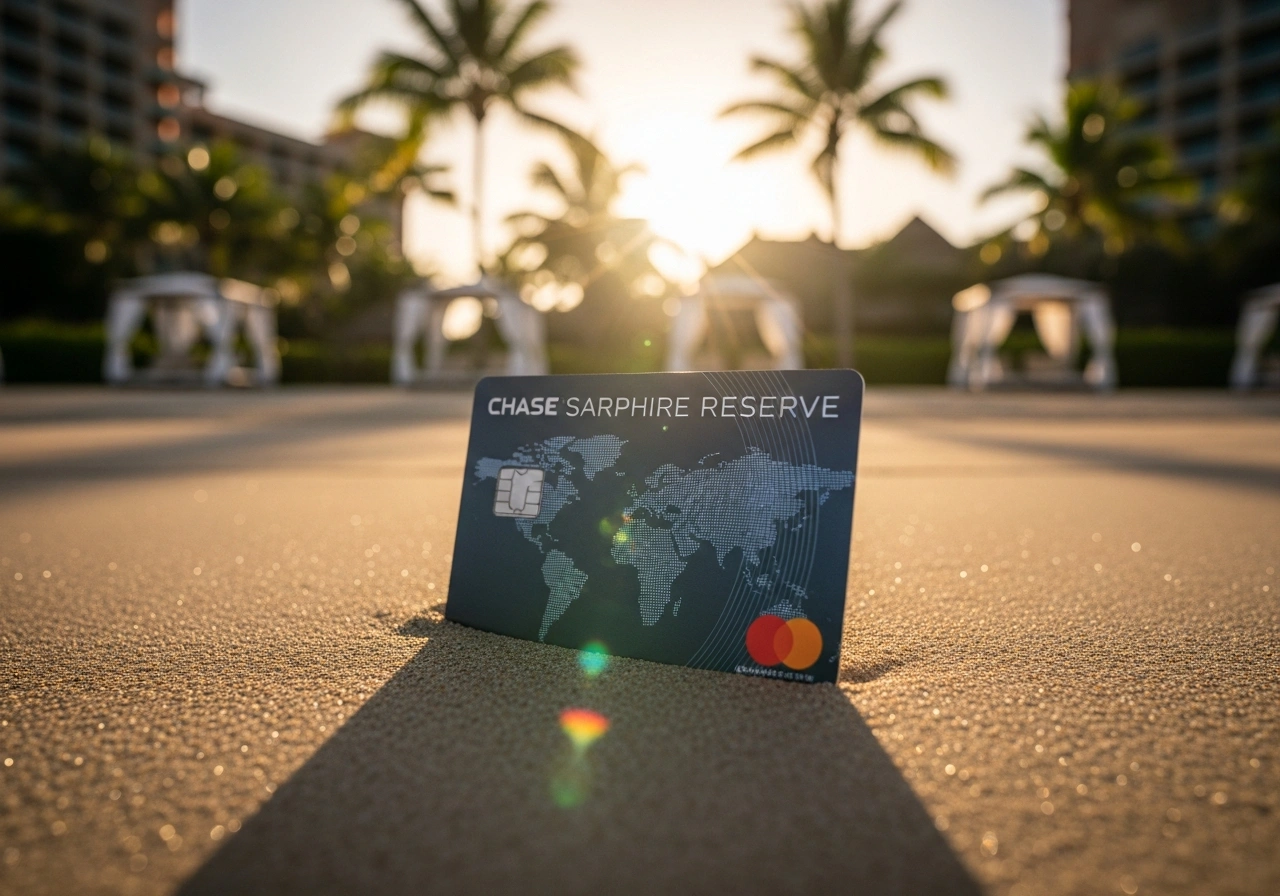
Financial institutions levy foreign transaction fees averaging three percent on every international purchase when using standard credit cards abroad. This surcharge applies whether you’re charging a spa treatment at your resort, purchasing souvenirs at local markets, or paying for excursions. Three percent might seem negligible until calculating the actual cost—on a $3,000 vacation, you’re hemorrhaging $90 purely in fees. Selecting the right travel credit card eliminates this unnecessary expense entirely while potentially earning valuable rewards points simultaneously.
Cards like Chase Sapphire Preferred, Capital One Venture, and Discover it Miles waive foreign transaction fees completely. Beyond fee elimination, premium travel cards often include rental car insurance, trip cancellation protection, and lost luggage reimbursement—coverage that proves invaluable when weather delays disrupt carefully planned itineraries. Notify your card issuer about international travel dates and destinations before departure to prevent fraud alerts from freezing your account precisely when you need it most. Security systems flag unusual foreign charges as potential theft, leaving you stranded without access to funds. Most banks allow travel notifications through mobile apps or customer service calls. Bring backup payment methods—a second credit card from a different issuer plus debit card access—because technology fails unpredictably and merchant systems sometimes reject perfectly valid cards. Memorize your card’s customer service number or store it separately from the card itself; replacing stolen cards while abroad becomes significantly easier with direct issuer contact. While all-inclusive resorts minimize the need for constant card swiping, you’ll inevitably encounter situations requiring payment: tipping hotel staff, purchasing premium spirits not included in base packages, or exploring local restaurants beyond resort property.
3. Pain Relievers (Tylenol/Ibuprofen)
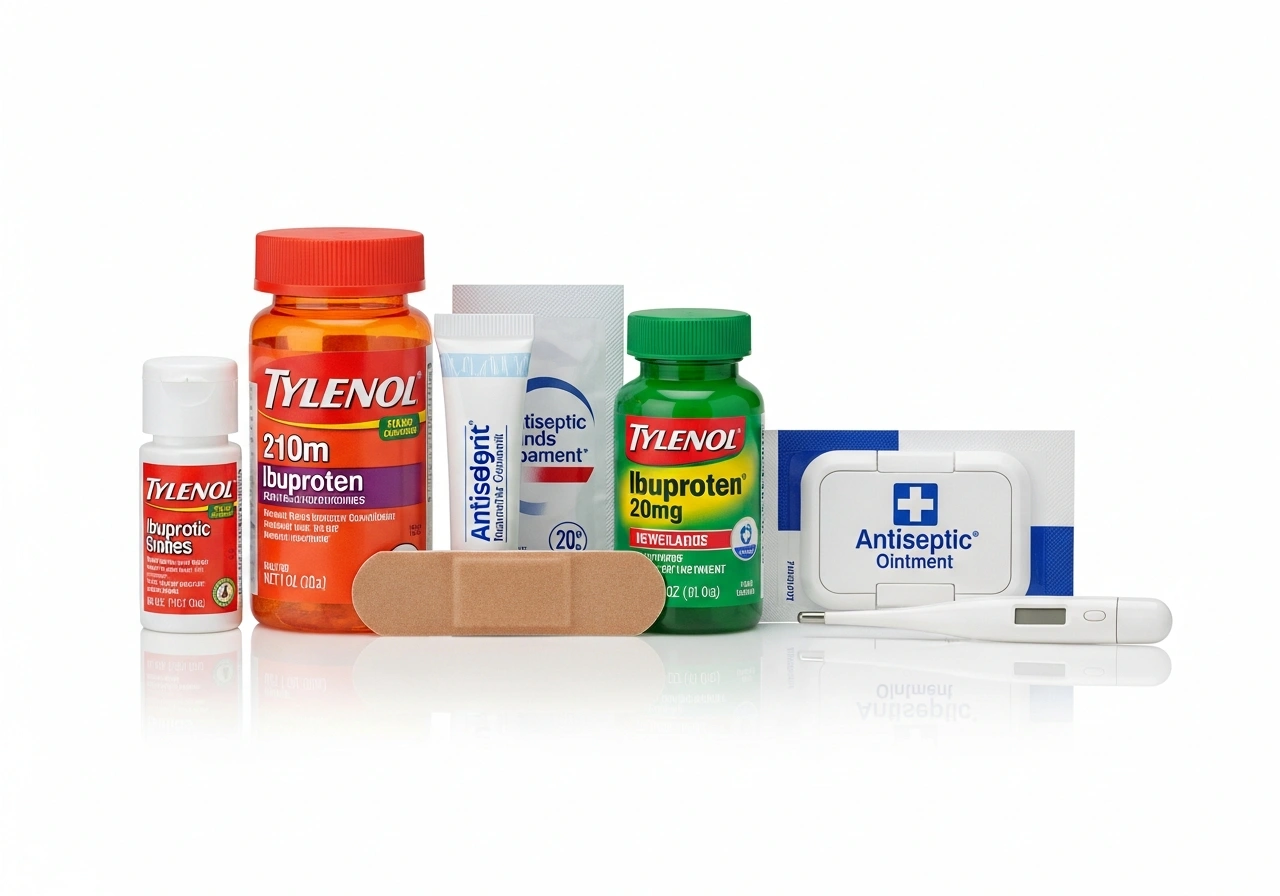
Vacation headaches strike when least expected and most inconvenient. Whether triggered by dehydration, excessive sun exposure, alcohol consumption at pool bar drinks, or simply the stress of travel itself, pain relievers rank among the most frequently needed yet commonly forgotten items. Ibuprofen addresses inflammation from overenthusiastic swimming sessions or dancing until dawn at resort nightclubs. Acetaminophen (Tylenol) combats fever should minor illness strike. Tropical destinations harbor different bacteria than your digestive system encounters at home, occasionally causing stomach upset that benefits from anti-inflammatory medication.
Resort gift shops and local pharmacies stock these medications, but at prices inflated two to four times what you’d pay stateside. A small bottle of generic ibuprofen costing $5 at your neighborhood drugstore might reach $15-20 at resort sundry shops exploiting captive audiences with limited options. International pharmacies require navigating language barriers and unfamiliar brand names—the same active ingredient appears under different marketing names across countries. Packing familiar over-the-counter medications in original containers helps customs officials understand contents without suspicion. TSA liquid limits don’t apply to pills, so carry full bottles without transferring tablets to smaller containers. Include any prescription medications you take regularly, ensuring you bring enough supply for your entire trip plus extra days in case of flight delays. Prescriptions should remain in original pharmacy bottles with your name clearly printed; some destinations require matching passport names to prescription labels. This beach vacation packing guide recommendation might seem obvious, yet countless travelers realize their oversight only when nursing hangovers far from convenient drugstores.
4. Cash
Despite operating within the cashless convenience of all-inclusive resort life, physical currency remains essential for meaningful interactions and service quality. American dollars circulate widely at Caribbean and Mexican destinations, though having local currency demonstrates cultural respect and often secures better exchange rates at markets beyond resort walls. The primary cash purpose involves tipping hotel staff—housekeepers who refresh your room daily, bartenders mixing sunset margaritas, and porters hauling luggage deserve gratuities beyond their base wages.
Experts recommend budgeting $3-5 daily for housekeeping, left visibly on pillows with a thank-you note. Bartenders appreciate $1-2 per drink even at all-inclusive properties where gratuity theoretically gets included. These small gestures dramatically elevate service quality; staff members naturally prioritize generous guests when premium liquor requests arrive or extra towels become necessary. Bring predominantly small bills—twenties break down to ones and fives before departure through your local bank. Airport currency exchanges offer notoriously poor rates with excessive fees; withdraw local currency from destination ATMs using debit cards for more favorable conversions. Your bank likely charges ATM fees for international withdrawals—call beforehand to understand exact costs and daily withdrawal limits. Some financial institutions reimburse ATM fees worldwide, particularly online banks like Charles Schwab. Calculate reasonable cash needs based on trip length and planned activities. A week-long all-inclusive vacation typically requires $100-300 total, adjusted for group size and service expectations. Secure cash in room safes or hotel safe deposit boxes rather than carrying everything to the beach. Waterproof pouches protect bills from accidental pool splashes when small amounts accompany you to poolside loungers.
5. Sunscreen
Tropical sun intensity exceeds what most Americans experience in their daily lives, even during summer months. UV radiation at equatorial beach destinations burns unprotected skin within 15-20 minutes, transforming your dream vacation into a painful ordeal of blistered shoulders and sleepless nights. Reef-safe sunscreen has become mandatory at many Caribbean destinations following environmental research demonstrating that common sunscreen chemicals devastate coral reef ecosystems. Hawaii, the U.S. Virgin Islands, Key West, and Bonaire have banned sunscreens containing oxybenzone and octinoxate—ingredients present in most drugstore brands.
Mineral-based sunscreens using zinc oxide or titanium dioxide provide reef-safe alternatives while delivering broad-spectrum protection against both UVA and UVB rays. SPF 50+ offers optimal protection for extended beach exposure, though proper application matters more than SPF numbers. Dermatologists recommend applying one ounce (a shot glass worth) covering your entire body, reapplied every two hours or immediately after swimming. Water-resistant formulations maintain effectiveness for forty to eighty minutes during water activities, but “waterproof” claims are federally prohibited as misleading. Resort gift shops markup sunscreen 300-400% compared to stateside prices—that $8 bottle at Target costs $30-40 at beachside shops. Packing multiple bottles proves cost-effective for families or extended stays. TSA liquid limits restrict carry-on bottles to 3.4 ounces, but checked luggage accommodates full-sized containers without restriction. Consider both spray and lotion formulas; sprays facilitate reapplication on sandy skin while lotions ensure thorough coverage on facial areas. Apply sunscreen thirty minutes before sun exposure for maximum absorption and effectiveness. This simple tropical vacation packing essential prevents the number one vacation regret reported by returning travelers—severe sunburn ruining otherwise perfect beach experiences.
| Essential Item | Why It Matters | Estimated Cost if Forgotten |
|---|---|---|
| Passport | Required for international travel | Cannot travel without it |
| No-Fee Credit Card | Saves 3% on all purchases | $90 on $3,000 vacation |
| Pain Relievers | Treats headaches, inflammation | $15-20 at resort shops |
| Cash | Tips and local purchases | Poor exchange rates |
| Sunscreen | Prevents burns, protects reefs | $30-40 at resort gift shop |
All-Inclusive Resort Necessities
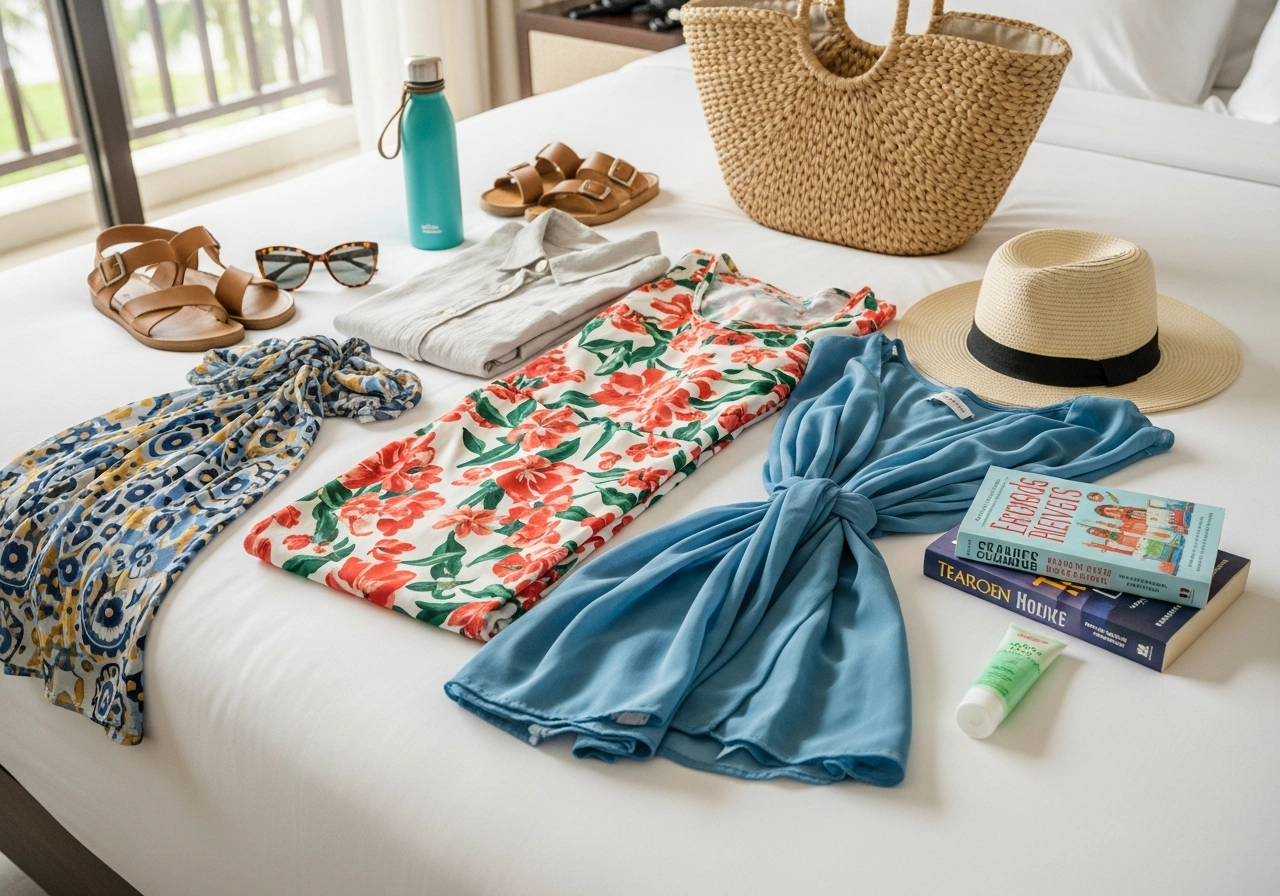
These nine items don’t qualify as emergencies if forgotten, yet their absence noticeably diminishes comfort and enjoyment throughout your stay. All-inclusive resort essentials in this category address specific scenarios that occur repeatedly during tropical vacations—from dining at upscale restaurants to protecting belongings from sand and surf.
6. Sunglasses
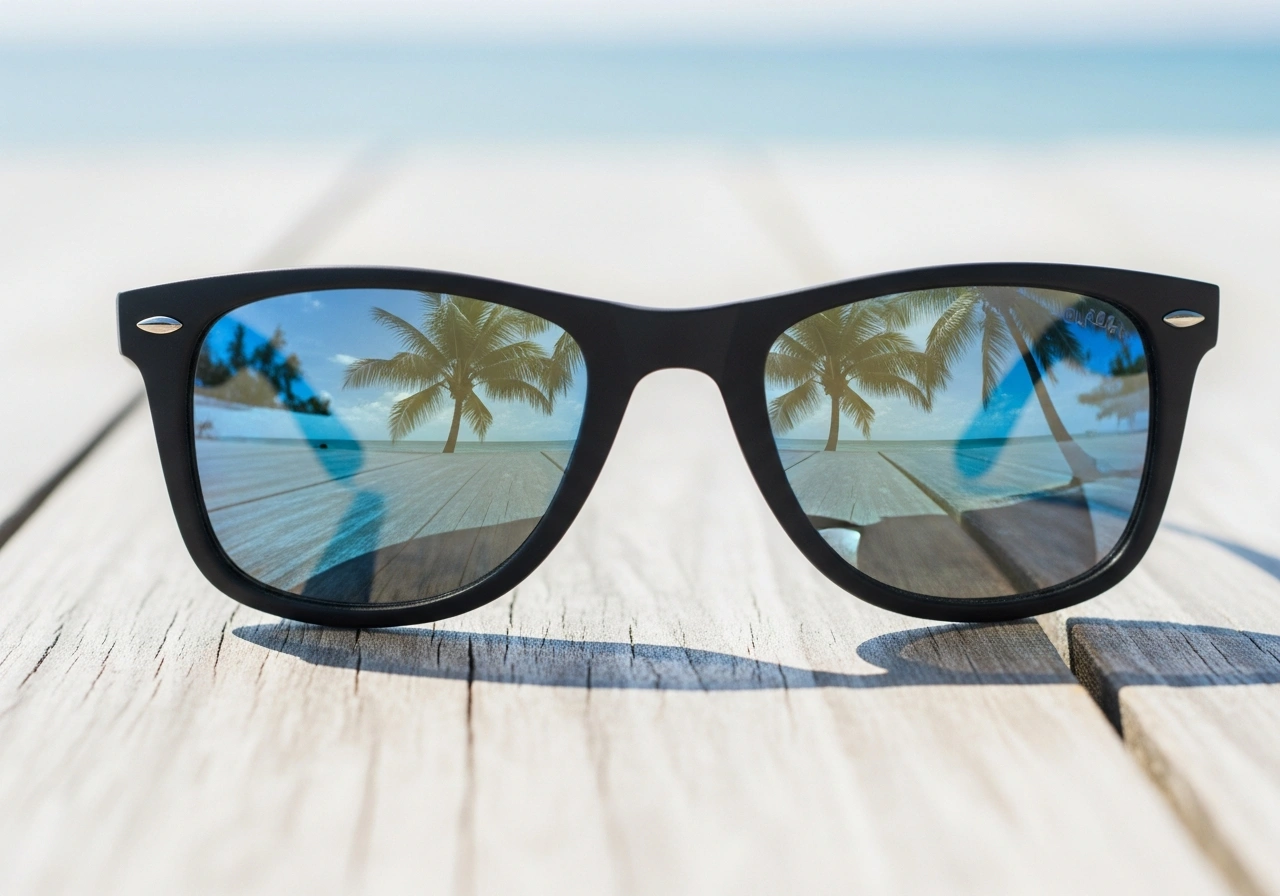
Polarized sunglasses dramatically reduce glare reflecting off water and white sand, alleviating eye strain during hours spent near ocean waves or pool surfaces. Standard tinted lenses darken your view but don’t eliminate the harsh reflections that cause squinting and headaches. Polarization technology filters horizontal light waves, allowing only vertical wavelengths to reach your eyes. This distinction transforms hazy beach vistas into crisp panoramas where you can actually observe fish swimming beneath clear Caribbean waters.
Quality sunglasses block 100% of UVA and UVB radiation, preventing long-term eye damage that accumulates with sun exposure. Cheap gas station varieties often provide inadequate protection despite dark tinting—darkness without UV blocking actually worsens damage by dilating pupils and allowing more harmful radiation to penetrate. Invest in reputable brands or verify UV400 certification on less expensive alternatives. Bring backup pairs because sunglasses mysteriously vanish at beaches with alarming frequency. Waves snatch them during body surfing, they slide off into pool depths, or simple absent-mindedness leaves them on restaurant tables. Replacing quality sunglasses at tourist destinations costs double or triple normal retail prices. Floating straps attach to frames and prevent sinking when knocked into water during swimming or water sports. Prescription sunglasses wearers should consider backup readers for resort room downtime since contact lenses and ocean water mix poorly. Store sunglasses in hard cases rather than tossing them loosely into waterproof beach bags where keys and sand inflict scratches on lenses. This simple resort packing tips addition protects both your vision and vacation budget.
7. Sandals
Comfortable sandals serve as your primary footwear throughout most all-inclusive vacation days, transitioning seamlessly from morning breakfast buffets to afternoon beach walks to casual evening entertainment. Waterproof materials like rubber, EVA foam, or synthetic leather dry quickly after pool sessions and withstand repeated saltwater exposure without deteriorating. Leather sandals, while stylish, crack and smell unpleasant after ocean submersion. Breaking in new sandals before departure prevents blisters that transform pleasant beach strolls into limping ordeals—wear them around your house or during errands for a week before packing.
Arch support matters more than aesthetic appeal when you’re walking significantly more than normal daily routines. Popular brands like Teva, Chaco, and OluKai engineer sandals with contoured footbeds that reduce fatigue during extended wear. Flip-flops work adequately for short pool-to-room trips but provide insufficient support for exploring resort properties sprawling across multiple acres. Pack at least two pairs: one sporty option for beach activities and one dressier pair for evening dining when resort dress codes prohibit athletic sandals. Closed-toe shoes become mandatory at some specialty restaurants within all-inclusive resorts, so verify your property’s requirements beforehand. Men often need boat shoes or loafers for upscale dining venues, while women’s strappy dress sandals satisfy most evening requirements. Avoid packing white or light-colored sandals unless you enjoy dedicating vacation time to scrubbing away reddish clay stains from tropical dirt. Dark colors conceal inevitable wear from sand abrasion and pool chemicals. Consider sandals with adjustable straps accommodating foot swelling that commonly occurs during air travel and hot weather. Your feet expand in tropical heat and humidity, making tight-fitting shoes uncomfortable by day three. These resort travel essentials literally support every step of your vacation journey.
8. Beach Bag
A spacious waterproof beach bag organizes the numerous items you’ll shuttle between your room and oceanfront loungers throughout each day. Quality beach bags feature mesh or perforated bottoms allowing sand to drain rather than accumulating until your bag weighs ten pounds. Separate compartments help organize dry items like phones and books away from damp swimsuits and sandy feet. Durable materials withstand rough treatment from being tossed onto sand, dragged across pavement, and stuffed with heavy sunscreen bottles and water containers.
Canvas or nylon construction resists mildew better than woven straw bags that look charming but deteriorate rapidly in tropical humidity. Zippered closures provide security when leaving your bag briefly to swim, though avoid bringing genuinely valuable items to the beach regardless of closure type. Theft occurs even at upscale resorts when opportunity presents itself. Size matters—bags should accommodate two beach towels, multiple sunscreen bottles, reading materials, sunglasses cases, room keys, and miscellaneous items without straining seams. Shoulder straps should be wide and padded since loaded beach bags grow surprisingly heavy during the walk from distant rooms to prime beachfront real estate. Exterior pockets offer convenient access to items you need repeatedly without unpacking the entire bag. Brightly colored or distinctively patterned bags prevent accidentally grabbing someone else’s identical beige tote when dozens cluster around pool chairs. Many all-inclusive resorts don’t provide bags for guest use despite supplying towels, leaving you juggling awkward armfuls when heading to the beach. Collapsible mesh bags pack flat in luggage and expand when needed, maximizing precious suitcase space.
9. Dinner Attire
Resort dress codes catch countless Americans off-guard when they attempt entering specialty restaurants wearing tank tops and flip-flops. While poolside and buffet dining embrace casual attire, upscale dining venues within all-inclusive resorts enforce standards ranging from “resort casual” to “resort elegant.” Men typically need collared shirts (polo or button-down) and closed-toe shoes—no athletic wear, sleeveless shirts, or sandals permitted. Pants or dress shorts satisfy most restaurant requirements, though the fanciest establishments sometimes mandate long pants. Women enjoy more flexibility, with sundresses, skirts, dress pants, or nice capris all acceptable paired with sandals or wedges. Tank tops and beachwear cross the line at dinner venues even when acceptable at lunch buffets.
Dinner attire needn’t mean formal evening gowns or three-piece suits. “Resort elegant” translates to what you might wear to a nice restaurant at home—presentable without being stuffy. Wrinkle-resistant fabrics eliminate the need for ironing in humid resort rooms where wrinkles set stubbornly. Packing cubes keep dinner clothes separated from damp beach items, preventing that musty smell from transferring to evening wear. Plan outfits around a cohesive color palette allowing multiple combinations from fewer pieces. One pair of khaki pants or shorts for men combines with different collared shirts across the week. Women’s versatile sundresses work for both beach cover-ups and dinner when accessorized differently. Lightweight fabrics appropriate for tropical heat include linen, cotton, rayon, and moisture-wicking synthetics—avoid heavy materials that feel oppressive in 85-degree evenings. Research your specific resort’s dining policies through their website or calling the concierge desk. Some properties exercise more leniency than others, but being turned away from your reservation due to improper attire wastes precious vacation time and causes unnecessary frustration.
10. Swimsuit Cover-Ups
Swimsuit cover-ups serve practical purposes beyond mere modesty. Most all-inclusive resorts prohibit walking through lobbies, restaurants, or public areas in only swimwear—cover-ups bridge the transition from beach to buffet without requiring complete outfit changes. Lightweight materials like cotton, chiffon, or rayon dry quickly in tropical humidity while allowing air circulation that prevents overheating. Sarongs offer maximum versatility, transforming from skirts to dresses to shawls through various tying techniques. One sarong serves multiple functions while occupying minimal luggage space.
Pack multiple cover-ups because damp fabric clings uncomfortably and takes hours to fully dry in humid climates. Rotating between different options keeps you fresh throughout the day. Cover-ups with pockets prove remarkably useful for carrying room keys, sunglasses, or lip balm during quick trips from pool to bar. Button-front styles allow easy removal without messing carefully applied beach hairstyles or makeup. Men’s swim trunks technically don’t require cover-ups at most resorts, but lightweight board short cover-ups or quick-dry t-shirts provide sun protection during extended poolside lounging. Neutral colors hide inevitable chlorine stains and reddish tropical dirt better than white or pastels. Consider tunics with slight structure rather than completely sheer options if you prefer more coverage. Cover-ups double as light layers for overly air-conditioned restaurants where indoor temperatures plummet to uncomfortable levels. This often-overlooked beach travel essentials category prevents wardrobe malfunctions while maintaining resort etiquette standards. Ladies should pack at least three cover-ups for week-long trips, ensuring a dry option always remains available.
11. Hat
Sun protection hats with wide brims shield your face, neck, and ears from relentless tropical sun exposure. Baseball caps leave ears and neck vulnerable to painful burns, while broad-brimmed styles create portable shade wherever you roam. Dermatologists emphasize that facial skin damage accumulates over decades, manifesting as premature aging, sunspots, and increased skin cancer risk. Protecting delicate facial skin proves easier than repairing damage years later.
Packable straw or fabric hats survive suitcase compression without permanent creasing, springing back to shape when unpacked. Wire brim edges allow shaping for optimal sun protection or style preferences. Chin straps prevent gusty ocean breezes from stealing hats during beach walks—few things frustrate more than watching your hat tumble into waves beyond retrieval. UPF-rated sun hats provide measurable protection, with UPF 50+ blocking 98% of UV radiation. Wider brims (4+ inches) create larger shade zones; brims smaller than three inches offer insufficient protection. Colors matter less than you’d think—dark hats absorb heat but don’t dramatically increase UV exposure risk. Ventilated crown designs increase airflow, reducing that greenhouse effect atop your head. Women’s floppy hats photograph beautifully while serving practical purposes. Men’s fedoras or Panama hats look sophisticated at poolside bars while protecting scalps where thinning hair offers minimal natural shielding. Hats should fit snugly enough to resist wind but not so tight that they cause headaches after hours of wear. This simple tropical vacation packing addition literally keeps you covered throughout sun-soaked days.
12. Books
Beach reading books transform downtime into mental escapes as refreshing as the ocean breeze. While smartphones offer endless entertainment, screen glare becomes nearly invisible in bright tropical sunlight, and battery life plummets when constantly checking devices. Physical books never require charging, work perfectly in any lighting condition, and don’t tempt you with work email notifications. Kindle e-readers offer compromise solutions—their e-ink screens remain visible in direct sunlight unlike tablet screens, and single devices store hundreds of titles without weight penalties.
Download content before departure because resort WiFi frequently disappoints in speed and reliability. Airport bookstores charge premium prices for paperbacks you could buy cheaper at home. Choose page-turners over dense literature; vacation reading should entertain rather than demand intense concentration. Many travelers favor mysteries, thrillers, beach romances, or light non-fiction that satisfies without overwhelming sun-addled brains. Book clubs often select summer reading during members’ vacation months precisely because the season encourages leisure reading. Waterproof pouches protect books from accidental splashes when relaxation near the pool gets too comfortable. Consider mass-market paperbacks rather than expensive hardcovers—if they’re damaged by water or sand, the loss stings less. Used bookstores sell vacation reads cheaply with the understanding they’re temporary companions. Some resorts maintain book exchange shelves where guests leave finished titles and select new ones, though selections vary wildly in quality. Reading challenges keep brains active during vacation relaxation, preventing that sluggish feeling from total mental disengagement.
13. Water Bottle
Reusable insulated water bottles keep beverages refreshingly cold during hours spent under tropical sun. While all-inclusive resorts provide unlimited drinks, constantly returning to bars for refills interrupts relaxation flow. Personal bottles allow stockpiling water or poolside cocktails for extended beach sessions. Insulated stainless steel construction maintains temperature for hours—ice water from morning remains chilled through afternoon, and frozen drinks don’t immediately melt into disappointing slush.
Many environmentally conscious resorts encourage reusable bottle usage by installing filtered water stations throughout properties. This sustainable approach reduces plastic waste while saving resorts money on bottled water purchases. Some properties provide complimentary bottles upon check-in as part of their eco-friendly initiatives. If yours doesn’t, the $25 invested in quality bottles pays dividends across this vacation and future travels. Carabiner clips attach bottles to beach bags or lounge chairs, preventing them from rolling into sand or getting kicked accidentally. Wide-mouth bottles accommodate ice cubes easily and simplify cleaning after sugary cocktail residue accumulates. Some bottles feature built-in straws or flip-top spouts allowing one-handed drinking while juggling books, phones, and sunscreen applications. Hydration remains crucial in tropical climates where you lose fluids rapidly through perspiration—even when lounging motionlessly, your body works overtime maintaining comfortable temperature. Dehydration causes fatigue, headaches, and irritability that dampen vacation enjoyment. Sipping water between alcoholic pool bar drinks moderates hangovers and extends your ability to enjoy evening entertainment without feeling wrecked.
14. Aloe Vera
Aloe vera gel provides soothing relief when sunscreen applications fail or you misjudge exposure limits. Despite best intentions, sunburns happen—reflective water and sand intensify UV radiation beyond normal levels, unexpected cloud cover disappears suddenly, or you simply lose track of time during engrossing conversations. Pure aloe gel cools angry skin while moisturizing to prevent peeling. Refrigerated aloe offers bonus cooling effects; most resort room refrigerators accommodate small bottles easily.
Choose aloe products with minimal additives—pure aloe vera works more effectively than perfumed formulations containing alcohol that dries skin further. Some products incorporate lidocaine for additional numbing effects when burns prove especially painful. Apply aloe generously and frequently throughout the first 24-48 hours post-burn for maximum benefit. Beyond sunburn treatment, aloe soothes minor skin irritations from sea lice, jellyfish encounters, or coral scrapes that occur during snorkeling adventures. TSA liquid limits permit 3.4-ounce bottles in carry-on luggage, though checked bags accommodate larger sizes if you anticipate needing significant quantities. Resort gift shops stock aloe alongside sunscreen at similarly inflated prices. A $6 bottle from your hometown drugstore costs $18-25 at beachside convenience shops. The spray-on versions allow treating your own back without contorting uncomfortably, though gels absorb more quickly without leaving sticky residue. Consider packing aloe even if you’re diligent about sun protection—better having it unused than desperately needing it at midnight when gift shops close. This after-sun care essential belongs in every vacation must-have items checklist.
| Resort Necessity | Primary Purpose | Typical Resort Price | Cost at Home |
|---|---|---|---|
| Polarized Sunglasses | Glare reduction, eye protection | $40-100 | $15-50 |
| Waterproof Sandals | All-day comfortable footwear | Not sold at resorts | $25-60 |
| Beach Bag | Organizing daily essentials | $30-50 | $15-35 |
| Dinner Attire | Meeting restaurant dress codes | Varies widely | Varies |
| Cover-Ups | Transitions between beach/dining | $35-60 | $20-40 |
| Sun Hat | Face and neck protection | $25-45 | $12-30 |
| Books/E-reader | Entertainment during downtime | $15-30 per book | $8-15 |
| Insulated Bottle | Hydration and drink storage | $35-50 | $20-30 |
| Aloe Vera | Sunburn treatment | $18-25 | $6-10 |
The Nice-to-Haves
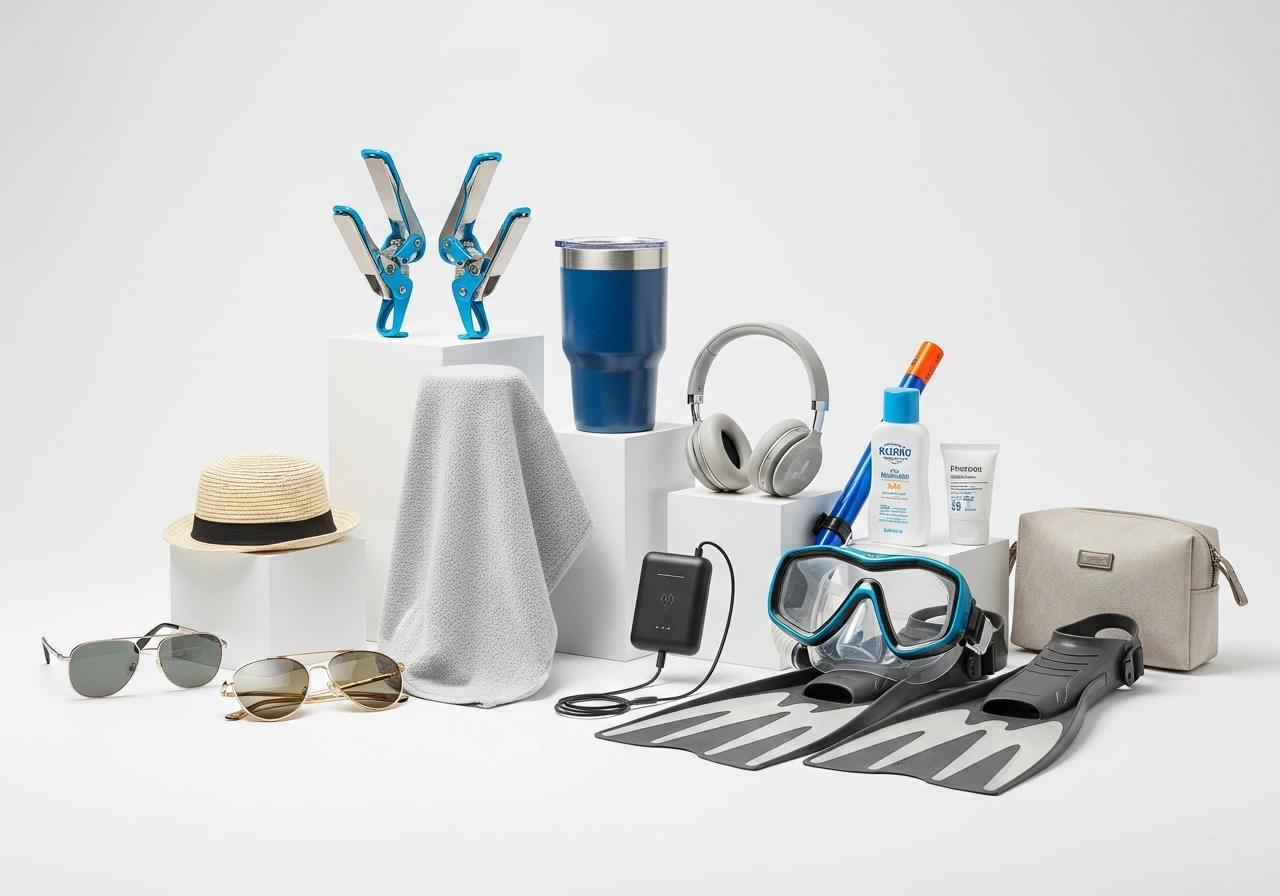
These final six items elevate your all-inclusive vacation from comfortable to exceptional. None qualify as necessities, yet each addresses specific annoyances or enhances particular activities. If luggage space permits, these vacation must-have items justify their weight through repeated usefulness throughout your trip.
15. Boca/Chair Clips
Beach chair clips solve frustrating problems you didn’t know existed until tropical winds send towels flying across the beach. These ingenious clips secure towels to loungers, preventing constant readjustment battles with breezy conditions. The same clips hold drinks safely to chair arms, eliminating spills when you shift positions or reach for sunscreen. Plastic versions cost mere dollars yet deliver outsized convenience.
Multi-packs allow sharing extras with neighboring loungers whose towels keep invading your space. Bright colors make them easy to spot against similarly-colored lounge furniture. Some designs incorporate bottle openers or small compartments for storing room keys—useful features that consolidate multiple functions into single items. Beach convenience items like chair clips exemplify thoughtful packing—small additions that remove minor irritations throughout each day. Consider purchasing them before departure rather than hoping resort gift shops stock them. The investment barely registers financially but pays dividends in preserved vacation tranquility. These simple accessories demonstrate how experienced travelers think strategically about comfort optimization.
16. Beach Towel
Resort beach towels circulate freely at most all-inclusive properties, yet availability varies during peak occupancy periods. Arriving at the pool at 10 AM might find towel stations depleted until housekeeping restocks midday. Personal towels guarantee availability regardless of timing. Microfiber travel towels dry remarkably quickly—fully dry within hours even in humid climates. They pack ultra-compact, occupying minimal suitcase space while expanding to full-sized proportions when needed.
Brightly patterned towels stand out among dozens of identical resort towels, making your lounger easily identifiable from distance. Personalization prevents accidentally grabbing someone else’s belongings when heading to lunch. Sand-resistant towels repel particles rather than embedding them in fabric fibers—shaking them vigorously removes sand rather than requiring aggressive washing. Resort laundry services sometimes take days processing personal items, meaning one or two towels must suffice for your entire trip. Quick-dry varieties solve this limitation, allowing morning beach use followed by pool swimming the same afternoon without soggy towel unpleasantness. Consider the weight trade-off—full-sized cotton towels add significant luggage weight while microfiber alternatives pack lightly. This beach holiday packing list decision depends on personal preferences and suitcase space availability.
17. Tumbler
Insulated tumblers maintain frozen drinks’ icy consistency throughout long poolside afternoons. Resorts serve beverages in disposable cups that sweat condensation and allow ice to melt within twenty minutes under tropical sun. Personal tumblers with lids prevent dilution while stopping sand and insects from contaminating your piña colada. Bartenders willingly fill personal cups at most properties—some resorts encourage this practice to reduce plastic waste aligned with sustainability goals.
Sizes matter—choose 20-30 ounce capacities for extended lounging sessions between refill trips. Vacuum insulation technology keeps cold drinks chilled for 6-8 hours, dramatically outlasting disposable cups’ performance. Splash-proof lids allow reclining without worrying about spills across your beach reading materials or phone. Personalize tumblers with stickers or distinctive markings preventing mix-ups when multiple people set similar-looking containers on crowded pool bars. Some travelers coordinate tumbler colors with their travel group to avoid confusion. The environmental benefits feel good while delivering practical advantages—less waste generated while enjoying superior drink quality. Budget roughly $25-40 for quality tumblers that survive repeated use across numerous vacations. Cheap versions lose insulation effectiveness quickly while quality brands maintain performance for years.
18. Headphones
Noise-canceling headphones transform lengthy flights into peaceful retreats from crying babies and chatty neighbors. Once at the resort, they enable private entertainment during midday heat when retreating to air-conditioned rooms feels necessary. Streaming shows or movies requires downloading content beforehand—resort WiFi rarely supports smooth video streaming despite claims of “complimentary internet access.” Bandwidth limitations become obvious when hundreds of guests simultaneously attempt uploads, video calls, and streaming.
Wireless options eliminate tangled cord frustrations while allowing movement around the room without remaining tethered to devices. Battery life matters—choose models offering 20+ hours of playback for week-long trips without requiring nightly charging. Waterproof or water-resistant versions withstand unexpected splashes near pools, though fully submerging any electronics proves inadvisable. Some travelers prefer earbuds over over-ear headphones for compact packing and reduced heat around ears in tropical weather. Ambient sound modes allow hearing announcements or conversations without removing headphones entirely—useful when poolside servers offer drink refills or activities coordinators announce upcoming entertainment. Download varied content satisfying different moods—upbeat music for beach walks, podcasts for lunch downtime, white noise for afternoon naps when neighboring rooms grow loud. These travel electronics bridge moments between active vacation experiences with personal entertainment perfectly matched to your preferences.
19. Portable Charger
Portable phone chargers rescue dying batteries after hours spent photographing stunning sunsets, researching restaurant options, and sharing vacation updates with jealous friends back home. Beach days drain batteries surprisingly quickly—bright screens require maximum brightness for outdoor visibility, constant photo apps consume power, and searching for intermittent WiFi signals taxes processors. Resorts often lack convenient poolside electrical outlets, forcing choices between staying connected or remaining comfortably lounging.
High-capacity power banks charge phones multiple times before requiring recharging themselves. Choose 10,000+ mAh capacities for week-long trips supporting two phones and a tablet. Solar-powered versions recharge using abundant tropical sunshine, though they charge more slowly than traditional USB charging from room outlets. Check airline regulations before packing—lithium batteries face capacity restrictions, generally limiting portable chargers to 100Wh or roughly 27,000 mAh. Anything larger requires airline approval and cannot travel in checked luggage due to fire risks. Multi-port chargers simultaneously power your phone, your partner’s device, and perhaps an e-reader without sequential waiting. Fast-charging capabilities reduce waiting time when you need quick power boosts before evening activities. Store chargers in waterproof pouches preventing moisture damage from humid environments or accidental splashes. This travel gadgets category exemplifies modern vacation necessities—previous generations never worried about maintaining device batteries, yet contemporary travelers depend heavily on smartphones for everything from boarding passes to dinner reservations.
20. Snorkel Gear
Personal snorkeling gear ensures proper fit and hygiene standards that rental equipment often fails to meet. Resort mask inventories circulate among countless guests daily—sanitization practices vary considerably between properties. Masks that don’t fit properly leak constantly, ruining underwater observations of colorful tropical fish and coral formations. Snorkels with uncomfortable mouthpieces cause jaw fatigue during extended use. Owning personalized equipment transforms snorkeling from tolerable to genuinely enjoyable.
Modern snorkel sets pack compactly using collapsible designs or mesh bags that flatten in luggage. Anti-fog treatments enhance underwater visibility dramatically—apply specialized solutions or simple dish soap to mask interiors before each use. Prescription masks accommodate vision correction needs for guests who require glasses or contacts. Fins improve swimming efficiency when exploring distant reef areas, though they add bulk to luggage. Many snorkelers prioritize masks and snorkels while renting fins at destinations to balance performance with packing convenience. Beach destinations famous for snorkeling—like Cozumel, Grand Cayman, or the U.S. Virgin Islands—justify investing in quality gear if underwater exploration ranks among vacation priorities. Cheap sets fog easily and leak around seals; investing $50-100 in reputable brands pays dividends across numerous trips. Test equipment in pools before departure ensuring everything fits properly and functions correctly. This vacation must-have items category appeals specifically to adventure-oriented travelers who prioritize water activities over pure beach lounging.
Enjoy the Relaxation!

Congratulations on mastering the comprehensive all-inclusive vacation packing list that transforms anxiety into confidence. You now possess detailed knowledge separating essential items from unnecessary burdens weighing down your suitcase. Stress-free vacation packing emerges from understanding precisely which items all-inclusive resorts provide versus gaps in their amenities requiring personal preparation. This what to pack for all-inclusive resort guide draws from experienced travelers’ collective wisdom—lessons learned through forgotten sunscreen, inappropriate dinner attire, and missed opportunities for enhanced comfort. Remember that packing smart enhances relaxation rather than burdening it with excessive planning stress. Resorts handle most daily needs capably; this checklist simply fills strategic gaps elevating good vacations into exceptional ones worth remembering for years afterward.
Create digital packing checklists weeks before departure, allowing time for purchasing missing items rather than frantic last-minute airport gift shop purchases. Share this tropical vacation packing guide with travel companions ensuring everyone arrives adequately prepared. Discuss who brings shared items like aloe vera or beach chairs clips to avoid duplicate packing. Focus mental energy on upcoming adventures rather than worrying whether you’ve forgotten crucial items. Vacation relaxation begins when you confidently close your suitcase knowing everything necessary occupies its designated space. Bookmark this travel packing guide for future reference—these principles apply equally to Caribbean getaways, Mexican beach resorts, or tropical destinations worldwide. Your perfectly packed bag awaits just one thing: you boarding that plane toward paradise. The beach destination of your dreams calls—answer confidently knowing your vacation suitcase checklist covers every contingency, leaving nothing but relaxation, adventure, and unforgettable memories ahead.