Big Bay State Park, Wisconsin: The Ultimate Guide to the Most Scenic Park on Madeline Island
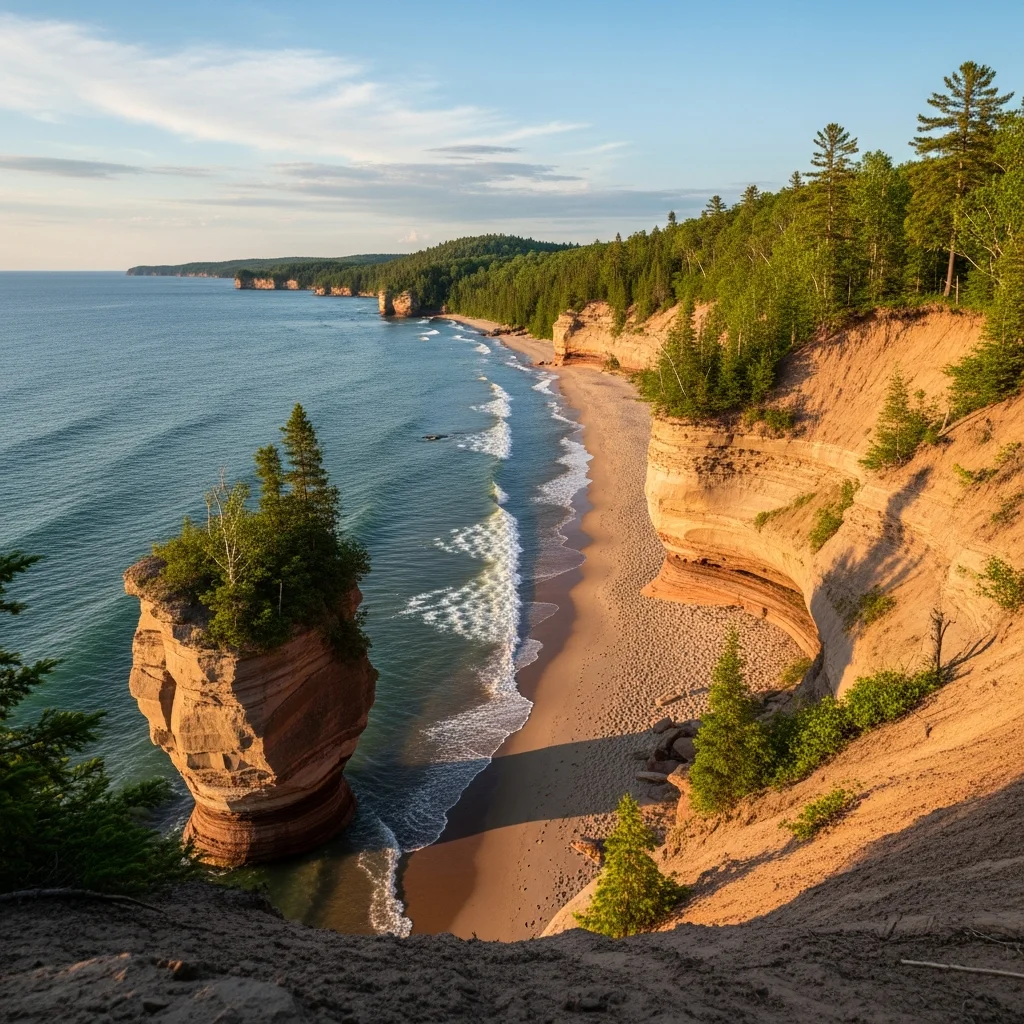
Tucked away on Madeline Island, Big Bay State Park offers one of the most peaceful outdoor escapes in northern Wisconsin. This protected landscape blends towering sandstone cliffs, quiet forest trails, and a wide sandy shoreline shaped by Lake Superior’s powerful presence. Unlike many crowded destinations, this park feels unhurried and refreshingly wild. You can hike through wetlands, relax beside clear water, or camp beneath star-filled skies without constant noise. The island setting naturally limits traffic, preserving a calm atmosphere that’s hard to find elsewhere. For travelers seeking Wisconsin State Parks with real character, Madeline Island, Lake Superior, and scenic hiking trails come together here in a way that feels both grounding and unforgettable.
Why Big Bay State Park Is One of Wisconsin’s Most Beautiful Parks
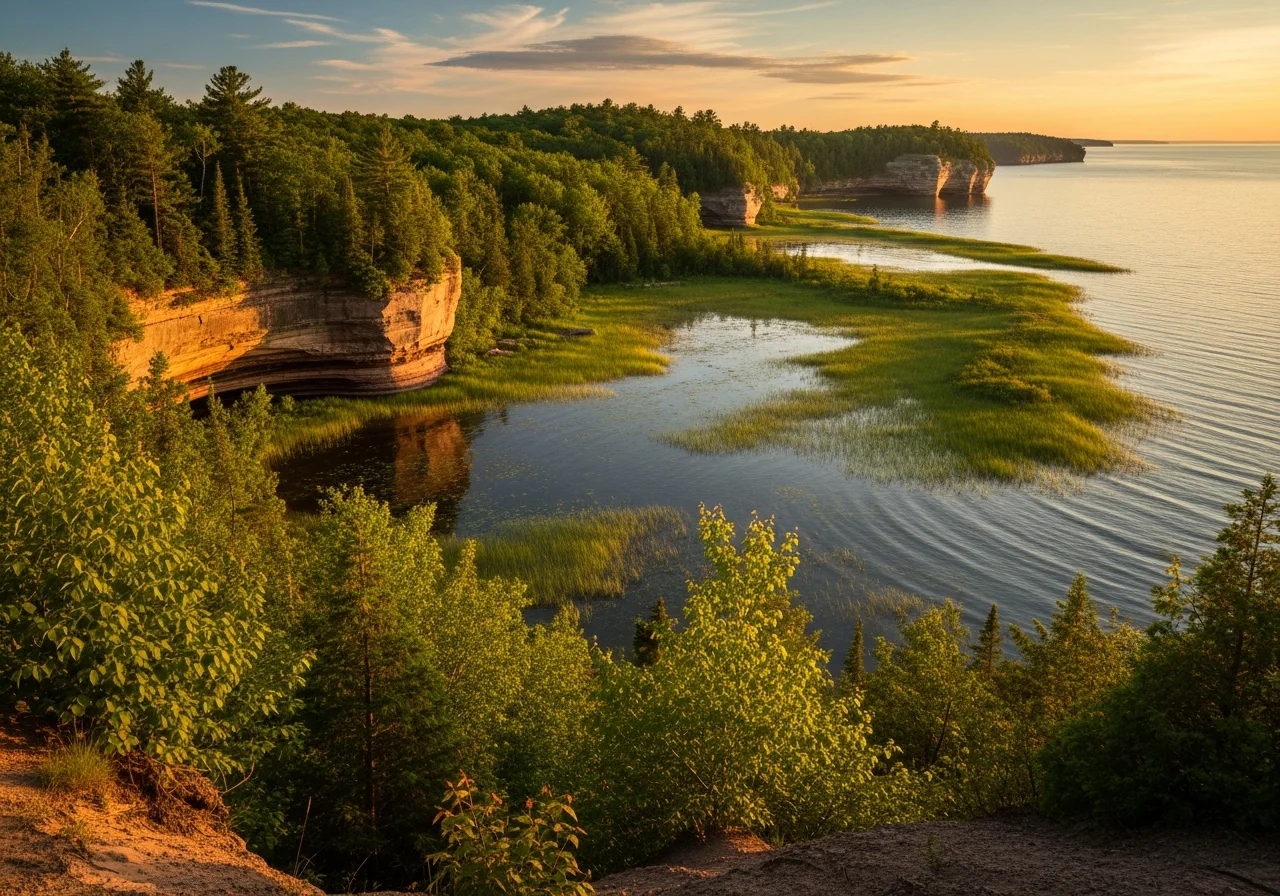
What sets Big Bay State Park Wisconsin apart starts with rarity. This is an island-based park, which already places it in a different league than most Wisconsin State Parks. You experience cliffs, sandy beaches, wetlands, and forest in one continuous landscape. That balance of wild terrain and thoughtful access makes exploration feel effortless rather than exhausting.
Even more compelling is how Lake Superior defines the park’s character. Cold water cools summer air and shapes a calmer climate. Sandstone cliffs rise from constant wave pressure. Barrier beaches protect quiet lagoons. These natural systems create variety, which keeps every walk visually fresh and emotionally grounding.
This park attracts a wide range of visitors without losing its soul. Hikers enjoy scenic trails with modest elevation. Campers value spacious sites and quiet nights. Families appreciate boardwalks and safe beach access. Photographers chase shifting light and textured stone. Big Bay State Park Wisconsin works because it adapts to you, not the other way around.
Across ages and activity levels, the appeal stays strong. Children find room to roam. Adults slow down without boredom. Older visitors enjoy accessibility without sacrificing scenery. Located on Madeline Island, the park feels removed yet welcoming, proving that natural beauty and comfort don’t have to compete.
Where Is Big Bay State Park Located?
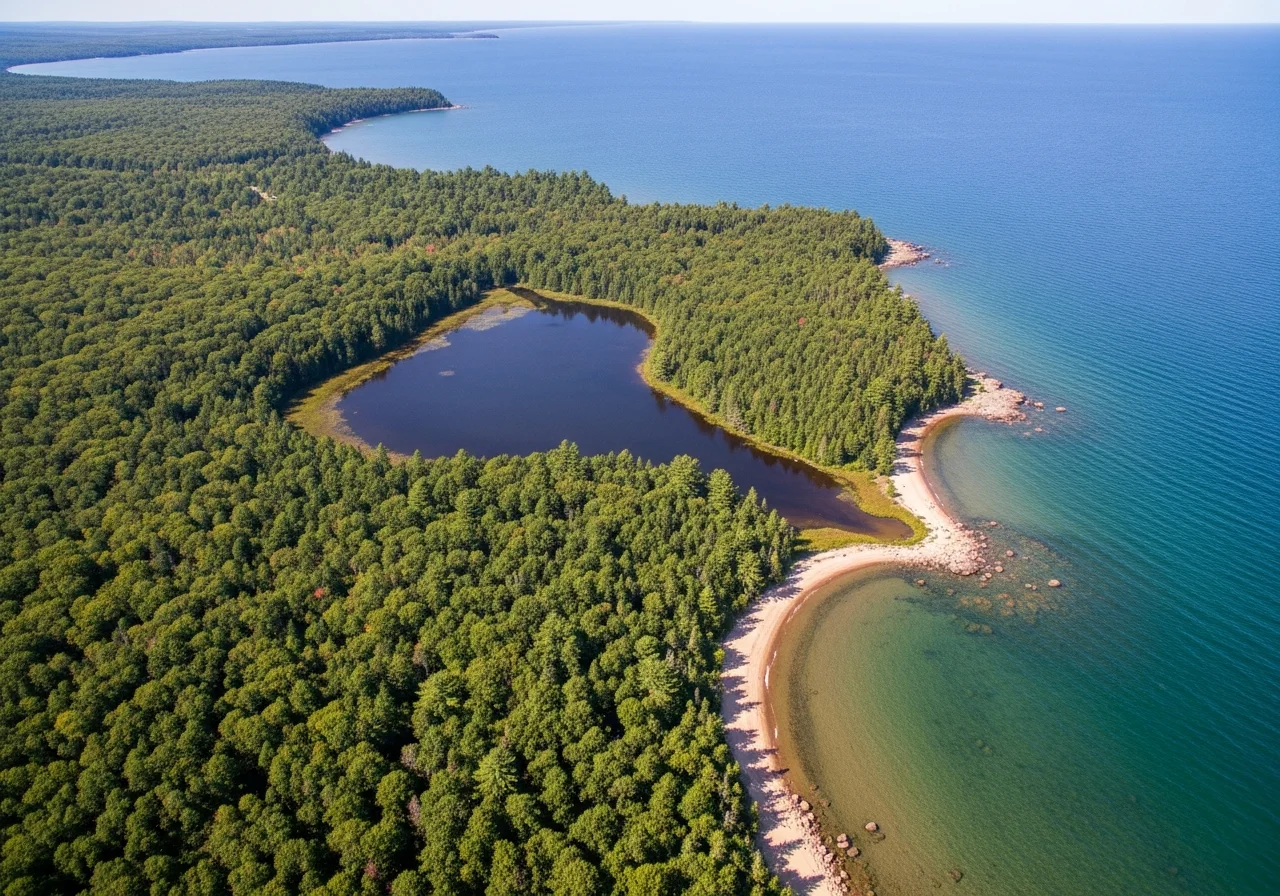
Set on the eastern edge of Madeline Island, Big Bay State Park Wisconsin stretches along a dramatic Lake Superior shoreline where forest meets water. The park wraps around a sheltered lagoon, creating a rare mix of open beaches, wetlands, and wooded trails that feel both expansive and intimate.
The park connects naturally to Bayfield and La Pointe, the island’s main village. A short ferry ride links Bayfield to La Pointe, while the park sits several miles east. Within the Apostle Islands region, this location offers easier access yet stronger preservation than most mainland parks.
How to Get to Big Bay State Park
Reaching Big Bay State Park Wisconsin requires intention, which helps protect its calm atmosphere. Travel combines water and land, turning the journey into part of the adventure. That layered access naturally limits crowds and preserves a slower rhythm you’ll notice immediately upon arrival.
Once on the island, navigation stays simple. Roads remain paved and clearly signed. Distances feel manageable. The setting feels remote without being confusing, which makes planning a visit to Big Bay State Park Wisconsin both approachable and rewarding.
Getting to Madeline Island
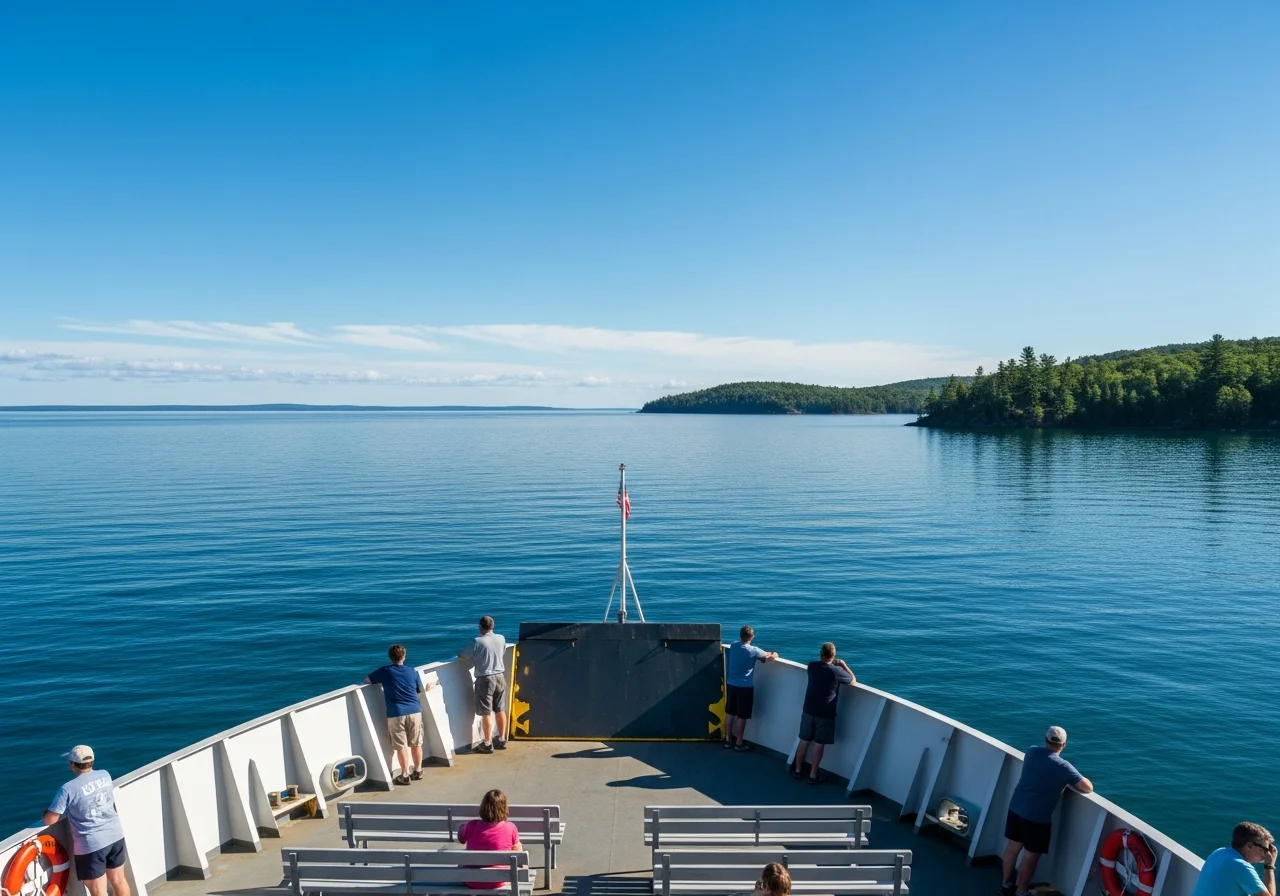
Access begins aboard the Madeline Island Ferry Line departing from Bayfield. The crossing lasts about twenty to thirty minutes. Expect open-air decks, cool breezes, and wide lake views. Summer schedules run frequently, while winter access depends on ice conditions.
Madeline Island Ferry Line Rates
Ferry rates depend on how you travel. Walk-on passengers pay less, while vehicles cost more but offer flexibility. Bikes load easily. Pets usually ride free. Seasonal pricing changes slightly, so checking current rates helps budget accurately for a Big Bay State Park Wisconsin trip.
Driving, Biking, or Hiking to the Park
From La Pointe, the park sits roughly six miles away. Driving remains the easiest option. Biking works well in good weather thanks to low traffic roads. Walking is possible but time intensive. Most visitors choose a car to balance comfort and exploration.
Big Bay State Park Address & Directions
The official address is 2402 Hagen Road, La Pointe, WI 54850. Navigation apps function reliably, though cell service may weaken near the shore. Downloading maps ahead ensures smooth travel once you begin exploring Big Bay State Park Wisconsin.
Big Bay State Park Entrance Fees & Hours
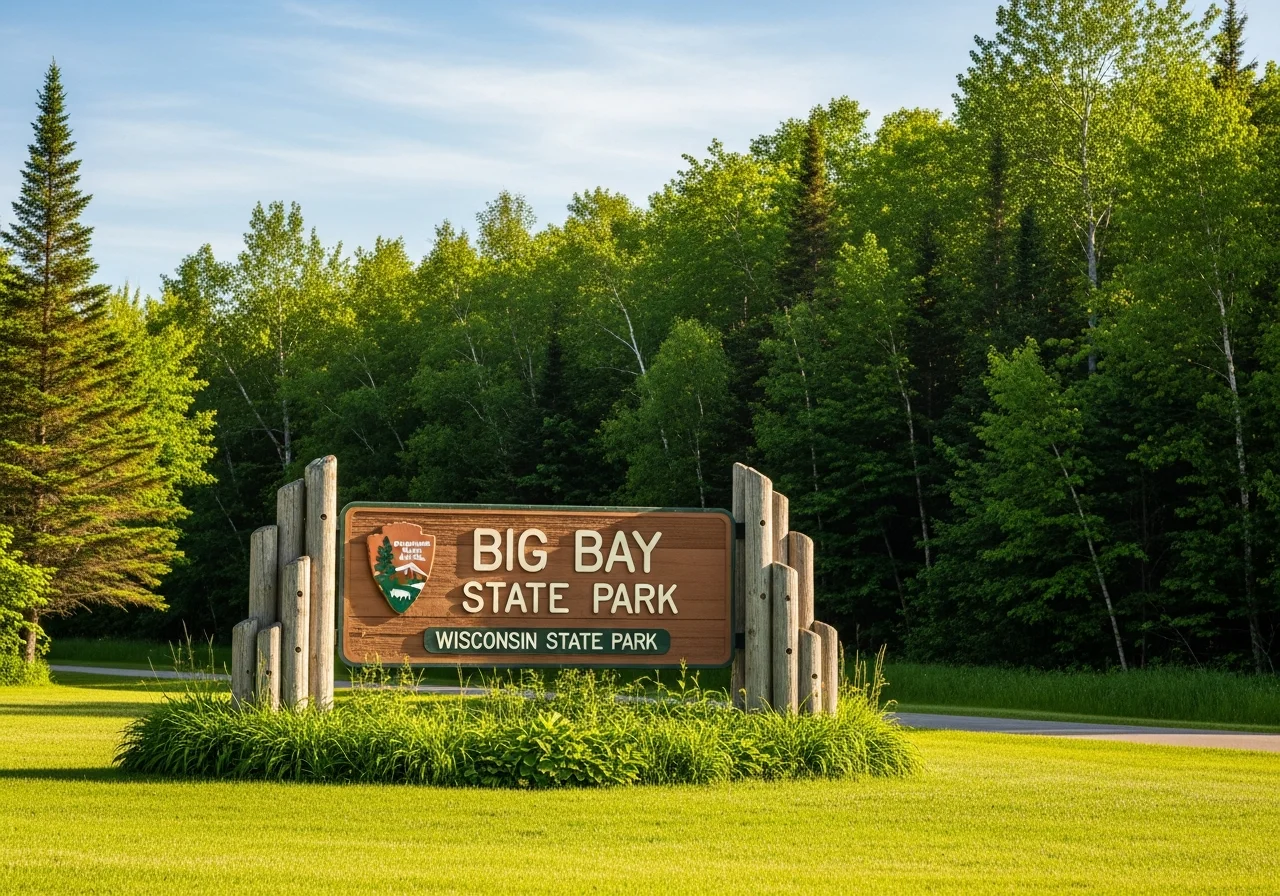
Entering Big Bay State Park Wisconsin requires a valid Wisconsin State Park vehicle pass. You can choose between a daily pass or an annual option. Non-resident fees cost slightly more, though the price supports trail care, habitat protection, and public access across this preserved island landscape.
The park remains open year-round from early morning until late evening. Seasonal access changes with weather. Summer offers full services and activities. Winter stays quieter, with limited facilities but continued entry. This flexibility allows Big Bay State Park Wisconsin to remain accessible in every season.
Visitor Information – Know Before You Go
Covering roughly 2,350 protected acres, Big Bay State Park Wisconsin safeguards shoreline, forest, wetlands, and lagoon ecosystems. Visitors find restrooms, picnic tables, drinking water, and parking near key areas. Facilities stay intentionally simple, which preserves the park’s peaceful, natural atmosphere.
Rules help protect fragile environments. Pets stay prohibited on beaches. Fires follow strict regulations. Boats require carry-in access only. Accessibility remains thoughtful, with boardwalk trails and a beach wheelchair available, allowing more visitors to experience Big Bay State Park Wisconsin comfortably.
Can You Camp in Big Bay State Park?
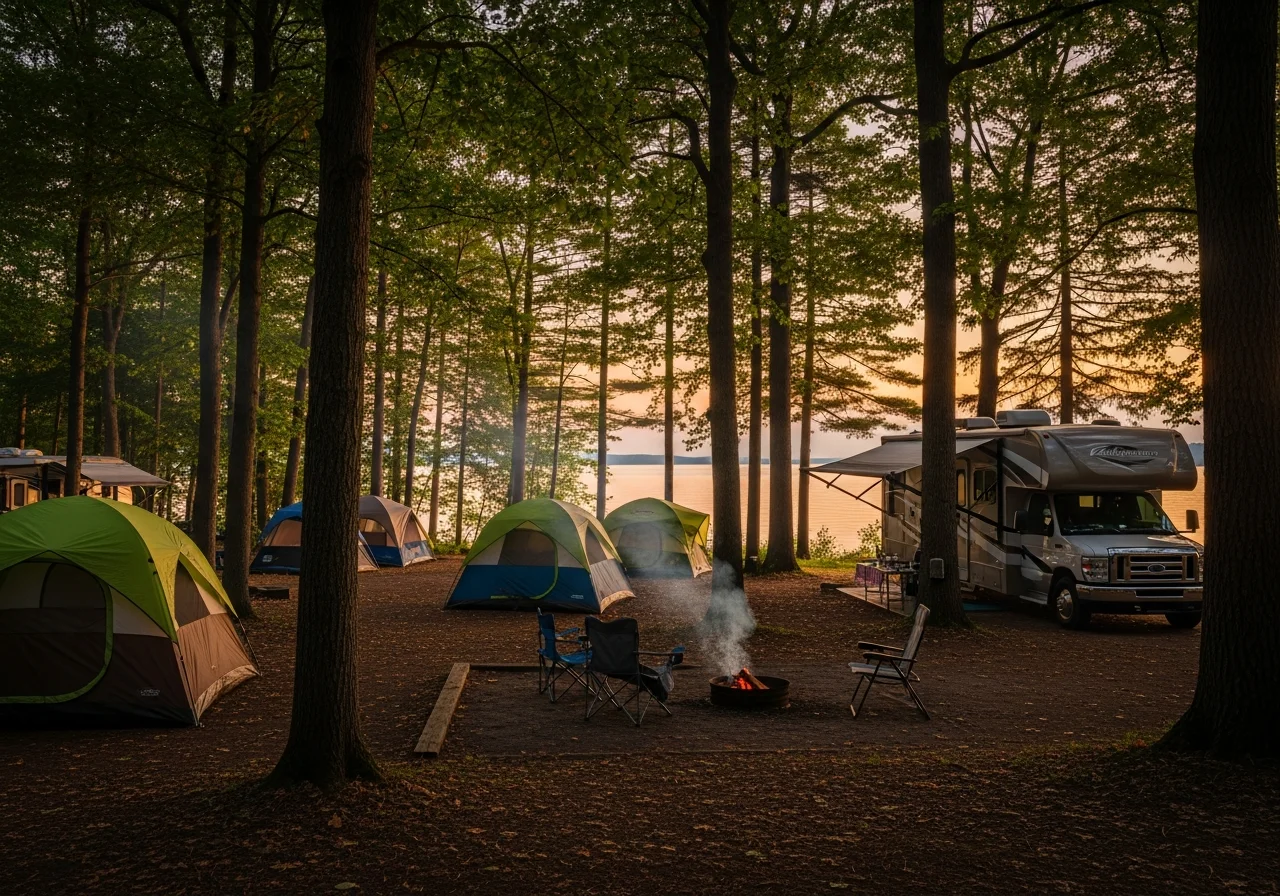
Camping stands out as a defining experience at Big Bay State Park Wisconsin. The campground includes around sixty sites, offering electric hookups, standard tent spaces, walk-in sites, and a group camp. Vegetation buffers provide privacy, while nearby trails and beaches keep nature close.
Winter camping remains available on a limited basis. Plowed sites with electricity support cold-season stays. Reservations help secure preferred locations. Nights feel quiet and restorative, shaped by waves, wind, and stars that define the camping rhythm at Big Bay State Park Wisconsin.
Camping vs Staying in La Pointe
Camping suits visitors seeking immersion, quiet evenings, and direct trail access. Staying in La Pointe favors restaurants, shops, and shorter walks. Families often choose village lodging, while nature-focused travelers prefer camping within Big Bay State Park Wisconsin for deeper connection and solitude.
Things to Do in Big Bay State Park
Outdoor activities define the experience at Big Bay State Park Wisconsin. The park encourages movement without pressure. You choose your pace. Trails, beaches, and water routes remain close together, allowing you to mix activities easily without constant driving or complicated planning.
Each activity feels shaped by nature rather than infrastructure. That simplicity sets Big Bay State Park Wisconsin apart from busier destinations. Whether you hike, swim, or paddle, the surroundings guide the experience and keep it grounded in the landscape.
Hiking at Big Bay State Park
Hiking remains the most popular way to explore Big Bay State Park Wisconsin. Trails cover roughly seven miles and range from flat boardwalks to packed forest paths. Elevation stays modest, making routes accessible to most visitors while still delivering impressive lake views.
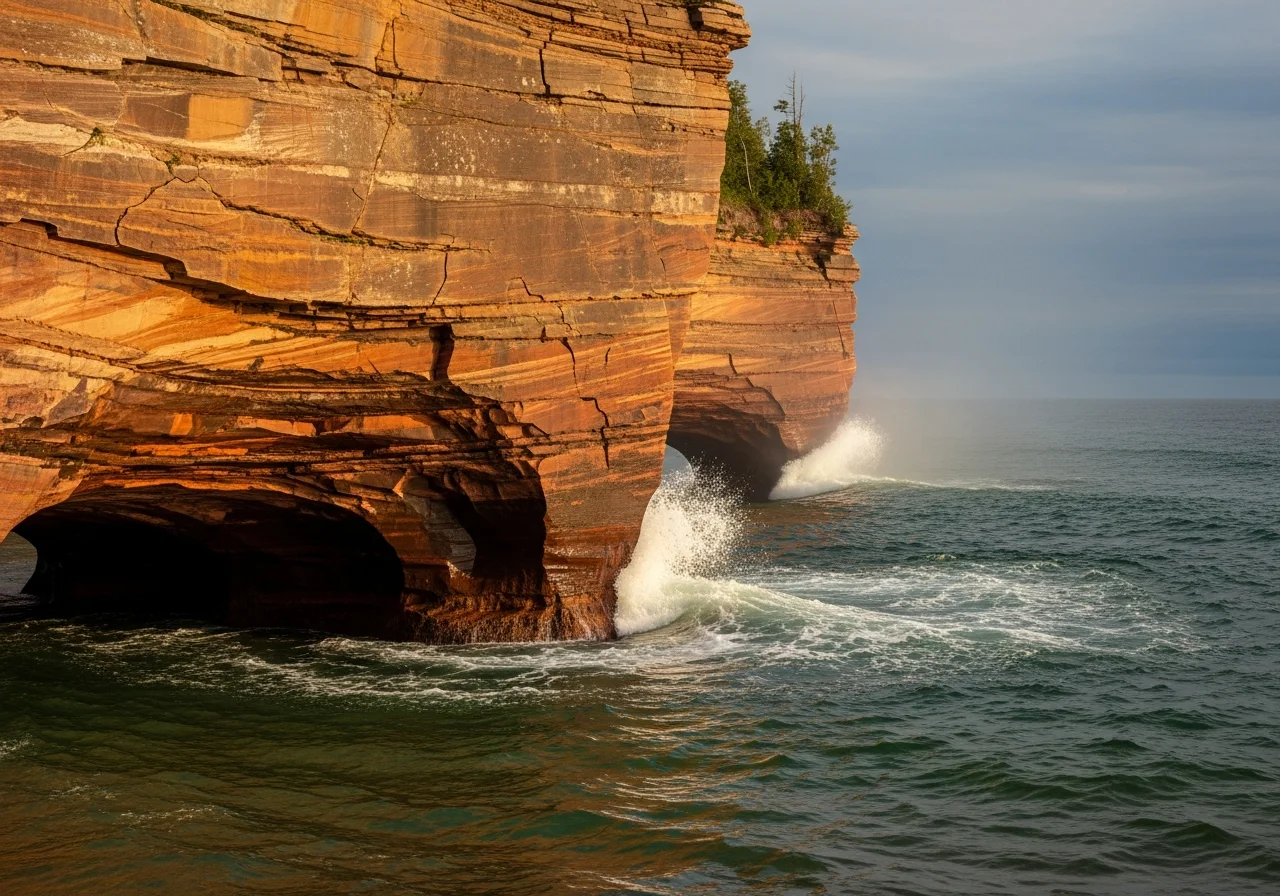
Scenic highlights appear often. Expect sandstone cliffs, quiet wetlands, and forest corridors opening suddenly to Lake Superior. Trails feel well-marked and intuitive, allowing you to focus on scenery rather than navigation while hiking through Big Bay State Park Wisconsin.
Big Bay State Park Hiking Trails Breakdown
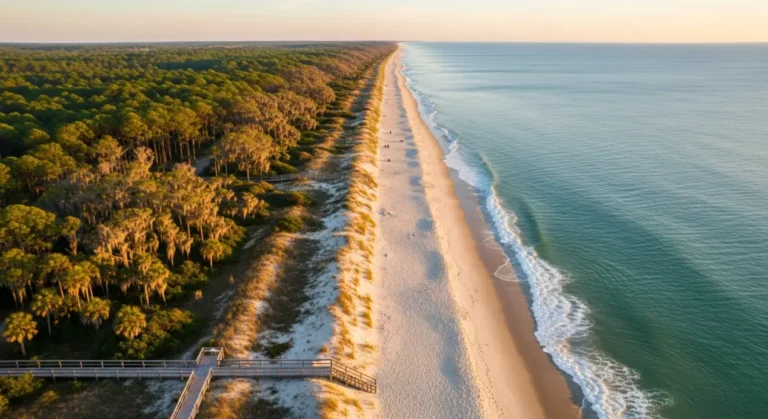
Each trail offers a distinct mood. Bay View Trail delivers dramatic cliffside scenery. Boardwalk Trail stays flat and accessible along wetlands. Lagoon Ridges Trail winds through interior forest. Point Trail reaches exposed shoreline. The Barrier Beach Boardwalk connects landscapes seamlessly, expanding exploration within Big Bay State Park Wisconsin.
Swimming at Big Bay State Park
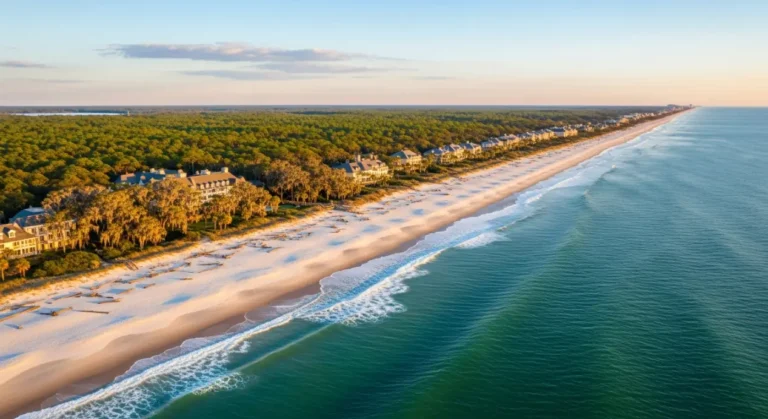
The park’s 1.5-mile sandy beach anchors summer visits to Big Bay State Park Wisconsin. The shoreline feels wide and uncrowded, even during peak season. Sand slopes gently into the water, creating comfortable areas for wading and relaxing.
Swimming requires respect for Lake Superior. Water temperatures remain cold year-round. Best access points sit near parking and boardwalks. Calm days offer the safest conditions. Enter slowly and limit time in the water for a safe, refreshing swim.
Kayaking and Canoeing
Paddling adds another perspective to Big Bay State Park Wisconsin. Carry-in access allows kayaks and canoes to launch from beach areas. The lagoon suits beginners with calmer water. Open lake paddling reveals cliffs and distant sea caves during stable weather.
Sea cave views appear from both shore and water, though conditions must cooperate. Seasonal rentals simplify logistics for visitors without equipment. Always check wind forecasts, as Lake Superior can shift conditions quickly and without warning.
Winter Activities at Big Bay State Park
Winter reshapes Big Bay State Park Wisconsin into a quieter, more contemplative place. Snow softens trails and mutes sound. Crowds disappear. The landscape feels intimate and still, offering a slower pace that rewards patience and preparation during the colder months.
Access depends on conditions, yet winter visitors gain rare solitude. Ice, snow, and wind demand respect, though they also reveal a different beauty. For those prepared, Big Bay State Park Wisconsin becomes a peaceful retreat defined by silence and open space.
Cross-Country Skiing
Many hiking trails convert naturally into ski routes during winter. Terrain stays gentle and approachable, even for casual skiers. Conditions vary with snowfall and wind exposure near the shoreline, so checking updates remains essential before heading out.
Snowshoeing
Snowshoeing suits beginners and experienced explorers alike. Forested areas provide shelter from wind, while open sections reveal frozen shoreline views. The quiet winter scenery amplifies every step, making snowshoeing one of the most calming ways to experience Big Bay State Park Wisconsin.
Big Bay Town Park vs Big Bay State Park
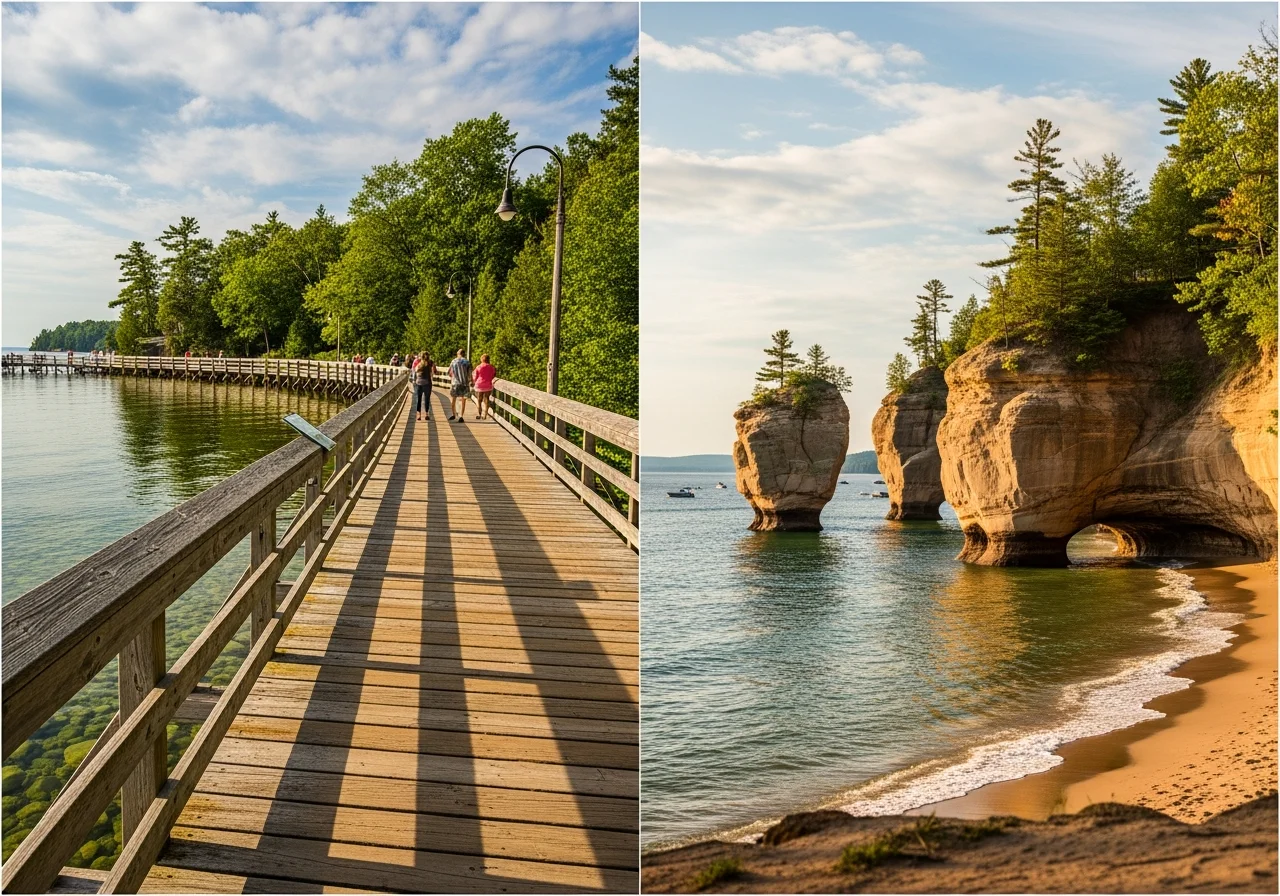
Although close in distance, these parks feel distinct. Big Bay Town Park offers free access, smaller beaches, and a simpler campground. Big Bay State Park Wisconsin provides larger beaches, longer trails, and more protected ecosystems.
A scenic boardwalk connects the two, allowing seamless exploration without driving. Visiting both adds variety, yet the state park delivers the deeper, more immersive experience most visitors seek on Madeline Island.
Exploring Beyond the Park
Expanding beyond Big Bay State Park Wisconsin reveals cultural and natural layers that enrich the trip. Short excursions connect outdoor beauty with local history, food, and art, creating a fuller understanding of the island.
These nearby destinations remain close enough for half-day adventures. Together, they form a balanced itinerary that blends exploration with relaxation.
Discover La Pointe
La Pointe serves as the island’s cultural heart. Museums share Indigenous and fur trade history. Cafes, galleries, and local dining provide warmth after outdoor hours. The village feels welcoming without losing its small-town rhythm.
Madeline Island Wilderness Preserve
This preserve offers a quieter alternative for hikers seeking solitude. Trails feel less traveled and more rugged. Forest density increases, and encounters with other visitors remain rare, complementing experiences found inside Big Bay State Park Wisconsin.
Apostle Islands National Lakeshore
Apostle Islands National Lakeshore expands the journey beyond one island. Boat tours reveal sea caves and remote shorelines. Big Bay fits naturally into this broader landscape, serving as an accessible base for exploring the wider Apostle Islands region.
Safety Tips for Visiting Big Bay State Park
Safety at Big Bay State Park Wisconsin begins with understanding Lake Superior. Cold water temperatures can shock the body even in summer. Weather changes quickly on the island. Calm mornings can turn windy by afternoon, so checking forecasts helps prevent uncomfortable surprises.
Trail conditions vary by season. Wet areas attract ticks during warmer months, making checks important after hikes. In winter, snow and ice demand traction and daylight awareness. Prepared visitors enjoy Big Bay State Park Wisconsin with confidence rather than concern.
Is Big Bay State Park Worth Visiting?
For travelers seeking calm, scenery, and space, Big Bay State Park Wisconsin delivers strongly. Pros include uncrowded beaches, varied landscapes, and a slower pace. Limited dining and services may feel restrictive to some, yet that simplicity protects the park’s character.
This park suits hikers, campers, photographers, and families who enjoy nature without heavy development. Compared to other Wisconsin State Parks, its island location creates fewer crowds and a deeper sense of escape, making it especially memorable for first-time visitors.
Sample Time-Based Itineraries
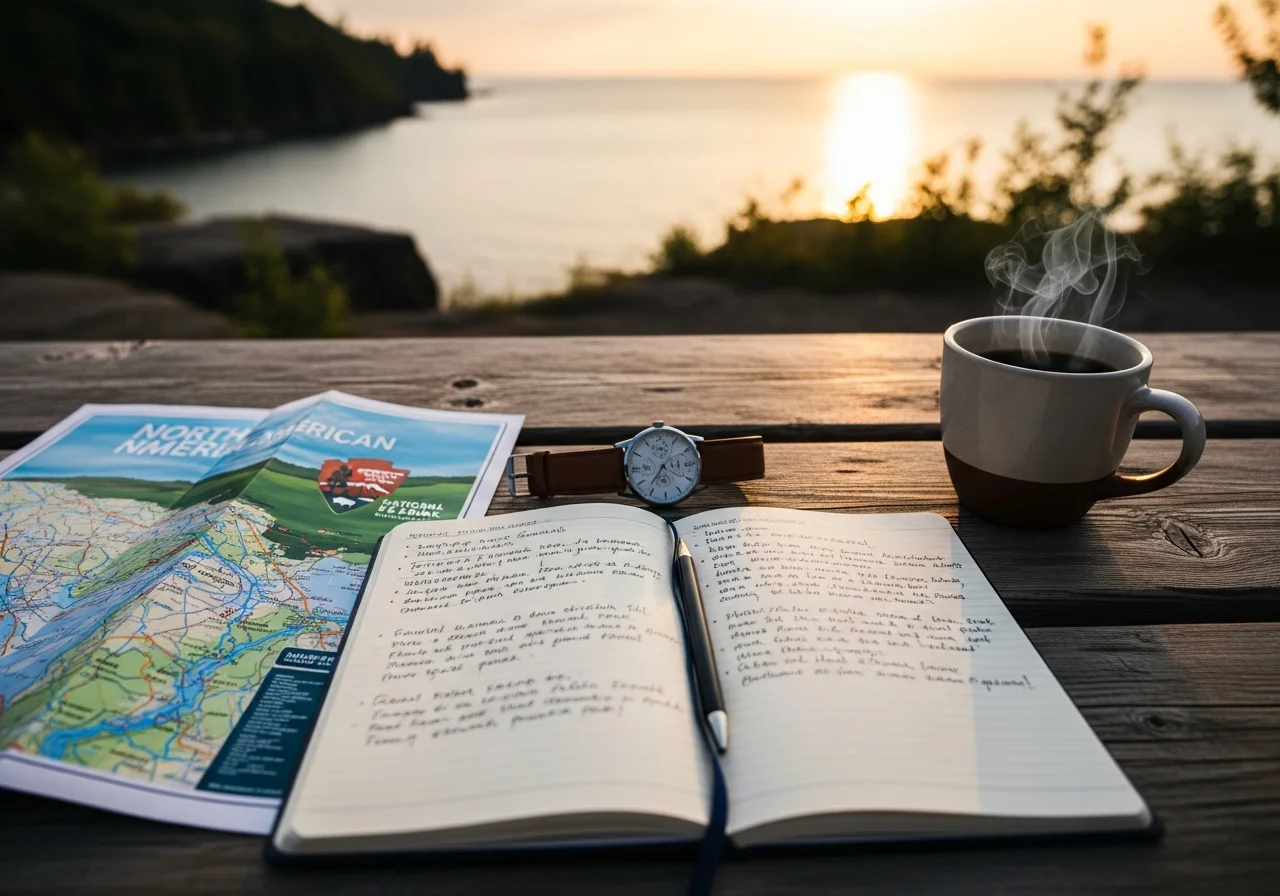
A short visit to Big Bay State Park Wisconsin focuses on the boardwalk and beach, offering scenic views within two hours. A half-day allows hiking one or two trails and enjoying a relaxed picnic near the shoreline.
A full-day visit blends trails, swimming, and sunset viewing. Adding lagoon walks or kayaking deepens the experience. Each timeframe delivers value, proving that Big Bay State Park Wisconsin adapts easily to your schedule.
Photography Spots You Shouldn’t Miss
Photographers gravitate to the sandstone cliffs where waves etch texture and color. Elevated viewpoints frame Lake Superior with dramatic scale. Early light softens edges. Midday brings contrast. These overlooks reward patience and steady footing while capturing the raw character of Big Bay State Park Wisconsin.
Elsewhere, the boardwalk offers clean lines through wetlands. The lagoon mirrors sky and trees on calm mornings. For evening shots, seek west-facing sunset locations along the beach. Golden light lingers longer here, painting water and stone with warmth.
Final Thoughts
What lingers most is balance. Big Bay State Park Wisconsin blends cliffs, beaches, wetlands, and forest into one cohesive experience. The setting feels wild yet approachable. Quiet prevails. Each visit reveals subtle details shaped by Lake Superior and protected within Wisconsin State Parks.
The park also completes the Madeline Island journey. Ferry travel slows your pace. Trails invite reflection. Water sets rhythm. Take time. Wander without agenda. Let the island reset expectations. This place rewards those who explore gently and leave space for wonder.