Explore Madison Like a Local: The Ultimate Travel Guide
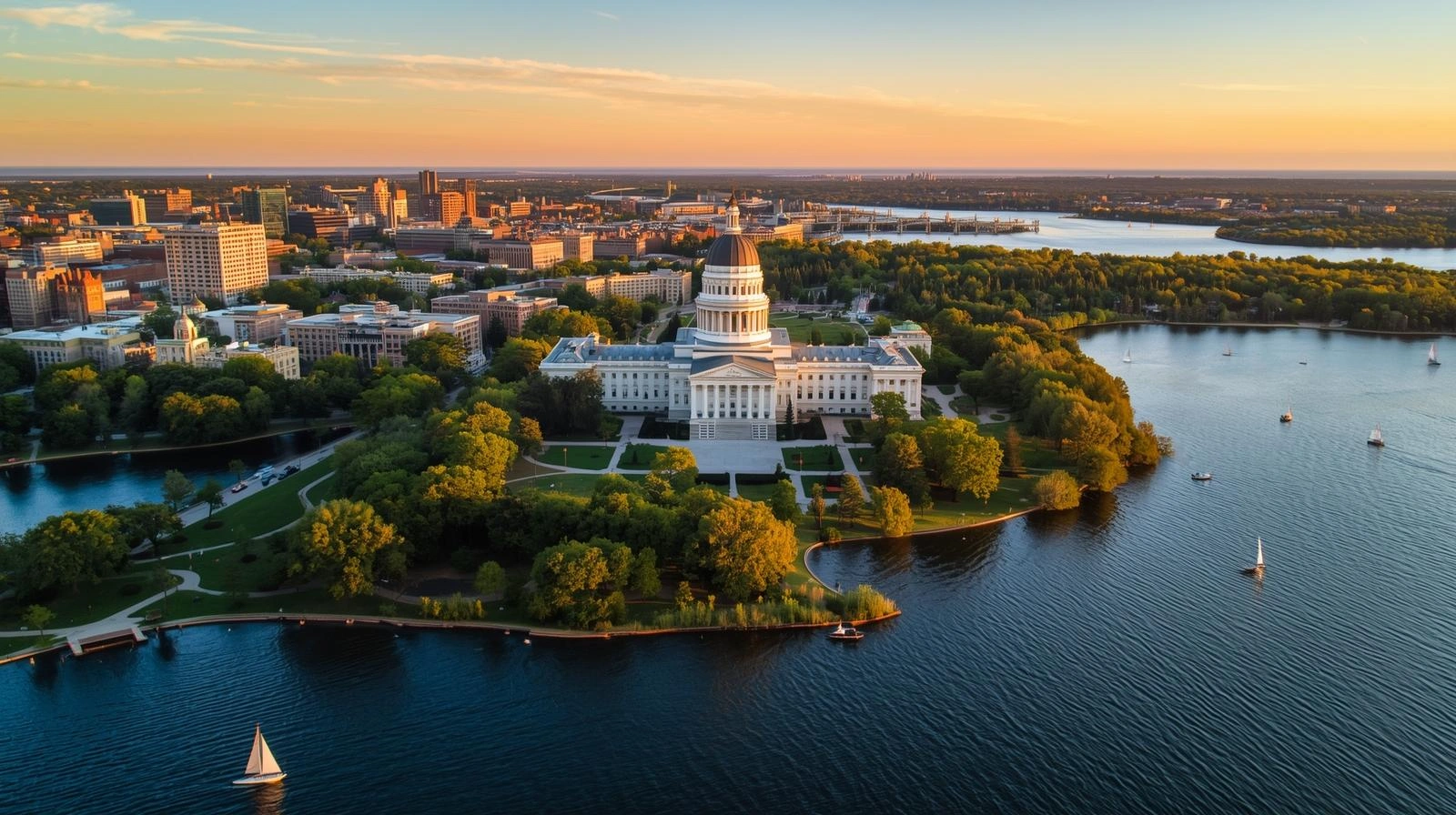
Nestled between two shimmering lakes in America’s heartland, Madison, Wisconsin beckons travelers seeking authentic Midwestern charm without tourist trap frustrations. This vibrant Midwest United States gem seamlessly blends governmental gravitas with youthful university energy, creating an atmosphere unlike any other destination you’ll encounter. Whether you’re planning a Madison weekend getaway or extended exploration, this comprehensive Madison city guide reveals insider secrets that transform ordinary visits into extraordinary adventures.
The state capital’s unique geography positions it on an isthmus connecting Lake Mendota and Lake Monona, creating waterfront recreation opportunities that rival coastal destinations. Progressive culture thrives here alongside centuries-old traditions, making every corner worth discovering. From farm-to-table dining excellence to world-class museums and outdoor pursuits, Madison Wisconsin travel guide resources often miss the genuine local perspective this article delivers. You’ll find everything needed for planning your perfect Madison road trip while avoiding common pitfalls that disappoint first-time visitors.
About Madison, WI:

Madison stands as Wisconsin’s beating heart where political power intersects with academic excellence and natural beauty. The Wisconsin State Capitol dome rises majestically above downtown streets, while the University of Wisconsin–Madison sprawls across campus neighborhoods fostering innovation and cultural diversity. Population hovers around 270,000 residents, swelling considerably when students return each fall semester. This creates dynamic seasonal shifts in energy and available activities throughout the calendar year. The city earned its reputation as one of America’s most livable communities through conscious urban planning that prioritizes green spaces, bike infrastructure, and community engagement over suburban sprawl.
Historical roots stretch back to Ho-Chunk Indigenous peoples who recognized this land’s strategic and spiritual significance long before European settlement. The modern city emerged in 1836 when territorial legislature designated it Wisconsin’s capital, honoring President James Madison despite his death four months earlier. State Street Madison became the commercial artery connecting government and education institutions, fostering the unique character that defines the city today. Progressive politics, environmental stewardship, and intellectual curiosity remain foundational values shaping policy decisions and community culture. Architectural treasures include Frank Lloyd Wright designs scattered throughout surrounding areas, while the Chazen Museum of Art houses collections rivaling major metropolitan institutions.
you may also like this:The Ultimate Guide to Kelleys Island Ohio: Top Things to Do, Eat & Explore
How to Get to Madison:
How to Get to Madison:
Reaching Madison proves remarkably straightforward from virtually anywhere in North America thanks to strategic Midwest United States positioning. Multiple transportation modes accommodate various budgets, schedules, and travel preferences whether you’re flying solo or coordinating family logistics. Understanding your options helps optimize both cost-effectiveness and convenience based on origin points and specific needs. Planning ahead reveals money-saving opportunities that seasoned travelers leverage consistently.
Plane:
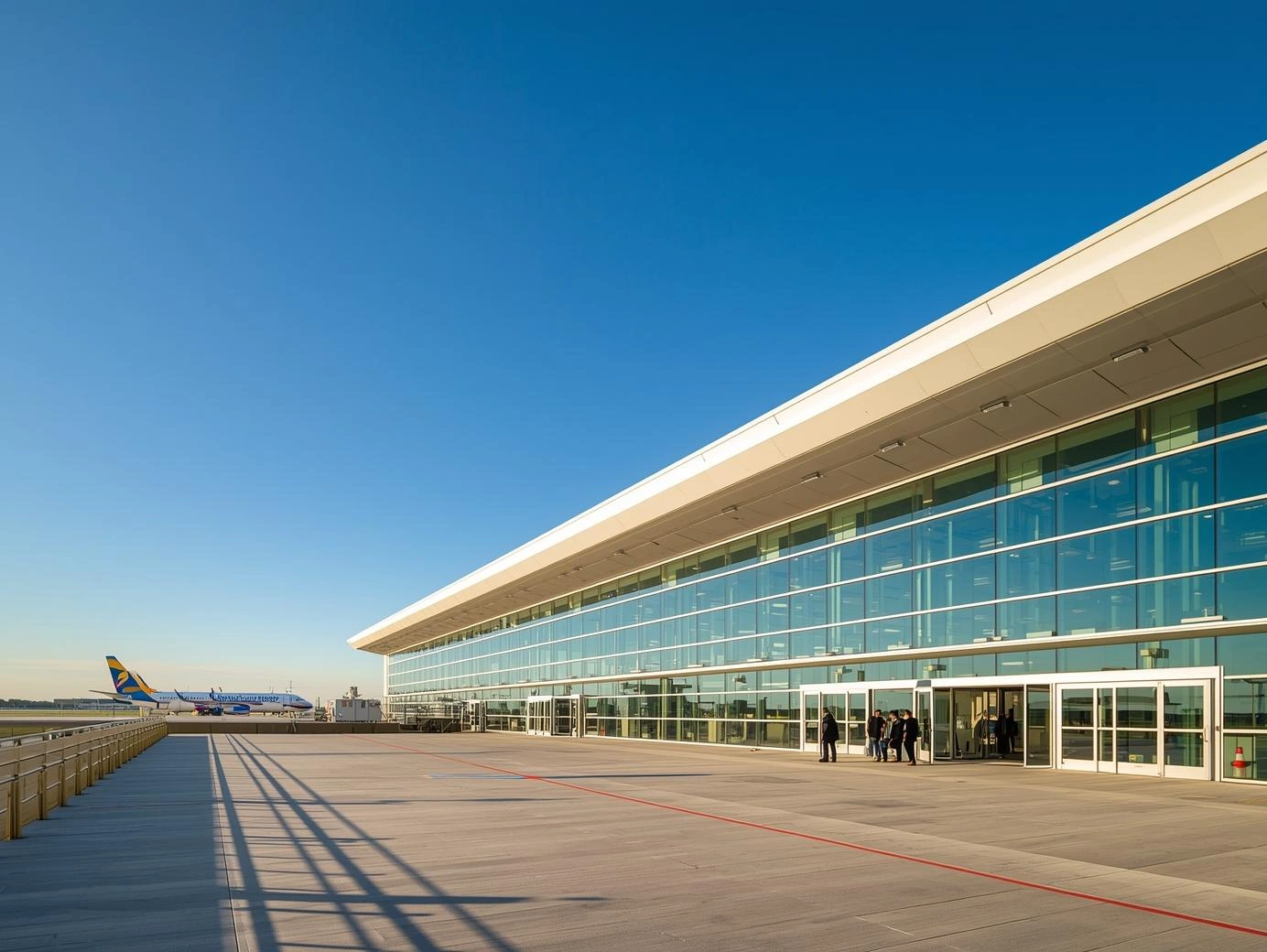
Dane County Regional Airport (MSN) serves as the primary aviation gateway positioned just minutes from downtown attractions. This compact facility offers refreshing simplicity compared to overwhelming hub airports while maintaining connections to major cities nationwide. Direct Madison airport flights regularly depart to Atlanta, Charlotte, Chicago, Dallas, Denver, Detroit, Minneapolis, and New York with seasonal routes expanding during peak travel periods. American, Delta, and United operate the majority of services with competitive pricing when booking advance purchases.
The intimate airport layout means you’ll navigate from curb to gate within fifteen minutes maximum, eliminating the stress larger facilities impose. Ground transportation options include rental cars from six major agencies, ride-sharing services readily available outside baggage claim, and Madison Metro Transit Route 20 providing economical downtown connections. Alternatively, Milwaukee’s General Mitchell International Airport sits ninety minutes east offering broader international connections if your routing requires it. Chicago’s O’Hare and Midway airports provide even more options roughly 2.5 hours south, though ground transportation costs often negate airfare savings unless you’re driving to Madison WI anyway.
Car:
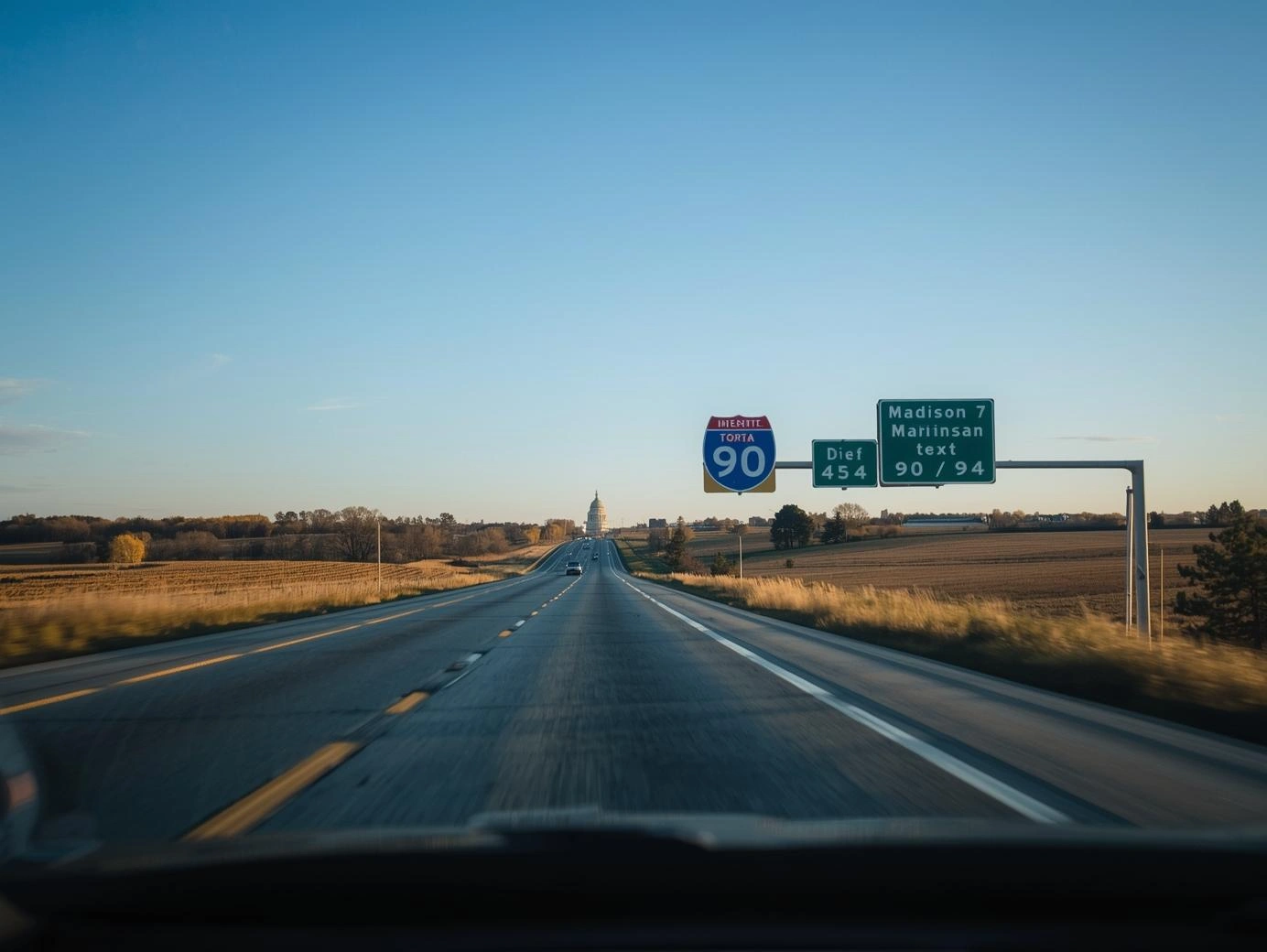
Driving to Madison WI delivers maximum flexibility for exploring surrounding attractions beyond city limits at your own pace. Interstate 90/94 provides the primary corridor connecting to Chicago, Milwaukee, and Minneapolis with well-maintained highways throughout Wisconsin’s road network. From Chicago’s northern suburbs, expect approximately 2.5 hours via I-90 through scenic farmland and small towns showcasing authentic rural Midwestern character. Milwaukee travelers reach Madison in roughly 75-90 minutes depending on traffic conditions around Waukesha County suburbs during rush hours.
Minneapolis visitors face a pleasant four-hour journey westward through Wisconsin’s dairy country with optional scenic detours through the Driftless Area’s rolling hills and river valleys. Parking downtown requires strategic planning since meter rates and ramp fees accumulate quickly, though many hotels include overnight parking in package rates. Neighborhood street parking remains free with proper attention to posted restrictions, making accommodations slightly removed from Capitol Square potentially more economical. Winter driving to Madison WI demands respect for snow-covered roads and occasional blizzard conditions that shut down highways temporarily between December and March.
Train & Bus:
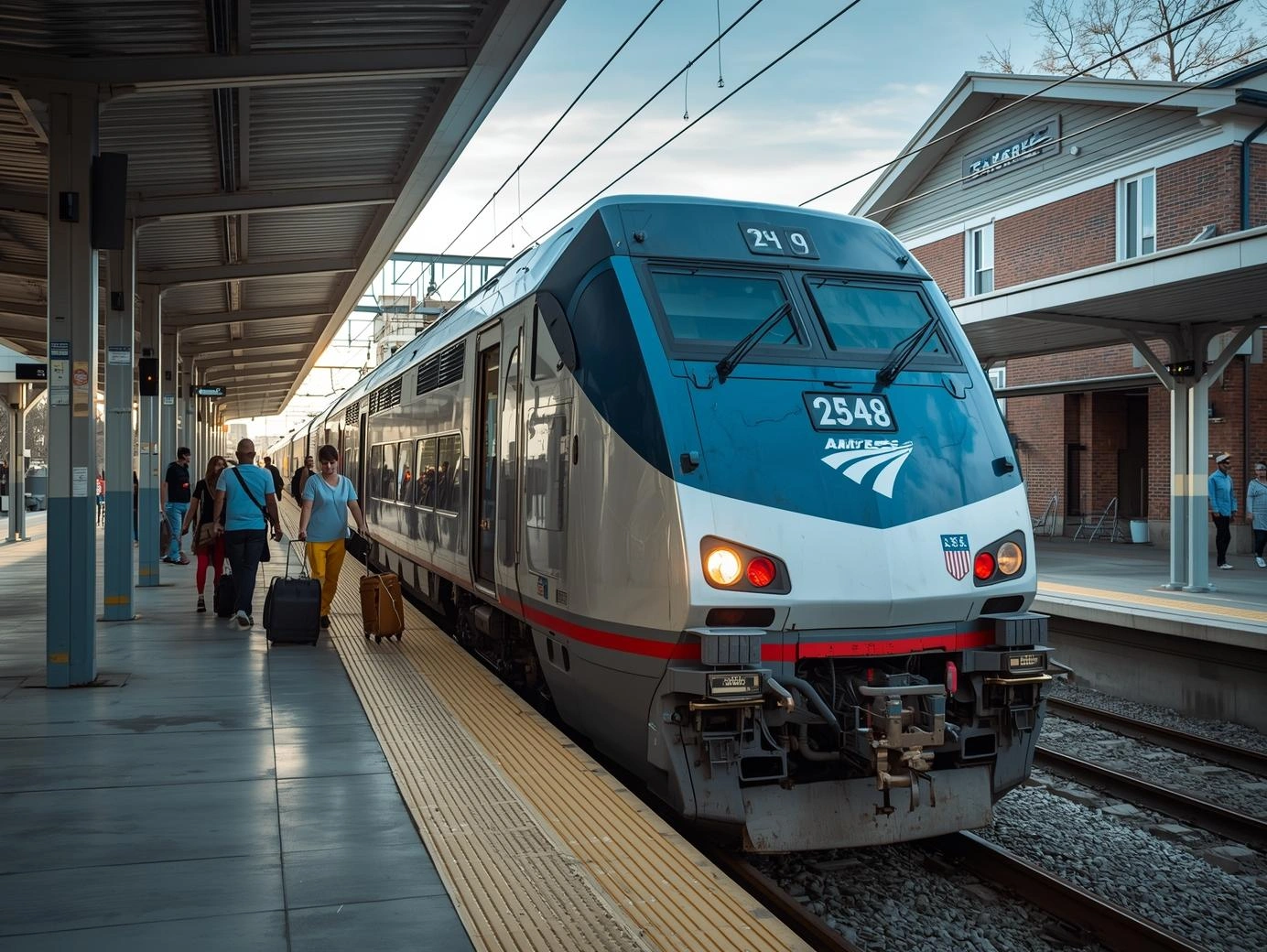
Amtrak’s Empire Builder route connects Seattle and Chicago with daily stops at Madison’s station located on the city’s far west side. This legendary train journey showcases America’s northern tier landscapes through Montana mountains, North Dakota plains, and Minnesota lakes before reaching Wisconsin. While train travel requires more time than flying, the relaxed pace and spacious seating appeal to travelers who view journeys as experiences rather than inconveniences. Coach fares typically undercut last-minute airfare significantly, though booking windows matter considerably for optimal pricing.
Intercity bus services including Greyhound, Megabus, and Van Galder provide frequent Chicago connections for budget-conscious travelers willing to sacrifice speed for savings. Van Galder operates premium motorcoach service directly between O’Hare Airport and Madison, eliminating rental car expenses entirely for visitors focusing exclusively on downtown attractions. Journey times hover around three hours depending on traffic conditions through Chicago’s notorious suburban congestion. Public transportation in Madison connects seamlessly from these arrival points to hotels and attractions through the Metro Transit system covered in detail below.
How to Get Around Madison:
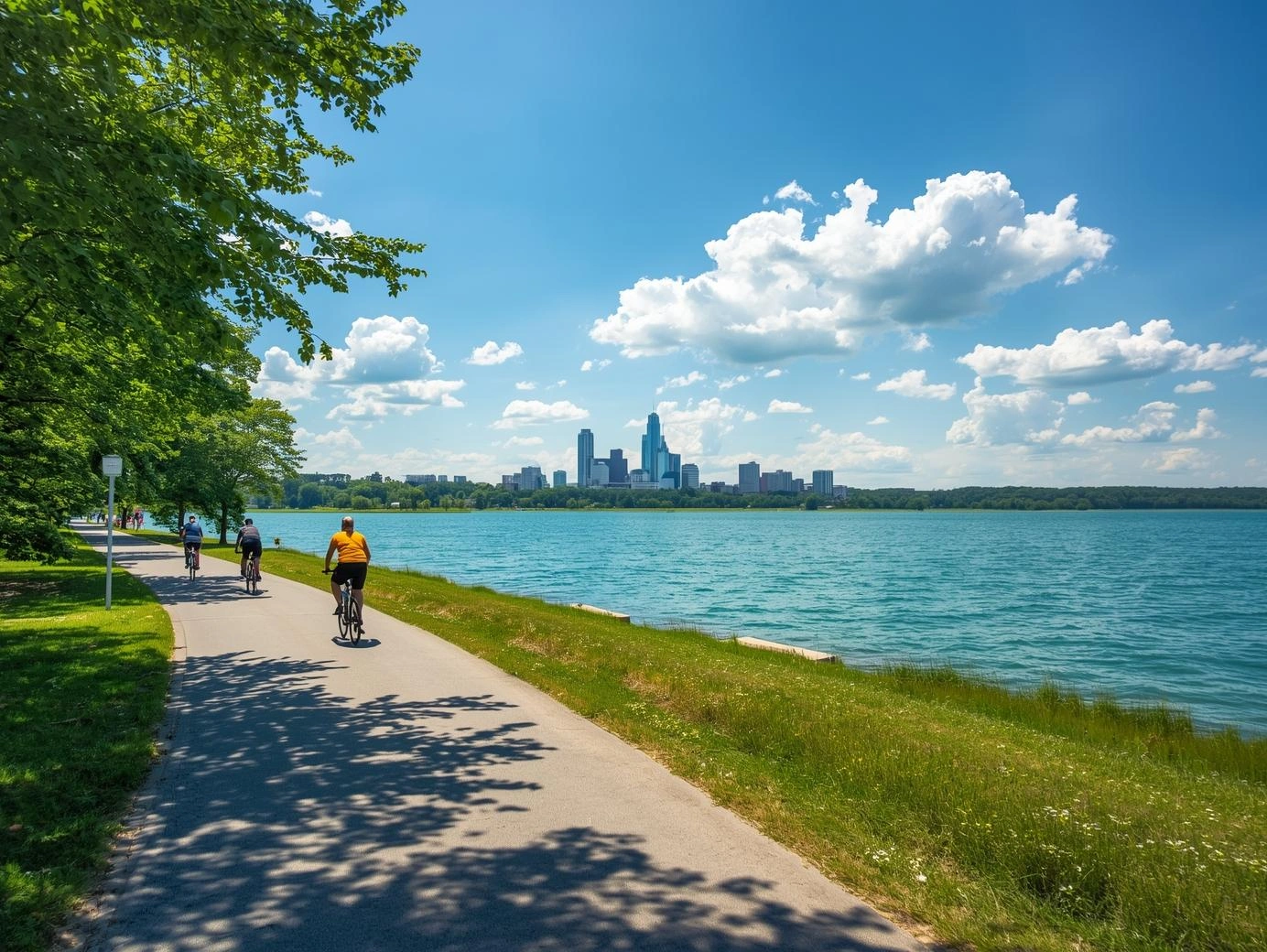
Public transportation in Madison exceeds expectations for a mid-sized Midwestern city thanks to comprehensive bus coverage and progressive cycling infrastructure. Metro Transit Madison operates extensive routes throughout the metro area with free rides within downtown’s Central Business District during daytime hours. This exceptional benefit means hotel guests can explore Capitol Square, State Street Madison, and waterfront areas without spending a dime on local transit. Routes extend to University of Wisconsin–Madison campus, residential neighborhoods, shopping districts, and even some outlying suburbs for those staying beyond walking distance.
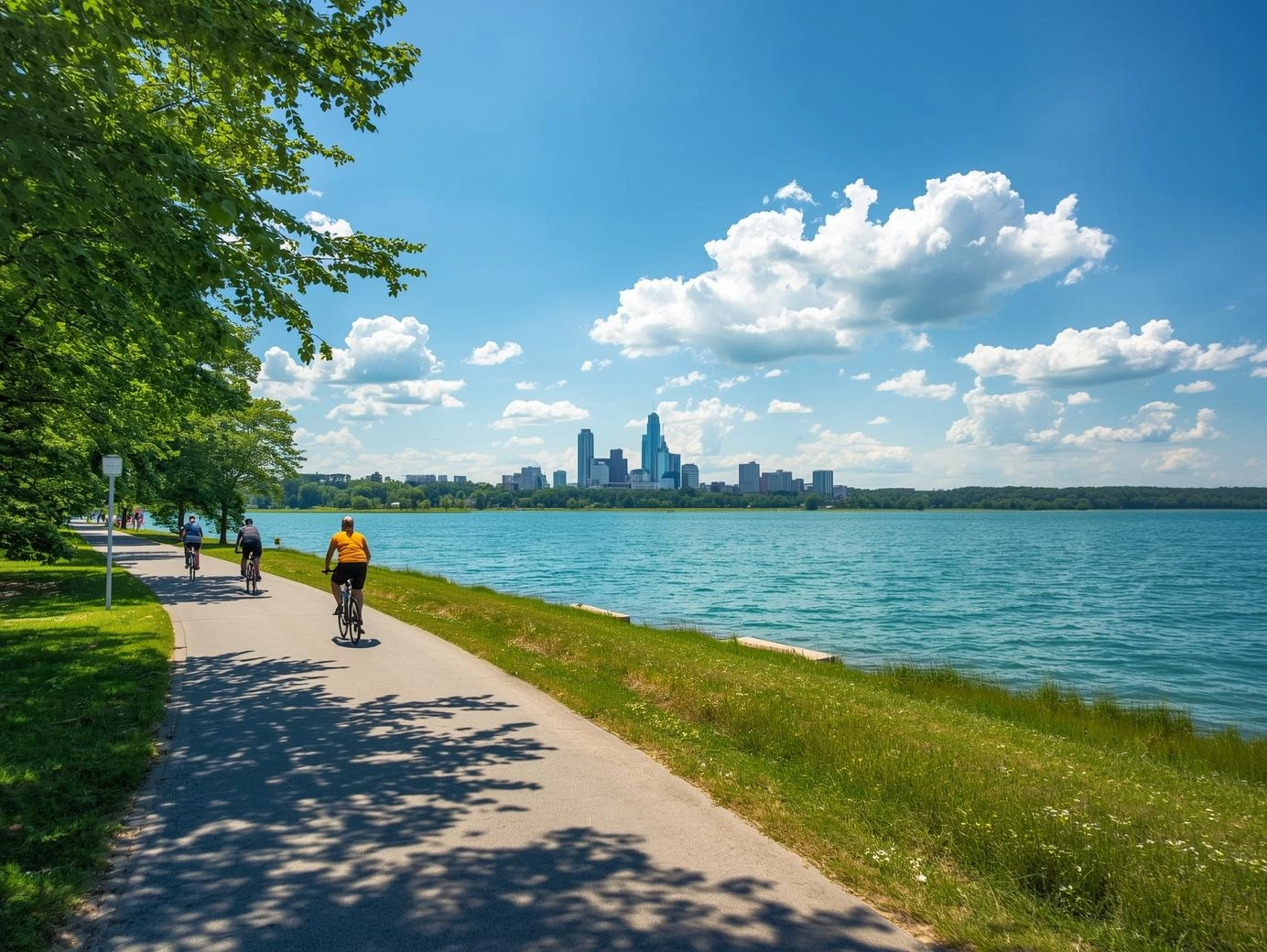
BCycle bike-share stations dot downtown and campus areas providing affordable rentals for exploring the city’s 100+ miles of dedicated bike paths connecting parks, lakes, and attractions. Madison consistently ranks among America’s most bicycle-friendly cities, making two-wheeled exploration both practical and enjoyable during temperate months. Ride-sharing services like Uber and Lyft maintain strong presence with reasonable rates and quick pickup times throughout most hours. Rental cars become necessary only when venturing to surrounding countryside attractions, state parks, or nearby small towns worth visiting during extended stays in the region.
Madison, Wisconsin Weather:
Continental climate patterns deliver four dramatically distinct seasons that fundamentally transform the city’s character and available activities throughout the year. Understanding Madison Wisconsin weather patterns proves essential for packing appropriately and setting realistic expectations about outdoor comfort levels. Lake effects from Lake Mendota and Lake Monona moderate temperature extremes slightly compared to surrounding rural areas, though winters still pack substantial punch. Precipitation distributes fairly evenly across calendar months with occasional drought summers and particularly snowy winters creating variability year to year.
Winter Weather:
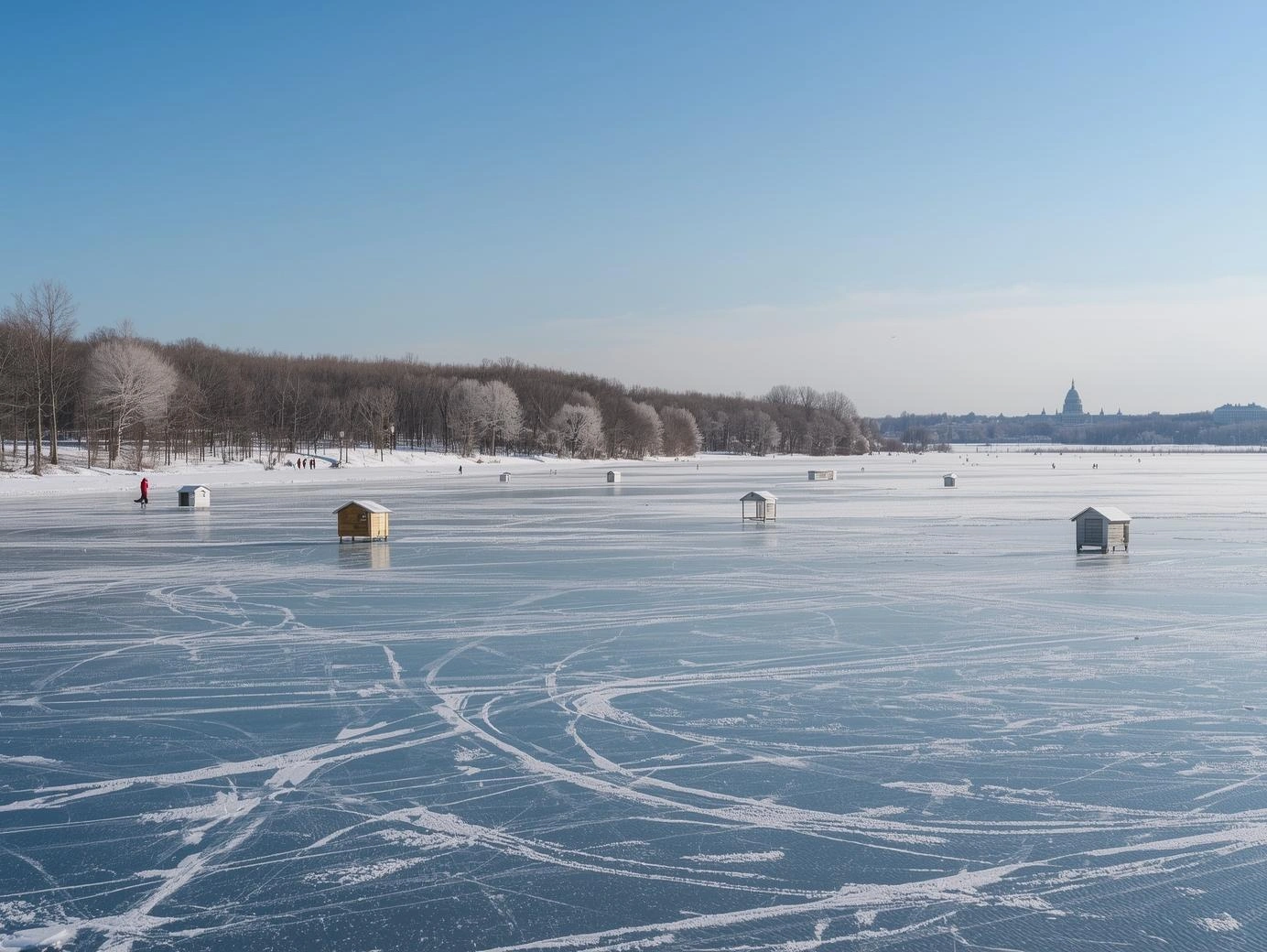
Winter in Madison Wisconsin commands respect from December through February when temperatures regularly plunge below freezing with January averaging bone-chilling lows around 10°F. Substantial snowfall accumulation transforms the landscape into winter wonderland territory, though persistent cold means snow remains throughout the season rather than melting between storms. Lake freezing typically occurs by mid-January, creating unique recreational opportunities from ice fishing to skating while eliminating moderate influences on temperature. Visitors from warmer climates need serious cold-weather gear including insulated jackets, thermal layers, waterproof boots, and accessories protecting extremities from frostbite risk during prolonged outdoor exposure.
Blizzard conditions occasionally shut down highways and close schools when heavy snow combines with high winds creating whiteout visibility. These events rarely last more than 24-36 hours before plows restore road access and life resumes normal patterns. Despite harsh conditions, locals embrace winter through outdoor activities, festivals, and the cozy warmth of restaurants and bars that become social hubs during long cold months. Winter in Madison Wisconsin definitely isn’t for everyone, but those who appreciate dramatic seasons find beauty in snow-covered landscapes and ice-encrusted tree branches glistening under bright sunshine.
Spring Weather:
March through May transitions unpredictably from lingering winter’s grip to vibrant green emergence that happens remarkably quickly once temperatures stabilize. Early spring remains chilly with occasional late-season snowstorms surprising optimistic residents who prematurely packed away winter gear. April brings muddy trails and fluctuating temperatures requiring layered clothing strategies for dealing with morning frost and afternoon warmth on the same day. By late May, consistent warmth arrives along with flowering trees, blooming gardens, and the return of outdoor dining that transforms downtown streets into festive gathering spaces.
Spring weather averages 35-65°F though daily variations exceed these ranges regularly during transitional periods. Rain frequency increases as storm systems track through the region, making waterproof jackets essential packing items regardless of forecast confidence. This season rewards patient travelers who appreciate nature’s awakening despite occasional discomfort from unsettled weather patterns. Farmers markets return, bike paths emerge from snow cover, and festival season begins building toward summer’s peak activity levels.
Summer Weather:
June through August delivers comfortable conditions perfect for summer activities in Madison with temperatures typically ranging 65-82°F. Humidity levels remain moderate compared to southern states, making outdoor activities pleasant even during warmest afternoons when shade and lake breezes provide natural relief. Occasional thunderstorms roll through during evenings, creating dramatic lightning displays over the lakes before clearing to reveal stunning sunsets. These brief downpours rarely disrupt plans significantly since summer weather patterns favor afternoon heat building toward evening storms rather than all-day rain events.
Summer represents peak tourism season when University of Wisconsin–Madison empties but visitors fill hotels attracted by perfect weather and festival calendars packed with events. The Memorial Union Terrace becomes the social epicenter where thousands gather nightly to enjoy sunset views over Lake Mendota while sipping locally-crafted beers. Pack light, breathable clothing with sun protection since afternoon sunshine intensity surprises visitors from cloudier climates. Evening temperatures drop pleasantly into the 60s, making outdoor concert attendance comfortable without heavy jackets weighing down your festival experience.
Fall Weather:
September through November showcases fall in Madison WI at its absolute finest when foliage transforms surrounding forests into kaleidoscopes of crimson, orange, and gold rivaling New England’s famous displays. Crisp temperatures ranging 45-68°F create ideal conditions for hiking, biking, and festival attendance without summer’s heat or winter’s brutal cold. Wisconsin Badgers football season energizes campus neighborhoods with game-day electricity that pulses through the entire city during home weekends. Harvest festivals flood Dane County Farmers’ Market with apple varieties, pumpkins, squash, and artisanal products celebrating agricultural abundance.
Early fall maintains summer warmth while late November transitions toward winter’s approach with occasional early snowflakes appearing. This shoulder season offers tremendous value for budget-conscious travelers since accommodation rates drop significantly after summer peaks while weather remains generally cooperative. Layered clothing strategies work best since morning chill gives way to pleasant afternoon warmth before temperatures plunge again after sunset. Fall in Madison WI attracts serious leaf-peepers who time visits around peak color periods typically occurring mid-October though exact timing varies annually based on weather patterns.
Best Time to Visit Madison:
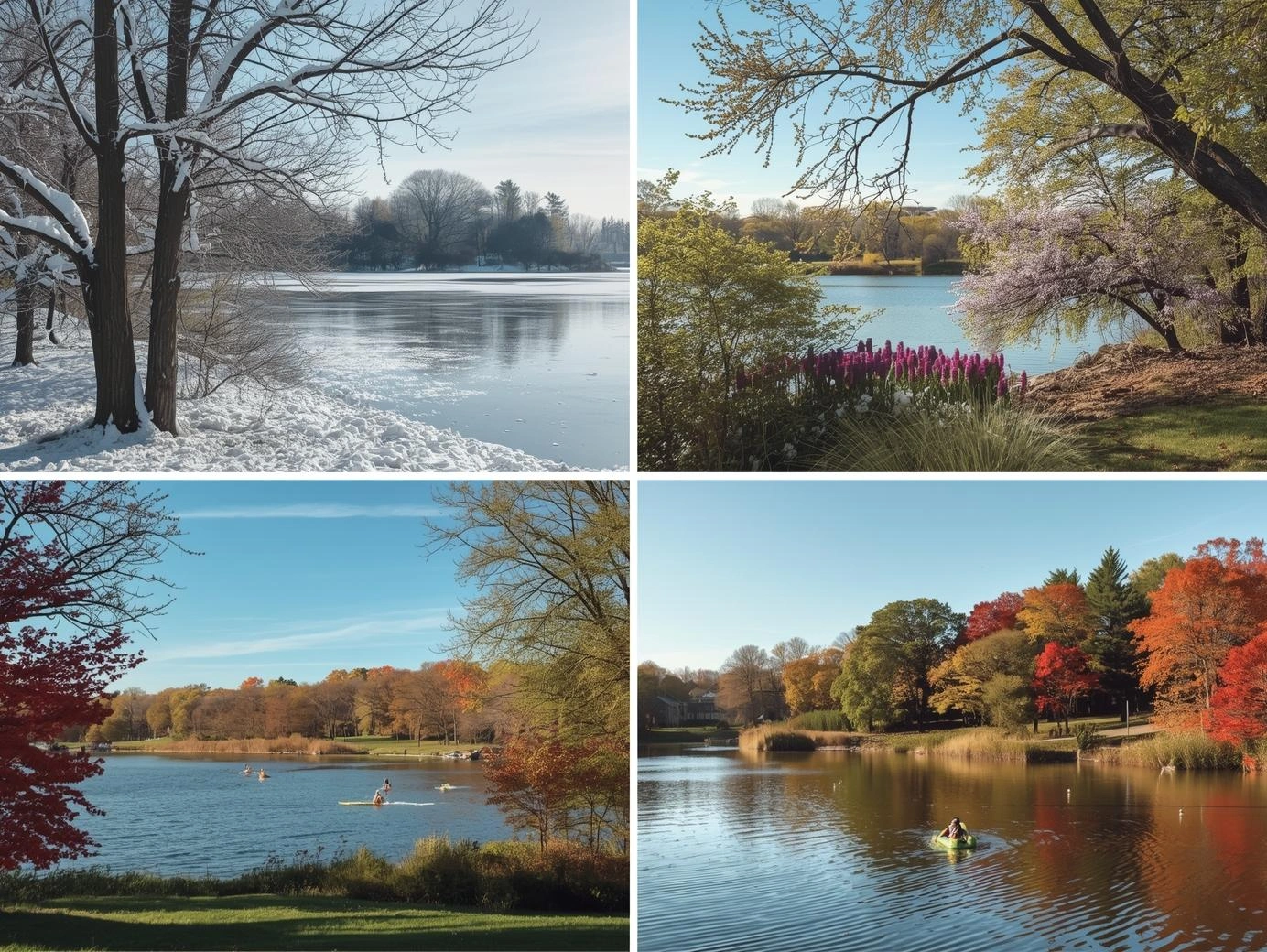
Determining the best time to visit Madison depends entirely on personal priorities balancing weather preferences, festival interests, and budget considerations. Late May through early October maximizes outdoor enjoyment and festival participation when temperatures cooperate and lake activities reach full operation. Summer months deliver peak warmth but coincide with University of Wisconsin–Madison break periods when campus energy dissipates and certain student-focused businesses reduce hours. Shoulder seasons provide sweet spots combining pleasant weather, reduced accommodation rates, and fewer crowds competing for restaurant reservations and attraction access.
Wisconsin Badgers football season from September through November creates electric atmosphere during home game weekends when the city population swells dramatically. Securing accommodations during these periods requires advance planning since hotels near Camp Randall Stadium book solid months ahead. Winter sports enthusiasts find January through March ideal for cross-country skiing adventures and appreciating the stark beauty of frozen lakes without summer’s humidity. Festival calendar research helps optimize timing since major events like Art Fair on the Square, Taste of Madison, and countless neighborhood celebrations occur throughout warmer months.
| Season | Average Temp | Crowd Level | Accommodation Cost | Best Activities |
|---|---|---|---|---|
| Winter | 15-28°F | Low | Budget-Friendly | Skiing, Ice Fishing, Museums |
| Spring | 35-65°F | Moderate | Mid-Range | Farmers Market, Biking, Gardens |
| Summer | 65-82°F | High | Premium | Lake Activities, Terrace, Festivals |
| Fall | 45-68°F | High (Football) | Variable | Foliage, Football, Harvest Festivals |
Where to Stay:
Where to stay in Madison significantly impacts your experience depending on priorities around walkability, budget constraints, and desired atmosphere. Downtown Madison hotels cluster around Capitol Square providing immediate access to restaurants, nightlife, museums, and the iconic State Street Madison shopping district stretching toward campus. The Edgewater Hotel perches directly on Lake Mendota shoreline, offering luxury accommodations with spectacular water views and top-tier amenities justifying premium rates. Graduate Madison occupies a restored historic building steps from campus, perfectly positioning guests within university culture and student-oriented dining scenes.
University area lodging delivers budget-friendly options ideal for families and cost-conscious travelers willing to walk fifteen minutes reaching Capitol Square attractions. Neighborhood accommodations in areas like Atwood, Willy Street, and Regent Street provide authentic residential experiences removed from tourist concentrations. Vacation rentals along lake shores create peaceful retreats showcasing Madison’s natural beauty while maintaining reasonable proximity to downtown activities. Chain hotels near interstate exits suit road-trippers seeking familiar amenities and easy parking, though these sacrifice walkability requiring vehicles for restaurant and attraction access.
Best hotels in Madison WI span price ranges accommodating various budgets without sacrificing quality or location advantages. Boutique properties like The Livingston Inn offer personalized service in historic mansions converted to intimate bed-and-breakfast experiences. During Wisconsin Badgers football home games, accommodation prices surge dramatically while availability evaporates, making advance reservations essential for autumn weekend visits. Off-season rates drop substantially, creating opportunities for luxury experiences at mid-range prices when demand softens during winter months.
Things to Do in Madison:

Seasonal diversity ensures things to do in Madison WI remain engaging year-round regardless of when you visit this dynamic destination. Cultural institutions rival major metropolitan offerings despite the city’s mid-sized status, while outdoor recreation leverages unique geography between substantial lakes. Dane County Farmers’ Market ranks among America’s largest producer-only markets, circling Capitol Square every Saturday morning from April through November with local vendors selling everything from organic vegetables to artisan cheeses. The Wisconsin Veterans Museum provides moving exhibits honoring military service with artifacts spanning conflicts from Civil War through modern deployments.
Olbrich Botanical Gardens showcases sixteen acres of outdoor display gardens plus a tropical conservatory housing exotic plants thriving in controlled environments. Admission remains free for outdoor areas, making this attraction accessible for budget-conscious travelers seeking natural beauty. Picnic Point Madison extends into Lake Mendota offering trails, swimming areas, and stunning sunset views that locals treasure as favorite gathering spots. The Chazen Museum of Art houses impressive collections spanning ancient through contemporary periods with rotating special exhibitions maintaining fresh reasons for repeat visits.
Winter in Madison:
Winter in Madison Wisconsin transforms the landscape into snowy playground for cold-weather enthusiasts embracing seasonal activities. Elver Park’s cross-country skiing trails and tubing hill attract families seeking outdoor fun without expensive lift tickets that downhill resorts charge. The Memorial Union Terrace reinvents itself as ice bar destination where brave souls sip cocktails around fire pits while bundled in winter gear. Olbrich Botanical Gardens conservatory provides tropical escape from winter’s grip, allowing visitors to warm up while admiring exotic blooms thriving in climate-controlled environments.
The Overture Center for the Arts schedules world-class performances throughout winter when theater, symphony, and ballet productions fill cultural calendars. Ice fishing shanties dot frozen lake surfaces creating temporary villages where anglers pursue panfish and pike through drilled holes. The Ice Age Trail offers winter hiking opportunities through preserved landscapes showcasing geological features shaped by ancient glaciers. Downtown restaurants become cozy refuges where locals gather around fireplaces while savoring comfort food paired with Wisconsin craft beers.
Spring in Madison:
Spring awakening brings renewed energy as temperatures moderate and nature explodes with color throughout parks and gardens. The Dane County Farmers’ Market reopens in late April, reconnecting urban residents with surrounding agricultural communities through direct producer relationships. Olbrich Botanical Gardens showcases spectacular spring bulb displays followed by flowering trees creating photo-worthy backdrops throughout May. Bike path systems emerge from snow cover revealing the extensive trail network connecting neighborhoods, parks, and waterfront areas throughout the region.
University of Wisconsin–Madison campus buzzes with end-of-semester activity as students celebrate survival of another academic year. The Memorial Union Terrace begins extending operating hours as temperatures allow outdoor seating without arctic gear requirements. Spring cleaning reveals winter’s toll on trails and public spaces, with volunteers contributing countless hours restoring natural areas. Bird migration brings species diversity to wetlands and shorelines delighting ornithologists and casual observers appreciating nature’s seasonal rhythms.
Summer in Madison:
Summer activities in Madison reach peak variety when warm weather unlocks full recreational potential. The Memorial Union Terrace becomes legendary gathering spot where thousands converge nightly to watch sunsets over Lake Mendota while enjoying live music and locally-crafted beverages. Memorial Union sailboats dot the water as Hoofers Sailing Club members and rental customers navigate gentle winds across the expansive lake. Free concerts on Capitol Square occur every Wednesday evening throughout summer, drawing diverse crowds to enjoy varied musical genres under open skies.
Kayaking and paddleboarding rentals operate at multiple lake access points, allowing visitors to experience Madison’s defining geographical feature from water level. State Street Madison transforms into pedestrian paradise as outdoor dining expands, street performers entertain, and summer festivals activate public spaces. The Dane County Farmers’ Market reaches peak abundance with heirloom tomatoes, sweet corn, berries, and artisanal products flooding vendor stalls. Beach areas at James Madison Park and Warner Park provide swimming opportunities when lake temperatures reach comfortable levels during July and August.
Fall in Madison:
Fall in Madison WI delivers arguably the most exciting season when Wisconsin Badgers football dominates weekends and autumn colors paint surrounding landscapes. Camp Randall Stadium erupts with 80,000 fans creating electric atmosphere that pulses throughout city neighborhoods during home games. Surrounding countryside offers spectacular foliage drives through rolling hills and river valleys showcasing nature’s artistic transition. Apple orchards invite visitors for u-pick experiences and cider tastings at family-run operations maintaining multi-generational agricultural traditions.
Halloween celebrations on State Street Madison rank among America’s largest spontaneous gatherings as tens of thousands converge wearing creative costumes. The Dane County Farmers’ Market shifts toward harvest abundance featuring squash varieties, pumpkins, preserves, and baked goods utilizing seasonal produce. Craft beer festivals celebrate Wisconsin’s brewing heritage with tastings showcasing local breweries’ seasonal releases. Cool temperatures make hiking Ice Age Trail segments particularly enjoyable without summer’s heat or winter’s brutal cold challenging outdoor enthusiasts.
Best Restaurants in Madison:
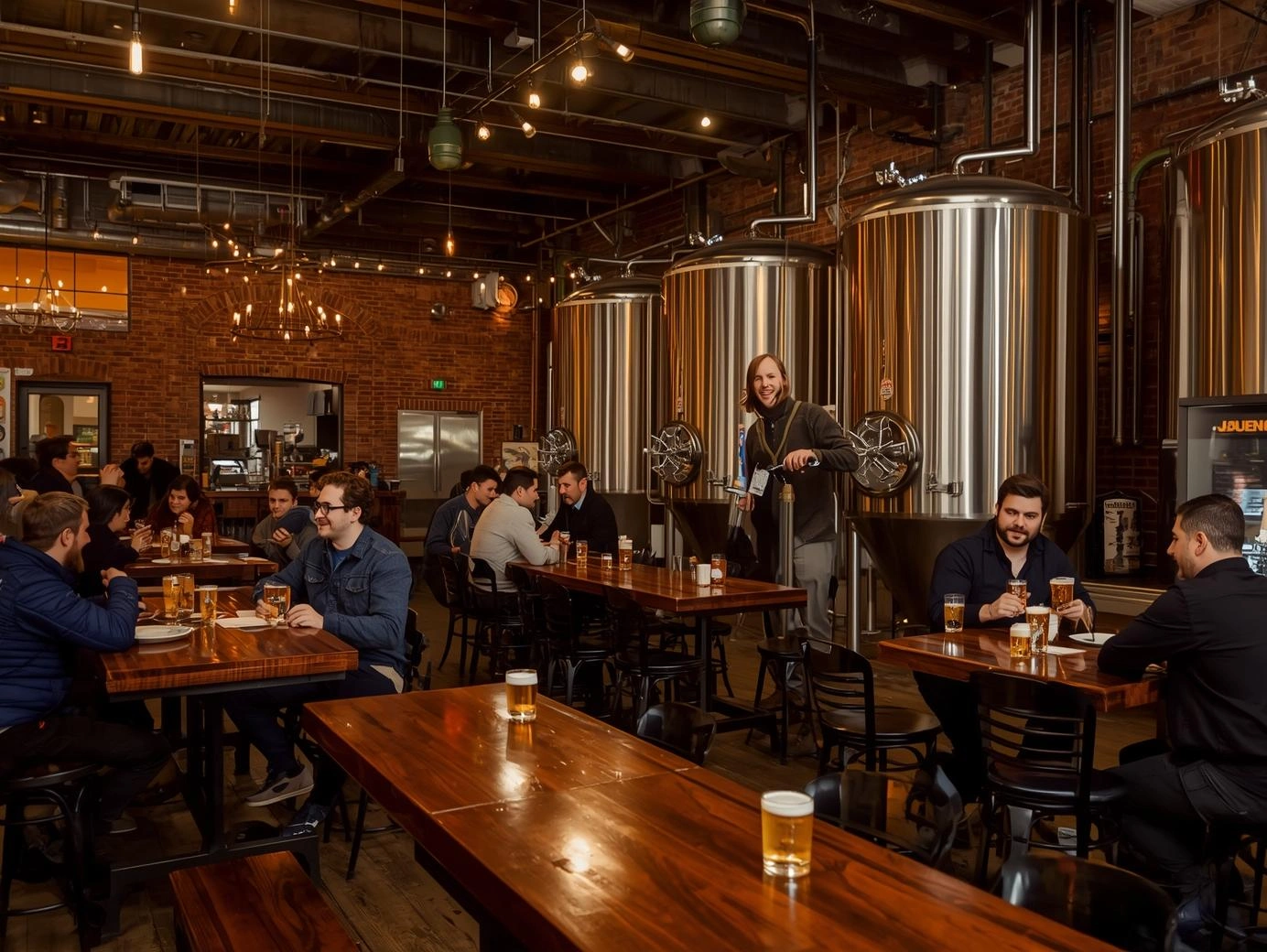
Best restaurants in Madison showcase farm-to-table excellence leveraging surrounding agricultural abundance into innovative dining experiences. The city’s culinary scene punches well above its weight class, rivaling much larger metropolitan areas through chef creativity and ingredient quality. Diverse immigrant communities contribute authentic international cuisines spanning Ethiopian, Hmong, Mexican, and Italian traditions executed by passionate restaurateurs maintaining cultural connections through food. Price points accommodate everyone from budget-conscious students to professionals celebrating special occasions at white-tablecloth establishments.
Isthmus geography concentrates exceptional eateries within walkable downtown corridor making restaurant hopping practical during extended stays. Heritage Tavern exemplifies modern Wisconsin cuisine through locally-sourced ingredients transformed into refined plates balancing innovation with comfort. L’Etoile pioneered farm-to-table philosophy decades before it became trendy, maintaining relationships with surrounding farmers supplying seasonal menus. Sardine features lakefront location serving French-inspired bistro fare emphasizing sustainable seafood and Wisconsin products. Neighborhood gems in Atwood, Willy Street, and Regent Street reward adventurous diners willing to venture beyond tourist concentrations.
Madison restaurant reservations become essential during Wisconsin Badgers football weekends when demand overwhelms capacity at popular establishments. Food trucks supplement brick-and-mortar options, gathering at parks and events serving creative street food ranging from Vietnamese banh mi to gourmet grilled cheese. The Dane County Farmers’ Market vendors often operate restaurants or food businesses, creating direct connections between Saturday morning shopping and weeknight dining experiences. Vegetarian and vegan options flourish here compared to surrounding rural Wisconsin where meat-centric traditions dominate culinary culture.
Drink Options in Madison:
Bars in Madison WI range from neighborhood taverns maintaining old-school Wisconsin traditions to craft cocktail lounges rivaling coastal city sophistication. The Memorial Union Terrace serves as iconic beer garden overlooking Lake Mendota where generations have gathered since 1928 for affordable drinks and unforgettable sunsets. Wisconsin’s brandy Old Fashioned tradition represents quintessential local cocktail experience using muddled fruit, bitters, and regional brandy preference over bourbon that other states favor. This drink appears on every bar menu, providing cultural immersion through Wisconsin’s unofficial state cocktail.
Breweries in Madison Wisconsin exploded over recent decades positioning the city among America’s top craft beer destinations. Ale Asylum, Karben4, Working Draft, and One Barrel Brewing represent just a few operations producing innovative beers distributed throughout the region. New Glarus Brewing’s Spotted Cow beer achieves cult status despite availability limited exclusively to Wisconsin, making it essential tasting for beer enthusiasts visiting from elsewhere. Brewery taprooms provide gathering spaces where locals socialize while sampling small-batch releases unavailable in stores or restaurants.
Coffee culture rivals Seattle’s intensity with Colectivo, Barriques, and EVP Coffee establishing third-wave roasting operations throughout neighborhoods. Wine bars feature selections from emerging Wisconsin vineyards alongside international offerings, surprising visitors unaware of the state’s growing wine industry. Distillery tours showcase small-batch spirits from Death’s Door Spirits and Dancing Goat Distillery converting local grains into premium vodka, gin, and whiskey. The Edgewater Hotel’s Statehouse bar provides upscale drinking environment with sophisticated cocktails and panoramic lake views justifying premium pricing.
Final Thoughts:
Madison Wisconsin travel guide resources often miss the authentic local perspective that transforms ordinary visits into memorable adventures worth repeating. This Madison city guide reveals how strategic positioning between Lake Mendota and Lake Monona creates unique character blending natural beauty with cultural sophistication rarely found in mid-sized Midwestern cities. Whether planning a quick Madison weekend getaway or extended exploration, the insights provided ensure you’ll experience the destination like residents who appreciate hidden gems beyond obvious tourist attractions.
Seasonal diversity means every visit offers dramatically different atmosphere and activities from summer activities in Madison’s lakefront recreation to fall in Madison WI’s football frenzy and foliage displays. Transportation accessibility via Dane County Regional Airport (MSN) or driving to Madison WI from surrounding cities makes trip planning straightforward regardless of origin point. Public transportation in Madison exceeds expectations through free downtown bus service and extensive bike infrastructure supporting car-free exploration.
Accommodation options span downtown Madison hotels near Capitol Square to neighborhood retreats offering authentic residential experiences at various price points. The best restaurants in Madison and thriving breweries in Madison Wisconsin deliver culinary excellence that would satisfy food enthusiasts anywhere. Start planning your visit today to discover why locals fiercely defend Madison’s livability rankings and visitors consistently return for repeat experiences in Wisconsin’s dynamic capital city.
![Dare to Enter? Why Nightmare on Chicago Street in Elgin, Illinois is the Halloween Event of the Year! [2025]](https://officetooutdoorr.com/wp-content/uploads/2026/01/feature-image-11-768x419.webp)