10 Best Campgrounds Near Denver for Weekend Camping
Denver has an unfair advantage. Few American cities put you this close to this much public land. Within an hour of downtown you can be at 9,000 feet, in a pine forest, with elk bugling in the next drainage. Within two hours you can be in Rocky Mountain National Park. The Front Range is a weekend warrior's paradise, and the only real problem is choosing where to go.
But Denver camping comes with catches that flatland cities do not have: altitude that will humble you, afternoon lightning that kills people every year, and booking competition so fierce that summer weekends vanish in minutes. This guide covers the 10 best campgrounds near Denver, plus the Denver-specific knowledge that keeps your trip safe and fun.
Denver Camping Is Different: Read This First
Before the list, three things every Denver camper needs to internalize.
Altitude is real. Denver sits at 5,280 feet, and most mountain campgrounds near the city sit between 8,000 and 10,000 feet. At 9,000 feet the air holds roughly 30 percent less oxygen than at sea level. If you are coming from sea level, or even if you live in Denver and drive straight up on Friday, expect to feel it: headaches, shortness of breath on stairs, worse sleep, and hangovers from a single beer. Hydrate aggressively, go easy on alcohol the first night, and do not plan your hardest hike for Saturday morning.
Afternoon lightning is the summer killer. Colorado's mountains build thunderstorms almost every summer afternoon. The rule is carved in stone: be off exposed peaks, ridges, and open water by noon. Plan hikes for early morning, and if you hear thunder, you are already too late to be casual about it. Get below treeline, away from lone trees, and wait it out.
Fire restrictions are normal. Much of the Front Range spends part of every summer under fire restrictions, sometimes banning campfires entirely. Check current restrictions before every trip, bring a stove as plan A, and never assume the fire ring means fires are allowed.
How to Choose: Distance, Elevation, and Booking Reality
Drive time vs. elevation. The closest campgrounds (Cherry Creek, Chatfield, Bear Creek Lake) sit near Denver's elevation and work for easy Friday arrivals. The mountain campgrounds (Golden Gate Canyon, Staunton, Pike National Forest) take longer to reach but deliver the full alpine experience. For a one-nighter, stay close. For a two-night weekend, go high.
Booking reality. Colorado's popular campgrounds are among the hardest to book in America. State park sites release on a rolling window and prime summer weekends go within minutes. Rocky Mountain National Park campgrounds book on Recreation.gov and vanish fast. Have backup plans, book the moment your window opens, and learn the cancellation-checking habit.
Your vehicle. Most campgrounds below are accessible to any car. Dispersed sites in the national forest can require high clearance on rough roads. Know your vehicle's limits before committing to a forest road at dusk.
The 10 Best Campgrounds Near Denver
| # | Campground | Distance | Elevation | Best for |
|---|---|---|---|---|
| 1 | Golden Gate Canyon State Park | About 30 miles W | About 9,000 ft | Closest mountain camping |
| 2 | Cherry Creek State Park | About 15 miles SE | About 5,500 ft | Easiest trip, water sports |
| 3 | Chatfield State Park | About 25 miles SW | About 5,500 ft | Big reservoir, families |
| 4 | Staunton State Park | About 40 miles W | About 8,500 ft | Hiking, climbing, views |
| 5 | Bear Creek Lake Park | About 15 miles W | About 5,700 ft | Nearest lake camping |
| 6 | Rocky Mountain National Park (Moraine Park) | About 70 miles NW | About 8,000 ft | The bucket-list weekend |
| 7 | Pike National Forest dispersed (Buffalo Creek) | About 45 miles SW | About 7,500 ft | Free camping |
| 8 | Echo Lake area | About 40 miles W | About 10,600 ft | Alpine scenery |
| 9 | Boyd Lake State Park | About 55 miles N | About 5,000 ft | Lake weekends, easier booking |
| 10 | Eleven Mile State Park | About 90 miles SW | About 8,600 ft | Fishing, dark skies |
1. Golden Gate Canyon State Park
Thirty miles from downtown and it feels like a different planet. Golden Gate Canyon packs 12,000 acres of forest, peaks, and meadows into the foothills west of Golden. Reverends Ridge is the main campground, with Aspen Meadows nearby, and sites sit around 9,000 feet among ponderosa pine and aspen. The hiking is excellent, the views stretch to the plains, and Dude's Fishing Hole is stocked with trout. This is the answer to "where should I camp this weekend?" for most Denverites, which means it books out fast. Reserve through Colorado Parks and Wildlife the moment your window opens.
2. Cherry Creek State Park
Southeast Denver, fifteen miles from downtown. Cherry Creek is the easy button: a big reservoir for boating and paddling, a swim beach, miles of trails, and a large campground with full facilities. It does not feel like mountain wilderness, but that is not the point. The point is leaving work at 5 and being at your site by 6:30 with the whole evening ahead of you. Great for beginners, families, and anyone testing new gear close to home.
3. Chatfield State Park
Southwest in Littleton, about 25 miles out. Chatfield centers on a large reservoir with a marina, swim beach, and excellent birding. The campground is big, with options from basic to full hookup, and the park connects to miles of trails. It is one of the most popular camping spots in the metro area, so summer weekends require advance booking. The mountain views from the reservoir at sunset are a fine consolation for not being in the mountains.
4. Staunton State Park
Forty miles west near Conifer, Staunton is the hiking pick. Dramatic rock formations, climbing areas, waterfalls, and miles of trails through forest and meadow at around 8,500 feet. The campground is well-designed and the park feels wilder than its distance suggests. It is also one of Colorado's newer state parks, which shows in the facilities. Book ahead; word has gotten out.
5. Bear Creek Lake Park
Lakewood, fifteen miles west of downtown. Run by the city, this park offers camping near three lakes with swimming, paddling, and fishing, plus trails and an archery range. It is the closest lake camping to Denver proper and works beautifully for a spontaneous Friday trip. Sites are reservable and the location cannot be beaten for convenience.
6. Rocky Mountain National Park: Moraine Park Campground
Seventy miles northwest, and worth every one of them. Moraine Park sits at 8,000 feet in a meadow famous for elk, with Trail Ridge Road and the park's trail system at your doorstep. This is the bucket-list Denver weekend: wake up to elk bugling, hike all day, sleep under absurd stars. The catches: book on Recreation.gov the instant sites release, and you will also need a timed-entry reservation for the park itself during peak season. Plan this trip months ahead, not weeks.
7. Pike National Forest Dispersed Camping: Buffalo Creek Area
Forty-five miles southwest, and free. The Buffalo Creek area of Pike National Forest offers dispersed camping along forest roads: no reservations, no fees, no facilities. This is the move when everything reservable is booked solid, which in summer is often. You need to be self-sufficient (bring water, pack out everything), check fire restrictions, and be comfortable with rough roads. The tradeoff for free is effort, but the ponderosa forests and mountain biking trails are excellent.
8. Echo Lake Area
Forty miles west at the base of Mount Evans, Echo Lake sits at 10,600 feet in a subalpine wonderland. The campground here is small and the setting is spectacular: a glassy lake under 14,000-foot peaks. Note the elevation: at 10,600 feet, altitude effects are serious, nights are cold even in August, and weather changes violently. This is a high-reward, high-respect destination. Check access and conditions before going, as the Mount Evans road has had closures and changes in recent years.
9. Boyd Lake State Park
Loveland, about 55 miles north. Boyd Lake is the sleeper pick: a big reservoir with swimming, boating, and fishing, a solid campground, and significantly easier reservations than the mountain parks. It makes a great basecamp for exploring the northern Front Range, and it is far enough from Denver to feel like a getaway. Good for families and water lovers.
10. Eleven Mile State Park
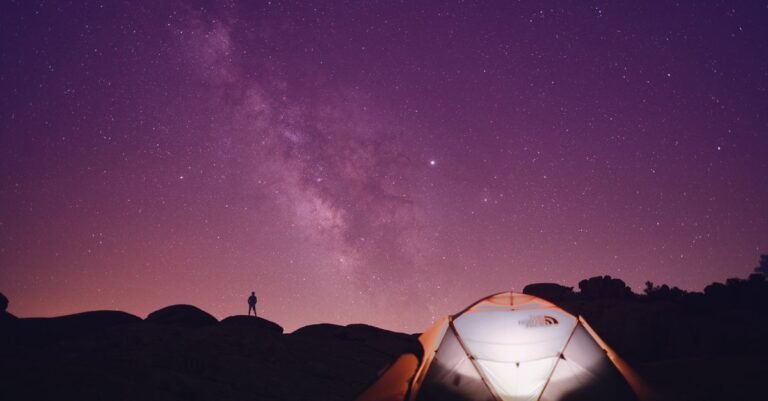
Ninety miles southwest near Lake George, this is the furthest on the list and the darkest. Eleven Mile Reservoir is famous for fishing (rainbow trout, cutthroat, and northern pike), and the elevation and remoteness deliver genuinely dark skies that the Front Range cannot match. The campground is large and the vibe is relaxed compared to the hyper-competitive parks closer to Denver. It is a longer drive, which makes it a two-night minimum, but the reward is solitude, stars, and fish. Excellent for stargazers and anglers, and a fine introduction to South Park's wide-open country.
What to Pack for Mountain Camping Near Denver
The Front Range punishes the underprepared and rewards the overprepared. Beyond your normal car-camping kit, these Denver-specific additions matter.
Warmth for cold nights. Even in August, mountain campgrounds can drop into the 30s. Bring a sleeping bag rated to at least 20 degrees and a warm layer you did not think you would need. The forecast low is a suggestion; the mountain decides.
Rain gear, always. Afternoon storms are not a maybe, they are a schedule. A rain jacket and a quick way to cover gear (a tarp or even a cheap poncho) belong on every trip from June through September.
Sun protection. Covered above, but it bears repeating in a packing list: sunscreen, lip balm with SPF, sunglasses, and a brimmed hat. The sun at 9,000 feet does not negotiate.
Extra water capacity. Many mountain campgrounds have no potable water or limited spigots. A 7-gallon jug plus a backup filter or purification tablets covers drinking, cooking, and cleanup for a weekend.
Traction and navigation. Trails can be snowy into June at high elevation and muddy after storms. Downloaded offline maps are essential; cell service dies in the canyons. A paper map of the area is old-school insurance that never runs out of battery.
Booking Strategy: How to Actually Get a Site
Learn the windows. Colorado State Parks reservations open on a rolling six-month window, and prime weekends go almost immediately. Rocky Mountain National Park releases on Recreation.gov in monthly blocks. Set alarms. This is not casual advice; it is the difference between camping and daydreaming.
Tuesday and Wednesday are your friends. If you can swing a midweek night or a Sunday-to-Tuesday trip, availability transforms. The weekend warriors own Friday and Saturday. The clever ones own the rest.
Check for cancellations obsessively. Plans change constantly. Check Recreation.gov and the state park system in the week before your trip, especially Tuesday through Thursday. Cancelled sites reappear and get snapped up within hours.
Have a dispersed backup. When everything reservable is full, Pike National Forest dispersed camping is always there. Learn the Buffalo Creek area and the Motor Vehicle Use Map system before you need it, so a sold-out weekend becomes a free adventure instead of a cancelled trip.
Buy the park pass. Colorado State Parks require a daily or annual vehicle pass on top of camping fees. The annual pass pays for itself fast if you camp more than a few times a year. Buy it once and stop thinking about it.
Denver-Specific Tips
Acclimate before exertion. If you are new to altitude, spend Friday evening at camp doing nothing athletic. Drink far more water than feels necessary. Eat carbs. Your Saturday hike will thank you.
Watch the sky after 11 a.m. In summer, build your day around the lightning rule: summit and exposed hiking in the morning, back below treeline by noon, camp chores and lake time in the afternoon while the storms roll through. It is a rhythm, not a restriction.
Store food like a local. Black bears are active throughout the Front Range. Use bear boxes where provided, keep a clean camp, and never keep food or scented items in your tent. This is not optional wilderness advice; campgrounds here close sites over bear incidents.
Bring sun protection. At 9,000 feet, UV intensity is significantly higher than at sea level. Sunscreen, sunglasses, and a hat are not summer accessories; they are necessities. Sunburns at altitude arrive fast and hurt for days.
Water is heavy and precious. Mountain campgrounds often have limited or no potable water. Bring more than you think you need, especially for cooking and cleanup. A 7-gallon jug for a weekend is not overkill.
Layers, always. A 40-degree swing between afternoon and night is normal in the mountains. Pack for summer and winter in the same bag, even in July.
FAQ
What is the best campground near Denver for beginners?
Cherry Creek State Park or Chatfield State Park. Both are close to the city, have full facilities, take reservations, and sit at low elevation so altitude is not a factor. Graduate to Golden Gate Canyon once you are comfortable.
How far in advance do I need to book?
For summer weekends at popular spots like Golden Gate Canyon or Rocky Mountain National Park, book the moment your reservation window opens, often months ahead. Shoulder seasons (May, September, October) are far more forgiving. Always have a dispersed-camping backup plan.
Can I camp for free near Denver?
Yes. Dispersed camping in Pike National Forest (the Buffalo Creek area is the classic) is free, with no reservations needed. You trade facilities and certainty for freedom: bring all your water, pack out everything, and check fire restrictions first.
Do I need to worry about altitude at Denver-area campgrounds?
At the low-elevation parks near the city (Cherry Creek, Chatfield), no. At mountain campgrounds above 8,000 feet (Golden Gate Canyon, Staunton, Echo Lake), yes: hydrate heavily, go easy on alcohol, keep first-day exertion light, and know the symptoms of altitude sickness (headache, nausea, dizziness). Descend if symptoms worsen.
What is the closest camping to downtown Denver?
Cherry Creek State Park (about 15 miles southeast) and Bear Creek Lake Park (about 15 miles west) are the closest real campgrounds. Both work for after-work Friday departures.
When is the best time to camp near Denver?
September is the sweet spot: warm days, cool nights, thinning crowds, no lightning season, and golden aspen in the mountains. July and August are glorious but crowded and stormy. Winter camping is a specialized pursuit for the well-equipped.
The Bottom Line
Denver's camping problem is not access, it is choice. Ten campgrounds, ten different weekends, all within two hours. Learn the booking rhythms, respect the altitude and the afternoon sky, keep a dispersed backup in your pocket, and the Front Range will give you more weekends than you have time for. Start close and low, work your way up and out, and by fall you will be the person giving campsite advice instead of asking for it.