3 Days in the Black Hills: The Perfect Itinerary (Hiking, Wildlife + Scenic Drives)
# 3 Days in the Black Hills: The Perfect Itinerary (Hiking, Wildlife + Scenic Drives)
The Black Hills are one of America's most underrated long-weekend destinations. In three days you can drive two of the most thrilling scenic byways in the country, walk among the largest bison herds in the world, hike to the highest point in South Dakota, stand beneath four presidential faces carved in granite, and watch the sun set over the Badlands. All of it sits within about an hour's drive of a single base town.
This itinerary is built for working people with limited time. It assumes you arrive Thursday evening or Friday morning and leave Sunday evening or Monday, and it paces the days so you actually enjoy them instead of windshield-touring the whole time. Every fee, drive time, and planning detail below is current for 2026.
Why the Black Hills Work So Well for a Long Weekend
Most famous American road-trip regions demand a week. The Black Hills compress an absurd amount of variety into a compact area: ponderosa pine forest, granite needle spires, rolling prairie, badlands formations, and two national park units, all within roughly 60 miles of each other. You spend your time doing things, not driving between them.
It is also a genuinely affordable trip. There is no park entrance fee at Mount Rushmore (just parking), Custer State Park's vehicle pass is $20 for the whole year, and the small towns have reasonably priced lodging and excellent local food.
Where to Base Yourself
Rapid City is the easiest base for most people. It has the most hotel options, the most restaurants, and the regional airport. Everything in this itinerary is 30 to 60 minutes away.
Custer or Hill City put you inside the Hills themselves, closer to Custer State Park and the scenic drives. Lodging is more limited and books up earlier in summer, but you will cut 30-plus minutes of driving each day.
Keystone is closest to Mount Rushmore but is the most touristy option. Fine for one night, less ideal as a three-day base.
If you are flying in, Rapid City Regional Airport has connections through Denver, Dallas, Chicago, and Minneapolis. Rent a car. There is no practical way to do this trip without one.
Day 1: Mount Rushmore and Iron Mountain Road
Morning: Arrive and Head to the Memorial
Start at Mount Rushmore National Memorial, about 30 minutes from Rapid City. There is no entrance fee; you pay $10 per vehicle for parking, valid for the entire calendar year. Plan 1.5 to 2 hours: walk the Avenue of Flags, take the Presidential Trail loop under the sculpture for the closest views, and stop in the visitor center.
An honest note: Rushmore itself is a 2-hour stop, not a full-day destination. The magic of Day 1 is what you pair it with.
Afternoon: Iron Mountain Road
From the memorial area, drive Iron Mountain Road (part of US-16A) south. This is one of the great scenic drives in America: pigtail bridges that corkscrew over themselves, single-lane tunnels bored through granite, and several tunnels perfectly framing Mount Rushmore in the distance. Drive it from north to south for the famous framed views.
Stop at the Norbeck Overlook and take your time. The whole drive is only about 17 miles but plan at least an hour with stops.
Evening: Crazy Horse Memorial and Dinner
End the day at the Crazy Horse Memorial, minutes from Custer State Park. The mountain carving, begun in 1948 by sculptor Korczak Ziolkowski at the request of Lakota Chief Henry Standing Bear, is still under construction and already dwarfs Rushmore in scale. The Indian Museum of North America in the visitor complex is excellent and deserves at least an hour.
Dinner in Custer or Hill City. The local burger and steakhouse scene is strong, and you will want an early night before the big Custer State Park day.
Day 2: Custer State Park (The Full Day)
Day 2 is the heart of the trip. Custer State Park covers 71,000 acres and could honestly fill two days on its own, but this route hits the highlights in one full, satisfying day.
Early Morning: Wildlife Loop Road
Be at the Wildlife Loop Road by 7am. This 18-mile loop is best first thing in the morning when the bison herds, pronghorn, elk, and the famous "begging burros" are most active. The burros are descendants of animals that once hauled visitors up Harney Peak, and they have learned that cars sometimes mean snacks. Drive slowly, keep your distance from bison (25 yards minimum, and they can run 35 mph), and do not feed the burros despite their persuasive faces. Feeding them is discouraged because it changes their behavior and diet.
Plan 1.5 to 2 hours for the loop with stops. The best wildlife viewing is usually in the first few miles from the east entrance, where the prairie opens up. Bring binoculars if you have them; pronghorn and elk are often far from the road. If the herds are right on the pavement, which happens regularly, turn off your engine, stay in the vehicle, and wait. The bison set the schedule here, not you.
Late Morning: Needles Highway
From the Wildlife Loop, connect to the Needles Highway (SD-87), 14 miles of narrow tunnels, hairpin turns, and towering granite spires. Stop at the Cathedral Spires trailhead for a short, steep hike among the formations, and drive slowly through the Needle's Eye Tunnel, which is barely wider than a single vehicle. If you are driving anything larger than a standard SUV or pickup, check the tunnel dimensions before committing; RVs and wide trailers cannot make it through.
This road is the most fun you can have at 20 mph. Allow 1.5 to 2 hours. The Needles Highway and Iron Mountain Road together form the Peter Norbeck National Scenic Byway, named for the South Dakota senator who championed the parks. Driving both in one trip is a rite of passage for Black Hills visitors.
Midday: Sylvan Lake
Sylvan Lake is the prettiest easy stop in the park. Walk the 1-mile loop around the shore, rent a kayak or paddleboard in summer, and eat your picnic lunch on the rocks. The lake sits among dramatic granite formations and photographs beautifully at midday when the water is calmest.
Afternoon: Black Elk Peak
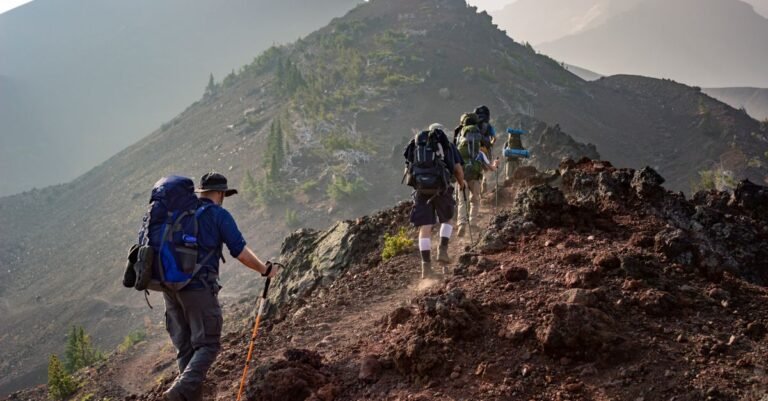
Hike Black Elk Peak (formerly Harney Peak), the highest point in South Dakota at 7,231 feet. The most popular route starts at Sylvan Lake and runs about 7 miles round trip with 1,100 feet of gain. The stone fire tower at the summit offers views across four states on a clear day.
This is a moderate hike that most reasonably fit beginners can handle with water and snacks. Start by early afternoon to be down before dark.
Evening: Sunset and Dinner
If you still have energy, drive a portion of the Wildlife Loop again near sunset when animals are active. Otherwise, head to your base town for dinner. You have earned it.
Park fee note: Custer State Park requires a $20 per vehicle park entrance license, valid for a full year at all South Dakota state parks. Buy it at the park entrance.
Day 3: Choose Your Adventure (Badlands or Wind Cave)
Day 3 offers two excellent options. Pick based on your interests and your departure plans.
Option A: Badlands National Park
Drive east about an hour from Rapid City to the Badlands. The 39-mile Badlands Loop Road strings together overlook after overlook of eroded spires, pinnacles, and prairie. Stop often; the formations change character completely as the light shifts.
Detour onto the unpaved Sage Creek Rim Road on the park's west side for bison, bighorn sheep, and prairie dog towns away from the tour buses. It is fine for regular cars in dry weather.
Add the Minuteman Missile National Historic Site near the east entrance if Cold War history interests you. Entrance to Badlands is $30 per vehicle (7-day pass), covered by the America the Beautiful pass.
Option B: Wind Cave and the Southern Hills
Wind Cave National Park, about an hour south of Rapid City, protects one of the longest cave systems in the world, famous for its rare boxwork formations. Cave tours run daily and should be booked ahead in summer. Above ground, the mixed-grass prairie holds bison, elk, and prairie dogs.
Pair it with Jewel Cave National Monument nearby (a second spectacular cave system) or the historic town of Deadwood for gold-rush history, and drive Spearfish Canyon on your way back north. The canyon's 22-mile byway is gorgeous, especially in fall.
Evening: Depart or One Last Night
If you are flying out of Rapid City, either option gets you back in time for an evening flight. If you have a fourth morning, spend it in Deadwood or on the 1880 Train between Hill City and Keystone before heading home.
Where to Eat in the Black Hills
You will not go hungry on this trip. The Black Hills have a surprisingly strong food scene for a rural area, built on steakhouses, local breweries, and a few genuine gems.
In Custer: The Custer area has classic Black Hills dining, from hearty breakfasts to bison burgers. The State Game Lodge dining room inside Custer State Park serves comfort food with a historic atmosphere; it was the "Summer White House" for President Calvin Coolidge in the 1920s.
In Hill City: This small town punches above its weight with bakeries, coffee shops, and family restaurants along Main Street. It is the best lunch stop between the Needles Highway and Mount Rushmore.
In Rapid City: The biggest selection, from downtown breweries to upscale steakhouses. If you only eat one memorable meal, make it here on your arrival or departure night.
In Deadwood: Historic saloons and gaming halls serve surprisingly good food alongside the Wild West atmosphere. Try the local trout or a buffalo prime rib if it is on the menu.
Pack picnic supplies for at least one day. The overlooks along the Needles Highway and the shore of Sylvan Lake are picnic spots you will remember longer than any restaurant meal.
What to Pack for 3 Days in the Black Hills
The Black Hills reward over-preparation more than most destinations because services are spread out and weather changes fast.
- Layers for 40-degree temperature swings. Mornings at 7,000 feet can be in the 40s even when afternoons hit the 80s. A fleece and a rain shell cover nearly everything.
- Sun protection. The high elevation means stronger UV. Sunscreen, sunglasses, and a hat are non-negotiable, especially on the exposed granite of the Needles area.
- Sturdy footwear. The Cathedral Spires and Black Elk Peak trails are rocky. Trail runners or hiking boots with good grip make a real difference.
- Binoculars. For the Wildlife Loop and the Badlands, they turn distant specks into actual animals.
- A cooler with food and water. Gas stations and restaurants are not always where you need them. Keep the car stocked.
- Offline maps. Cell service drops in the canyons and along the scenic byways. Download the area in Google Maps before you leave Rapid City.
Trip Costs at a Glance
| Expense | Cost | Notes |
|---|---|---|
| Custer State Park vehicle pass | $20 | Annual, all SD state parks |
| Mount Rushmore parking | $10/vehicle | Valid calendar year; no entrance fee |
| Badlands entrance | $30/vehicle | 7-day; or America the Beautiful pass |
| Wind Cave tour | Varies by tour | Book ahead in summer |
| Crazy Horse Memorial | Admission fee | Check current rates |
| Gas (3 days of driving) | ~$60-90 | Distances are short |
| Lodging (3 nights) | $120-250/night | Rapid City cheapest |
Planning Tips
Book lodging early for summer. June through August is peak season and the in-Hills towns (Custer, Hill City) sell out. Rapid City has more inventory but still fills on event weekends like the Sturgis Motorcycle Rally (early August), when you should avoid the area entirely unless that is your thing.
The scenic drives have seasons. Needles Highway and Iron Mountain Road typically open in spring and close with the first heavy snow, usually by late October or November. Check South Dakota DOT conditions for shoulder-season trips.
Give bison real space. Every year someone learns the hard way that bison are wild, fast, and uninterested in your selfie. Stay in your vehicle on the Wildlife Loop when herds are near the road, and keep 25 yards minimum on foot.
Build in buffer time. The single biggest mistake in the Black Hills is over-scheduling. The drives are slow, the overlooks are tempting, and lunch in Hill City takes longer than planned. This itinerary deliberately leaves breathing room. Protect it.
Fall is the sleeper season. Late September brings golden aspen and cottonwood, elk bugling, smaller crowds, and lower lodging rates. The scenic drives usually stay open through October.
Frequently Asked Questions
How many days do you need in the Black Hills?
Three full days is the sweet spot: one for Rushmore and the southern Hills, one for Custer State Park, and one for the Badlands or Wind Cave. Two days forces painful cuts. Four days lets you add Deadwood, Spearfish Canyon, and a second Custer State Park hike.
What is the best month to visit the Black Hills?
June and September are ideal: full access to the scenic drives, pleasant weather, and manageable crowds. July and August are peak season with the most visitors. Late September into early October offers fall color with fewer people. Avoid early August unless you are attending the Sturgis rally.
Is Custer State Park worth it?
Absolutely. Many visitors rank it above the national park units nearby. The combination of the Wildlife Loop, Needles Highway, Sylvan Lake, and Black Elk Peak in a single park is unmatched, and the $20 annual vehicle pass is a bargain.
Can you do the Black Hills without hiking?
Yes, comfortably. The Needles Highway, Iron Mountain Road, Wildlife Loop, Badlands Loop Road, and Spearfish Canyon are all spectacular from the car with short walks at overlooks. Add the cave tours and Rushmore's paved trails for a full non-hiking trip.
Where should I stay in the Black Hills?
Rapid City for the most options and the airport. Custer or Hill City to be inside the Hills and cut drive times. Keystone only if Mount Rushmore proximity is your priority. Book summer lodging 2-3 months ahead.
Is Mount Rushmore free?
Entry to the memorial is free. You pay $10 per vehicle for parking, which is valid for the entire calendar year. There are no timed entry reservations.
How many days do you need in the Black Hills?
Three days is the sweet spot: one for Custer State Park and the scenic drives, one for Mount Rushmore and the caves, and one for the Badlands or Spearfish Canyon. Add a fourth day if you want to hike Black Elk Peak without rushing.