How to Plan a Road Trip (+ Biggest Mistakes to Avoid!)
Planning a road trip across the United States can feel thrilling and overwhelming at the same time. Wide-open highways promise freedom. Unexpected detours bring stories you’ll tell for years. Still, without a solid plan, that freedom can quickly turn into stress. This guide shows how to plan a road trip the smart way while helping you avoid the mistakes that ruin good adventures. You’ll learn how to shape a flexible plan, choose the right vehicle, manage costs, and travel with confidence from start to finish.
Road Trip Planning Guide
A great road trip starts long before you turn the key. First, you need a loose structure that keeps things moving without killing spontaneity. That balance matters because the best road trips mix planning with room to wander. When you understand how to plan a road trip, you gain control without feeling boxed in.
Second, planning helps you see the full picture. Distances in the U.S. are huge. Weather changes fast. Services disappear in rural areas. A clear guide keeps you prepared for long drives, fuel gaps, and overnight stops. Think of this plan as a safety net rather than a strict rulebook.
Figure out your destination
Start with the big question. Where do you actually want to go? The United States offers deserts, mountains, coastlines, forests, and historic towns. Your destination shapes every other choice, from timing to budget to vehicle type. Pick places that match your interests and energy level.
Next, consider distance and season. A short regional trip feels very different from a cross-country journey. Weather matters too. Snowy mountain passes and desert heat can change routes fast. When learning how to plan a road trip, destination clarity prevents costly reroutes later.
Road trip inspiration
Inspiration often comes from maps and stories. Scenic byways, national parks, and coastal highways spark ideas quickly. Talking to friends helps too. Many of the best routes never appear in glossy guides. They come from local tips.
Another strong source is history. Old highways like Route 66 tell a story mile by mile. Following a theme gives your trip purpose. Food trails, music routes, or national park loops turn driving into an experience rather than a commute.
Choose your mode of transportation
Your vehicle shapes daily comfort. It affects fuel costs, sleep quality, and how far you can roam. Some travelers value freedom over convenience. Others want simplicity and speed. Choosing wisely makes a huge difference.More information about visiting New Orleans.
Think honestly about your driving habits. Long hours behind the wheel feel easy for some people and exhausting for others. When you understand how to plan a road trip, matching the vehicle to your travel style keeps energy high.
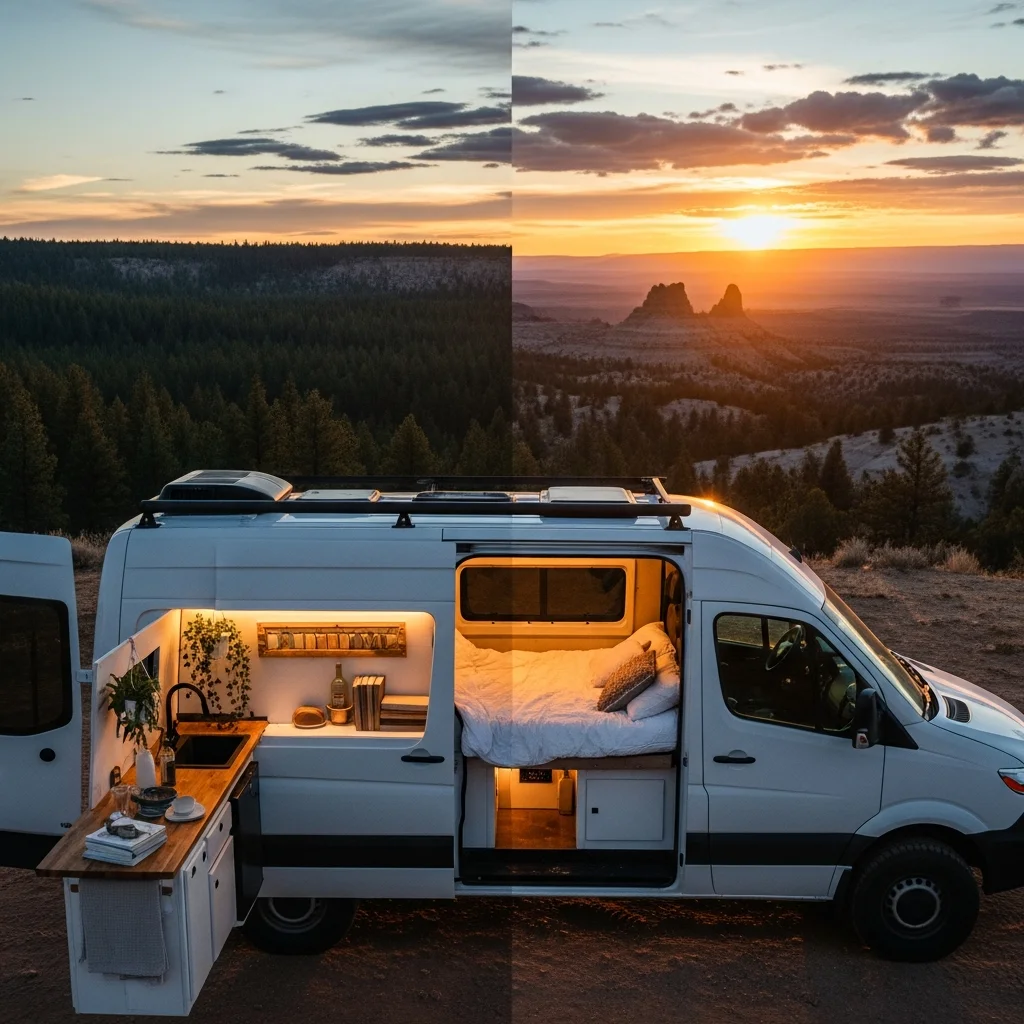
Road tripping in a campervan
Campervans offer unmatched flexibility. You sleep where you stop. You cook when hungry. This setup works especially well in the U.S. where camping infrastructure is strong. Public lands, rest areas, and campgrounds appear everywhere.
However, campervans demand planning. Parking rules vary by city. Fuel costs run higher. Still, for long journeys, the savings on lodging and food often balance things out.
Build your own campervan
Building your own campervan gives full control. You design the space to fit your habits. Storage, bed size, and cooking setup reflect real needs rather than factory guesses. This option works best for long-term travel.
Time and patience matter here. You’ll need basic tools and research skills. Still, many travelers say the process deepens their connection to the trip. It becomes part of the journey itself.
DIY campervan conversion guide
A basic conversion starts with insulation and ventilation. Temperature control matters more than style. Next comes sleeping space. A simple platform bed often works better than complex fold systems. After that, add storage and lighting.
Safety should guide every choice. Secure cabinets properly. Vent gas stoves well. When learning how to plan a road trip in a campervan, safety always beats aesthetics.
Renting a campervan for your road trip
Renting removes long-term commitment. You test the lifestyle without building anything. Many U.S. rental companies offer fully equipped vans with insurance and roadside support.
Check mileage limits carefully. Some rentals charge extra per mile. Also confirm where overnight parking is allowed. Clear rules prevent fines and awkward nights.
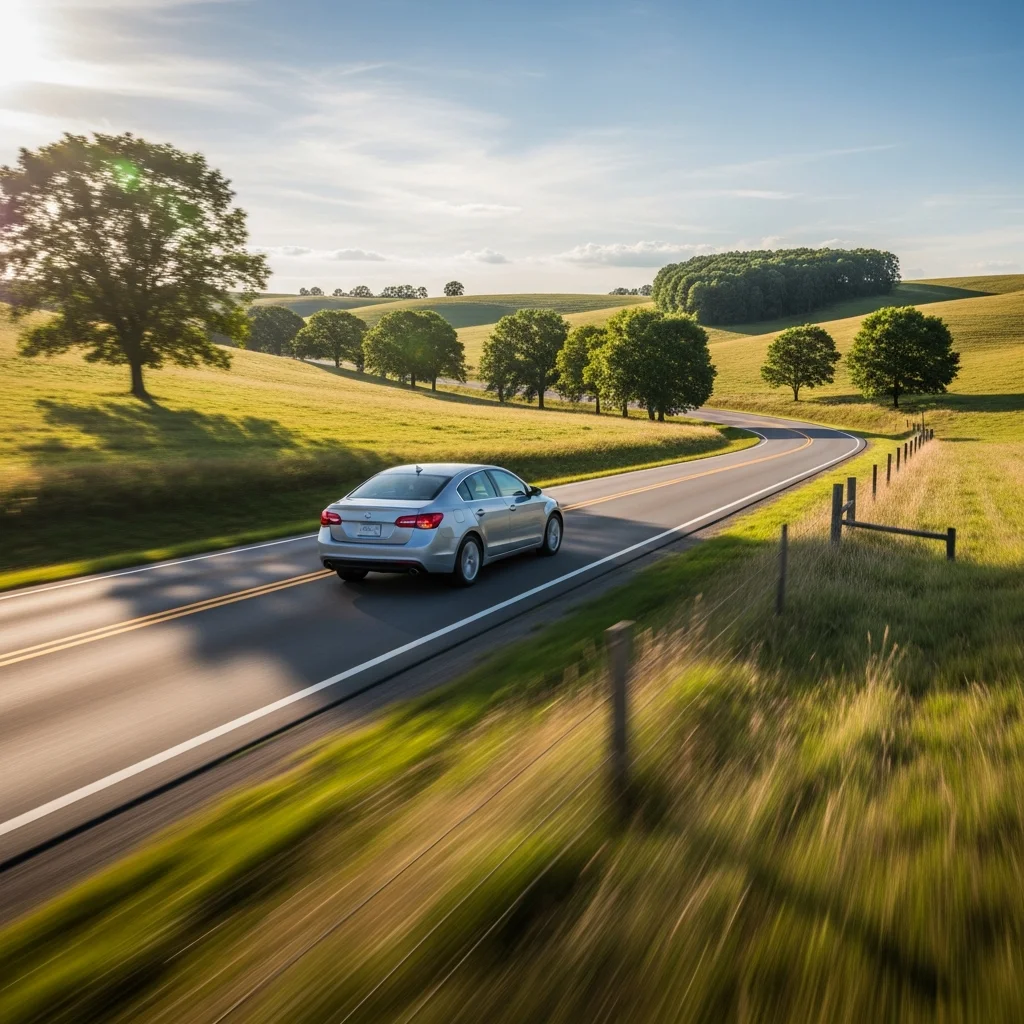
Road tripping in your own car
Using your own car feels familiar and cost-effective. You already trust how it handles. Insurance coverage stays simple. This option works well for shorter trips or paved routes.
Still, long-distance driving adds wear. Older vehicles may struggle on steep grades or desert heat. Understanding how to plan a road trip with your own car means knowing its limits.
How to prepare your vehicle for a road trip
Preparation prevents breakdowns. Check tires, fluids, brakes, and lights before leaving. Replace worn wiper blades. Pack jumper cables and a spare tire.
Schedule maintenance early. A small issue at home becomes a big problem in remote areas. Preparation buys peace of mind.
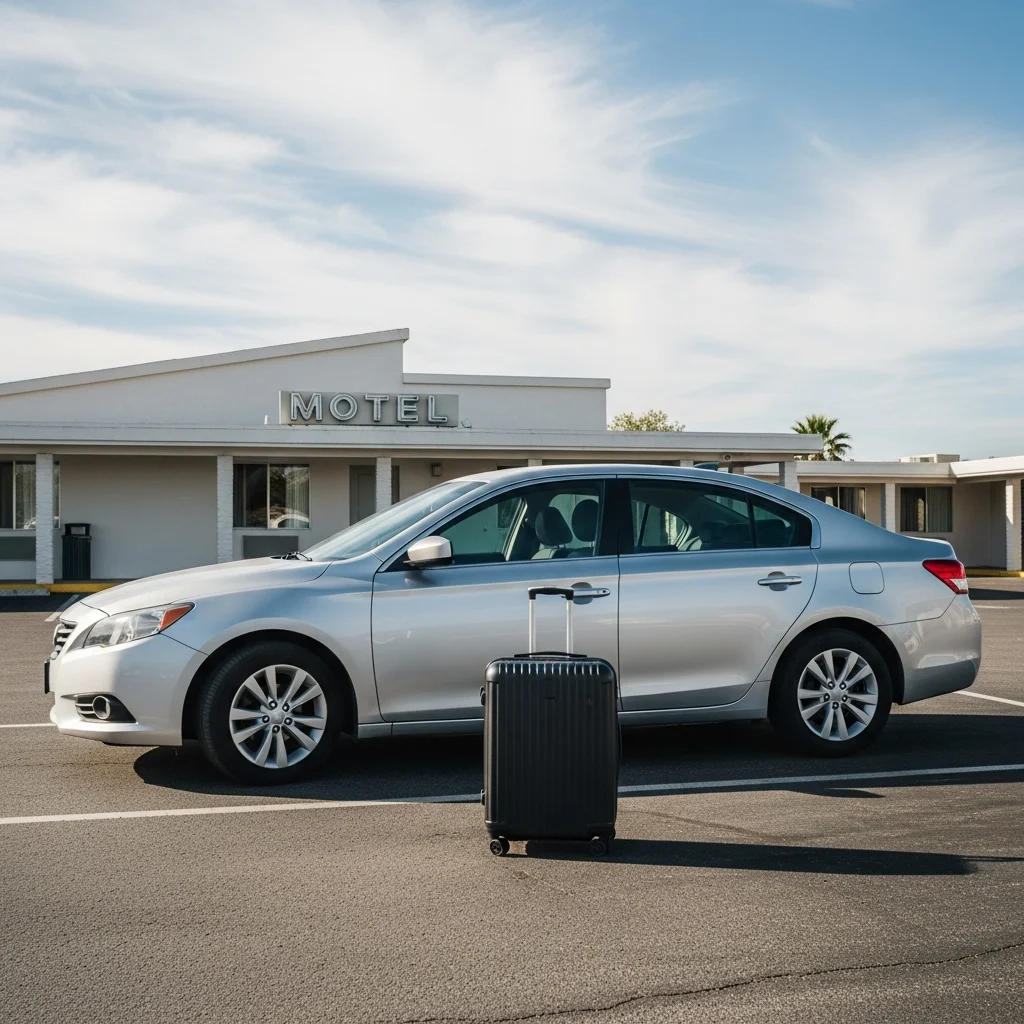
Road tripping with a rental car
Rental cars offer flexibility. You can fly into one city and drive out of another. This works well for long U.S. routes like California’s coast or the Southwest loop.
Choose the right size. Compact cars save fuel but struggle on rough roads. SUVs handle terrain better but cost more. Balance comfort with cost when planning how to plan a road trip using rentals.
Search & Compare Rental Car Prices
Prices vary wildly by location and season. Comparing platforms saves money. Airport pickups often cost more than city locations.
Also review insurance terms carefully. Some credit cards cover rentals. Knowing this avoids double payment and confusion later.
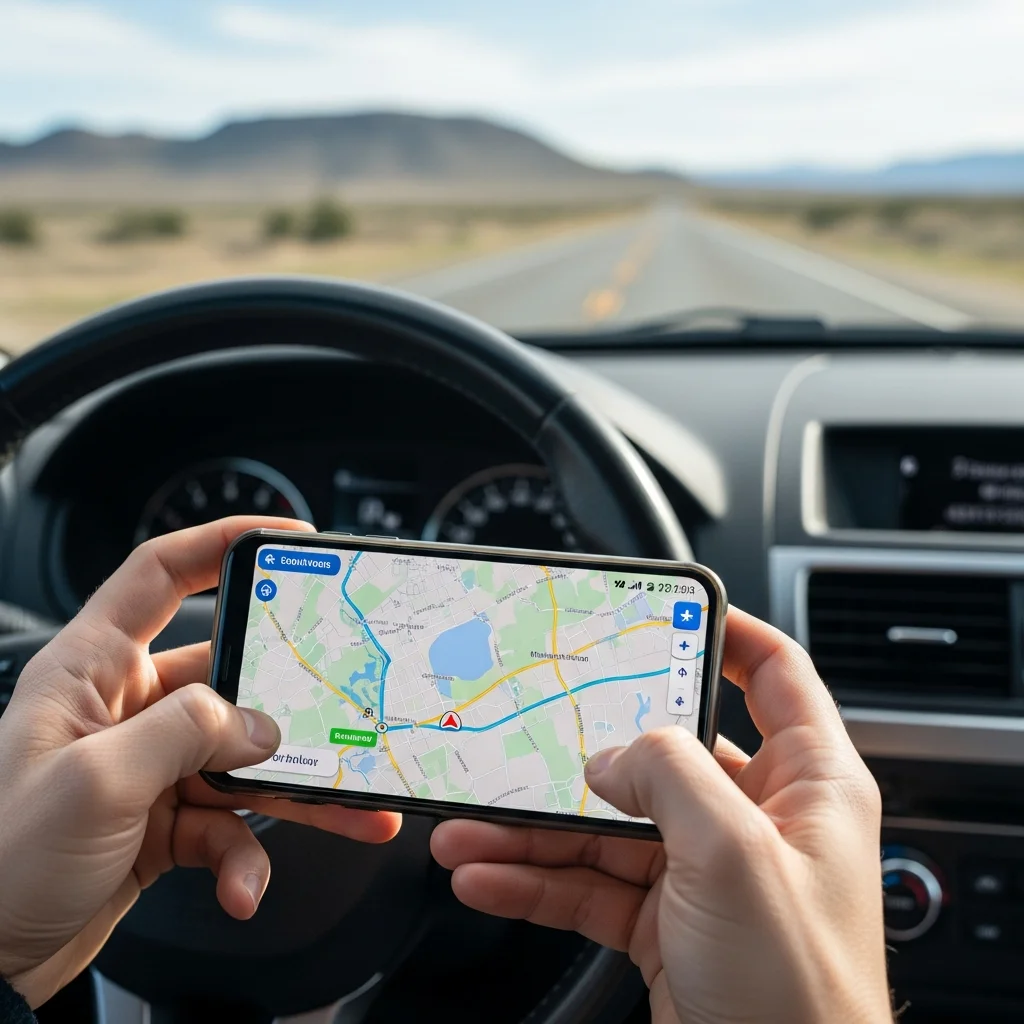
Plan your route with Google Maps
Google Maps remains a powerful planning tool. It shows distances, drive times, fuel stops, and reviews. It also updates traffic in real time, which matters in busy U.S. cities.
However, maps should guide rather than dictate. Roads close. Weather shifts. Flexibility keeps frustration low when conditions change.
1. Make a list of all the places you want to go
Start broad. Write down landmarks, towns, parks, and food stops. Don’t judge the list yet. Let ideas flow.
Later, rank stops by importance. This step clarifies what matters most if time runs short.
2. Start plotting pins on Google Maps with this genius system
Pins turn ideas into visuals. Seeing locations on a map reveals natural routes. It also shows which stops cluster together.
Color-coded pins help organization. Different colors for food, nature, and lodging keep planning clear.
3. Perfect the route
Now trim excess. Remove major detours unless they’re essential. Long drives drain energy fast.
Scenic routes often add time but improve experience. Choose highways for efficiency and backroads for beauty.
4. Create your perfect road trip itinerary
Break the trip into daily segments. Aim for realistic driving hours. Many travelers prefer four to six hours per day.
Build buffer days. Weather delays and unexpected gems deserve time. This mindset defines smart how to plan a road trip strategies.
5. Download Google Maps for offline access
Cell service disappears in rural areas. Offline maps keep navigation working without data.
Download maps before leaving Wi-Fi. This simple step prevents getting lost in remote regions.

Set a road trip budget
Budgeting doesn’t limit fun. It protects it. Knowing daily spending prevents stress and surprise debt.
Major costs include fuel, lodging, food, attractions, and emergencies. Prices vary by region. Coastal and urban areas usually cost more than rural zones.
| Expense Type | Typical Cost Range (USA) |
|---|---|
| Fuel | Varies by distance |
| Lodging | $0–$250 per night |
| Food | $30–$80 per day |
| Attractions | $0–$50 per stop |
Where to stay on your road trip
Accommodation choice shapes comfort. Some travelers prefer consistency. Others chase novelty. Mixing styles often works best.
Book busy areas early. National parks and popular cities fill fast during peak seasons.
Airbnb stays
Airbnb offers space and kitchens. Cooking saves money and adds comfort after long drives.
Check parking rules carefully. City regulations vary widely across the U.S.
Hotel stays
Hotels provide predictability. Daily cleaning and front-desk support help after long drives.
Watch for parking fees in cities. These costs add up quickly.
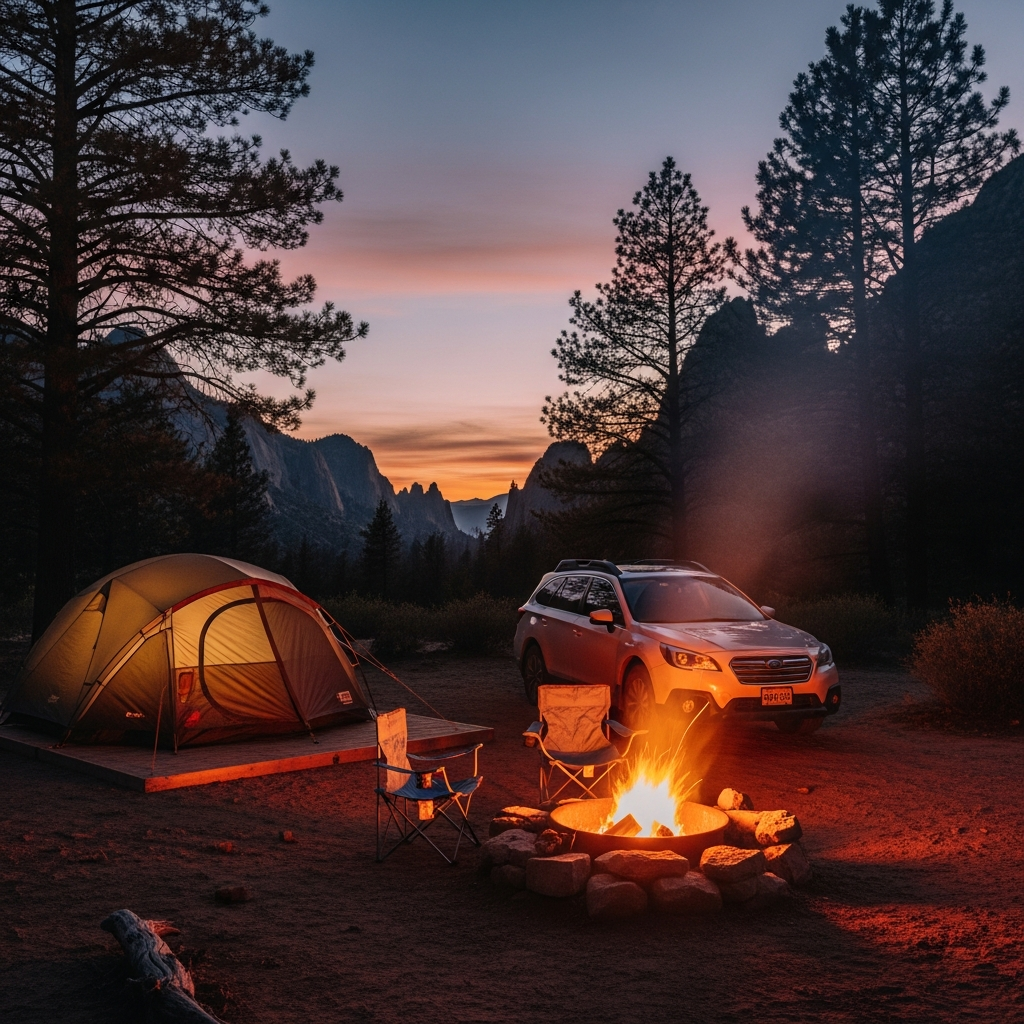
Camping on your road trip
Camping connects you to landscapes. It also lowers costs significantly. The U.S. offers extensive camping options on public lands.
However, planning matters. Not all areas allow overnight stays. Know local rules before settling in.
Free camping in the USA
Dispersed camping on public land saves money. National forests and BLM land allow it in many areas.
Always follow Leave No Trace principles. Respect keeps these spaces open.
Camping apps
Apps help find legal sites quickly. Reviews reveal road access, noise levels, and safety.
Technology simplifies what once required guesswork.
Harvest Host
Harvest Host offers overnight stays at farms and wineries. You park legally and support local businesses.
Membership costs apply. Still, many travelers enjoy the unique settings.
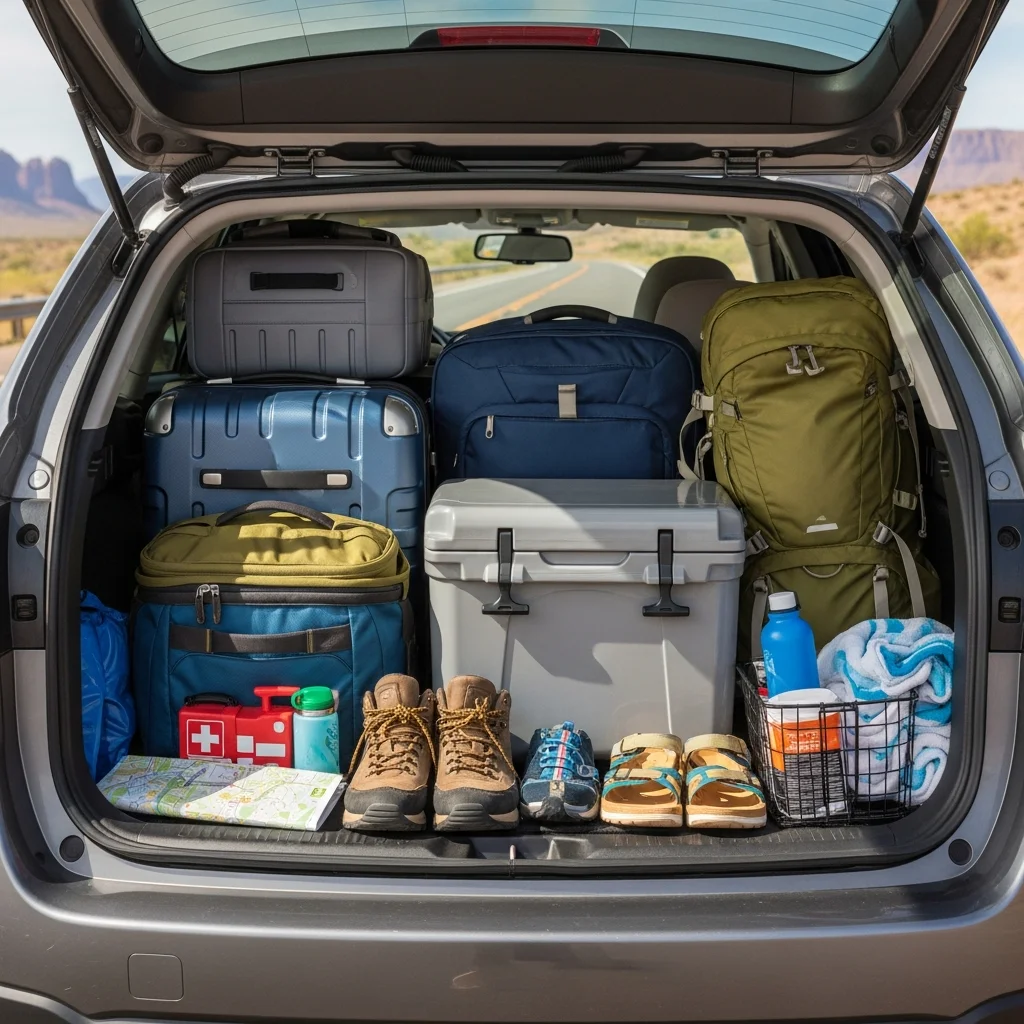
Road trip packing list
Packing wisely keeps the car organized. Overpacking creates clutter and stress. Underpacking causes frustration.
Focus on safety, comfort, and daily needs. Adjust for climate and duration.
Don’t forget to pack the…
Emergency supplies matter most. Water, basic tools, and first aid protect you when plans change.
Also pack chargers, offline entertainment, and weather gear. These small items improve long drives.
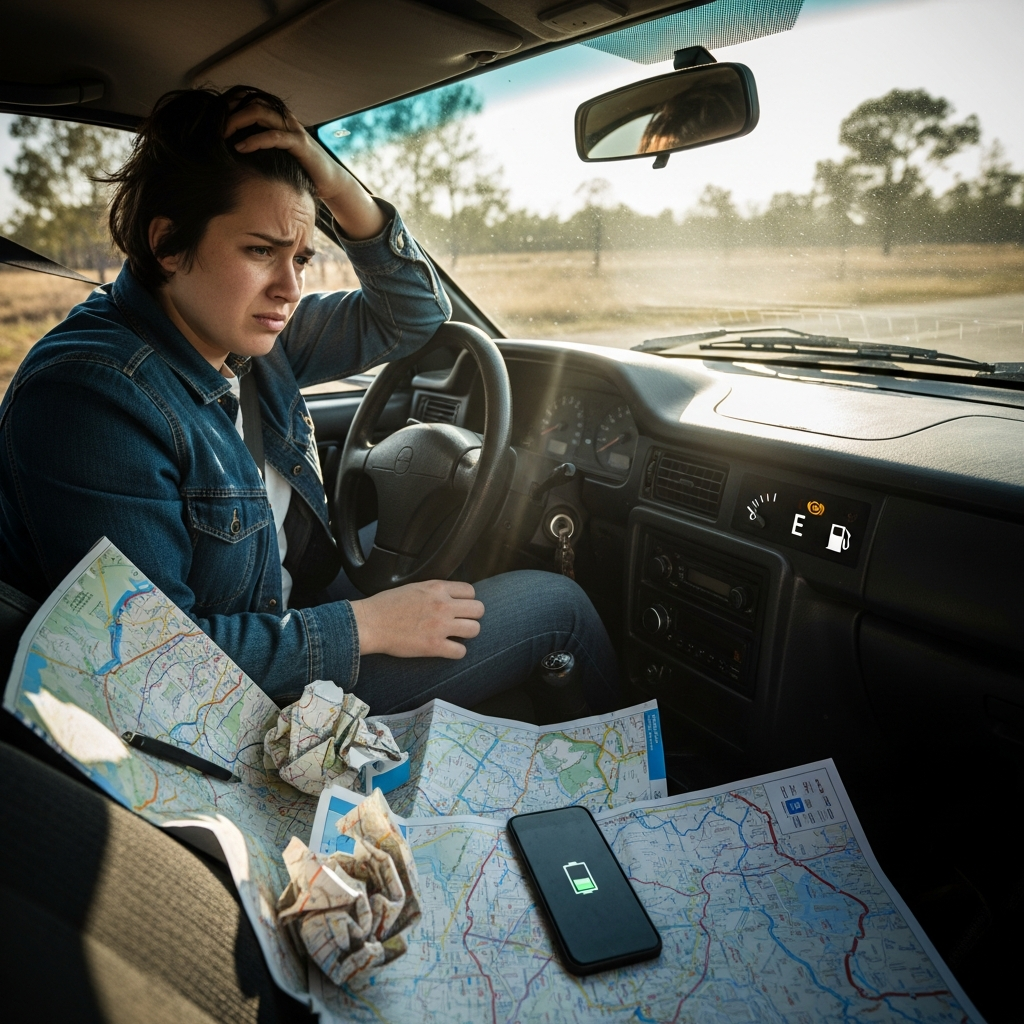
Biggest road trip mistakes
Mistakes happen when rushing or assuming. Awareness prevents most problems.
Learning how to plan a road trip includes knowing what to avoid.
1. Not giving yourself enough time
Overpacked schedules cause fatigue. Fewer stops often mean deeper experiences.
2. Sticking to your route EXACTLY
Rigid plans miss surprises. Flexibility leads to memorable detours.
3. Going during the wrong season
Seasonal closures and extreme weather derail trips. Research saves time.
4. Not planning ahead during busy season
Peak travel demands early bookings. Last-minute plans cost more.
5. Not talking to your road trip buddy BEFORE the trip
Misaligned expectations cause tension. Clear conversations prevent conflict.
6. Not downloading this type of app…
Offline tools matter in remote areas. Prepare before losing signal.
7. Forgetting you get carsick
Motion sickness ruins days. Preparation keeps comfort high.
8. Forgetting to pack an emergency kit
Breakdowns happen. Supplies turn crises into delays.
9. Not having roadside assistance
Towing costs add up fast. Coverage brings peace of mind.
10. Forgetting to download Google Maps offline
No signal means no directions. Offline maps fix that.
11. Not bringing hard copies
Paper maps back up technology failures.
12. Tempting hunger
Hunger affects mood. Snacks save relationships.
13. Not having water on hand
Water handles both health and engine emergencies.
14. Running low on gas
Rural stretches lack stations. Fill up early.
15. Not wearing sunscreen
Sun exposure happens through windows. Protection matters.

Best apps for your road trip
Apps reduce stress. They handle navigation, budgeting, and discovery.
Use only what adds value. Too many apps distract.
Best apps for finding campsites
Campsite apps reveal legal options and real reviews.
They save time and avoid fines.
Road trip planning apps
Planning apps visualize routes and costs.
They help balance time and distance.
Fun road trip apps
Entertainment apps fight boredom.
Games, journals, and music lift long drives.
Our favorite road trip podcasts
Podcasts turn miles into stories. They educate and entertain without distraction.
Choose shows that match group taste. Shared laughs strengthen trips.
More road trip planning resources
Learning never stops. Every trip teaches something new.
Use guides, maps, and community advice to refine future journeys. Understanding how to plan a road trip grows easier with experience.