Embark on the Ultimate Blue Ridge Parkway Road Trip: A Guide to the Best Stops and Scenic Overlooks
Introduction
The truth is, planning a Blue Ridge Parkway road trip can be overwhelming, with over 469 miles of stunning scenery and countless attractions to explore. As you start thinking about your trip, you’re probably wondering what to expect and how to make the most of your time on this iconic route.
Most people miss the fact that the best time to visit the Blue Ridge Parkway is during the spring and fall seasons, when mild temperatures and vibrant foliage create a truly breathtaking backdrop for your journey. For example, in the spring, you can witness the beautiful blooming of wildflowers, with over 200 species of flowers blooming along the parkway.
As you embark on your Blue Ridge Parkway road trip, you can expect to learn about the top stops, scenic overlooks, and hidden gems that will make your journey unforgettable. From the stunning views at Linn Cove Viaduct to the picturesque towns like Blowing Rock, you’ll discover the best experiences and attractions that the Blue Ridge Parkway has to offer. You’ll also get insights into costs and how to plan your itinerary to fit your budget and interests.
Whether you’re a nature lover, a thrill-seeker, or simply looking for a relaxing getaway, this guide will help you navigate the Blue Ridge Parkway and create an unforgettable experience. With its rich history, diverse wildlife, and stunning natural beauty, the Blue Ridge Parkway is a destination that has something for everyone, and we’re excited to share it with you.
Planning Your Blue Ridge Parkway Road Trip: Costs and Itinerary

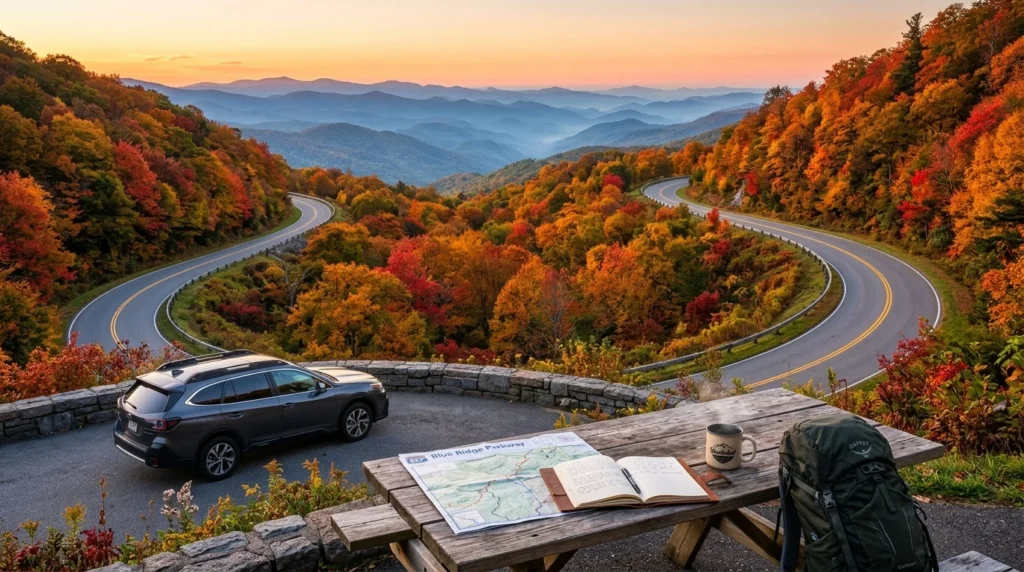
When it comes to planning a Blue Ridge Parkway road trip, it’s essential to consider the best time to visit. The truth is, the parkway is open year-round, but the peak season is from April to October, with the most popular months being June, July, and August. During this time, the weather is mild, and the scenery is particularly stunning, with wildflowers blooming in the spring and leaves changing colors in the fall. For example, in September, the parkway hosts the Blue Ridge Parkway Folk Art Center’s Harvest Festival, which showcases local crafts, music, and food.
To estimate the costs of your trip, consider that a 7-day Blue Ridge Parkway road trip can range from $500 to $1,500 per person, depending on your accommodation choices and activities. Gas costs will depend on your starting point and the number of detours you take, but on average, you can expect to spend around $100 to $200 on fuel for the entire trip. Additionally, food costs can vary greatly, from $10 to $30 per meal, depending on whether you choose to dine at local restaurants or prepare your own meals.
Most people miss the opportunity to explore hidden gems along the parkway, such as the Crabtree Falls or the Linville Gorge. These spots offer breathtaking scenery and unique experiences that are often overlooked by visitors. By incorporating these top experiences into your itinerary, you can create a more balanced and memorable trip. For instance, you can spend a morning hiking to the Crabtree Falls, followed by a scenic drive to the Linville Gorge for a picnic lunch.
As you plan your itinerary, be sure to balance driving time with scenic stops and outdoor activities, such as hiking and wildlife viewing. A good rule of thumb is to allocate at least 2 to 3 hours per day for driving, and 2 to 3 hours for exploring scenic stops and participating in outdoor activities. By doing so, you’ll be able to experience the full beauty of the Blue Ridge Parkway without feeling rushed or overwhelmed. With some careful planning, you can create an unforgettable Blue Ridge Parkway road trip that suits your interests and budget.
Top Experiences and Attractions Along the Blue Ridge Parkway
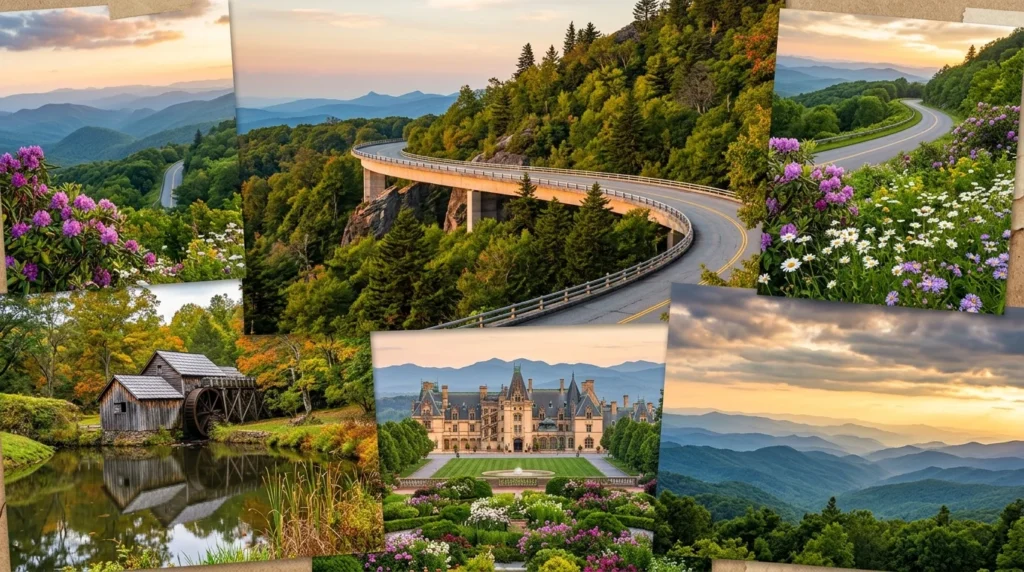
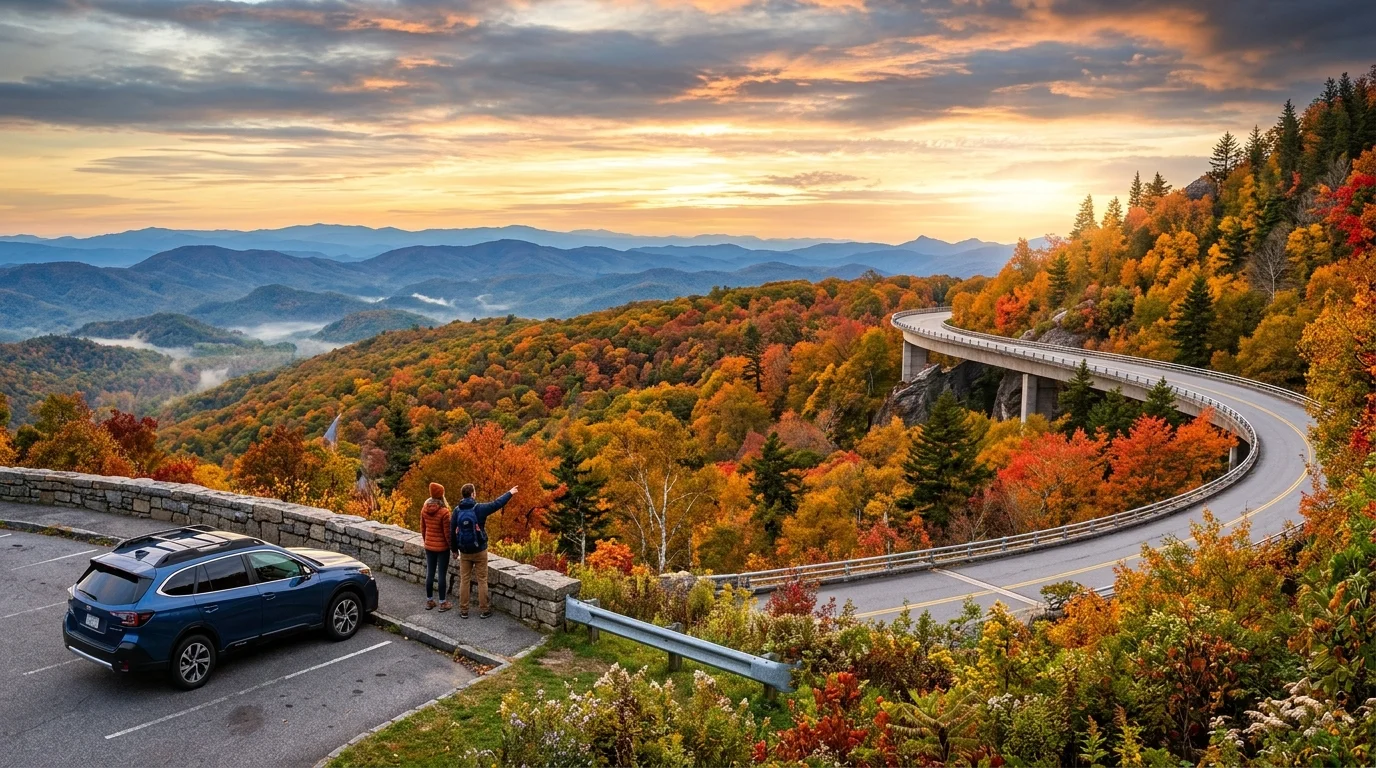
The Blue Ridge Parkway is a treasure trove of natural beauty, rich history, and vibrant culture, offering a wide range of experiences and attractions to suit every interest. One of the most iconic attractions is the Linn Cove Viaduct, a 1,243-foot-long concrete bridge that winds its way around Grandfather Mountain. This engineering marvel is a must-see, especially during the best time to visit, which is from April to October when the weather is mild and the wildflowers are in bloom.
As you drive along the parkway, you’ll have the opportunity to explore Grandfather Mountain, which boasts stunning views, hiking trails, and a famous Mile High Swinging Bridge. The truth is, most people miss the hidden gems like the Crabtree Falls, a 70-foot waterfall that’s just a short hike from the parkway. With over 200,000 visitors per year, the Biltmore Estate is another popular attraction, featuring an impressive chateau-style mansion, beautiful gardens, and a winery.
In addition to these top experiences, the Blue Ridge Parkway is also home to a variety of cultural attractions, including the Blue Ridge Music Center, which showcases the region’s rich musical heritage. For a glimpse into the region’s history, visit the Mabry Mill, a historic gristmill that’s been restored to its original charm. With costs ranging from free to $20 per person, depending on the attraction, you can easily plan a budget-friendly Blue Ridge Parkway road trip that includes a mix of popular and off-the-beaten-path experiences.
Most people don’t realize that the Blue Ridge Parkway spans over 469 miles, offering countless opportunities to stop, explore, and soak up the natural beauty of the surroundings. For example, the Blue Ridge Parkway has over 250 scenic overlooks, each one offering a unique perspective on the surrounding landscape. Whether you’re interested in hiking, photography, or simply taking in the views, the Blue Ridge Parkway has something for everyone, making it an ideal destination for a road trip. With its rich history, stunning natural beauty, and vibrant culture, the Blue Ridge Parkway is a destination that will leave you with lifelong memories.
Scenic Overlooks and Hiking Trails: Making the Most of Your Blue Ridge Parkway Road Trip
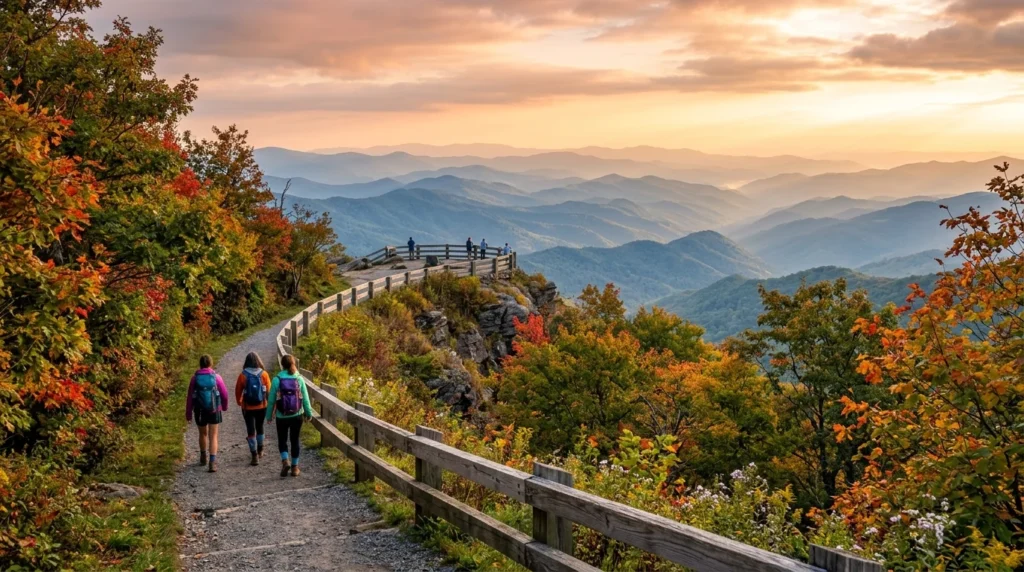
The Blue Ridge Parkway is renowned for its breathtaking scenic overlooks, with over 200 designated spots to take in the views. One of the most popular spots is the Peaks of Otter, which offers stunning vistas of the surrounding mountains and valleys. For the best experience, plan your visit during the golden hour, just before sunset, when the light is soft and warm.
As you drive along the parkway, be sure to take advantage of the many pull-offs and parking areas, which provide easy access to hiking trails and picnic spots. The truth is, most people miss these hidden gems, but they offer a unique opportunity to connect with nature and experience the natural beauty of the parkway. For example, the Roanoke River Gorge is a must-visit spot, with its stunning views of the river and surrounding landscape.
In terms of costs, the good news is that the Blue Ridge Parkway is free to visit, with no entrance fees or tolls. However, some activities, such as camping or fishing, may require a permit or license. To make the most of your visit, consider bringing a picnic lunch and enjoying it at one of the many scenic overlooks. This will not only save you money but also provide a unique and memorable experience.
Most people visit the Blue Ridge Parkway during the summer months, but the best time to visit is actually during the fall, when the foliage is at its peak. The parkway is less crowded, and the scenery is simply stunning, with the changing leaves creating a kaleidoscope of colors. One of the top experiences is to hike the Trail of the Lonesome Pine, which offers breathtaking views of the surrounding mountains and valleys. With over 369 miles of hiking trails to explore, you’re sure to find something that suits your interests and abilities.
Common Mistakes to Avoid on Your Blue Ridge Parkway Road Trip
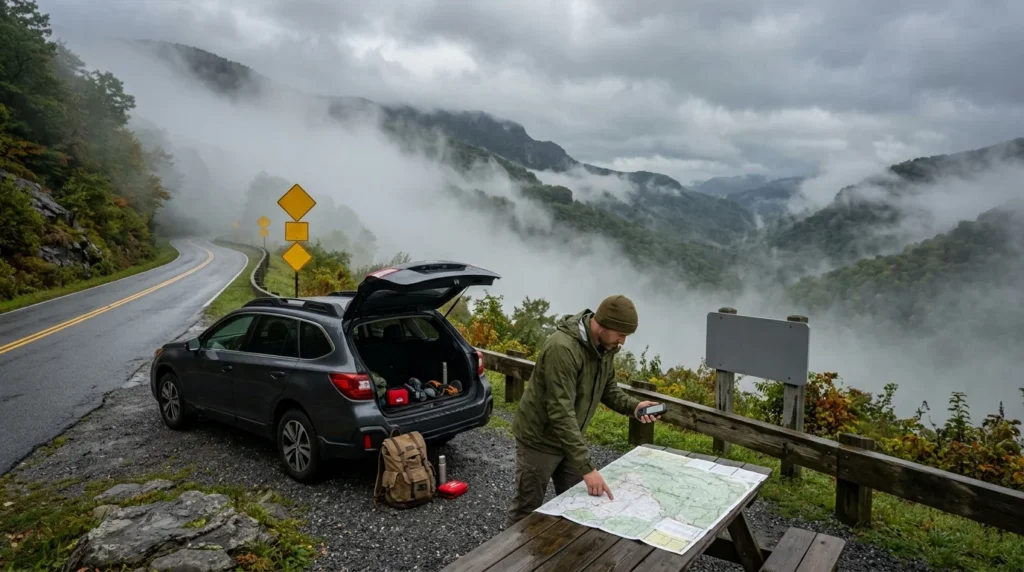
When planning a Blue Ridge Parkway road trip, it’s easy to get caught up in the excitement of exploring one of the most scenic routes in the country. However, there are several mistakes that travelers commonly make that can detract from their experience.
One of the most significant errors is not checking the weather forecast before heading out, which can lead to unexpected road closures or hazardous driving conditions.
For example, in 2020, over 100 inches of snow fell on the parkway, causing widespread closures.
The truth is, the best time to visit the Blue Ridge Parkway is during the spring and fall, when the weather is mild and the scenic overlooks are particularly stunning.
To avoid getting caught off guard by unexpected weather, it’s essential to download a parkway app or check the official website for up-to-date road conditions.
This simple step can save you hours of frustration and ensure that your trip runs smoothly.
Another mistake that travelers make is not bringing a map or GPS device, which can lead to getting lost or missing out on hidden gems along the way.
With over 200 scenic stops and hiking trails to explore, it’s easy to get turned around or lose track of your itinerary.
To avoid this, consider investing in a GPS device or downloading a mapping app that specializes in Blue Ridge Parkway road trips.
Most people miss the fact that the costs of a Blue Ridge Parkway road trip can add up quickly, particularly if you’re not prepared.
From gasoline and food to lodging and activity fees, it’s essential to budget carefully to ensure that you have enough funds to enjoy all the top experiences the parkway has to offer.
For instance, a 7-day trip can cost upwards of $2,000 per person, depending on your accommodation choices and activity level.
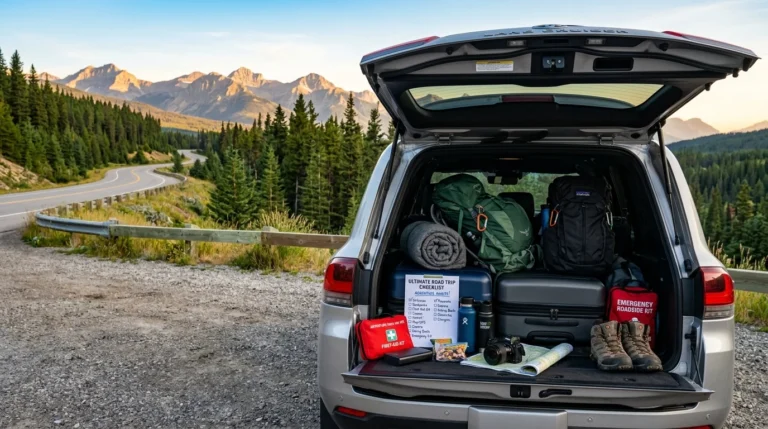
To avoid breaking the bank, consider packing a roadside emergency kit with essentials like snacks, water, and first aid supplies.
Finally, many travelers make the mistake of not taking breaks to rest and stretch, which can lead to fatigue and decreased enjoyment of the trip.
With so many scenic overlooks and hiking trails to explore, it’s easy to get caught up in the excitement of the trip and forget to take care of yourself.
To avoid this, be sure to schedule regular rest stops and stretching breaks into your itinerary, and consider packing a picnic lunch to enjoy at one of the many scenic stops along the way.
Insider Tips for an Unforgettable Blue Ridge Parkway Road Trip
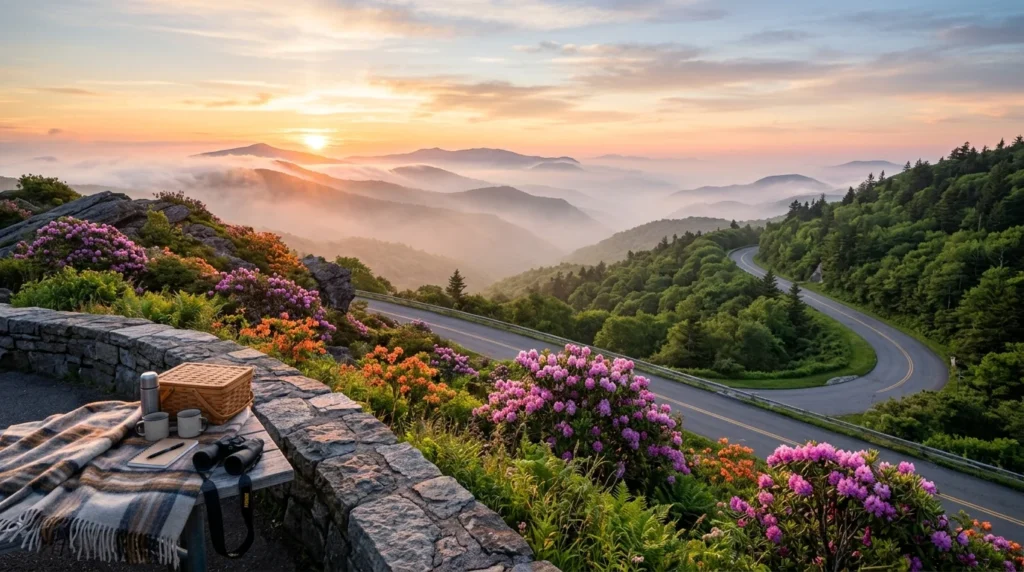
To make the most of your Blue Ridge Parkway road trip, it’s essential to know the best times to visit popular attractions. The truth is, visiting during the early morning or late afternoon can help you avoid crowds and enjoy a more peaceful experience. For example, the Craggy Gardens are particularly stunning during the early morning hours, with the mist still rising from the valleys below.
Most people miss the hidden gems along the Blue Ridge Parkway, such as the Linville Falls or the Crabtree Falls. These secret spots offer breathtaking views and wildlife viewing opportunities, making them a must-visit on your road trip. Be sure to check the opening hours and plan your visit accordingly, as some of these spots may have limited access or require a short hike to reach.
When it comes to costs, it’s worth noting that the Blue Ridge Parkway is free to drive, making it an affordable option for travelers. However, some attractions and activities along the way may require a small fee, such as the Biltmore Estate, which costs around $60 per person for a day pass. To save money, consider packing a picnic lunch and enjoying it at one of the many scenic stops along the way.
In addition to the top experiences and attractions, the Blue Ridge Parkway is also home to a variety of local restaurants and cafes that serve the best Southern cuisine. Be sure to try some of the regional specialties, such as barbecue or sweet tea, at places like the Blue Ridge Music Center or the Mabry Mill. With a little insider knowledge, you can create an unforgettable Blue Ridge Parkway road trip experience that’s tailored to your interests and budget.
The wildlife viewing opportunities along the parkway are also not to be missed, with over 200 species of birds and 60 species of mammals calling the area home.
Frequently Asked Questions
What are the best times to visit the parkway?
The best times to visit the Blue Ridge Parkway are during the spring and fall, when the wildflowers are in bloom and the fall foliage is at its peak. These periods offer mild weather, making it ideal for hiking and scenic drives. For example, the Linn Cove Viaduct is particularly stunning during the fall season, with the surrounding trees displaying vibrant colors. With over 15 million visitors annually, it’s essential to plan your trip during the shoulder season to avoid crowds.
How long does it take to drive the entire parkway?
Driving the entire Blue Ridge Parkway can take around 4-7 days, depending on your itinerary and the number of stops you make along the way. The truth is, most people miss the hidden gems and top experiences by rushing through the parkway. To make the most of your trip, consider allocating at least 5 days to explore the scenic overlooks, hiking trails, and local attractions. This will give you ample time to soak in the breathtaking views and enjoy the wildlife viewing opportunities.
What are the best hiking trails for families?
The Blue Ridge Parkway offers numerous hiking trails suitable for families, including the Crabtree Falls Trail and the Linville Gorge Trail. These trails provide stunning views and exciting experiences for both kids and adults. For instance, the Crabtree Falls Trail is a 3.5-mile loop that takes you through a lush forest and ends at a beautiful waterfall. When planning your hike, be sure to check the trail difficulty and weather forecast to ensure a safe and enjoyable experience.
Can I bring my dog on the parkway?
Yes, dogs are allowed on the Blue Ridge Parkway, but they must be kept on a leash no longer than 6 feet. Additionally, dogs are not permitted in buildings or backcountry areas, so it’s essential to plan your trip accordingly. Most people enjoy bringing their furry friends along for the ride, and there are plenty of dog-friendly scenic overlooks and hiking trails to explore. Just remember to clean up after your dog and keep them under control at all times.
Are there any camping facilities along the parkway?
The Blue Ridge Parkway offers several camping facilities, including backcountry campsites and developed campgrounds. These facilities provide basic amenities such as restrooms and potable water, as well as stunning views of the surrounding landscape. For example, the Julian Price Campground is a popular developed campground that offers 124 campsites and modern amenities. Be sure to book your campsite in advance, especially during peak season, to ensure availability and make the most of your Blue Ridge Parkway road trip experience.
Key Takeaways and Next Steps for Your Blue Ridge Parkway Road Trip
As you start planning your Blue Ridge Parkway road trip, keep in mind that the journey is just as important as the destination. To make the most of your experience, consider the following essential tips.
First and foremost, timing is everything.
Plan your trip during the spring or fall for the best weather and scenery, with mild temperatures and vibrant foliage. For instance, the spring season offers a beautiful display of wildflowers, with over 200 species of flowers blooming along the parkway.
When it comes to navigation, technology can be your best friend.
Download a parkway app to navigate the road and find attractions, such as the Blue Ridge Parkway Travel Planner, which provides interactive maps and real-time updates. This will help you stay on track and discover hidden gems along the way.
To fully immerse yourself in the natural beauty of the parkway, take breaks to enjoy the scenery.
Pack a picnic lunch and enjoy the scenic overlooks, such as the Linn Cove Viaduct, which offers breathtaking views of the surrounding mountains. Here are some additional tips to keep in mind:
- Plan your trip during the spring or fall for the best weather and scenery
- Download a parkway app to navigate the road and find attractions
- Pack a picnic lunch and enjoy the scenic overlooks
- Bring a map and GPS device to stay on track, especially in areas with limited cell service
- Take breaks to rest and stretch, as the parkway spans over 469 miles
- Consider purchasing an America the Beautiful annual pass for access to national parks and federal recreational lands, which can help you save money on entrance fees
The truth is, a well-planned Blue Ridge Parkway road trip can be a life-changing experience, with its stunning scenery, rich history, and diverse wildlife.
Read More:Why You Shouldn’t Sleep on a Southwest Kansas Road Trip