
19 Cape Town Travel Tips for the Ultimate South Africa Trip
Introduction
Cape Town sits inside the top 10 most Googled travel destinations on earth — yet most first-time visitors still underestimate just how much this one city packs in. This cape town travel guide exists because a quick search gives you lists, but rarely the practical detail you need before you book flights.
You’ve got Table Mountain rising straight out of the city, white-sand beaches like Clifton a 10-minute drive away, Cape Malay cuisine in the colorful streets of Bo-Kaap, and world-class wine in Stellenbosch less than an hour out. No other city does all four this well.
These 19 tips are written for first-time visitors from the US who want honest, specific advice — not just highlights. You’ll find safety tips broken down by situation, a realistic daily budget in USD, neighborhood breakdowns, and transport logistics including what to do about load shedding.
For another perspective, this detailed piece on The Ultimate Cape Town Travel Guide is worth a read.
Read this before you book anything.
What to Know About Cape Town Before You Book

You’ve found a flight deal, you’re 10 tabs deep into research, and you still don’t know if you need a visa. Start here.
Cape Town is in South Africa, on the southwestern tip of the continent. The local currency is the rand — around 18–19 ZAR to the US dollar in 2024 — which makes this destination genuinely affordable once you land. The time zone runs 6–7 hours ahead of Eastern, and English is widely spoken across the city.
US passport holders don’t need a visa for South Africa. You’ll get 90 days on arrival, but bring proof of onward travel and at least one blank passport page.
One honest heads-up before you book: this city fills up fast in December and January. Any solid cape town travel guide will tell you that peak-season accommodation books out months in advance, especially near Camps Bay and the V&A Waterfront. Plan early or expect to pay a premium.
Best Time to Visit Cape Town for Good Weather and Fewer Crowds

Are you planning your trip around beach days at Clifton Beach, or do you care more about avoiding peak-season crowds and prices? Your answer will shape everything.
Cape Town’s summer (December to February) brings warm, sunny days perfect for the beaches and Cape Peninsula drives. But flights and accommodation can cost 40–50% more, and popular spots like Table Mountain fill up fast.
March to May is genuinely the sweet spot. Temperatures stay comfortable in the low 70s°F, crowds thin out, and you’ll find much better rates on where to stay. The Cape Winelands around Stellenbosch are especially beautiful during the autumn harvest.
Winter (June to August) is mild but rainy, with frequent wind. It’s the cheapest time to visit, though outdoor plans can get disrupted.
Every solid cape town travel guide will point you toward shoulder season — and honestly, that advice holds up.
How Many Days Do You Actually Need in Cape Town
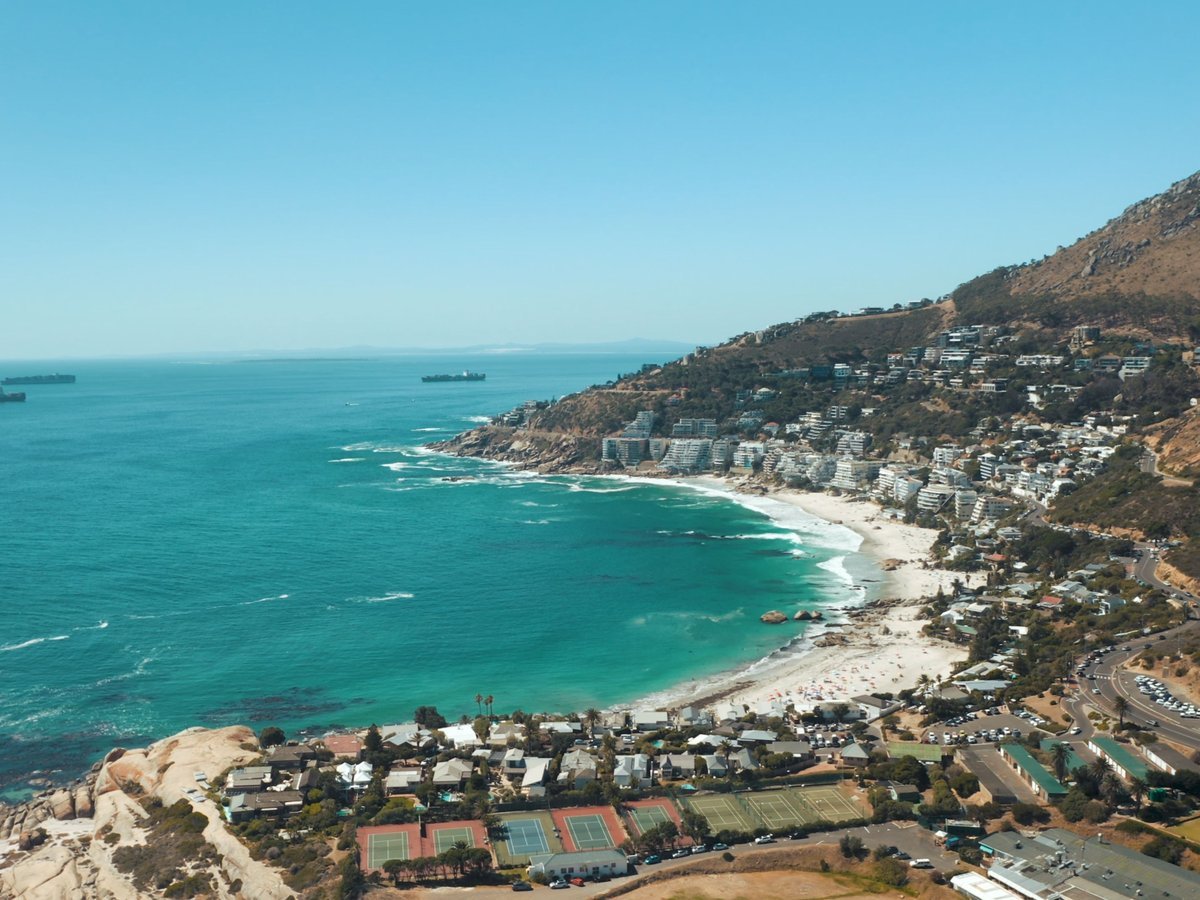
Three days is not enough — even though plenty of itineraries online will tell you otherwise. Five days is the realistic minimum to see Table Mountain, the V&A Waterfront, Bo-Kaap, and Camps Bay without feeling rushed the entire time.
A natural split works well: two days for the city centre and Atlantic Seaboard, one full day on the Cape Peninsula (Cape Point, Boulders Beach, Chapman’s Peak), and two days for the Cape Winelands — Stellenbosch alone deserves a proper afternoon.
Push to 7–10 days if you want day trips included without sacrificing the city itself. That buffer makes everything feel less frantic.
A long weekend — say, four nights — means skipping either the Peninsula or the Winelands entirely. That’s a real loss. Still worth going? Yes. But use a solid cape town travel guide to prioritise ruthlessly so you don’t spend two days deciding.
Cape Town Neighborhoods Guide: Where to Stay and Why It Matters

Where you sleep in Cape Town shapes your entire trip. Your neighborhood decides your commute, your vibe, and honestly, how much you’ll spend on transport every day.
City Bowl and De Waterkant put you close to the V&A Waterfront, restaurants, and nightlife. It’s the most practical base for first-timers who want to walk to things without booking an Uber every hour.
Sea Point has a real local feel. The promenade is free, the coffee shops are good, and you’re 10 minutes from Clifton Beach without paying Camps Bay prices.
Speaking of which, Camps Bay is stunning but expect to pay 30–50% more per night for that ocean view. Worth it for a splurge night, less so as your base.
Bo-Kaap is where Cape Malay cuisine and painted houses make every walk feel like a discovery. It’s small, so it works best as a short stay.
Every solid cape town travel guide will tell you this: pick your neighborhood before you book transport. Staying central means Uber works fine. Staying further out means you’ll want a rental car.
Is Cape Town Safe for Tourists — Honest Neighborhood-by-Neighborhood Breakdown

Keep your phone in your pocket on busy streets. That one habit will protect you from the most common problem tourists face here: opportunistic petty theft.
Violent crime in Cape Town mostly affects specific local communities. Tourists are rarely targeted, but that doesn’t mean you can be careless.
Safe to walk at night: the Sea Point promenade and V&A Waterfront are genuinely relaxed after dark, well-lit, and full of other visitors and locals.
The CBD is a different story. Uber after dark in the city centre and parts of Green Point — it costs around $3–5 per ride and removes almost all street-level risk.
Any solid cape town travel guide will tell you to lock your car doors while driving. Smash-and-grab at traffic lights happens, especially when windows are down.
Skip metered taxis entirely. Uber is safer, tracked, and the pricing is transparent — a real advantage when you’re still figuring out the rand.
Cape Town Travel Guide: Getting Around Without Getting Stuck

Summer in Cape Town brings peak crowds, and how you get around can make or break your days. Knowing when to book a car versus when to open Uber is the first practical decision worth getting right.
Uber works well for most city trips — V&A Waterfront, Camps Bay, Sea Point, Bo-Kaap. It’s reliable, safe, and you won’t stress about parking.
But for the Cape Peninsula and Chapman’s Peak Drive, a rental car is worth every cent. Expect to pay around $30–50/day for a compact. That freedom to stop, backtrack, and time Cape Point at sunrise is genuinely hard to replicate in an Uber.
One thing most first-timers don’t factor in: load shedding. Scheduled power outages — sometimes 2–4 hours daily — knock out traffic lights and can leave fuel stations offline.
Keep your tank above half, download your offline maps, and check the Eskom load shedding schedule the night before any big drive.
Practical Money Tips: What Cape Town Actually Costs in USD
Cape Town is genuinely affordable for US travelers right now. The rand-to-dollar exchange rate sits around 18–19 ZAR per dollar, so your money stretches much further here than it would across most of Europe.
Budget travelers spending $50–80/day can cover a hostel bed, local meals, and a minibus taxi without much stress. Step up to $100–150/day and you’re looking at a comfortable guesthouse, sit-down dinners, and Uber rides around the city.
At $200+/day, you’ll dine well near the V&A Waterfront, book guided day trips, and stay somewhere genuinely lovely.
Tipping isn’t optional — it’s expected. Leave 10–15% at restaurants, R5–10 for petrol station attendants who pump your fuel, and R20–50 for tour guides. Cash tips are always appreciated.
Any solid cape town travel guide will tell you to carry small rand notes daily. ATMs are widely available, but draw cash at a mall rather than a street ATM for safety.
Cape Town Travel Tips for First-Time Visitors — Logistics That Save You Stress

Over 60% of first-time visitors to Cape Town lose a full morning sorting out basics they could have handled before leaving the airport. A little prep goes a long way.
Pick up a local SIM card at Cape Town International the moment you land. Vodacom and MTN both sell starter packs for around R50–100 with solid data coverage across the city and along the Cape Peninsula.
Don’t wait to book Table Mountain cable car tickets. Buy them online at least 2–3 days ahead during peak season — they sell out faster than most people expect, and walk-up spots disappear by mid-morning.
Download Uber before your flight. It’s reliable, affordable, and far safer than hailing a cab. Save your accommodation address in English so you’re not fumbling with translations on arrival.
Keep small rand notes in your wallet too. This cape town travel guide tip sounds minor, but many local vendors and parking attendants don’t carry change.
Must-See Cape Town Attractions Beyond the Tourist Checklist

You’ve seen the photos a hundred times, but standing on top of Table Mountain still stops you in your tracks. Take the cable car up (around $20 USD return) or hike Platteklip Gorge if you want to earn the view.
The V&A Waterfront and Cape Point are genuine non-negotiables in any cape town travel guide. Cape Point’s coastal drive along the Cape Peninsula is one of the best half-days you’ll spend in South Africa. Boulders Beach penguins are absolutely worth the trip — just expect crowds by mid-morning.
Bo-Kaap’s colorful houses are real and photogenic, but get there before 8 a.m. After that, tour buses take over and the magic fades fast.
Robben Island hits differently when a former political prisoner walks you through the cells. Book your ferry at least a week ahead during peak season — tickets sell out faster than most visitors expect.
Cape Town’s Best Beaches: Which One Fits Your Vibe?
Are you after a swim, a sunbathe, or something genuinely wild? Cape Town’s beaches are all different, and picking the wrong one for your mood is a real rookie mistake.
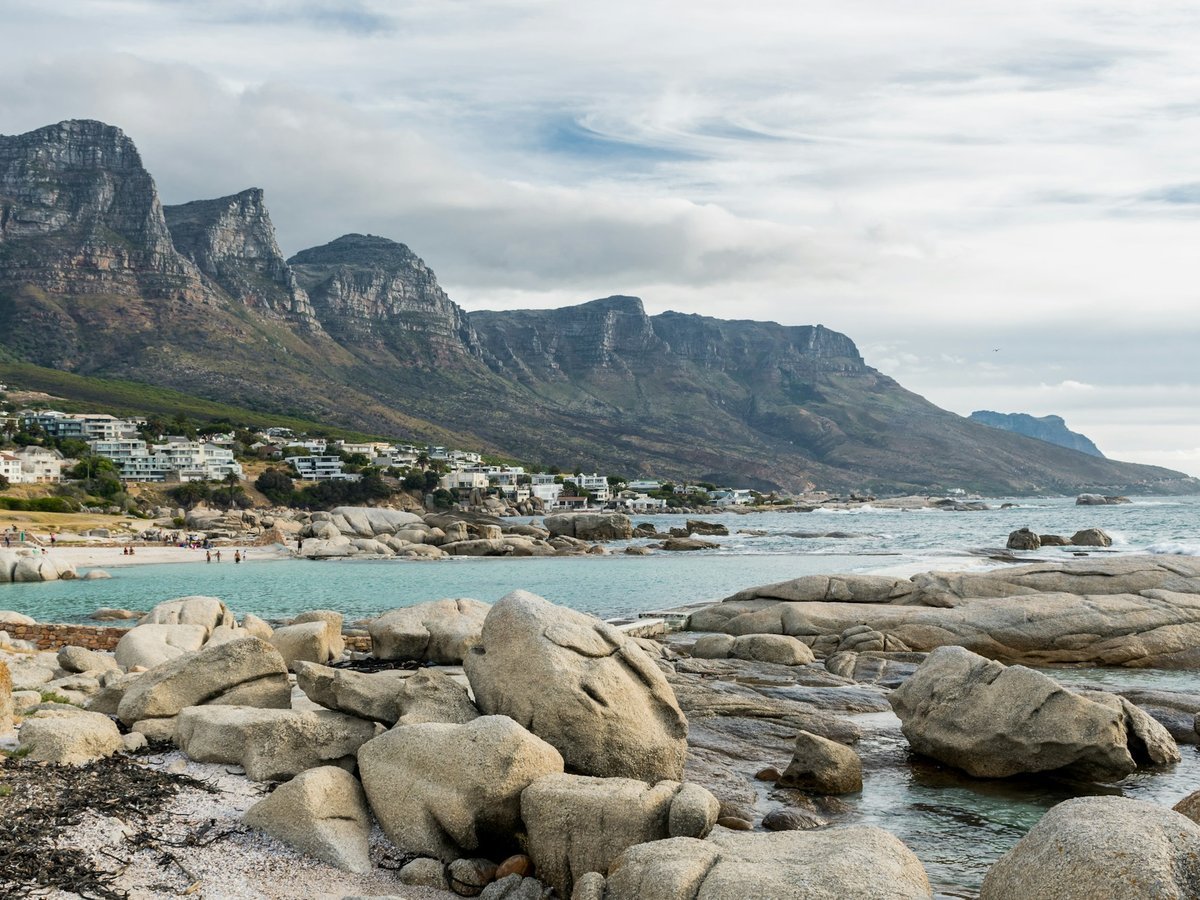
Clifton 4th Beach is the spot for calm, crystal-clear water and a lively social atmosphere. It’s sheltered from the wind, gorgeous, and gets busy with a young, stylish crowd.
Camps Bay gives you that dramatic mountain backdrop, but expect packed towel-to-towel on summer weekends. Go on a Tuesday morning and it’s a completely different experience.
Any solid cape town travel guide will flag this: the Atlantic seaboard sits at around 14–16°C year-round. Beautiful to look at, genuinely cold to swim in. If you actually want to get in the water, head to Muizenberg on the False Bay side — it runs noticeably warmer.
Boulders Beach near Simon’s Town is unmissable. It’s one of the only places in the world where you can legally get this close to a wild African penguin colony.
Cape Malay Food, Local Eats and Where to Actually Eat in Cape Town
Many visitors spend three days eating at the V&A Waterfront and leave thinking they’ve tasted Cape Town. They haven’t. The Waterfront is convenient, but the food that actually defines this city is found elsewhere.
Start in Bo-Kaap. A proper Cape Malay curry or a plate of koeksisters here is unlike anything else in South Africa — the spice blends reflect centuries of Cape Malay culinary history that no other city has.
For everyday eating, locals head to Bree Street, Woodstock, or De Waterkant. The quality is better and the prices are honest. A full sit-down lunch at a mid-range Bree Street restaurant runs around R180–250 per person including a drink.
Any solid cape town travel guide will tell you to follow the locals — and in Cape Town, they’re rarely eating where the tour buses stop.
Day Trips from Cape Town Worth Adding to Your Itinerary

Every solid cape town travel guide will tell you about Table Mountain — but the day trips outside the city are where the real variety kicks in.
The Cape Peninsula loop is a full day well spent. Drive yourself or join a tour that takes you through Chapman’s Peak, down to Cape Point, and across to Boulders Beach to walk among African penguins. It’s around 150 km in total and genuinely one of the best coastal drives anywhere.
Stellenbosch and the Cape Winelands sit just 45 minutes from the city. Wine tasting flights start at roughly R120–200 per estate, which works out to under $10 USD — serious value for the quality.
For something quieter, head north to the Cederberg Wilderness, about 3 hours out. Almost no crowds, dramatic rock formations, and night skies dark enough to see the Milky Way clearly. It’s worth the drive if you have a spare day.
Cape Town Itinerary Ideas: How to Plan Your Days Realistically
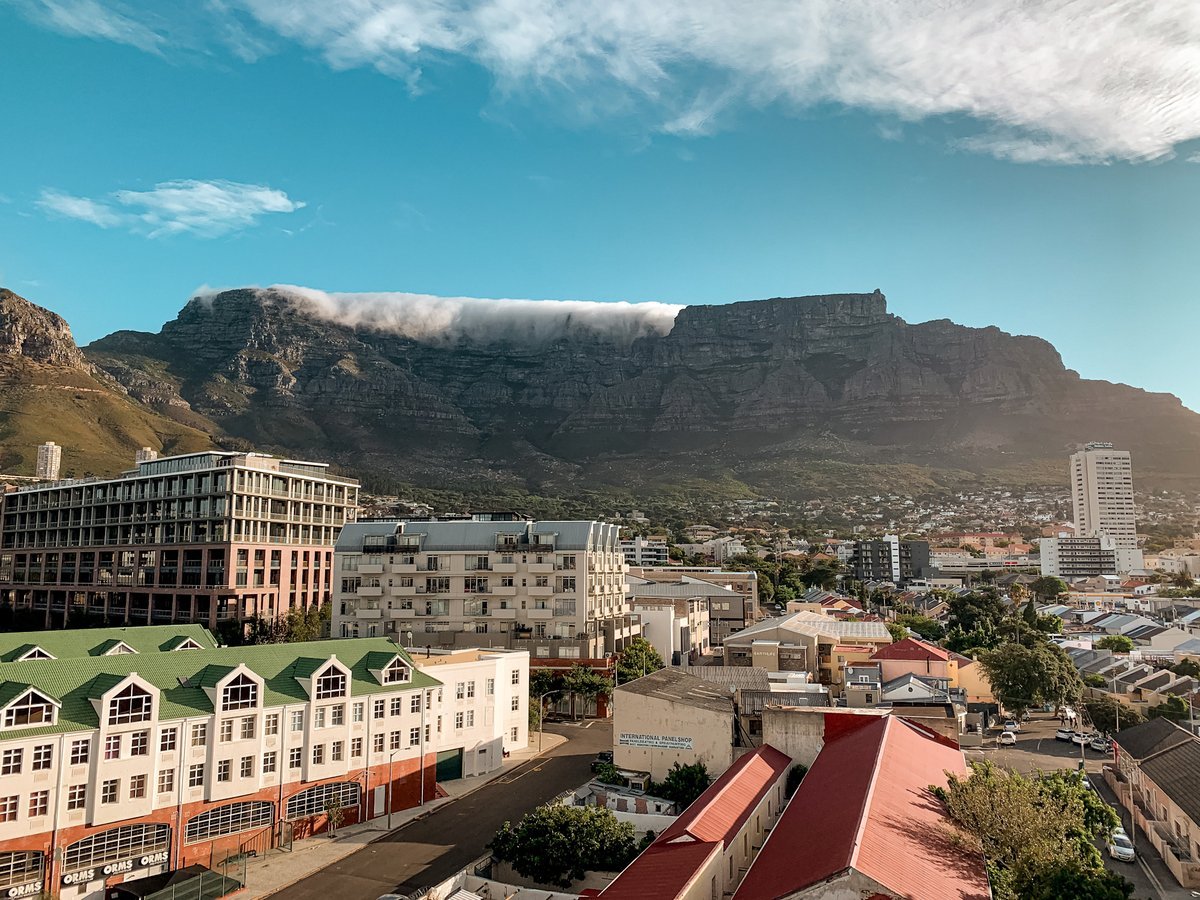
Seven days is the sweet spot for first-time visitors. It gives you time to see the highlights without rushing every single morning.
Day 1 is for settling in. Check into Sea Point or the City Bowl, walk the Sea Point promenade to shake off the jet lag, then head to Bree Street for dinner. The food scene there is genuinely good.
- Days 2–4: Spread Table Mountain, Bo-Kaap, and Robben Island across three days. Slot one beach afternoon in between. Robben Island tickets cost around $25 USD and sell out fast, so book ahead.
- Days 5–7: One full day on the Cape Peninsula, one day in the Cape Winelands around Stellenbosch, and a slow final morning at a local café before your flight.
Any solid cape town travel guide will tell you not to overpack each day. Cape Town rewards the people who leave a little breathing room.
Cultural Etiquette and Local Customs US Travelers Often Miss

No matter what season you visit, reading the local social cues early will make every interaction smoother. Cape Townians are genuinely warm, but they’re also direct — and that straightforwardness can catch Americans off guard.
Don’t confuse bluntness with rudeness. South Africans say what they mean. Loud, performative friendliness can actually feel off-putting to locals, so keep your volume down in shops and public spaces.
Always greet before you ask. A simple “hello” before requesting directions or help at a market is considered basic good manners here — skipping it reads as rude, not efficient.
Photography in Bo-Kaap and township areas needs a pause before the click. Ask first, every single time. At least 9 out of 10 locals appreciate the respect, and some will say no — honor that.
Any solid cape town travel guide will mention the Cape Malay cuisine and colorful streets of Bo-Kaap, but few stress that the community there is tight-knit and values dignity over your Instagram shot.
Solo Travel and Female Solo Traveler Tips for Cape Town

Cape Town is one of the more solo-friendly cities on the continent, but awareness still matters. The good news is that with a few smart habits, it’s genuinely enjoyable to explore alone.
Sea Point is one of the best bases for solo female travelers — it’s walkable, well-lit at night, and packed with local cafés where you’ll never feel out of place sitting alone. The V&A Waterfront is another solid option, with constant foot traffic and easy Uber access around the clock.
Stick to Uber rather than hailing street taxis. It’s safer and rarely costs more than $5–8 for most central trips.
Any cape town travel guide worth reading will tell you to book guided tours for Robben Island and the Cape Peninsula. You’ll naturally meet other travelers, and you skip all the navigation stress on unfamiliar roads.
Avoid walking alone after dark in quieter areas, even in generally safe neighborhoods.
Sustainable and Responsible Tourism in Cape Town

Cape Town came within 90 days of running out of municipal water in 2018. That near-crisis, known as Day Zero, reshaped how locals think about water. Short showers aren’t a suggestion here — they’re a real act of respect.
Any solid cape town travel guide will tell you to see Bo-Kaap and the V&A Waterfront. But your rand goes further — and does more good — when you eat at township restaurants, buy from community craft markets, and book experiences run by local social enterprises.
Township tours need careful vetting. Some operators genuinely reinvest in the communities they visit. Others don’t. Ask directly how guides are paid and whether the business is locally owned before you book.
Look for operators registered with South African Tourism. Licensed, community-led tours give you a far more honest experience than a bus-in, photo-out visit ever will.
Cape Town in a South Africa Travel Guide: Should You Extend Your Trip
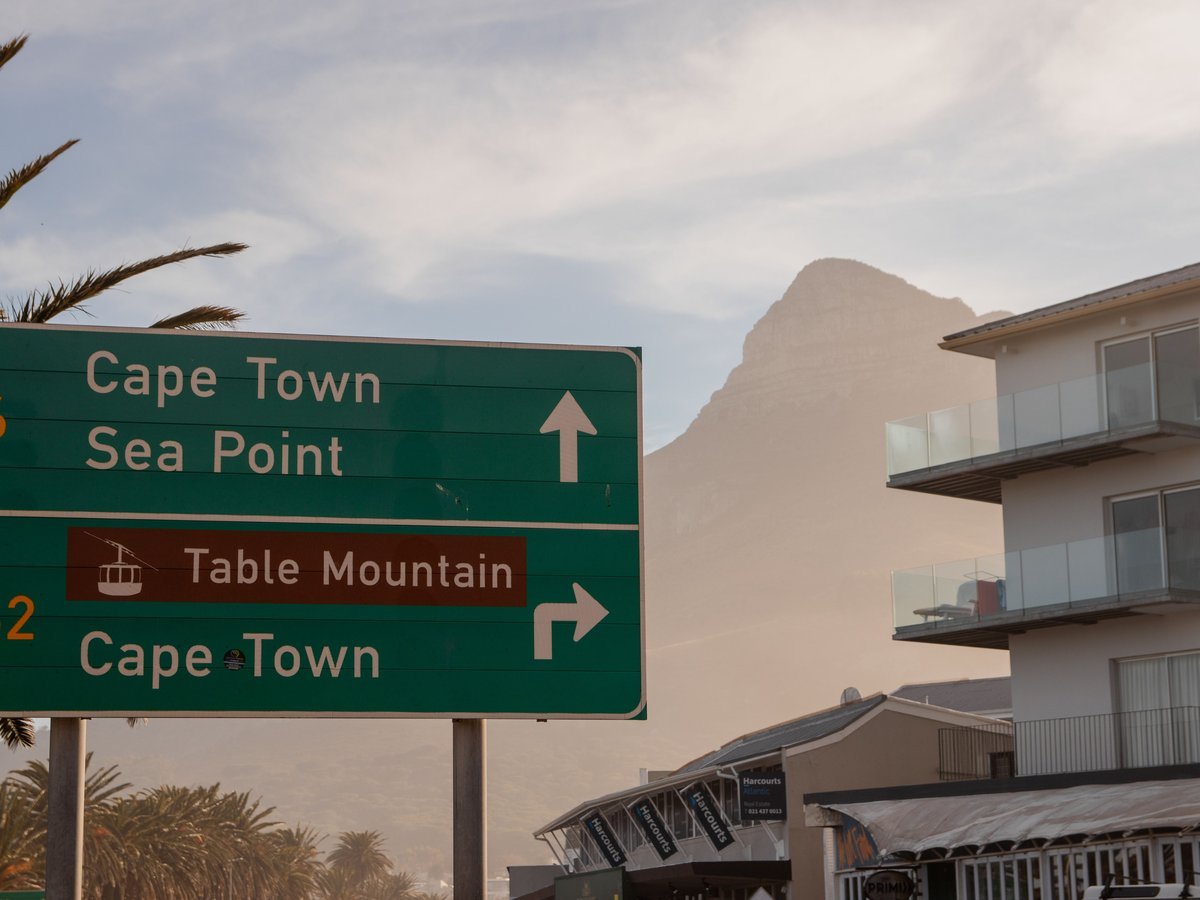
You’ve booked Cape Town and you’re already wondering if two weeks might not be enough. It’s a fair instinct.
The Garden Route from Cape Town to Gqeberha (Port Elizabeth) takes four to six days and covers one of the most beautiful coastal drives you’ll find anywhere. Think cliffs, lagoons, small beach towns, and the Tsitsikamma forest — all within a few hours of the city.
A Kruger National Park safari sits about two hours away by flight. If your total trip is ten days or more, tacking it on genuinely changes the whole experience.
The honest trade-off: adding a safari to your cape town travel guide itinerary can push costs up by $1,500 or more per person. But you leave South Africa having seen both the Cape and the bush — and that combination is hard to beat.
For most first-time visitors, Cape Town plus the Garden Route alone is already a full and satisfying trip.
What to Pack for Cape Town: Climate, Layers and Practical Gear
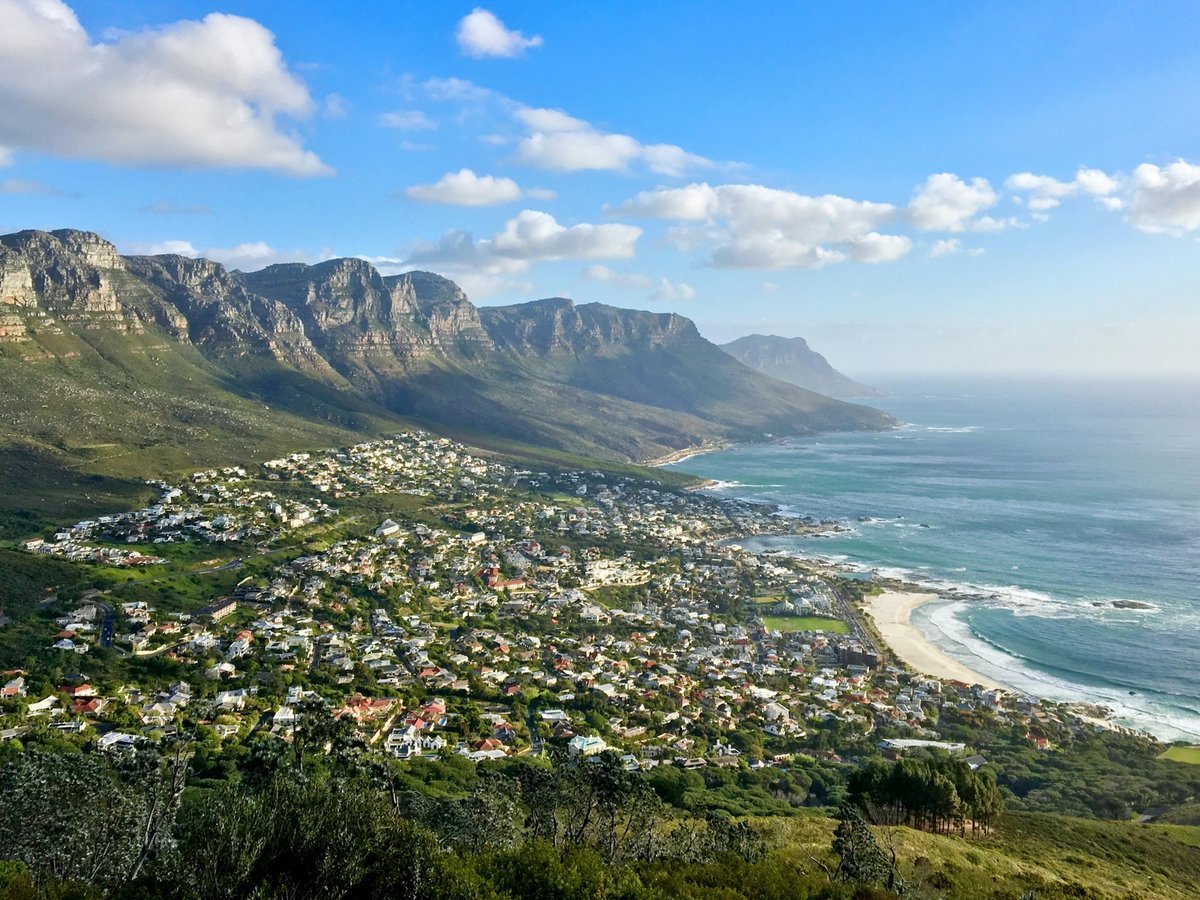
Did you pack a jacket? Cape Town’s weather shifts faster than most travelers expect, and that mistake shows up on every cape town travel guide forum without fail.
A light windproof jacket is non-negotiable, even in December and January. The Atlantic coast around Camps Bay and the upper trails on Table Mountain can turn cold and blustery within minutes of sunshine.
Bring proper walking shoes with grip. The city has more steep streets and uneven cobblestones than photos suggest, and a single afternoon in Bo-Kaap will prove it.
UV levels in the Southern Hemisphere summer are brutal. SPF 50 sunscreen isn’t excessive — it’s the minimum. Pack a full bottle, since quality sun cream costs around $15–20 USD locally and can be hard to find in smaller stores.
Keep one small daypack for outings. It keeps your hands free and your valuables closer.
Common Cape Town Mistakes to Avoid on Your First Trip
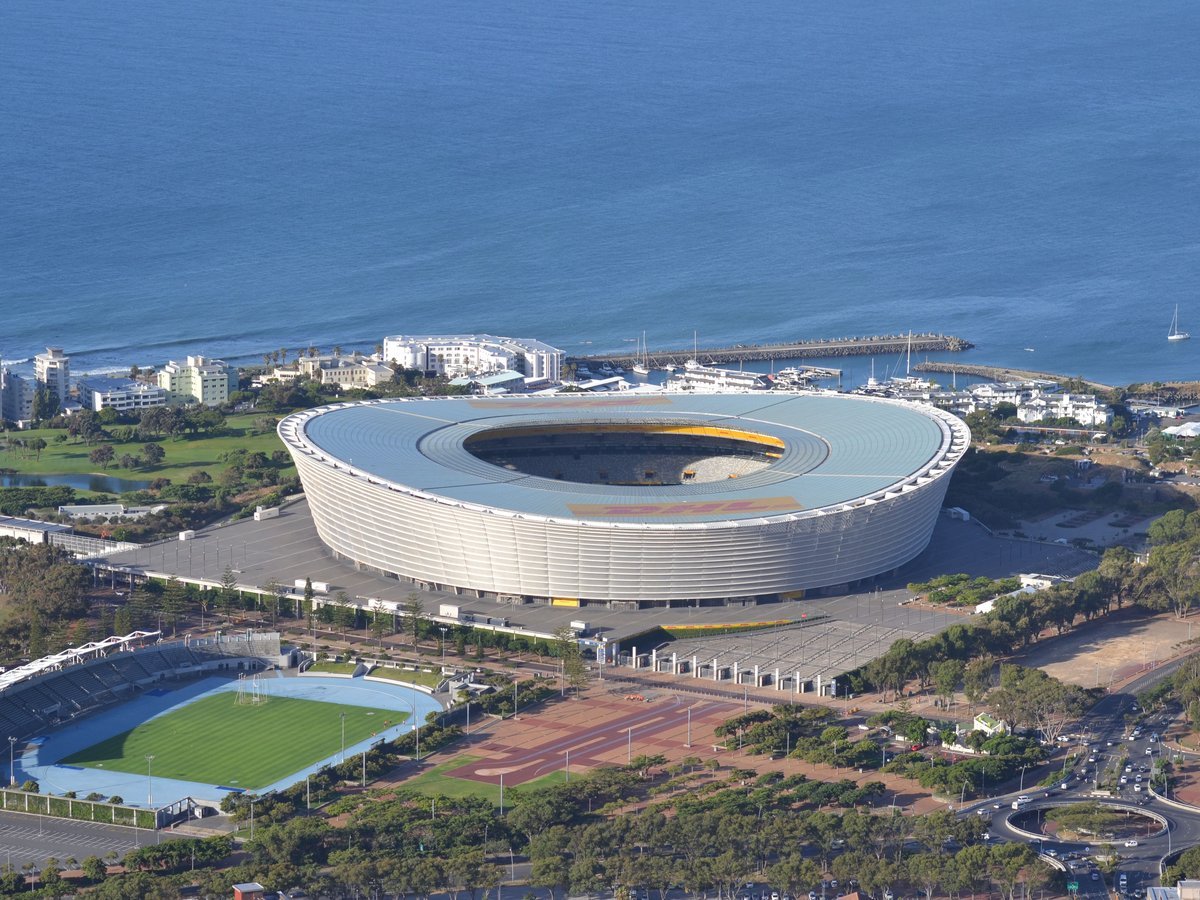
Cape Town looks small on a map. It isn’t. Driving from Sea Point to Cape Point takes well over an hour, so building a Cape Town itinerary without accounting for travel time will eat your whole day before you’ve done anything.
A lot of first-timers plant themselves at the V&A Waterfront and never leave. It’s convenient, but it’s not the city. Spending time in Bo-Kaap, De Waterkant, or the local neighborhoods is where Cape Town’s real personality shows up — the food, the murals, the pace.
Book Table Mountain and Robben Island tickets the moment your flights are confirmed. Both sell out days, sometimes weeks, ahead. Every solid cape town travel guide says this, and it’s the tip most people ignore until it’s too late.
FAQ
After spending time fielding questions from friends planning their first Cape Town trip, the same eight questions come up every single time. Here are honest answers.
Is Cape Town safe for US tourists?
Yes, with the right habits. Stick to well-trafficked areas like the V&A Waterfront, Sea Point, and Camps Bay, especially after dark, and don’t walk with your phone out on quiet streets. Leave flashy jewellery at home, use Uber instead of hailing random taxis, and you’ll move through the city comfortably.
What is the best time of year to visit Cape Town?
March to May and September to November are the sweet spots. Shoulder season brings fewer crowds, lower prices, and still-pleasant weather without the peak-summer chaos of December and January. Visiting Cape Town in winter (June–August) means rain and wind, but dramatically cheaper rates and moody, dramatic scenery.
How many days do you need in Cape Town?
Five days covers the highlights. Seven days lets you add a Cape Winelands day trip to Stellenbosch or explore the full Cape Peninsula down to Cape Point without feeling rushed. Go shorter and you’ll leave with a list of things you wish you’d done.
Do US citizens need a visa for South Africa?
No visa is required for US passport holders for stays up to 90 days. Just make sure your passport has at least two blank pages and six months validity beyond your travel dates — South African border control is strict about both.
How much does Cape Town cost per day in USD?
Budget travelers can manage on around $60–$80 a day covering a hostel, local meals, and Uber rides. A mid-range cape town travel guide budget sits closer to $150–$200 per day once you add a decent hotel and a paid attraction or two. The rand exchange rate currently works strongly in favour of US visitors.
Do you need a rental car or is Uber enough?
Uber handles the city, the Waterfront, and most neighbourhoods just fine. Rent a car only if you’re driving Chapman’s Peak, visiting Boulders Beach, or heading to the Winelands independently — those routes are worth it and public transport won’t get you there conveniently.
You might also like: 19 Best Times to Visit Cape Town for Every Season
Key Takeaways
Bookmark this cape town travel guide before you book a single thing — these are the points that’ll actually shape your trip.
- Book the big attractions early. Table Mountain, Robben Island and any peak-season accommodation fill up fast. Securing these before you fly saves a lot of frustration.
- Shoulder season is the sweet spot. March to May brings warm weather, thinner crowds and noticeably better prices than the December–January peak.
- Your budget goes further than you’d expect. Mid-range travel — food, Uber, accommodation and activities — is very doable on around $100–150 a day thanks to the rand exchange rate.
- Safety is about simple habits. Use Uber after dark, keep your phone in your pocket and stay in well-lit areas. It’s manageable, not scary.
- Plan at least one day trip. The Cape Peninsula or Cape Winelands around Stellenbosch will likely be the highlight of your whole visit.
Save this to Pinterest so it’s ready when you start planning.