15 Mount Kilimanjaro Travel Tips Before You Climb
Introduction
Roughly 30,000 people attempt to reach Uhuru Peak every year, but only about half make it to the top. This mount kilimanjaro travel guide helps you beat those odds by focusing on the reality of high-altitude trekking rather than just the dream of the summit. Getting to the top of Tanzania is not about being an elite athlete. It is about how you handle the slow pace and the logistics of life in Kilimanjaro National Park.
Your preparation is the single biggest factor in your success. Investing in the right moisture-wicking base layers and a quality sleeping bag can prevent a miserable week on the mountain. You will need to budget around $2,500 for a reputable operator that pays their porters fairly. By understanding the climb before you leave home, you turn a daunting physical challenge into a manageable, life-changing experience that you will actually enjoy from Moshi to the clouds.
Quick Comparison
| Item | Best For | Why It Stands Out |
|---|---|---|
| Pick Your Route | Best Overall | Determines your success and experience |
| Select Reputable Operators | Editor’s Choice | Ensures safety and ethical standards |
| Kilimanjaro Physical Training | Top Performance Pick | Crucial for building necessary endurance |
| Manage Altitude Risks | Most Critical Safety | Prevents dangerous altitude-related health issues |
| Pack Essential Gear | Must Have Kit | Protects against extreme mountain weather |
| Tipping The Crew | Best Cultural Etiquette | Supports the hardworking support staff |
| Kilimanjaro Trail Hygiene Standards | Top Health Essential | Maintains wellness throughout the climb |
| Master Trekking Poles | Best Joint Protection | Reduces strain on your knees |
| Prepare For Summit | Ultimate Goal Strategy | Mental prep for final ascent |
| Kilimanjaro Leave No Trace | Best Eco Friendly | Preserves the mountain’s natural beauty |
| Daily Kilimanjaro Trekking Routine | Best Daily Habit | Helps manage energy levels effectively |
| Kilimanjaro High-Altitude Medical Kit | Best Backup Plan | Treats minor injuries and ailments |
| Navigate Barranco Wall | Most Exciting Challenge | Tests your agility and confidence |
| Understand Kilimanjaro Logistics | Best Planning Tool | Simplifies complex travel arrangements abroad |
| Recover After Summit | Best Post Climb | Essential for safe physical recuperation |
Pick Your Route
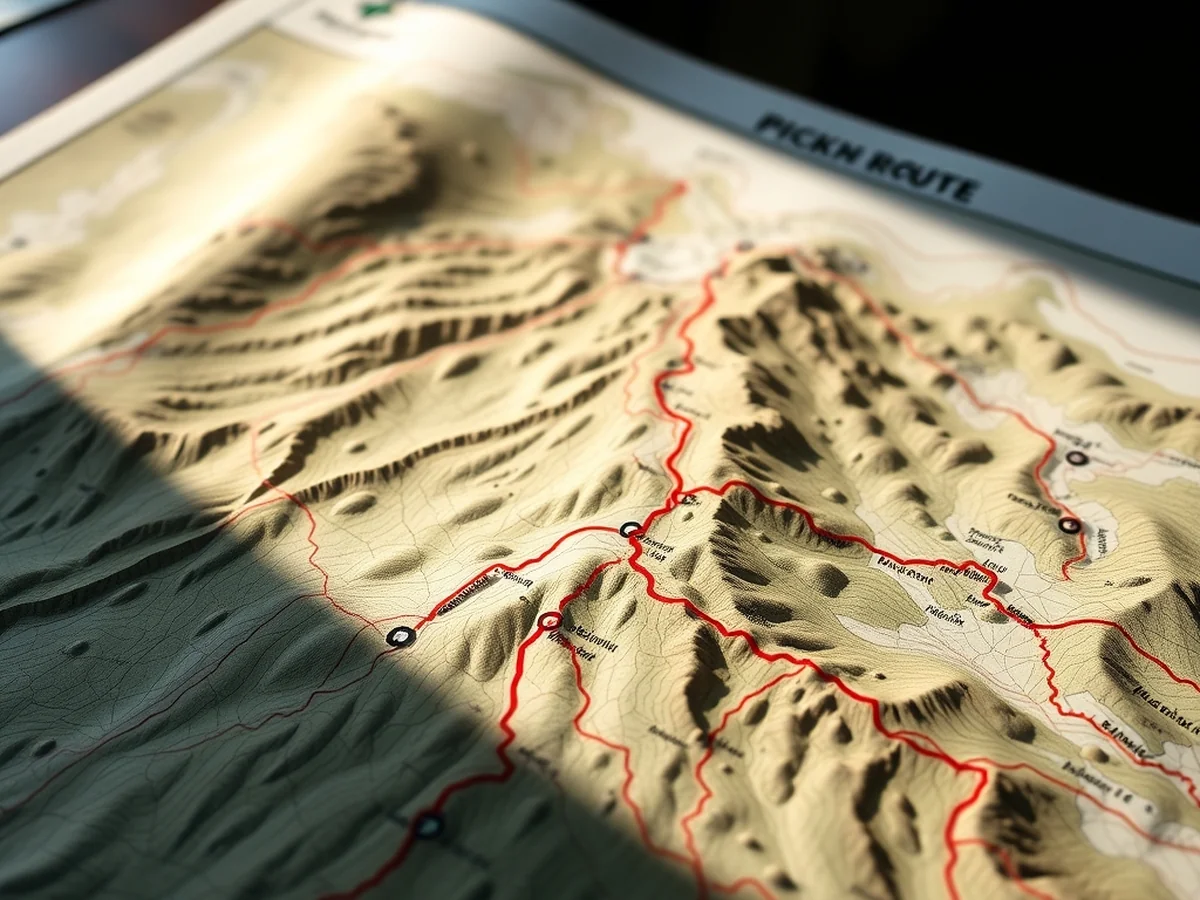
You might feel overwhelmed looking at a map of Tanzania, but choosing the right path is the most important step in your mount kilimanjaro travel guide research. Routes like the busy Marangu trail often have lower completion numbers because they rush the climb. In my experience, choosing a longer path significantly changes your odds of reaching Uhuru Peak. The Lemosho route is widely considered the gold standard for better acclimatization because it spans 8 days, giving your body more time to adjust to the thinning air. This slow approach helps you avoid severe mountain sickness better than shorter, 5-day itineraries. While it costs roughly $2,500 for a quality tour operator package, the extra time on the mountain makes a world of difference for your success.
Select Reputable Operators
Do you know if your tour provider follows fair labor practices in Tanzania? Choosing the right company is the most important step in your mount kilimanjaro travel guide research. Look for members of the Kilimanjaro Porters Assistance Project to ensure your crew receives fair wages and proper equipment. A reputable firm prioritizes safety protocols like daily oxygen checks and mandatory acclimatization schedules for every climber.
Budget trips often cost around $1,500 and may cut corners on food quality or guide training. Luxury operators charge upwards of $4,000, offering private chemical toilets, better dining tents, and a higher ratio of guides to climbers. While luxury adds comfort, ensure any company you pick maintains high ethical standards for their staff on the trail.
Kilimanjaro Physical Training
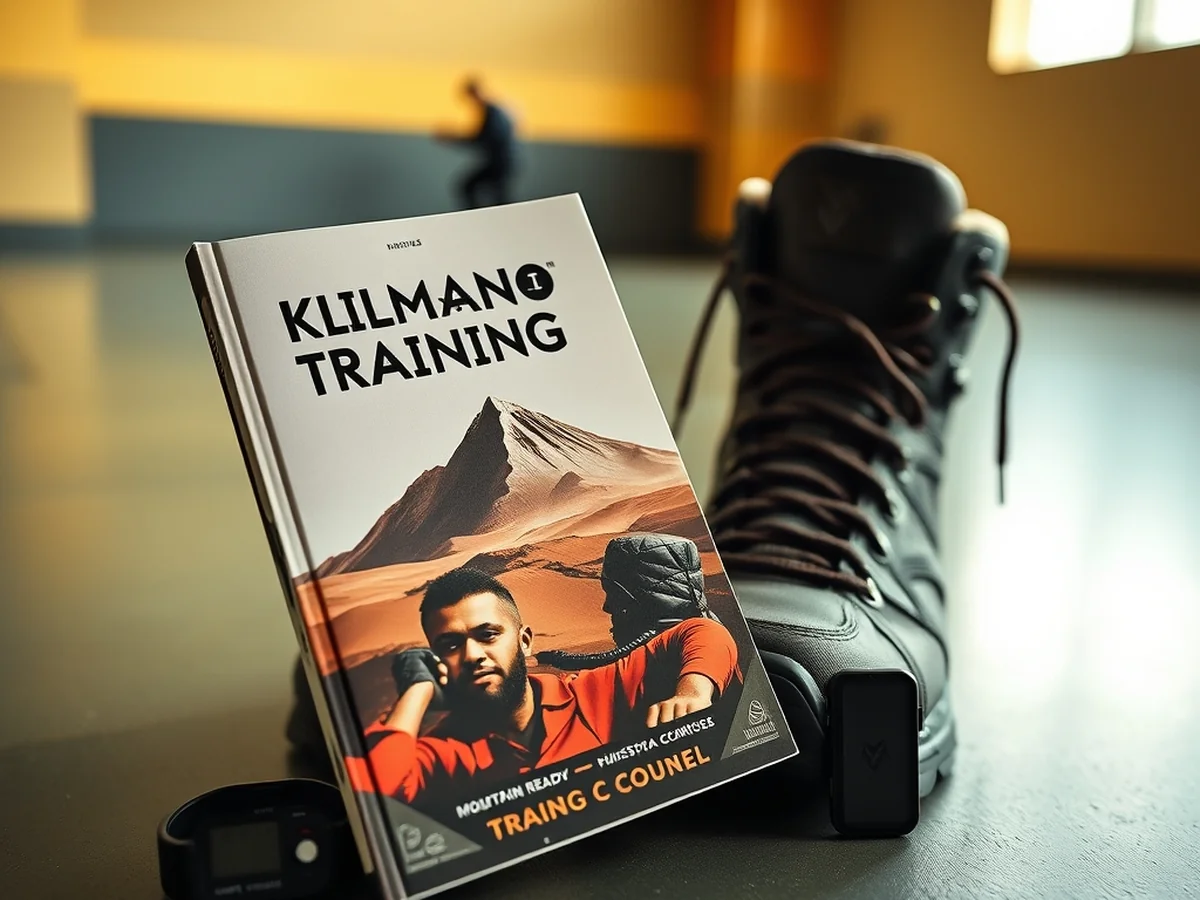
Many climbers assume they need to be elite marathon runners to reach Uhuru Peak. In reality, you only need to master the art of walking uphill for hours at a slow and steady pace. Building your endurance and cardio is the core of any successful mount kilimanjaro travel guide. Aim to complete at least 45 minutes of incline training on a treadmill or local trails four times a week.
You should also spend significant time training with your boots on to break them in and prevent blisters. Wear the exact socks you plan to use in Tanzania during these hikes. Carrying a daypack weighing 15 pounds simulates the load you will manage while navigating the Barranco Wall. Consistent movement prepares your legs for the unique demands of high-altitude trekking.
Manage Altitude Risks
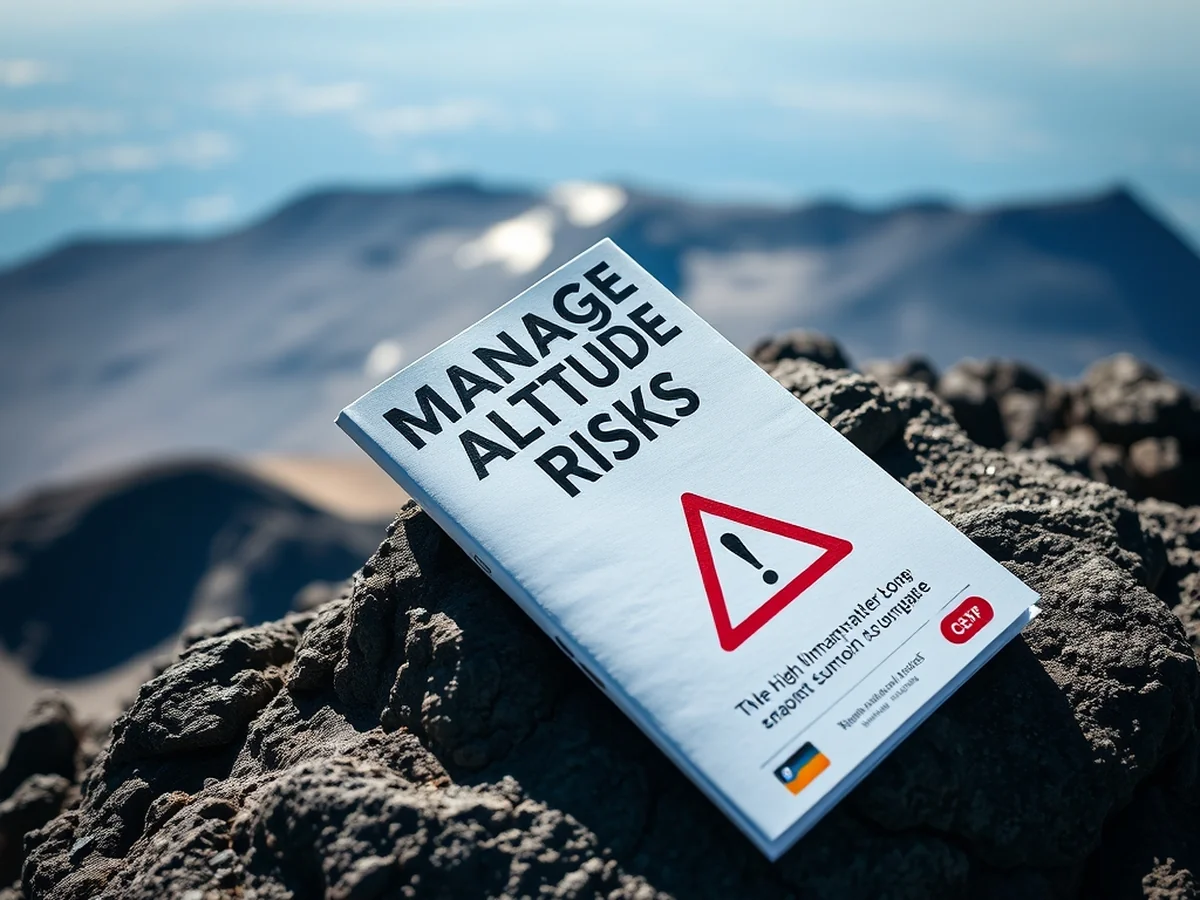
I have seen even the fittest hikers struggle when they ignore the subtle signals their bodies send during the climb. Using this mount kilimanjaro travel guide as your reference, start by watching for a persistent headache or loss of appetite. These are often the first signs of mountain sickness that require your immediate attention. If you notice these, inform your guides right away so they can adjust your pace. Many climbers use Diamox to aid acclimatization throughout the trek. I recommend taking a standard 125mg dose twice daily, but you must consult your doctor before your trip to ensure it is safe for you. Staying hydrated by drinking at least 3 liters of water each day remains the most effective way to help your body adapt to the thinner air.
Pack Essential Gear
Start your mount kilimanjaro travel guide preparation by prioritizing moisture-wicking base layers to keep sweat away from your skin. Cotton is dangerous at high altitudes because it stays damp and chills your body quickly. Choose synthetic or merino wool fabrics that dry fast while you navigate the trail. You should also invest in a high-quality sleeping bag rated for at least -15 degrees Celsius. Nights in Kilimanjaro National Park drop well below freezing, even during the best time to climb. Renting gear in Moshi or Arusha is possible, but bringing your own bag ensures you stay warm during the cold summit push to Uhuru Peak. Don’t forget to pack reliable trekking poles to save your knees on the descent.
Tipping The Crew
Dry season treks from June to October bring many hikers to Tanzania, making it vital to prepare cash for your mountain staff before you leave Moshi or Arusha. Following local tipping etiquette ensures your hard-working porters and guides receive fair compensation for their labor. I recommend setting aside $200 to $300 USD per climber for the entire crew, which you should distribute in local currency or clean US dollar bills at the end of your trip. This mount kilimanjaro travel guide suggests placing tips in individual envelopes for each staff member to ensure they get their fair share. Treating the team with respect is a core part of ethical tourism on the mountain. Always verify your operator has a clear policy regarding porter welfare before booking your climb.
Kilimanjaro Trail Hygiene
Standard campsites usually cost nothing extra for bathroom access, but private toilet tents provided by premium operators save you about $150 in comfort over a week. Following this mount kilimanjaro travel guide, you should pack a dedicated bag for used toilet paper to respect Leave No Trace principles in Kilimanjaro National Park. Since running water is nonexistent, bring 50 wet wipes to keep your face and hands fresh each evening. Use a small bottle of biodegradable hand sanitizer before every meal to prevent illness. While your guides handle bulk water, keep a personal 100ml spray bottle for quick freshening. Staying clean helps you feel human during the long trek to Uhuru Peak. Always keep your hygiene kit inside your sleeping bag at night so the contents don’t freeze.
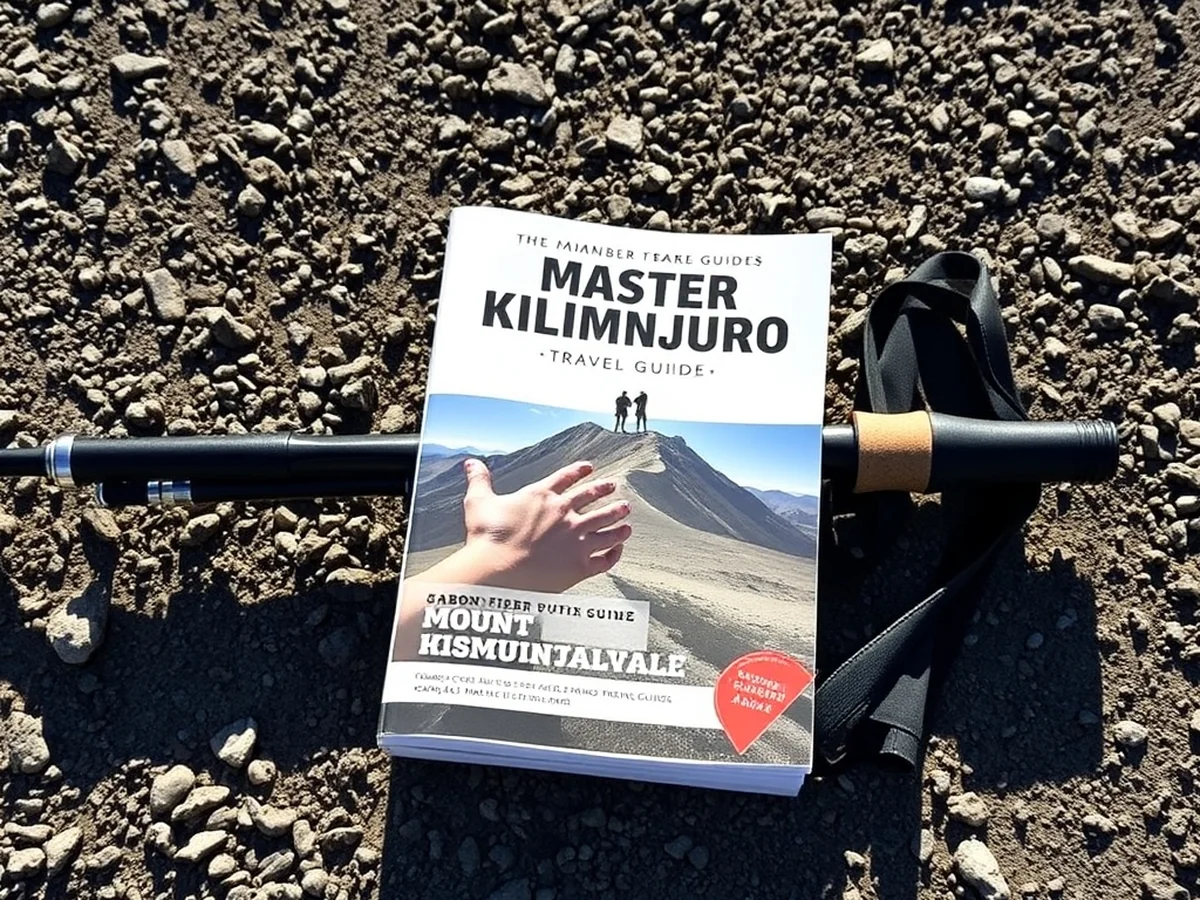
Master Trekking Poles
Eighty percent of hikers who use trekking poles report significantly less joint pain during long descents in Tanzania. Using these tools is a vital part of any mount kilimanjaro travel guide because they act as shock absorbers for your body. When you head down from Uhuru Peak, your knees take a heavy beating. Set your poles so your elbows form a 90-degree angle while you stand on flat ground. This length works best for most terrain. On steep climbs like the Barranco Wall, shorten the poles by about 5 centimeters to maintain balance and leverage. This simple adjustment prevents you from overextending your arms. Practice using them on hilly trails at home before you fly to Moshi. Your legs will thank you after a long day of trekking.
Prepare For Summit
You will reach a point where your legs feel heavy and your breath comes in short, jagged gasps. This mount kilimanjaro travel guide suggests focusing on one step at a time rather than the distance left to Uhuru Peak. The final push requires you to break the climb into tiny, manageable segments, such as aiming for the next visible rock or marker. By keeping your eyes on the trail immediately in front of your boots, you prevent the overwhelming scale of the mountain from breaking your focus.
To survive the freezing temperatures during the night, keep your sleeping bag dry and warm. I suggest keeping a 1-liter bottle filled with hot water inside your bag to act as a heater.
Kilimanjaro Leave No Trace
Do you know how your footprint affects the fragile ecosystems of Tanzania? Every visitor reading this mount kilimanjaro travel guide must commit to keeping the landscape pristine for future hikers. You should carry out every piece of trash you generate, including food scraps and used toilet paper, until you reach the base near Moshi. Even biodegradable waste takes years to break down in the cold, high-altitude climate. I have seen how much extra work this creates for your local porters and guides, so keep a dedicated sealable waste bag in your daypack at all times. By respecting Kilimanjaro National Park rules, you help preserve the environment near the Barranco Wall and beyond. Aim to follow these simple Leave No Trace principles on every single day of your trek.
Daily Trekking Routine
Many hikers imagine a frantic race to Uhuru Peak, but the reality involves a slow, steady pace to aid acclimatization. Following a reliable mount kilimanjaro travel guide means accepting that your speed is dictated by your guides to avoid mountain sickness. You usually wake up at 6:00 AM to the sound of hot tea served in your tent. After packing your sleeping bag, you enjoy a hearty breakfast before starting the day trek. You will typically hike for 5 to 7 hours, moving at a pole-pole pace. Lunch is often a packed meal eaten on the trail. By 4:00 PM, you reach the next camp, where porters have already set up your tents. Dinner is served around 7:00 PM, followed by early rest to recover your strength.
Kilimanjaro Medical Kit
I learned quickly that your health on the mountain depends on preparation before you even land in Tanzania. A solid mount kilimanjaro travel guide suggests you carry your own supplies to handle minor issues during the long trek to Uhuru Peak. Always pack water purification tablets like Aquatabs, which cost about $10 for a pack of 50. These are essential backups because even clean stream water can carry bacteria that ruin your summit attempt. Regarding health regulations, you must show proof of a yellow fever vaccination if you arrive from a country with risk. Visit a travel clinic at least 8 weeks before your flight to confirm your status. Bringing these items gives you peace of mind while navigating the trails with your guides.
Navigate Barranco Wall
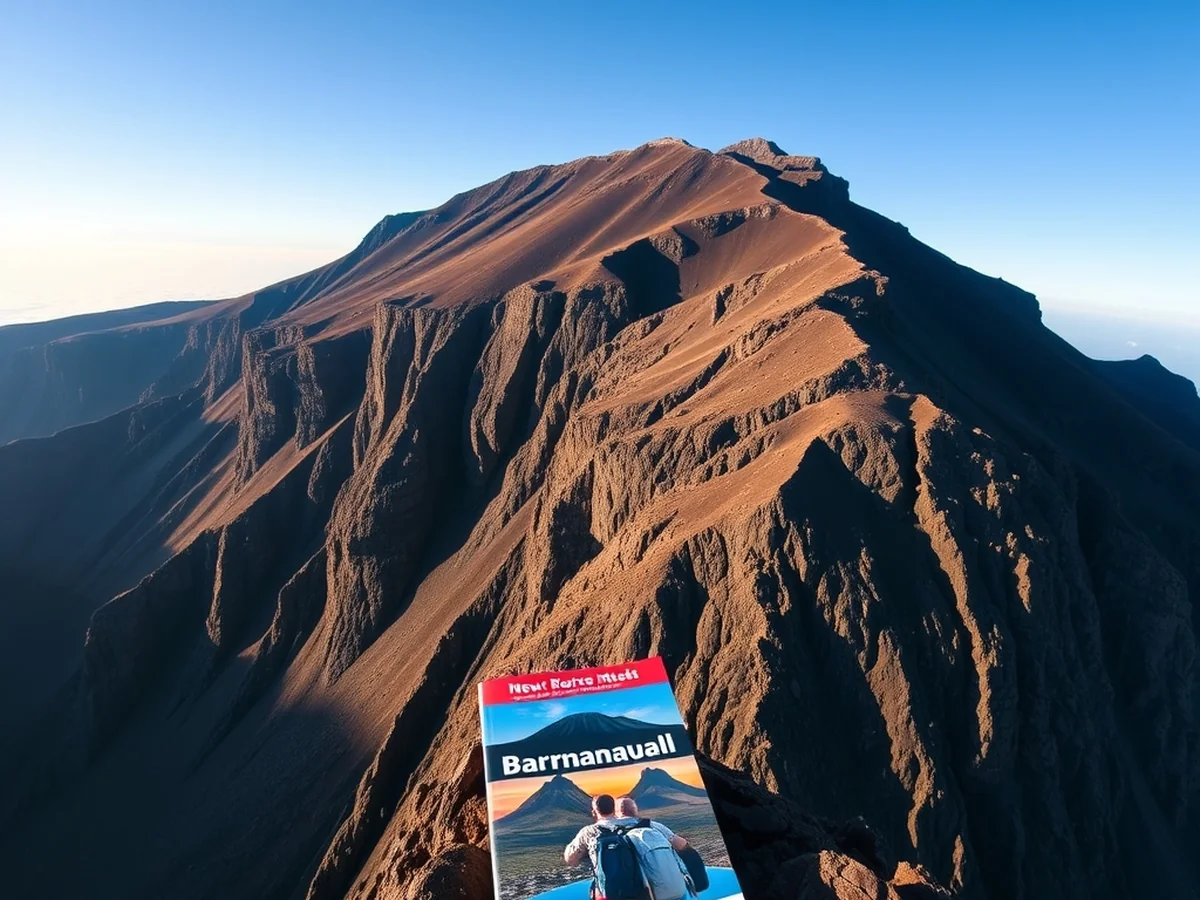
Keep your trekking poles stowed away in your pack while crossing this section to ensure you have both hands free for balance. The Barranco Wall is a 257-meter scramble that feels more like a vertical climb than a standard walk. While this part of your mount kilimanjaro travel guide might look daunting from the base, you move slowly and steadily behind your guides. Focus on three points of contact at all times, placing your feet firmly on the rock before reaching for the next hold. Watch the person ahead of you to see where they place their hands. If you feel nervous, tell your crew. They are experts at navigating this passage and will offer a hand whenever you need extra stability to reach the top safely.
Understand Kilimanjaro Logistics
Dry seasons from June to October offer the best conditions for reaching Uhuru Peak, so plan your arrival in Tanzania accordingly. Most hikers fly into Kilimanjaro International Airport because it sits just 45 minutes from Moshi and about 90 minutes from Arusha. This mount kilimanjaro travel guide suggests booking a shuttle through your tour operator to avoid arrival stress. If you land late, stay in a hotel near the trailhead to rest before your trek starts. You should expect to pay around $50 for a private airport transfer if one isn’t included in your package. Reliable transport is essential, as you need to arrive at the Kilimanjaro National Park gate feeling refreshed rather than exhausted from complicated travel logistics or long, bumpy road transfers.
Recover After Summit
Budgeting $200 for a celebratory hotel stay in Moshi is far better than rushing to the airport immediately after reaching Uhuru Peak. Following your descent, you will likely face a post-climb crash where your body feels heavy and your adrenaline levels plummet. This exhaustion is normal after high-altitude trekking, so prioritize rest for at least 48 hours. Many climbers find that their appetite returns slowly, making gentle rehydration and simple meals essential during your first two days off the mountain. You might also experience a strange sense of emptiness after months of focused physical preparation. Keep this mount kilimanjaro travel guide handy as a reminder of your achievement, and allow yourself time to process the emotional highs and lows of your journey in Tanzania.
For another perspective, this detailed piece on The Beginner’s Guide to Climbing Mount Kilimanjaro is worth a read.
FAQ
Which route has the highest success rate?
The Lemosho route consistently shows the highest success rates because its longer duration allows for better acclimatization. Choosing this path gives your body more time to adapt to the thin air before you reach Uhuru Peak.
What physical training is required?
You should prioritize hiking for 4 to 6 hours with a weighted pack at least twice a week for three months before your trip. Following a consistent kilimanjaro training plan helps you manage the steep climb over the Barranco Wall without overexerting your muscles early on.
How do I identify ethical operators?
Look for companies that are members of the Kilimanjaro Porters Assistance Project to ensure fair wages and proper gear for your crew. A reputable mount kilimanjaro travel guide will openly share their tipping policy and safety records in Tanzania upon request.
What are the signs of altitude sickness?
Common early warning signs include a persistent headache, nausea, or feeling unusually lethargic during the day. If you notice these symptoms, inform your lead guide immediately so they can monitor your progress or provide Diamox if appropriate.
What should I pack for hygiene?
Bring a small personal kit containing biodegradable wet wipes, hand sanitizer, and a travel-sized bottle of sunscreen for the high-altitude sun. You will spend several days in Kilimanjaro National Park without a shower, so keeping your gear organized is essential for your mental comfort.
You might also like: 18 Palawan Travel Tips for a Tropical Paradise
Key Takeaways
Standing at the base of the mountain in Tanzania, the scale of your goal can feel overwhelming, but preparation makes all the difference. Referencing this mount kilimanjaro travel guide will keep you on track for a successful climb to Uhuru Peak.
- Prioritize acclimatization by choosing a route that lasts at least 7 days to give your body time to adjust to the thin air.
- Invest in quality gear like moisture-wicking base layers and sturdy trekking poles, as unpredictable weather requires reliable equipment.
- Follow your guides closely regarding hydration and pace, as walking slowly is the most effective way to avoid altitude sickness.
- Budget for tipping correctly, setting aside roughly $250 to $350 per hiker to ensure fair compensation for your hardworking porters.
- Train your mind for the final summit push, knowing that mental endurance is just as vital as your physical fitness levels.
Save this guide to your Pinterest travel board to keep these essential tips handy for your upcoming adventure.