16 Sveti Stefan Travel Tips for a Stunning Coastal Escape
Introduction
Only 1.5 kilometers of Adriatic coastline separates the mainland from one of Montenegro’s most photographed landmarks — and yet most visitors never make it past the viewpoint. Sveti stefan travel rewards those who go further, offering a medieval islet village, blush-toned pebble beaches, and an atmosphere that feels genuinely removed from the busier stretches of the Croatian coast.
Unlike Dubrovnik or Kotor, Sveti Stefan has stayed small and intentional. The island itself is privately managed by Aman Resorts, which gives the whole area a quietly exclusive energy — even if you’re staying somewhere nearby for a fraction of the price.
The beaches here are remarkably accessible, the sunsets are reliably dramatic, and the surrounding village of Sveti Stefan holds its own charm away from the famous silhouette.
For another perspective, this detailed piece on Sveti Stefan: A Travel Dream Fulfilled is worth a read.
These 16 tips cover everything you actually need: how to reach the island, where to stay at different budgets, which beaches to prioritize, when to visit, and how to spend your time without wasting a single afternoon.
What Is Sveti Stefan and Why It Belongs on Your Travel Bucket List
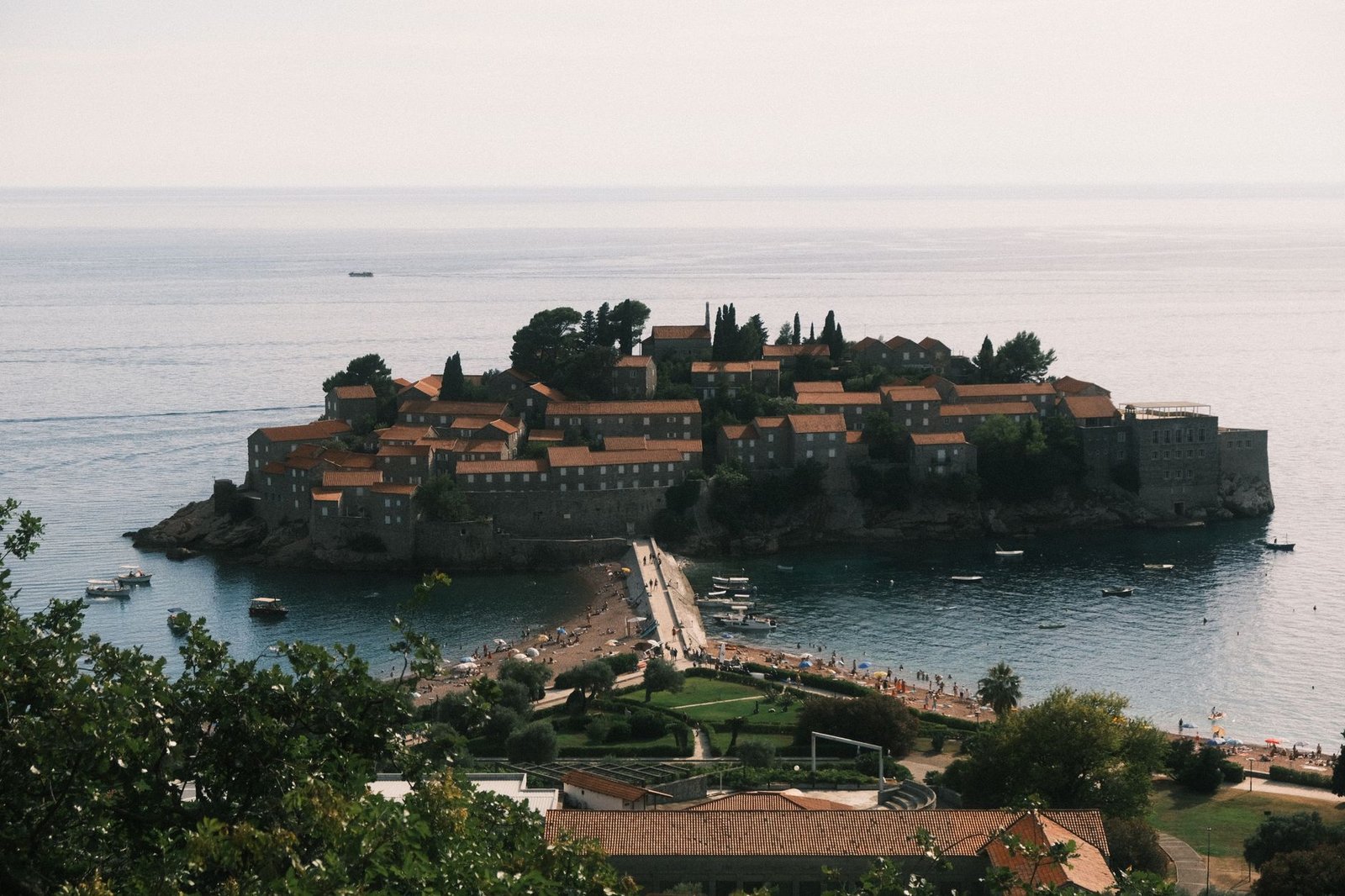
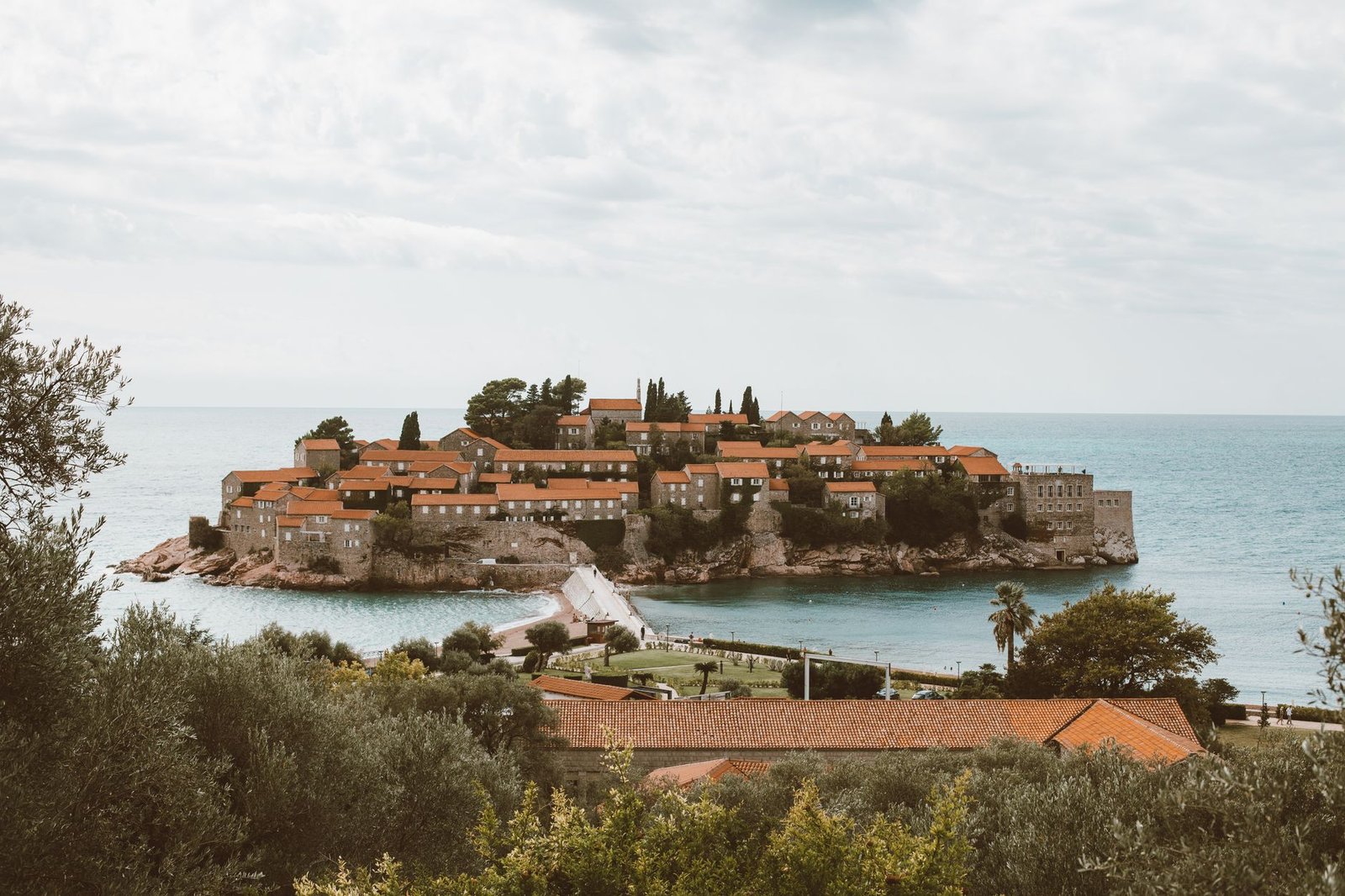
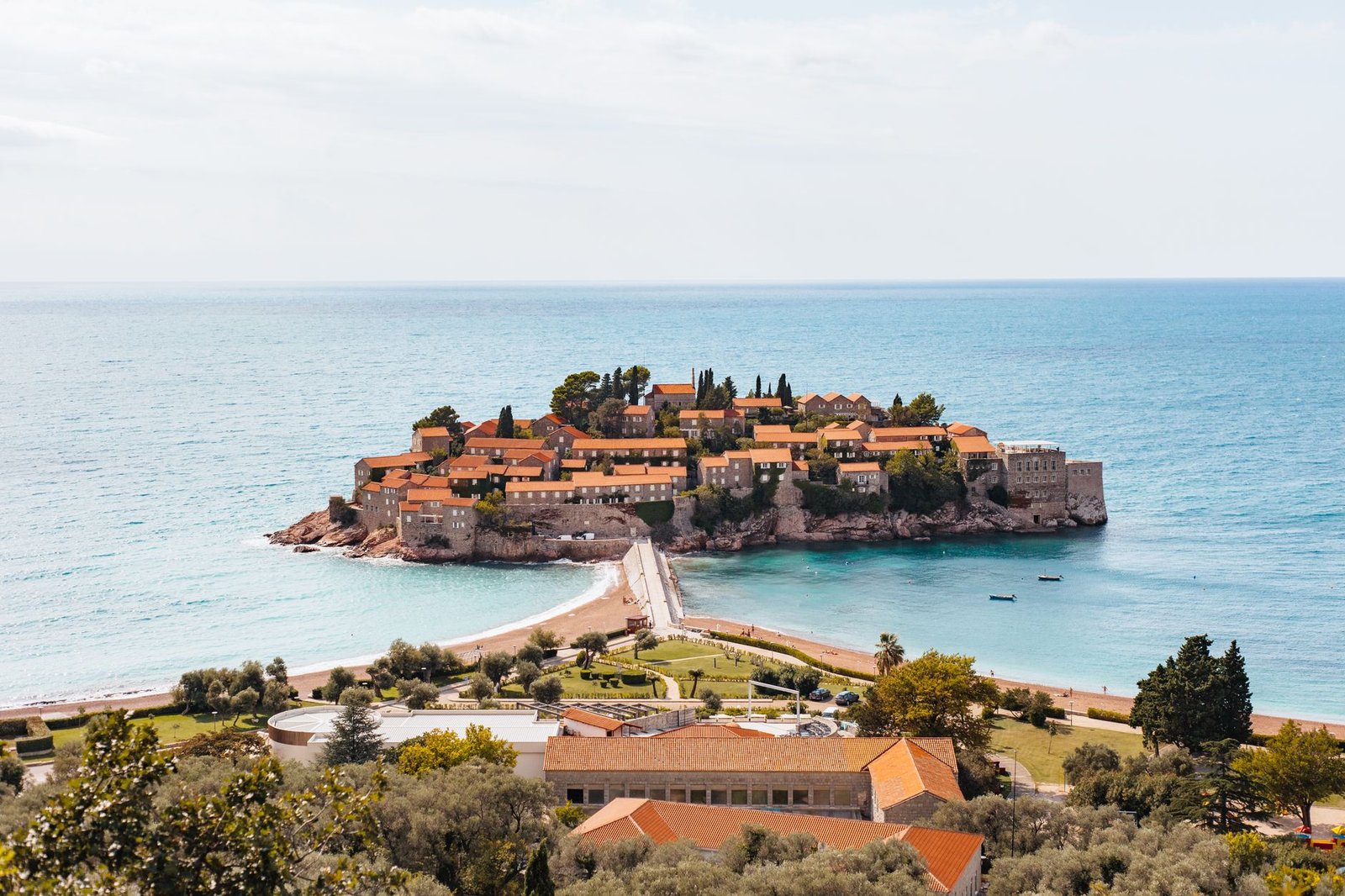
You’re scrolling through photos of the Adriatic coast when one image stops you completely — a terracotta-roofed village sitting on a tiny island, connected to the mainland by a slim sandy causeway, with turquoise water on both sides. That’s Sveti Stefan, and it looks almost too beautiful to be real.
The fortified village dates back to the 15th century, when local fishermen and their families built stone homes within protective walls to guard against Ottoman raids. For centuries it functioned as a working coastal settlement before being transformed in the 1960s into a hotel complex.
Today, the island is home to the Aman Sveti Stefan resort, one of the most exclusive properties in Europe, where villa rates start around €1,500 per night. The entire islet operates as a private retreat for Aman guests.
But here’s what makes sveti stefan travel genuinely special for everyone — you don’t need a reservation to experience its magic. The public beaches on either side of the causeway are open to all visitors, offering that same jaw-dropping view without the luxury price tag.
- Pink-sand Sveti Stefan Beach sits to the south of the causeway
- Milocer Beach, a former royal retreat, lies just a short walk north
- The islet itself remains Montenegro’s single most photographed landmark
The combination of accessible shoreline and old-world island architecture makes this one of the Adriatic’s most layered and rewarding destinations.
When Is the Best Time to Plan Your Sveti Stefan Travel
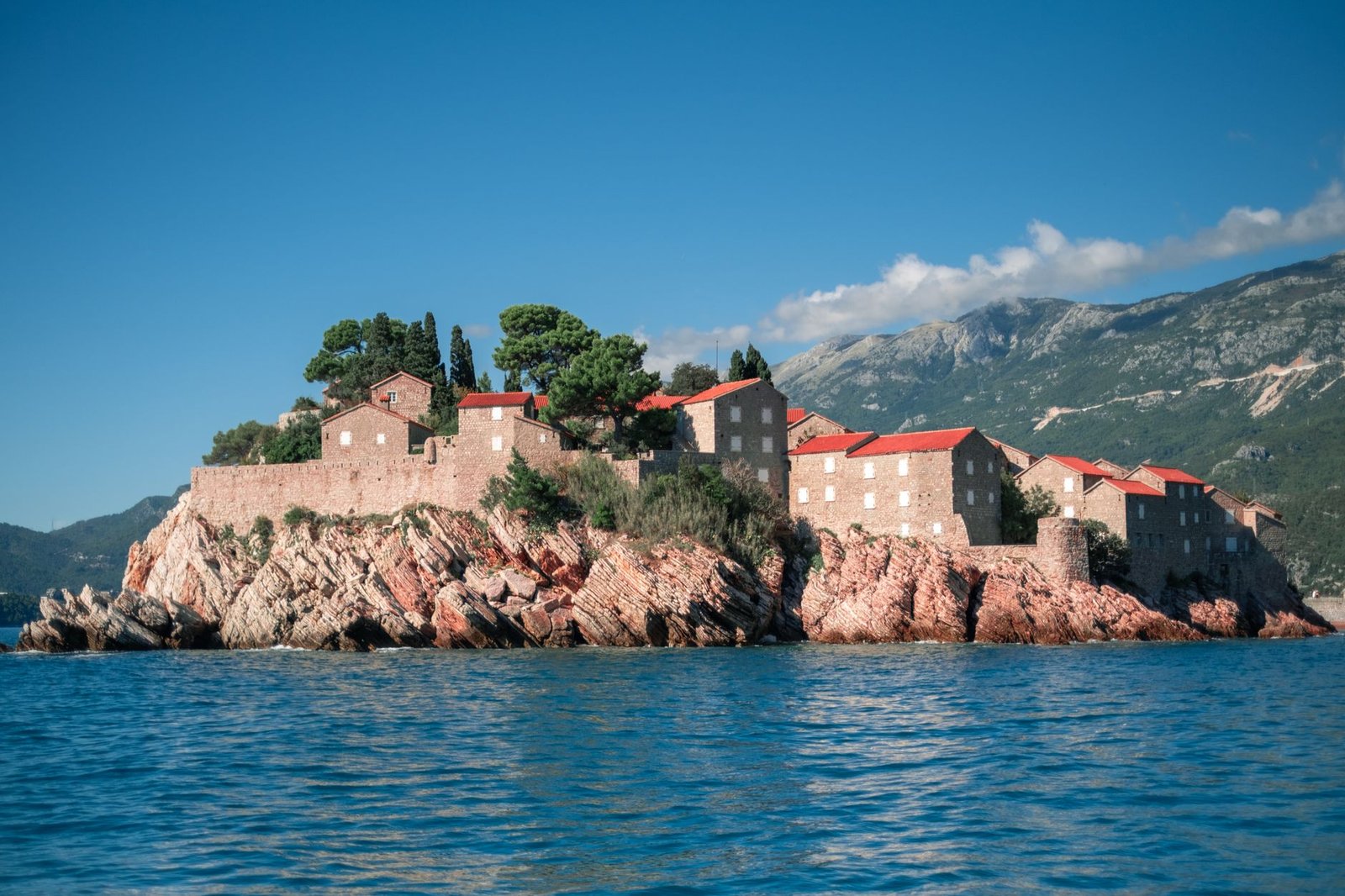
Have you ever arrived at a dream destination only to find it overrun with crowds or closed for the season? Timing your visit to Sveti Stefan makes all the difference between a peaceful escape and a hectic scramble for sunbeds.
Here’s a quick month-by-month snapshot to help you decide:
- January–March: Cold, quiet, and many hotels closed. Prices are lowest, but swimming is off the table.
- April: The coast wakes up slowly. Mild temperatures, very few tourists, and good value accommodation.
- May–June: Warm enough to swim, landscapes are lush and green, and crowds haven’t arrived yet.
- July–August: Peak season with full sunshine, buzzing beach bars, but also the highest prices and largest crowds.
- September–October: Sea temperatures stay warm well into October, visitor numbers drop sharply, and restaurants are less rushed.
- November–December: Quiet and atmospheric, though many coastal businesses close by late November.
Shoulder season in May through June and September through October offers the most comfortable balance of sunshine, accessibility, and value.
If you do visit in July or August, the Budva Summer Festival runs nearby throughout the season, filling the evenings with live music and open-air theatre just 6 kilometers from the island.
Planning your sveti stefan travel around the shoulder months means you’ll experience the Adriatic coastline at its most unhurried and genuinely beautiful.
How to Get to Sveti Stefan: Transport Options from Podgorica, Dubrovnik, and Beyond
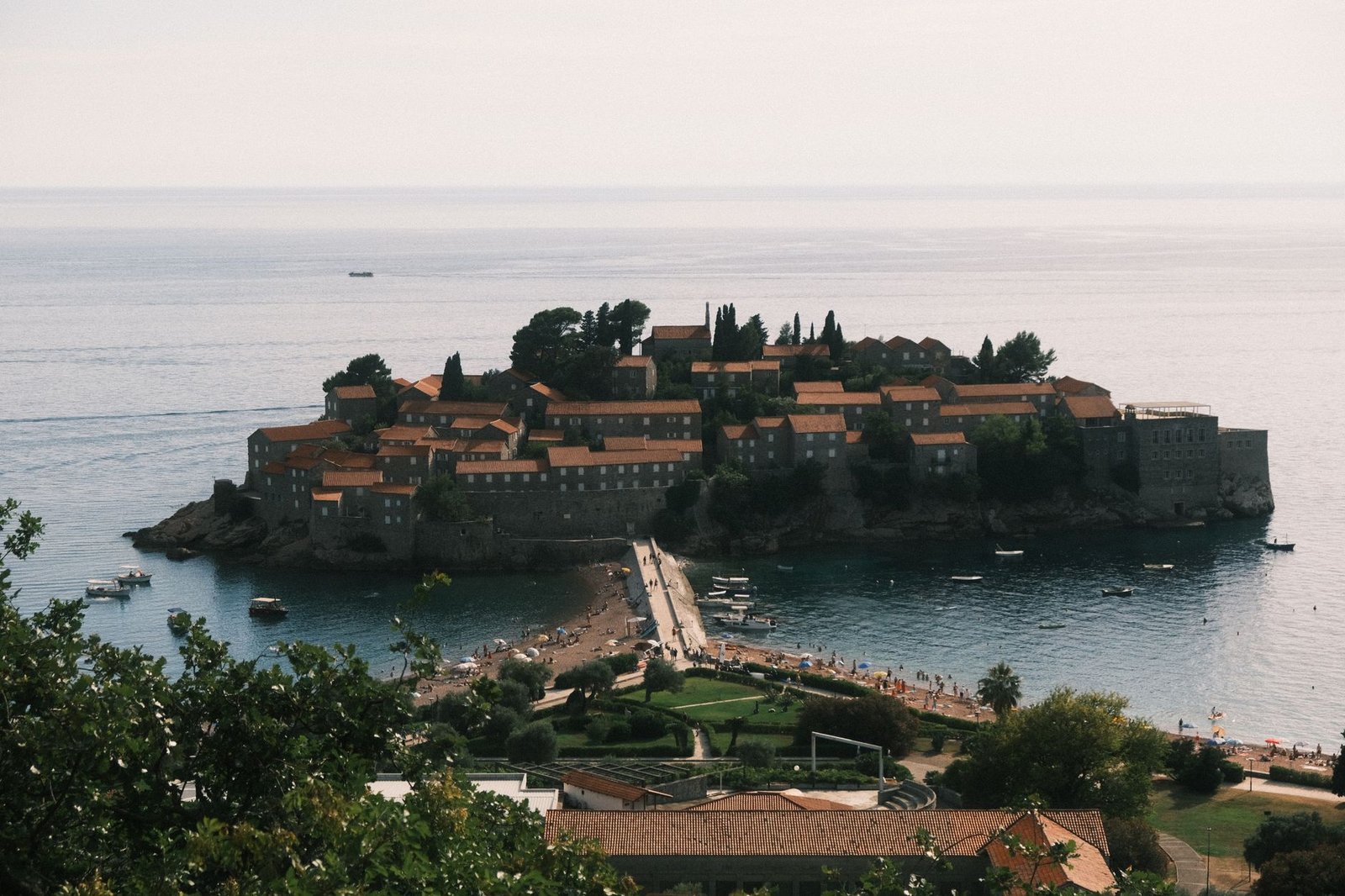
Many visitors assume reaching Montenegro’s famous islet requires a complicated journey, but sveti stefan travel is genuinely straightforward once you know your options.
Flying into Tivat Airport is the most convenient choice for coastal arrivals. Tivat sits just 25 kilometers from Sveti Stefan, making it a quick 30-minute drive along the scenic Adriatic Highway.
Podgorica Airport handles more international connections, including budget carriers. From there, expect roughly 75 kilometers of road travel, translating to about 90 minutes by taxi or rental car depending on summer traffic.
Dubrovnik Airport in Croatia is a popular entry point for travelers combining destinations. The drive south through the border crossing at Debeli Brijeg takes approximately two hours under normal conditions.
Once in Montenegro, your transport choices open up nicely:
- Public buses run regularly between Budva and Bar, stopping near Sveti Stefan village for around €3–5 per ticket
- Taxis from Budva cost roughly €10–15 for the short 6-kilometer hop
- Rental cars give you freedom to explore the full Budva Riviera at your own pace
Renting a car is particularly worthwhile if you plan to visit nearby Petrovac, Kotor, or the Lovćen National Park during your stay.
Whichever route you choose, the coastal road itself delivers breathtaking Adriatic views long before you even arrive.
Sveti Stefan Travel Tip: Understanding Access to the Island vs. the Mainland Village
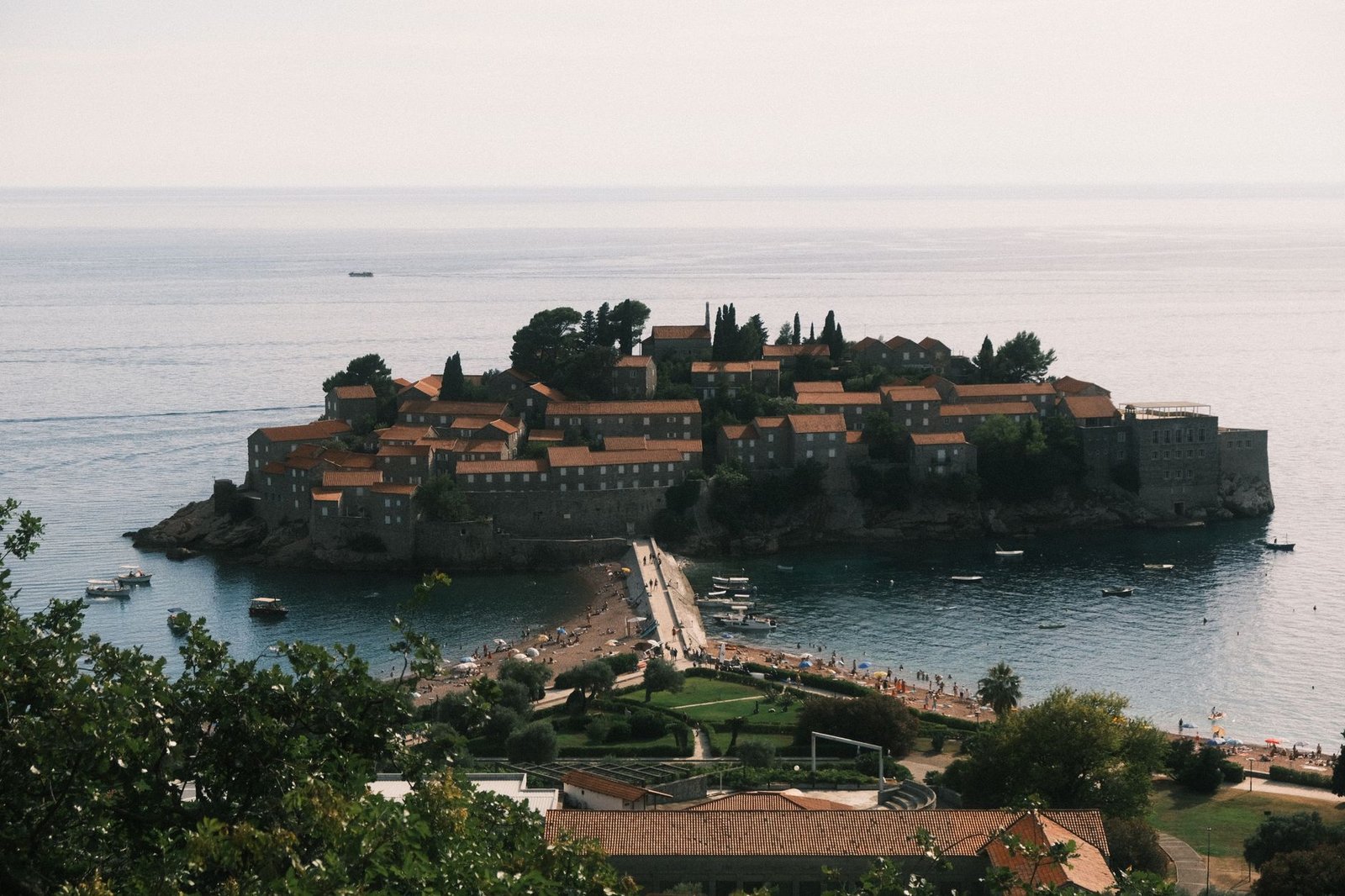
Standing at the edge of that narrow causeway, camera in hand, you quickly realize that Sveti Stefan operates on two very different terms depending on where you’re standing.
The iconic island itself is privately managed by Aman Resorts, meaning only hotel guests can cross onto the island. If you don’t have a reservation, you won’t be walking those cobblestone lanes — and that’s simply the reality to accept before you arrive.
The good news is that the surrounding area still rewards any visitor generously. The mainland village of Sveti Stefan and the nearby beaches of Miločer and Queen’s Beach are publicly accessible, giving you plenty of room to explore.
The pedestrian causeway itself is one of the best vantage points in all of Montenegro. Walking its roughly 200-meter length gets you close enough for breathtaking photographs of the terracotta rooftops and Adriatic backdrop.
For anyone planning sveti stefan travel, knowing this boundary in advance removes any frustration on arrival. You photograph, you admire, you soak it in — without expecting a welcome that isn’t there.
A few things worth keeping in mind:
- Dress respectfully near the causeway entrance — it signals awareness of the private resort boundary
- Early morning visits offer the softest light and fewest crowds for photography
- Avoid lingering directly at the gate, as resort staff will politely redirect you
Respect the boundary, and the view will still leave you genuinely speechless.
Choosing Where to Stay: Aman Sveti Stefan vs. Nearby Mainland Hotels
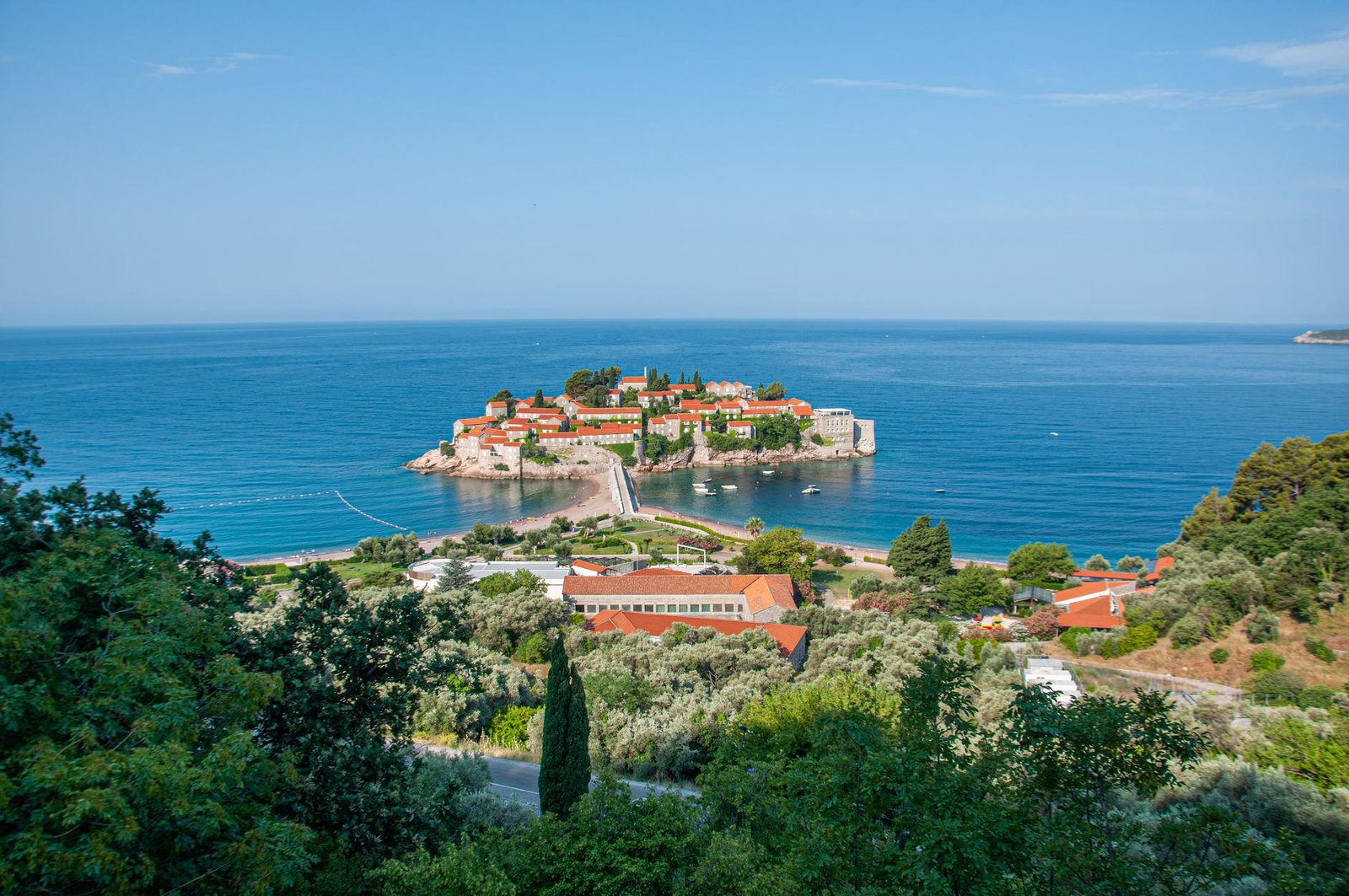
Book your accommodation at least three to four months ahead — options at every price point fill up fast from June through August.
For the ultimate splurge in sveti stefan travel, Aman Sveti Stefan offers a collection of restored stone villas and suites directly on the historic islet and along the adjacent Villa Miločer estate. Nightly rates start around €1,500, placing this firmly in the luxury bucket-list category rather than an everyday choice.
The experience inside Aman is genuinely unlike anything nearby — private terraces overlooking Adriatic coves, butler service, and access to a beach reserved exclusively for guests. The tradeoff is that you rarely need to leave, which means you may see less of Montenegro overall.
If your budget points elsewhere, Sveti Stefan village and the Budva Riviera have solid mid-range picks. Small family-run guesthouses in the village sit within a ten-minute walk of the islet viewpoint, offering sea-view rooms for a fraction of the Aman price.
- Budva’s hotel strip provides the widest range, from budget hostels to four-star beachfront properties
- Petrovac, about 20 minutes south, offers a quieter atmosphere with reasonable apartment rentals
- Mainland stays give you easy access to local restaurants and markets Aman guests often miss entirely
Staying off the islet means a short drive for those iconic pink-wall photos, but your overall trip cost drops dramatically — and Montenegro’s roads make day trips genuinely easy.
The Best Beaches Near Sveti Stefan You Cannot Miss
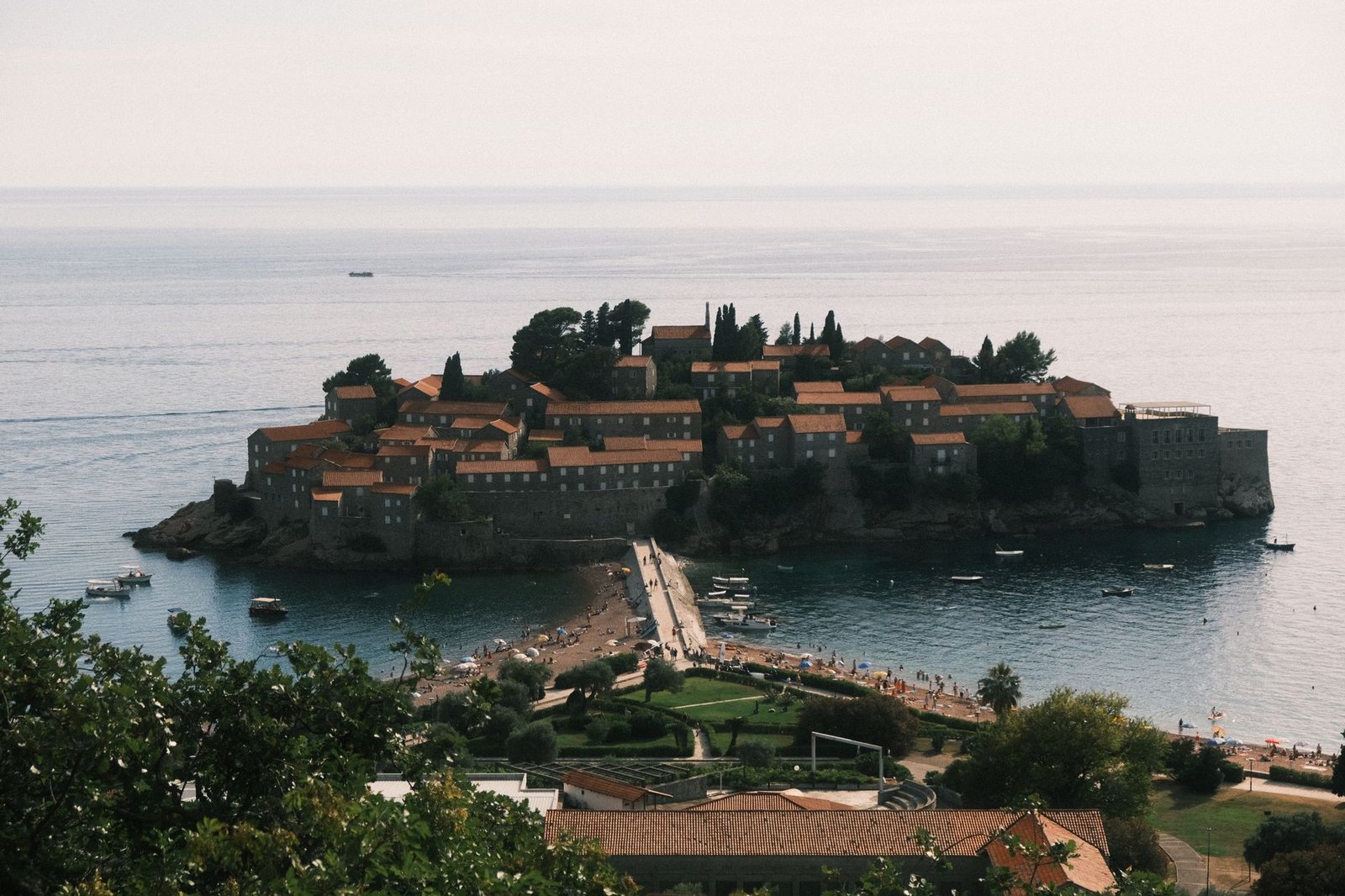
Summer crowds arrive fast along the Montenegrin coast, so knowing which beach suits your mood before you go makes every morning easier.
Sveti Stefan Beach splits into two distinct sections — north and south — separated by the causeway leading to the island itself. The water here is famously clear, with a turquoise shade that photographs almost too well to look real.
Entry to the south section costs around €10 per person, which typically includes a sunbed. The north side tends to be slightly more relaxed about access, though sunbed rentals still apply during peak months.
Miločer Beach sits just a short walk west and carries a noticeably quieter atmosphere year-round. The surrounding pine trees provide natural shade, which makes it a favourite for those who find the open-sun beaches exhausting by midday.
The Royal Beach at Miločer requires some patience to access — it’s managed by the Aman resort — but asking locally about public access windows during shoulder season is worth the effort.
- Queen’s Beach offers soft pebbles and a calm cove setting with noticeably thinner crowds
- Crvena Glavica rewards walkers with a secluded stretch that most day visitors skip entirely
Planning your sveti stefan travel around an early arrival at any of these beaches — before 9am — means you claim your spot before the tour buses unload.
Top Things to Do in Sveti Stefan Beyond the Beach
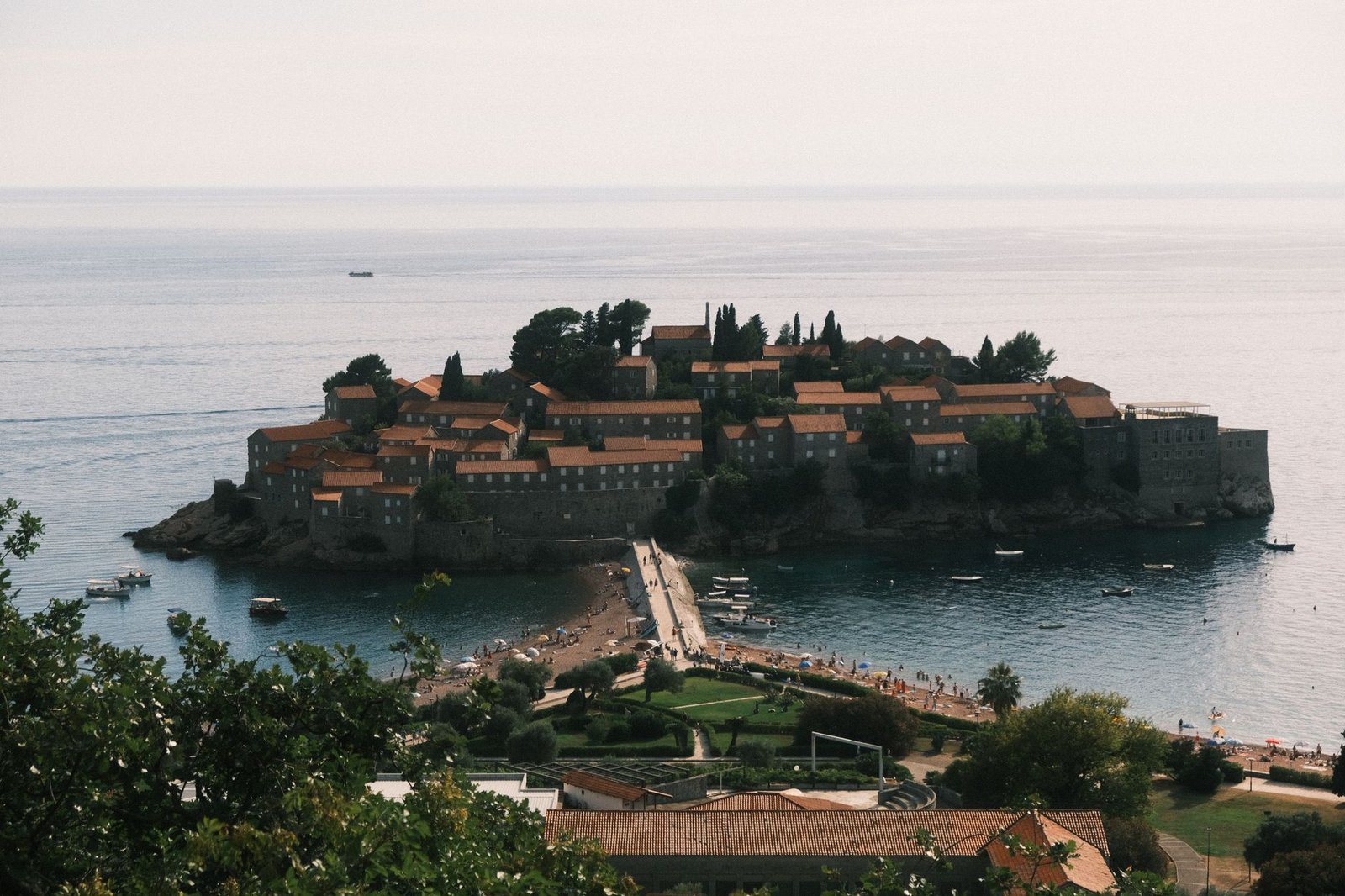
Spending every hour on the sand is tempting, but renting a kayak costs around €15 per hour and rewards you with something no sunlounger ever could — a close-up view of the islet’s rose-colored walls rising straight from the Adriatic.
Kayaking and paddleboarding around the islet gives you perspectives that are simply impossible from the shoreline. Paddle slowly around the northern tip at golden hour and the stone fortifications reflect a warm amber light that photographs beautifully.
Above the village, a hillside trail climbs through Mediterranean scrub to a ridge overlooking both the islet and the open sea. Hiking this trail for panoramic photography takes roughly 45 minutes at a comfortable pace and requires nothing more than decent shoes and a water bottle.
Sveti stefan travel planning becomes much richer when you treat the village as a central base rather than a single destination. The road north to Budva Old Town takes just 10 minutes by car, putting cobblestone streets, fortress walls, and lively restaurants within easy reach any evening.
Further afield, these day trips round out a complete coastal itinerary without requiring a hotel change:
- Budva Old Town for Venetian architecture and waterfront dining
- Lake Skadar National Park for birdwatching and boat tours through water lilies
- Kotor’s medieval old city and its dramatic mountain backdrop, about 35 kilometers south
Sveti Stefan Travel Tip: Dining Like a Lovely Local Without Paying Resort Prices
Roughly 80% of the restaurants on the islet itself are exclusive to Aman Sveti Stefan guests — but the mainland village just steps away holds some of the most rewarding eating on the entire Budva Riviera.
The mainland strip running parallel to the causeway is lined with family-run konobas serving honest Montenegrin cooking. Konoba Stari Grad and similar spots here plate up grilled branzino, octopus salad, and house wine poured from unlabeled jugs at prices that feel almost too fair.
For a quick, filling meal, look for small grills tucking čevapi into warm flatbread alongside raw onion and kajmak. A full portion with a cold local beer rarely costs more than €6, making it the most satisfying budget move in any solid sveti stefan travel plan.
Fresh grilled fish is the dish worth prioritizing. Ask what came in that morning rather than ordering from the printed menu — fishermen still supply many of these kitchens directly from the Adriatic.
Self-catering travelers staying in apartments have strong options too:
- The small market in Sveti Stefan village stocks local produce, cured meats, and Montenegrin cheese
- Budva’s open-air market (a 10-minute drive) sells seasonal vegetables, olives, and honey at excellent prices
- Local Vranac wine is widely available in grocery shops for under €5 a bottle
Eating well here is genuinely easy — you just need to step one street back from the water.
Photography Guide: How to Capture Sveti Stefan’s Most Iconic Shots
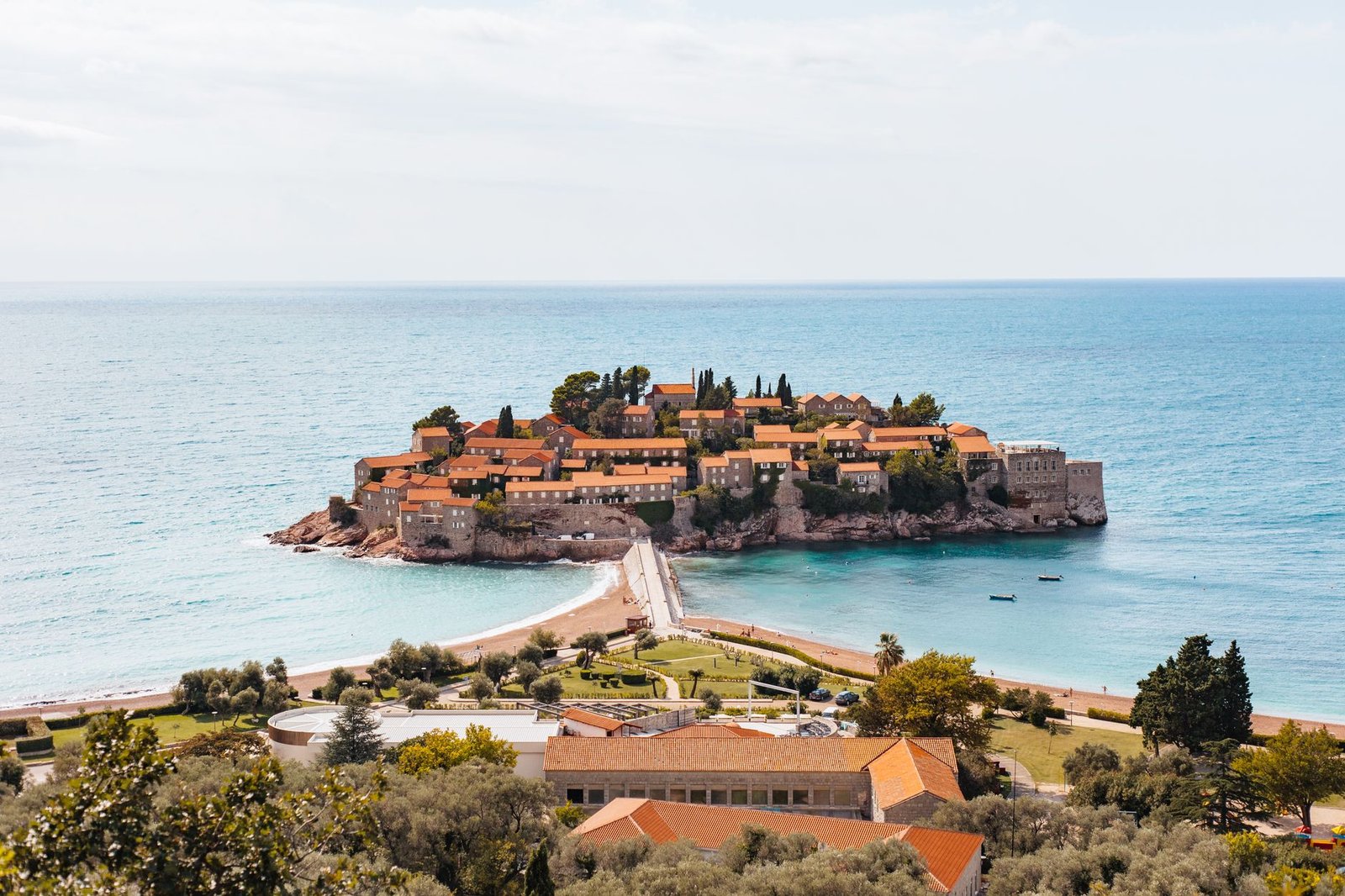
You pull over on a winding coastal road, glance left, and suddenly the terracotta rooftops of that little island are perfectly framed between two pine trees. That moment is absolutely worth chasing on your sveti stefan travel itinerary.
The Jadranska Magistrala highway offers the best elevated viewpoints for capturing the islet’s full silhouette against the Adriatic. Pull off at the layby approximately 800 metres north of the causeway entrance for an unobstructed panoramic angle that shows both the sandy beach and the walled village together.
Serious photographers should plan shoots around two specific windows. Golden hour arrives roughly 40 minutes before sunset, casting warm amber tones across the stone buildings, while blue hour just after dusk turns the water into a deep cobalt mirror that makes long-exposure shots feel almost painterly.
- Bring a tripod for blue hour — hand-held shots rarely stay sharp at those shutter speeds
- A 50mm or 85mm lens compresses the hillside beautifully without distorting the islet’s proportions
- Morning light (before 8am) gives softer shadows and far fewer tourists in your frame
Drone pilots need to plan carefully. The area around Aman Sveti Stefan operates under strict no-fly restrictions because of the private resort grounds, and Montenegro enforces national aviation authority permits for commercial drone use.
Always check current CAA Montenegro regulations before flying — fines apply, and confiscation of equipment is a real possibility.
Budgeting for Sveti Stefan: What Everything Actually Costs
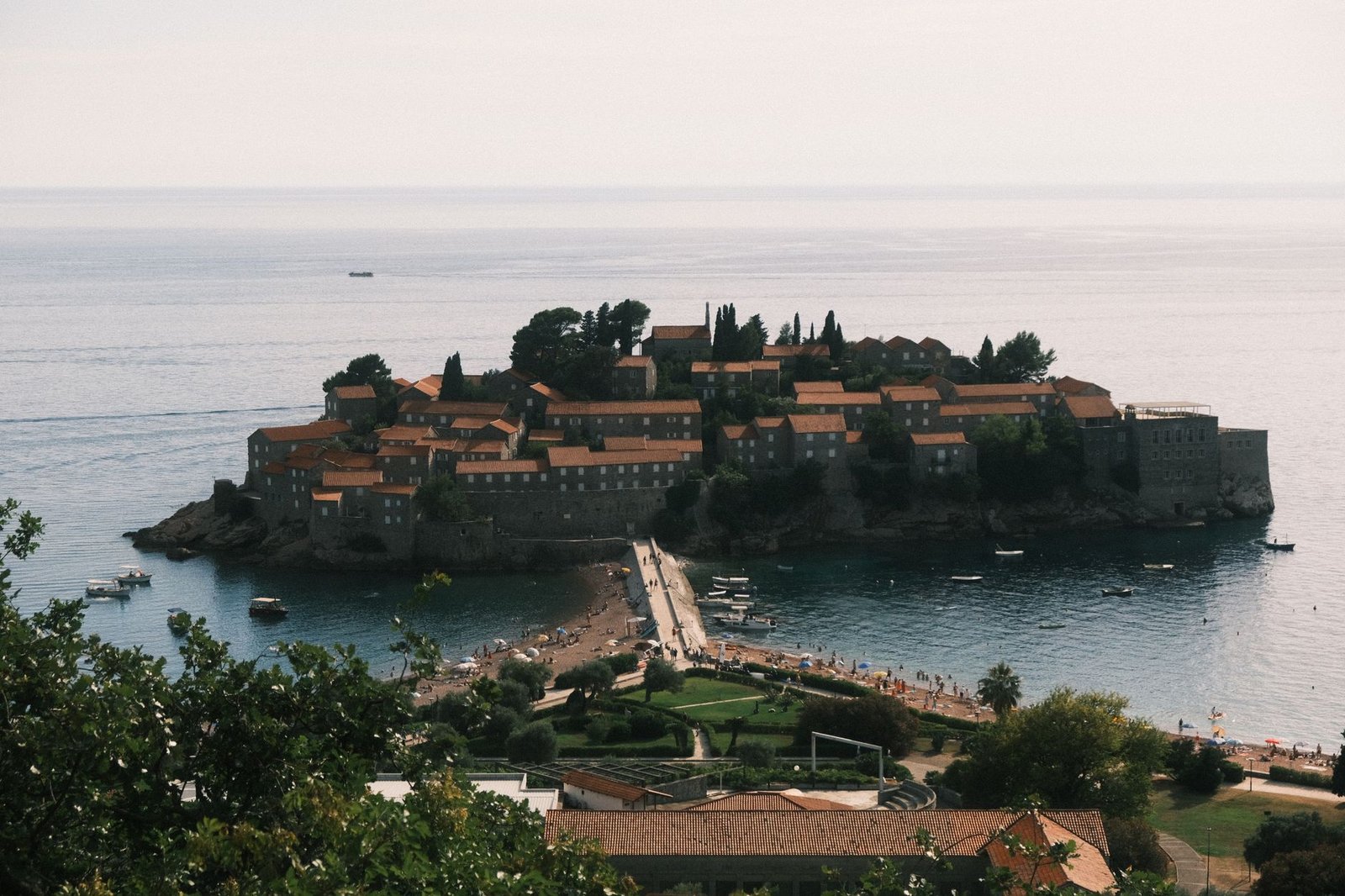
Are you wondering whether sveti stefan travel fits your budget, or only suits guests with deep pockets? The answer depends entirely on how you plan your days.
Beach access and sunbed rentals at the public beach near the island run roughly €10–15 per sunbed per day. Water sports like paddleboarding or jet skiing push costs higher, typically €20–50 per session depending on duration.
Meals at waterfront restaurants average €15–25 per person for a full sit-down dinner. Coffee and drinks along the promenade cost €2–4, while a casual lunch at a local konoba can come in well under €12 per person.
Grocery shopping in nearby Budva keeps daily food costs manageable. A realistic self-catering day on basics runs around €15–20 for two people.
- Backpacker daily budget: €40–60, staying in Budva, using public beaches, eating at local spots
- Mid-range traveler: €120–200, including a beachside hotel, restaurant dinners, and one water sport activity
- Luxury budget: €400 and well beyond, especially if booking Aman Sveti Stefan, which starts at around €1,200 per night
The gap between budget and luxury here is genuinely enormous. Planning your spending category honestly before you arrive saves a lot of uncomfortable surprises once you see the menus.
Is It Safe to Travel to Montenegro and Sveti Stefan as an American or Foreign Tourist
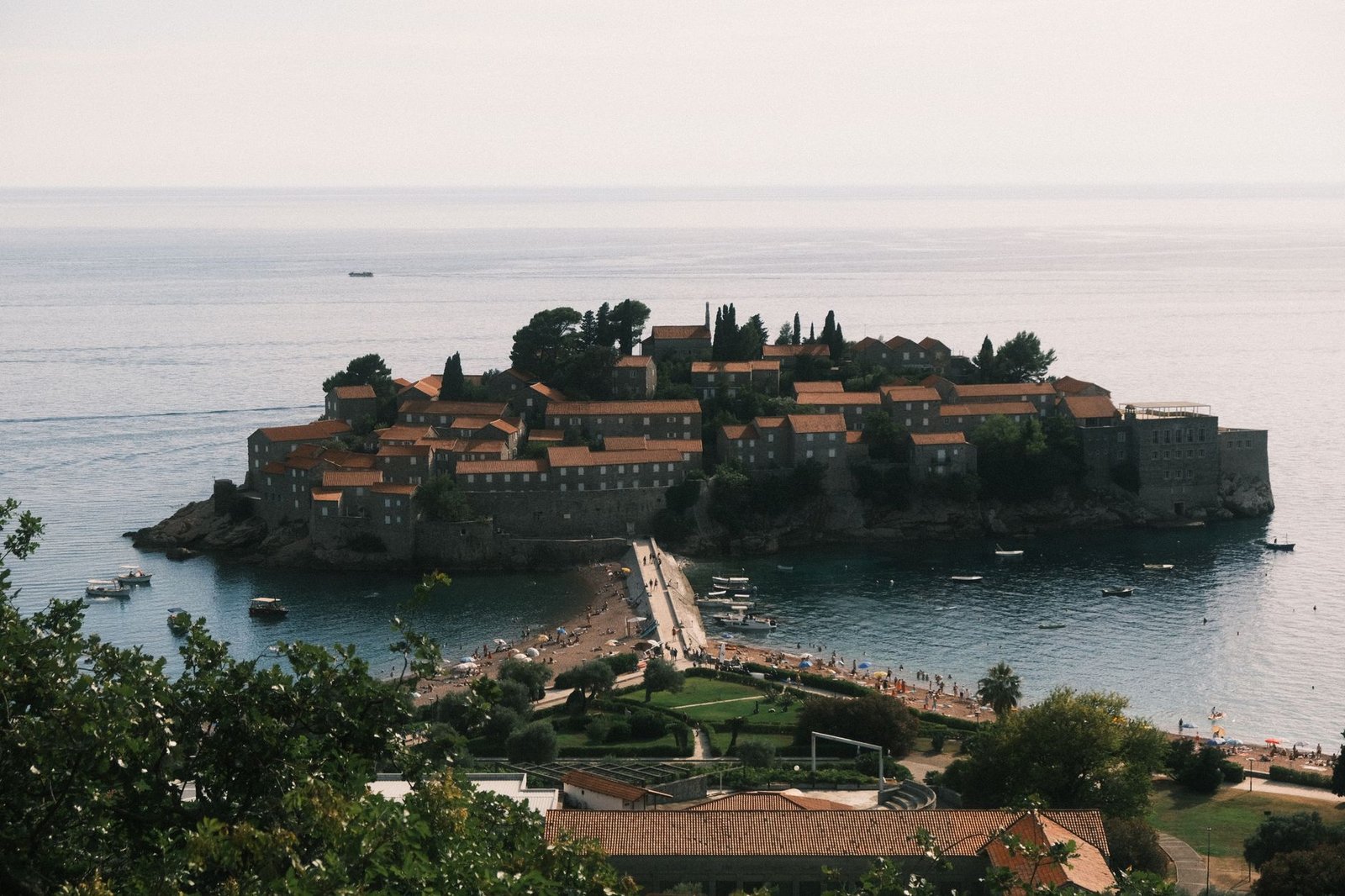
Some travelers picture the Balkans as a risky, unpredictable destination — but Montenegro consistently ranks as one of the safer countries in southeastern Europe for international visitors.
For anyone planning sveti stefan travel, the U.S. State Department currently lists Montenegro at Level 1: Exercise Normal Precautions, the same advisory level as many popular Western European destinations.
Petty theft is the most realistic concern, not violent crime. Crowded beach areas, busy promenades near Budva, and outdoor restaurant terraces are where opportunistic pickpockets tend to operate during peak summer months.
Keep a close eye on your belongings in these specific situations:
- Leaving bags unattended on sunbeds or beach towels
- Crowded waterfront markets and souvenir stalls
- Unofficial taxi drivers quoting rides without a meter
- Strangers offering unsolicited “guided tours” near the Aman resort entrance
Travel insurance is genuinely worth carrying here. A basic emergency medical evacuation policy typically costs under $50 for a one-week trip and gives you real peace of mind in a country where English-speaking medical facilities are limited outside of Podgorica.
Save these emergency contacts before you arrive: Montenegro police dial 122, ambulance dial 124, and the U.S. Embassy in Podgorica reaches you at +382 20 410 500.
Card skimming at ATMs has been reported in Budva’s old town. Use machines attached directly to bank branches rather than freestanding street ATMs whenever possible.
Sveti Stefan for Families: Kid-Friendly Tips and Considerations
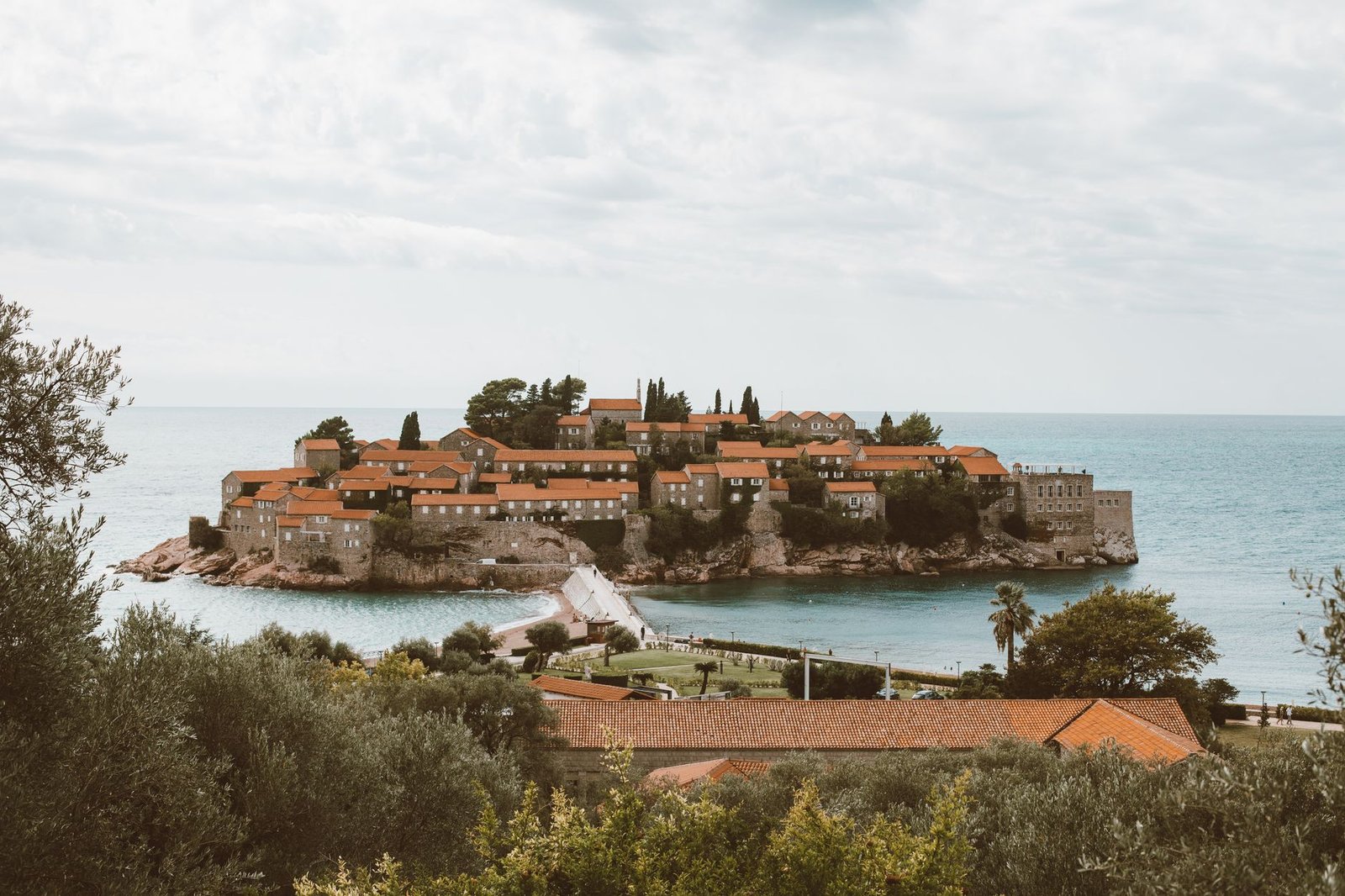
Traveling with little ones always changes how you experience a place — and honestly, Sveti Stefan surprises you with how manageable it is for families once you know where to look.
The calmer, shallower stretches of Sveti Stefan beach sit toward the northern end, where the water stays relatively gentle and the entry is gradual. This makes it a much more relaxed spot for younger children who aren’t confident swimmers yet.
For accommodation, the village of Pržno — just a 10-minute walk south — offers several family-friendly apartment rentals with kitchen facilities, more space, and lower price points than the island resort itself. Expect to find comfortable two-bedroom apartments from around €80 per night in shoulder season.
Planning your sveti stefan travel with kids means building in some variety beyond the beach. Nearby Budva has a small water park that children genuinely love, and it’s only about 6 kilometers up the coast.
Boat tours departing from Budva and Petrovac are another reliable hit with kids. Short coastal boat excursions typically last 2–3 hours and include stops at sea caves that feel genuinely adventurous for little ones.
- Stick to morning beach visits before the afternoon heat peaks
- Pack water shoes — the pebble beaches are rough on small feet
- Hiking the trail to Praskvica Monastery is gentle enough for older children and rewards everyone with beautiful views
Sustainable and Responsible Travel Practices at Sveti Stefan
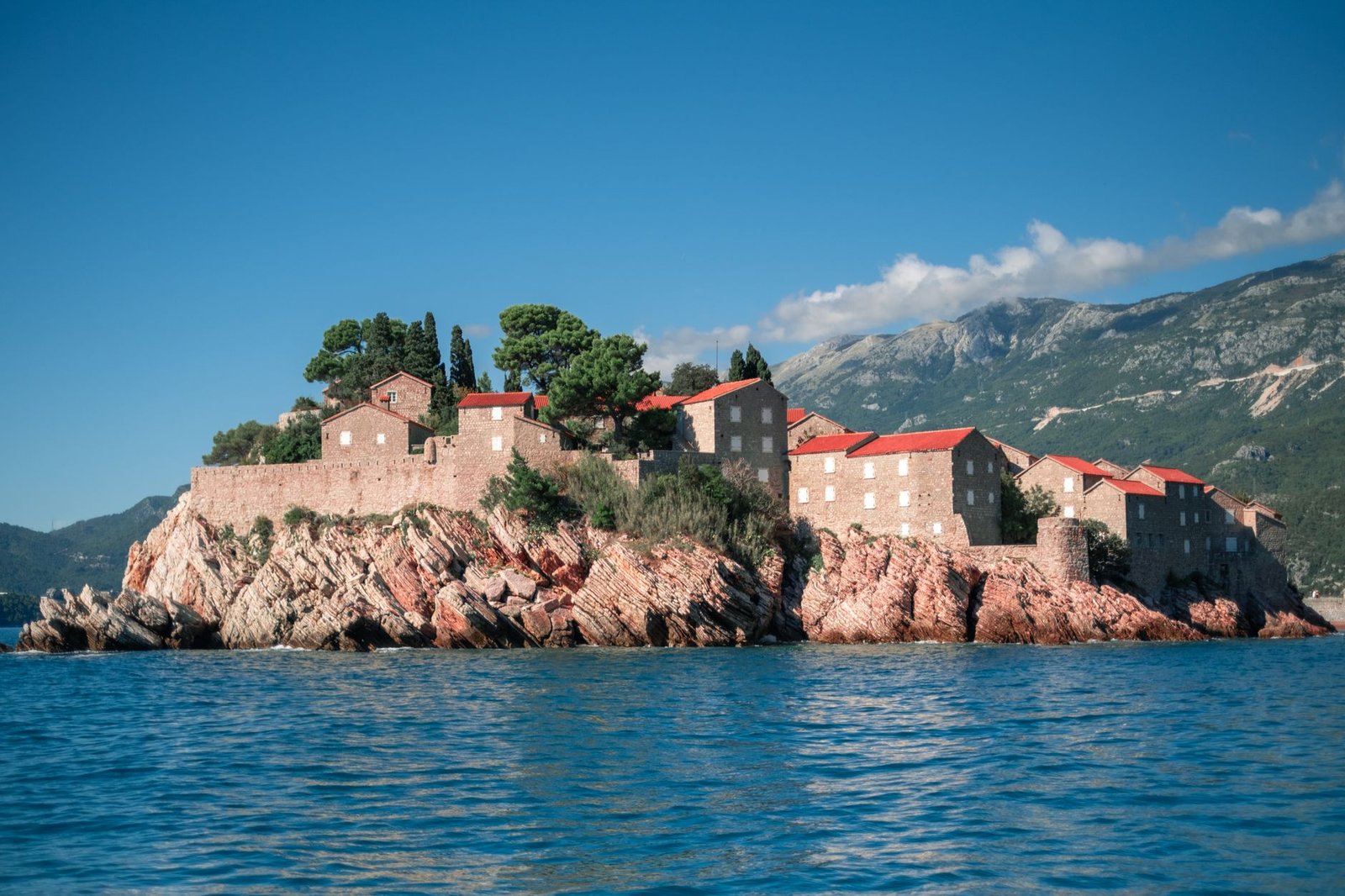
Pack your reef-safe sunscreen before you leave home — it is one of the simplest things you can do to protect the Adriatic’s delicate marine ecosystem along this coastline.
Sveti Stefan’s islet covers just about 1.5 acres, making it one of the smallest and most fragile heritage sites on the entire Montenegrin coast. When visitor numbers spike in July and August, the pressure on its surrounding beaches, rocky paths, and shallow waters becomes genuinely significant.
Overtourism quietly erodes what makes this place magical — compacted soil, disturbed nesting areas, and litter left on the pink-pebble beach all chip away at the natural beauty that draws travelers here in the first place.
When planning your sveti stefan travel experience, small daily choices add up fast:
- Carry a reusable water bottle and say no to single-use plastic
- Use only reef-safe, biodegradable sunscreen near the water
- Dispose of all waste in designated bins or take it back with you
Spending your money locally makes a real difference. Choose a family-run konoba in Sveti Stefan village over a resort restaurant, buy handmade olive oil soaps from a local artisan, and hire independent guides rather than large tour operators.
Authentic local businesses depend on conscious visitors to survive alongside the big international resort developments. Your choices directly shape what kind of place this remains for future travelers.
Packing List Specifically for a Sveti Stefan Coastal Trip
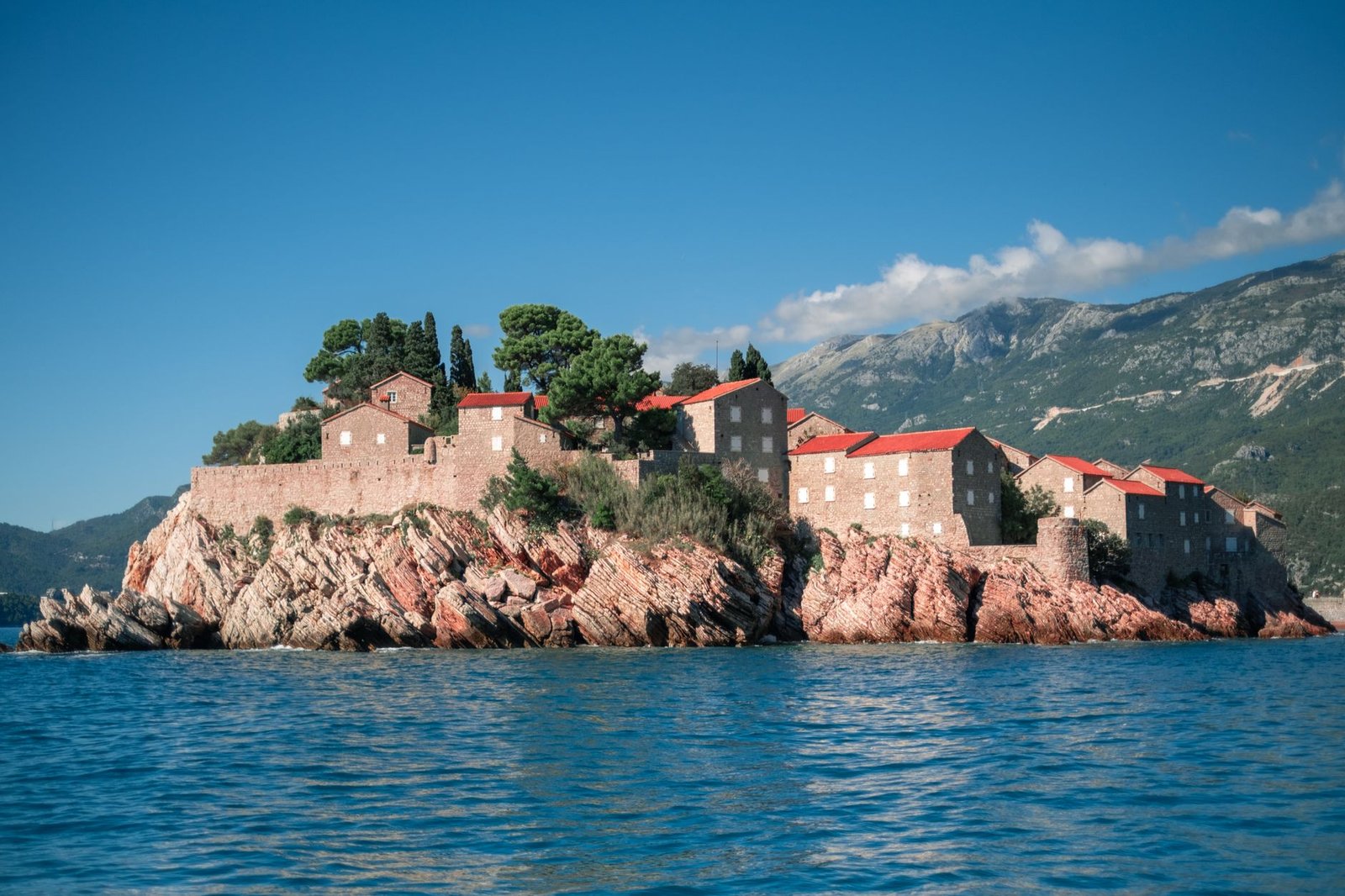
Summer temperatures in Montenegro regularly climb past 35°C, so what you pack can genuinely make or break your time on this gorgeous stretch of coast.
For the beach, reef shoes are non-negotiable at Sveti Stefan. The shoreline has rocky entry points that can catch bare feet off guard, especially on the quieter northern end of the beach.
- Reef or water shoes with grip soles
- SPF 50+ sunscreen and a wide-brim hat
- A reusable water bottle — refill stations save you money and reduce plastic waste
- Snorkel mask for the remarkably clear Adriatic water
Village exploring calls for breathable linen or cotton layers. Cobblestones and steep pathways make sandals with ankle support a smarter choice than flip-flops.
Dinner at Aman Sveti Stefan has a smart-casual dress code, so pack one elegant outfit — a sundress or collared shirt goes a long way. Boat excursions to spots like Sveti Nikola island add a windswept element, so a lightweight layer is worth tucking into your bag.
For anyone planning sveti stefan travel from outside the EU, Montenegro accepts visitors without a visa for stays up to 90 days. Bring your passport and some euro cash — many smaller vendors and taxi drivers prefer it over cards.
ATMs are available in Budva, roughly 6 kilometres away, so withdraw what you need before heading to the peninsula for the day.
Common Mistakes to Avoid on Your Sveti Stefan Travel Trip
Booking a last-minute hotel in July costs roughly 40–60% more than securing the same room in May or early October — and sometimes there’s simply nothing left at all.
Arriving in peak July or August without accommodation reserved is the single fastest way to derail your plans. The handful of quality hotels near the island fills up months in advance, leaving late arrivals scrambling for rooms in Budva or Petrovac.
Beach access follows the same logic. The small public shoreline fills by mid-morning in summer, so showing up at noon hoping for a prime spot usually means standing on rocks.
A second costly assumption is expecting to wander freely across the island itself. Sveti Stefan island is privately managed by Aman Resorts, and non-guests are not permitted beyond the causeway entrance. Your sveti stefan travel research should make this clear before you arrive disappointed at the gate.
Finally, underestimating the coastal Magistrala road catches many drivers off guard. The highway hugs dramatic cliffs with narrow lanes, sharp bends, and tourist coaches passing at speed.
- Allow extra travel time between towns — distances look short on a map but driving is slow
- Avoid driving after dark on unfamiliar stretches
- Pull into designated viewpoints rather than stopping on the road shoulder for photos
A little preparation on each of these points turns a stressful arrival into a genuinely relaxed coastal escape.
Hidden Gems and Local Secrets Around Sveti Stefan Most Tourists Miss
Only about 15% of visitors to this stretch of coastline ever venture beyond the main beach — and that means the best parts stay quietly uncrowded all summer long.
Your sveti stefan travel experience changes completely once you get on the water. Off-the-radar sea caves and hidden coves dot the rocky coastline north of the island, reachable only by kayak or by hiring a local fisherman for a morning trip. Ask around the small harbor at Miločer — rates are negotiable and often around €20 for a two-hour tour.
Inland, the Monastery of Praskvica sits less than a 30-minute walk up through ancient olive groves from the main road. Most visitors drive straight past the unmarked trail without a second glance, which means you’ll likely have the 14th-century church entirely to yourself.
For evenings away from the tourist strip, locals consistently head to Rijeka Reževići, a small settlement where family-run konobas serve grilled fish caught that same morning. No menus in four languages, no Instagram lighting — just honest Montenegrin cooking at honest prices.
- Swim at Crvena Glavica beach, tucked below the pine forest and rarely marked on tourist maps
- Pick up homemade olive oil directly from grove owners near Praskvica village
- Watch the sunset from the old coastal path rather than the crowded hotel terraces
FAQ
You’ve spent weeks planning your Montenegro itinerary, and now you’re second-guessing every detail about Sveti Stefan. Here are honest answers to the questions that come up most often.
Is it possible to visit Sveti Stefan without staying at the Aman resort?
Yes, absolutely. You can walk the causeway, photograph the island from the shoreline, and enjoy the public beach areas nearby without ever booking a room.
Non-guests cannot enter the island village itself, but the surrounding scenery is genuinely breathtaking from the outside.
Is Sveti Stefan still closed to the public or has access changed recently?
The island has been exclusively managed by Aman Resorts since 2008, so the interior remains private. Public beach access on the adjacent mainland shore is still available and free to enjoy.
Is it safe for Americans to travel to Montenegro right now?
Montenegro is considered very safe for American travelers, with the U.S. State Department currently listing it at a Level 1 designation. Petty theft in busy coastal areas is the most common concern, so standard precautions apply.
Can you stay on Sveti Stefan island and what does it cost?
Staying on the island means booking through Aman Sveti Stefan, where nightly rates start around $1,200 depending on the season and villa category. For sveti stefan travel at this level, reservations should be made several months in advance, especially for summer stays.
You might also like: 15 Reasons Santorini Is Worth Visiting This Year
Key Takeaways
Ready to start planning your sveti stefan travel adventure? Here’s everything you need to remember before you go.
- Island access has a clear divide: The iconic islet is visible and photographable by anyone, but actually staying on it means booking through Aman Sveti Stefan, where rates start around €1,000 per night.
- Shoulder season is your sweet spot: May, June, and September deliver warm weather, calm Adriatic waters, and far more breathing room on the beaches compared to the peak July crush.
- Book transport and accommodation early: Montenegro’s coastal roads get congested fast, and the best-value guesthouses in nearby Budva and Pržno fill up months in advance.
- Beach access requires a little strategy: The public beach stretching alongside the islet is free, but arriving before 10am on summer days makes a genuine difference in your experience.
- The surrounding villages deserve your time: Pržno, Miločer, and Petrovac each carry their own quiet charm, excellent seafood, and a pace of life that honestly slows your whole trip down beautifully.
- A day trip works, but longer stays reward: You can visit in a single afternoon from Budva, yet two or three nights in the area lets the coastline sink in properly.
Save this to Pinterest so these tips are waiting for you when it’s time to pack your bags.