15 Reasons Santorini Is Worth Visiting This Year
Introduction
Over 3 million tourists visited the Greek island of Santorini last year — and a surprising number of them said they’d go back tomorrow. So is Santorini worth visiting in 2025, or has the hype finally outgrown the reality?
You’ve probably read the complaints: crowded caldera paths, €20 coffees, Instagram crowds blocking every sunset view. Those criticisms aren’t wrong. But they’re also not the whole story.
This article skips the cynicism and focuses on what actually makes this island earn its reputation — from someone who’s walked its winding streets, eaten at its hidden tavernas, and watched the sky turn fire-orange over the Aegean.
We’re covering 15 specific, experience-driven reasons why Santorini still belongs on your travel list, including:
- Iconic scenery that genuinely exceeds expectations
- Food, wine, and culture you won’t find anywhere else
- Smarter ways to enjoy the island without the chaos
- Hidden villages and beaches most visitors never reach
Let’s make the case — honestly and specifically.
Iconic Caldera Views That Genuinely Stop You in Your Tracks
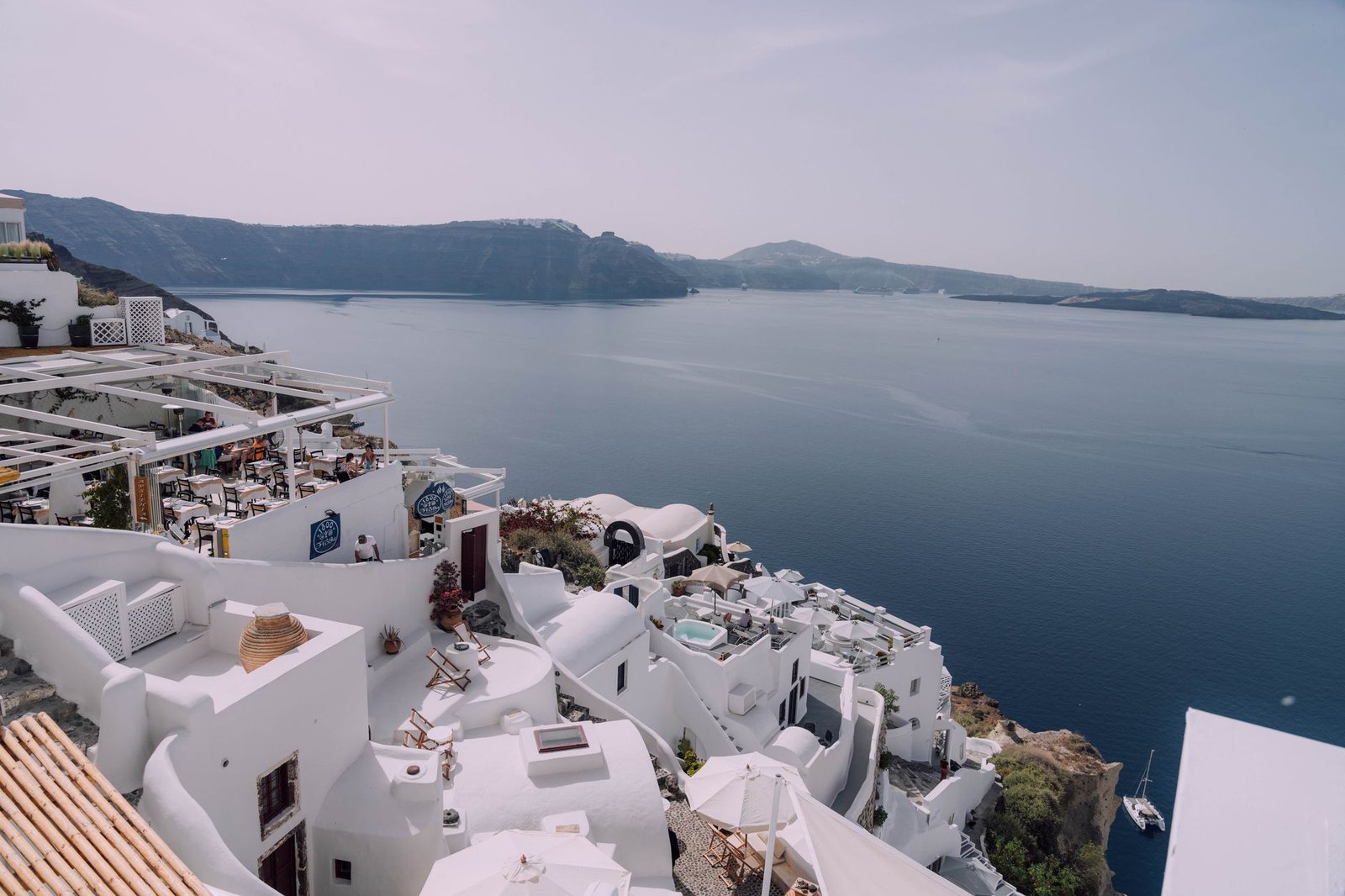
You’re mid-sip of your morning coffee when you glance over the whitewashed wall beside your table — and suddenly the cup is just hanging in your hand, forgotten. That’s the Santorini caldera doing exactly what it does to everyone.
The caldera itself is the flooded crater of a massive volcanic eruption that occurred roughly 3,600 years ago, leaving behind a sweeping 12-kilometer-wide basin now filled with deep Aegean blue. The surrounding cliffs drop almost vertically, some reaching 300 meters high, with villages clinging to the rim like something from a painting.
Every photograph you’ve seen of this place is technically accurate and somehow completely inadequate. The scale, the light shifting across the water through the afternoon, the way the air smells like salt and warm stone — none of that travels through a screen.
If you’re wondering whether is santorini worth visiting just for the views, the answer lives in these specific spots:
- Oia’s castle ruins — the northern tip of the island, famous for sunset crowds but genuinely earned
- Fira’s main clifftop promenade, where café terraces hang directly over the drop
- Imerovigli and the Skaros Rock trail — quieter, rawer, and arguably the most dramatic perspective of all three villages
Imerovigli sits at the highest point of the caldera ridge, which means the panorama stretches further in both directions than you’ll find anywhere else on the island.
Sunsets in Oia Are a Bucket-List Experience for Good Reason
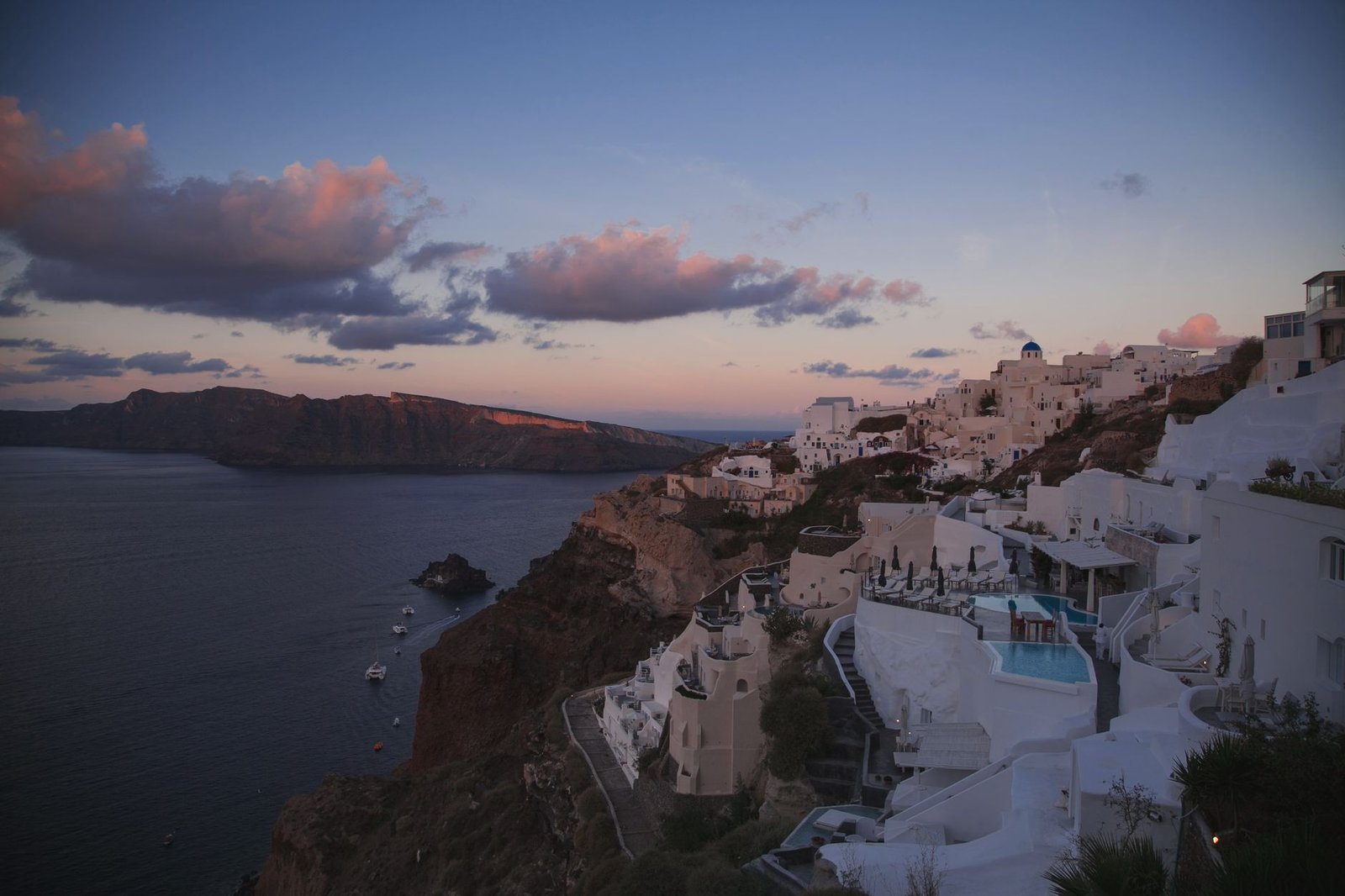
Have you ever stood somewhere and felt like the whole world paused just for a moment? That’s exactly what happens every evening along the cliffside village of Oia on Santorini’s northwestern tip.
The reason Oia sunsets appear on virtually every global “best sunsets” list comes down to pure geography. The caldera’s curved volcanic cliffs act like a natural amphitheater, reflecting warm copper and rose tones off the water below while the iconic white-domed churches frame the horizon perfectly.
If you’re wondering is santorini worth visiting just for a sunset — yes, genuinely yes. But arriving late to Oia’s famous kastro (castle ruins) means standing behind six rows of people and shooting over strangers’ heads.
Arrive at least 90 minutes before sunset to claim a spot on the castle walls. Better yet, walk about 400 meters north toward the windmills area, where crowds thin considerably and your sightline stays completely clear.
- Book a cliffside restaurant table instead — a reserved seat keeps you comfortable with a drink in hand
- The Amoudi Bay path offers a lower-angle view that most visitors never bother to find
- Avoid peak July and August crowds by visiting in late September or October
Late September delivers the most vivid sunset colors because the slightly cooler air carries less humidity, creating that deep amber glow photographers obsess over.
Temperatures during this period average around 24°C (75°F), making the wait genuinely pleasant rather than exhausting under peak summer heat.
World-Class Volcanic Beaches Unlike Anywhere Else on Earth
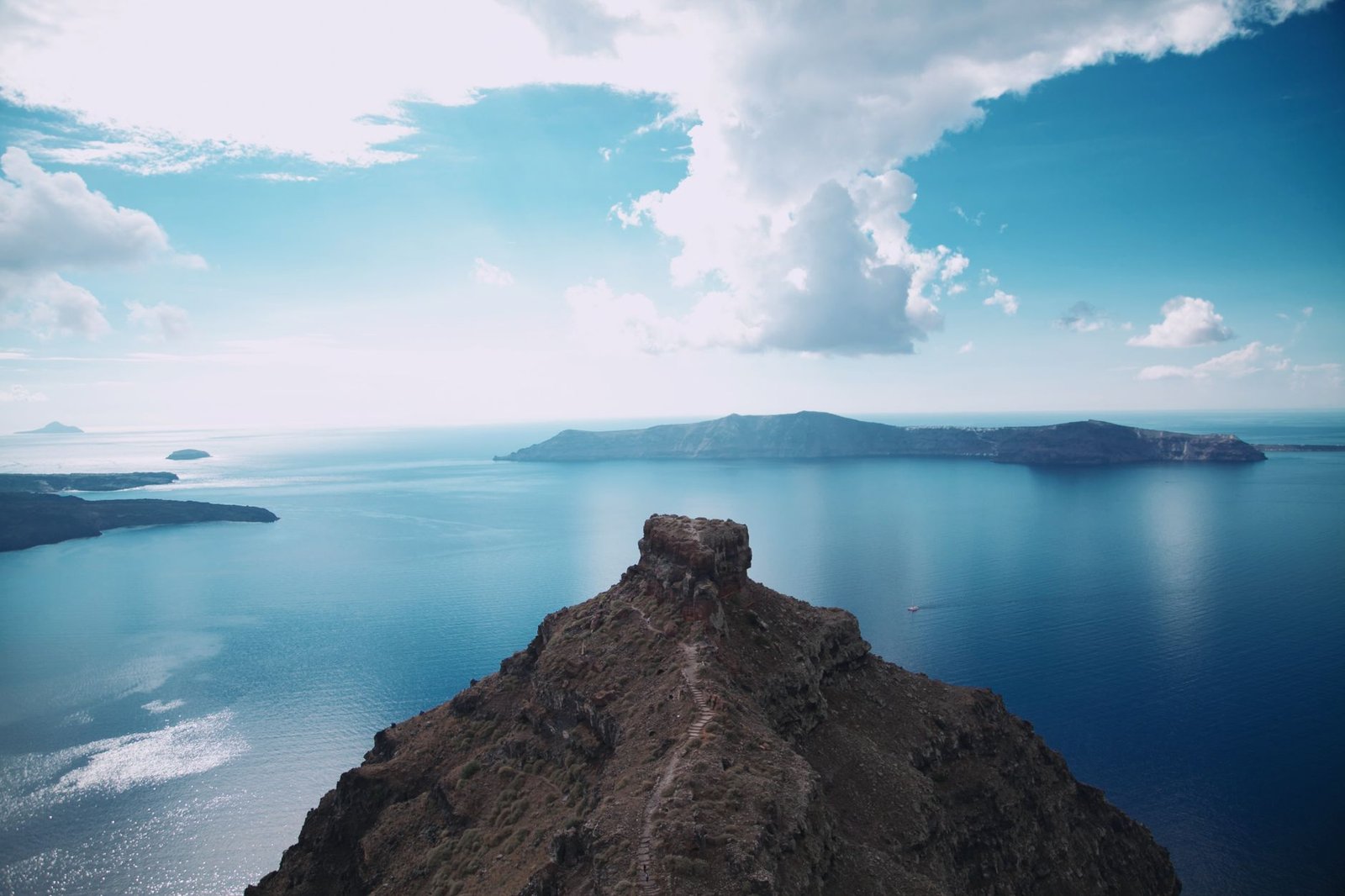
Many travelers picture Santorini as purely a cliffside, sunset-watching destination — but the island’s coastline tells an equally dramatic story, shaped by a volcanic eruption roughly 3,600 years ago.
Red Beach, Black Beach, and White Beach each carry a completely different mineral personality. The iron-rich crimson cliffs at Red Beach crumble directly into the sea, creating rust-colored sand that feels almost otherworldly beneath your feet.
Black Beach (Perissa and Perivolos) stretches for nearly 7 kilometers of dark volcanic pebbles that absorb heat beautifully, making the water feel noticeably warmer by afternoon. The volcanic sand retains heat longer than typical quartz beaches, meaning you can comfortably swim well into October.
White Beach sits tucked beneath pale pumice cliffs and is only reachable by boat from Red Beach — a short water taxi ride costing around €5 each way. That small effort keeps crowds noticeably thinner than at the main beaches.
For Red Beach, arriving before 9:00 a.m. is genuinely worth setting an early alarm. The tour boats haven’t docked yet, and the light hits those cliffs in a way that photographs cannot fully capture.
Practical tips for each location:
- Red Beach: Go before 9 a.m., wear water shoes over the rocky entry
- Perissa/Perivolos: Midweek afternoons are consistently quieter than weekends
- White Beach: Book the water taxi at Red Beach dock before noon
If you’re weighing whether is Santorini worth visiting purely for beaches, these three geological wonders alone make a compelling case.
The Unique Architecture Creates an Unmatched Photography Paradise
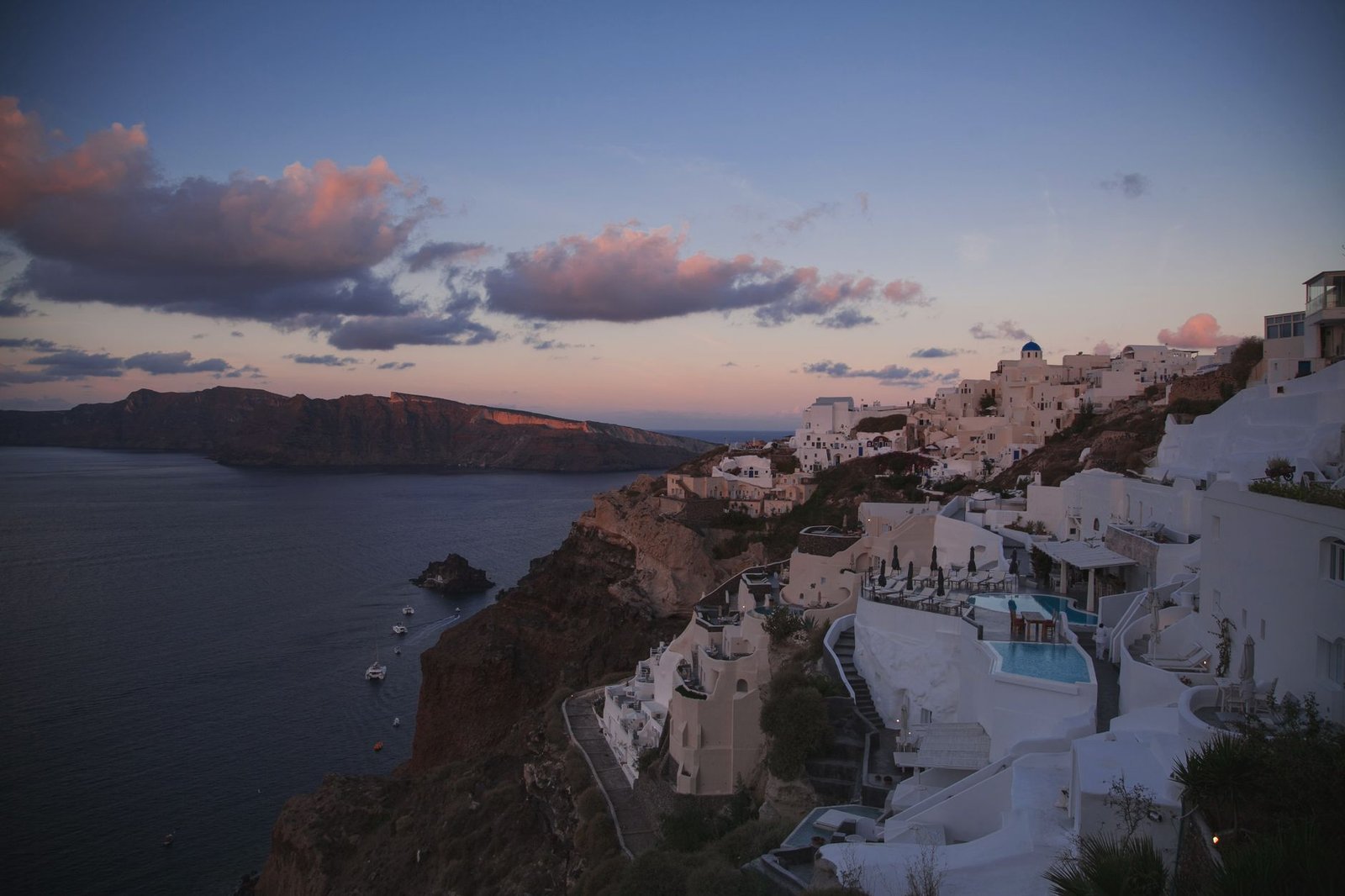
There’s something quietly disorienting about turning a corner in Santorini and realizing every single surface has been considered — the curve of a wall, the drape of a bougainvillea, the exact shade of a painted door.
The iconic Cycladic whitewashed buildings and blue-domed churches aren’t just a backdrop — they’re the entire visual language of the island. That contrast of brilliant white against cobalt sky creates a composition that almost photographs itself.
But the real magic hides deeper. Narrow alleyways barely wide enough for two people, sun-bleached wooden doorways, and staircases that seem to lead nowhere — these intimate architectural details reward anyone willing to wander slowly with a camera in hand.
Beyond the famous Oia viewpoints, the village of Pyrgos sits roughly 8 kilometers inland and offers medieval Venetian architecture, winding stone paths, and almost no crowds. It’s one of the most underrated spots for genuine architectural exploration on the island.
Emporio and Megalochori are equally rewarding — both preserve traditional Cycladic building styles with weathered textures and layered history that feel far removed from the polished tourist trail.
For anyone wondering is Santorini worth visiting purely for photography, the answer lives in these quieter neighborhoods. The best pockets to explore include:
- Pyrgos for medieval towers and panoramic hilltop light
- Emporio for labyrinthine alleyways and fortified architecture
- Firostefani for caldera views with fewer crowds than central Fira
- Megalochori for preserved neoclassical mansions and vine-draped courtyards
Exceptional Greek Cuisine Elevated by Volcanic Soil and Sea
Book a table at least two days in advance for any restaurant with a caldera view — they fill up fast, especially in July and August.
If you’re wondering is Santorini worth visiting for the food alone, the answer is genuinely yes. The island has its own distinct culinary identity, shaped by centuries of farming on ash-rich land that no other Greek island can replicate.
Fava, the island’s signature yellow split pea dip, is grown only in Santorini and carries a natural sweetness you won’t find in mainland versions. Pair it with tomatokeftedes — crispy fritters made from Santorini’s tiny, intensely flavored tomatoes — and you have a lunch that costs around €14 at a mid-range taverna.
The volcanic soil forces vine roots to dig extremely deep for moisture, producing grapes with concentrated minerals. Assyrtiko wine, dry and citrus-forward, is the local white variety and pairs beautifully with grilled octopus or fresh sea bream straight off the boats in Ammoudi Bay.
For budget-friendly eating, Metaxy Mas in Exo Gonia serves generous portions of traditional Cycladic food without the tourist markup. Mid-range, Selene in Pyrgos has been championing Santorini’s local ingredients since 1986. For a splurge:
- Lycabettus in Imerovigli offers tasting menus with local wine pairings
- Onar in Oia serves elevated mezedes with panoramic views
- Aktaion in Fira is a beloved local spot with honest, unfussy cooking
Eating seasonally and locally here isn’t a trend — it’s simply how the island has always cooked.
Santorini Wine Tasting Offers a Genuinely Distinctive Vineyard Experience
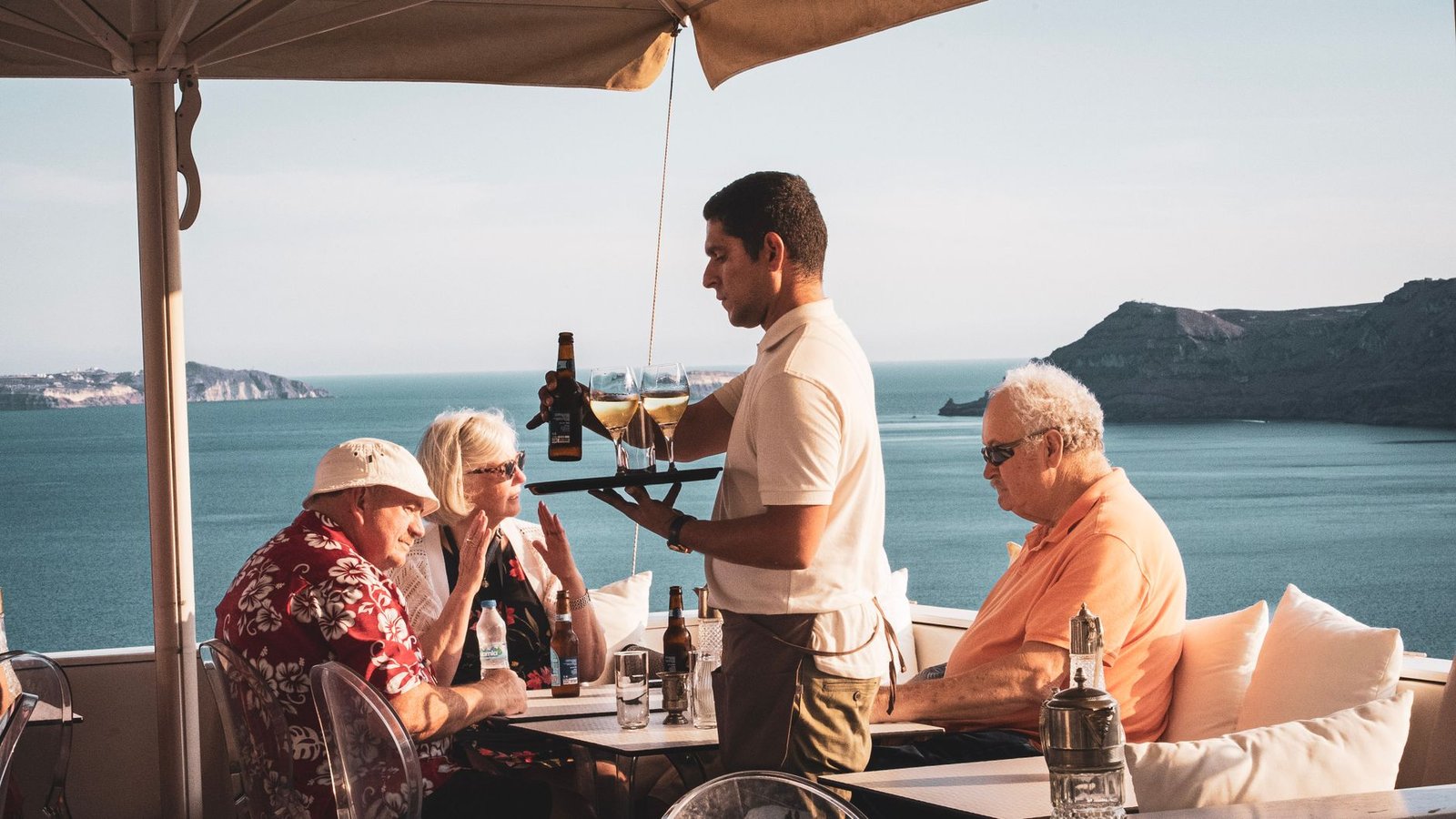
Come spring, when the volcanic hillsides wake up in pale greens and dusty golds, Santorini’s wine scene quietly becomes one of the most compelling reasons to visit the island.
At the heart of it all is the Assyrtiko grape variety, a white grape that has survived here for over 3,500 years. It thrives in the island’s pumice-rich soil despite almost zero rainfall, drawing moisture directly from the morning sea mist.
What makes the vineyards visually striking is how the vines are cultivated. Farmers weave them into low, circular basket shapes called kouloura, protecting the fruit from the fierce Aegean winds. These basket-trained vines are essentially living sculptures scattered across the landscape.
If you’re weighing up whether is Santorini worth visiting as a wine destination specifically, the answer is a confident yes. Santorini produces dry, mineral whites with a saline bite that you genuinely cannot replicate anywhere else in the world.
Several estate wineries sit directly on the caldera rim, turning a glass of wine into a full sensory experience. The top spots worth booking at least two weeks in advance include:
- Santo Wines, with panoramic sunset terrace seating
- Domaine Sigalas, known for its structured Assyrtiko blends
- Estate Argyros, one of the oldest family-run producers on the island
Tasting flights at these wineries typically start around €18 per person, making this one of the more affordable luxuries the island offers.
Rich Volcanic History and Ancient Ruins Add Depth to Every Visit
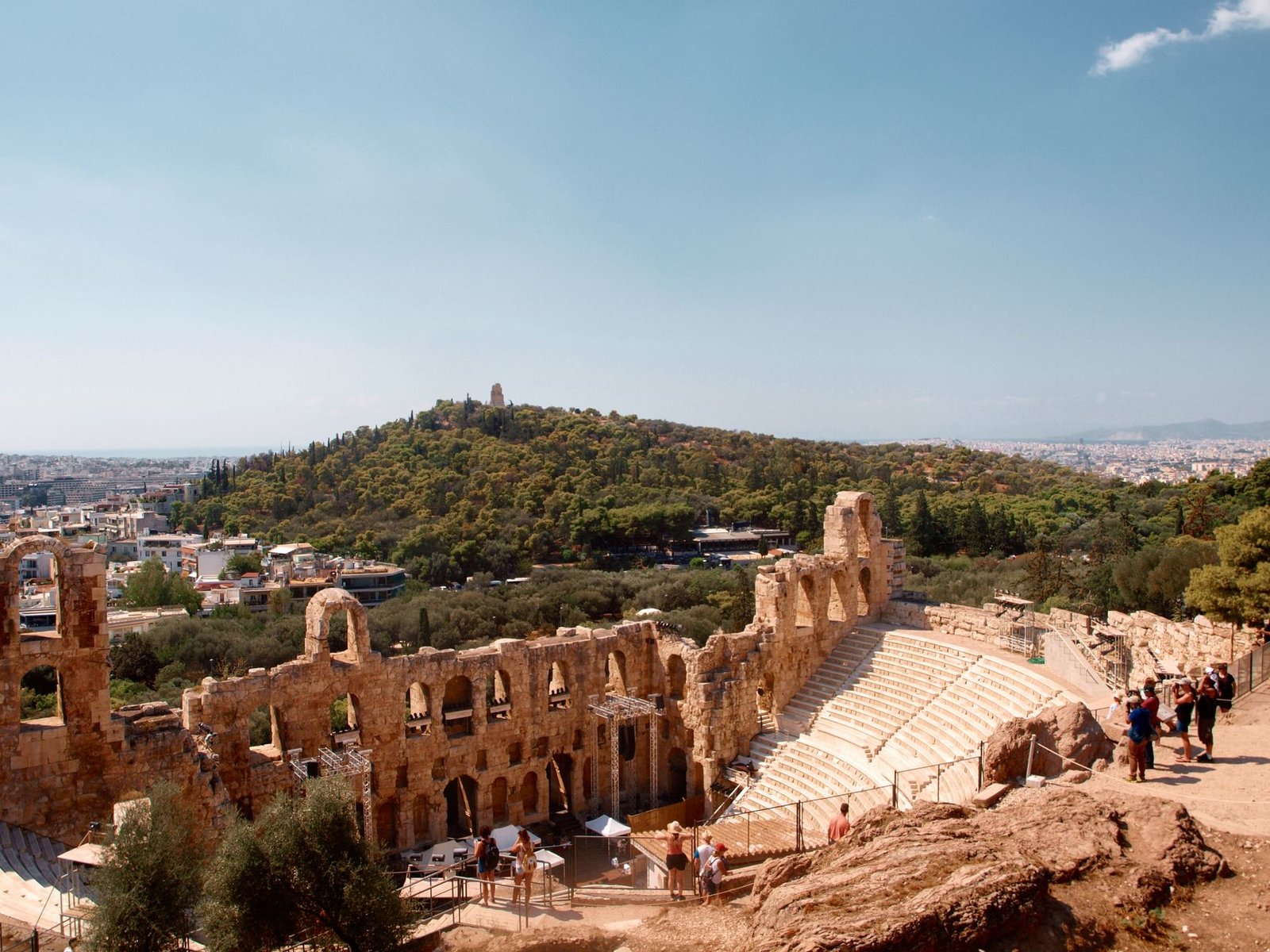
While a beach holiday in Bali might leave you craving more substance, Santorini delivers layers of human history stretching back 3,600 years — making is Santorini worth visiting an easy question to answer for curious travelers.
Buried beneath volcanic ash around 1627 BCE, the prehistoric settlement of Akrotiri is one of the best-preserved Bronze Age sites in the entire Mediterranean. Excavations have uncovered multi-story buildings, sophisticated drainage systems, and vivid frescoes that reveal a remarkably advanced Minoan civilization.
Walking through Akrotiri feels nothing like a typical tourist attraction. The site sits protected under a vast architectural shelter, keeping the ruins in extraordinary condition and giving visitors a genuine sense of stepping into a frozen moment in time.
Beyond the excavation site, the Minoan eruption physically created the dramatic caldera landscape that defines Santorini today. The black and red volcanic beaches, the towering cliffs, the fertile soil producing the island’s distinctive Assyrtiko grapes — all of it traces back to that single catastrophic event.
- Museum of Prehistoric Thera in Fira houses original Akrotiri frescoes and artifacts
- Volcanic Thira geological exhibition explains the island’s dramatic formation
- Ancient Thira ruins on Mesa Vouno mountain offer panoramic views alongside history
Admission to Akrotiri costs €12 per adult, a modest investment considering the depth of understanding it adds to your trip. Pairing this with an afternoon at the Museum of Prehistoric Thera transforms a gorgeous island holiday into something genuinely meaningful.
Luxury Accommodation Options Justify the Premium Price Point
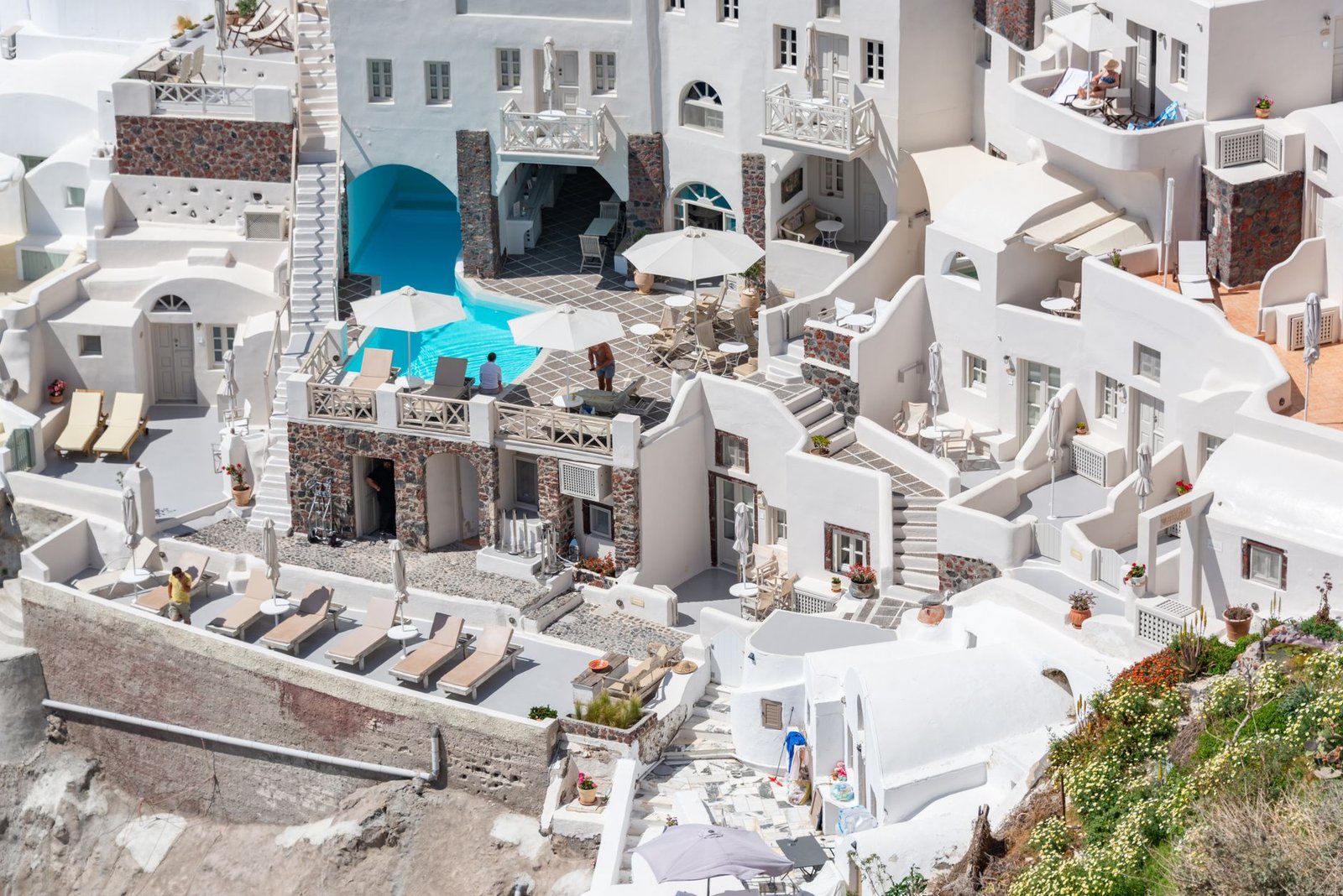
Oia and Imerovigli together host more than 60 cave hotels carved directly into the volcanic caldera cliff face, a building style that dates back centuries and feels unlike anywhere else on earth.
Cave hotels and infinity pool villas aren’t just pretty backdrops for Instagram. The thick volcanic rock walls naturally regulate temperature, keeping rooms cool in summer without heavy air conditioning, and that tactile, mineral smell of carved stone genuinely changes how you feel when you wake up.
Staying cliffside means your morning starts with an unobstructed view of the caldera stretching 12 kilometers wide, the sea shifting from navy to turquoise as the light changes. That specific, unhurried feeling is what makes so many visitors decide Santorini is worth visiting a second or third time.
Top-tier properties like Canaves Oia Suites or Andronis Luxury Suites charge between €600 and €1,200 per night during peak July and August, and honestly, for a milestone trip, the splurge holds up.
If that range sits outside your budget, you still have genuinely good options. Budget-friendly cave studios in Fira or Firostefani regularly list for €90 to €150 per night and offer the same carved walls and caldera proximity without the premium amenity package.
- Book cave hotels at least four months ahead for summer travel
- Shoulder season (May or October) drops luxury rates by 30 to 40 percent
- Firostefani village offers caldera views nearly identical to Oia at a noticeably lower nightly rate
Boat Tours and Sailing Excursions Reveal a Hidden Side of the Island
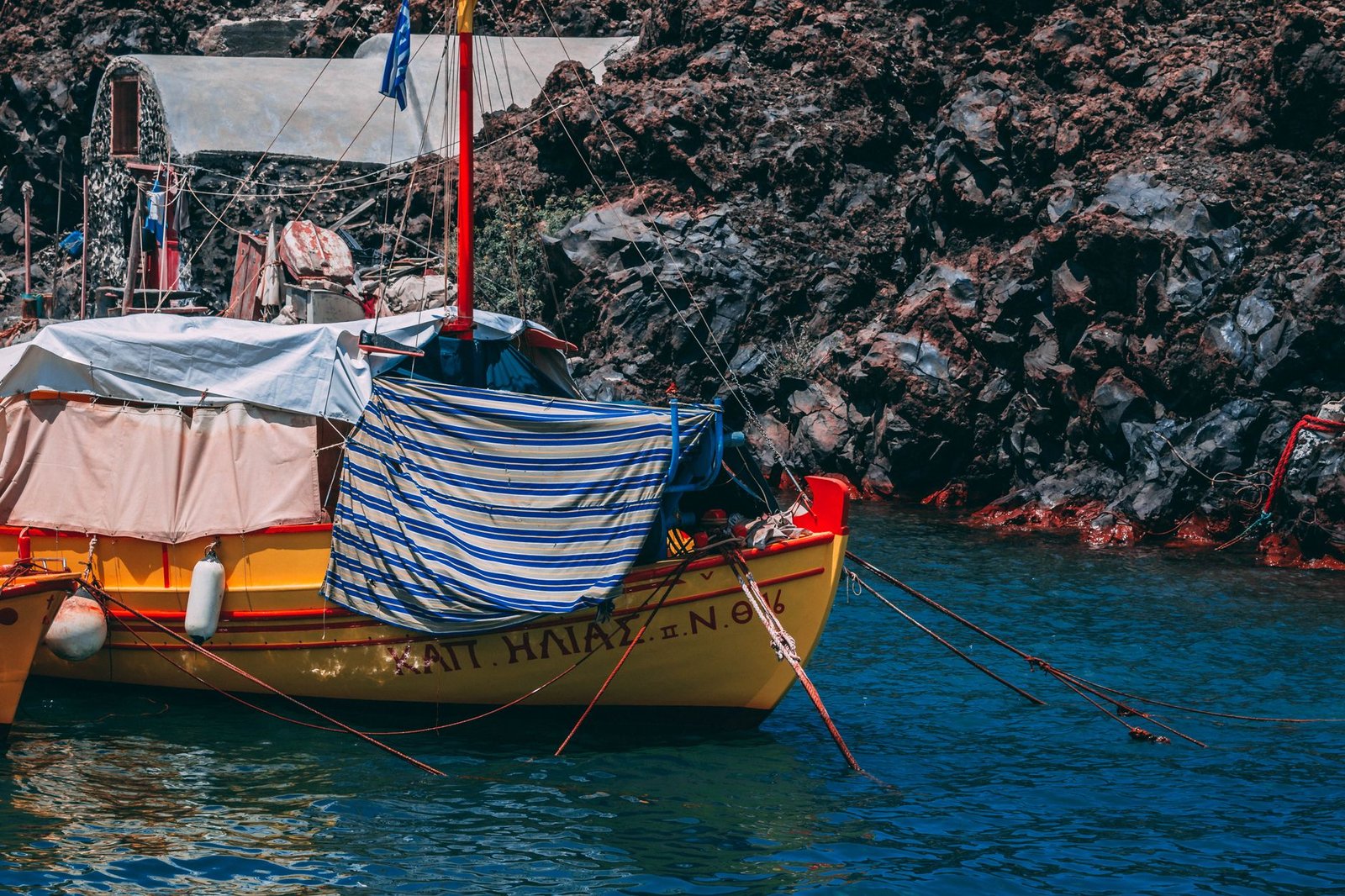
You’ve spent two days wandering the blue-domed villages and watching sunsets from Oia, and then someone on your hotel terrace mentions they just got back from a catamaran trip. Their photos look completely different from yours.
Catamaran tours around the caldera give you a vantage point that no cliffside restaurant or hiking trail can match. Seeing the sheer volcanic cliffs rise from the water while you float in the middle of the caldera genuinely reframes everything you thought you knew about the island’s scale.
Most half-day sailing tours stop at the hot springs near Palea Kameni, where the water turns warm and slightly sulfurous from geothermal activity below. You can only reach these spots by boat, which makes them feel genuinely secluded even during peak summer season.
Snorkeling in volcanic waters around the uninhabited island of Nea Kameni is an experience that surprises most visitors. The underwater landscape is stark and otherworldly, shaped entirely by lava flows rather than coral reefs.
- Shared catamaran tours typically run around €55 per person for a five-hour trip
- Most tours include a light lunch, wine, and two or three swimming stops
- Sunset sailing options are available but book out weeks in advance in July and August
If you’re asking yourself is Santorini worth visiting for something beyond the postcard views, a half-day on the water answers that question immediately. The island looks entirely different from sea level, and that perspective stays with you long after you’ve left.
The Island Is Far More Walkable and Manageable Than Critics Suggest
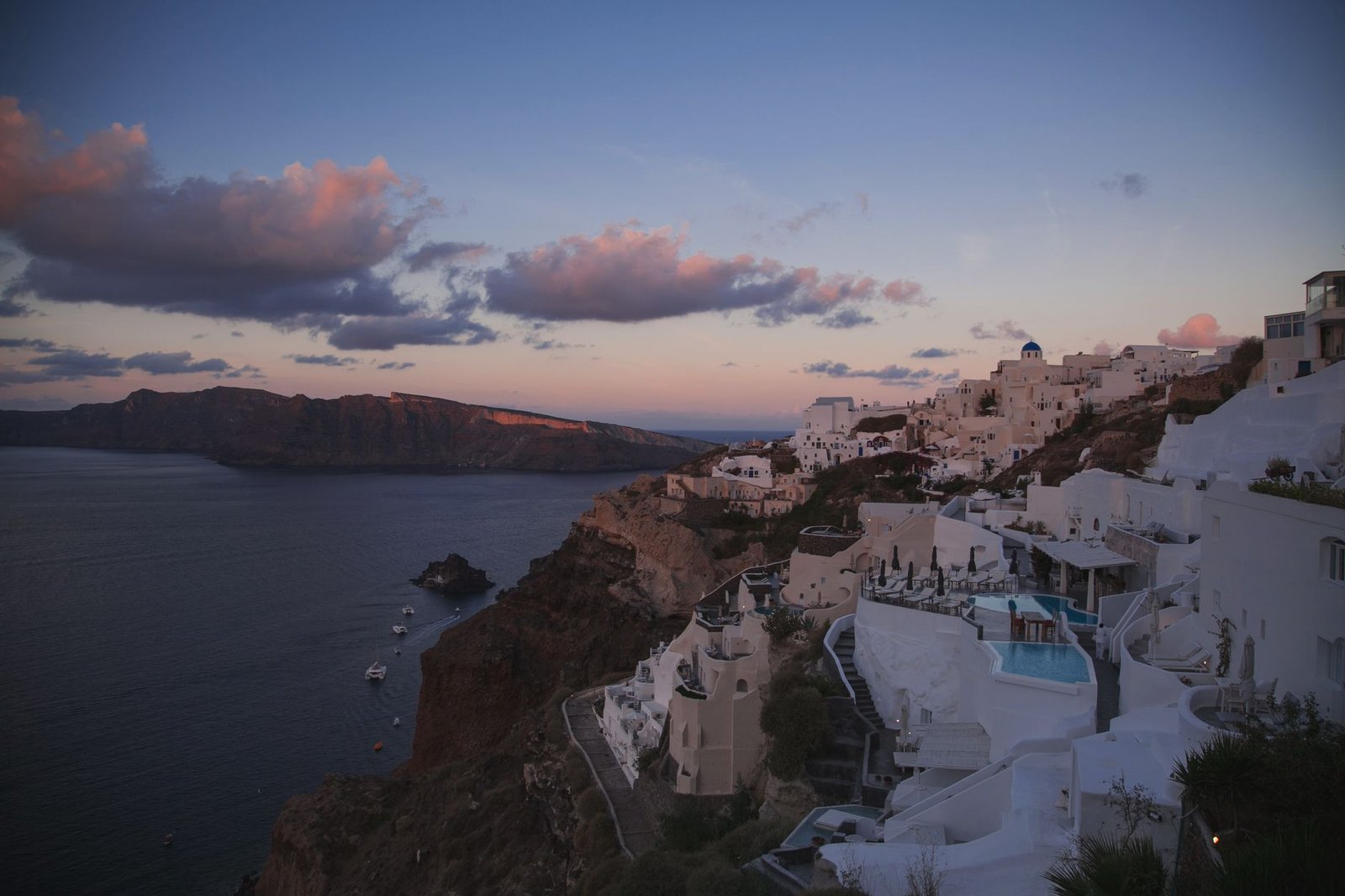
Have you ever skipped a destination because someone online called it “too hard to get around”? That’s exactly what happens with Santorini, and it’s doing travelers a real disservice.
The island is compact and surprisingly easy to navigate once you understand its layout. Most of the iconic villages sit along a single ridge, making orientation almost intuitive after your first morning exploring.
The caldera walking path from Fira to Oia is roughly 10 kilometers end-to-end and remains one of the most rewarding hikes in the Greek islands. Yes, it has uneven stone steps and some elevation changes, but it’s genuinely manageable for anyone with a moderate fitness level and comfortable shoes.
If hiking the full stretch isn’t your style, that’s perfectly fine. Santorini’s public bus network (KTEL) runs regular routes connecting Fira to Oia, Akrotiri, Perissa, and Kamari at very affordable prices, with most tickets costing around €2.
For more flexibility, renting an ATV is wildly popular and gives you the freedom to stop at viewpoints whenever the mood strikes. Rentals typically run for half or full days and are easy to find near the main port.
Private transfers are worth considering if you’re arriving with luggage or traveling with family. They eliminate the uphill struggle from the port entirely.
- Walk Fira to Imerovigli first before committing to the full Oia route
- Use buses for longer cross-island journeys to save energy
- Book ATVs in advance during July and August
So if is Santorini worth visiting despite the logistics concerns, the answer is a confident yes — with the right planning, it flows beautifully.
Spring and Autumn Visits Solve the Overcrowding Problem Entirely
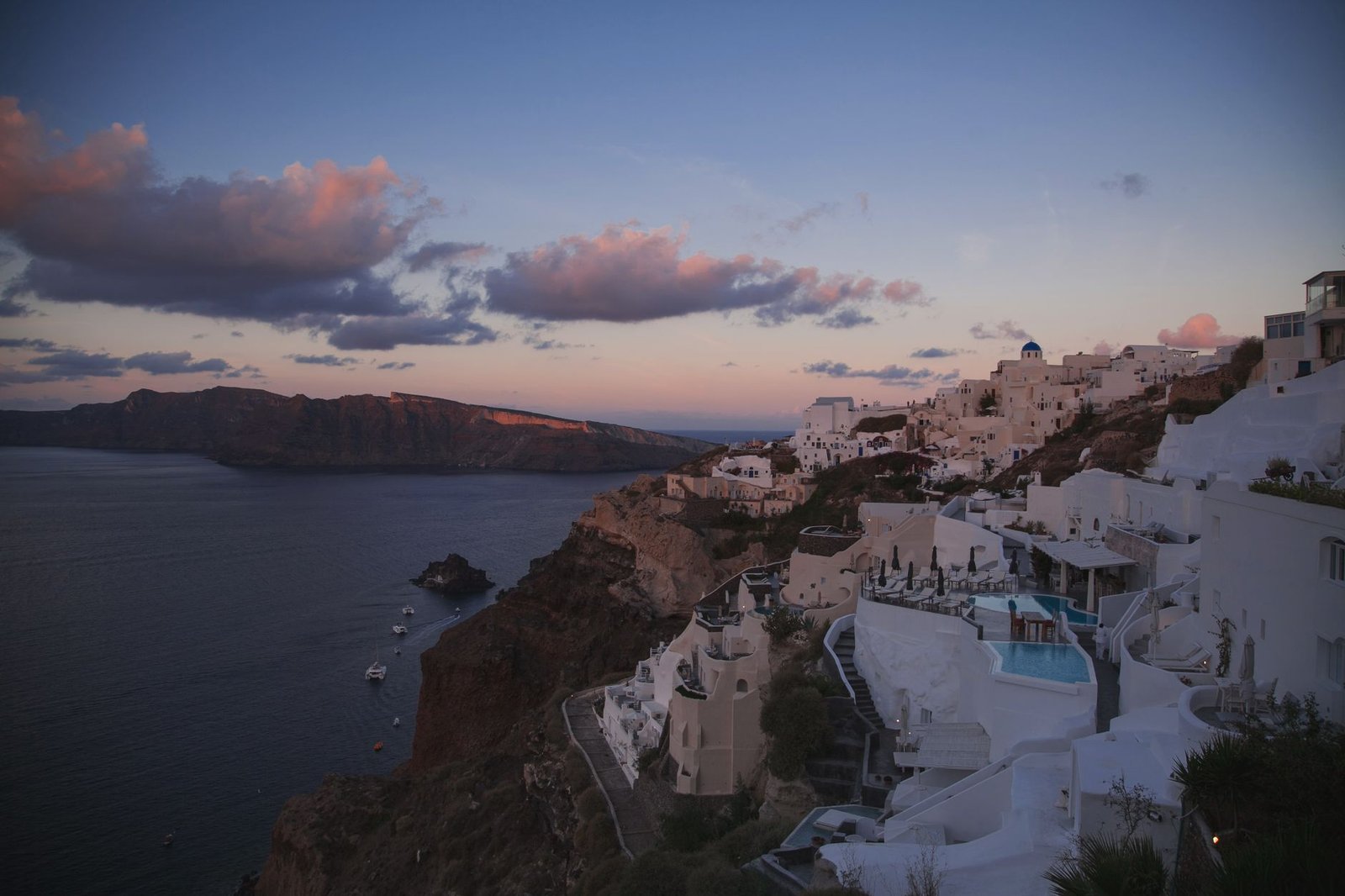
Many travelers picture Santorini as permanently shoulder-to-shoulder with tourists, but that version of the island only really exists from late June through August. Step outside that window and you find something quietly magnificent.
Here is how the year actually breaks down by crowd level and cost:
- January–March: Many businesses closed, ferry schedules reduced, lowest prices but limited experience
- April–May: Warm, uncrowded, nearly everything open, accommodation rates running 40–50% below peak summer prices
- June–August: Peak crowds, peak prices, long waits at Oia, sunset spots packed an hour in advance
- September–October: Sea still warm from summer, restaurants fully operational, noticeably quieter streets
- November–December: Quiet and atmospheric but with increasing closures
April, May, and October genuinely offer the best experience-to-cost ratio of any time on the island. Temperatures sit comfortably between 18°C and 24°C, perfect for walking the caldera path without melting.
In October specifically, the light turns golden and soft, the volcanic beaches feel almost private, and taverna owners actually have time to sit and talk with you. That human connection is something summer visitors rarely get.
So is Santorini worth visiting? Shoulder season transforms the answer from a hesitant maybe into an enthusiastic yes. You experience the same dramatic cliffs, the same blue domes, and the same extraordinary sunsets — just without competing for the view.
Romantic Atmosphere Makes Santorini the Ultimate Couples Destination
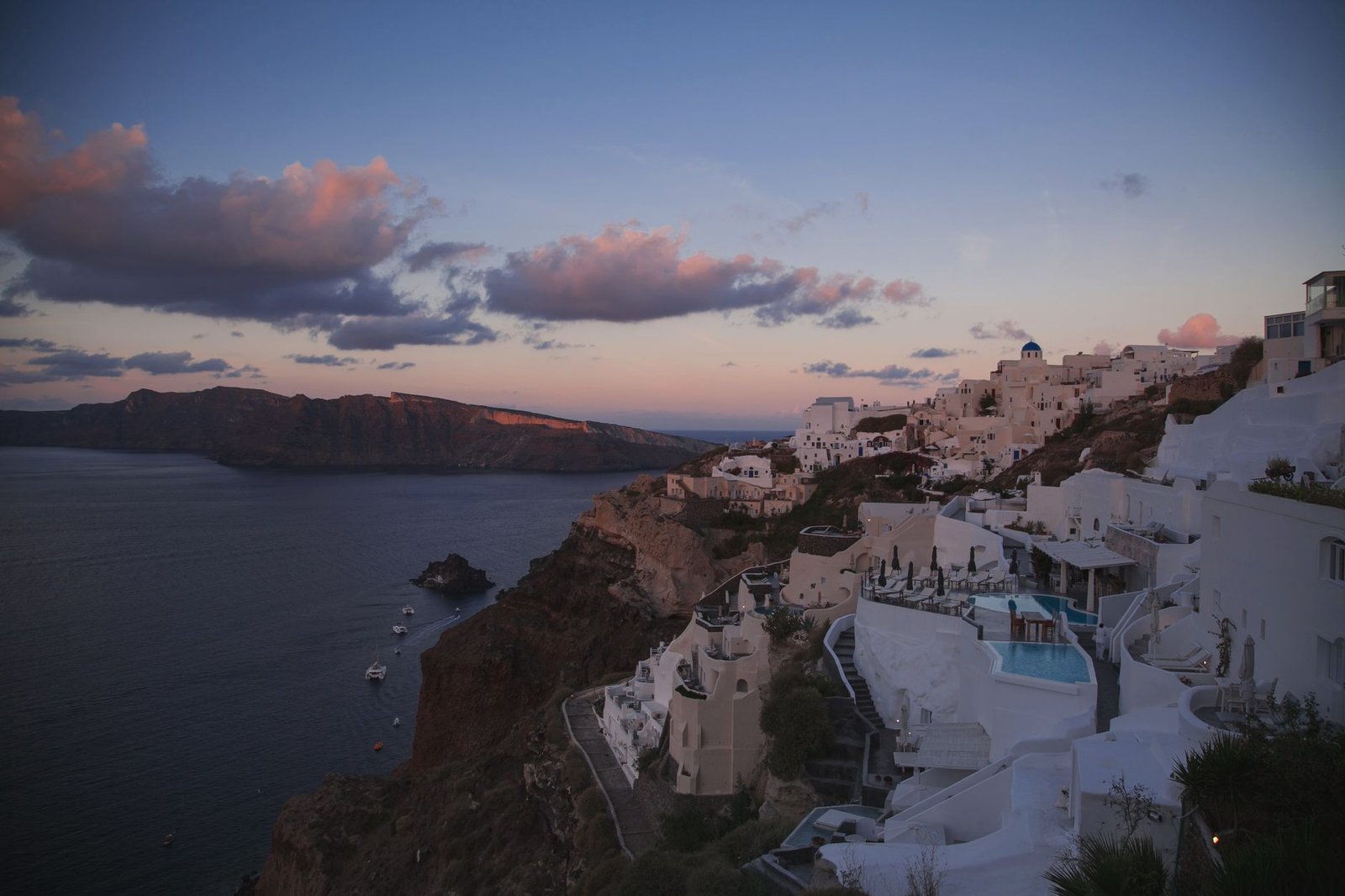
There’s something about watching the Aegean catch fire at dusk that makes even the most cynical traveler reach for their partner’s hand.
If you’re weighing up is Santorini worth visiting as a couple, the answer is quietly obvious the moment you arrive. The island seems almost architecturally designed for two people — narrow cobblestone paths, candlelit cave restaurants, and terraces built for lingering.
For couples who want something beyond a generic dinner reservation, the options are genuinely special:
- Private catamaran sunset cruises departing from Vlychada Marina, typically running around €150 per person for a 5-hour sail with onboard dining
- Exclusive cliffside dinners at Oia restaurants where tables are literally carved into the volcanic rock
- Couples’ spa treatments using local volcanic ash at wellness retreats in Imerovigli
- Private wine tastings at family-run Santo Wines, paired with caldera views
Honeymoon couples consistently rank Santorini above Bali and the Maldives in post-trip surveys, largely because the romance here feels built into the landscape rather than manufactured by a resort marketing team.
To skip the cliché tourist experience, simply walk away from the Oia sunset crowds toward the quieter village of Finikia, just a ten-minute stroll inland. The unhurried pace of smaller villages gives couples something Oia’s main strip rarely delivers — genuine privacy.
Santorini rewards couples who slow down, skip the Instagram hotspots occasionally, and let the island set the mood on its own terms.
Day Trips to Thirassia and Volcanic Islands Expand Your Experience
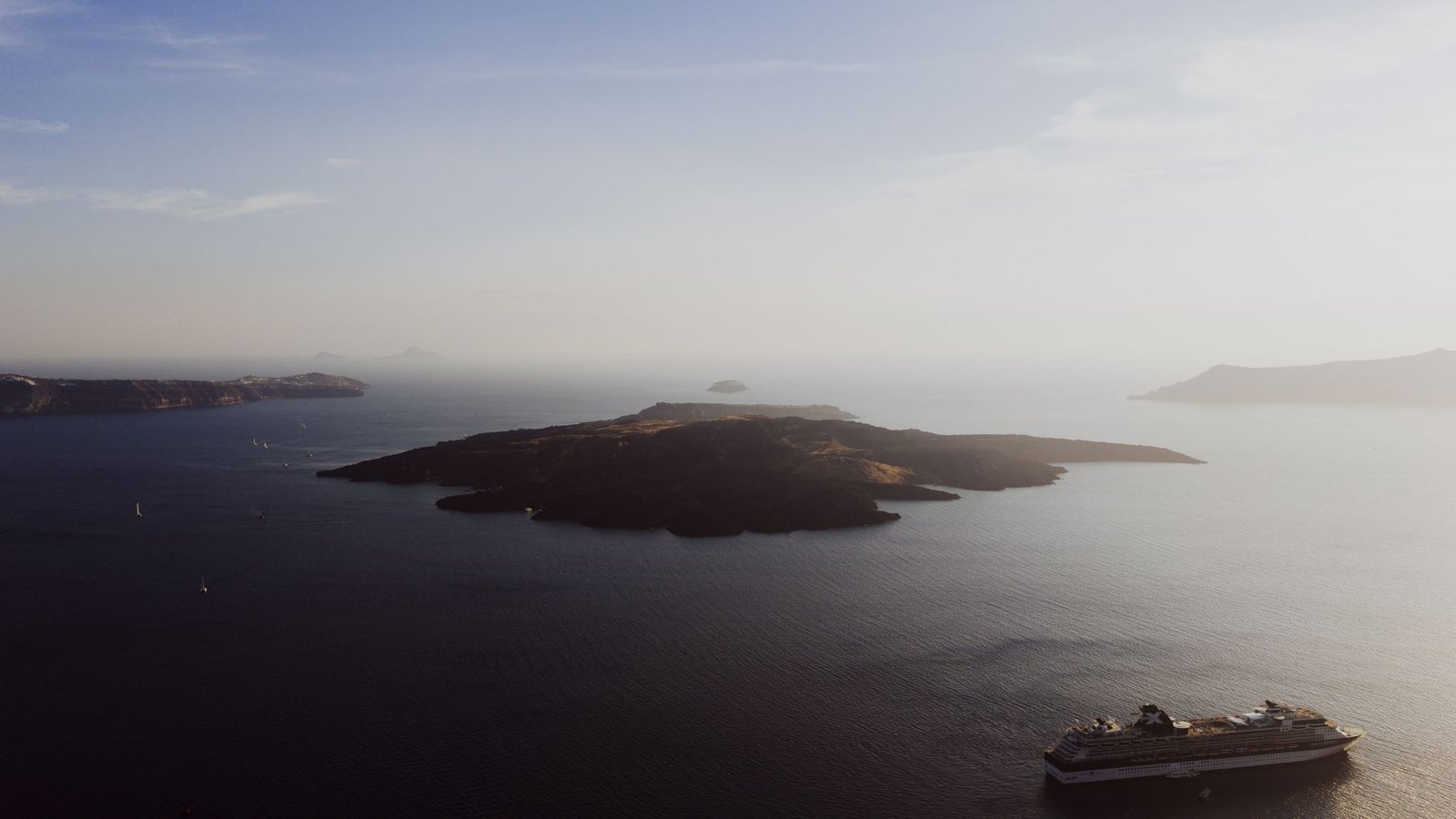
Book your volcanic island excursion through the Athinios port ticket office early in the morning to secure spots on the smaller guided boats, which fill up fast during peak season.
Just a short ferry ride from Oia, Thirassia remains one of the Aegean’s most refreshingly unhurried islands. You’ll find whitewashed chapels, a handful of family-run tavernas, and almost none of the souvenir crowds that line Fira’s main streets.
The ferry crossing takes roughly 25 minutes, and the contrast feels immediate. Donkeys still carry supplies up the steep paths, and locals outnumber tourists at the small harbor cafés.
Guided boat tours also stop at Nea Kameni, the active volcanic island sitting at the center of the caldera. Hiking across its rust-colored lava fields to the crater rim takes about 30 minutes and offers a completely different perspective on the archipelago’s dramatic geological history.
After the hike, most tours anchor near the natural geothermal hot springs, where the water temperature hovers around 30°C and iron minerals turn the sea a warm amber color around the entry points.
- Standard caldera volcano and hot springs boat tours run approximately €15–20 per person
- Combination tours often include stops at Thirassia and the Red Beach
- Morning departures offer calmer seas and cooler hiking temperatures
These excursions answer the question of is Santorini worth visiting for travelers who want more than sunsets and seafood — they add geological wonder and genuine island quiet to an already remarkable trip.
Santorini Competes Strongly on Value When Planned Strategically
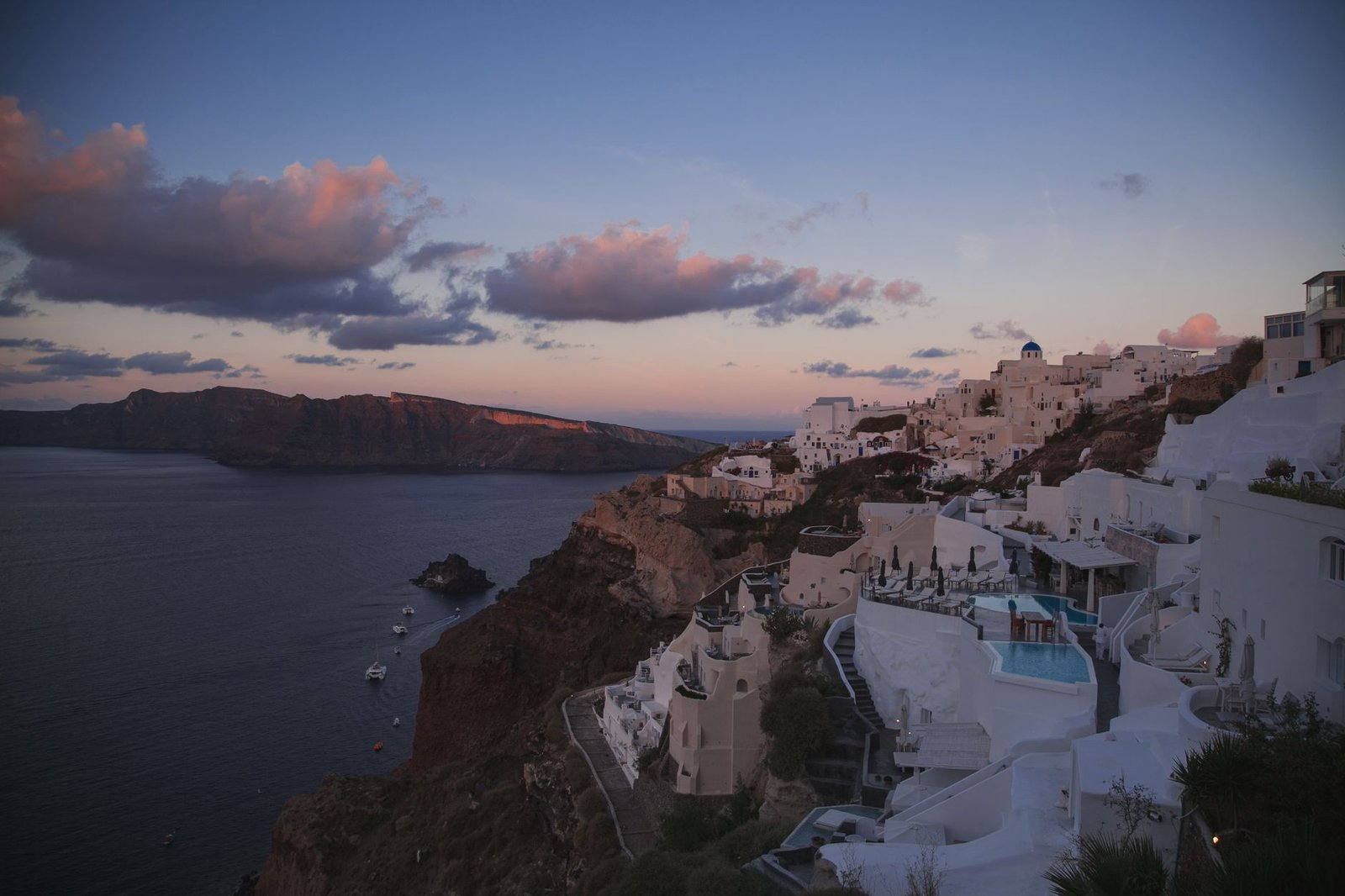
Visiting in late April or early October gives you the same volcanic sunsets and whitewashed villages at prices that can be 30–40% lower than peak July rates.
So is Santorini worth visiting on a tighter budget? Absolutely, if you approach it with a clear spending plan. Budget travelers can manage comfortably on around €80–100 per day, while mid-range visitors typically spend €150–250. Luxury experiences push well beyond €400 daily.
The good news is that some of the island’s most memorable moments cost nothing at all. The caldera rim walk from Fira to Oia stretches roughly 10 kilometers and rewards you with continuously unfolding views that rival anything seen from a private infinity pool.
Free and low-cost experiences worth prioritizing include:
- Watching the sunset from Oia’s castle ruins rather than a paid restaurant terrace
- Swimming at Perivolos and Kamari beaches, both free to access
- Exploring the ancient ruins of Akrotiri’s surrounding village on foot
- Visiting smaller Orthodox churches, which are open and free throughout the island
Eating at local tavernas in Pyrgos or Megalochori rather than clifftop restaurants in Oia cuts your meal costs roughly in half while often delivering fresher, more authentic Greek cooking.
Renting a small apartment with a kitchen and shopping at the Fira farmers’ market makes self-catering genuinely enjoyable here. Strategic planning transforms Santorini from a destination that feels financially out of reach into one that rewards every euro spent.
Santorini in 2025 Is Still Worth It Despite Its Global Fame
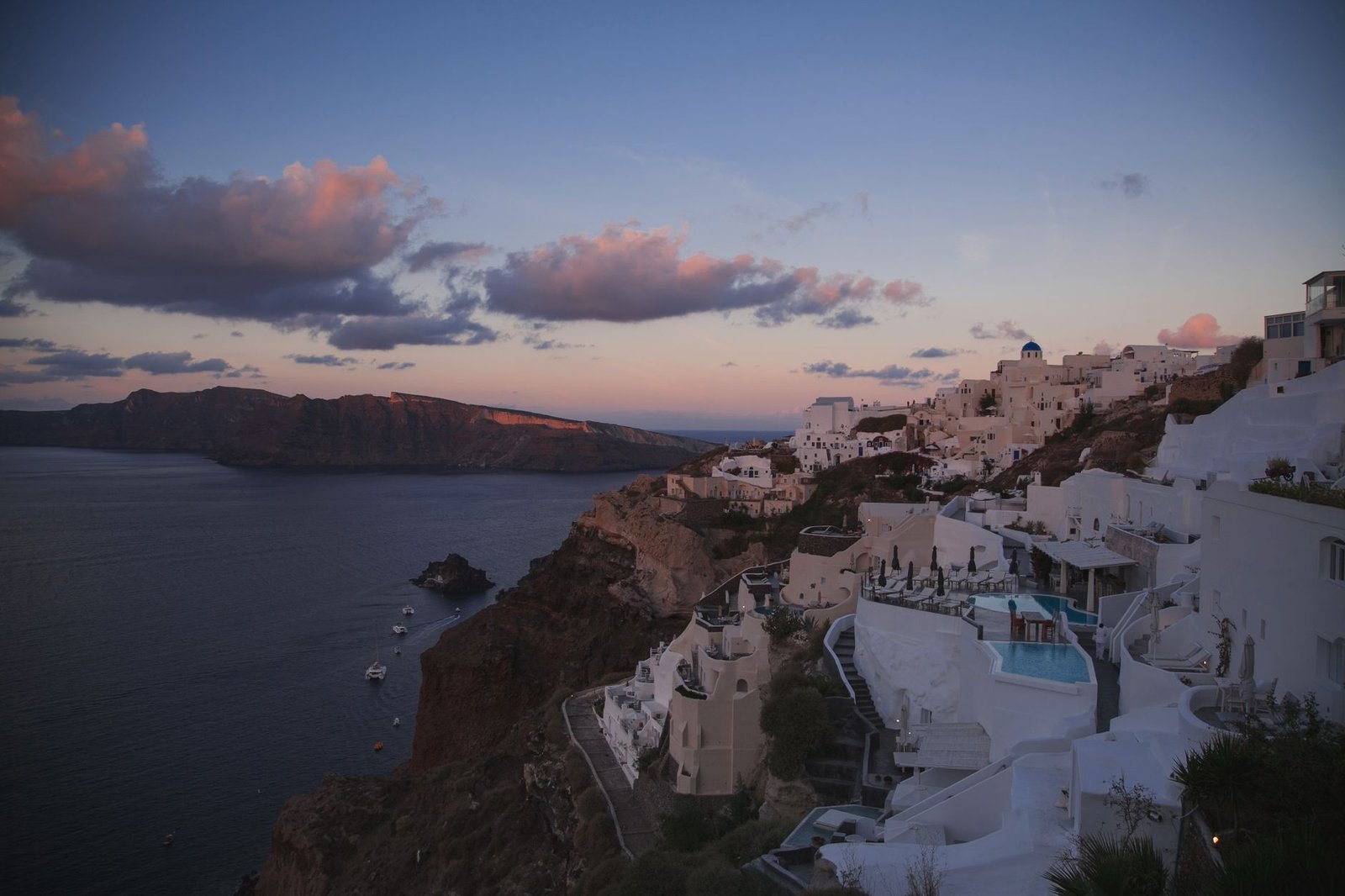
A sunset cocktail in Oia runs around €18–22, roughly the same price you’d pay at a rooftop bar in London or New York — so the “overpriced paradise” argument loses some of its bite when you put it in context.
Yes, the “ruined by tourism” conversation is real, and it’s been circulating since at least 2017. But the island has made measurable structural changes since then, including cruise ship caps that now limit daily arrivals to roughly 8,000 passengers per port day compared to the unrestricted peaks of previous seasons.
Visitor flow management has quietly improved. Caldera-view villages like Imerovigli and Pyrgos now absorb significant foot traffic away from Oia, and local authorities have invested in timed entry suggestions for the most photographed viewpoints.
The shoulder seasons — May and October — remain genuinely uncrowded by Mediterranean standards. You’ll walk through Fira on a Tuesday morning in October and find bakeries, not selfie sticks.
What no other Greek island replicates is the specific combination of volcanic geology, caldera drama, and cave-house architecture. Mykonos offers beaches. Crete offers mountains. Santorini offers a landscape that looks like it was designed for wonder.
- The black and red sand beaches at Perissa and Akrotiri are genuinely unlike anything else in the Aegean
- The prehistoric Akrotiri archaeological site rivals Pompeii in preservation quality
- Indigenous Assyrtiko wine, grown in volcanic soil, is something you simply cannot replicate elsewhere
If is Santorini worth visiting in 2025 is still your question, the island’s irreplaceable character answers it clearly.
FAQ
Is Mykonos or Santorini better for first-time visitors?
Santorini wins for scenery and romance, while Mykonos leads for nightlife and beaches. First-time visitors who want jaw-dropping caldera views and volcanic history will feel more rewarded in Santorini.
Budget-wise, both islands sit at similar price points, but Mykonos nightlife costs can spiral quickly. Santorini tends to offer more varied experiences across a single week.
Why are tourists leaving Santorini and is overcrowding really that bad?
Over 2 million visitors arrive annually, which has pushed some travelers toward quieter alternatives like Milos or Naxos. Cruise ship crowds hit Oia hardest between 10am and 5pm during July and August.
Arriving in May or October sidesteps the worst congestion while keeping temperatures comfortable. The island is busy, but manageable with smart timing.
Which is the prettiest Greek island and how does Santorini rank?
Santorini consistently ranks among the top two or three prettiest Greek islands alongside Milos and Halki. Its volcanic caldera landscape is genuinely unlike anywhere else in the Aegean.
The combination of white architecture, black sand beaches, and dramatic cliffs creates a visual identity no other island fully replicates.
How many days do you need in Santorini to see everything worth seeing?
Four to five days gives you enough time to cover Oia, Fira, Akrotiri, and at least two beaches without rushing. Three days feels tight if you want restaurant reservations, sunset views, and a wine tour included.
Is Santorini worth visiting on a one-day cruise stop? You’ll see the views, but miss the slower magic of actually staying overnight.
Key Takeaways
You’ve scrolled through countless destination guides wondering if the hype is real — here’s everything that makes Santorini worth visiting distilled into one easy reference.
- The iconic views are genuinely earned: Oia’s caldera cliffs, the navy-domed churches, and that legendary Aegean light deliver exactly what the photos promise — and then some.
- Timing makes a real difference: Late April through early June and September offer thinner crowds, cooler temperatures around 24°C, and lower accommodation rates compared to peak July and August.
- Wine, food, and culture run deep: Assyrtiko white wine from volcanic soil, fresh tomato fritters in Fira, and ancient ruins at Akrotiri give every day real substance beyond the Instagram moments.
- Budget planning removes the stress: A mid-range couple can experience the island well on roughly €250 per day, covering a caldera-view stay, meals, and a boat tour.
- The experiences stack beautifully: Sunset sailing, volcanic hot springs, black sand beaches, and village hikes mean no two days feel alike across a full week.
- Confident booking starts with good research: Knowing which villages suit your style, which ferry routes save time, and which restaurants require reservations separates a smooth trip from a stressful one.
Ready to start planning every detail? Explore our complete Santorini planning guides linked throughout this article — and save this page to Pinterest so it’s waiting for you when booking day arrives.