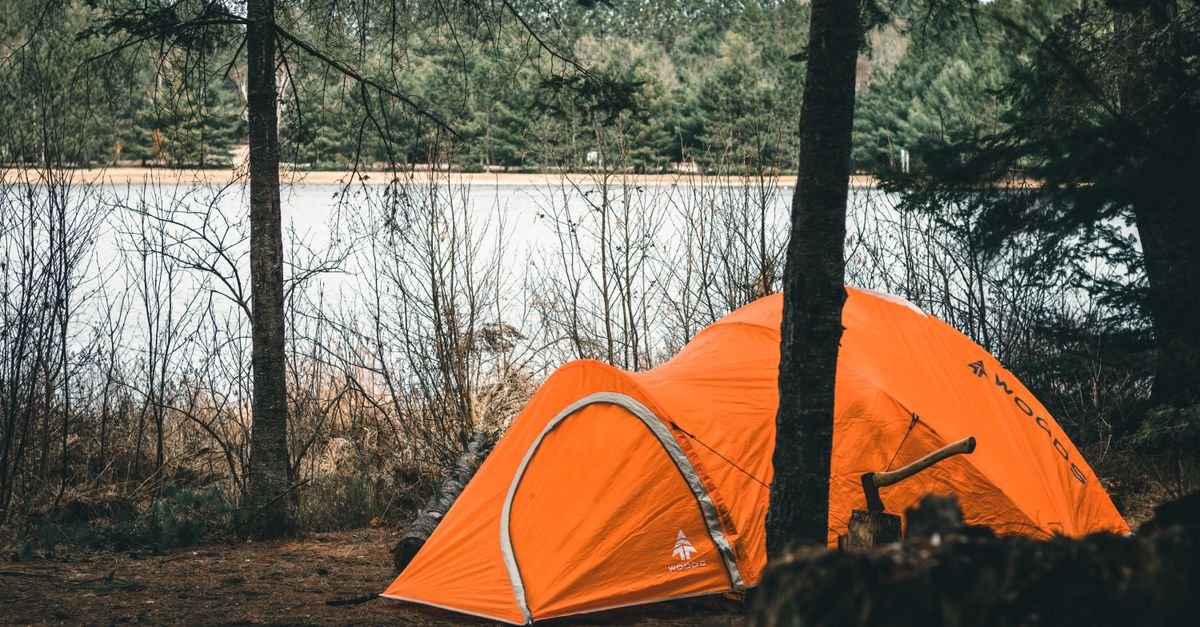
Best Tents for Car Camping in 2026: Top Picks for Couples and Families
# Best Tents for Car Camping in 2026: Top Picks for Couples and Families
Your car camping tent is your weekend home. Unlike backpacking tents, where every ounce matters, car camping tents compete on something more important to busy adults: livability. You want room to sit up, change clothes without performing yoga, store your gear out of the rain, and set everything up fast after a long drive on Friday evening.
The problem is that tent marketing makes every option look spacious, and capacity ratings are optimistic. A "4-person" tent fits four people the way a full-size bed fits two tall adults. Technically yes, comfortably no.
Below: our top picks for couples and families, with specs verified against manufacturer pages, plus a buying guide on capacity ratings, peak height, doors and vestibules, ventilation, setup ease, season ratings, and footprints.
Quick Answer: How Much Tent Do You Really Need?
Tent capacity numbers describe the maximum number of sleeping pads that fit shoulder to shoulder on the floor. There is no industry standard for how much room each person gets, so treat the number as a ceiling, not a promise. REI's buying advice puts it plainly: four sleepers can fit in a four-person tent, but that many people will feel more comfortable in a six-person shelter.
For car camping, where the tent packs into your trunk rather than onto your back, the standard move is to buy one size up from your headcount. Here is the rule of thumb:
| Who is sleeping inside | What to buy | Why |
|---|---|---|
| A couple | 4-person tent | Room for both of you plus gear, and space to sit up and move |
| A couple with a dog or lots of gear | 6-person tent | The dog takes up surprising amounts of floor space |
| A family of four | 6-person or 8-person tent | Four pads fit, but with backpacks, a cooler, and a child who sprawls, you will want the extra room |
| A family of four plus friends or cousins | 8-person tent | One tent, one campsite, no territorial disputes |
Couples should also think about air mattresses. A standard queen air mattress is about 60 by 80 inches. It fits in many 4-person tents, but check the floor dimensions before you buy, because sloped walls can eat into usable space.
Our Top Picks at a Glance
| Tent | Capacity | Peak height | Doors / vestibules | Season rating | Best for |
|---|---|---|---|---|---|
| NEMO Aurora Highrise 4 | 4-person | 75 in | 2 doors / 2 vestibules | 3-season | Couples who want standing room and comfort |
| Eureka Copper Canyon LX 4 | 4-person | 84 in (7 ft) | 1 door | 3-season | Budget-friendly standing-height cabin tent |
| Coleman Skydome 4 | 4-person | 56 in (4 ft 8 in) | 1 door | 3-season | Fastest setup under five minutes |
| Coleman Sundome 4 | 4-person | 59 in (4 ft 11 in) | 1 door | 3-season | Cheapest reliable tent for first-timers |
| REI Co-op Base Camp 6 | 6-person | 74 in | 2 doors / 2 vestibules | 3-season | Families and bad-weather weekends |
Every spec in this table comes from a manufacturer or retailer spec sheet, linked in our research notes. Prices change constantly, so we have skipped exact dollar figures in favor of describing where each tent sits in the budget.
Best Overall for Couples: NEMO Aurora Highrise 4
This is the tent we recommend most often for two adults car camping together, and the reason is geometry. Most 4-person dome tents slope inward so aggressively that the "4-person" floor plan feels like a crawl space. The Aurora Highrise uses a frame design with steep walls that push the living space outward, which means the 62.5 square foot floor (90 by 100 inches) is almost entirely usable.
Why it wins for couples
The peak height is 75 inches, so most adults can stand upright to change clothes. Two doors mean nobody climbs over their partner for a midnight bathroom trip, and each door opens onto its own 19.5 square foot vestibule with room for boots, packs, and camp chairs. The rainfly is PU-coated polyester, and the floor is a burly 150-denier polyester, so the tent holds up in real rain, not just drizzle.
Specs snapshot
- Capacity: 4-person (comfortable for 2 adults plus gear)
- Peak height: 75 inches
- Floor area: 62.5 square feet
- Doors: 2, with 2 vestibules
- Season rating: 3-season
- Setup: freestanding, roughly 10 to 15 minutes
- Typical price tier: mid-range, usually around $400
Who it is for
Couples who camp several weekends a year and want a tent that feels like a small room rather than a fabric coffin. If you camp only once or twice a summer, the budget options below will serve you fine for less money.
Best Budget Cabin Tent: Eureka Copper Canyon LX 4
Cabin-style tents trade sleek looks for vertical walls, and vertical walls trade claustrophobia for actual living space. The Copper Canyon LX 4 is the most affordable way to get a full 7 feet of peak height in a 4-person tent: genuine stand-up room for changing, playing cards during a storm, or wrangling kids.
Why it stands out
At 64 square feet with an 8 by 8 foot floor, the interior is boxy and predictable, which makes laying out two sleeping pads or a queen air mattress straightforward. Large mesh windows with zippered waterproof curtains give ventilation on warm nights and privacy when you want it. The steel and fiberglass frame is heavier than aluminum but sturdy and cheap, and there is a zippered power port for running an extension cord inside at developed campgrounds.
Specs snapshot
- Capacity: 4-person
- Peak height: 84 inches (7 feet)
- Floor area: 64 square feet
- Doors: 1
- Season rating: 3-season
- Typical price tier: budget to lower mid-range
The trade-offs
One door is the big one: with four people inside, somebody will be crawling over somebody else. The tent is also heavy at over 17 pounds, so this is strictly a car camping tent. Cabin tents with tall flat walls catch wind, so guy it out properly when storms are forecast.
Fastest Setup: Coleman Skydome 4
Friday evening, you pulled into camp at dusk, and the kids are asking when dinner is. The Skydome exists for this moment. Its poles come pre-attached to the tent body, so you unfold the tent, extend the legs, clip a few points, and you are done in under five minutes.
Why it is great for weekenders
The nearly vertical walls give about 20 percent more headroom than a traditional Coleman dome tent, which makes the 8 by 7 foot interior feel bigger than its 56-inch peak height suggests. A 4-person Skydome fits one queen-size air mattress, which covers most couples. The WeatherTec system (tub-like floor, welded corners, inverted seams) keeps the tent dry in typical summer rain.
Specs snapshot
- Capacity: 4-person
- Peak height: 56 inches (4 feet 8 inches)
- Floor dimensions: 8 by 7 feet
- Doors: 1
- Season rating: 3-season
- Typical price tier: budget (often the cheapest name-brand option)
The trade-offs
You cannot stand up in it, there is one door and no real vestibule, and ventilation is basic. This is a sleep-in-it tent, not a hang-out-in-it tent. For a couple doing fair-weather weekends, that is a fine deal at the price.
Cheapest Reliable First Tent: Coleman Sundome 4
The Sundome is the tent half of America learned to camp in. The 4-person version gives you a 9 by 7 foot floor with a 59-inch peak height, fits a queen air mattress, and sets up in about ten minutes with basic two-pole construction.
Why beginners love it
There is almost nothing to learn. The dome design is forgiving, replacement parts are easy to find, and for a first tent that you are not sure you will use more than twice a year, this is the sensible starting point.
Specs snapshot
- Capacity: 4-person
- Peak height: 59 inches (4 feet 11 inches)
- Floor dimensions: 9 by 7 feet
- Doors: 1
- Season rating: 3-season
- Typical price tier: cheapest of the bunch
The trade-offs
One door, no vestibule, basic ventilation, and fiberglass poles that can snap in high wind if you do not guy the tent out. Treat it gently and it will last several seasons.
Best for Families and Stormy Weekends: REI Co-op Base Camp 6
When you are camping with kids, your tent needs to survive weather and chaos simultaneously. The Base Camp 6 is built for exactly that, with a pole structure that makes it notably wind-resistant for a family tent and a full-coverage rainfly that handles sustained rain better than the budget dome tents above.
Why families rate it
The 84 square foot floor gives a family of four room to spread out, and the 74-inch peak height lets most adults stand. Two doors mean the kids can pile in and out without a traffic jam, and the two vestibules swallow muddy boots and wet rain jackets.
Specs snapshot
- Capacity: 6-person
- Peak height: 74 inches
- Floor area: 84 square feet
- Doors: 2, with 2 vestibules
- Season rating: 3-season (with a stronger-than-average frame for wind)
- Typical price tier: upper mid-range, usually around $550
The trade-offs
It is heavy and bulky, and you are paying for durability you might not need if you only camp in calm summer weather. But if your family camps in shoulder seasons or anywhere the weather turns fast, this is the tent that lets everyone sleep through it.
Car Camping Tent Buying Guide
Picks are useful, but knowing how to read the specs matters more, because tent numbers tell a surprisingly honest story once you know the translation.
Tent capacity ratings: the honest truth
There is no industry standard for tent capacity. Manufacturers rate tents by how many standard sleeping pads fit on the floor, shoulder to shoulder, with no room for anything else. That is it.
For car camping, translate the rating like this: subtract one person from the rating for real comfort, and subtract another if you bring a dog, bulky gear, or an air mattress instead of a slim pad. A 4-person tent sleeps two adults comfortably. A 6-person tent sleeps a family of four comfortably. A couple with a big dog should look at 6-person tents, not 4-person ones.
Also check the floor dimensions, not just the rating. Two tents can both be "4-person" while one has 56 square feet and the other has 64. The floor area and dimensions are printed on every spec sheet, and they are the numbers that actually determine whether your queen air mattress fits.
Peak height and wall shape
Peak height is the tallest point inside the tent, usually in the center. It tells you whether you can sit up (anything over about 40 inches), kneel comfortably (about 48 inches), or stand (about 72 inches and up).
But wall shape matters just as much. A dome tent with a 60-inch peak height and steeply sloped walls gives you standing room only in a tiny spot in the middle. A cabin tent with an 84-inch peak and near-vertical walls gives you stand-up room across most of the floor. When comparing tents, look at product photos from the side: the more vertical the walls, the more honest the interior space.
For couples, a tent in the 56 to 75 inch range with two doors is the sweet spot. For families, look for 72 inches or more so at least one adult can stand to help kids change.
Doors, vestibules, and living space
Doors: one door is fine for a couple. Two doors become nearly essential at 4-person capacity and above, because climbing over a sleeping partner at 2 a.m. gets old fast. Two doors also improve airflow on warm nights.
Vestibules: a vestibule is the covered area outside the tent door, under the rainfly. It is where muddy boots, wet jackets, and packs live instead of on your sleeping bag. Not all car camping tents have them; many budget models skip vestibules entirely. If you camp anywhere with morning dew or passing showers, a vestibule is worth prioritizing, because gear left outside uncovered will be damp by sunrise.
Ventilation and condensation
Here is a fact that surprises first-time tent buyers: most of the moisture inside a tent comes from you, not from rain. Two adults exhale and perspire roughly a liter of water overnight. Without airflow, that moisture condenses on the inside of the rainfly and drips back down, which is why people wake up thinking their tent leaks.
What to look for: mesh panels or windows in the tent body, vents in the rainfly (adjustable ones you can open from inside are best), and a rainfly design that holds the fly away from the tent body so condensation forms on the fly, not on you. On dry, warm nights, consider leaving the rainfly partially open or sleeping under just the mesh tent body where the site allows. It is the single best condensation fix and it costs nothing.
Setup ease: what actually makes a tent easy to pitch?
Three things determine setup speed more than anything else: clip-style pole attachments (faster than threading poles through sleeves), color-coded poles and sleeves, and a freestanding design that holds its shape without stakes. A realistic expectation: most 4-person dome tents take 10 to 15 minutes for one person who has done it once before. Practice in your backyard before the first trip. Every tent is easy the second time.
3-season vs 4-season: what car campers need
Almost every car camping tent is a 3-season tent, rated for spring, summer, and fall. A 4-season tent is built for winter: stronger poles, less mesh, fabrics that handle snow loading. Unless you are camping in actual snow, you do not need a 4-season tent, and you would not want one in July anyway because the reduced ventilation turns them into saunas.
What matters more for car campers is rain and wind performance within the 3-season category. Look for a full-coverage rainfly that reaches close to the ground, a bathtub-style floor that curves up at the edges, and taped or welded seams.
Footprint: yes or no?
A footprint is a fitted groundsheet that goes under your tent, protecting the floor from abrasion and moisture. Manufacturer footprints are cut to the exact shape and worth it for the fit; a cheap tarp works too, but fold it so no edges stick out past the tent, or it will funnel rainwater underneath. Tent floors wear out first, and a footprint is far cheaper than a new tent.
Making Any Tent Last Longer
A decent tent should last five to ten years of weekend use. The habits that get you there: never pack it wet if you can avoid it (and if you must, set it up to dry within a day of getting home), store it loose and dry rather than compressed for months, use a footprint, and be gentle with zippers since they are the most common failure point. After several seasons, a spray-on water-repellent treatment restores the rainfly's beading.
Frequently Asked Questions
What size tent do I need for car camping with my partner?
A 4-person tent is the sweet spot for most couples. It gives you room for two sleeping pads or a queen air mattress plus space for bags and gear inside. If you bring a large dog, consider a 6-person tent instead.
What size tent does a family of four need?
A 6-person tent works for most families of four, and an 8-person tent is better if your kids are older, you bring friends, or you want room to wait out rain inside. Remember that capacity ratings assume everyone sleeps shoulder to shoulder with no gear.
Are expensive camping tents worth it?
For one or two fair-weather weekends a year, a budget tent from a known brand is perfectly fine. If you camp monthly or in unpredictable weather, a mid-range tent buys real advantages: stronger poles, better rainflies, two doors, vestibules, and fabrics that last years longer.
Can I use a car camping tent for backpacking?
Technically yes, practically no. Car camping tents weigh 10 to 20 pounds, while backpacking tents weigh 3 to 5. Carrying a family tent on your back for miles is miserable. If you want one tent for both, look at lightweight 3-person backpacking tents, but expect to pay more and sleep tighter.
Do I need to seam-seal a new tent?
Most modern tents from major brands come with factory-taped or welded seams and do not need seam sealing out of the box. Check your tent's documentation. After a few years, if you notice drips along the seams, that is the time to reseal.
How do I keep condensation out of my tent?
Ventilate. Open rainfly vents, crack a door, and on dry nights consider sleeping with the fly partially rolled back. Do not cook inside the tent, and leave wet gear in the vestibule. Condensation is a ventilation problem, not a waterproofing problem.
The Bottom Line
For most couples, a 4-person tent with two doors and the tallest peak height your budget allows is the right call. Families of four should step up to a 6-person model like the REI Co-op Base Camp 6, especially for spring and fall trips. Whatever you choose, buy one size bigger than you think you need, practice setting it up at home, and bring a footprint.