17 Cape Town Budget Tips to Travel for Less
Introduction
One US dollar buys you roughly 18 South African rand, which means your cape town travel budget stretches further here than almost anywhere else on a long-haul flight from the US.
Cape Town sits below a flat-topped mountain, faces two oceans, and serves wine at prices that will genuinely surprise you. For American travellers right now, it’s one of the best-value destinations on the planet.
This post gives you real costs in US dollars, not vague estimates. You’ll find honest trade-offs, not just the rosy version, covering everything from a $25-a-night hostel bed to a comfortable mid-range stay near the V&A Waterfront.
Every tip here is practical and specific. You’ll see actual transport costs, free beaches, cheap local food finds, and the neighbourhoods worth your time. Whether your daily limit is tight or flexible, you’ll leave knowing exactly how to spend less without missing what makes Cape Town worth the flight.
Cape Town Budget Overview
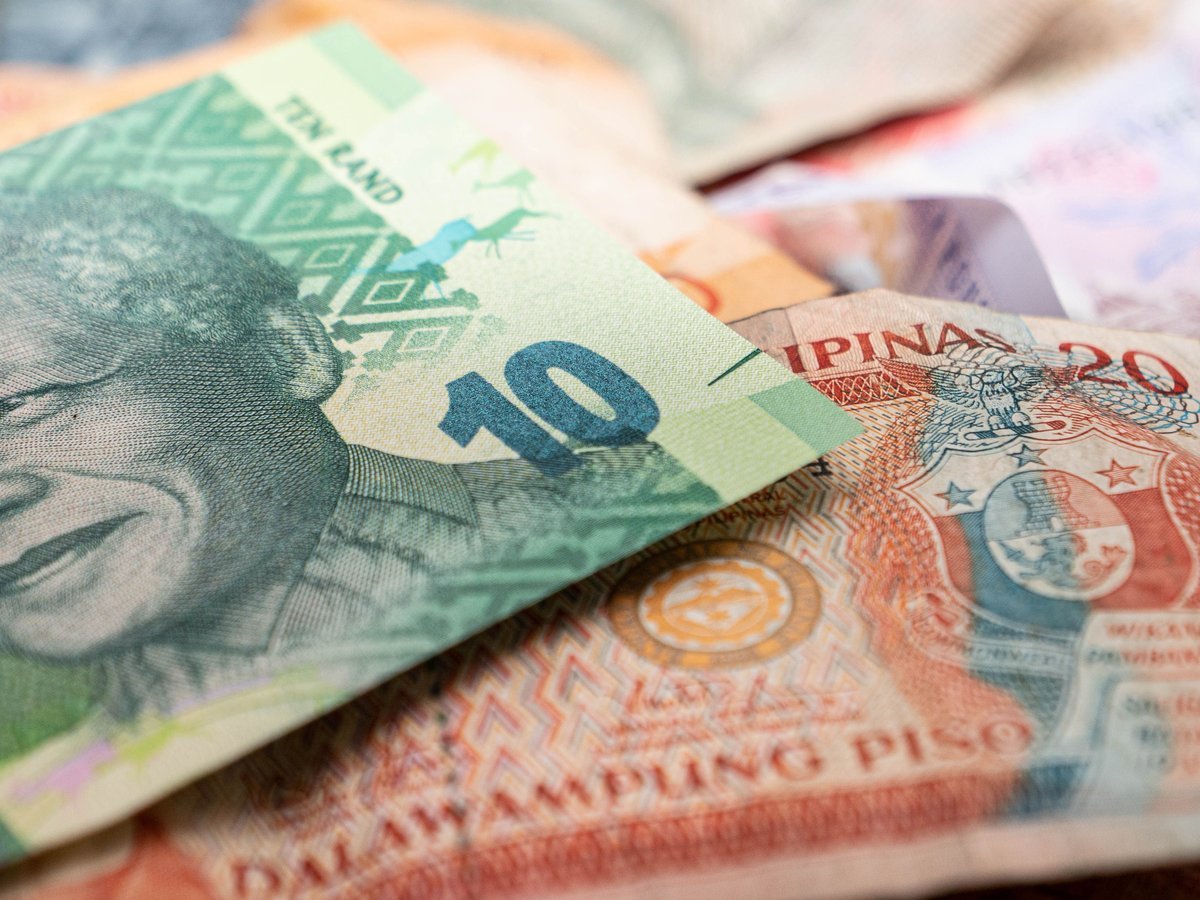
You land in Cape Town, check the exchange rate, and realize your $100 just became roughly 1,800 South African rand. That kind of purchasing power is hard to find in Europe or the Caribbean right now.
That’s exactly why your cape town travel budget stretches so much further here than most Americans expect. The rand exchange rate genuinely works in your favor, and it affects everything from hostel beds to restaurant meals to wine.
Here’s a realistic daily cost breakdown in USD:
- Backpacker: $40 to $55/day. Hostel dorm near Long Street, self-catering from Pick n Pay, MyCiTi bus for transport.
- Mid-range: $80 to $120/day. Private Airbnb room, sit-down meals, the occasional Uber.
- Comfort: $150 to $200/day. Boutique guesthouse, V&A Waterfront dining, guided day trips.
Most American first-timers land comfortably in mid-range without trying hard. Drop a few habits from home and you’ll feel like you’re spending comfort money on a backpacker budget.
The Rand Exchange Rate

Have you actually sat down and worked out how far your dollars stretch in South Africa? Most American travellers don’t, and they leave money on the table.
The South African rand trades at roughly 18 to 19 rand per US dollar in 2026. That means $100 converts to around 1,800 to 1,900 rand. A sit-down meal on Long Street costs about 120 rand. A cold beer runs 40 rand. A MyCiTi bus ride across the city is under 15 rand. Your $100 genuinely goes far.
This exchange rate is the single biggest reason a solid cape town travel budget costs so much less than a comparable trip to Western Europe or Australia.
To get the best rate, use a Wise card or withdraw rand from an ATM inside a Pick n Pay or major supermarket. These charge low flat fees and give interbank rates close to what you see on Google.
Skip the airport kiosks completely. They quietly take 10 to 15 percent in hidden margins, which adds up fast over a full trip.
Cheapest Time to Visit

Many travellers assume Cape Town’s summer is the only time worth visiting. It’s actually the most expensive window by far, and skipping it is one of the easiest ways to cut your cape town travel budget without sacrificing anything meaningful.
April to May and September to October are the sweet spot. Prices drop, the weather stays warm and mostly dry, and the city feels genuinely relaxed. You’ll catch Table Mountain without the December crowds and still get long, comfortable days.
Peak season runs December through January, when flights from the US can jump by $400 or more compared to shoulder months. Accommodation prices follow the same pattern, especially anything near Clifton Beach or the V&A Waterfront.
September quietly wins as the single best month. Flights are cheaper, spring wildflowers are coming in, and hostels often have availability without advance booking pressure.
The months competitors rarely flag are late April and early October. Both combine affordable South African rand pricing, mild temperatures around 20°C, and noticeably fewer tourists at every major site.
Budget Cape Town Flights

Flights are usually the biggest single cost in any cape town travel budget, and getting this right early makes everything else easier to manage.
Round-trip fares from major US cities to Cape Town International Airport typically run $900 to $1,400 from the East Coast and $1,100 to $1,600 from the West Coast in 2026, depending on the airline and time of year. Most routes connect through Johannesburg, London, or Doha.
Book 3 to 4 months ahead and use Google Flights’ calendar view or flexible date search to spot cheaper windows. Shifting your departure by even two or three days can drop the price noticeably.
Timing matters more than most people expect. Cape Town’s low season runs from June through August, which is the South African winter. Flying then instead of the peak December holiday period can save you $300 to $600 on the ticket alone.
June and July do bring cooler, windier days, but budget travel South Africa rewards flexibility. Crowds are thinner, accommodation prices fall, and your dollars stretch further once you land.
Affordable Accommodation
Book a bed in a shared dorm at a Long Street hostel and you’ll pay as little as $15 to $20 per night, making it the cheapest way to sleep in the city. Private guesthouses in residential areas cost more, usually $40 to $70, but often include breakfast and a much quieter atmosphere.
The option most travellers overlook is a self-catering Airbnb apartment. The savings go beyond the room rate. When you have a kitchen, you can shop at Woolworths Food or Pick n Pay instead of eating every meal out, which easily cuts your cape town travel budget by $20 to $30 a day.
Neighbourhood choice matters a lot for both price and comfort. Gardens and Observatory are popular with backpackers and young travellers, with good transport links and a relaxed local feel. De Waterkant sits closer to the V&A Waterfront and suits travellers who want safe, walkable streets without paying waterfront hotel prices.
MyCiTi Bus Savings
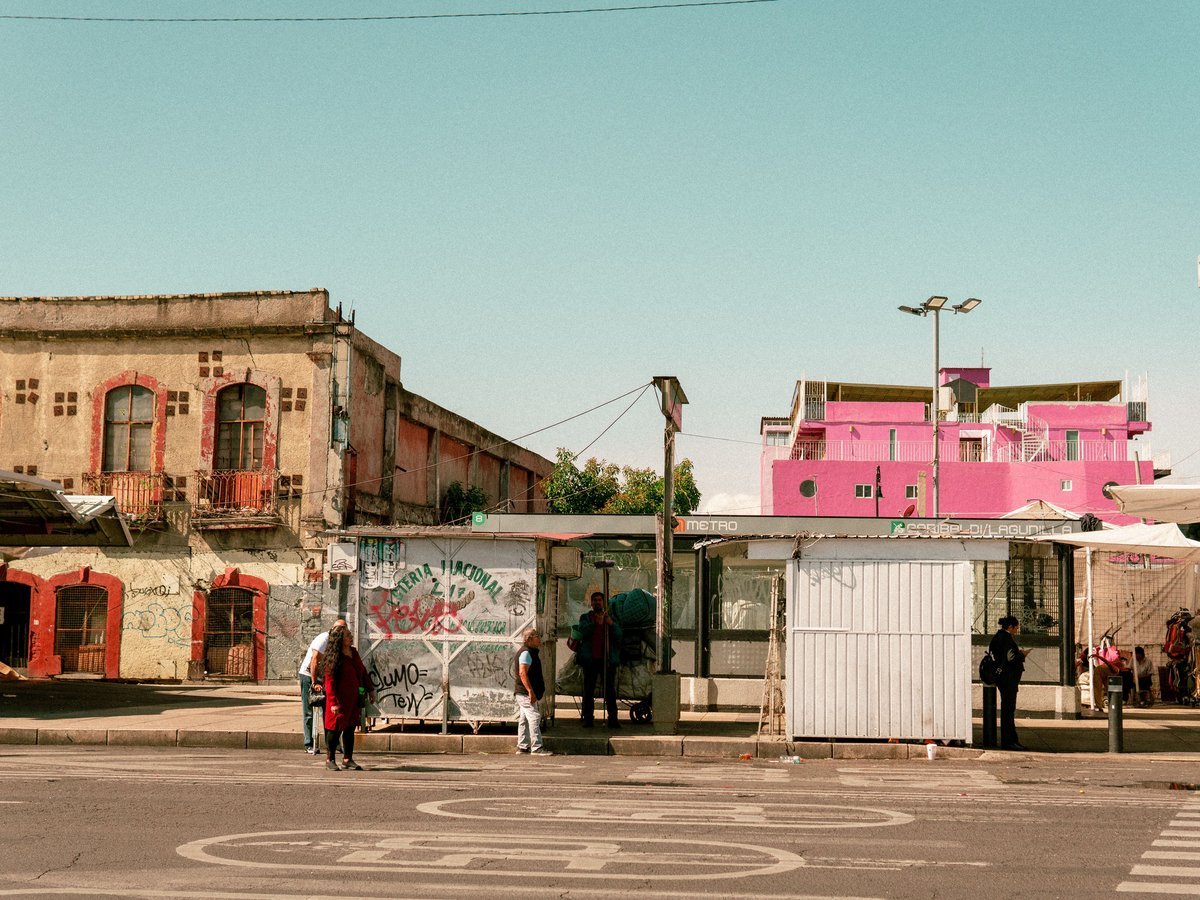
During the busy summer season, Uber prices along the Atlantic Seaboard surge fast. The MyCiTi bus network covers routes from the city centre to the V&A Waterfront, Sea Point, Camps Bay, and out to the airport, making it genuinely useful for most travellers.
You load credit onto a myconnect card, available at the airport arrivals hall and major stations for a R35 deposit. A typical city trip costs around R16 to R30 in South African rand.
That same Uber ride runs R80 to R150 depending on demand. If you take four bus trips in a day instead of four Ubers, you save roughly R300, which is around $16 USD at current exchange rates.
That daily saving adds up to over $100 across a week. For anyone watching their cape town travel budget closely, that covers a full day of food.
Almost no travel guides give this side-by-side comparison with real rand figures. Buses won’t reach Kalk Bay or Boulders Beach, so plan Uber for those specific day trips only.
Uber vs Rental Car Costs
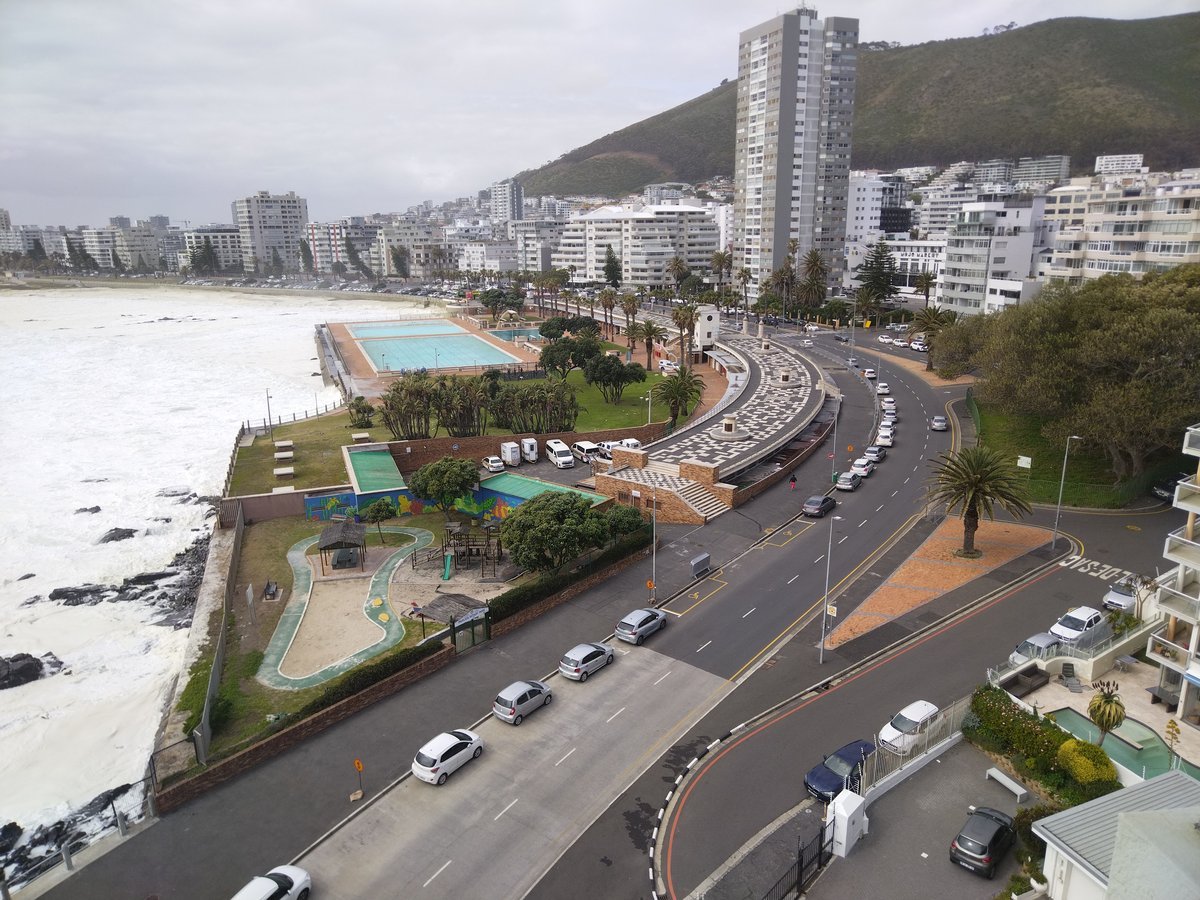
For short trips around the city centre, Uber wins on price every time. A ride from the city to Kalk Bay runs roughly R180 to R220, which is under $12 at the current rand exchange rate.
A daily car rental starts around R350 to R500, and that’s before you add fuel and parking fees at spots like the V&A Waterfront, where parking alone can eat another R50 to R80.
If you’re staying central and only hitting nearby neighbourhoods, Uber keeps your cape town travel budget tighter than any rental will.
The calculation flips once you plan a full-day drive south. Cape Point and Boulders Beach sit far enough apart that Uber fares stack up fast, and no reliable Uber will wait two hours while you watch penguins.
For that day trip, renting a car genuinely pays off. Book a compact through a local agency rather than an international chain and you’ll often shave 20 to 30 percent off the daily rate.
Free Table Mountain Access

The cable car costs around R420 round trip (roughly $23), but thousands of visitors hike up for free every single day. Skipping that ticket is one of the easiest wins on any cape town travel budget.
Platteklip Gorge is the most popular free hiking route, a well-marked trail that takes most moderately fit people about 2 to 3 hours to reach the top. It’s not a casual stroll, so wear proper closed-toe shoes with grip and bring at least a litre of water.
You still pay nothing at the summit if you hike up and hike back down. The views over the Atlantic and the Cape Peninsula are identical to what cable car passengers see, just earned a little harder.
Start as early as possible, ideally before 9am. Table Mountain’s weather shifts fast, and afternoon clouds or wind can close the summit trail with very little warning. A clear morning gives you the best visibility and the safest conditions for the descent.
Free Beach Days
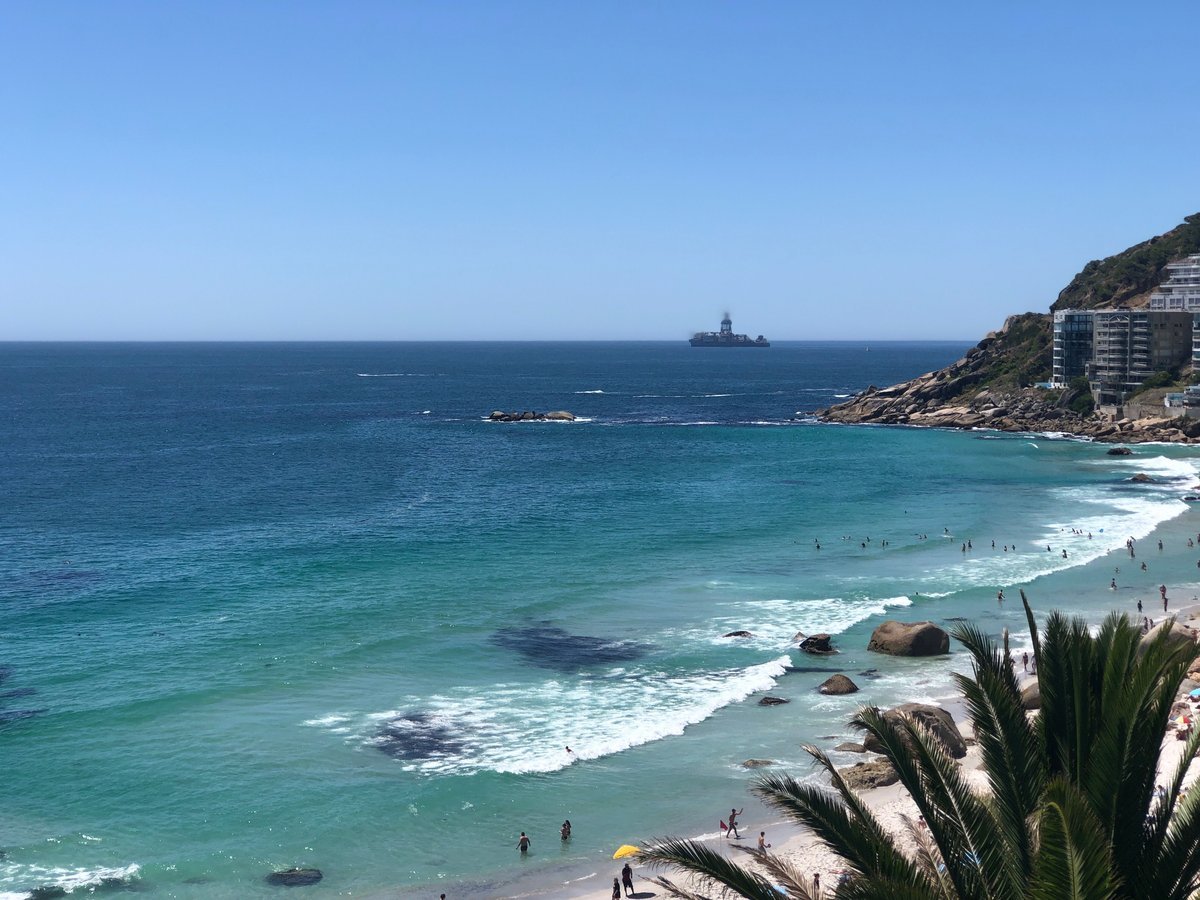
You packed your towel, walked ten minutes from your guesthouse, and dropped onto white sand without spending a single rand. That’s completely doable in Cape Town if you pick the right beach.
Clifton Beach is free to enter and stunning, with calm, sheltered water and a crowd that leans local on weekdays. It’s a great call for anyone stretching a cape town travel budget without skipping the scenery.
Camps Bay is equally free, with the Twelve Apostles mountain range as your backdrop. Just know that the cafes and restaurants lining the strip are priced for tourists, so bring snacks from a Pick n Pay nearby and skip the beachfront menus.
Muizenberg is the budget favourite. The water is warmer, the vibe is laid-back, and the colourful surf huts make it one of the most photographed spots on the peninsula.
Skip Boulders Beach if your budget is tight. International visitors pay around R390 entry (roughly $21) to see the penguin colony, which adds up fast for a couple.
Bo-Kaap Walking Tour
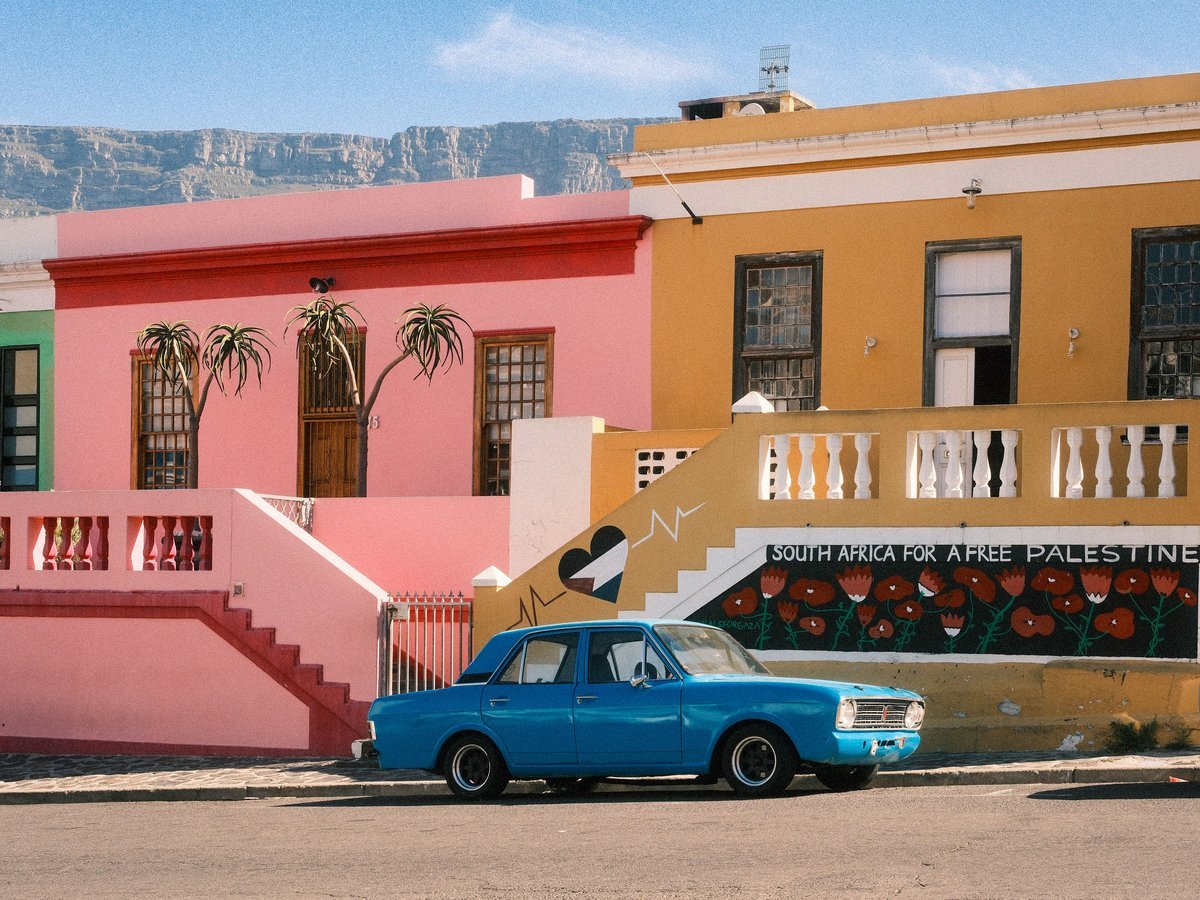
Have you ever walked through a neighbourhood so colourful it looked like a painting? Bo-Kaap is exactly that, and it costs you nothing to see it.
This hillside district sits just above the city centre and is one of the most visually striking free experiences on any cape town travel budget. The cobblestone streets are lined with bright yellow, pink, and turquoise houses that have been here for centuries, rooted in Cape Malay history and culture.
You can wander freely on your own and spend a full hour or two soaking it in. Guided tours start around R250 to R350 per person, which is worth it if you want the full historical context, but a self-guided walk costs absolutely nothing.
The area also gives you a genuine slice of local life that the V&A Waterfront simply can’t. Small mosques, family-run spice shops, and the smell of Cape Malay cuisine drifting from open doors make it feel real.
This is one of the most photographed spots in Cape Town and endlessly save-worthy on Pinterest. Go in the morning when the light hits the facades and the streets are quiet.
Cheap Local Food Tips

Eating near the V&A Waterfront will quietly drain your budget faster than almost anything else in Cape Town. A sit-down meal there runs R350 to R500 per person, but the exact same style of food costs R120 to R180 at a local restaurant just a few streets away.
For self-catering, Pick n Pay and Woolworths Food are your best friends. Both supermarkets stock affordable ready-made meals, fresh produce, and good South African wine at prices that make a huge difference across a full week.
Cape Malay cuisine in Bo-Kaap is one of the most genuinely delicious and underpriced eating experiences in the city. Fragrant curries, samosas, and rotis at local spots there or along Long Street cost a fraction of tourist-facing menus.
Stretching your cape town travel budget through food really comes down to one habit: eat where locals eat. Street-facing cafes, neighbourhood curry houses, and supermarket deli counters will feed you well without the waterfront markup.
Eating at Local Markets
Skipping restaurants for market food is one of the smartest moves you can make for your cape town travel budget, and the quality is genuinely impressive.
The Old Biscuit Mill in Woodstock runs every Saturday morning and pulls together some of the city’s best independent food vendors under one roof. It’s lively, it’s delicious, and a full plate will cost you roughly R60 to R120 (about $3 to $6 USD at current exchange rates).
The Oranjezicht City Farm Market is another strong option, with a more relaxed neighbourhood feel and a good mix of fresh produce and cooked food stalls.
Both markets are also the best low-pressure way to try Cape Malay cuisine without committing to a sit-down restaurant bill. You can taste a samoosa, grab a bowl of curry, and pick up a koeksister for dessert, all for well under R200 total.
Go hungry. Seriously.
Cheap Wine in Stellenbosch

Book a shared shuttle before you sort anything else. It’s the single move that makes a Stellenbosch wine day genuinely affordable rather than a budget-blowing splurge.
Stellenbosch sits just 45 minutes from Cape Town, and a return shared shuttle costs around R200 to R250 per person. That’s roughly $11 to $14 at the current South African rand exchange rate, which is a remarkable deal for a full half-day out of the city.
Once you’re there, tasting fees at most estates start at R80 to R150 per person, covering four to six pours. Some estates waive the fee entirely if you buy a bottle, so it pays to plan on picking up a few anyway.
Buying directly from the cellar door saves you a lot compared to what Cape Town restaurants charge. A bottle that costs R120 at the estate can easily run three times that on a Long Street wine list.
For anyone managing a tight cape town travel budget, a Stellenbosch day trip genuinely punches above its price. You get world-class wine, mountain scenery, and a proper local experience for well under $30 total.
Free Kalk Bay Exploring
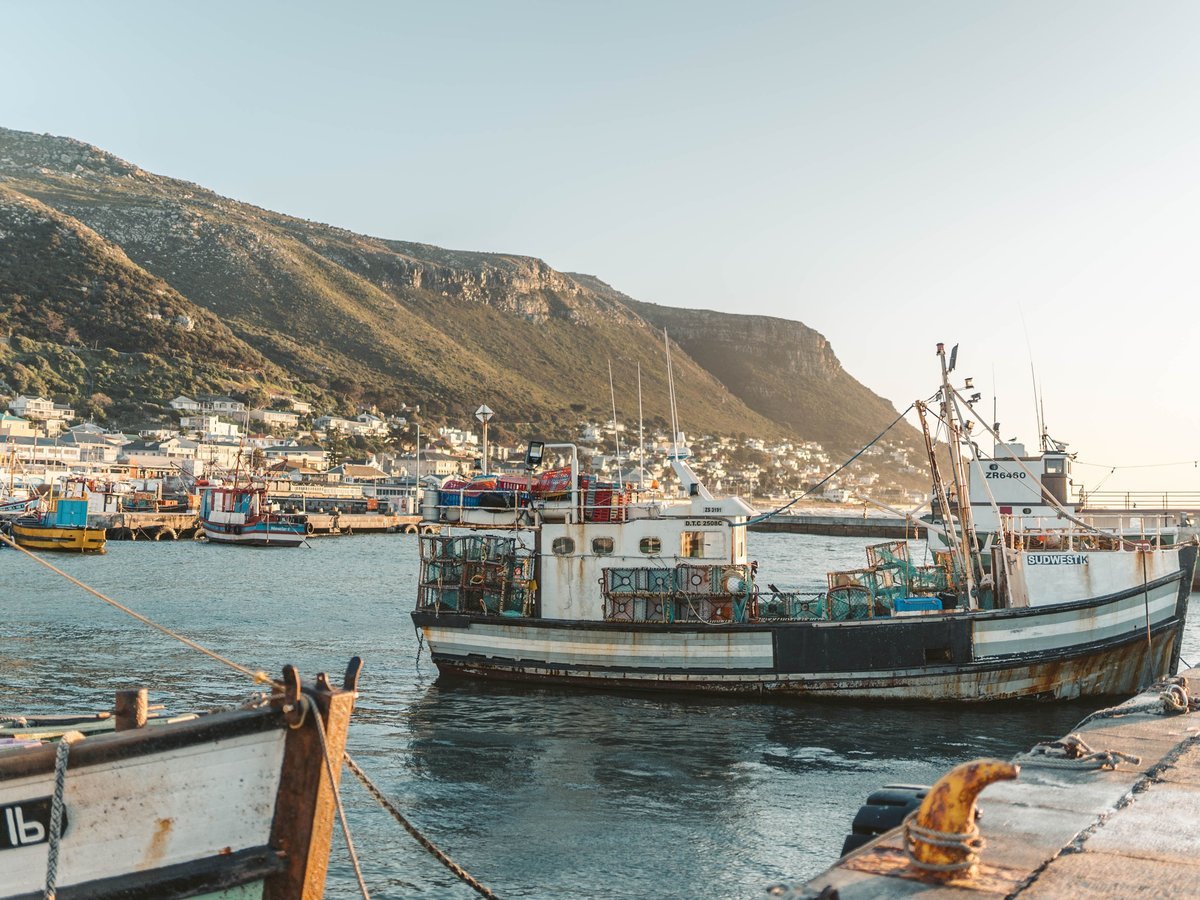
In the cooler autumn months, Kalk Bay is at its quietest and most rewarding. This small fishing village sits along the False Bay coastline and costs nothing to walk around, browse, and enjoy at your own pace.
The tidal pools alone are worth the trip. You can spend an hour exploring the rocks, watching the ocean crash in, and it costs you absolutely nothing. The coastal walkways stretching from Kalk Bay toward Fish Hoek are equally free and almost never mentioned in standard budget guides.
The Kalk Bay caves are another overlooked spot. They’re tucked into the cliffs just above the shoreline and most visitors walk straight past them without realising they’re there.
When you’re factoring in your cape town travel budget, the train from Cape Town station to Kalk Bay is one of the best value moves you can make. The fare runs around R20 to R30 each way in South African rand, making this one of the cheapest full-day escapes available.
The cafes and antique shops here are noticeably cheaper than anything near the V&A Waterfront, and far more interesting.
Tipping and Hidden Costs

Budgeting R500 for extras feels generous until you hit two national park gates in one day. These costs catch a lot of first-time visitors completely off guard.
Tipping in South Africa is expected, not optional. Restaurants expect 10 to 15 percent, and car guards (the people watching your parked car) expect R5 to R10 each time. It’s a small amount in South African rand, but it adds up across a full week.
The hidden costs that most trip planners skip are the big ones. Cape Point Nature Reserve charges around R390 per international visitor. Boulders Beach penguin colony has a separate entry fee. Any day inside a national park adds another fee on top of that.
To plan a realistic cape town travel budget, add roughly R1,500 to R2,000 (around $80 to $110 USD) to your weekly total just for park entries, tipping, and small incidentals.
Book Cape Point and Boulders Beach on the same day to combine transport costs and get the most value from a single trip down the peninsula.
Local SIM Card Costs
A local SIM card in South Africa costs as little as R50 to R100 (roughly $3 to $5), and that often includes a starter data bundle already loaded on it.
That’s a fraction of what US roaming charges will cost you. Keeping your American plan active abroad can run $10 or more per day, so switching to a local SIM the moment you land is one of the smartest moves you can make for your cape town travel budget.
Telkom and Vodacom are the two most reliable networks in the city. Both offer solid 4G coverage across central Cape Town, the Atlantic Seaboard, and most tourist areas.
Having local data isn’t just about saving money. It makes calling an Uber simple, keeps Google Maps running offline or live, and helps you stay aware of your surroundings in unfamiliar neighbourhoods.
You can pick up a SIM at Pick n Pay, Checkers, or inside the airport arrivals hall before you even collect your luggage. Bring your passport. South African law requires ID registration for all prepaid SIMs.
One-Week Budget Breakdown

You’re sitting at home wondering whether Cape Town will drain your savings or leave you with cash to spare. The honest answer depends entirely on how you travel, and the numbers below finally give you a real figure to plan around.
Your cape town travel budget for seven nights breaks down into three clear levels. Backpackers spending on hostels, supermarket meals, and the MyCiTi bus can do the full week for $450 to $600 all in. Mid-range travellers using Airbnb, a mix of restaurants and self-catering, and occasional Uber rides land between $800 and $1,100. A comfort trip with a guesthouse, daily dining out, and paid activities like Boulders Beach or Cape Point runs $1,400 to $1,800.
Every level shares the same five spending categories:
- Accommodation: $10 to $25 per night (hostel) up to $120 (guesthouse)
- Food: $5 to $15 daily eating from Pick n Pay, up to $40 dining out
- Transport: MyCiTi bus fares start under $1, Uber across the city rarely tops $6
- Activities: Budget $80 to $150 total for paid attractions
- Extras: SIM card, tips, wine, and souvenirs, roughly $30 to $60
The South African rand exchange rate gives American travellers serious buying power right now. Your dollar stretches further here than almost anywhere else in the Southern Hemisphere.
For another perspective, this detailed piece on The Cost of Travel in South Africa: A 2026 Budget Breakdown is worth a read.
FAQ
How much does a day in Cape Town cost in US dollars?
Planning your cape town travel budget starts with knowing your daily spend. A backpacker can get by on around $30 to $40 per day, covering a hostel dorm, local meals, and a MyCiTi bus pass. Mid-range travellers spending on Airbnb stays, sit-down restaurants, and one paid attraction typically land between $70 and $100.
Is Cape Town expensive for American travellers?
Not at all. The South African rand exchange rate works strongly in your favour right now, making Cape Town genuinely affordable by US standards. A full meal near Long Street costs well under $10, and free spots like Clifton Beach and Bo-Kaap walking tours cost nothing.
What is the cheapest month to fly to Cape Town?
May and June offer the best mix of lower airfares and manageable weather before peak winter crowds arrive. Flights from the US drop noticeably in shoulder season compared to the December and January summer rush, which is also Cape Town’s most expensive period for accommodation.
What are the best free or cheap things to do?
Clifton Beach, the Bo-Kaap neighbourhood walk, free hiking trails up Table Mountain, and browsing Kalk Bay are all low-cost or free. Pick n Pay and Woolworths Food sell excellent ready-made meals cheaply if you want to cut dining costs without sacrificing quality.
How much spending money for one week?
Budget around $350 to $500 for a week covering food, local transport, and a few paid attractions like Boulders Beach or Cape Point. Keep a small cash buffer for tips, which typically run 10 percent at sit-down restaurants.
You might also like: 16 Cairo Travel Tips for the Perfect Egypt Adventure
Key Takeaways
Cape Town looks expensive on a map. In your bank account, it rarely is. Your cape town travel budget goes much further than most international destinations because $100 converts to roughly 1,800 South African rand, and that buys a full day of meals, transport, and activities with change to spare.
- Travel shoulder season (April or October): flights and accommodation drop noticeably, and the weather stays warm enough to enjoy Clifton Beach and Cape Point without the December crowds.
- Ride the MyCiTi bus: a single trip costs under 15 rand, making it the cheapest way to move around the city without relying on Uber every day.
- Self-cater from Woolworths Food or Pick n Pay: both stock affordable fresh produce, local wine, and ready meals that cut your daily food spend significantly.
- Stay in local neighbourhoods, not tourist hotspots: areas near Bo-Kaap or Observatory offer safer, cheaper Airbnb options well away from V&A Waterfront pricing.
- The rand exchange rate is your biggest advantage: no other major city destination gives American travellers this much value right now.
Save or pin this post before you start planning your trip.