18 Positano Travel Tips for Your Dream Italy Vacation
Introduction
Positano receives over 1.5 million visitors every year — yet most leave wishing they had known a few things before they arrived. This positano travel guide exists to change that.
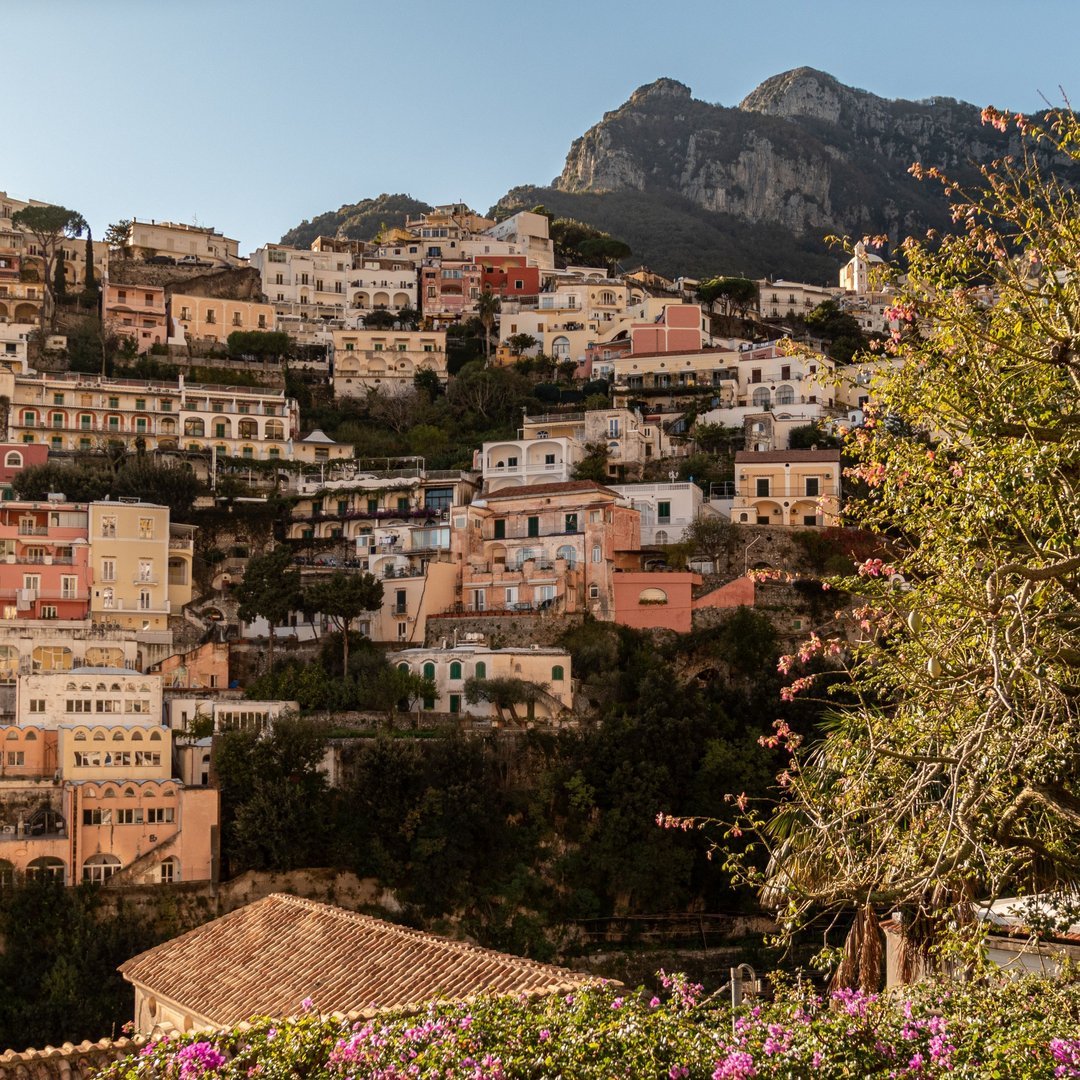
Perched dramatically on the cliffs of the Amalfi Coast, about 57 kilometres south of Naples, Positano is everything a dreamer imagines Italy to be. Pastel-coloured houses cascading toward a sparkling cerulean sea. Narrow streets perfumed with lemon groves. Ceramic-tiled staircases disappearing into bougainvillea.
It is genuinely magical — and genuinely challenging to navigate without the right information.
For another perspective, this detailed piece on My Complete Guide to the Best of Positano, Italy is worth a read.
I have visited multiple times across different seasons, and every trip taught me something new about experiencing this place without the stress, overspending, or tourist-trap moments that can quietly ruin it.
These 18 real, actionable tips cover everything from beating the crowds to finding hidden beaches — so you can spend less time figuring it out and more time falling in love with it.
When to Visit Positano for the Best Experience
You finally book your trip, arrive in August, and spend half your morning squeezing past selfie sticks on a staircase meant for ten people. Timing your visit changes everything here.
Late May and early September are the real sweet spots. The sea is warm, the lemon trees are lush, and the village actually breathes. Prices drop roughly 30% compared to peak summer rates, and you can snag a sunbed on Spiaggia Grande without a reservation war.
Every positano travel guide covers summer, but few warn you about July and August honestly — expect packed ferries, 35°C heat, and restaurant queues stretching up the hillside.
Early June hits a near-perfect balance: wildflowers still blooming, water warm enough to swim, crowds manageable.
- Spring (April–May): Cool, scenic, affordable — occasional rain
- Summer (July–August): Vibrant but overwhelming
- Shoulder season (September–October): Warm, golden, quieter
- Winter: Most hotels close, deeply peaceful
How to Get to Positano Without Losing Your Mind
Already picturing yourself arriving in Positano — but unsure how to actually get there? Good, because this is where most itineraries go quietly wrong.
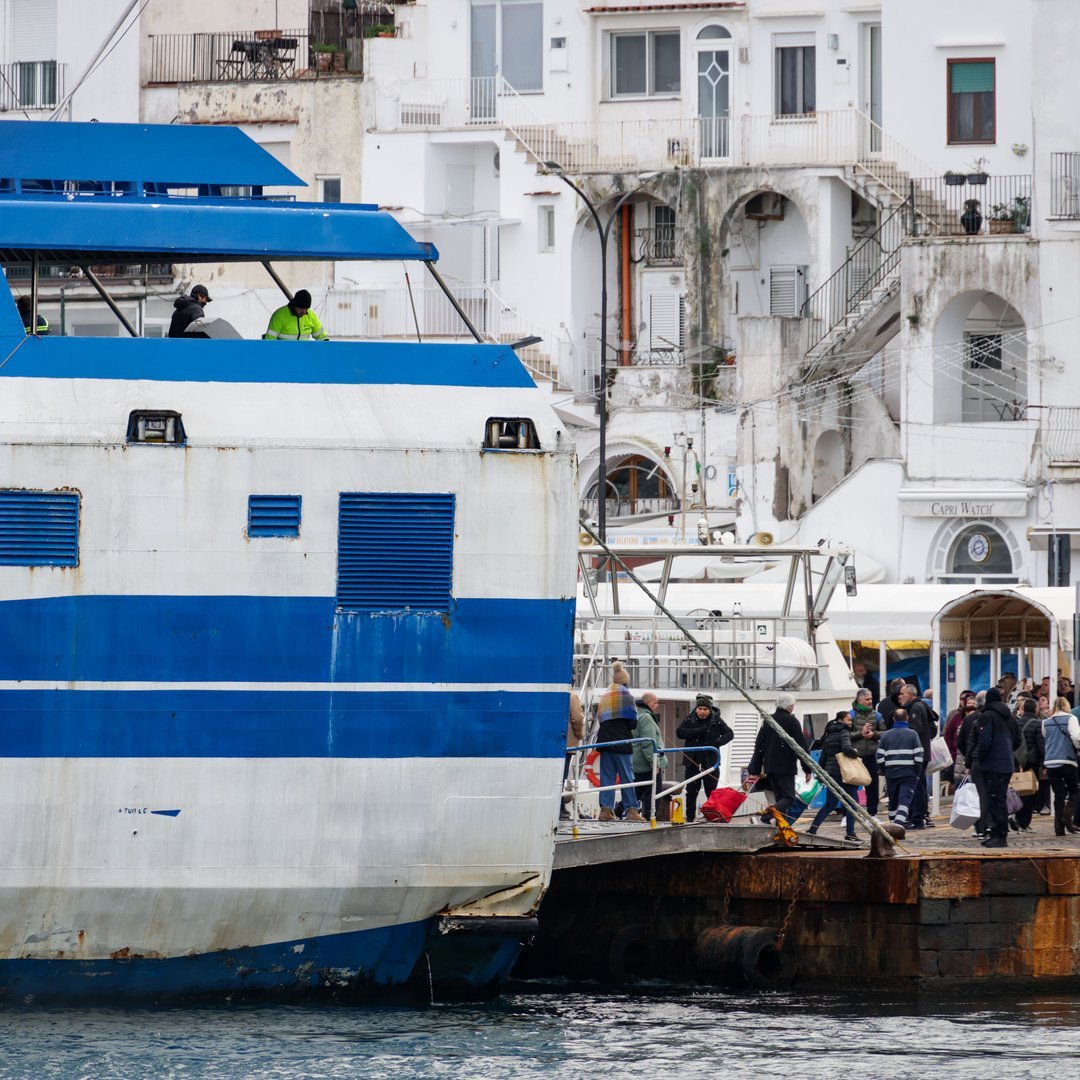
From Rome, the fastest option is the train to Naples, then a ferry or SITA bus south. From Sorrento, the ferry takes around 35 minutes and drops you right into the village — honestly the most cinematic arrival possible.
Driving the Amalfi Coast is breathtaking and genuinely stressful. Narrow cliff roads, aggressive buses, and almost zero parking make it worthwhile only if you’re staying outside the village center or traveling with heavy luggage.
Every solid positano travel guide will tell you the same thing: arrive by ferry whenever you can. Routes from Naples, Capri, and Amalfi are scenic, affordable, and far less nerve-wracking than any road approach.
- Naples → Positano ferry: roughly €25, most scenic option
- Sorrento → Positano: quickest sea crossing, great for day-trippers
- SITA bus from Sorrento: budget-friendly but slow and crowded in summer
Where to Stay in Positano: Neighborhoods and Hotel Tiers
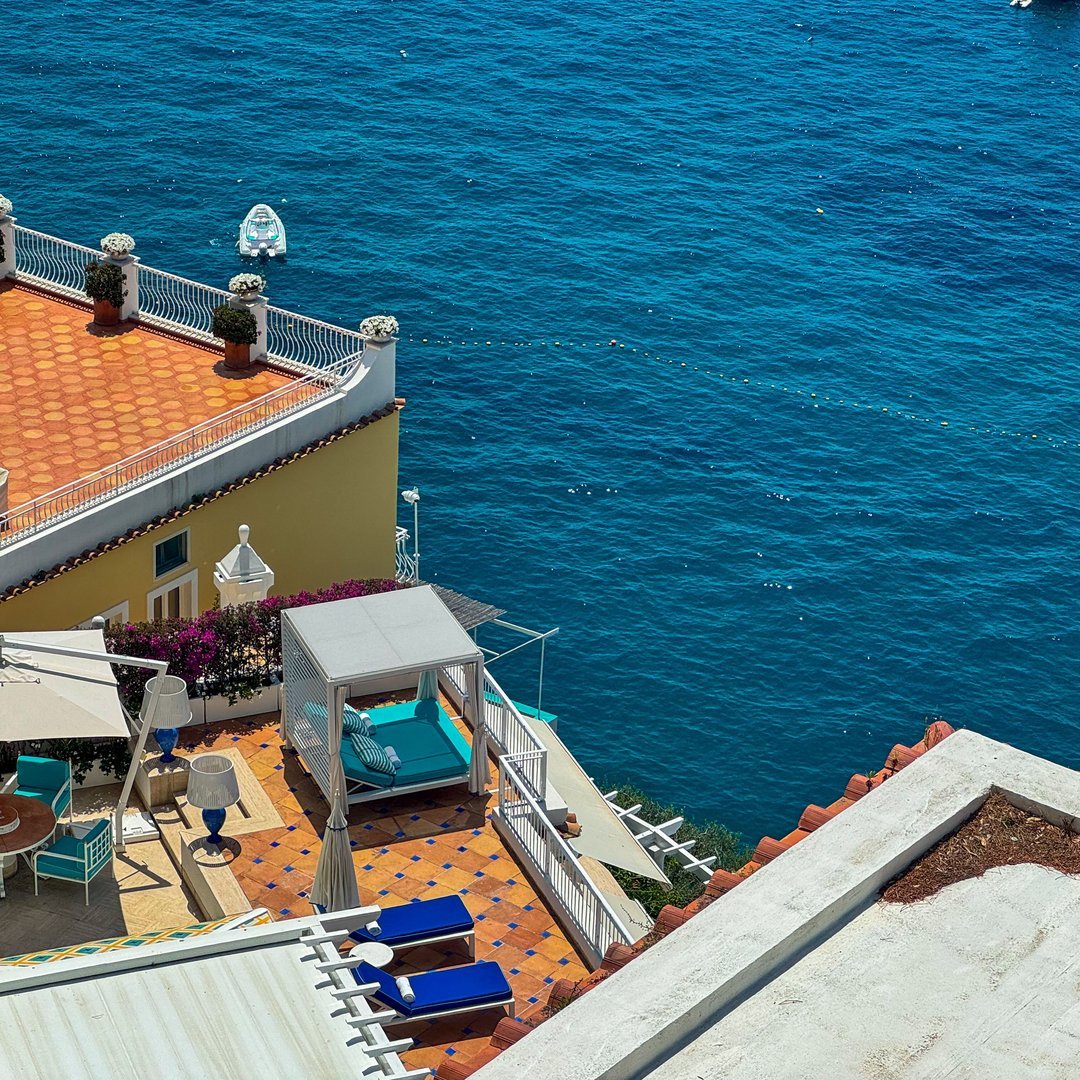
Everyone assumes a sea-view room means rolling out of bed onto the beach — but Positano rewards those who choose their neighborhood intentionally.
Upper Positano feels quieter, cooler in summer, and genuinely local. Lower Positano puts you closer to the beach buzz, the ferry docks, and the best aperitivo spots — but expect more foot traffic and noise.
Budget travelers love the family-run guesthouses tucked into the hillside, often starting around €80/night. Mid-range boutique hotels deliver charm and personality without the designer price tag. Cliffside splurge properties — think infinity pools and private terraces — are genuinely worth saving for.
Before booking, every solid positano travel guide will tell you to check these non-negotiables:
- Stair count to reach your room
- Whether sea views are real or partial
- Breakfast inclusion
- Walking distance to Spiaggia Grande
Positano Travel Guide: Navigating the Town Like a Local
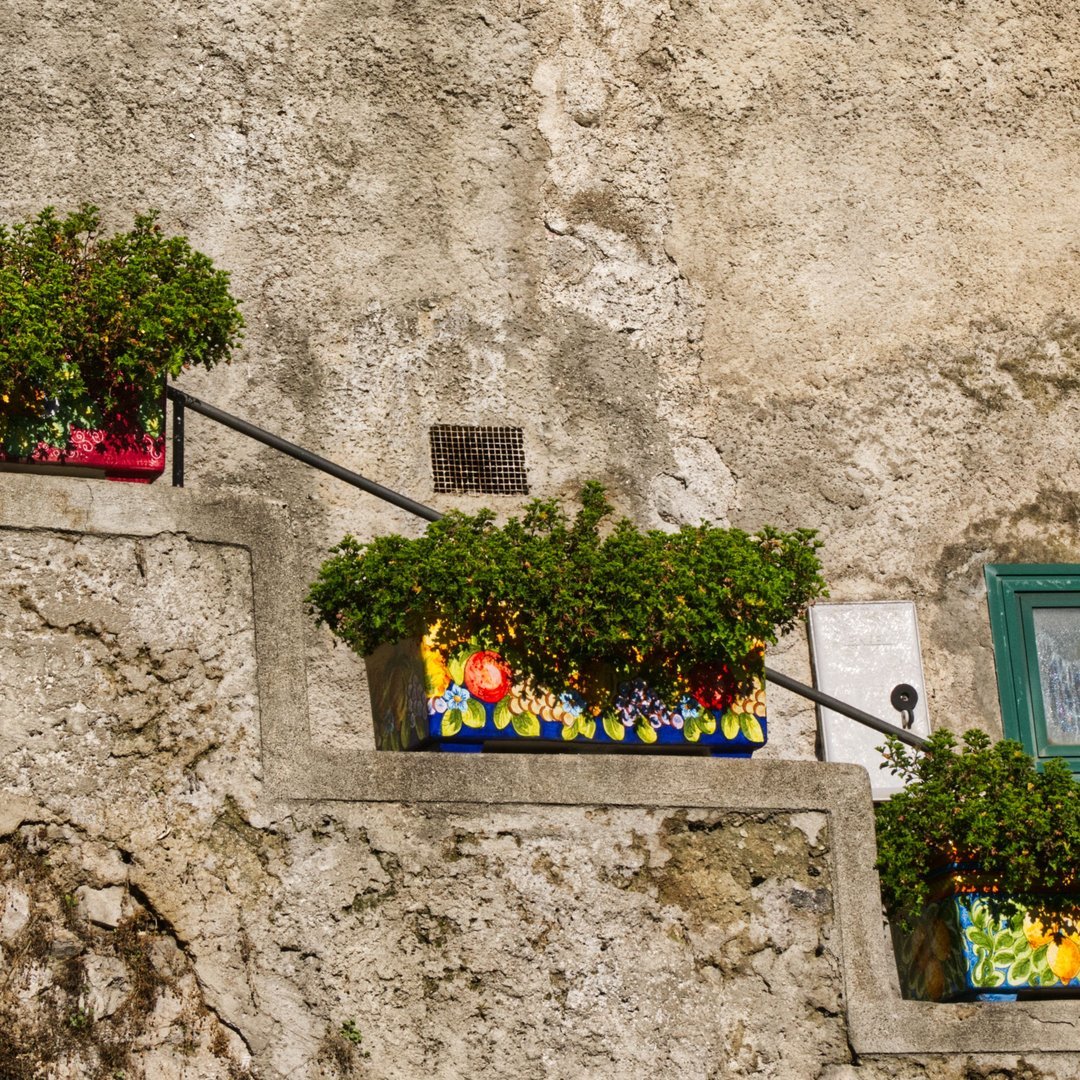
First-time visitors often underestimate just how vertical Positano really is — every beautiful view comes with a staircase attached.
Positano is built on a steep cliffside, meaning your daily route involves hundreds of steps up and down. Pack your most comfortable walking shoes. Sandals look gorgeous but will destroy your feet by noon.
The orange SITA bus runs along the SS163 coastal road and costs around €1.30 per ride — a genuine lifesaver when your legs give out. It has two main stops: Sponda (upper town) and Piazza dei Mulini (lower centre). Flag it down, pay the driver, and relax.
The real secret any honest positano travel guide will share? Use the hidden staircases. Locals duck through narrow alleys like Viale Pasitea’s side cuts to bypass tourist bottlenecks entirely.
- Carry small coins for the SITA bus
- Download an offline map — signal drops in the alleys
- Walk downhill toward the beach in the morning, uphill in the cooler evening
The Best Beaches in Positano Beyond Spiaggia Grande
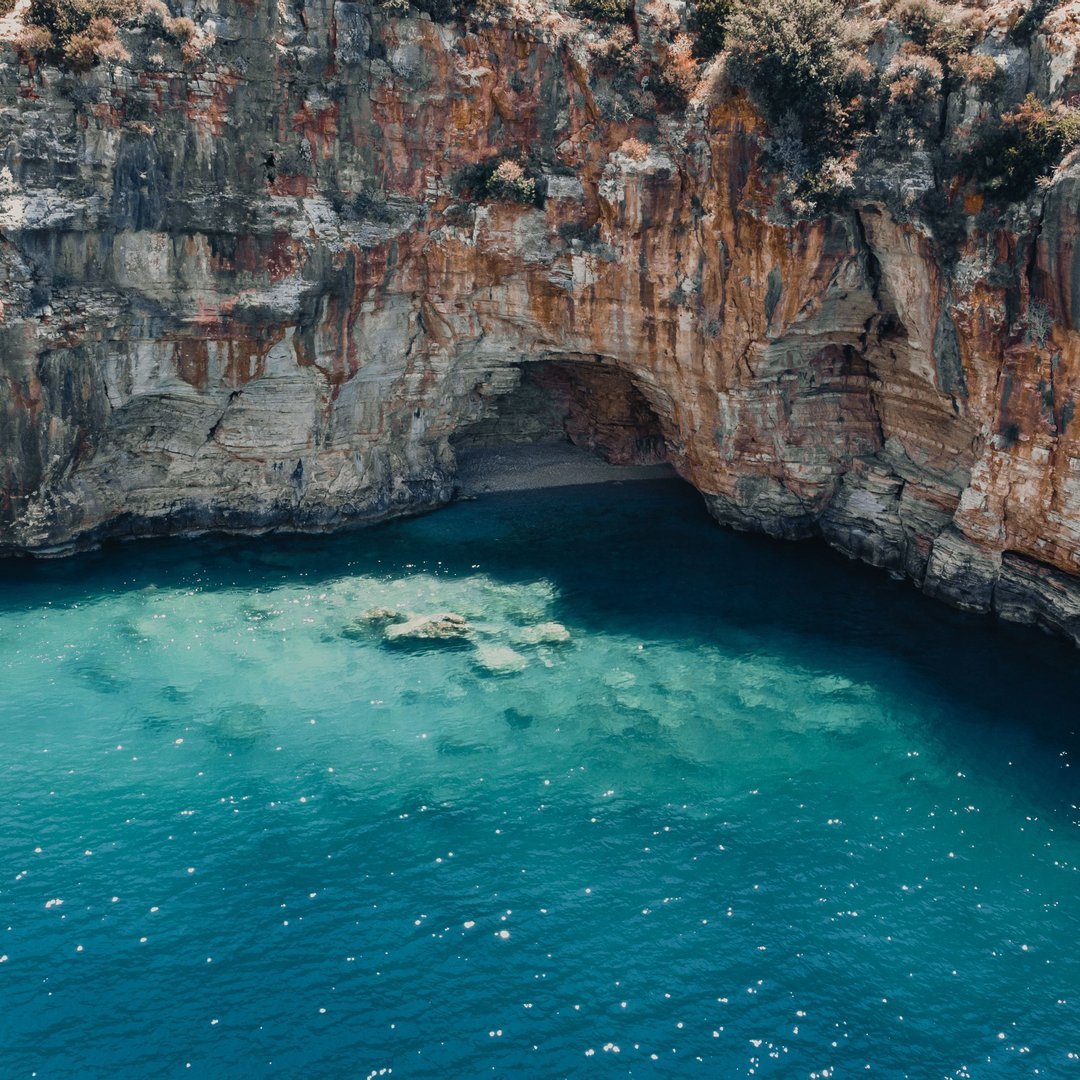
Skip the midday rush — arrive at any Positano beach before 9am or after 4pm to claim your spot without the crowds.
Spiaggia Grande is the iconic main beach, and it delivers exactly what you’d picture: colourful umbrellas, dramatic cliffside views, and buzzing energy. Free public space exists on the left side, though most sunbeds rent for around €20–25 per day.
No positano travel guide should skip Fornillo Beach, a 10-minute walk west along a scenic coastal path. It attracts a quieter, more local crowd and feels genuinely relaxed compared to the main strip.
- Laurito and La Porta coves are reachable only by water taxi
- Both offer crystal-clear water and real privacy
- Worth every euro for a peaceful half-day escape
I’ve found these smaller coves completely transform the Positano experience — fewer tourists, cleaner water, and views that feel almost private.
Best Beach Clubs in Positano and How to Book Them
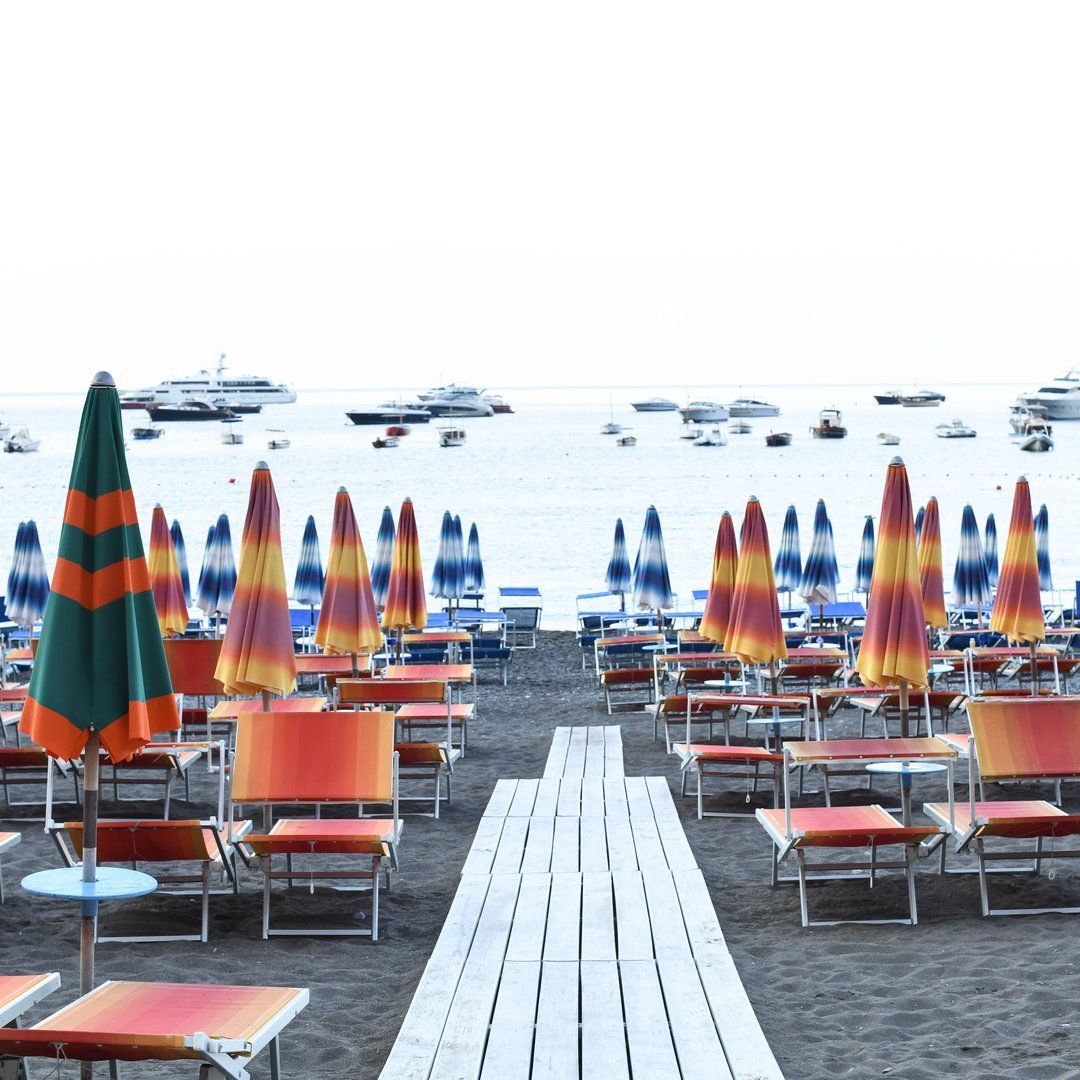
Summer weekends fill up fast, and any solid positano travel guide will tell you to reserve your beach club spot at least two to three weeks ahead of peak season.
A typical beach club experience includes a cushioned sun bed, umbrella, towel service, and a waiter bringing cold Aperol Spritz directly to you while you soak in those iconic cliffside views. It is genuinely luxurious.
These three clubs are consistently worth the splurge:
- La Scogliera – intimate, rocky platform setting, great for couples
- Buca di Bacco Beach – central location, lively atmosphere, excellent cocktails
- Fornillo Beach clubs – slightly quieter, more local crowd, better value
Expect to spend around €40–€80 per person for a full sun bed setup. Most clubs require a minimum food and drink spend, so factor that in before booking.
Things to Do in Positano That Go Beyond Lying on the Beach
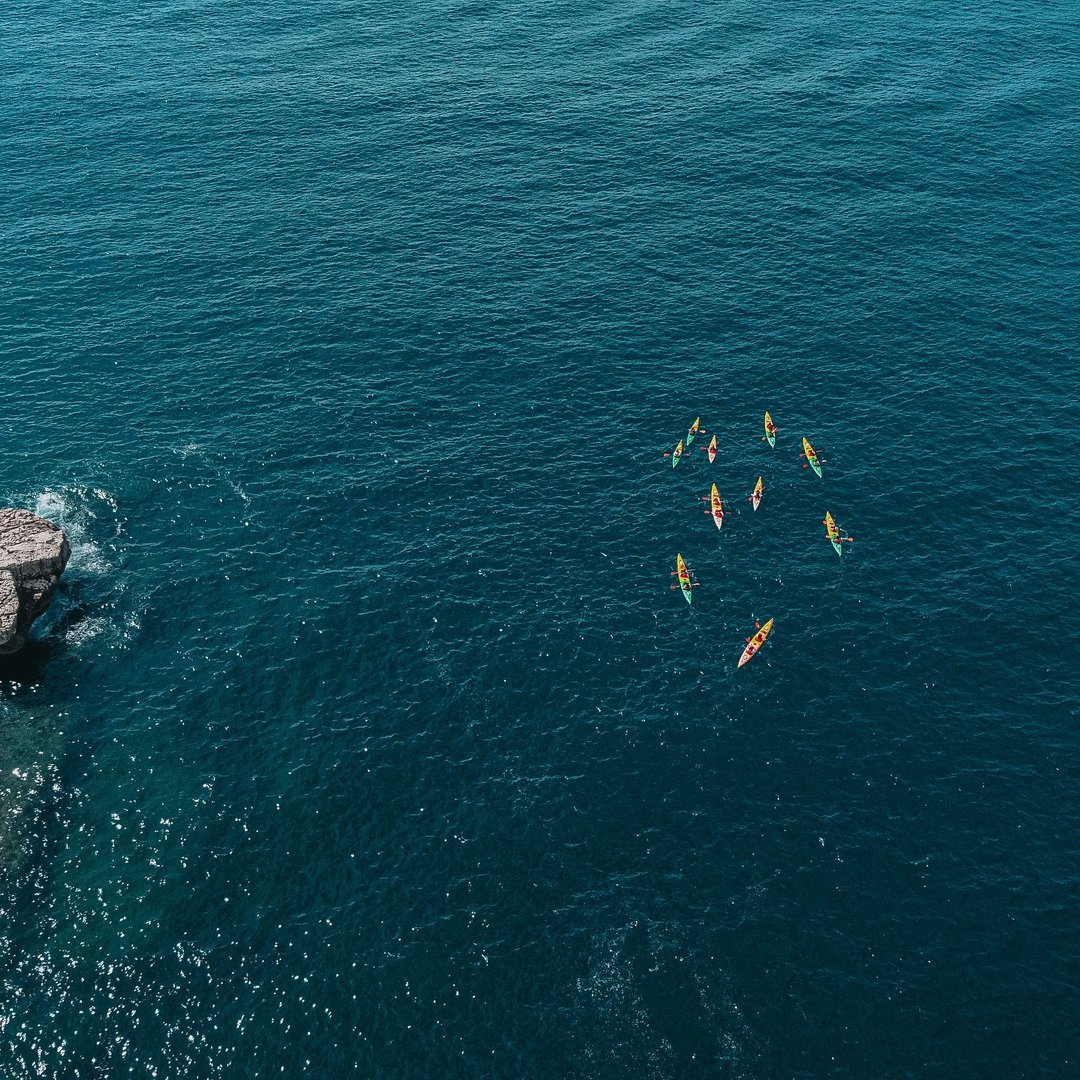
Renting a sun lounger costs around €20–25 per day, but some of Positano’s best experiences cost far less — or offer far more value for your money.
Boat tours along the Amalfi Coast are absolutely worth it. Half-day shared tours start around €35–50 per person, while private full-day charters run €300–600 depending on the boat size and stops included.
From the main beach, you can rent kayaks, snorkeling gear, and paddleboards directly from local operators. Spiaggia Grande and Fornillo Beach are both excellent launching points for exploring hidden sea caves nearby.
- Visit the Church of Santa Maria Assunta — its Byzantine Madonna icon is genuinely moving and completely free to enter
- Browse the ceramic workshops scattered through the side streets for hand-painted pieces you won’t find anywhere else
Any solid positano travel guide will tell you the town rewards those who wander beyond the waterfront.
Day Trips From Positano Worth Every Minute
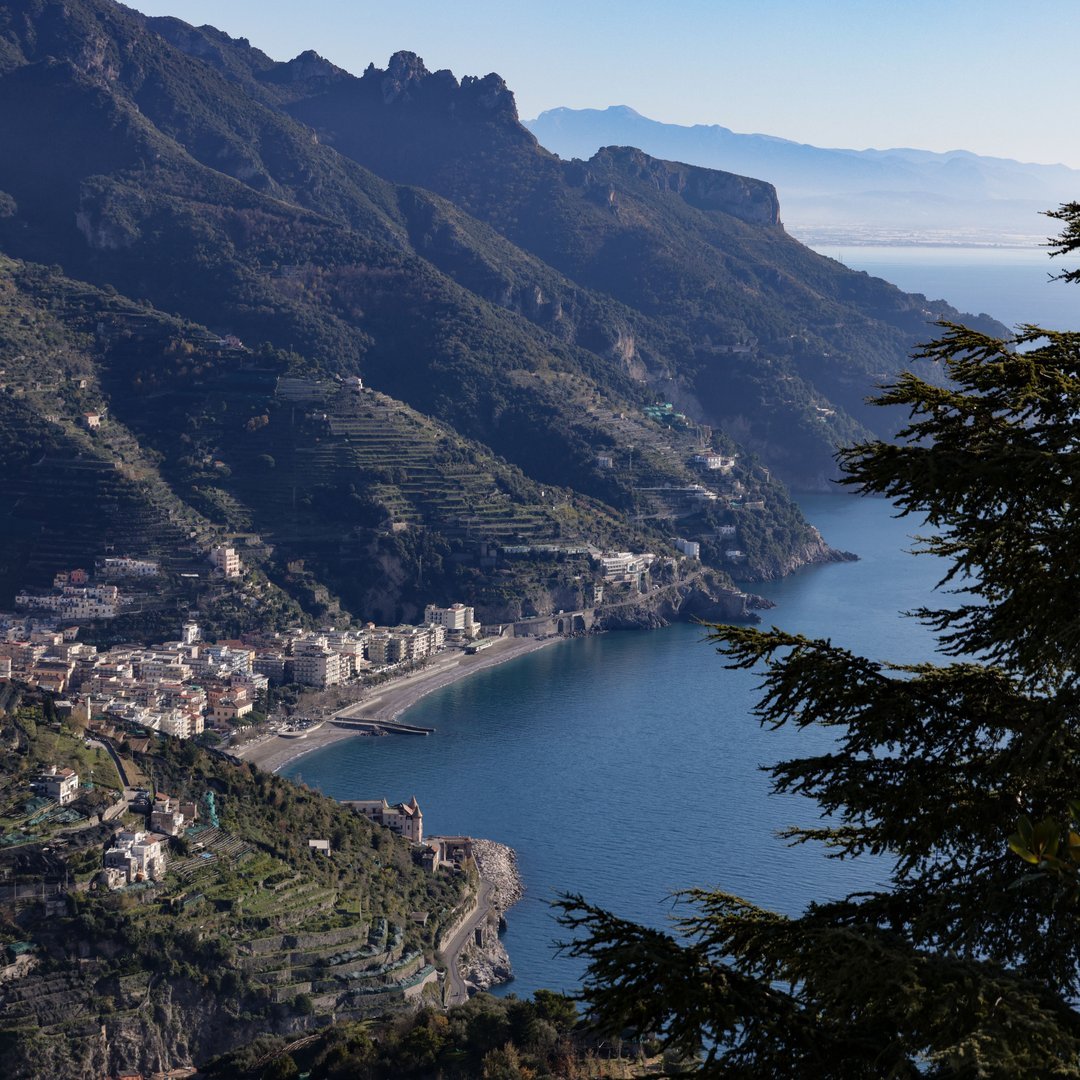
Positano sits within reach of four UNESCO World Heritage Sites — a rare geographical jackpot that most visitors never fully take advantage of.
Capri is absolutely worth the ferry fare (around €20–25 each way). Prioritize the Blue Grotto early morning before crowds arrive, then the Gardens of Augustus. Skip the chairlift if time is tight.
For a flowing combined day, head to Amalfi first by ferry, wander the cathedral, then take a local bus up to Ravello. The Ravello-to-Amalfi sequence works beautifully in reverse — fewer crowds, better light for photos.
- Pompeii is 90 minutes by car or SITA bus from Positano
- Start no later than 8:30am to avoid heat and tour groups
- Give yourself a full day — rushing Pompeii genuinely ruins it
Any solid positano travel guide will tell you: the villages surrounding this coastline are just as unforgettable as Positano itself.
Hiking the Path of the Gods: A Complete Practical Guide
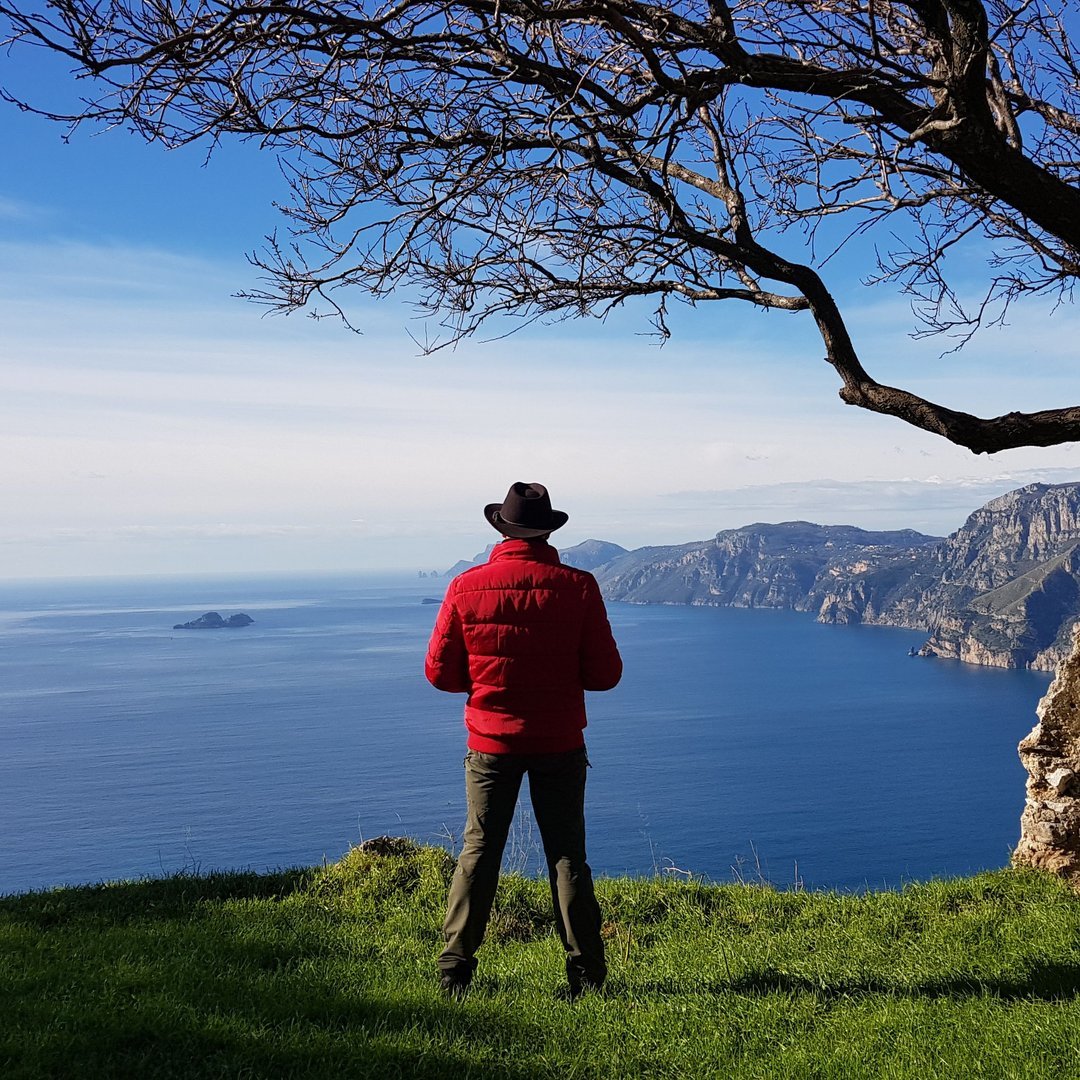
You round a bend in the trail and suddenly the entire Amalfi Coast stretches below you — turquoise water, terracotta rooftops, cliffs disappearing into the haze. This is the Sentiero degli Dei (Path of the Gods), and it earns every bit of its dramatic name.
The trail runs from Agerola to Nocelle, roughly 7.8 kilometres one way, with moderate difficulty — some rocky sections but manageable for most reasonably fit hikers. Allow 3–4 hours and start early to beat the heat and crowds.
- Wear proper hiking shoes — the path gets uneven fast
- Bring at least 1.5 litres of water and sun protection
- Download offline maps before you leave
No car? No problem. From Nocelle, take the local bus down to Positano — it runs regularly and costs just a few euros. Every positano travel guide worth reading recommends building this hike into your itinerary early.
Where to Eat in Positano: From Casual Bites to Memorable Meals
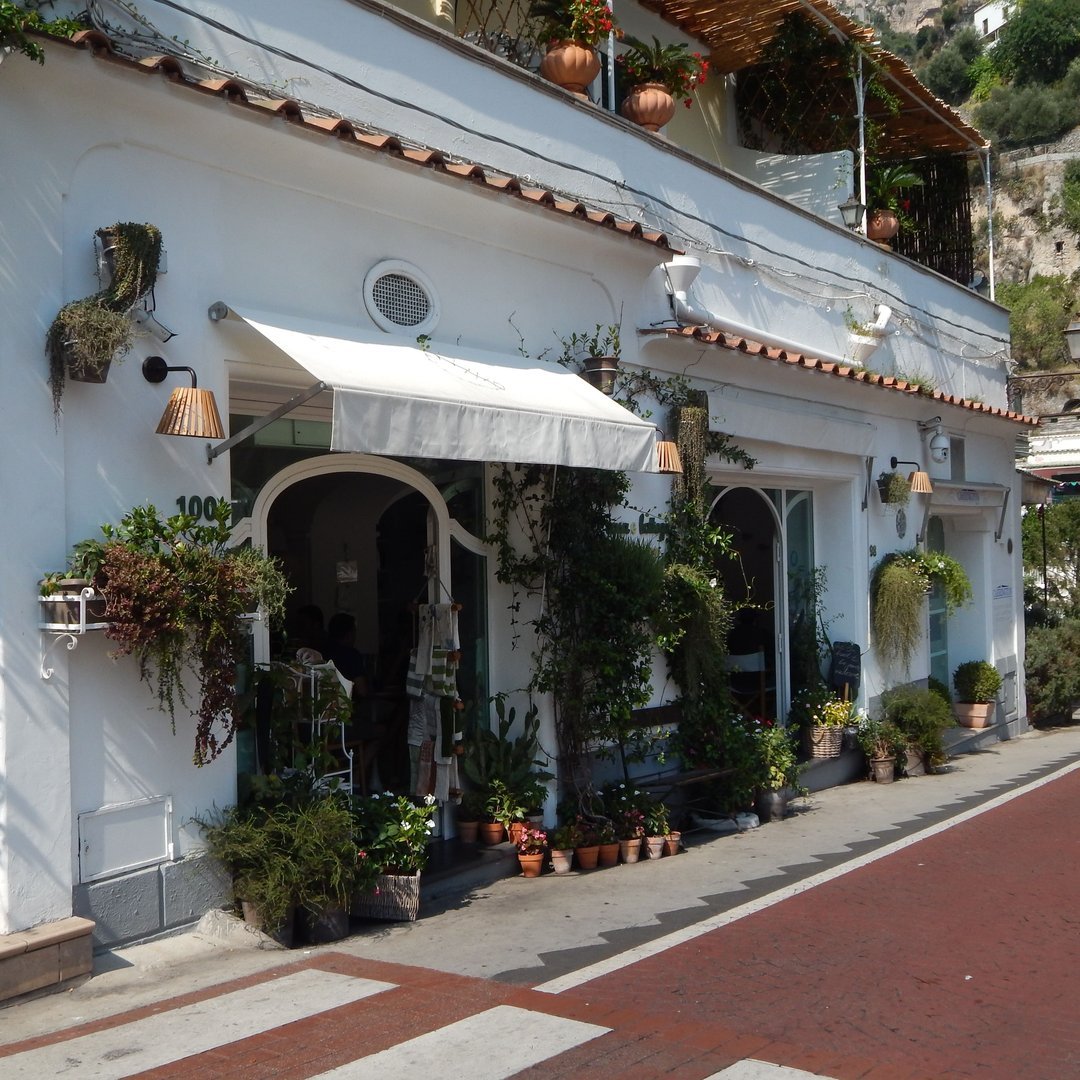
Are you willing to walk five minutes uphill to eat twice as well for half the price? In Positano, that trade-off is always worth it.
The restaurants lining the main beach path are beautiful, but the food rarely matches the view. Ristorante Max and La Tagliata are genuinely beloved for their grilled fish, handmade pasta, and stunning terraces — no tourist-trap energy.
Every solid positano travel guide will tell you to order the burrata, fresh anchovies, and anything finished with local Amalfi lemon. The lemon desserts — especially delizia al limone — are non-negotiable.
- Locals eat lunch between 1:00–2:30 PM at family-run trattorias tucked into side streets
- A full lunch with wine can cost around €18–€22 per person away from the waterfront
- Avoid restaurants displaying photographs on laminated menus — a reliable red flag everywhere on the coast
Positano Travel Guide: What to Drink and Where to Drink It

Many visitors assume Positano drinking is all about limoncello shots at tourist traps. In reality, the best drinks here come with staggering cliffside views and zero pretension.
Golden hour is sacred on the Amalfi Coast. Pull up a seat at Music on the Rocks or Franco’s Bar around 6:30 PM and order an Aperol Spritz — the light turns the water amber and everything feels cinematic.
Mornings belong to espresso and granita di limone. Bar Internazionale serves both beautifully, with freshly squeezed local lemon juice that tastes nothing like anything bottled.
No positano travel guide would be complete without mentioning Campania wines. Look for these on coastal restaurant menus:
- Fiano di Avellino — crisp, floral, perfect with grilled seafood
- Falanghina — light and citrusy, incredibly food-friendly
- Taurasi — the bold red for evening meat dishes
Shopping in Positano: What to Buy and What to Skip
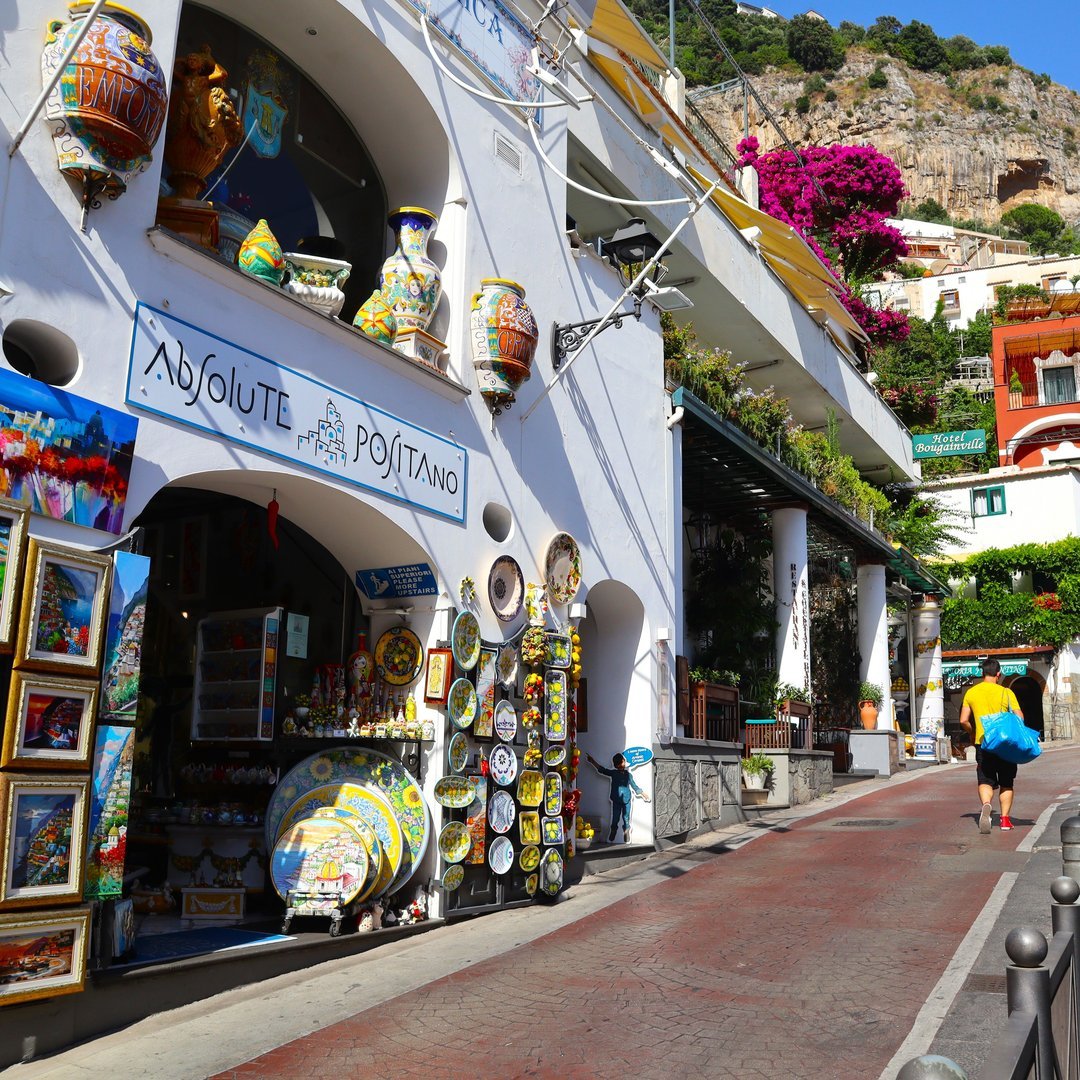
Walking the narrow lanes of Positano, you quickly notice that not every pretty storefront deserves your euros.
Handmade leather sandals are the one souvenir worth every cent. Seek out a working cobbler who cuts and stitches in front of you — custom pairs typically start around €60 and last for years.
Any solid positano travel guide will also point you toward hand-painted ceramics and breezy linen dresses, both genuinely crafted locally and absolutely worth the luggage squeeze.
Skip these tourist traps:
- Mass-produced “Positano” printed items made outside Italy
- Limoncello from non-local brands sold near the ferry dock
- Generic resort-wear at inflated beachfront prices
Genuine artisan goods come from small family-run workshops tucked uphill — not the polished boutiques facing the water. Look for handwritten price tags and working craftspeople as your quality signal.
What to Wear in Positano: Practical and Stylish Packing Tips
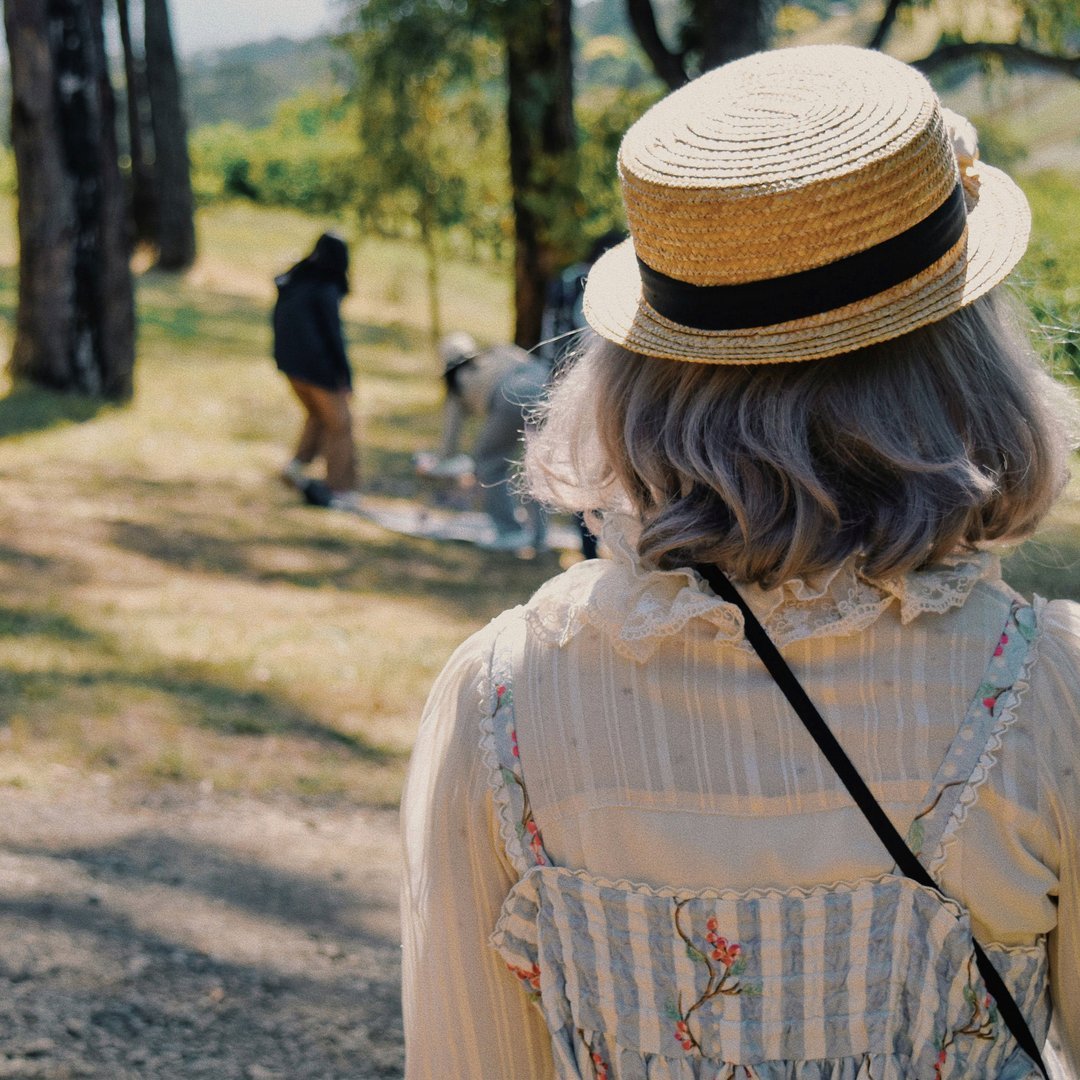
Pack your cutest outfit if you want, but pack your best walking shoes first. Every positano travel guide worth reading will tell you the same thing: those famous staircases will punish heels and flimsy sandals fast.
Comfortable, grippy footwear is genuinely your most important packing decision. Look for supportive sandals with a sole of at least 2cm grip — your ankles will thank you after day one.
Beyond shoes, Positano almost dresses itself. Light linen trousers, flowy midi dresses, and breezy resort-chic layers are practical AND perfectly match the town’s effortless Mediterranean vibe.
- Bring a light wrap or denim jacket for boat trips — sea breezes get cool quickly
- Sun protection is non-negotiable: SPF, a wide-brim hat, and quality sunglasses
- Skip heavy jeans, formal shoes, and bulky bags — you’ll regret carrying them uphill
Pack light, pack smart, and leave room for something beautiful you’ll inevitably find in the boutiques.
Photography Tips for Capturing Positano’s Best Views
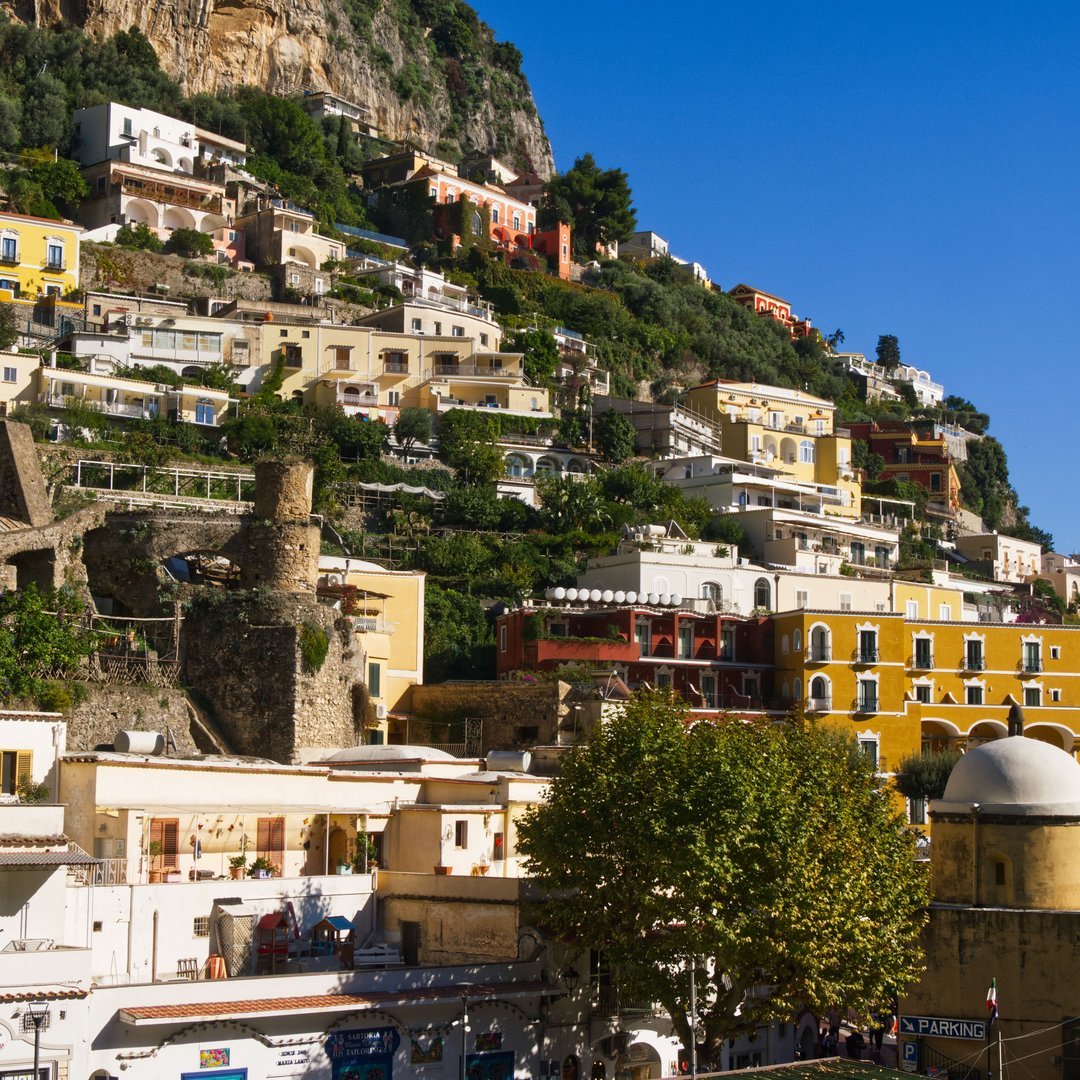
Summer mornings here are pure magic — arrive at any viewpoint before 8am and you will have soft golden light, cool air, and almost no crowds competing for your shot.
Every solid positano travel guide points visitors toward the same three or four overlooks, but the real gems are slightly off the beaten path.
- Sentiero degli Innamorati (Path of Lovers) offers a dramatic elevated angle over the entire village — easily the most photogenic stretch in town
- The terrace near Via Pasitea 200 gives a clean, unobstructed view of the iconic Santa Maria Assunta dome against the cliffside
- The small fishing beach at Fornillo catches beautiful late-afternoon light on the colorful boats without the main beach chaos
For the pastel cliffs, shoot during the golden hour before sunset when warm light intensifies every terracotta and lemon-yellow facade.
A simple wide-angle lens or even your phone in portrait mode handles the layered rooftops beautifully — no expensive gear needed.
How Much Does Positano Cost: Realistic Budget Breakdown

Positano runs two to three times more expensive than most Italian coastal towns — but knowing where your money actually goes changes everything.
Daily budget estimates vary wildly. Budget travelers can manage on €80–100 per day sharing a simple room and eating at village bakeries. Mid-range couples typically spend €250–350. Luxury seekers? Easily €600+ before sunset cocktails.
Every solid positano travel guide will tell you the views are free — and they genuinely are. Fornillo Beach has no entry fee, and the main staircase lookouts rival any paid terrace.
What most visitors don’t anticipate are the hidden costs that quietly drain your budget:
- Water taxis between towns: €20–25 per person each way
- Beach chair and umbrella rentals: €25–40 daily
- Bottled water at restaurants adds up fast — ask for tap
Affordable eats exist — focaccia from a panificio and a €3 espresso at a standing bar keep costs honest without missing the magic.
Safety, Scams, and Things Nobody Warns You About Positano
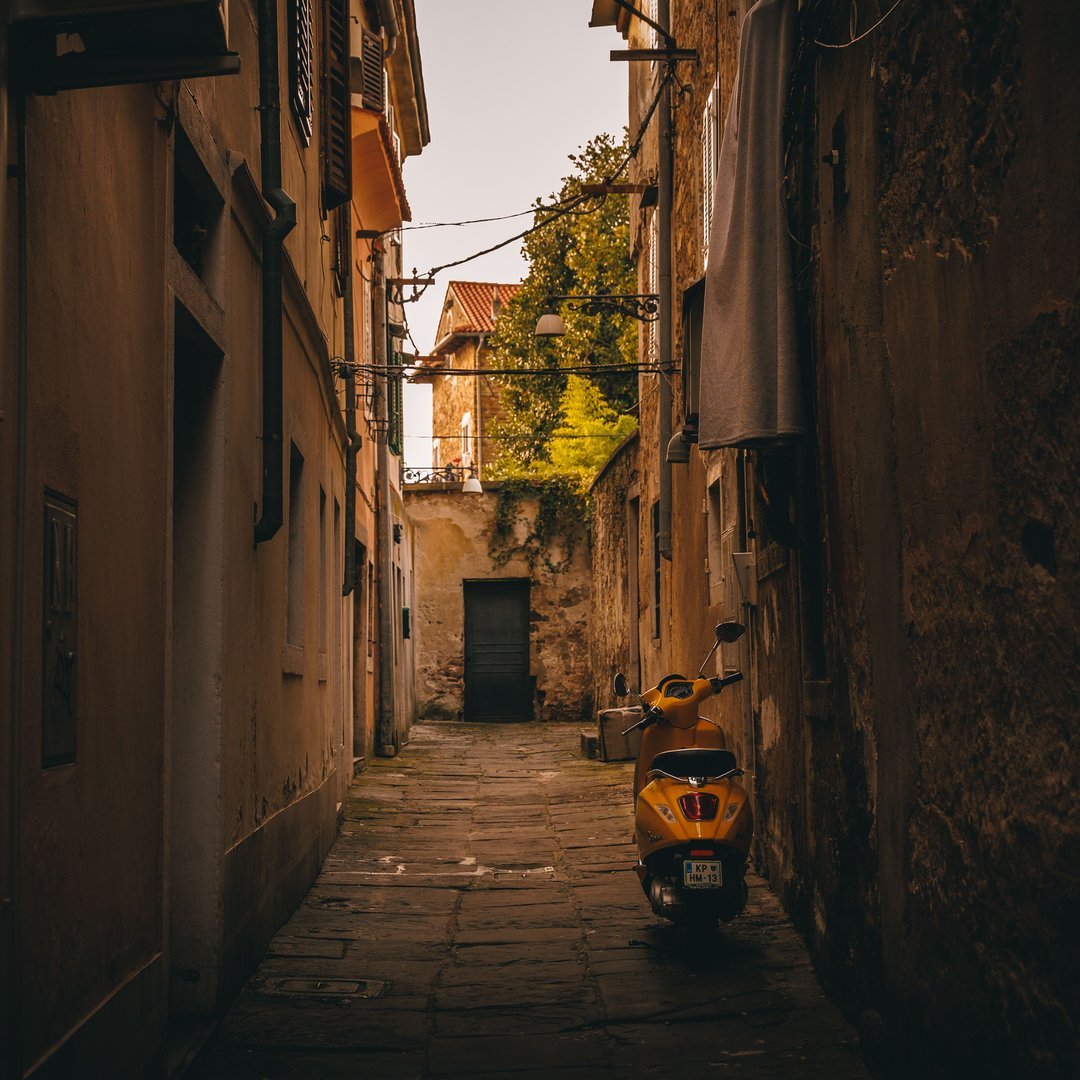
Over 4 million tourists visit the Amalfi Coast each year — and the vast majority make at least one avoidable, expensive mistake.
Every solid positano travel guide should warn you that unlicensed taxi drivers near the ferry dock will quote double the going rate. Always confirm the price before getting in, and look for the official white vehicles with a taxi sign.
Restaurant menus near the main beach sometimes list prices per 100g for seafood — that beautiful grilled catch can triple in cost before it reaches your table. Read the small print carefully.
- Never leave bags unattended on the beach or at crowded viewpoints
- Solo travelers should avoid the steeper staircases after dark — lighting is minimal
- Families should hold children’s hands on Via Pasitea; traffic moves faster than it looks
Positano is genuinely safe, but staying aware keeps your trip stress-free and your wallet intact.
How Many Days Do You Need in Positano
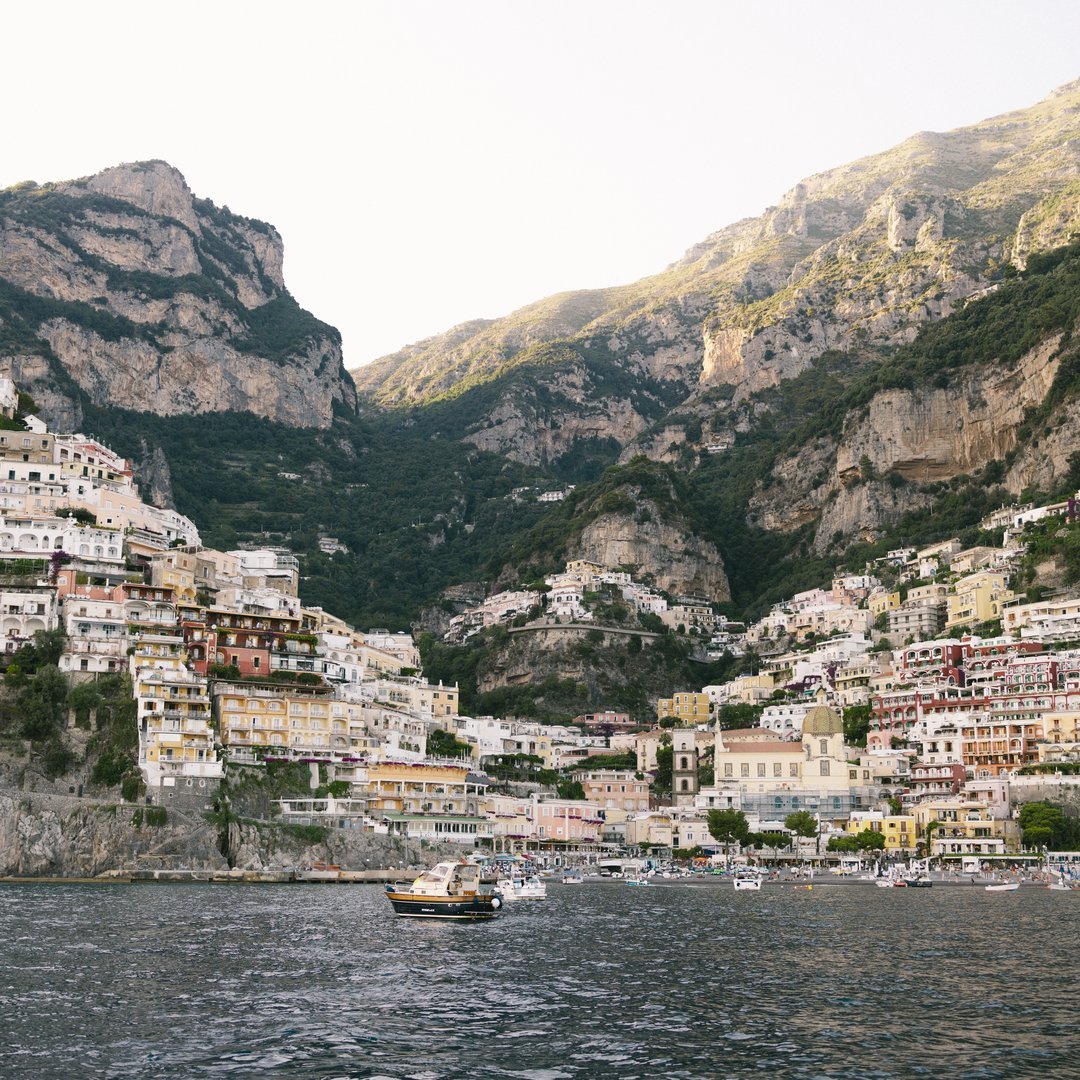
You arrive, drop your bags, and suddenly it’s time to leave. That rushed feeling is exactly what happens when people squeeze Positano into a single afternoon.
Two days is the honest minimum to actually exhale here — one day for beaches and staircase wandering, one for a boat trip or coastal hike.
Three days hits the sweet spot. Morning swims, lazy lunches, golden-hour aperitivo on your terrace — the rhythm finally clicks.
Five days? You’ll feel like a local. Factor in a day trip to Ravello or Capri without sacrificing a single Positano moment.
Every solid positano travel guide will tell you the same thing: staying overnight changes everything. The village empties after 6pm, prices drop, and the magic is entirely yours.
- Day trip from Sorrento or Naples: worth it, but expect crowds and zero atmosphere
- Positano as your base: ideal if you have 3+ nights — central, scenic, unforgettable
- Budget buffer: €25–35 per person for a water taxi from Sorrento saves your legs entirely
Practical Tips to Make Your Positano Trip Run Smoothly
Have you sorted the details that can quietly make or break a trip like this?
Any solid positano travel guide will tell you the same thing: book early or risk missing out. Reserve accommodation 3–6 months ahead, popular restaurants 4–6 weeks out, and boat tours at least 2 weeks before arrival — earlier in peak summer.
ATMs exist but are limited, so carry at least €50 cash at all times. Many small shops, beach vendors, and taxi boats still prefer it. SIM cards with Italian data work well here; Wi-Fi in hotels is generally reliable.
- Dress modestly when visiting Santa Maria Assunta church — shoulders and knees covered
- Greet shopkeepers with “Buongiorno” — locals genuinely appreciate the effort
- Never rush a meal; lingering at the table is completely normal and expected
These small gestures make locals noticeably warmer toward you almost immediately.
FAQ
Is Positano worth visiting?
Many visitors expect a quiet fishing village and arrive to find a lively, glamorous clifftop town — and they love it anyway. Positano is absolutely worth it for the dramatic scenery, incredible food, and that unmistakable Amalfi Coast atmosphere you simply cannot replicate anywhere else.
What is the best time to visit Positano?
Late May through June and September are the sweet spots — warm enough to swim, calm enough to actually enjoy the streets. Avoid August if possible; the crowds and prices peak hard, and getting a table at a good restaurant without booking weeks ahead becomes nearly impossible.
How do I get to Positano from Naples?
The most scenic option is the ferry, which runs seasonally and drops you right at the beach — pure magic. Alternatively, take a train to Sorrento and catch the SITA bus along the coastal road, which costs around €2.50 per journey and gives you jaw-dropping views the entire way.
How many days should I spend in Positano?
Two to three days gives you enough time to explore the beaches, wander the village lanes, and take a day trip along the coast without rushing. If you want to use it as a base for the full Amalfi experience, every solid positano travel guide recommends at least three nights.
Is Positano expensive?
It is one of Italy’s pricier destinations, but smart planning helps. Eating at family-run trattorias away from the waterfront, booking accommodation slightly uphill, and visiting shoulder season can keep costs very manageable.
You might also like: 18 Amalfi Coast Travel Tips for a Picture-Perfect Trip
Key Takeaways
After years of helping travelers plan Amalfi Coast trips, I can say Positano rewards those who prepare — and humbles those who don’t.
- Book your hotel early: Cliffside properties sell out months ahead, especially June through August.
- Reserve the ferry first: It’s the most scenic and stress-free way to arrive — tickets from around €20 and worth every cent.
- Pack light and wear grippy shoes: Those 200+ steps up from the beach are no joke.
- Visit the Duomo and side streets early morning to beat the crowds and catch the best light.
- Eat where locals eat: Step away from the waterfront for better food and fairer prices.
- Use this positano travel guide as your go-to reference from planning to arrival day.
Save this to Pinterest and share it with anyone dreaming of the Amalfi Coast — they’ll thank you for it. ☀️