The Ultimate Road Trip Safety Checklist Before You Hit the Road
Introduction
The truth is, hitting the open road can be a thrilling adventure, but it also comes with its fair share of potential hazards. Every year, millions of people embark on road trips, and while most return with amazing stories, some encounter unexpected safety issues. For instance, according to the National Highway Traffic Safety Administration, there were over 36,000 fatalities in motor vehicle crashes in the United States alone in 2020.
As you plan your next road trip, it’s essential to consider the best time to visit your desired destinations to avoid crowds and ensure a smooth journey. For example, if you’re planning to visit popular national parks like Yellowstone or Yosemite, the best time to visit is from April to May or September to October, when the weather is mild and the crowds are smaller. Additionally, understanding the estimated costs of your trip, including fuel, accommodation, and food, can help you budget and prepare for any unexpected expenses.
Most people miss out on hidden gems and top experiences because they don’t plan ahead. With a road trip safety checklist, you’ll be able to identify the most scenic routes, affordable accommodations, and must-try local cuisine. You’ll learn how to prepare for unexpected emergencies, such as a flat tire or a medical issue, and how to stay safe on the road. From the Grand Canyon to Route 66, we’ll cover it all, providing you with the knowledge and confidence to embark on an unforgettable adventure.
Pre-Trip Vehicle Inspection

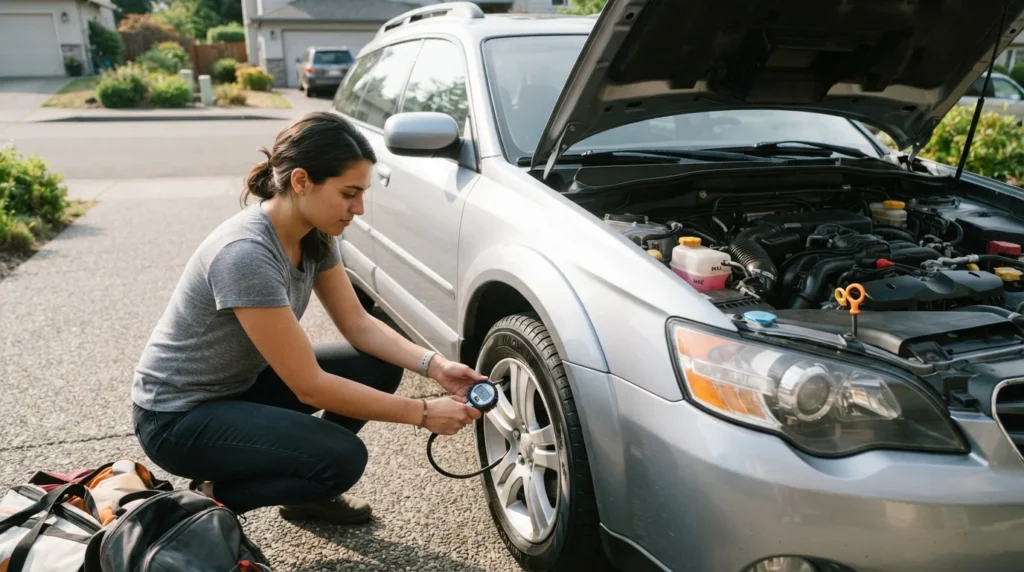
When it comes to road trip safety, a thorough pre-trip vehicle inspection is crucial to ensure a smooth and enjoyable journey. The truth is, most people miss this essential step, which can lead to breakdowns or accidents on the road. For instance, a simple check of tire pressure can improve fuel efficiency by up to 3%, reducing the risk of a blowout.
As you begin your inspection, start with the tire condition, looking for signs of wear, uneven tread, or damage. Check the tire pressure against the recommended level, which can be found in your vehicle’s manual or on the tire information placard. Properly inflated tires can improve handling, braking, and overall safety. For example, underinflated tires can increase the risk of a blowout, especially during hot summer months when the temperature can reach up to 120°F on the pavement.
Next, move on to the oil levels, checking the engine oil, transmission fluid, and coolant levels. Low oil levels can cause engine damage, while coolant leaks can lead to overheating and costly repairs. Most people don’t realize that brake pads should be inspected every 10,000 to 15,000 miles, and worn-out pads can increase the risk of accidents. A simple inspection can reveal worn-out brake pads, which can be replaced before your trip to ensure safe braking.
In addition to these essential checks, don’t forget to inspect the suspension and steering systems, looking for signs of wear or damage. A loose belt or worn-out ball joint can cause vibrations, uneven tire wear, or even a loss of control. For instance, a faulty suspension can increase the risk of a rollover accident, especially when driving on uneven roads or at high speeds. By investing time in a thorough pre-trip vehicle inspection, you can minimize the risk of breakdowns, reduce maintenance costs, and ensure a safe and enjoyable road trip experience. With a well-maintained vehicle, you can focus on the best time to visit your destinations, enjoy the top experiences, and discover hidden gems along the way, without worrying about the costs of unexpected repairs.
Packing Essential Safety Items
Packing Essential Safety Items
 Packing Essential Safety Items
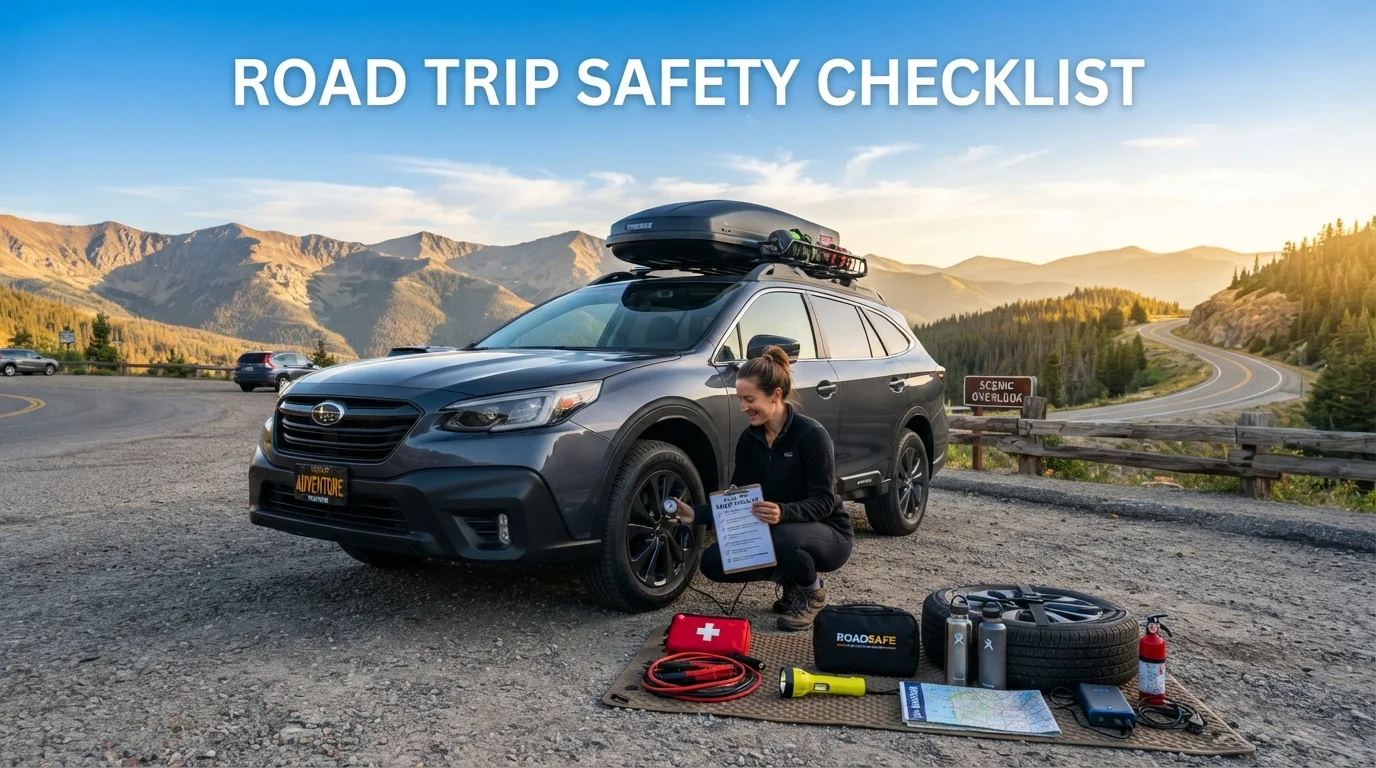
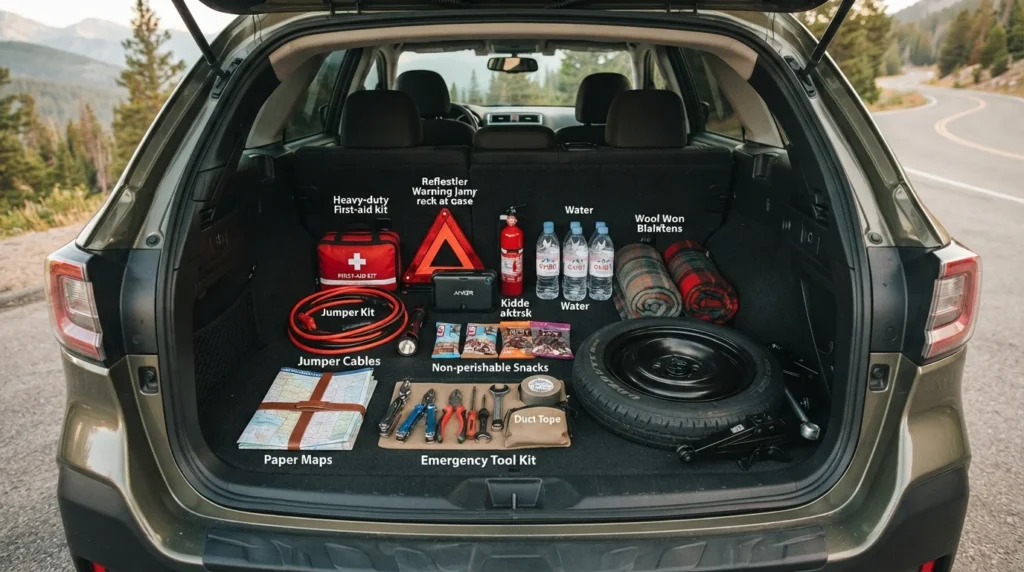
When it comes to a road trip safety checklist, packing essential safety items is just as crucial as maintaining your vehicle. The truth is, you never know when you might encounter an unexpected situation, and being prepared can make all the difference. For instance, a first-aid kit can help you respond to minor injuries, such as cuts or scrapes, and prevent more serious complications.
Most people miss the importance of packing a spare tire and jumper cables, but these can be lifesavers if you experience a flat tire or dead battery. According to the American Automobile Association (AAA), a spare tire can cost around $50 to $200, a fraction of the costs of being stranded on the side of the road. By packing these essential items, you can ensure a safe and enjoyable road trip experience, and focus on enjoying the top experiences and discovering hidden gems along the way.
Packing emergency supplies, such as non-perishable food, water, and a flashlight, can also help you navigate unexpected situations. For example, if you’re driving through a remote area with limited cell phone reception, a flashlight can provide a reliable source of light if you experience a breakdown at night. Additionally, having a supply of food and water can help you survive for an extended period if you’re stranded. When planning your road trip, consider the best time to visit your destinations, and pack accordingly, taking into account the potential risks and challenges of each season.
Furthermore, it’s essential to check the expiration dates of your safety items, such as the first-aid kit and fire extinguisher, to ensure they are still effective. A road trip safety checklist should also include a list of emergency contact numbers, such as your roadside assistance provider and local authorities. By packing these essential safety items and staying informed, you can minimize the risks associated with road travel and enjoy a safe and enjoyable journey, discovering hidden gems and creating unforgettable memories along the way.
Planning Your Route and Accommodations
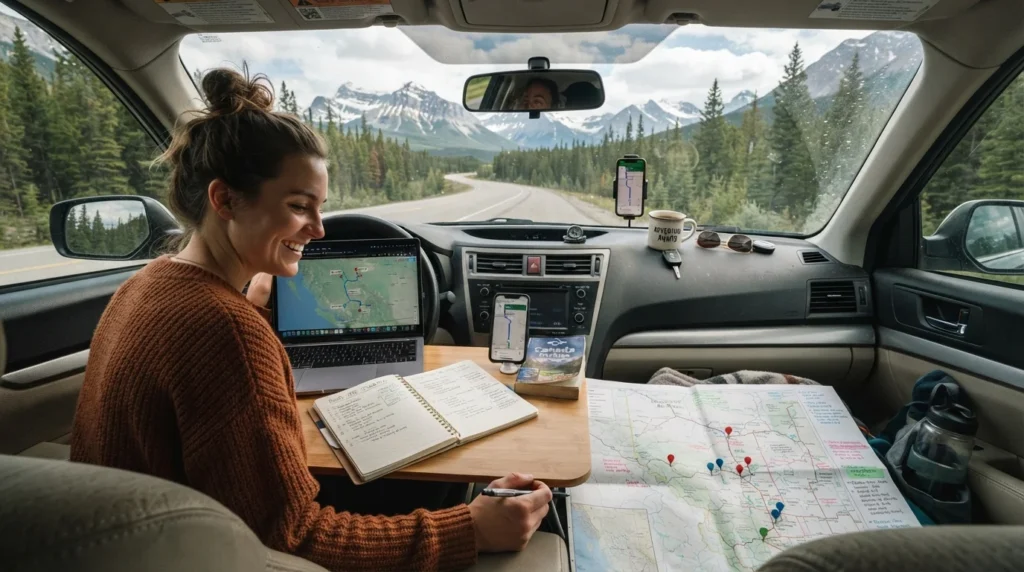
When it comes to planning the perfect road trip itinerary, choosing the best routes is crucial. Consider the time of year, weather conditions, and road closures to ensure a smooth journey. For instance, if you’re planning to drive through the Rocky Mountains, the best time to visit is during the summer months when the roads are clear of snow and ice.
Most people miss the opportunity to research hidden gems along their route, such as local eateries, scenic viewpoints, and national parks. The truth is, these off-the-beaten-path destinations can often be the most memorable experiences of your trip. For example, the Blue Ridge Parkway in North Carolina is a scenic route that offers stunning views of the surrounding mountains and valleys.
In addition to planning your route, booking safe and convenient accommodations is essential. Look for hotels or motels that have good reviews, are located in safe areas, and offer amenities such as free parking and Wi-Fi. Consider booking in advance, especially during peak travel seasons, to avoid high costs and limited availability. According to the American Automobile Association (AAA), the average cost of a hotel room in the United States is around $130 per night.
When researching top experiences along your route, consider activities such as hiking, visiting local landmarks, or taking a guided tour. For example, the Grand Canyon in Arizona is a must-see destination that offers breathtaking views and a range of outdoor activities. Be sure to also research any necessary permits or reservations required for these activities, such as a backcountry permit for hiking in a national park.
By taking the time to plan your route and accommodations, you can create a stress-free and enjoyable road trip experience. Look for deals and discounts on accommodations and activities, and consider using a travel rewards credit card to earn points or miles. With a little research and planning, you can have a fun and memorable road trip, discovering new hidden gems and creating unforgettable memories along the way.
Ultimately, a well-planned road trip itinerary can make all the difference in your overall experience. By considering factors such as traffic patterns, road conditions, and weather forecasts, you can avoid common pitfalls and stay safe on the road. Whether you’re driving across the country or just a few hours away, a little planning can go a long way in ensuring a safe and enjoyable road trip experience.
Common Mistakes to Avoid on a Road Trip
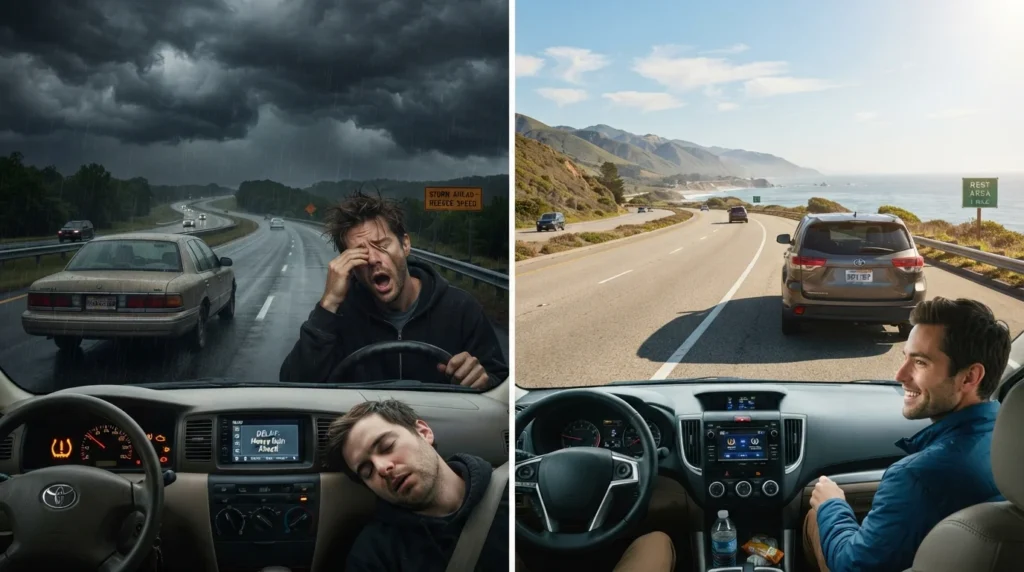
When it comes to road trip safety, there are several mistakes that can put a damper on your adventure. One of the most critical errors is failing to check the weather forecast before embarking on your journey. This is often overlooked, as many people assume that they can simply check the weather on their phones once they’re on the road. However, poor weather conditions can be a major hazard, and knowing what to expect can help you plan your route and prepare your vehicle accordingly. For example, if you’re planning to drive through the Rocky Mountains in the winter, you’ll want to make sure you have snow chains and a winter emergency kit in your car.
The truth is, many people make this mistake because they’re too caught up in the excitement of their trip to think about the potential risks. To avoid this, take a few minutes to research the best time to visit your destinations and check the weather forecast for each location. This will help you plan your itinerary and make any necessary adjustments to ensure a safe and enjoyable trip. For instance, if you’re planning to visit the Grand Canyon, you’ll want to avoid visiting during the peak summer months when heat exhaustion is a major concern.
Another mistake that road trippers often make is not informing someone of their itinerary. This can be a serious error, as it can make it difficult for authorities to locate you in the event of an emergency. Most people miss this crucial step because they don’t think it’s necessary, but it’s a simple way to ensure that someone knows where you are and when you’re expected to arrive. To fix this, make sure to leave a copy of your itinerary with a friend or family member, including your route, accommodations, and expected arrival times. For example, if you’re driving from New York to Los Angeles, you’ll want to let someone know that you’ll be stopping in Chicago and Denver along the way.
Neglecting to take regular breaks is another common mistake that can have serious consequences. When you’re driving for long periods of time, it’s easy to get fatigued, which can impair your reaction time and increase your risk of being involved in an accident. To avoid this, make sure to stop every few hours to stretch your legs, grab a snack, and rest your eyes. This will help you stay alert and focused on the road, reducing your risk of accidents and ensuring a safe and enjoyable road trip experience. Additionally, taking breaks can also give you the opportunity to explore hidden gems and experience top attractions along your route, making your trip even more memorable.
Pro Tips for a Safe and Enjoyable Road Trip
To make the most of your road trip adventure, it’s essential to stay alert and focused on the road. The truth is, most people miss the importance of staying hydrated and energized during long drives. For instance, drinking at least 8 cups of water per day can help prevent fatigue and reduce the risk of accidents.
When it comes to handling emergencies, having a basic toolkit in your vehicle can be a lifesaver. This should include items like a spare tire, jumper cables, and a first-aid kit. For example, if you experience a flat tire, having a spare tire can help you get back on the road quickly and safely, saving you around $100 in towing costs.
Most people overlook the value of talking to locals when it comes to finding the best local experiences and hidden gems. By striking up a conversation with a local, you can discover off-the-beaten-path destinations, such as the best time to visit popular attractions or the costs associated with visiting certain landmarks. For instance, visiting the Grand Canyon during the off-season (October to May) can save you up to 50% on accommodation costs.
Another insider tip is to use travel apps to find the best restaurants, hotels, and attractions along your route. Apps like Roadtrippers or TripAdvisor can provide you with real-time reviews and recommendations, helping you make the most of your road trip experience. According to a recent study, using travel apps can save you up to 30% on food and accommodation costs.
Lastly, being flexible is key to a successful road trip adventure. Don’t be afraid to take detours or change your plans if something unexpected comes up. By being open to new experiences and hidden gems, you can create a more memorable and enjoyable road trip experience, such as stumbling upon a local festival or concert, which can be a great way to immerse yourself in the local culture and create lifelong memories.
Frequently Asked Questions
When it comes to road trip safety, many travelers have questions about how to handle unexpected situations. One common question is: what to do in case of a medical emergency while on the road. The truth is, having a first aid kit and knowing basic first aid techniques can make a big difference in an emergency. For example, if someone experiences a severe allergic reaction, having an EpiPen on hand can be a lifesaver. According to the American Red Cross, having a first aid kit can reduce the risk of infection and promote healing.
What should I do if my vehicle breaks down on the side of the road?
If your vehicle breaks down, staying calm and following safety protocols is crucial. Move your vehicle to a safe location, such as a parking lot or a wide shoulder, and turn on your hazard lights to alert other drivers. Consider investing in a roadside emergency kit that includes items like jumper cables, flashlights, and reflective triangles. For instance, if you’re driving on a busy highway, it’s essential to have a cell phone signal booster to call for help.
How can I stay safe while driving at night?
Driving at night can be challenging, especially on unfamiliar roads. To stay safe, make sure your vehicle’s headlights and taillights are in good working condition, and consider investing in night vision glasses to reduce glare. Additionally, avoid driving when fatigued, as it can impair your reaction time and judgment. According to the National Highway Traffic Safety Administration, drowsy driving is a leading cause of accidents, so it’s essential to take regular breaks and get enough rest.
What are some essential safety items to pack for a road trip?
Packing essential safety items can make a big difference in case of an emergency. Some must-haves include a first aid kit, a fire extinguisher, and a spare tire. Consider investing in a portable charger for your phone and other devices, as well as a basic toolkit with pliers, screwdrivers, and wrenches. For example, if you’re driving in a remote area with limited cell phone reception, a two-way radio can be a lifesaver.
What’s the best time to visit popular road trip destinations to avoid crowds and reduce costs?
The best time to visit popular road trip destinations depends on the location and time of year. Generally, off-season travel can be a great way to avoid crowds and reduce costs. For instance, visiting Yellowstone National Park in the spring or fall can be a great way to avoid the summer crowds and enjoy lower prices on accommodations and activities. Most people miss the opportunity to explore hidden gems like local festivals and concerts, which can be a great way to experience the local culture and create lifelong memories.
Key Takeaways and Next Steps
To ensure a safe and enjoyable road trip, it’s essential to be well-prepared. By following a road trip safety checklist, you can minimize risks and focus on creating lifelong memories. For instance, 62% of road trips take place during the summer months, but considering off-season travel can be a great way to save on costs.
When preparing for your road trip, keep the following actionable tips in mind:
- Check your vehicle’s tire pressure and oil levels before embarking on your journey, as a well-maintained vehicle can reduce the risk of breakdowns by up to 30%.
- Pack essential safety items, such as a first-aid kit, spare tire, and jumper cables, to ensure you’re prepared for any situation.
- Plan your route and accommodations in advance, taking into account road closures and weather conditions to avoid any unexpected delays.
- Budget for costs such as fuel, food, and lodging, and consider hidden gems like local festivals and concerts to experience the local culture.
- Research the best time to visit popular destinations, such as national parks or beach towns, to avoid crowds and make the most of your trip.
- Consider top experiences, such as hiking or scenic drives, and prioritize them in your itinerary to create unforgettable memories.
The truth is, a well-planned road trip can be a life-changing experience, allowing you to connect with nature, explore new places, and spend quality time with loved ones. Most people miss the opportunity to save and share their road trip plans with friends and family, but by doing so, you can get valuable feedback and advice to make your trip even more enjoyable.
As you embark on your road trip adventure, remember to stay flexible and open-minded, and don’t be afraid to try new things and take spontaneous detours. With a little planning and preparation, you can create a safe and enjoyable road trip experience that you’ll cherish for years to come. Save and share this ultimate road trip safety checklist on Pinterest to ensure you’re always prepared for your next adventure, and get ready to hit the road with confidence and excitement!
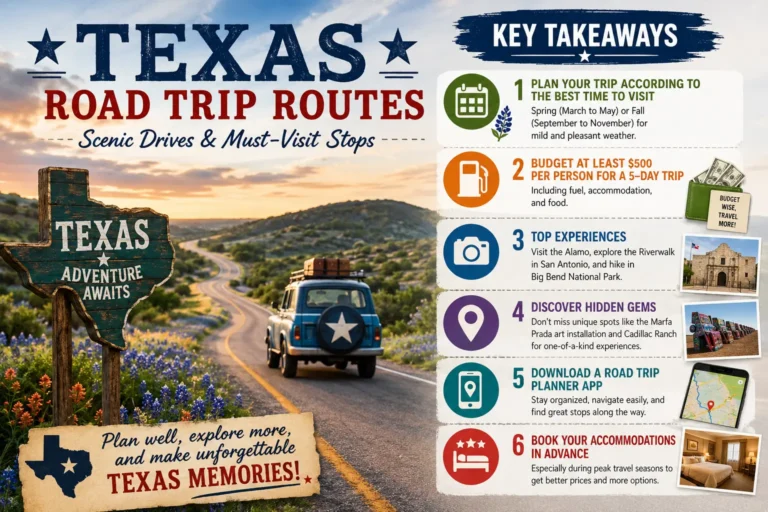
Read More : Best Texas Road Trip Routes: Scenic Drives & Must-Visit Stops