17 Swiss Alps Travel Tips for a Scenic Adventure
Introduction
Peaks above 4,000 metres, green alpine meadows and villages linked by clockwork trains make the Swiss Alps feel like a moving postcard. This swiss alps travel guide helps US leisure travelers plan 3, 5, or 7 day trips with clear itineraries and transit times.
You’ll get practical advice on the best time to visit, seasonal packing, and realistic budgets from budget to midrange to splurge. Expect to see sample daily costs and when a Swiss Pass actually saves money.
The guide covers transport options like the Glacier Express, Gornergrat Railway, and local cable car links between Zermatt, Jungfrau and Interlaken. It also lists easy hikes, family-friendly stops in Lucerne and Lake Geneva, and gear tips like sturdy hiking boots and layering for changing mountain weather.
Best time to visit
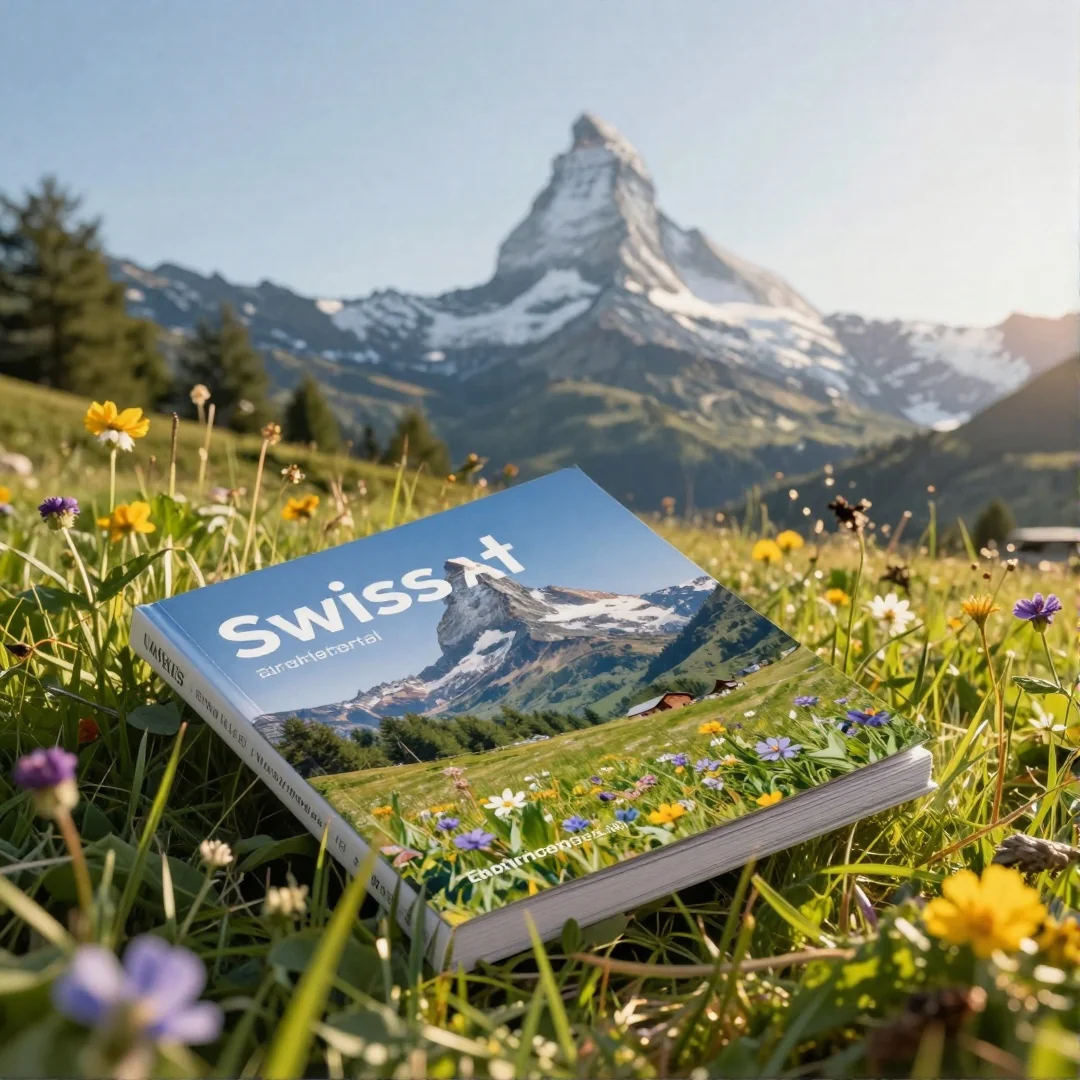
You picture standing in an alpine meadow with a view of the Matterhorn and need to pick dates that match that image.
- June to September: wildflowers peak, many cable car routes open, and July often gives the clearest snowline around 3,000 m for sharp photos.
- December to March: prime skiing season in Zermatt, Jungfrau and Interlaken with reliable snow and busy resorts.
Expect daytime temps of 10 to 20°C in summer and below 0°C on high trails in winter, with the best golden-hour light on alpine meadow mornings and low crowds in late June or early September.
This swiss alps travel guide assumes you’ll plan 3 to 10 day itineraries using trains like the Glacier Express and a Swiss Pass for easier transfers.
Swiss Alps itinerary
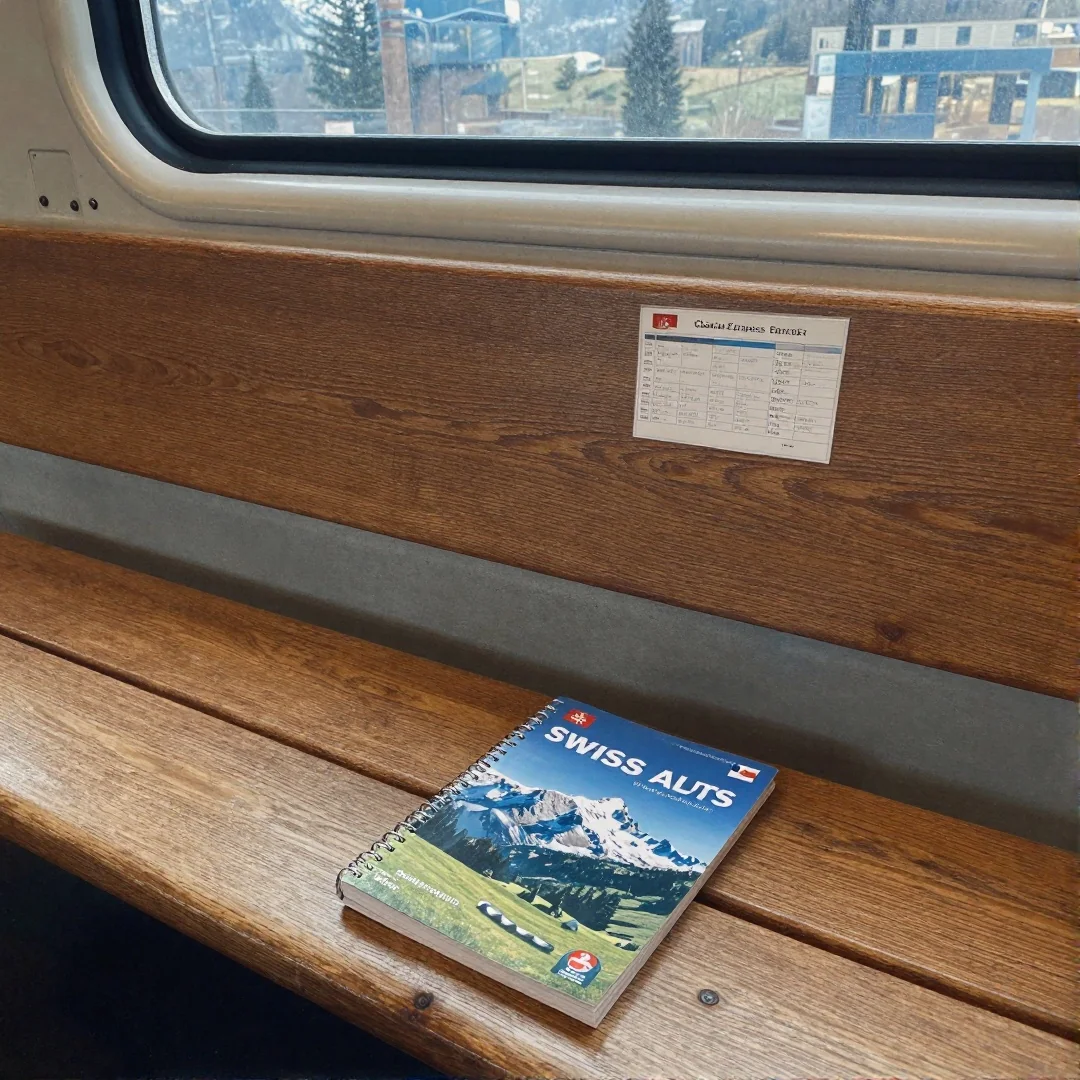
Looking for a clear plan for a scenic trip? This swiss alps travel guide helps you pick a three-day, five-day or seven-day route based on pace and photography goals.
Choose a three-day loop if you want highlights only: base in Zermatt for Matterhorn sunrise shots and ride the Gornergrat Railway to cut travel time. A five-day trip adds the Jungfrau area for alpine meadow views and easy day hikes. A seven-day trip lets you weave in Lucerne and Interlaken for lake views and cable car ridgelines.
- Key hubs: Zermatt, Jungfrau, Lucerne, Interlaken.
- Typical transit: Zermatt to Interlaken via Glacier Express or trains can take about 2.5 hours.
- Bring hiking boots, a Swiss Pass for savings, and plan mountain hut nights if you want golden-hour shots.
3-day itinerary
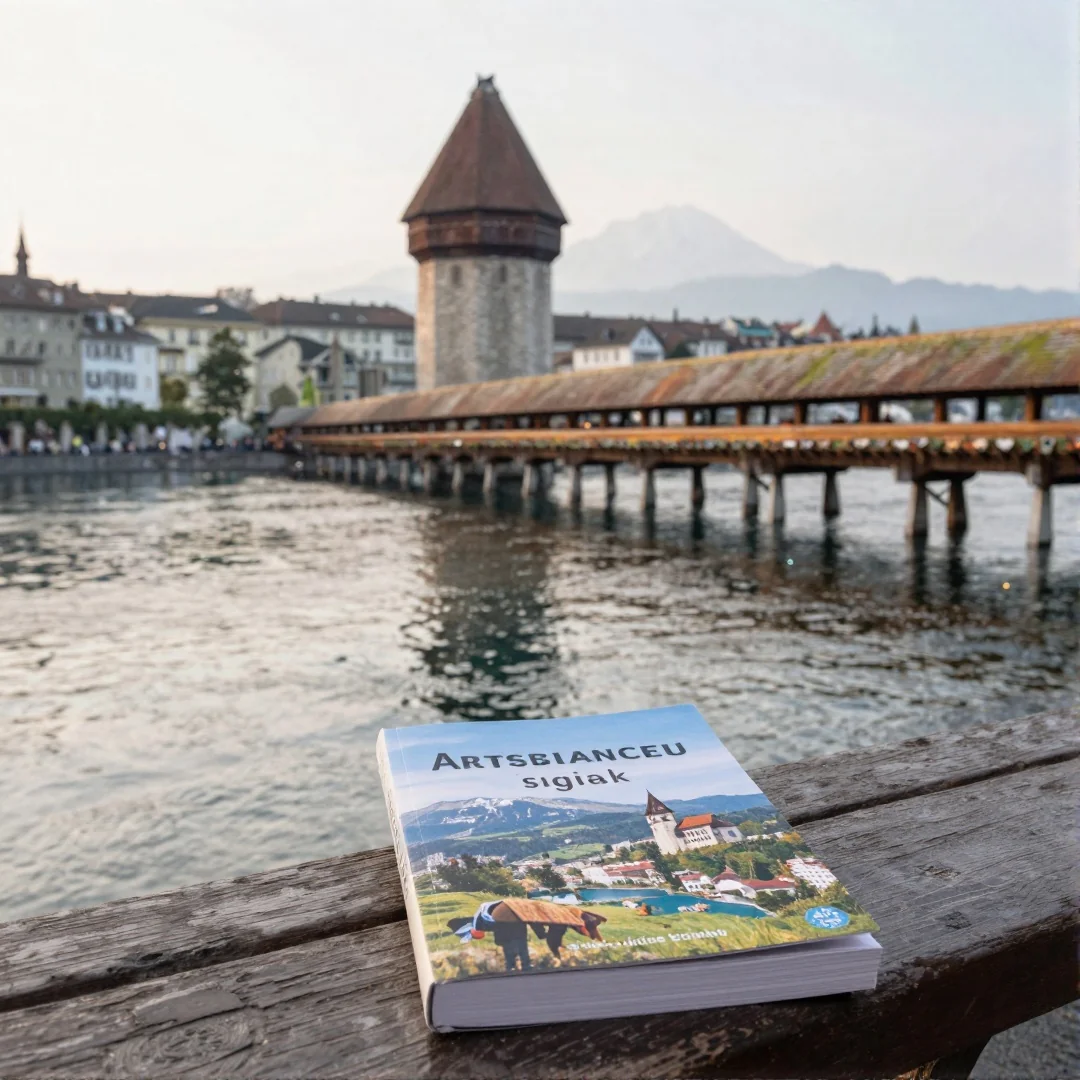
Myth: you need a week to see the highlights. Reality: a clear 3-day Swiss Alps plan shows you can get stunning views, trains and an easy hike without rushing.
- Day 1: Lucerne to Interlaken by train , scenic ride about 2 hours, change in Meiringen; buy a Swiss Pass if you plan more mountain railways.
- Day 2: Jungfrau day trip , take the Jungfrau Railway, easy berggasthaus lunch, short 5 km alpine meadow hike near Kleine Scheidegg for photos and wildlife.
- Day 3: Transfer to Zermatt via Glacier Express leg , book the Glacier Express segment to Visp then connect to Zermatt; cap the day with a Gornergrat Railway sunset view of the Matterhorn.
- Pack hiking boots, layers and a camera; expect train transfers of 1.5 to 3 hours between hubs.
5-day itinerary
I loved how a 5-day loop felt relaxed but packed with views on my first trip.
- Day 1 Zurich to Lucerne: stroll Chapel Bridge and prep for mountain days.
- Day 2 Mt. Pilatus or Rigi: take the cable car or cogwheel, easy hikes, alpine meadow photos.
- Day 3 Interlaken: lakes, short hikes, and a night near the Jungfrau region.
- Day 4 Jungfrau: book Jungfraujoch tickets early for peak views and snowline access.
- Day 5 Zermatt: train to see the Matterhorn and ride the Gornergrat Railway (about 33 minutes).
Use the Swiss Pass for most trains and discounts; book Gornergrat, Jungfraujoch, and Glacier Express seats in advance.
7-day itinerary
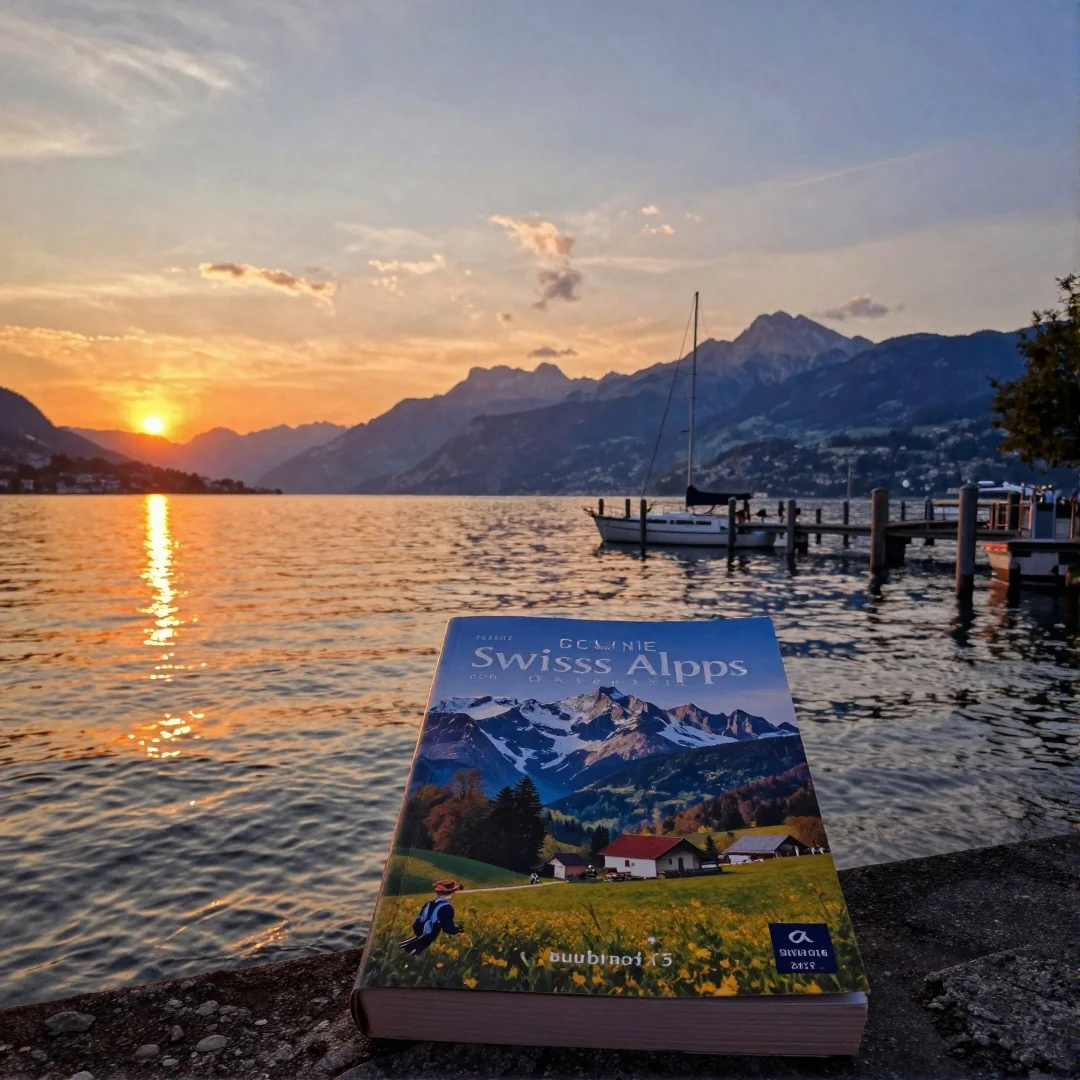
Tip: Buy a Swiss Pass if you plan several mountain railways and trains, it usually saves money and time.
- Day 1 Lucerne arrival, 1 hour to city centre, stroll Chapel Bridge, overnight hotel.
- Day 2 Lucerne to Interlaken by train, 2 hours; afternoon lakefront photos and cable car ride.
- Day 3 Day trip to Jungfrau Region, 2.5 hours round trip from Interlaken; easy hikes, bring hiking boots.
- Day 4 Rest day in alpine meadow or berggasthaus near Interlaken to recover and photograph wildflowers.
- Day 5 Interlaken to Gornergrat via Visp, 3 hours total including Gornergrat Railway; summit views of Matterhorn.
- Day 6 Gornergrat to Zermatt short transfer, explore village and Matterhorn viewpoints.
- Day 7 Optional Glacier Express leg or return via train; or spend a night in a mountain hut (berggasthaus) for ~CHF 40, 120 per person.
This Swiss Alps itinerary balances trains, cable cars and walking with realistic transit times and an overnight mountain hut option for authentic alpine sleep.
10-day itinerary
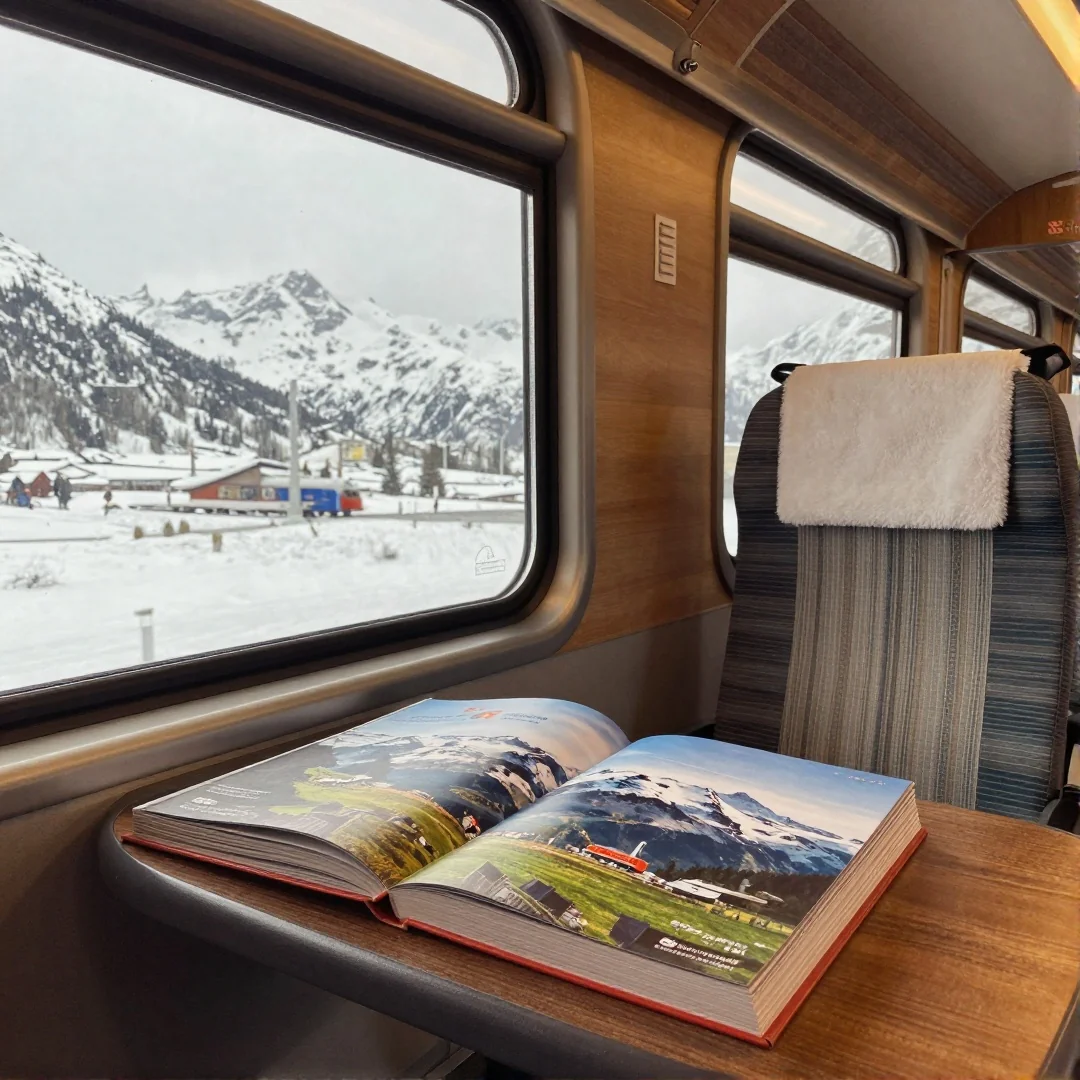
Summer is the best time for alpine meadows and clear cable car views, and this 10-day plan balances trains and hikes. Use a Swiss Pass for most transfers.
Day 1 Lucerne. Day 2 Interlaken and short Jungfrau viewpoint trip. Space travel so no back-to-back long transfers.
Day 3 Glacier Express segment to Zermatt, reserve seats on the famous train; it saves transit stress.
Days 4, 5 Zermatt base with Gornergrat Railway and extra hikes near the Matterhorn, include a 2, 3 hour alpine meadow walk.
Days 6, 7 Chillon Castle and Lake Geneva shore, stay in Montreux for sunset photos.
Days 8, 10 Return via Bernese Oberland, extra berggasthaus days, then a relaxed Lucerne departure. This swiss alps travel guide spaces transfers so you avoid long days back-to-back.
How to get around
Trains often cost less than driving once you add fuel and parking; a mountain town parking fee is about CHF 20 per day while a Swiss Pass can save you on long rail legs.
- Rail first: Use SBB for intercity legs, book Glacier Express or regional routes to connect Lucerne, Interlaken and Zermatt, then take cable car or rack railways like Gornergrat Railway up to viewpoints near the Matterhorn and Jungfrau.
- Rent a car: Choose a hire car for remote alpine valleys or flexible scenic drives, especially for family trips, but expect parking and narrow mountain roads; car hire works best for multi-day scenic drives and berggasthaus stays.
Swiss Pass benefits
Surprising fact: a 3-day Swiss Pass costs about CHF 232 and can save you hundreds if you hop between valleys.
The pass covers most trains, boats and buses on Swiss Alps train routes so a Lucerne to Interlaken day plus a Glacier Express leg often outweighs single fares.
- 3, 5, 8 day math: if three mountain trips cost CHF 210, CHF 95 and CHF 75, that totals CHF 380 so a 5 or 8 day pass pays off for a 3 to 5 day itinerary.
- Mountain tickets: Gornergrat Railway in Zermatt is usually included, while Jungfrau and some summit cable car tickets to Jungfraujoch or Matterhorn Glacier Paradise still need separate fares or partial discounts.
Glacier Express
You’re on a train watching alpine meadows flip by and you want the best views without rushing. The full Glacier Express runs St. Moritz to Zermatt in about 7.5 hours, but most travelers pick 1-day segments like St. Moritz to Chur (3 hours) or Andermatt to Zermatt (4 hours) to fit a Swiss Alps itinerary and stop for a cable car, a berggasthaus lunch, or a short hike near the Matterhorn.
- Booking tips: Reserve seats early, especially July and August; reservation fees are about 33 CHF and sometimes free with a Swiss Pass for specific dates.
- Carriage choice: Pick a panoramic carriage for ceiling windows and daytime light; daytime departures show Jungfrau and Gornergrat views best for photography.
Zermatt
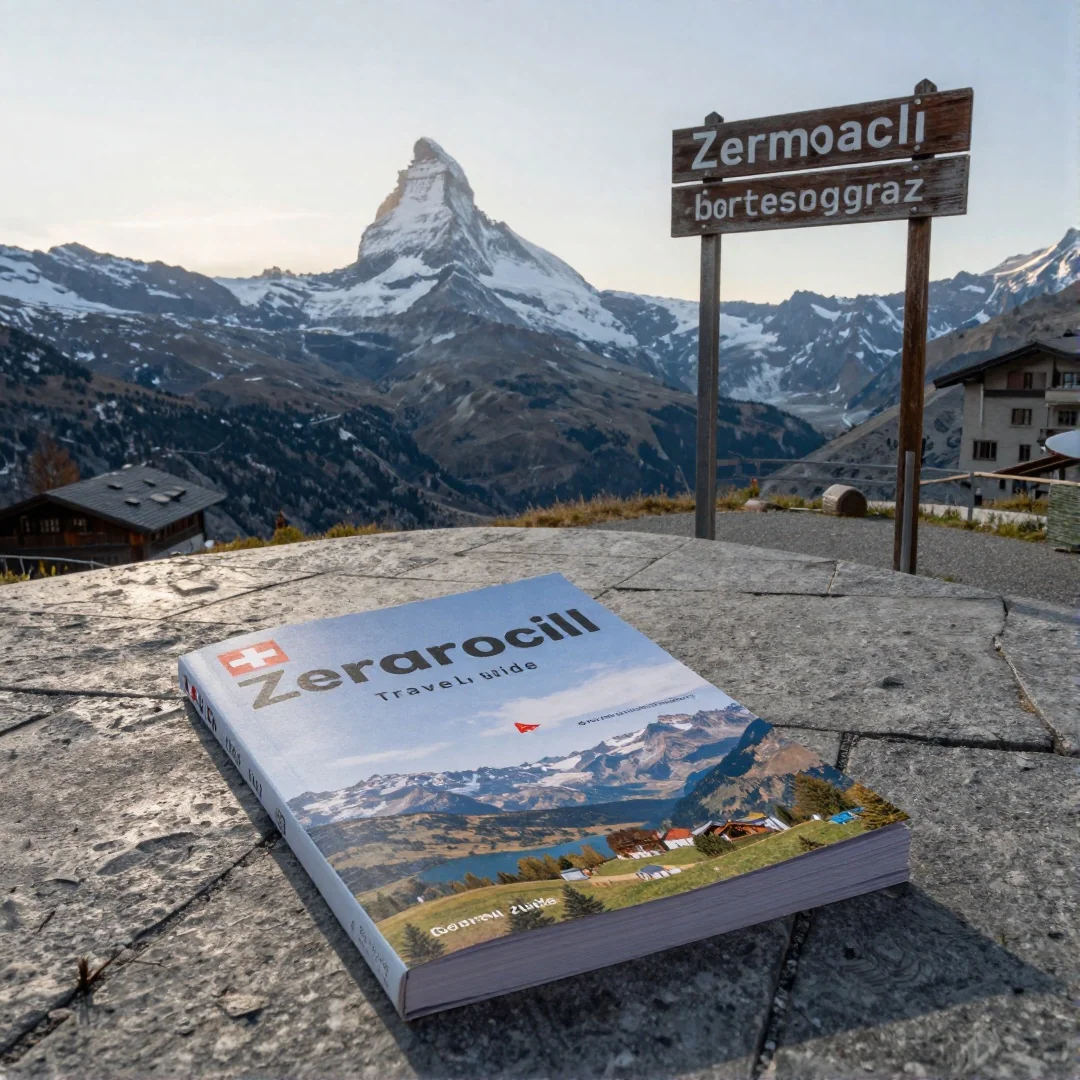
Want sunrise Matterhorn shots? Head to the Matterhorn viewpoints and catch the Gornergrat Railway early; the ride is about 33 minutes and booking the 06:00 ascent in summer gives soft light and empty trails for photos.
Remember Zermatt is a car-free village, so expect no taxis inside town and plan for luggage transfers or electric shuttles from the station; chalets often start from CHF 250/night, so budget that into a Swiss Pass or Swiss Alps travel guide itinerary.
Bring hiking boots and a light jacket for alpine meadow climbs, and use the cable car for higher viewpoints if you want an easier family-friendly option.
Jungfrau
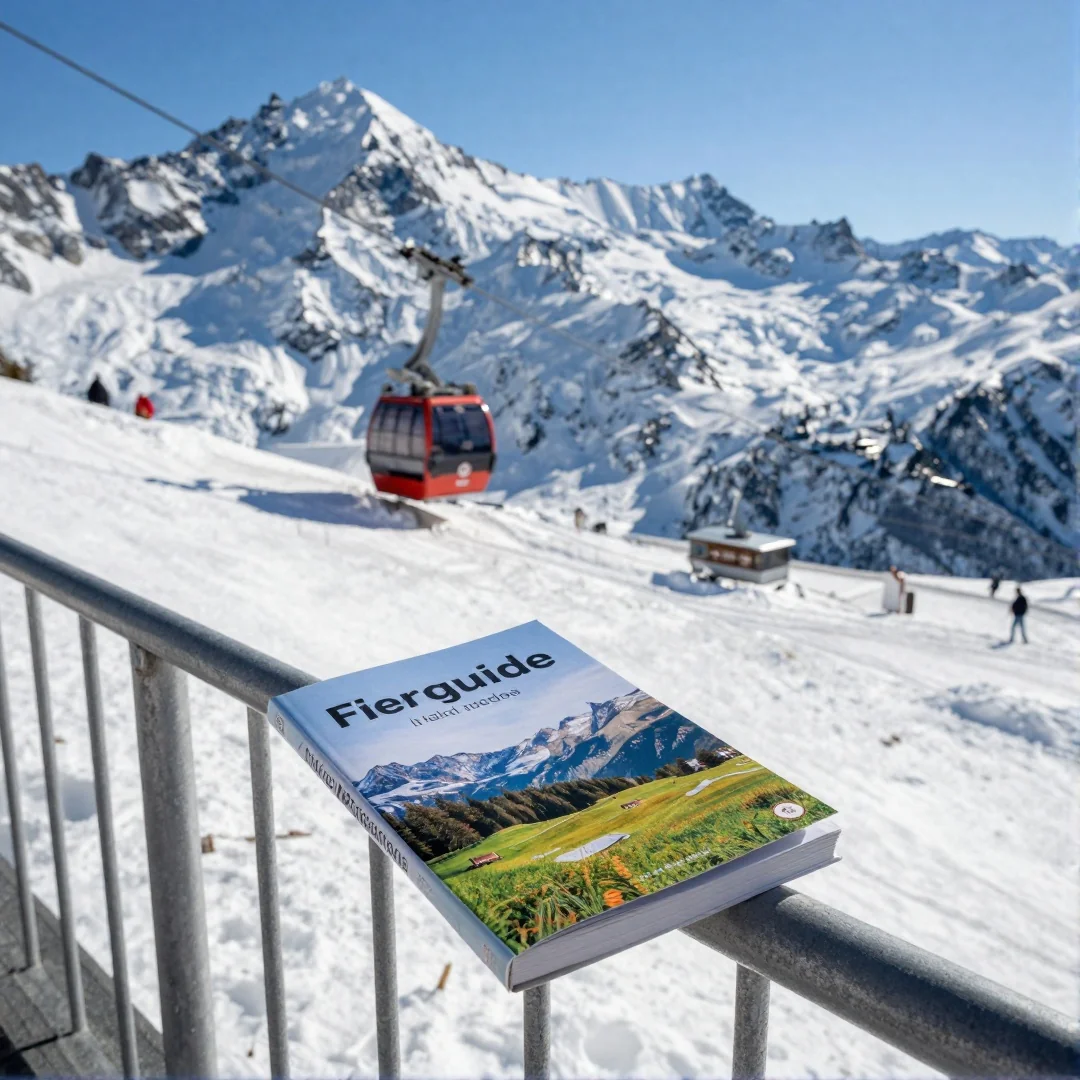
Myth: Jungfrau is only for expert hikers. Reality: much of the region is reachable by train and cable car, so you can enjoy the views without a long climb.
- Top viewpoints: Jungfraujoch reaches 3,454 m via the Jungfrau Railway and offers an easy high-alpine station visit with short ramps and viewing platforms; Kleine Scheidegg sits at 2,061 m and is a flat, photo-ready saddle with mild walking routes and clear difficulty notes for each trail.
- Family access: take easy train routes from Interlaken or use the Grindelwald First cable car base, which has stroller-friendly zones, benches, and gentle alpine meadows ideal for kids; bring hiking boots for older kids and a Swiss Pass for simpler transfers.
Gornergrat Railway
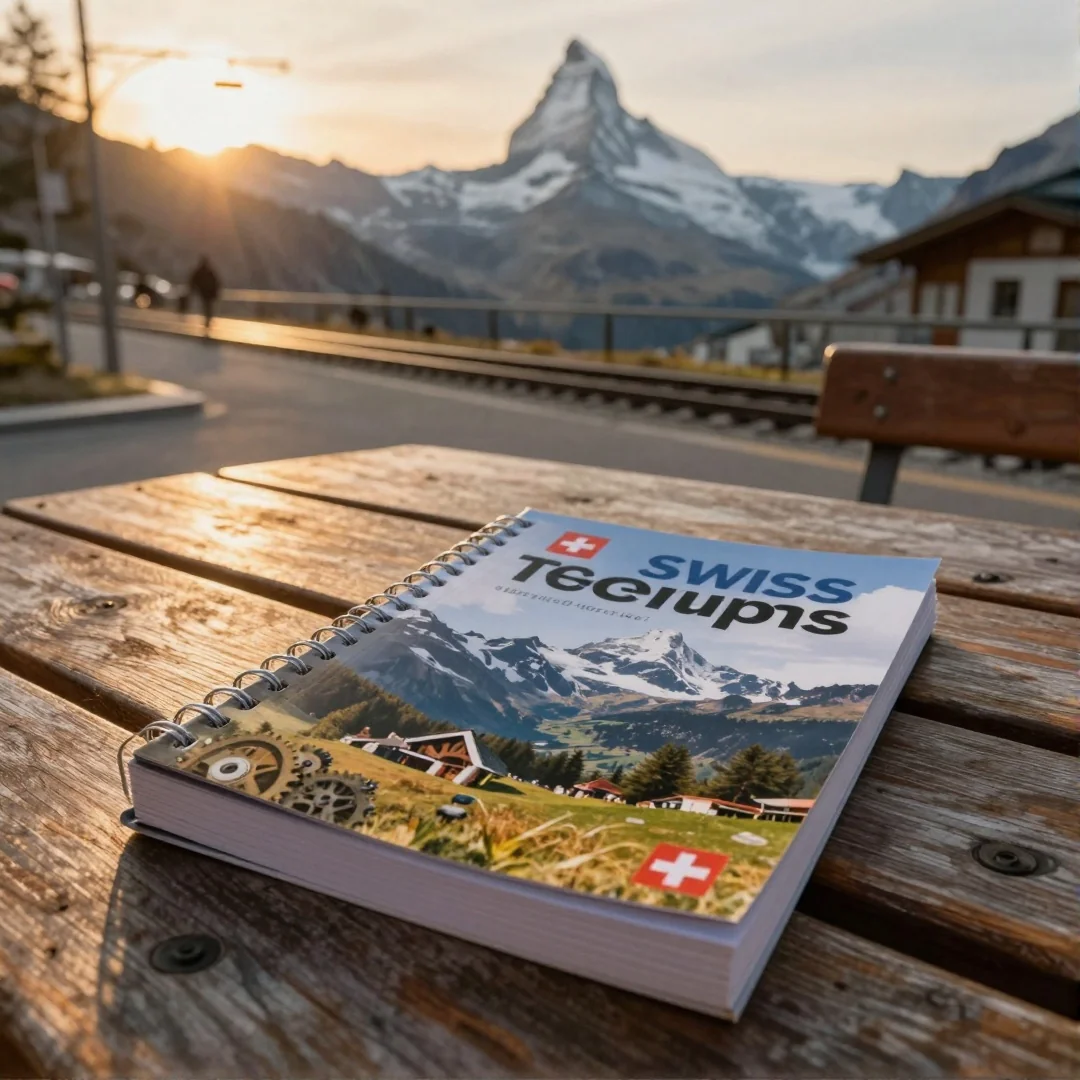
I still get a little thrill riding the cogwheel up to Gornergrat for the first clear view of the Matterhorn.
Ride at sunrise or late afternoon for the best Matterhorn photo angles; the summit sits at 3,089 m and light is softer for 45 minutes around golden hour.
Buy point-to-point tickets or use a Swiss Pass for savings on the return; some regional passes cut costs more than single fares on busy days.
If you have only 1 hour, walk to the main viewpoint for quick photos; a half-day visit lets you hike a short trail, visit a berggasthaus, and catch multiple outlooks.
Swiss Alps hiking tips
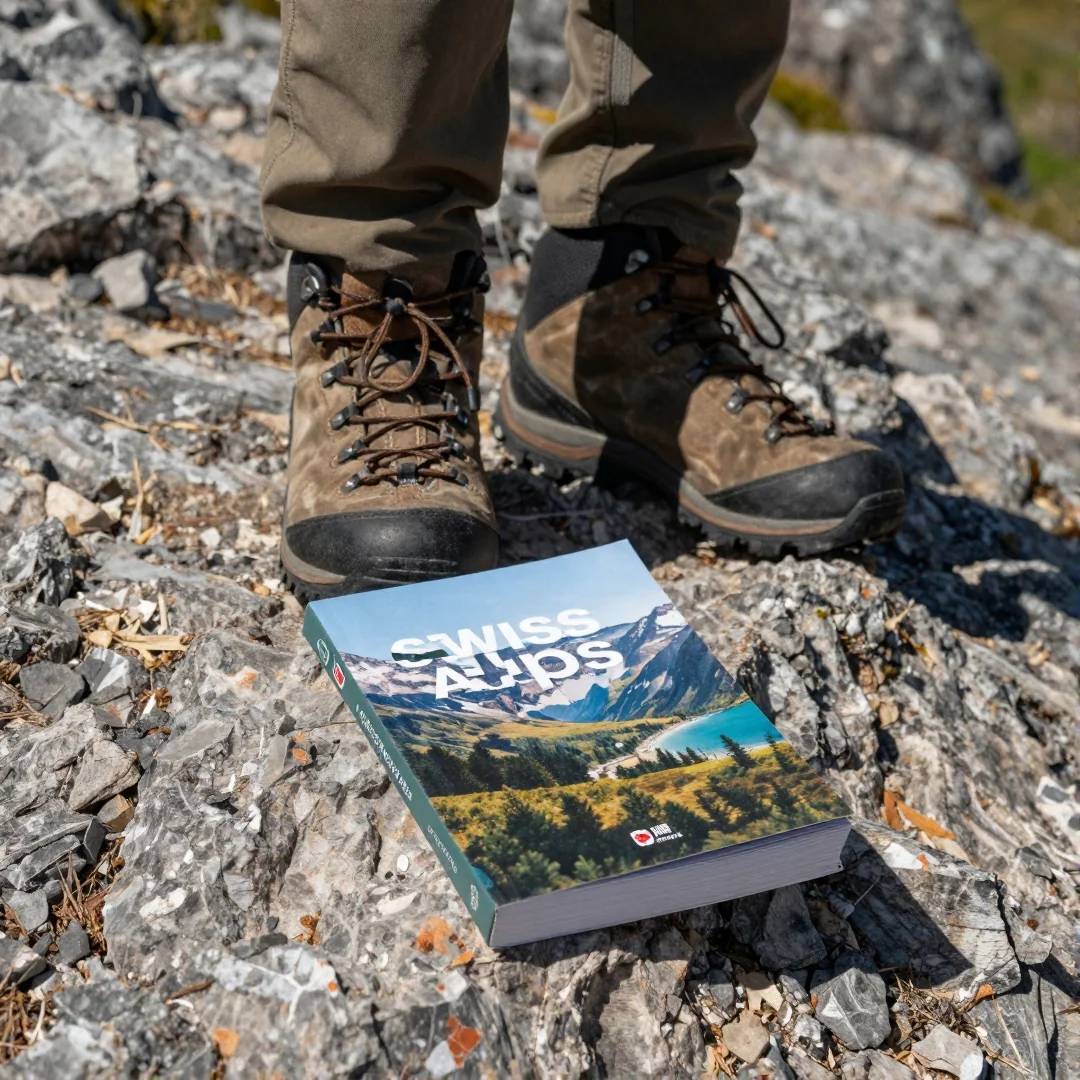
Quick tip: pack 3 layers and test your boots on pavement before arrival.
- Layering: base, insulating fleece, and a waterproof shell work for day hikes from Interlaken to Jungfrau; bring one pair of gaiters for muddy trails.
- Footwear: bring midweight hiking boots with ankle support and a broken-in sole for rocky routes near Zermatt and the Matterhorn.
- Use the Swiss Pass and book a cable car or Gornergrat Railway segment for high viewpoints to shorten steep climbs.
- Safety: track altitude change per day, carry sun protection, water, and basic altitude meds; consider mountain huts for overnight rest.
What to pack
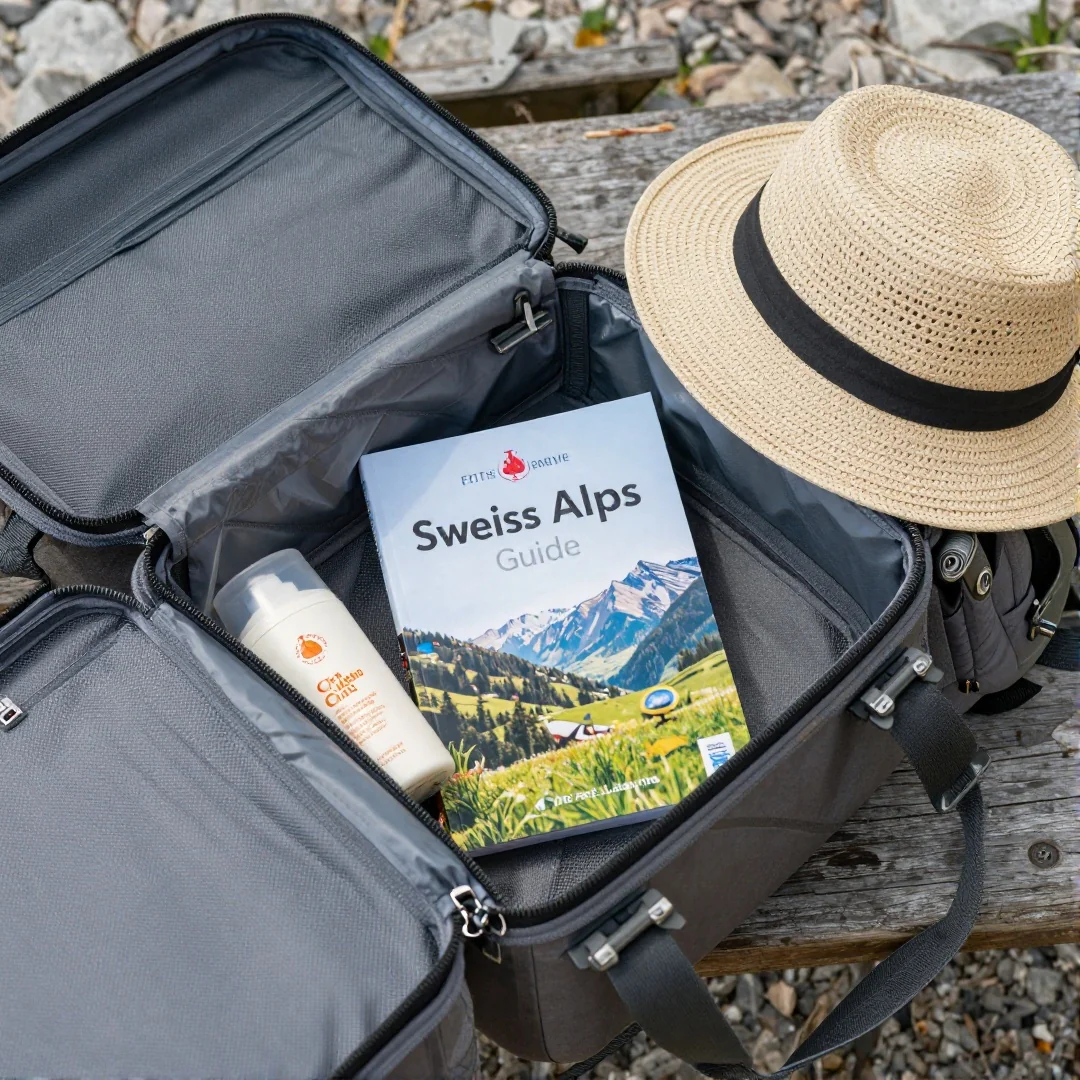
Plan by season: for summer bring light layers and sun protection; for winter pack heavy technical gear for snow and ice. This swiss alps travel guide focuses on practical, weather-smart choices for Zermatt, Jungfrau and Interlaken.
- Summer layering: 5 thin layers, a sunhat, SPF 50, and a light thermal for evenings on alpine meadow hikes or cable car rides to Gornergrat Railway.
- Winter pack: crampons, a heavy parka rated to -20°C, insulated gloves, and microspikes for icy paths near the Matterhorn or Glacier Express routes.
- Footwear: bring waterproof hiking boots, buy them a half size up to allow for swollen feet at altitude; 1 pair for hikes and town use like Lucerne or Lake Geneva shore walks.
Mountain weather safety
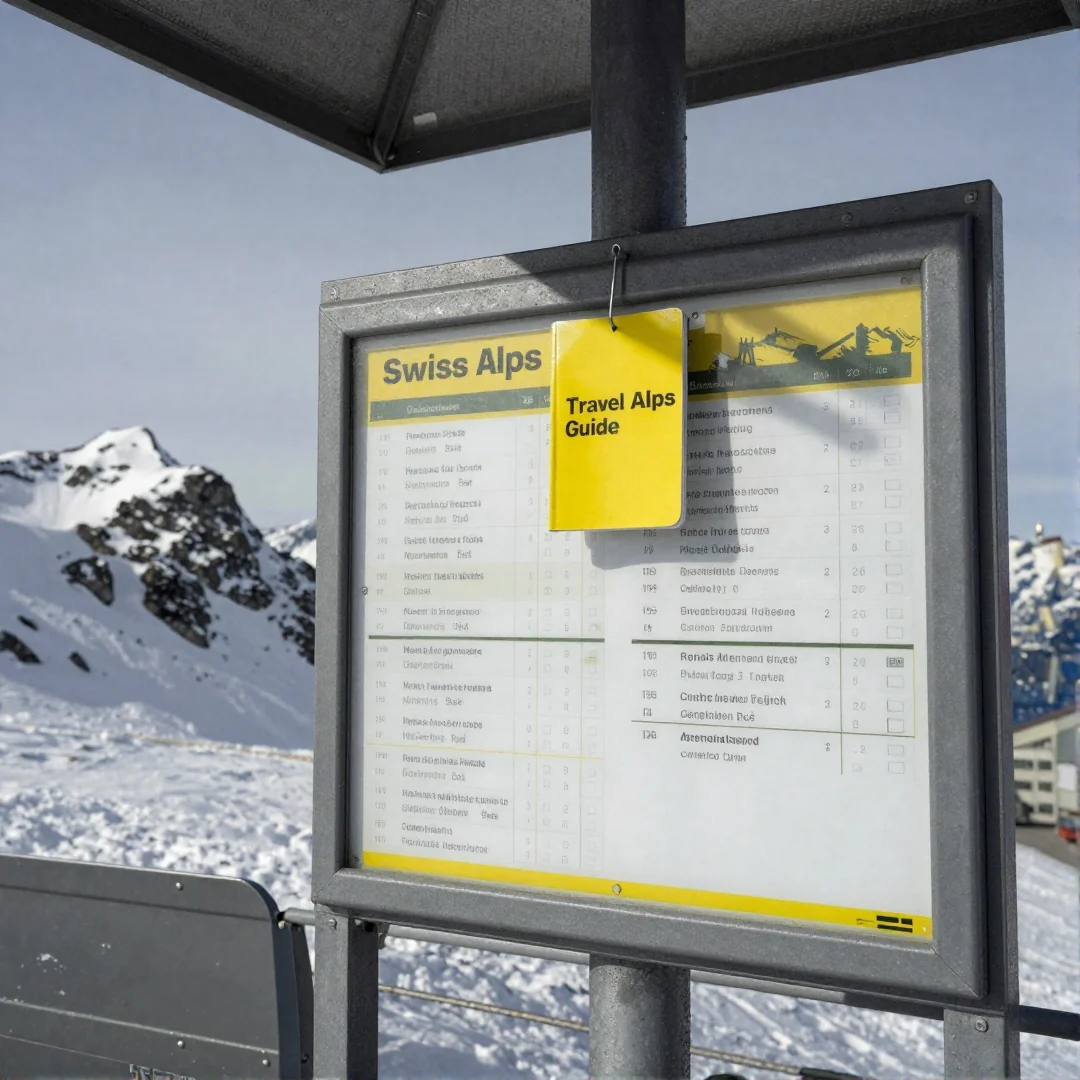
A Jungfrau cable car ticket can be about CHF 60 compared with a regional lift at CHF 25, so plan costs and check forecasts first. This swiss alps travel guide tip matters because weather changes fast above the snowline.
- Always check local post office or cable car desk forecast before hikes, especially in Zermatt or Interlaken where microclimates shift quickly.
- Trail etiquette: stick to marked paths, yield to uphill hikers, and keep dogs leashed near alpine meadows.
- Watch for altitude sickness signs: headache, nausea, dizziness; rest and descend if symptoms worsen.
- Carry a charged phone and dial 112 in an emergency. Turn back if clouds roll in, visibility drops below 50 m, or storms start.
Family-friendly activities
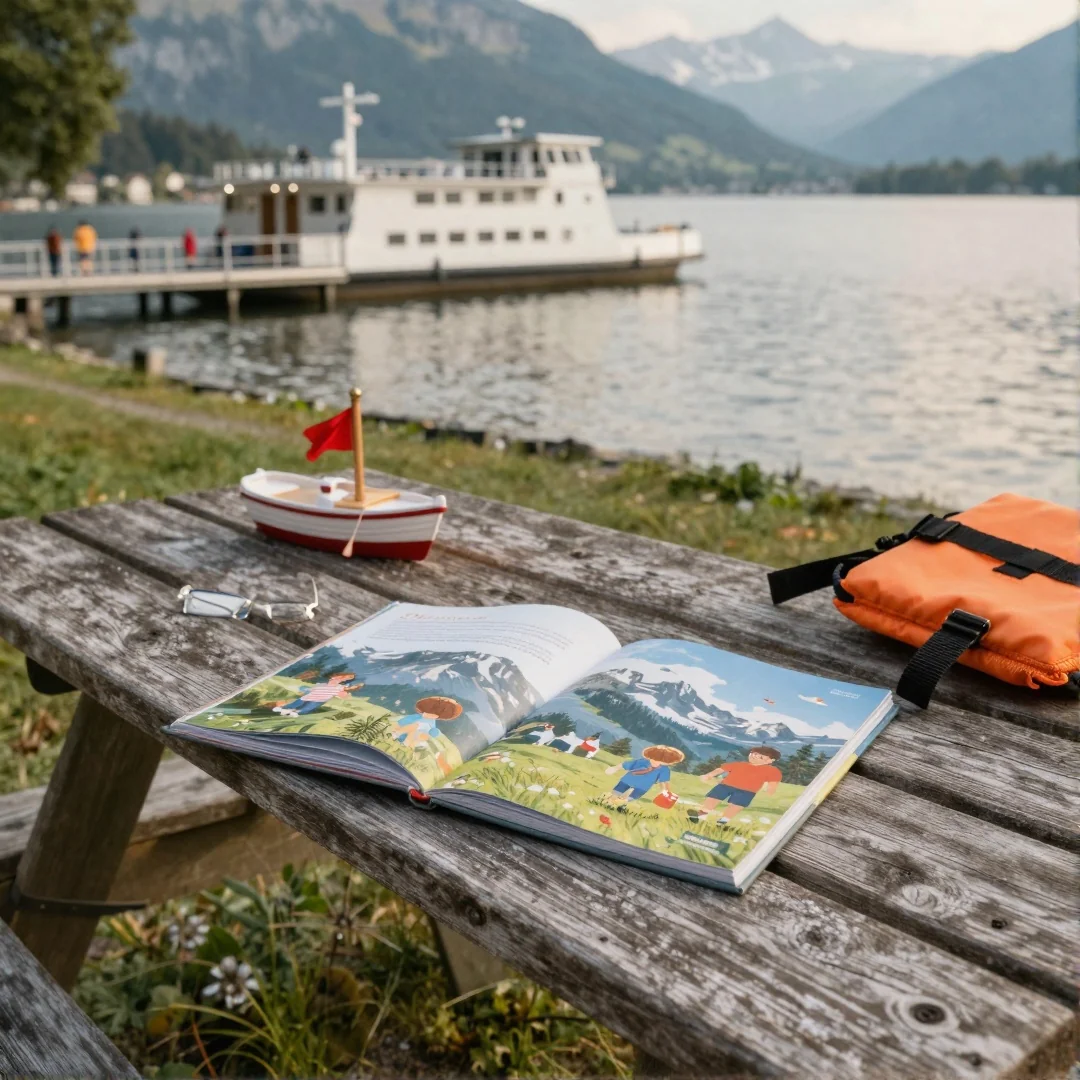
Gornergrat Railway climbs about 1,469 m in 30 minutes, which makes it a short, scenic ride kids handle well.
For calmer days take a boat on Lake Geneva; ferries around Montreux start near CHF 10 for short hops and are stroller-friendly.
Pick easy alpine meadows around Interlaken or Lucerne for 1 to 3 km strolls where kids can run and spot cows.
- Accessibility: major stations on the Glacier Express and Swiss Pass routes are usually stroller-friendly.
- Berggasthaus warning: some mountain huts near the snowline have steep paths and may not accept small children or strollers.
This swiss alps travel guide focuses on safe, low-altitude options like Jungfrau viewpoints and Zermatt valley walks for families.
Budget expectations
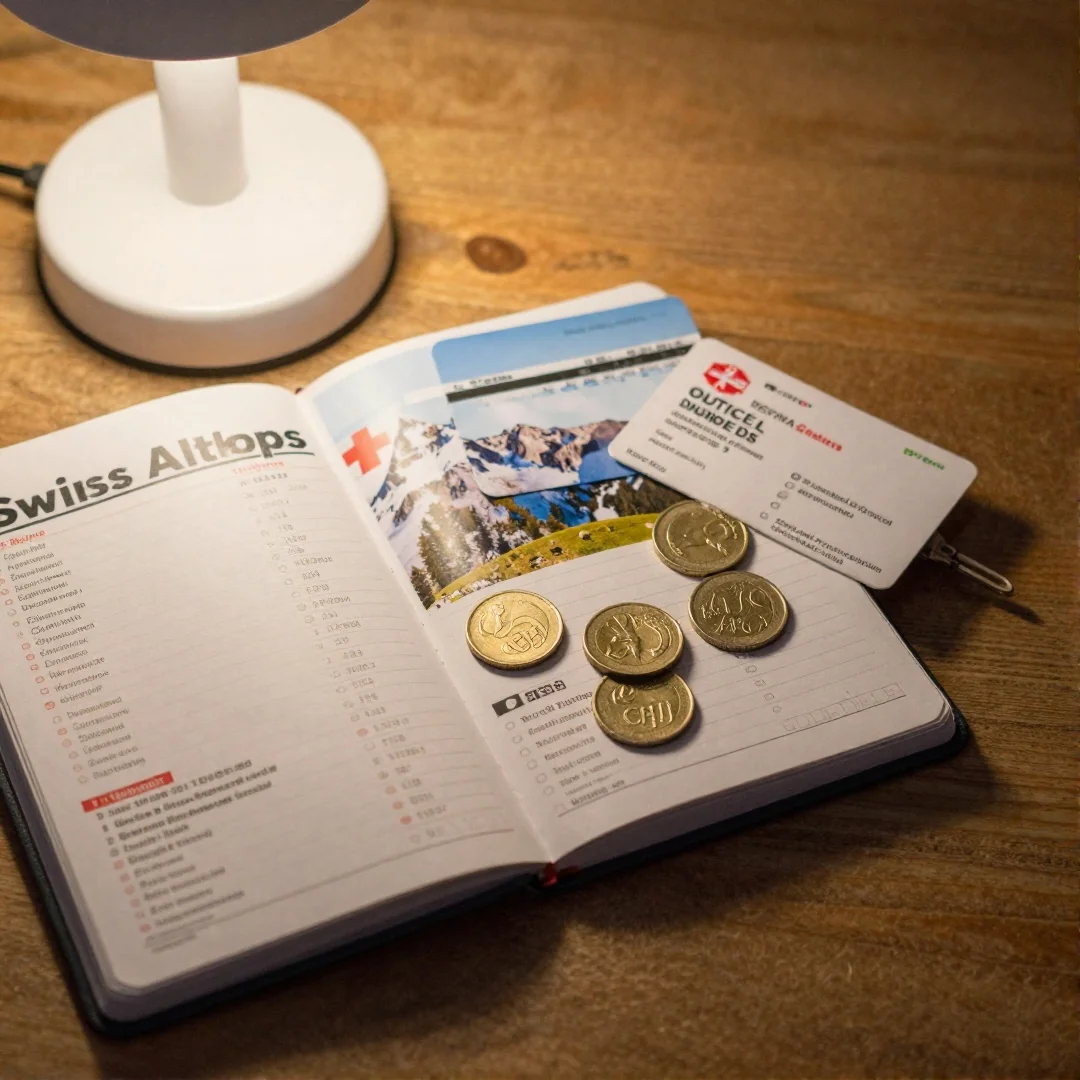
Imagine arriving in Interlaken after a Glacier Express day, hungry and wondering how much to budget per day for Zermatt or Jungfrau views.
Daily sample budgets: Budget CHF 90, midrange CHF 220, splurge CHF 450 per person per day. Budget covers hostel dorm, groceries and regional bus fares; midrange includes private room and some cable car rides; splurge adds fine dining and guided tours.
For another perspective, this detailed piece on Swiss Alps is worth a read.
- Where to save: cook in a hostel kitchen or berggasthaus for about CHF 15 a meal instead of eating out.
- Swiss Pass day choices: buy day travel when using trains and Gornergrat Railway, skip on short stays.
- Hostel trade-off: dorms from CHF 30, private rooms CHF 80 plus , privacy vs price.
FAQ
How many days do I need for a scenic trip?
3 days works for a quick loop: base in Lucerne or Interlaken, do a day to Jungfrau or Gornergrat Railway and a short alpine meadow hike. 5 days lets you add Zermatt and a Matterhorn viewpoint plus a Glacier Express day; expect a couple of 2-hour train hops. 7 days gives time for relaxed travel between Lucerne, Interlaken, Zermatt and Lake Geneva with two easy mountain hut visits and one full scenic drive.
What is the best month to visit, summer or winter?
Summer (June to September) is best for alpine meadows, hiking and clear Lake Geneva views, while winter (December to March) is for skiing and snowy Matterhorn photos. Pack layers, hiking boots for summer and insulated boots plus goggles for winter; bring sunscreen and a sun hat even above 2,000 m.
How should I get around and is a Swiss Pass worth it?
Trains, cable car and short car hires cover most routes; book the Gornergrat Railway and Glacier Express in advance. A 3-day Swiss Pass can save money if you plan two mountain railways and several regional trains, but check prices against point-to-point tickets first.
What should I pack for safety and comfort?
Bring sturdy hiking boots, layered clothing, sun protection and a small first-aid kit with altitude meds if you go above 3,000 m. Also pack a compact rain shell and a refillable water bottle to reduce waste.
Are the Alps family friendly and any altitude warnings?
The region is family friendly with stroller-accessible spots in Interlaken and cable car rides to berggasthaus restaurants, but avoid rapid climbs for kids and older travelers; acclimatise slowly and watch for mild altitude symptoms.
You might also like: 19 Incredible Day Trips from Lake Como You’ll Love
Key Takeaways
Myth: you need weeks to enjoy the Alps. Reality: a smart plan gives huge views in 3, 5 or 7 days, which I outline in this swiss alps travel guide.
- Practical checklist: best months are June to September for alpine meadows and December to March for snow; pack sturdy hiking boots, layered clothing and sunscreen.
- 3/5/7 day plans: 3 days: Lucerne and Interlaken; 5 days: add Jungfrau region and a Glacier Express segment; 7 days: include Zermatt and Gornergrat Railway.
- Top photo hubs: Matterhorn at sunrise in Zermatt, Lauterbrunnen valley near Jungfrau, and Lake Geneva at golden hour; aim to shoot between 6 and 9 am for soft light.
- When to buy a Swiss Pass: get a 3 or 8 day pass if you plan multiple mountain railways and intercity trains; sample price about CHF 232 for 3 days can save money vs single tickets.
- Final safety and packing reminders: watch weather above the snowline, carry a basic first aid kit and a map, and check cable car times before hiking.
- Money tip I use: book one long scenic train like Glacier Express and use regional passes for the rest to cut costs.
Save this to Pinterest for quick trip planning.