A Weekend in Great Smoky Mountains National Park: The Perfect 2-Day Itinerary
# A Weekend in Great Smoky Mountains National Park: The Perfect 2-Day Itinerary
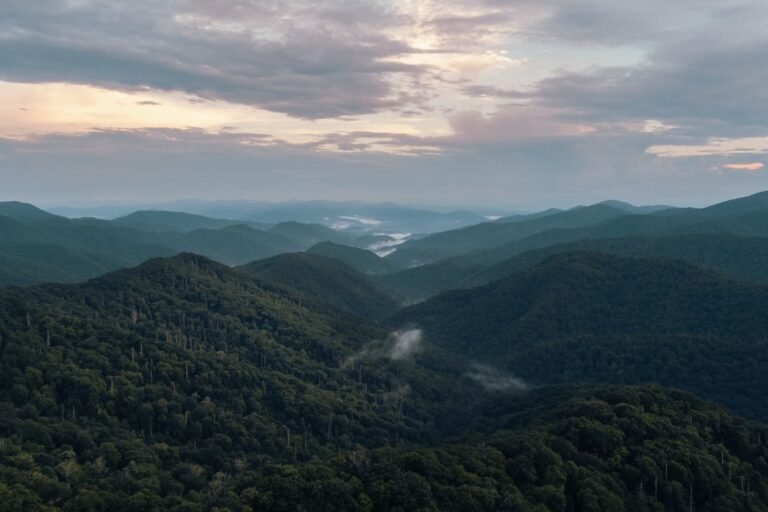
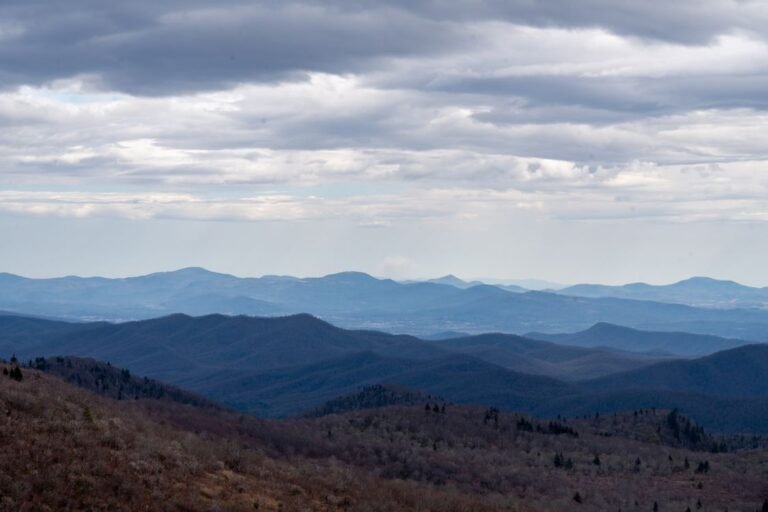
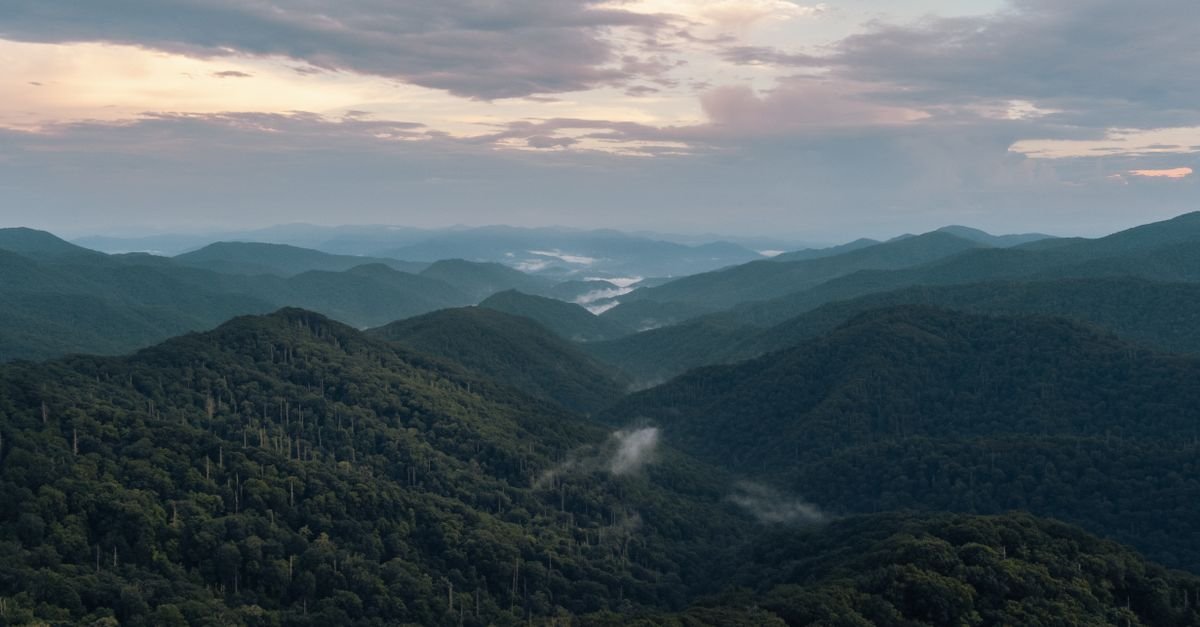
The Great Smoky Mountains do not look like the West. There are no thousand-foot sandstone walls, no desert, no dramatic single viewpoint that defines the park. Instead, the Smokies offer something subtler and, to my mind, more restorative for tired office workers: endless rolling ridges fading blue into blue into blue, ancient forests dripping with moss, waterfalls around every bend, and a mist that gives the mountains their name.
This is also the most visited national park in America, drawing around 11.5 million visits in 2025. That number scares people off, but it should not. The Smokies are enormous, over 800 square miles of protected mountains and forest, and the crowds concentrate in a handful of spots at predictable hours. With the right plan, a weekend here feels peaceful, not packed.
This itinerary is built for a Friday-to-Sunday trip, with the park's quirks (yes, the whole parking tag thing) explained clearly.
Short on Time? Here Is Your Smokies Mini Guide
| Topic | The Essentials |
|---|---|
| Entrance fee | None. The Smokies charge no admission (verify on NPS.gov) |
| Parking tag | Required for parking longer than 15 minutes: $5 daily, $15 weekly, $40 annual. Must be printed; phone images not accepted |
| Annual pass | America the Beautiful is NOT accepted in lieu of the parking tag |
| Best 2-day combo | Day 1: Cades Cove loop + Laurel Falls + sunset. Day 2: Newfound Gap + Kuwohi + Grotto Falls or historic cabins |
| Crowd strategy | Start before 8 a.m.; Cades Cove and Kuwohi are madhouses by 10 a.m. |
| Where to stay | Gatlinburg (closest), Pigeon Forge (more options), Cherokee (quieter), or park campgrounds |
| Best seasons | Spring for wildflowers, October for fall color, winter for solitude |
The Parking Tag: What You Must Know
The Smokies are unusual: there is no entrance fee, but you need a parking tag. Here is the deal, because it confuses everyone:
- Any vehicle parked inside the park for more than 15 minutes needs a valid tag displayed on the dashboard.
- Tags cost $5 for a day, $15 for a week, or $40 for a year.
- Buy daily and weekly tags online through Recreation.gov (you must print them; the park will not print for you and a phone photo is not accepted), or buy in person at visitor centers and automated fee machines with a credit card.
- The tag is tied to your license plate and valid park-wide for its duration.
- Your America the Beautiful annual pass does not replace the tag and gets you no discount.
Why no entrance fee? It is a historical quirk: when Tennessee transferred Newfound Gap Road to the federal government, the deed prohibited tolls on the road. So the park funds itself partly through parking tags instead. Buy your tag before your first trailhead stop and the whole weekend is seamless.
Which Side: Tennessee or North Carolina?
The park straddles the Tennessee-North Carolina border, and your choice of gateway shapes the trip:
Tennessee side (Gatlinburg/Pigeon Forge): Closer to the most famous attractions (Cades Cove, Laurel Falls, Kuwohi via Newfound Gap Road), more lodging and restaurant options, more traffic. This is the right choice for a first visit and for this itinerary.
North Carolina side (Cherokee/Bryson City): Quieter, with easy access to the Oconaluftee area, elk viewing, and the Mountain Farm Museum. Fewer crowds, fewer services. Better for repeat visitors or anyone prioritizing calm.
For a two-day first trip, base on the Tennessee side. You will spend less time driving and more time in the park.
Day 1: Cades Cove, Waterfalls, and Sunset
Theme: the greatest hits. Today covers the park's most beloved spots. Start early. I mean it.
Morning: Cades Cove Loop (Before 8 A.M.)
Cades Cove is an 11-mile one-way loop through a broad valley dotted with historic cabins, churches, and a working grist mill, all surrounded by mountains. It is also prime wildlife habitat: white-tailed deer, black bears, wild turkeys, and coyotes are all regulars, especially in the early morning.
Arrive before 8 a.m. By 10 a.m. on a nice weekend, the loop becomes a slow-moving car parade. Early birds get wildlife, empty pullouts, and the valley's famous morning mist. Drive the loop slowly, stop at the historic buildings (the Cable Mill area is the highlight, with its working grist mill, barns, and smokehouse), and walk the short nature trails.
The historic structures tell the story of the families who lived here before the park existed. The John Oliver cabin, the Primitive Baptist Church, and the Elijah Oliver place each get a few minutes. Together they turn a scenic drive into a walk through Appalachian history. Pick up the auto-tour booklet at the entrance for the full story at each stop.
Cycling note: On Wednesday and Saturday mornings from May through September, the loop is closed to cars until 10 a.m. for cyclists and pedestrians only. If your weekend includes one of those mornings, rent a bike. It is magical.
Midday: Laurel Falls
Laurel Falls is an 80-foot waterfall reached by a 2.6-mile round trip on a paved trail. It is one of the most popular hikes in the park, which means it is also one of the most crowded. Go at midday when the Cades Cove crowds have shifted elsewhere, or better yet, go on a weekday if your schedule allows.
The trail is paved but steep in sections. The falls are lovely, though honestly the journey through the forest is half the experience.
Afternoon: Elkmont and the Quiet Walkways
Elkmont, a former logging town turned ghost town turned restored historic district, offers easy walking among old cabins along the Little River. The nearby Quiet Walkways (short marked paths off Newfound Gap Road) are perfect for a low-effort afternoon stretch. This is also the area famous for the synchronous fireflies, though those appear only for a couple of weeks in late May and early June via a competitive lottery system on Recreation.gov.
Sunset: Morton Overlook or Newfound Gap
Drive up Newfound Gap Road as the day cools. Morton Overlook offers west-facing sunset views, while Newfound Gap itself (5,046 feet, the lowest drivable pass through the Smokies) gives you the classic state-line photo and sweeping views in both directions. Arrive 45 minutes before sunset. Then head down to Gatlinburg for dinner.
Day 1 totals: 3 to 5 miles of easy hiking plus the 11-mile Cades Cove drive.
Day 2: High Country and Hidden Falls
Theme: elevation and water. Today goes up, then down into the forest.
Morning: Kuwohi (Formerly Clingmans Dome)
Kuwohi, at 6,643 feet, is the highest point in Tennessee and the highest point in the park. (You may still see the old name, Clingmans Dome, on older maps and signs; the peak was officially restored to its Cherokee name.) The 7-mile Kuwohi Road climbs from Newfound Gap, and from the parking area a steep half-mile paved trail leads to the observation tower.
On a clear morning, the 360-degree view spans over 100 miles across ridge after ridge of blue mountains, all the way to the high peaks of the Black Mountains. On a cloudy morning, you stand inside the famous "smoke" itself, watching clouds boil through the valleys below, which is its own ethereal experience. The tower is otherworldly in fog.
Timing matters: Kuwohi Road is closed December through March. In spring and fall, check road status before driving up. Go as early as you can; the parking lot overflows by late morning on nice weekends.
Midday: Newfound Gap to Mingus Mill
Drive back down Newfound Gap Road, stopping at the overlooks you missed yesterday. Cross into North Carolina and visit Mingus Mill, a working 1886 grist mill, and the Mountain Farm Museum at Oconaluftee, a collection of historic log buildings. The Oconaluftee area is also the best place in the park to see elk, reintroduced here in 2001. Dawn and dusk are prime viewing times.
Afternoon: Grotto Falls or Rainbow Falls
For your final hike, pick a waterfall:
- Grotto Falls (2.6 miles round trip): The trail passes behind the 25-foot waterfall, the only place in the park you can walk behind a falls. Moderate, shaded, lovely.
- Rainbow Falls (5.4 miles round trip): Taller at 80 feet, more strenuous, more rewarding. The name comes from the rainbow visible in the mist on sunny afternoons.
Either is a perfect farewell hike. Then drive out through Gatlinburg or Cherokee, depending on your route home.
Day 2 totals: 3 to 6 miles of hiking plus scenic driving.
Where to Stay for a Smokies Weekend
| Option | Pros | Cons | Typical Cost |
|---|---|---|---|
| Gatlinburg hotel/cabin | Closest to park entrances; tons of options | Tourist-town kitsch; traffic on weekends | $120 to $300/night |
| Pigeon Forge | More lodging, restaurants, entertainment | 30+ min to park entrances; very commercial | $100 to $250/night |
| Cherokee, NC | Quieter; elk viewing nearby | Fewer dining options; further from Cades Cove | $90 to $200/night |
| Elkmont / Smokemont campgrounds | Inside the park; unbeatable mornings | Reserve ahead; no hookups; bears are neighbors | Around $25 to $30/night |
| Cabin rental | Space, kitchens, hot tubs; great for groups | Pricey; often 2-night minimums | $200 to $450/night |
My recommendation: For a first visit, Gatlinburg puts you closest to everything on this itinerary. For a quieter trip, Cherokee. For the full experience, camp at Elkmont and wake up inside the park. Whatever you choose, book early for October; fall color season sells out months ahead.
What to Pack for the Smokies
The Smokies are a temperate rainforest in places, receiving up to 85 inches of rain a year at high elevations. Pack for wet:
Essentials:
- Rain jacket and rain pants, always, regardless of forecast
- Layers: 6,000 feet of elevation change means 20-degree temperature swings
- Sturdy waterproof hiking shoes (trails are often muddy)
- Insect repellent in warm months
Often forgotten:
- Printed parking tag (buy online before you go)
- Offline maps: cell service dies quickly in the park
- Bear spray is not necessary here, but know the food storage rules when camping
- A dry bag for electronics during waterfall hikes
Wildlife safety: Black bears are common throughout the park, with around 1,900 estimated in the Smokies. Never approach, never feed, store food properly when camping, and hike in groups where possible. If you encounter a bear on the trail, stay calm, make yourself look large, make noise, and back away slowly. Do not run. Elk in Oconaluftee deserve 50+ yards of space, especially during the fall rut when bulls are aggressive.
Smokies Weekend Budget Breakdown
Per person, two people sharing:
| Expense | Budget Option | Comfortable Option |
|---|---|---|
| Parking tag (split, weekly) | $7.50 | $7.50 |
| Lodging (2 nights, split) | $30 (camping) | $250 (Gatlinburg hotel) |
| Food | $60 | $130 |
| Gas / transport | $50 | $80 |
| Total per person | Around $150 | Around $470 |
The Smokies are among the cheapest major park weekends because there is no entrance fee. Camp, cook, and your biggest expense is getting there.
Timing Your Trip: Fireflies and Fall Color
Two natural events make the Smokies legendary, and both reward planning:
Synchronous fireflies (late May to early June): For about two weeks each year, thousands of fireflies in the Elkmont area flash in unison, one of the few places on Earth where this happens. Viewing is by lottery only through Recreation.gov, and the 2026 viewing window ran May 20 through May 27. If your late-spring weekend aligns, enter the lottery the moment it opens. It is one of the most magical natural phenomena in North America.
Fall color (mid-to-late October): The Smokies' fall display is world-famous, with over 100 tree species turning in waves from high elevation to low. Peak color typically hits the high country in early-to-mid October and the valleys in late October. This is the park's busiest season by far: book lodging 6+ months ahead, arrive at trailheads before 8 a.m., and embrace the crowds at overlooks while seeking quiet on the trails.
Spring wildflowers (April): The park's quietest spectacular season. Over 1,500 flowering plant species bloom in waves, the waterfalls run full, and crowds are thin. If you can only pick one off-peak season, pick spring.
FAQs About a Weekend in the Smoky Mountains
Do I need a reservation to visit Great Smoky Mountains National Park?
No timed-entry reservation is required. There is no entrance fee. You do need a parking tag for any parking longer than 15 minutes. That is the only advance purchase to handle.
Where do I buy the Smoky Mountains parking tag?
Daily and weekly tags can be bought online through Recreation.gov (must be printed at home) or in person at visitor centers and automated fee machines with a credit card. Annual tags are available by mail. Buy before your first stop.
What is the best month to visit the Smoky Mountains?
Mid-to-late October for fall color (book months ahead), April-May for wildflowers and fewer crowds, and winter for solitude. Summer brings lush greenery but also the biggest crowds and afternoon thunderstorms.
Can I see bears in the Smoky Mountains?
Very likely. The park has around 1,900 black bears. Cades Cove at dawn is the most reliable viewing spot. Keep 50 yards of distance, never feed bears, and store food securely when camping.
Are dogs allowed in the Smoky Mountains?
Only in limited areas: leashed dogs are allowed in campgrounds, picnic areas, along roads, and on exactly two trails (Gatlinburg Trail and Oconaluftee River Trail). They are not allowed on other trails or in the backcountry.
Is Gatlinburg or Pigeon Forge better for a Smokies trip?
Gatlinburg is closer to the park and has a mountain-town feel. Pigeon Forge has more lodging, restaurants, and entertainment but is further from park entrances and more commercial. For a hiking-focused weekend, Gatlinburg wins.
Final Thoughts
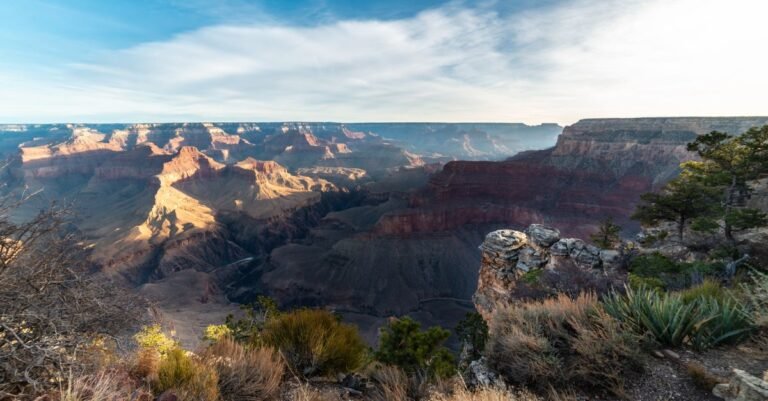
The Smokies do not shout. They whisper. No single viewpoint will stop your heart the way the Grand Canyon does, but after two days of misty ridges, waterfall trails, historic cabins, and quiet forest, something shifts inside you. You slow down. You notice more. That is the Smokies' particular magic, and it is why people who visit once tend to come back for decades.
Buy the parking tag, start before 8 a.m., pack rain gear no matter the forecast, and let the blue ridges do their quiet work on you. You will be glad you came.
Fees, road statuses, and program details change from season to season. Always confirm current information on the official NPS Smoky Mountains site before your trip.