The Perfect 3-Day Weekend in the Smoky Mountains (2026 Guide)
# The Perfect 3-Day Weekend in the Smoky Mountains (2026 Guide)
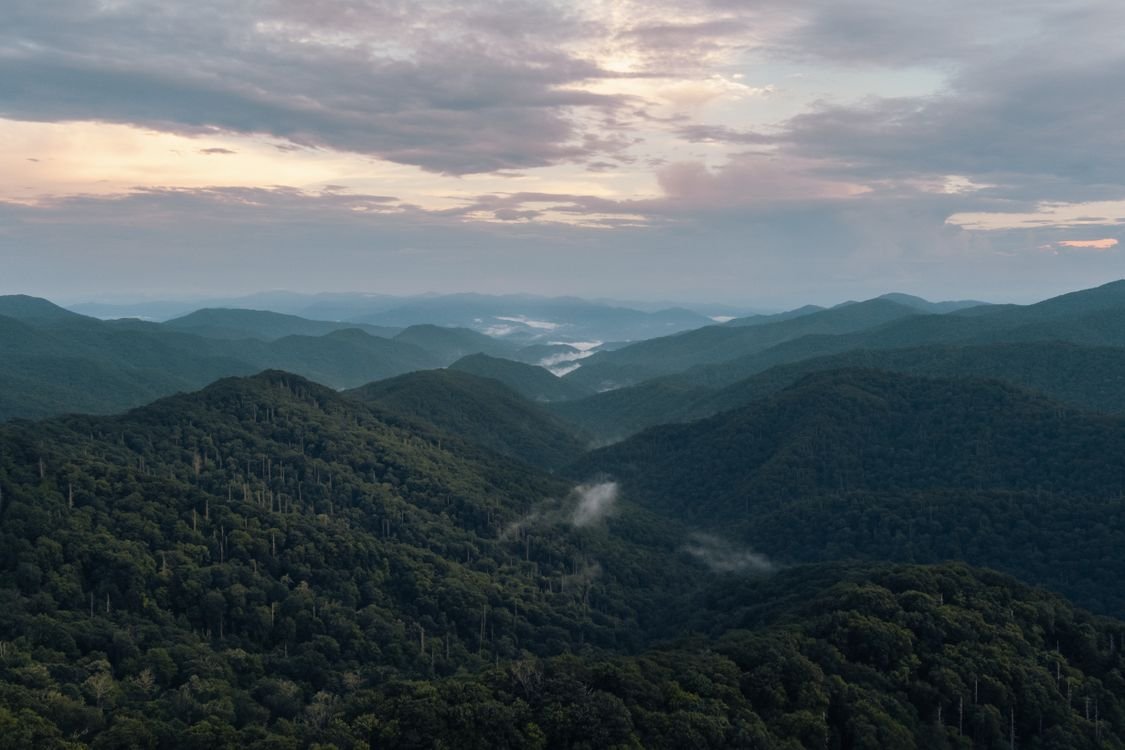
Great Smoky Mountains National Park is the most visited national park in America, and it earns every one of those visitors. Misty blue ridges stacked to the horizon, synchronous fireflies in early summer, black bears in green valleys, and more historic log cabins than you can count. It is also, refreshingly, one of the only major national parks with no entrance fee.
Three days is the sweet spot for a first Smokies weekend. One day is a drive-through. Two days forces painful choices. Three days lets you do the famous loop road at dawn, stand on the highest point in Tennessee at sunset, hike to a waterfall, wander a historic mountain farm, and still have an unhurried dinner in Gatlinburg. It is enough time to fall for the place without needing to plan a second trip immediately, though you probably will anyway. This itinerary is built for the long weekend warrior: arrive Friday evening, explore Saturday through Monday, and head home with the blue mountains still glowing in your rearview mirror.
Before You Go: Smokies Essentials
The parking tag
The Smokies have no entrance fee, but you do need a parking tag to park anywhere in the park for more than 15 minutes. The tag is commonly $5 for a day, with weekly and annual options, available online and at visitor centers. Buy it before you enter the park to avoid fumbling at the trailhead. Confirm current prices on NPS.gov, since fee structures can change.
Where to stay: gateway towns compared
| Town | Vibe | Best park access |
|---|---|---|
| Gatlinburg, TN | Classic tourist town, restaurants, attractions | Sugarlands, Newfound Gap Road, Roaring Fork |
| Townsend, TN | Quiet, local, "peaceful side of the Smokies" | Cades Cove (closest) |
| Pigeon Forge, TN | Family entertainment, dinner shows, big lodging supply | A bit farther from park entrances |
| Cherokee, NC | Quieter, elk viewing, Oconaluftee entrance | North Carolina side, Kuwohi via south |
| Bryson City, NC | Small-town NC base | Deep Creek area, southwest park |
First-timers usually stay in Gatlinburg for maximum convenience. If Cades Cove is your priority, Townsend saves you a long morning drive. Campers have excellent options inside the park at Cades Cove, Elkmont, and Smokemont campgrounds, all reservable in season and all offering a far better wake-up than any motel parking lot.
When to visit
Spring brings wildflowers (the park is called the wildflower capital of the world by some) and rushing waterfalls. Summer is lush but crowded, with afternoon thunderstorms. Fall is the most popular season: the color show typically peaks from mid to late October, and weekends book out far ahead. Winter is quiet and starkly beautiful, though high-elevation roads like the Kuwohi spur close from December through March.
Getting there
Most visitors fly into Knoxville (about an hour from Gatlinburg) or Asheville (about 1.5 hours from Cherokee). From Atlanta, Charlotte, or Nashville, it is an easy half-day drive. This itinerary assumes you arrive Friday evening and stay in or near Gatlinburg, with adjustment notes included throughout.
Day 1: Newfound Gap Road, Kuwohi, and the High Country
Start with the spine of the park. Newfound Gap Road (US-441) is the only road that crosses the mountains inside the park, climbing 30 miles from Gatlinburg over the crest to Cherokee, North Carolina.
Morning: Drive up with stops
Leave early. Stop at the Sugarlands Visitor Center just inside the park to grab maps, buy your parking tag if you have not already, and check the day's road and weather alerts. Then drive up Newfound Gap Road, stopping at the overlooks. Each one frames a different angle of the blue ridges.
At Newfound Gap itself, the 5,046-foot pass on the Tennessee-North Carolina line, stand on the state line, watch Appalachian Trail thru-hikers cross the road, and take in the view that opens in both directions.
Midday: Kuwohi
Turn onto the 7-mile Kuwohi spur road (note: the peak was renamed from Clingmans Dome back to its Cherokee name, Kuwohi, in September 2024, so you will see both names on signs and maps). At 6,643 feet, this is the highest point in the park and in Tennessee. The half-mile paved path to the observation tower is short but steep, and the 360-degree view from the top can stretch across seven states on a clear day.
Eat your packed lunch at the summit. The air is cooler up here even in summer, so bring a layer.
Afternoon: Oconaluftee and elk
Continue down the North Carolina side to the Oconaluftee area near Cherokee. The Mountain Farm Museum, a collection of historic log buildings, is worth a stroll, and the adjacent fields are the park's most reliable elk viewing spot. Elk were reintroduced here and are most active at dawn and dusk.
Evening: Sunset at Kuwohi or Morton Overlook
Drive back up for sunset. Kuwohi at golden hour, with the sun dropping behind layer after layer of ridges, is one of the great free shows in the park system. Alternatively, the Morton Overlook on Newfound Gap Road faces west and fills with photographers at dusk. Bring layers; it gets chilly at elevation after dark.
Dinner back in Gatlinburg. The town has everything from pancake houses to surprisingly good Appalachian-inspired restaurants.
Day 2: Cades Cove and the West Side
Dawn: The Cades Cove loop
Set the alarm. Cades Cove is an 11-mile one-way loop through a broad valley ringed by mountains, dotted with preserved log cabins, churches, and a working grist mill. It is also the park's best wildlife viewing: black bears, white-tailed deer, and wild turkeys are most active at dawn.
Arrive at the loop entrance as early as you can stand it. The early hours mean thinner traffic (the loop can get bumper-to-bumper by midday) and the best animal sightings. Drive slowly, pull fully off the road at the designated overlooks, and never approach wildlife.
Stop at the historic buildings. The John Oliver cabin, the Primitive Baptist Church, and the Cable Mill area each tell part of the valley's story, when 700 people lived here before it became a park. The visitor center halfway around has exhibits and restrooms.
Note: on summer Wednesdays, the loop is closed to vehicles and open to cyclists and pedestrians only. If your trip includes a Wednesday, rent bikes in Townsend or at the campground store for a magical car-free ride.
Midday: Abrams Falls
Near the far end of the loop, the Abrams Falls trailhead leads to one of the park's most rewarding short hikes. The 5-mile round trip descends to a powerful 20-foot waterfall with a deep pool at its base. The trail is moderate but rocky, so wear real shoes. Swimming at the falls is dangerous due to strong currents, so admire from the rocks.
Afternoon: Townsend
Exit the park toward Townsend, the quiet side's hub. This is the anti-Gatlinburg: local restaurants, tubing outfitters on the Little River, and a relaxed pace. Grab a late lunch, browse the shops, and if it is warm, float the Little River on a tube.
Evening: Back to Gatlinburg or a quiet night in Townsend
If you are staying in Gatlinburg, the drive back over the mountains at dusk is lovely. Consider the Roaring Fork Motor Nature Trail on your way if it is open (seasonal, one-way loop with historic buildings and waterfalls). Dinner in town, then rest up. Tomorrow is the hiking day.
Day 3: Waterfalls, Roaring Fork, and a Taste of Gatlinburg
Morning: Pick your hike
Choose based on energy and ambition:
Easy: Laurel Falls. A 2.6-mile round trip on a paved trail to an 80-foot waterfall. It is popular, so go before 9am. The trailhead is on Little River Road between Gatlinburg and Cades Cove.
Moderate: Rainbow Falls. About 5 miles round trip with 1,600 feet of elevation gain to an 80-foot falls. Fewer crowds than Laurel, better payoff.
Strenuous: Alum Cave to Mount LeConte. The park's signature hike. The full round trip to LeConte's summit runs 11 miles, but you can turn around at Alum Cave Bluffs (4.6 miles round trip) or Inspiration Point for a shorter day. Arrive at the trailhead early; the small parking lot fills fast.
Afternoon: Roaring Fork and Gatlinburg
If you did a morning hike, spend the afternoon on the Roaring Fork Motor Nature Trail, a one-way scenic loop with historic cabins, the trailhead for Grotto Falls (a waterfall you can walk behind), and excellent forest scenery. Then explore Gatlinburg itself: the SkyLift, the arts and crafts community on the Glades Road loop, or just an ice cream on the parkway.
Evening: Farewell dinner
End with a proper mountain dinner. Gatlinburg's food scene goes well beyond pancake houses if you look: Appalachian trout, smoked meats, and Southern comfort food done right. Raise a glass to three days well spent.
5 Mistakes First-Timers Make in the Smokies
Skipping the parking tag. It is the one piece of bureaucracy the park requires, and rangers do check. Buy it online before your trip and display it properly.
Trying to do Cades Cove at noon. The loop is magical at 7am and miserable at 1pm. Plan your sleep schedule around dawn at least once.
Underestimating mountain weather. Afternoon thunderstorms build fast in summer, temperatures drop sharply with elevation, and Kuwohi can be fogged in while Gatlinburg is sunny. Check the forecast, bring layers, and have a backup plan for stormy afternoons.
Wearing the wrong shoes. The Smokies' trails are rocky and often wet. Flip-flops on the Alum Cave trail are a recipe for a turned ankle. Wear real hiking shoes for anything beyond a paved nature trail.
Feeding or approaching wildlife. It is illegal, dangerous, and harmful to the animals. The famous photos of bears in Cades Cove were taken with long lenses from pullouts. Give every animal at least 50 yards, more for bears.
If You Have Extra Time
Got a fourth day or a free afternoon? The Smokies reward going deeper:
Deep Creek, North Carolina. Near Bryson City, this area packs three waterfalls (Juney Whank, Indian Creek, and Tom Branch) into short, family-friendly trails, plus tubing on Deep Creek in summer.
The Roaring Fork Motor Nature Trail in full. Most visitors drive it quickly. Slow down for the historic cabins, the Ephraim Bales place, and the Grotto Falls trailhead.
Synchronous fireflies (early to mid-June). For two weeks each year, thousands of fireflies in the Elkmont area flash in unison, one of nature's great spectacles. It requires a lottery for parking passes through the park, so plan a year ahead if this is your dream.
A second sunrise. Newfound Gap at dawn, with fog pouring through the valleys below, rivals Kuwohi. Different light, different mountains, same magic.
Where to Eat: Fueling Three Days
You will burn serious calories, so eat well. A few guidelines:
Breakfast matters. Start early for Cades Cove and Kuwohi sunrises, which means breakfast needs to be fast or packed. Gatlinburg's pancake houses are a local institution and open early. For trail days, pack breakfast bars and fruit so you can eat at the trailhead.
Picnic like a local. The park's picnic areas, especially Chimneys and Metcalf Bottoms, are destinations in themselves. Stop at a grocery in Gatlinburg or Townsend for sandwich supplies, and plan at least one proper picnic beside a mountain stream. It beats any restaurant view.
Dinner in the gateway towns. Gatlinburg has the widest selection, from Southern comfort food to steakhouses. Townsend's restaurants are fewer but locally loved; the town's old-fashioned drive-ins and family restaurants fit the quiet-side vibe. On the North Carolina side, Cherokee and Bryson City offer mountain trout, barbecue, and farm-to-table spots.
Try the regional specialties. Smoky Mountain trout, stone-ground grits, biscuits, and blackberry cobbler show up on menus throughout the area. If a menu lists locally caught trout, order it.
What to Pack for a Smokies Weekend
- Parking tag (buy online ahead)
- Layers for elevation changes: it can be 15 degrees cooler at Kuwohi than in Gatlinburg
- Rain jacket: afternoon thunderstorms are routine in summer
- Sturdy hiking shoes (not flip-flops) for any trail beyond a nature walk
- Bear-aware food storage for campgrounds; never feed wildlife
- Headlamp for the Kuwohi sunset and any dawn starts
- Cooler with picnic supplies: the park's picnic areas are superb
- Binoculars for Cades Cove wildlife and Oconaluftee elk
Frequently Asked Questions
Do I need a reservation or timed entry for the Smoky Mountains?
No. Great Smoky Mountains National Park does not use a timed entry system. You need a parking tag to park, but there is no advance reservation required for general entry. Campgrounds and some activities book separately.
Is three days enough for the Smoky Mountains?
Yes, for the highlights. Three days covers Cades Cove, Newfound Gap Road, Kuwohi, a waterfall hike, and a gateway town. It is not enough for the backcountry, the North Carolina waterfalls, or a slow multi-day hiking trip. Those deserve a return visit.
Which is better, Gatlinburg or Townsend?
Gatlinburg for first-timers who want restaurants, attractions, and central access. Townsend for a quieter trip focused on Cades Cove and the west side. Pigeon Forge for families who want entertainment alongside the park. Cherokee for the North Carolina side and elk.
What is Kuwohi, and why do some maps say Clingmans Dome?
Kuwohi is the restored Cherokee name for the 6,643-foot peak, officially adopted in September 2024. Clingmans Dome was the name used for over a century. You will encounter both names on signs, maps, and apps during the transition.
When is the best time to visit the Smoky Mountains?
Late April through May for wildflowers and waterfalls, September for fewer crowds, mid to late October for fall color (book far ahead). Summer is beautiful but busy with afternoon storms. Winter offers solitude but closes high-elevation roads.
Can I see bears in the Smoky Mountains?
The park has around 1,900 black bears, and Cades Cove at dawn or dusk offers your best chance. Never approach bears, never feed them, and store food properly. Sightings are never guaranteed, which is part of the thrill.
Final Thoughts
Three days in the Smokies delivers the essential American mountain weekend: mist on the ridges at dawn, bears in a green valley, a waterfall at the end of a trail, and a sunset from the highest point in Tennessee. The park's lack of an entrance fee and reservation system makes it one of the easiest great adventures to plan. Pick your dates, book your lodging, buy the parking tag, and go. The mountains will be waiting, as they have been for millions of years, ready whenever your calendar finally cooperates.
Combine this with our Blue Ridge Parkway weekend guide for the ultimate Southern Appalachians road trip.