One Perfect Day in Sedona: Hikes, Views & Where to Eat (2026 Guide)
# One Perfect Day in Sedona: Hikes, Views & Where to Eat (2026 Guide)
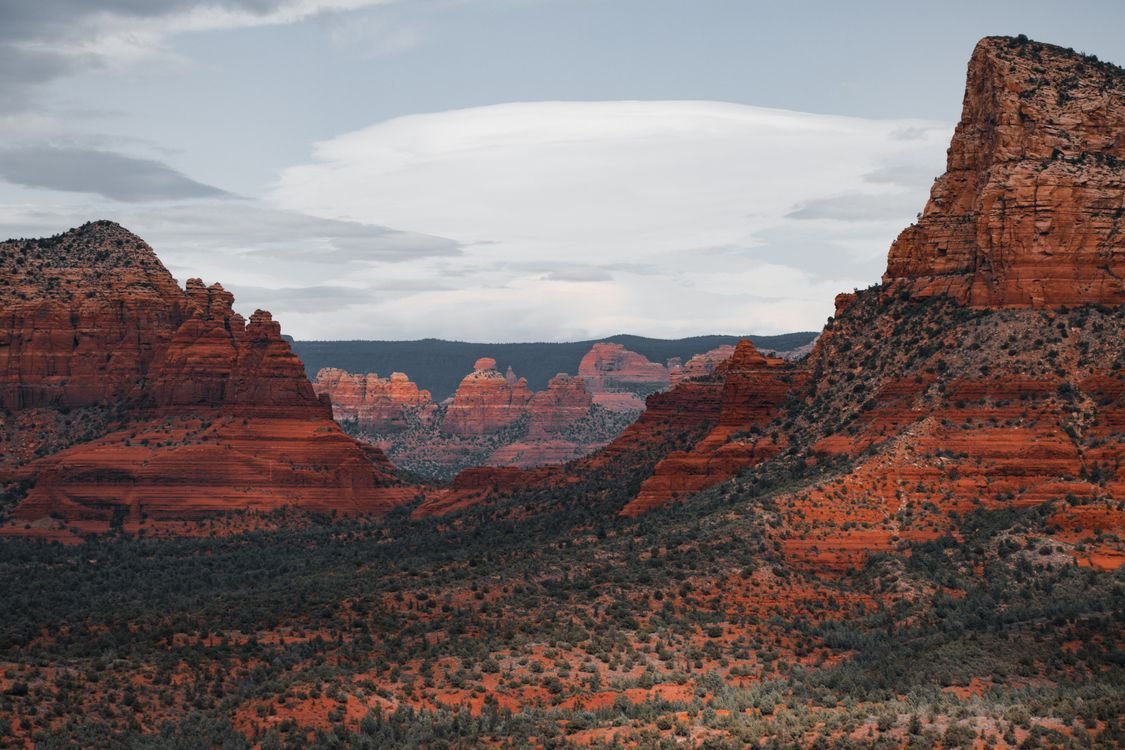
Sedona is the rare place that lives up to the photos. The red rocks do glow at sunrise. Cathedral Rock does look like a cathedral. And yes, you can genuinely experience the best of it in a single well-planned day, which is why Sedona works so well as a day trip from Phoenix (about two hours each way) or as the highlight day of a longer Arizona road trip.
This itinerary is built for maximum red rocks with minimum regret. Two hikes, the essential viewpoints, the chapel in the cliffs, a sunset that will recalibrate your standards, and dinner somewhere worth remembering. Follow it in order, keep an eye on the clock, and you will leave feeling like you truly saw Sedona rather than just drove through it. It is an ambitious day, but Sedona's compact layout makes it possible. Most of the trailheads sit within 20 minutes of each other, clustered around the town in the Coconino National Forest.
Before You Go: Sedona Day-Trip Essentials
The Red Rock Pass. Many trailheads in the Coconino National Forest around Sedona require a Red Rock Pass (or an America the Beautiful pass) displayed on your dashboard. Buy the pass ahead at Forest Service offices, local shops, or online to avoid trailhead fumbling. Requirements and prices shift, so confirm the current system before you go.
Water and heat. Sedona sits at 4,300 feet in the high desert. Summer temperatures regularly top 100 degrees, and the dry air dehydrates you faster than you expect. Carry at least a liter of water per person per hike, more in summer, and start hikes early. There is no water at most trailheads.
Parking is the real challenge. Popular trailheads (Cathedral Rock, Devil's Bridge) fill by 8 or 9am on weekends. The town now runs a seasonal shuttle to some trailheads, which solves the parking problem if you plan around it. Check the current shuttle schedule before your trip.
Timing. This itinerary assumes a full day, roughly 6am to 8pm. If you are driving from Phoenix, leave by 4:30am or come the night before. A 2am wake-up ruins the day; a Sedona sunrise is worth a hotel night.
Morning: Sunrise at Bell Rock, Then Devil's Bridge
6:00am: Sunrise at Bell Rock
Start where the light show begins. Bell Rock is one of Sedona's most recognizable formations, and the Bell Rock Pathway offers easy walking with the rock glowing orange as the sun hits it. Arrive 20 minutes before sunrise, find a spot on the pathway or scramble partway up the rock's lower slopes, and watch the whole valley light up. You will share it with a handful of photographers and nobody else.
Bell Rock is also one of Sedona's famous "vortex" sites, places local spiritual tradition holds as centers of energy. Whether you feel anything or not, the sunrise is real.
8:00am: Devil's Bridge hike
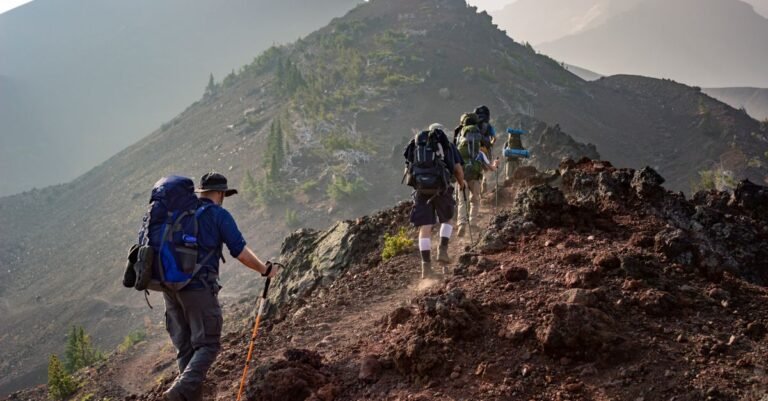
Drive to the Devil's Bridge trailhead while the day is young. Devil's Bridge is the largest natural sandstone arch in the Sedona area, and walking across its span with the drop on both sides is the signature Sedona photo. The hike from the main trailhead is a few miles round trip on a former jeep road (flat but unshaded) plus a short steep climb to the arch itself.
Go early for two reasons: parking fills fast, and the line for photos on the bridge grows through the morning. Bring more water than you think you need for the exposed jeep-road section. The arch itself is wider than it looks in photos, but watch your step and keep kids close.
Alternative morning: Cathedral Rock instead of Devil's Bridge
If you prefer a shorter, steeper challenge, swap Devil's Bridge for Cathedral Rock. At just over a mile round trip, it is one of the highest reward-per-step hikes in the Southwest, but do not let the distance fool you. The trail climbs steeply up slickrock with sections that require hand-over-foot scrambling. The saddle between the rock's spires offers one of the most famous views in Arizona, and continuing to the top of the fin is possible for confident scramblers. Go at sunrise for the thinnest crowds and the most dramatic light. Wear shoes with real grip; the smooth sandstone is treacherous in worn sneakers.
Midday: Lunch and Tlaquepaque
11:30am: Lunch in town
You have earned it. Sedona's food scene punches above its weight for a small town. For a quick, excellent lunch, grab Southwestern sandwiches or salads at one of the cafes in the uptown area. If you want to linger, the Creekside spots along Oak Creek offer shaded patios.
1:00pm: Tlaquepaque Arts & Crafts Village
Walk off lunch in Tlaquepaque, a mock Mexican village of stucco walls, arched courtyards, and fountains that houses Sedona's best concentration of galleries and craft shops. Even if you buy nothing, the courtyards themselves are worth the wander. This is also your best shot at shade during the hottest part of the day.
Afternoon: Choose Your Own Adventure
You have two excellent options for the afternoon. Pick based on energy and heat.
Option A: Chapel of the Holy Cross + Red Rock State Park
Drive to the Chapel of the Holy Cross, the mid-century modern chapel built directly into the red rock buttes (completed in 1956). The floor-to-ceiling windows frame Cathedral Rock and Bell Rock like living paintings. It is a 20-minute stop that photographs beautifully.
Then head to Red Rock State Park, a 286-acre preserve along Oak Creek with 5 miles of trails. The Eagle's Nest Loop climbs to the park's high point for 360-degree views including Cathedral Rock and the Seven Warriors. It is quieter than the big-name trailheads and excellent for birding; the park's guided nature walks, offered regularly, are a hit with kids and first-time desert visitors. The visitor center's exhibits on the area's geology and wildlife make a good air-conditioned break on hot afternoons.
Option B: Oak Creek Canyon and Slide Rock
Drive north on 89A into Oak Creek Canyon, where the road twists beneath towering walls. Stop at the overlooks, then continue to Slide Rock State Park, where a natural sandstone chute in Oak Creek creates a slippery natural water slide. In summer, it is the best way to cool off in Sedona. Arrive early in the day for this option, as the park can reach capacity and temporarily close to new arrivals.
Sunset: Airport Mesa
6:00pm (time varies by season): The main event
There is a reason every Sedona itinerary ends here. Airport Mesa offers the town's most panoramic sunset view, with the whole red rock amphitheater spread below you: Cathedral Rock, Bell Rock, Courthouse Butte, and the Mogollon Rim glowing in sequence as the light changes.
Arrive at least 45 minutes before sunset. The main lot is tiny and fills fast; there is overflow parking nearby for a small fee, and the short walk up is part of the experience. Bring a jacket. Desert sunsets come with a fast temperature drop. Stay 15 minutes after the sun dips below the horizon. The afterglow on the rocks is often the best part.
Dinner: Where to Eat in Sedona
You have three classic choices, all commonly recommended and all worth it:
Elote Cafe. Sedona's most famous restaurant, serving upscale Mexican street food. The elote (street corn) lives up to the name. Reservations are essential and often book weeks out, so plan ahead if this is your pick.
Mariposa Latin Inspired Grill. The views from the patio are nearly as famous as the food. Latin-inspired dishes with a red rock backdrop make for a memorable final dinner.
The Cowboy Club. A Western-themed institution in uptown Sedona serving steaks and game meats. The cactus fries are the conversation-starter appetizer. More casual and easier to walk into than Elote.
Wherever you eat, make a reservation if you can. Sedona's popular restaurants fill on weekends, and after a full day of hiking, nobody wants to wait an hour for a table. If your top choices are booked, the uptown area has plenty of walk-in friendly spots: pizza, Southwestern cafes, and ice cream shops that hit the spot after a desert day. For a memorable splurge, look for restaurants with patios facing the red rocks; eating dinner as the rocks change color is worth the premium. And if you are driving back to Phoenix the same night, grab takeout instead and eat at a scenic pullout along 89A on your way out of town.
Where to Stay If You Turn It Into an Overnight
Honestly, one day in Sedona often becomes two once people see the place. If you decide to stay, you have good options at every price point. Uptown Sedona puts you walking distance from restaurants and shops but comes with tourist-town prices and noise. West Sedona is quieter and more affordable, with easy access to the western trailheads like Boynton Canyon and Doe Mountain. The Village of Oak Creek, a few miles south, offers the best value lodging and quick access to Bell Rock and Cathedral Rock trailheads.
For something memorable, look at the bed and breakfasts tucked into the red rocks on the outskirts of town, many with sunrise views from private decks. Campers can head to the Coconino National Forest's developed campgrounds along Oak Creek Canyon or the dispersed camping areas on Forest Service roads, both reservable or first-come depending on the site and season. Book any lodging well ahead for spring and fall weekends.
Sedona on a Budget
Sedona has a reputation for being pricey, and it can be, but the best things here are free. Every hike in this itinerary costs nothing beyond the Red Rock Pass. The sunset at Airport Mesa is free. Window shopping in Tlaquepaque is free. To keep costs down, pack your own lunch and hiking snacks instead of eating two restaurant meals, stay in the Village of Oak Creek or camp on Forest Service land, and visit in the shoulder seasons when lodging rates drop. The town's free seasonal shuttle to popular trailheads also saves gas and parking headaches.
If You Have More Time
Pink Jeep Tour. The iconic off-road tours bounce you over the red rocks in modified Jeeps. The Broken Arrow tour is the classic. Book ahead; they sell out.
Boynton Canyon. If vortexes intrigue you, Boynton Canyon pairs a beautiful box-canyon hike with one of the four main vortex sites and the Subway Cave side trail.
Verde Valley wine. The Verde Valley south of Sedona has a growing wine scene. A tasting room afternoon makes a mellow second day.
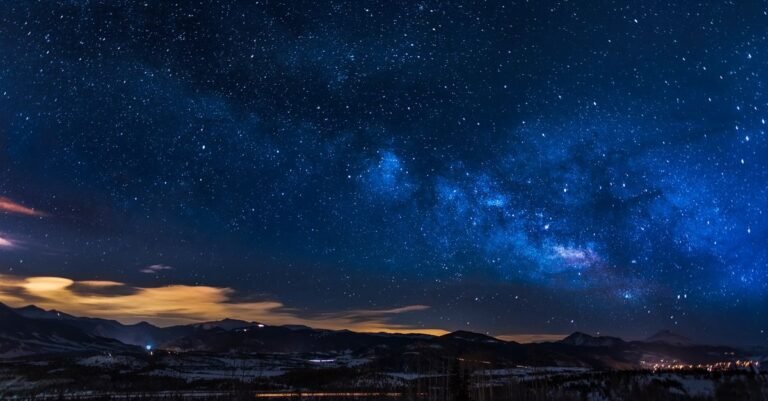
Stargazing. Sedona's dark skies are excellent. The city has dark-sky lighting ordinances, and the stars from Airport Mesa or the desert outside town are superb.
Packing Checklist for a Sedona Day
- Red Rock Pass or America the Beautiful pass
- At least 2 liters of water per person (more in summer)
- Sun protection: hat, sunglasses, sunscreen (the desert sun is brutal)
- Sturdy hiking shoes with grip (Cathedral Rock's slickrock is slippery)
- Layers for the temperature swing between midday and sunset
- Headlamp if you are hiking near dawn or dusk
- Swimsuit and towel if Slide Rock is on the plan
- Camera with a charged battery; you will take hundreds of photos
Getting to Sedona: The Drive In
Most visitors arrive via Phoenix Sky Harbor Airport, then drive north about two hours. The fastest route takes I-17 to Highway 179, the Red Rock Scenic Byway, which is itself one of Arizona's most beautiful drives. If you have daylight, take it slow: the byway has signed overlooks for Bell Rock and Cathedral Rock that make excellent photo stops before you even reach town.
The more scenic alternative is Highway 89A through Oak Creek Canyon from Flagstaff. This winding road drops through a forested canyon with switchbacks and overlooks, adding about 30 minutes but delivering some of the prettiest miles in the state. If you are combining Sedona with the Grand Canyon, this is the natural route: Flagstaff to Sedona via 89A, then back up to the canyon via Highway 180.
Whichever way you come, fill up your gas tank and your water bottles before leaving the interstate. Gas in Sedona runs expensive, and you will want water the moment you step onto a trail.
Frequently Asked Questions
Can you do Sedona in one day?
Yes. Sedona's trailheads and sights cluster within a 20-minute radius, so one full day covers two hikes, the chapel, Tlaquepaque, an Airport Mesa sunset, and dinner. It is a full day, but it works. Two days lets you add Oak Creek Canyon and a Jeep tour at a relaxed pace.
What is the best hike in Sedona for one day?
Do Devil's Bridge in the morning for the iconic arch photo and Cathedral Rock if you want a steeper challenge with the best views. If you only have time for one, Devil's Bridge offers the bigger payoff for moderate effort.
Where is the best sunset in Sedona?
Airport Mesa, by wide consensus. Arrive 45 minutes early for parking, bring a jacket, and stay for the afterglow. Cathedral Rock's saddle and the Red Rock Crossing viewpoint are excellent alternatives with fewer people.
Do I need a pass to hike in Sedona?
Many trailheads in the Coconino National Forest require a Red Rock Pass or America the Beautiful pass. Buy ahead and confirm current requirements, since the system changes. Some trailheads and all state parks have separate fees.
What are the Sedona vortexes?
Local spiritual tradition identifies four sites, Bell Rock, Cathedral Rock, Airport Mesa, and Boynton Canyon, as energy vortexes. The concept is spiritual rather than scientific, but the sites themselves are all spectacular viewpoints worth visiting regardless of belief.
When is the best time to visit Sedona?
Spring (March through May) and fall (September through November) offer the best combination of mild weather and manageable crowds. Summer brings intense heat but also monsoon-season drama. Winter is quiet with crisp, clear days, though some higher trails can be icy.
Final Thoughts
One day in Sedona is a masterclass in efficient wonder. Sunrise on Bell Rock, the span of Devil's Bridge under your feet, a chapel in the cliffs, and a sunset that sets the whole valley on fire, all within a few square miles. Few places on earth pack this much beauty into a single day, which is exactly why you will already be planning your return before you reach the highway home. It is the rare day trip that feels like a week away. Go early, drink plenty of water, and save room for dinner. The red rocks will handle the rest.
Extending the trip? See our 3-day Moab itinerary for Arches and Canyonlands, or our Blue Ridge Parkway weekend guide for more red-rock-free mountain time.