How to Plan a Road Trip: The Ultimate Step-by-Step Guide for Beginners
Introduction
The truth is, planning a road trip can be overwhelming, especially for beginners. With so many factors to consider, from choosing the best time to visit your destination to estimating costs and planning top experiences, it’s easy to feel like you’re in over your head. For instance, did you know that over 40 million Americans take a road trip each year, with the majority of them traveling during the summer months?
As you start to think about your own road trip adventure, you’re likely wondering what to expect and how to make the most of your journey. Hidden gems and off-the-beaten-path destinations can make all the difference in creating an unforgettable experience. Most people miss out on these unique spots because they don’t know where to look or how to plan their itinerary effectively.
As you read through this guide, you’ll learn how to plan a road trip that’s tailored to your interests and budget. You’ll discover how to research the best time to visit your destination, estimate costs, and plan top experiences that will make your trip truly unforgettable. With the right knowledge and preparation, you’ll be able to navigate the open road with confidence and create memories that will last a lifetime. Whether you’re looking to explore national parks, visit famous landmarks, or simply enjoy the scenic views, this guide will show you how to make the most of your road trip adventure.
Defining Your Road Trip Vision and Budget

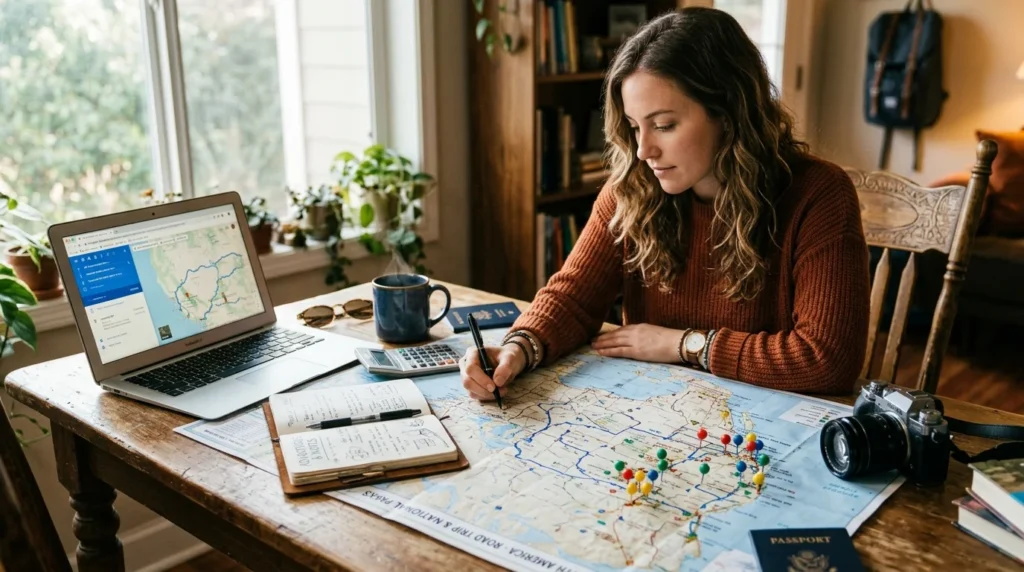
When it comes to planning a road trip, it’s essential to start by defining your vision and setting a realistic budget. This will help you determine what’s possible and make the most of your adventure. For instance, if you’re looking to explore national parks, you’ll want to consider the best time to visit, which is often during the spring and fall seasons when the weather is mild and crowds are smaller.
The truth is, road trip costs can add up quickly, so it’s crucial to establish a budget and stick to it. Most people miss the fact that fuel costs can be a significant expense, with the average road trip costing around $500 in gas alone. To save money, consider planning your route to avoid heavy traffic and construction, which can help reduce fuel consumption.
In addition to fuel costs, accommodations and activities can also be expensive. However, with some research and planning, you can find hidden gems and top experiences that won’t break the bank. For example, instead of staying in a pricey hotel, consider camping or renting an RV, which can be a fun and affordable way to experience the great outdoors. According to a recent study, 75% of road trippers prefer to stay in budget-friendly accommodations, such as motels or hostels.
When defining your road trip vision, it’s also important to consider the top experiences you want to have. Are you looking to hike in the mountains, explore new cities, or relax on the beach? By prioritizing your must-see attractions and must-do activities, you can create a personalized itinerary that meets your needs and budget. Furthermore, be sure to research any special events or festivals that may be happening during your trip, as these can be a great way to experience the local culture and save money on activities.
By taking the time to define your road trip vision and set a realistic budget, you’ll be able to create a stress-free and enjoyable adventure that meets your needs and exceeds your expectations. With a little planning and research, you can have the road trip of a lifetime, complete with unforgettable experiences and lasting memories.
Mapping Out Your Route and Itinerary
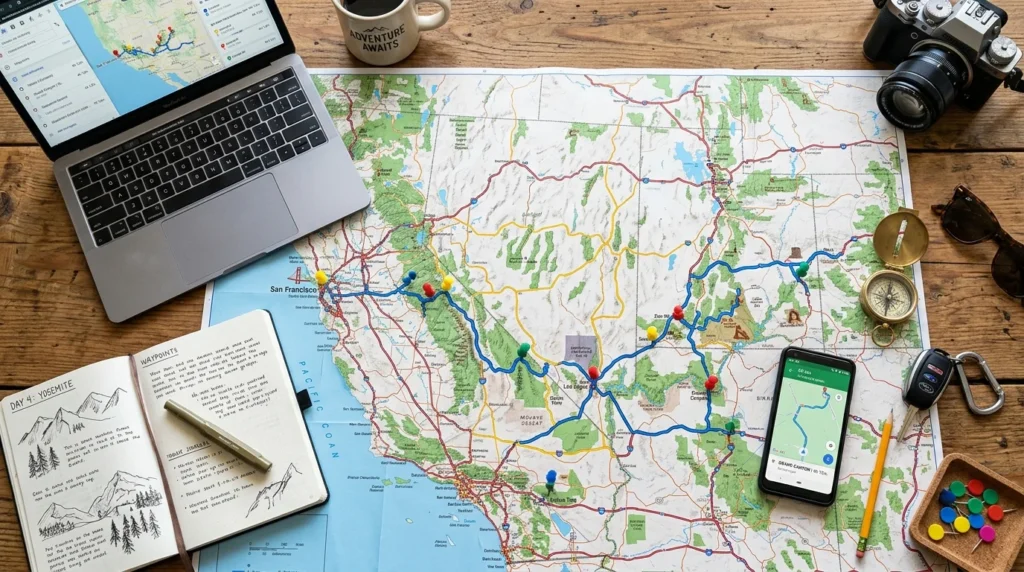
When it comes to planning a road trip, mapping out your route is a crucial step that can make or break your adventure. The truth is, a well-planned route can help you save time, money, and energy, while also ensuring that you don’t miss out on any top experiences or hidden gems along the way. For example, if you’re planning a road trip to the Grand Canyon, consider visiting during the best time to visit, which is from September to November or from March to May, when the weather is mild and crowds are smaller.
To create an unforgettable itinerary, start by identifying the must-see attractions and experiences that you want to have on your trip. Most people miss the opportunity to explore off-the-beaten-path destinations, such as the picturesque town of Sedona, Arizona, which is just a few hours away from the Grand Canyon. By incorporating these hidden gems into your route, you can add depth and variety to your trip, making it more enjoyable and memorable.
In terms of costs, it’s essential to consider the accommodation options and transportation costs associated with each leg of your trip. For instance, booking budget-friendly hotels or renting an RV can help you save money on lodging costs, which can range from $100 to $300 per night, depending on the location and time of year. Additionally, gas costs can add up quickly, so be sure to factor in the cost of fuel when planning your route, with the average cost of gas ranging from $2.50 to $4.00 per gallon.
As you map out your route, be sure to leave some buffer time for spontaneous adventures and unexpected detours. This will allow you to be flexible and adapt to changing circumstances, such as inclement weather or road closures. By doing so, you can create a more relaxed and enjoyable trip, with plenty of opportunities to explore and discover new things. With a little planning and research, you can create a stress-free and unforgettable road trip experience that meets your needs and exceeds your expectations.
Preparing Your Vehicle and Packing Essentials
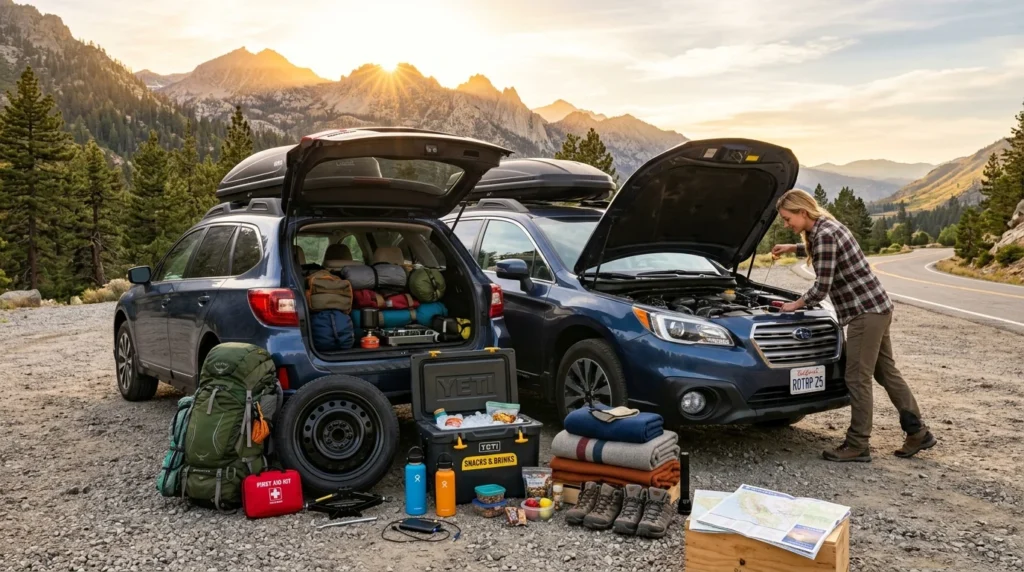
When it comes to road trip planning, preparing your vehicle is crucial for a stress-free and enjoyable journey. Before hitting the road, make sure to schedule a maintenance check to ensure your vehicle is in good condition. This includes checking the oil, tire pressure, and brakes, as well as addressing any existing issues.
Most people miss the importance of safety precautions, such as having a first-aid kit and a spare tire in their vehicle. For example, according to the National Highway Traffic Safety Administration, tire blowouts are a leading cause of accidents on the road, highlighting the need for regular tire checks. By taking these precautions, you can minimize the risk of accidents and ensure a smooth ride.
In terms of packing essentials, it’s essential to bring non-perishable food, refillable water bottles, and entertainment for the journey. The truth is, road trip food can get expensive, with the average person spending around $30 per day on snacks and meals. To save costs, consider packing your own food and snacks, such as energy bars, nuts, and dried fruits.
When it comes to top experiences, consider the best time to visit your destination to avoid crowds and long wait times. For instance, if you’re planning a road trip to Yellowstone National Park, the best time to visit is from April to May or September to November, when the weather is mild and the crowds are smaller. Additionally, be sure to research hidden gems along your route, such as local restaurants, hiking trails, and scenic viewpoints, to make the most of your trip.
In terms of costs, consider budgeting for accommodation, fuel, and activities along the way. The cost of road trip accommodation can vary greatly, from budget-friendly options like camping and hostels to luxury hotels and resorts. For example, a night at a budget-friendly hostel can cost around $20-30 per person, while a luxury hotel can cost upwards of $200-300 per night. By planning ahead and researching your options, you can save money and make the most of your road trip budget.
As you prepare for your road trip, remember to also pack comfortable clothing, maps, and a portable charger to keep your devices charged on the go. With these essentials in place, you’ll be well on your way to a fun and memorable road trip experience. By taking the time to prepare your vehicle and pack the right essentials, you can ensure a safe and enjoyable journey, and make the most of your time on the road.
Common Mistakes to Avoid When Planning a Road Trip
Common Mistakes to Avoid When Planning a Road Trip
 Common Mistakes to Avoid When Planning a Road Trip
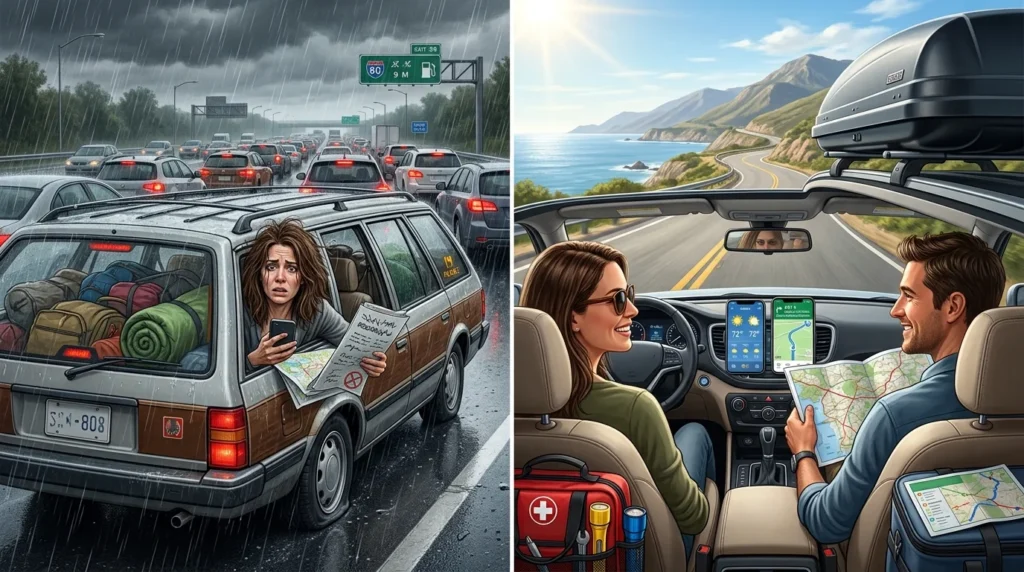
When it comes to planning a road trip, even the smallest oversights can lead to big headaches down the line. One of the most common mistakes beginners make is not checking the weather forecast before embarking on their journey.
This can lead to getting stuck in severe weather conditions, which can be not only uncomfortable but also dangerous. For instance, a sudden snowstorm can make roads impassable, causing delays and increased costs.
Most people miss the importance of booking accommodations in advance, especially during peak travel seasons. This can result in higher costs and limited options, making it difficult to find a place to stay that fits your budget.
To avoid this mistake, it’s essential to research the best time to visit your desired destinations and book your accommodations at least 2-3 months in advance. For example, if you’re planning to visit Yellowstone National Park, June to August are the best months to visit, but accommodation prices can be up to 30% higher during this time.
Not budgeting for unexpected expenses is another common mistake that can throw a wrench in your road trip plans.
The truth is, unexpected costs can arise at any time, whether it’s a flat tire or a medical emergency. To avoid getting caught off guard, it’s crucial to pad your budget by 10-20% to account for any unexpected expenses that may arise.
Lastly, not leaving enough time for rest stops and flexibility in the itinerary can lead to burnout and disappointment.
With so many top experiences and hidden gems to explore, it’s easy to get caught up in trying to pack too much into your schedule. However, it’s essential to leave some buffer time for spontaneous adventures and relaxation, which can often end up being the most memorable moments of your trip. By avoiding these common mistakes, you can ensure a smooth and enjoyable road trip experience that’s filled with excitement and adventure.
Pro Tips for a Stress-Free and Enjoyable Road Trip
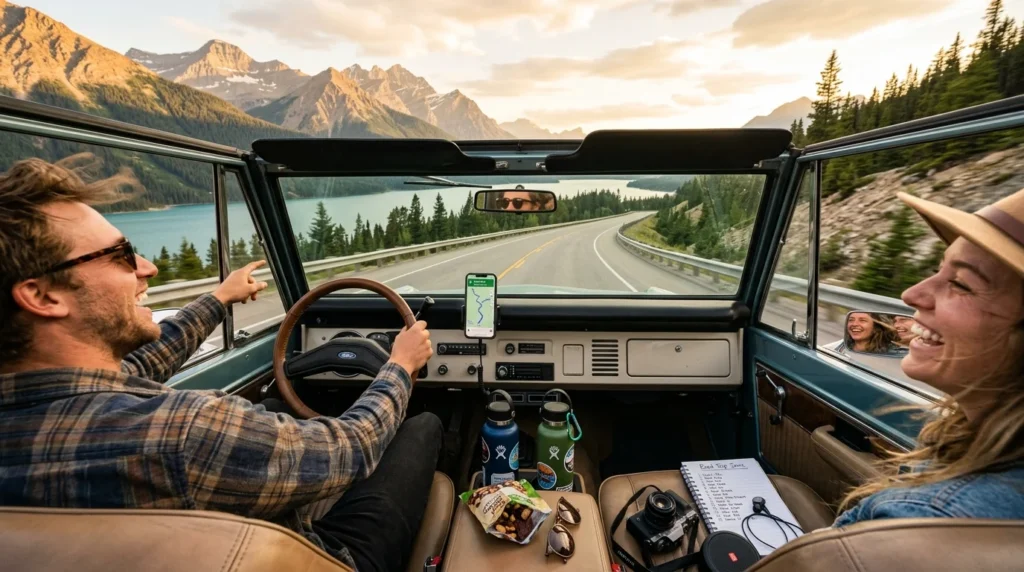
To take your road trip to the next level, it’s essential to stay organized and informed. One often-overlooked tip is to utilize travel apps to find the best restaurants and gas stations along your route. For instance, apps like Roadtrippers or Waze can help you discover hidden gems, such as the famous Cadillac Ranch in Amarillo, Texas, where you can see ten vintage Cadillacs buried nose-first in a field.
Most people miss the importance of planning around peak travel times. The truth is, visiting popular destinations during off-peak seasons can save you up to 30% on accommodations and attractions. For example, if you’re planning to visit Yellowstone National Park, consider going in April or May when the best time to visit is, and you can avoid the summer crowds.
When it comes to avoiding traffic and road closures, it’s crucial to stay up-to-date with real-time traffic updates. You can use apps like Google Maps or Inrix to get live traffic information and alternative route suggestions. This can save you hours of frustration and wasted time on the road. Additionally, you can check the official website of the states you’ll be driving through for any road closure updates.
Another insider tip is to stay entertained and engaged during long drives. Audiobooks and podcasts are great ways to pass the time, with popular options like “The Hitchhiker’s Guide to the Galaxy” or “How I Built This”. You can also play road trip games like “I Spy” or “20 Questions” to keep everyone in the car laughing and engaged.
Lastly, don’t forget to budget for unexpected costs, such as car repairs or medical emergencies. It’s essential to have a contingency fund in place to cover any unforeseen expenses. For instance, you can set aside 10-20% of your total trip budget for emergency funds, which can give you peace of mind and financial security on the road.
Frequently Asked Questions
How far in advance should I book my accommodations?
When it comes to booking accommodations, planning ahead is key to securing the best rates and availability. The truth is, the earlier you book, the better your chances of getting your top choices. For example, if you’re planning to visit Yellowstone National Park during peak season, it’s not uncommon for hotels and lodges to fill up 6-12 months in advance. By booking early, you can avoid last-minute price hikes and ensure a stress-free trip.
What are the best road trip destinations for beginners?
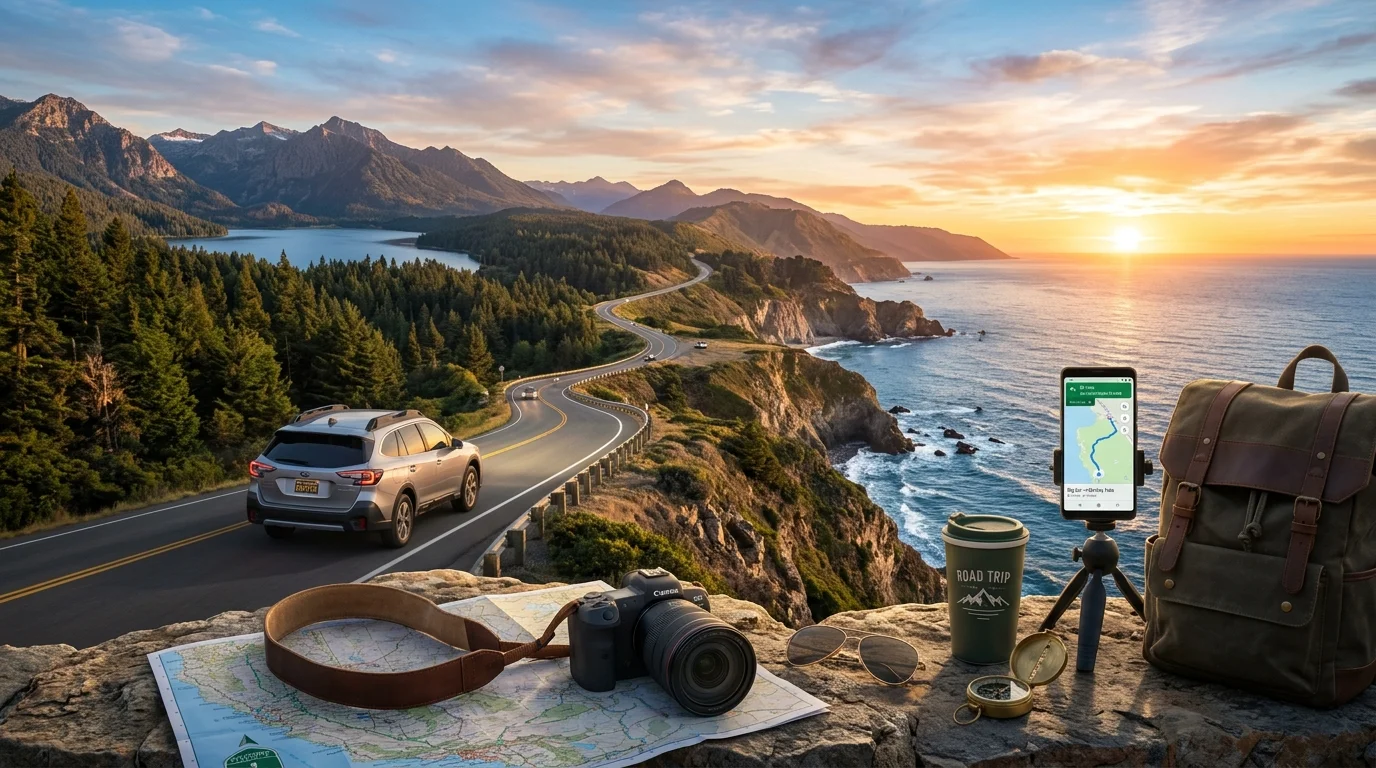
For those new to road tripping, scenic coastal routes and national parks are great options. The Pacific Coast Highway, for instance, offers breathtaking ocean views and a relatively easy drive. Most people miss the hidden gems along the way, such as Big Sur and Monterey, which offer a mix of natural beauty and quaint towns to explore. With gas costs averaging around $20-30 per day, these destinations are also relatively budget-friendly.
How can I stay safe on the road?
Staying safe on the road requires a combination of common sense and preparation. Firstly, make sure your vehicle is in good condition, with regular maintenance and emergency kits on board. Additionally, be aware of your surroundings, especially when driving at night or in unfamiliar areas. For example, if you’re driving through desert regions, be sure to carry extra water and snacks in case of breakdowns.
What are the most scenic routes in the country?
The United States is home to some of the most breathtaking scenic routes in the world. The Blue Ridge Parkway, which spans over 470 miles, offers stunning mountain vistas and fall foliage. Another top pick is the Great River Road, which follows the Mississippi River and passes through 10 different states. With over 100 million visitors each year, these routes are popular for a reason, so be sure to plan your trip during the best time to visit, such as spring or fall, to avoid crowds.
How can I document my road trip journey?
Documenting your road trip journey is a great way to preserve memories and share experiences with others. Consider investing in a dash cam or action camera to capture high-quality footage of your trip. You can also use social media to share real-time updates and photos from the road. For instance, you can create a road trip blog or Instagram account to document your top experiences and hidden gems, such as local eateries and off-the-beaten-path attractions.
Key Takeaways and Next Steps for Your Road Trip Adventure
As you finalize your road trip planning, it’s essential to recap the crucial steps to ensure a stress-free and enjoyable journey. The truth is, a well-planned road trip can make all the difference in creating unforgettable memories.
To get started, consider the following key takeaways:
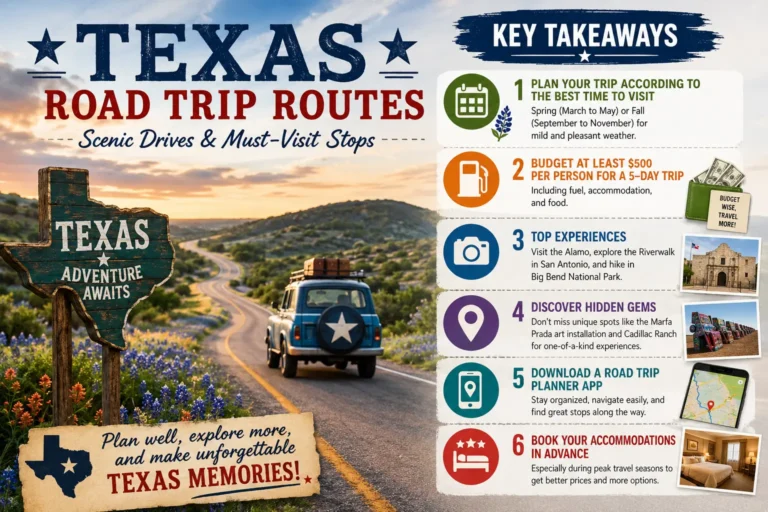
- Define your road trip vision and budget by determining the best time to visit your desired destinations, as some places may have peak season costs that can impact your overall expenses, for instance, visiting Yellowstone National Park during the summer months can increase costs by up to 30%.
- Map out your route and itinerary to include a mix of top experiences and hidden gems, such as local eateries and off-the-beaten-path attractions, like the Grand Canyon’s lesser-known trails.
- Prepare your vehicle and packing essentials by checking your car’s maintenance and packing comfortable clothing for the long drives, as well as snacks and entertainment for the road.
- Avoid common mistakes such as not leaving enough time for rest stops and flexibility in your itinerary, as this can lead to burnout and disappointment, for example, not accounting for traffic delays can add hours to your journey.
- Research and book your accommodations in advance, especially during peak travel seasons, to ensure availability and competitive pricing, with some hotels offering discounts for early bookings.
- Stay organized and connected throughout your trip by using road trip apps and social media to share real-time updates and photos from the road, such as creating a road trip blog or Instagram account to document your top experiences.
By following these key takeaways, you’ll be well on your way to planning an epic road trip adventure. As you embark on your journey, remember to stay flexible and open-minded, and don’t hesitate to try new things and explore off-the-beaten-path destinations. Save and share your favorite road trip planning tips and inspiration for future adventures on Pinterest, and get ready to hit the open road with confidence and excitement!
Read More:8 Best Things to Do in Galena, IL for a Perfect Getaway