Alaska Road Trip Planner: Your Ultimate Guide to Exploring the Last Frontier
Introduction
Imagine driving through breathtaking landscapes, witnessing wildlife in their natural habitat, and experiencing the unparalleled beauty of Alaska. The truth is, most people miss out on the opportunity to explore this incredible state due to lack of planning. With over 660,000 square miles to discover, it can be overwhelming to decide where to start.
As you begin to plan your Alaska road trip, you’ll want to consider the best time to visit, which is typically during the summer months when the weather is mild and the days are long. For instance, June is an ideal month to see the midnight sun, with up to 20 hours of daylight in some parts of the state. You’ll also need to think about costs, such as fuel, accommodations, and food, which can add up quickly.
As you delve into the world of Alaska road trip planning, you’ll learn about the top experiences and hidden gems that make this adventure so unique. From hiking in Denali National Park to exploring the stunning coastline, there’s no shortage of exciting activities to enjoy. With this Alaska road trip planner, you’ll gain the knowledge and confidence to embark on an unforgettable journey, discovering the best routes to take, how to prepare for the unexpected, and what to expect along the way.
When to Go: Choosing the Best Time for Your Alaska Road Trip

As you start planning your Alaska road trip, it’s essential to consider the best time to visit. The truth is, the state’s vast and varied landscape means that the ideal time for your trip depends on your preferences and what you want to experience.
Generally, the summer months (June to August) offer the most favorable weather, with temperatures ranging from 60 to 80 degrees Fahrenheit, making it perfect for outdoor activities like hiking and camping.
During this time, the longest days of the year provide up to 20 hours of daylight, allowing you to make the most of your trip. For instance, the summer solstice, which typically falls on June 20 or 21, is an excellent time to visit the Denali National Park, with its stunning scenery and abundant wildlife viewing opportunities.
However, peak season (June to September) also means higher costs, with prices for accommodations and tour packages increasing by up to 50%. If you’re looking to save money, consider visiting during the shoulder season (April to May or September to October), when prices are lower, and the crowds are smaller.
Most people miss the opportunity to experience the Northern Lights, which are typically visible from late August to late April, with the best viewing times usually between midnight and 3 am.
In terms of road conditions, the summer months offer the best driving conditions, with most roads being clear of snow and ice. However, some top experiences, like dog sledding and snow machining, are only available during the winter months (December to March).
Hidden gems like the Tongass National Forest can be accessed year-round, but the best time to visit depends on your interests, with summer being ideal for hiking and camping, and winter being perfect for skiing and snowshoeing.
When planning your Alaska road trip, keep in mind that the best time to visit also depends on the specific activities you want to enjoy. For example, if you’re interested in bear viewing, the best time is usually from July to September, when the bears are most active.
By considering these factors and choosing the best time for your trip, you’ll be able to make the most of your Alaska adventure, enjoying the state’s stunning landscapes, exciting activities, and unforgettable experiences.
Ultimately, the key to a successful Alaska road trip planner is flexibility and a willingness to adapt to the state’s unique conditions and opportunities.
Budgeting for Your Adventure: Costs and Savings Tips
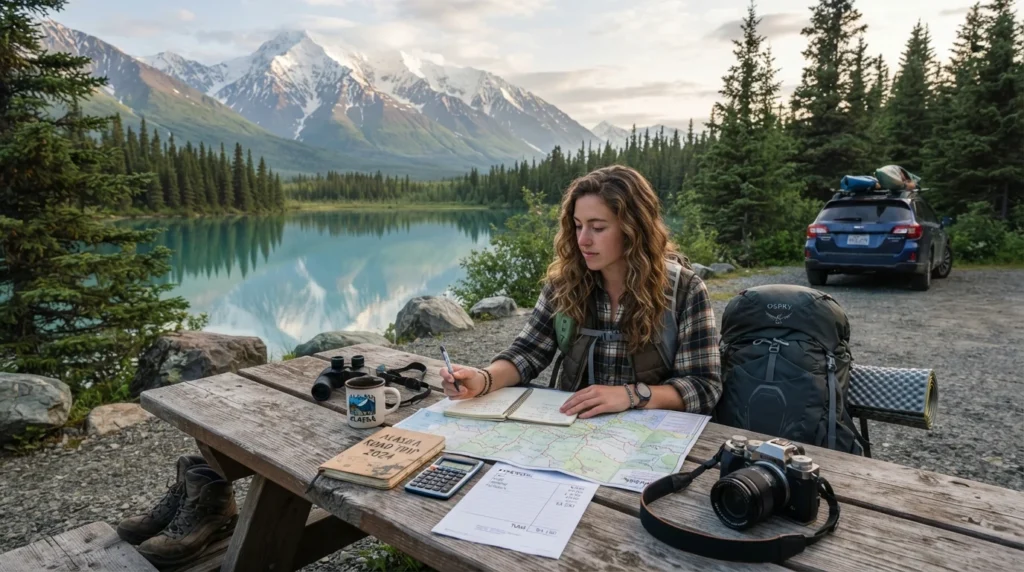
When planning an Alaska road trip, understanding the costs associated with your adventure is crucial for creating a realistic budget plan. The truth is, traveling in Alaska can be expensive, but with some planning, you can save money without compromising on experiences.
For example, fuel costs can add up quickly, with gas prices averaging around $4 per gallon, especially during the best time to visit, which is typically from June to August.
Most people miss the opportunity to save on accommodations, which can be a significant expense. Consider staying in budget-friendly cabin rentals or campgrounds, which can cost between $20 to $50 per night.
Additionally, look for lodges that offer package deals, including meals and activities, which can help you save up to 20% on your overall costs.
Food is another significant expense, with meals at restaurants averaging around $15 to $25 per person.
To save on food, consider grocery shopping and preparing your own meals, which can cost around $10 to $15 per day.
You can also take advantage of free or low-cost activities, such as hiking, wildlife viewing, or visiting national parks, which can be a great way to experience top experiences and hidden gems without breaking the bank.
In terms of activity costs, expect to pay around $50 to $100 per person for popular activities like dog sledding or wildlife cruises.
However, many tour operators offer discounts for advance bookings or package deals, which can help you save up to 30% on activity costs.
For instance, booking a glacier hiking tour in advance can cost around $80 per person, compared to $120 per person for a last-minute booking.
By understanding the costs associated with your Alaska road trip and taking advantage of budget-friendly options, you can create a realistic budget plan that allows you to experience the best of Alaska without breaking the bank.
With some planning and research, you can have a memorable and affordable Alaska adventure, enjoying the state’s stunning landscapes, exciting activities, and unforgettable experiences.
As you plan your trip, be sure to consider the best time to visit and take advantage of seasonal discounts and promotions, which can help you save even more on your Alaska road trip planner.
Top Experiences and Hidden Gems: Making the Most of Your Trip
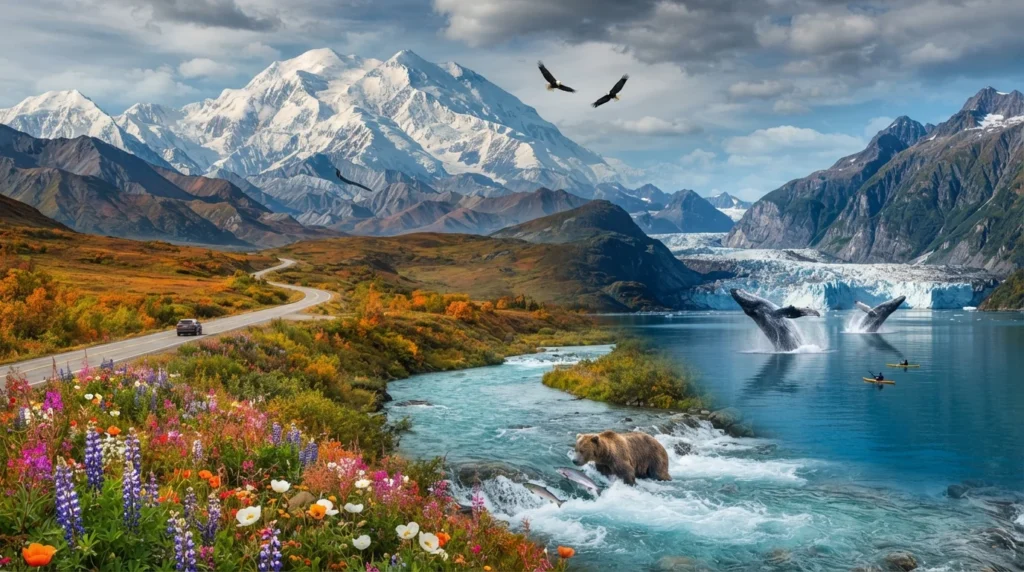
When it comes to planning an Alaska road trip, the options can be overwhelming, but the truth is, with a little insider knowledge, you can create an unforgettable adventure.
From the stunning landscapes of Denali National Park to the vibrant culture of Anchorage, there’s something for every interest and travel style.
For example, a visit to Denali National Park during the best time to visit, which is typically from June to September, offers breathtaking views of North America’s highest peak and abundant wildlife viewing opportunities.
As you explore the state, be sure to include top experiences like witnessing the Northern Lights, which can be seen on clear nights from late August to late April, with the highest probability of viewing from December to March.
The costs of these experiences can vary, but with some planning, you can find affordable options, such as taking a self-guided tour of the Tony Knowles Coastal Trail in Anchorage, which offers stunning views of the surrounding mountains and Cook Inlet.
Most people miss the hidden gems that Alaska has to offer, such as the picturesque town of Haines, which is nestled in the heart of the Chilkat Bald Eagle Preserve and offers a unique blend of natural beauty and small-town charm.
With a population of just over 2,000 people, Haines is a tranquil alternative to the more bustling towns like Juneau and Anchorage, and is home to the Haines Sheldon Museum, which showcases the region’s rich history and culture.
In addition to these must-see places, consider exploring off-the-beaten-path destinations like the Kenai Fjords National Park, which is home to an array of wildlife, including whales, sea lions, and puffins.
According to the National Park Service, over 1 million people visit Alaska’s national parks each year, but many of these visitors stick to the more popular destinations, leaving plenty of room for adventure and exploration in the state’s more remote areas.
As you plan your Alaska road trip, be sure to leave some room for spontaneity and flexibility, as the state’s unpredictable weather and rugged terrain can sometimes throw a wrench in even the best-laid plans.
By being open to new experiences and taking advantage of seasonal discounts and promotions, you can make the most of your trip and create memories that will last a lifetime.
With its stunning landscapes, vibrant culture, and endless opportunities for adventure, Alaska is a destination that is sure to leave you in awe, and eager to return and explore more of what the state has to offer.
Common Mistakes to Avoid on Your Alaska Road Trip
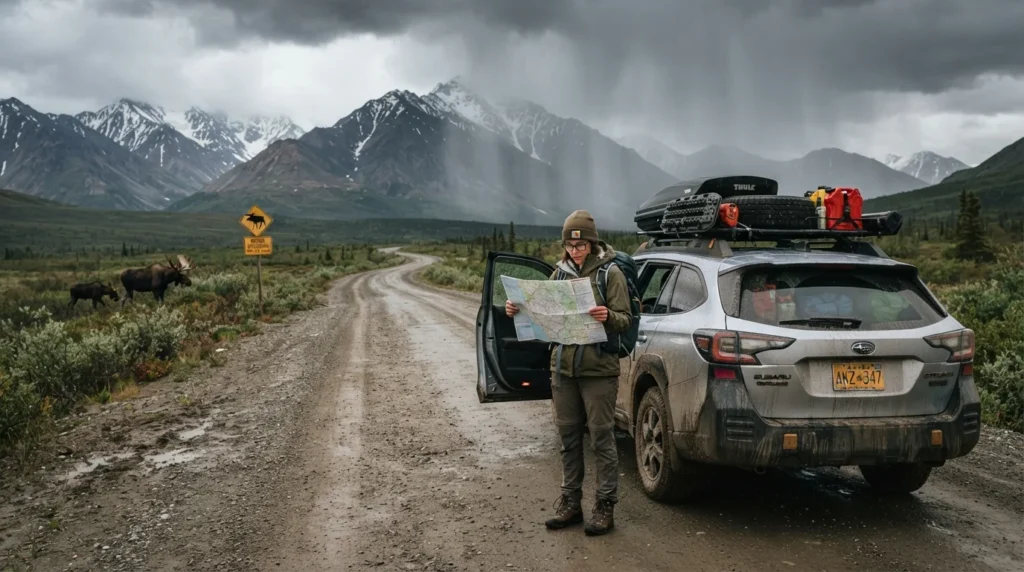
When planning an Alaska road trip, it’s easy to get caught up in the excitement of exploring America’s last frontier. However, there are several common mistakes that travelers make, which can quickly turn a dream trip into a nightmare.
One of the most significant errors is underestimating drive times between destinations.
The truth is, Alaska is vast, and its roads can be rough, making it essential to plan for plenty of time behind the wheel.
Most people miss the fact that driving in Alaska can be challenging, especially during the best time to visit, which is typically from June to September.
For instance, the stretch of road from Anchorage to Fairbanks can take up to 8 hours, depending on the conditions.
To avoid this mistake, make sure to research the road conditions and plan your itinerary accordingly, leaving some buffer time for unexpected delays.
Another mistake travelers make is not preparing for variable weather conditions.
Alaska’s weather can be unpredictable, with sudden changes in temperature and precipitation.
For example, a sudden rainstorm can make the roads slippery and hazardous, while a heatwave can increase the risk of wildfires.
To fix this, pack layers, bring a waterproof jacket, and stay informed about the weather forecast, especially during the summer months when the weather is most unpredictable.
Failing to book accommodations and popular activities in advance is another common mistake that can lead to disappointment and added costs.
In 2026, costs for accommodations and activities in Alaska are expected to be higher than usual, due to increased demand.
For example, a guided hike in Denali National Park can cost upwards of $200 per person, and popular top experiences like dog sledding and glacier hiking often sell out quickly.
To avoid this, research and book your accommodations and activities at least 6 months in advance, and consider budgeting extra for hidden gems like a scenic flight over Mount McKinley or a visit to the stunning Exit Glacier.
Lastly, not respecting wildlife and the environment is a mistake that can have serious consequences, both for the traveler and the ecosystem.
For instance, feeding wildlife or littering can harm the local ecosystem and even lead to fines.
To fix this, educate yourself on Alaska road trip planner best practices, such as keeping a safe distance from wildlife, disposing of waste properly, and staying on designated trails.
By avoiding these common mistakes, you can ensure a smoother, more enjoyable journey through Alaska’s breathtaking landscapes.
Pro Tips for an Unforgettable Alaska Road Trip Experience
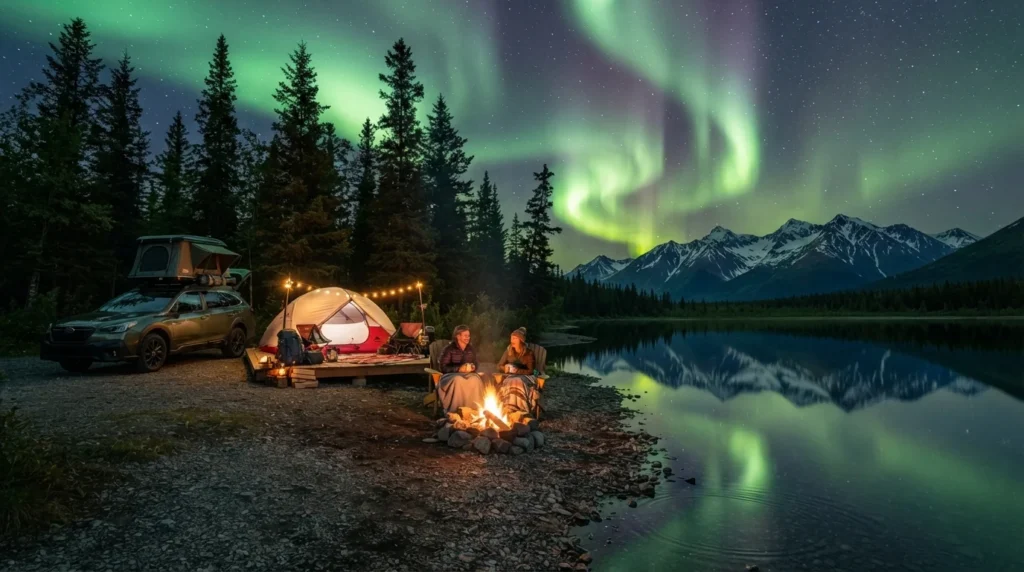
To truly make the most of your Alaska road trip planner, consider going beyond the basics. Most people miss the unique opportunities that Alaska has to offer, such as witnessing the Northern Lights in all their glory.
For instance, the best time to see the Northern Lights is from September to April, when the nights are darkest. The truth is, capturing the perfect photograph of this phenomenon requires patience and the right equipment, such as a tripod and a camera with good low-light settings.
One often-overlooked aspect of Alaska road trip planning is finding secluded camping spots. With over 100 state parks and numerous national forests, Alaska offers endless options for those willing to venture off the beaten path. For example, the Tongass National Forest has many dispersed camping areas that are perfect for those seeking solitude.
When it comes to costs, many travelers underestimate the expense of gas and food in remote areas. A typical fill-up can cost upwards of $50, and meals at local restaurants can range from $15 to $30 per person. To save money, consider packing non-perishable snacks and cooking meals at your campsite.
In terms of top experiences and hidden gems, most people flock to popular destinations like Denali National Park. However, lesser-known spots like the Kenai Fjords offer equally breathtaking scenery and wildlife viewing opportunities, including whale watching and kayaking.
Lastly, engaging with local communities is essential to a meaningful Alaska road trip experience. Visit local museums, attend cultural festivals, and support indigenous-owned businesses to gain a deeper understanding of the state’s rich history and traditions. By doing so, you’ll not only have a more authentic experience but also contribute to the local economy.
Frequently Asked Questions
What should I pack for my Alaska road trip?
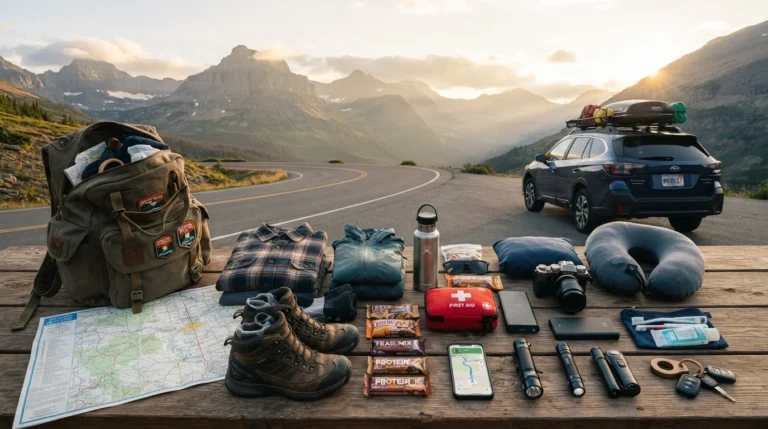
When it comes to packing for an Alaska road trip, it’s essential to prioritize layers, as the weather can be quite unpredictable. The truth is, you’ll want to be prepared for anything, from sunny days to rainy nights. Consider packing a mix of breathable clothing, waterproof gear, and warm layers, such as a down jacket or fleece. For example, if you’re planning to visit in the summer, be sure to pack insect repellent to protect yourself from mosquitoes and other bugs.
How do I deal with bears and other wildlife during my trip?
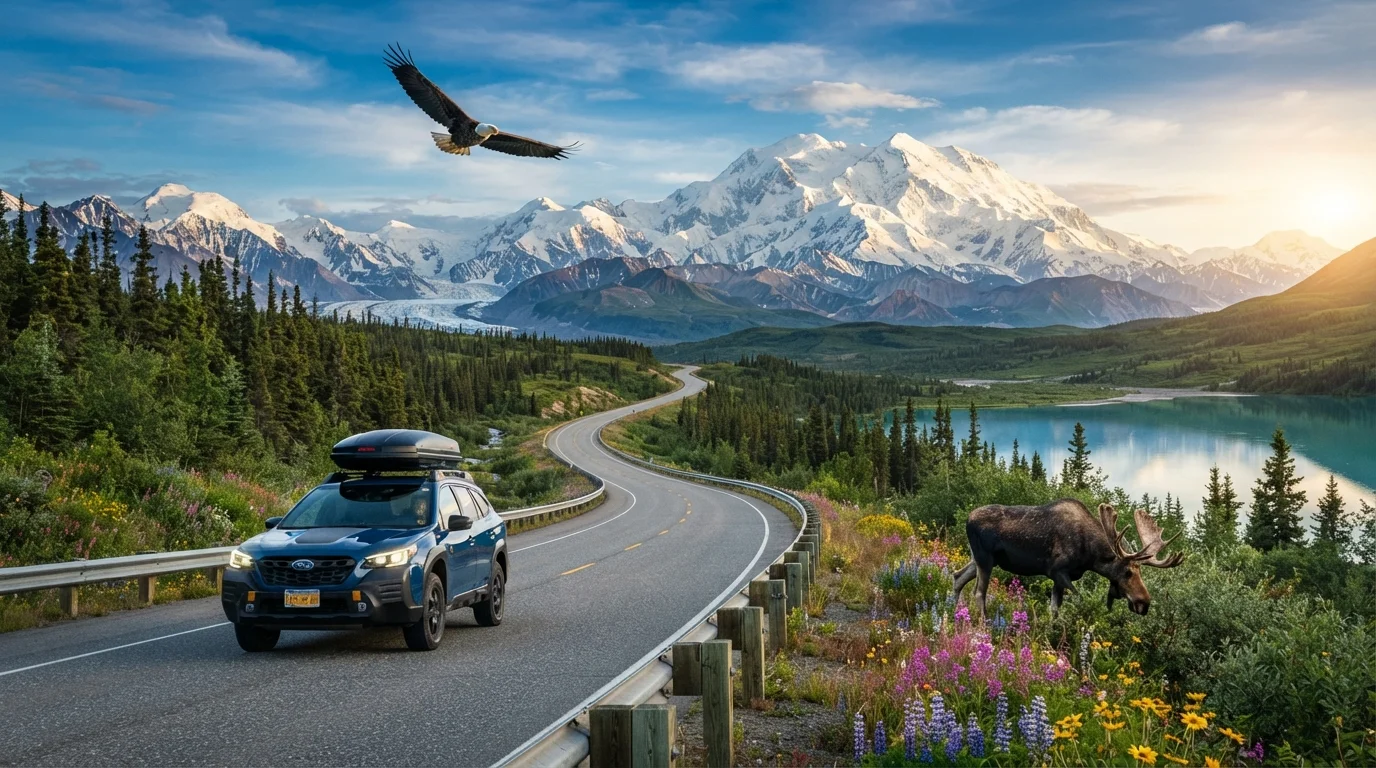
Dealing with wildlife is a crucial aspect of any Alaska road trip. Most people miss the importance of being prepared and taking necessary precautions, such as carrying bear spray and making noise while hiking. When driving, keep an eye out for moose and other large animals, and be sure to follow speed limits to avoid accidents. Additionally, consider taking a guided tour or joining a wildlife viewing excursion to learn more about the local wildlife and how to safely interact with them.
What’s the best vehicle for an Alaska road trip?
Choosing the right vehicle for your Alaska road trip can make all the difference. Consider renting a 4×4 vehicle, such as a SUV or truck, to handle the state’s rugged terrain and unpaved roads. For example, the Denali Highway is a scenic route that requires a high-clearance vehicle to navigate its rough roads. Be sure to research and book your vehicle in advance, especially during peak season, which typically runs from June to August.
How can I stay connected in areas with limited internet and phone service?
Staying connected during an Alaska road trip can be challenging, especially in remote areas with limited internet and phone service. Consider investing in a portable Wi-Fi hotspot or satellite phone to stay in touch with family and friends back home. Additionally, be sure to download maps and guides before your trip, and take advantage of free Wi-Fi at rest stops and visitor centers. According to a recent study, over 70% of Alaska’s roads have limited or no cell service, so it’s essential to be prepared.
What health and safety precautions should I take on my Alaska road trip?
When it comes to health and safety, it’s always better to be prepared. Consider packing a first aid kit and taking any necessary medications with you on your trip. The best time to visit Alaska is during the summer months, when the weather is warmer and the days are longer, but this also means that costs can be higher. Be sure to research and book your accommodations and top experiences, such as hiking and wildlife viewing, in advance to avoid hidden costs. With some planning and preparation, you can have a safe and enjoyable Alaska road trip experience, exploring the state’s many hidden gems and taking in the breathtaking natural beauty of this incredible destination.
Key Takeaways and Next Steps for Your Alaska Adventure
As you prepare for your Alaska road trip, it’s essential to keep in mind the key points that will make your journey unforgettable. With the right mindset and preparation, you’ll be ready to take on the natural beauty of Alaska.
To get started, consider the best time to visit, which is typically between June and September, with over 70% of visitors arriving during this period.
Most people miss the importance of budgeting for their trip, but with an average daily cost of $200 per person, it’s crucial to plan ahead.
The truth is, hidden costs can add up quickly, so be sure to factor in expenses like gas, food, and accommodation.
Here are six actionable tips to keep in mind:
- Plan your Alaska road trip during the best time to visit, which is between June and September, to enjoy the midnight sun and wildlife viewing.
- Set a realistic budget and stick to it, with an average daily cost of $200 per person, to avoid financial stress.
- Research and book your top experiences, such as hiking and wildlife cruises, in advance to avoid hidden costs.
- Be flexible and open to hidden gems, like the Tongass National Forest, which offers hiking trails and scenic views.
- Pack layers and warm clothing, as the temperature can drop significantly, even in the summer, with an average low of 40°F (4°C) in June.
- Download maps and guidebooks to help navigate the road trip, and consider purchasing a bear spray, which can cost around $50, as a precautionary measure.
In conclusion, with these tips and a bit of planning, you’ll be well on your way to an unforgettable Alaska road trip experience. Save this guide to your Travel Inspiration board on Pinterest and start planning your dream trip today, and don’t forget to follow us for more travel tips and guides to help you navigate your next adventure!
Read More:7 Wisconsin Weekend Getaways: Perfect Trips for Every Traveler