19 Best Times to Visit Positano for Perfect Weather
Introduction
Over 2 million visitors descend on the Amalfi Coast every year — and a huge portion of them wish they’d planned their Positano trip differently. Knowing the best time to visit Positano can genuinely transform your experience from chaotic and overpriced to utterly magical.
This cliffside village is breathtaking in every season, but the difference between arriving in August versus October can mean half the crowds, calmer seas, and dramatically lower hotel rates.
This guide breaks down 19 specific time windows across every month of the year, covering exactly what to expect from:
For another perspective, this detailed piece on The Best Time of Year to Visit the Amalfi Coast is worth a read.
- Weather patterns and sea conditions
- Crowd levels and peak season pressure
- Pricing for accommodation and dining
- Hidden seasonal experiences most visitors never discover
Whether you’re dreaming of lemon-scented summer terraces or quiet spring mornings on near-empty beaches, there’s a perfect moment in Positano waiting for you.
Best Time to Visit Positano for Ideal Weather and Fewer Crowds
You’ve finally booked your dream Amalfi Coast trip — only to arrive in August and spend half your holiday queuing for a sunbed. Sound familiar?
The best time to visit Positano is during its two golden windows: late spring (May–June) and early autumn (September–October). Temperatures hover around a comfortable 22–26°C, the sea is warm, and the clifftop paths actually feel walkable.
Shoulder season consistently beats peak summer for most travellers. Crowds thin noticeably, accommodation prices drop by up to 40%, and you can snag a terrace table at a good restaurant without a week’s notice.
- May–June: blooming bougainvillea, mild temperatures, low crowds
- July–August: peak heat, peak prices, very busy
- September–October: warm sea, golden light, relaxed atmosphere
- November–March: many businesses closed, quiet but limited
January in Positano: Quiet, Cold, and Surprisingly Beautiful
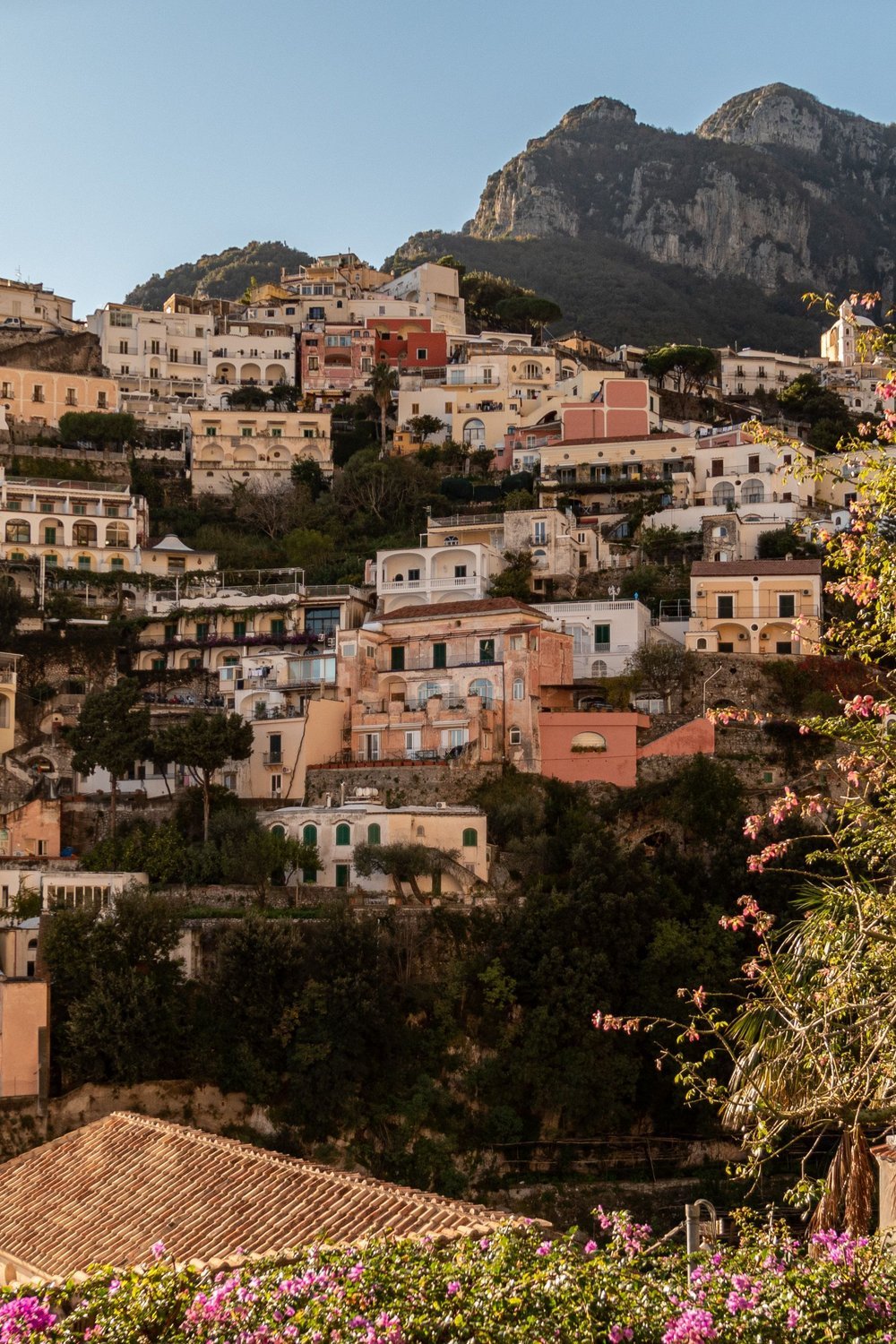
Have you ever wondered what it feels like to have one of Italy’s most iconic villages almost entirely to yourself?
January brings cool, crisp days with temperatures hovering around 8–12°C, occasional rain showers, and a slower, more authentic pace that summer crowds never get to experience.
For budget travelers, this is genuinely exciting territory. Hotel rates can drop by 50% or more compared to peak season, and restaurant tables are always available.
While January isn’t the best time to visit Positano for beach days, it rewards a different kind of traveler entirely:
- Solitude seekers craving empty cliffside staircases
- Photographers chasing moody, fog-draped coastal light
- Anyone wanting genuine conversations with locals rather than tourist-facing pleasantries
The village breathes differently in winter — and honestly, it’s quietly magical.
February: The Slowest Month on the Amalfi Coast
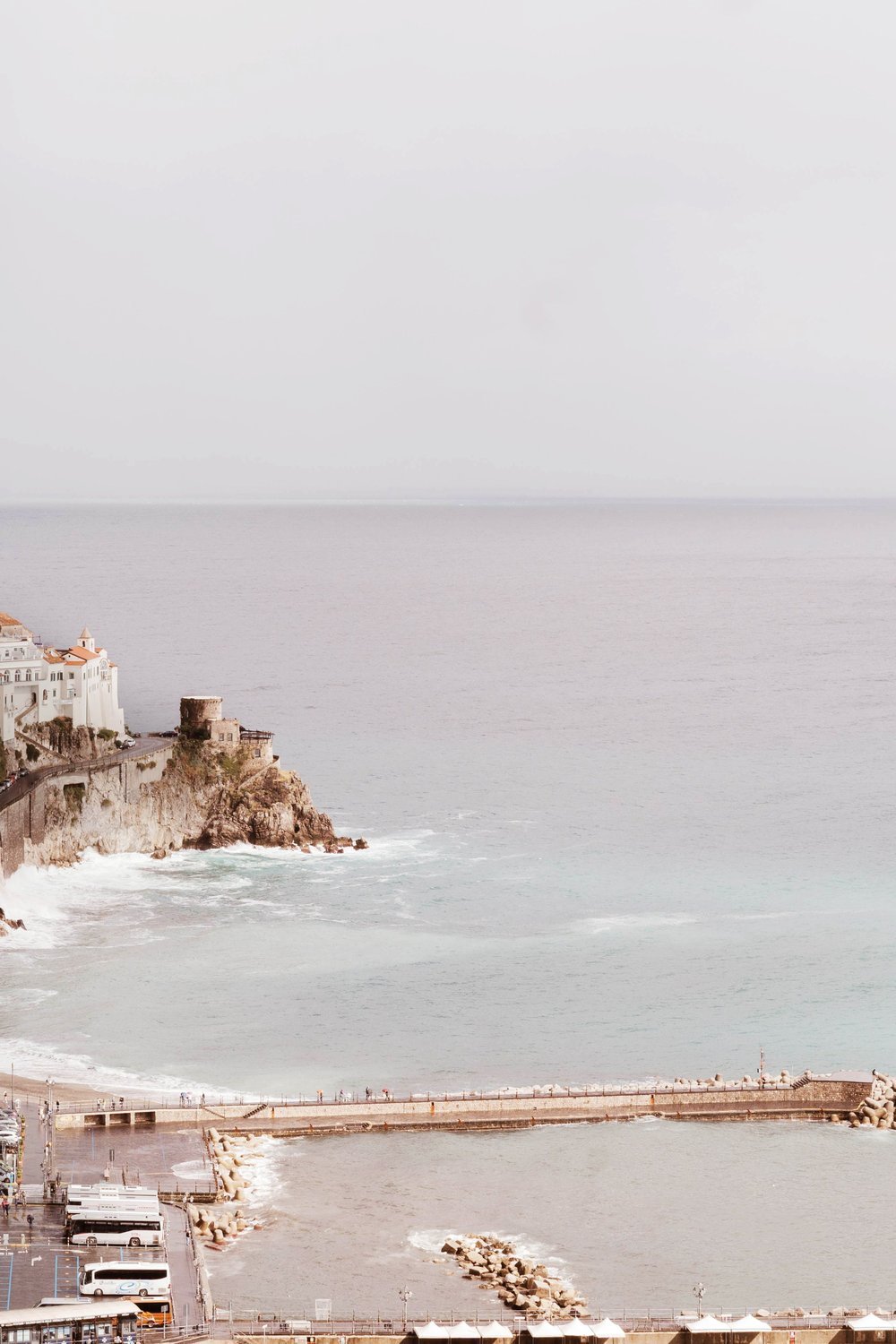
Forget the idea that February means miserable weather and shuttered doors. Yes, it’s the quietest month — but that’s precisely what makes it quietly special.
Temperatures hover around 10–13°C, the sea is cool and dramatic, and afternoon rain showers aren’t uncommon. Pack layers and waterproofs.
What surprises most visitors is how photogenic the hillsides look in winter. Lemon groves stay lush year-round, and delicate wildflowers push through terraced walls, adding unexpected colour to those iconic pastel facades.
If you’re wondering whether this is the best time to visit Positano, the answer depends on what you love. February rewards slow travellers with:
- Ceramic workshops with local artisans who actually have time for you
- Cosy trattorias serving honest, unhurried lunches
- Hands-on cooking classes focused on traditional Amalfitano recipes
March in Positano: Early Signs of Spring Awakening
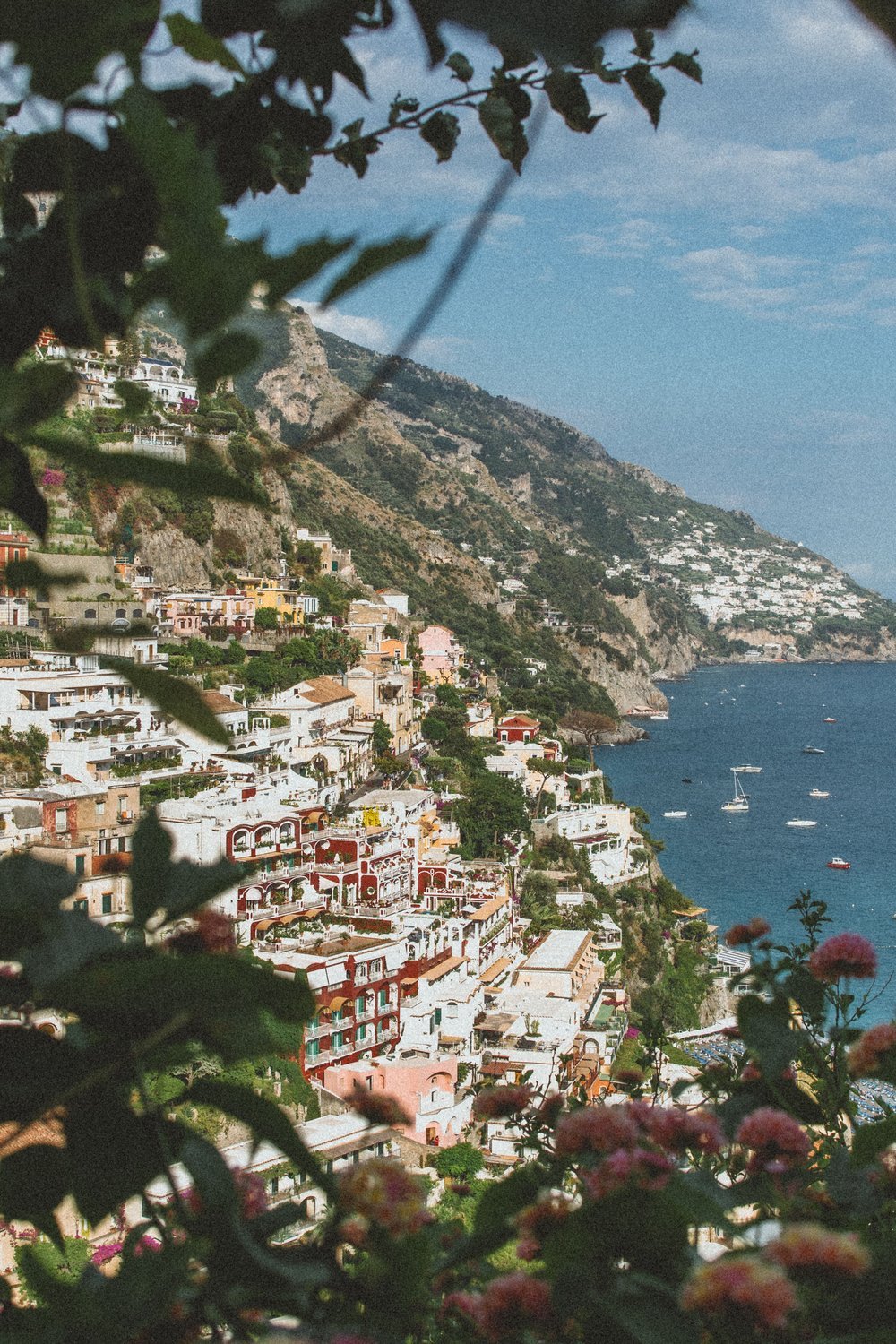
There’s something quietly magical about arriving in Positano when the bougainvillea is just starting to blush and the village still belongs to the locals.
Temperatures climb into the low-to-mid 60s°F (around 16–18°C), and the hillsides begin dotting with wild anemones and rosemary in bloom — a gentle, unhurried beauty that summer crowds never get to witness.
For hikers, March is genuinely exciting. The Path of the Gods is cool, clear, and blissfully uncrowded — perfect conditions before the heat makes that trail punishing.
If you’re weighing the best time to visit Positano, March deserves serious consideration. Hotels, boat tour operators, and select beach clubs begin reopening mid-month, giving you real access without the chaos.
- Wildflowers carpet the Lattari Mountains
- Coastal hiking trails are at peak comfort
- Fewer crowds mean genuine local experiences
April in Positano: Blooms, Mild Weather, and the First Tourists
Book accommodation at least six weeks ahead if Easter falls in April — it sells out faster than most travellers expect.
Temperatures hover around 16–19°C, with occasional light showers that keep the hillsides lush and the crowds manageable. For many visitors, this genuinely feels like the best time to visit Positano.
Easter weekend brings a noticeable spike in visitors, but mid-April quietens down beautifully — perfect for lingering over a cliff-side espresso without jostling for space.
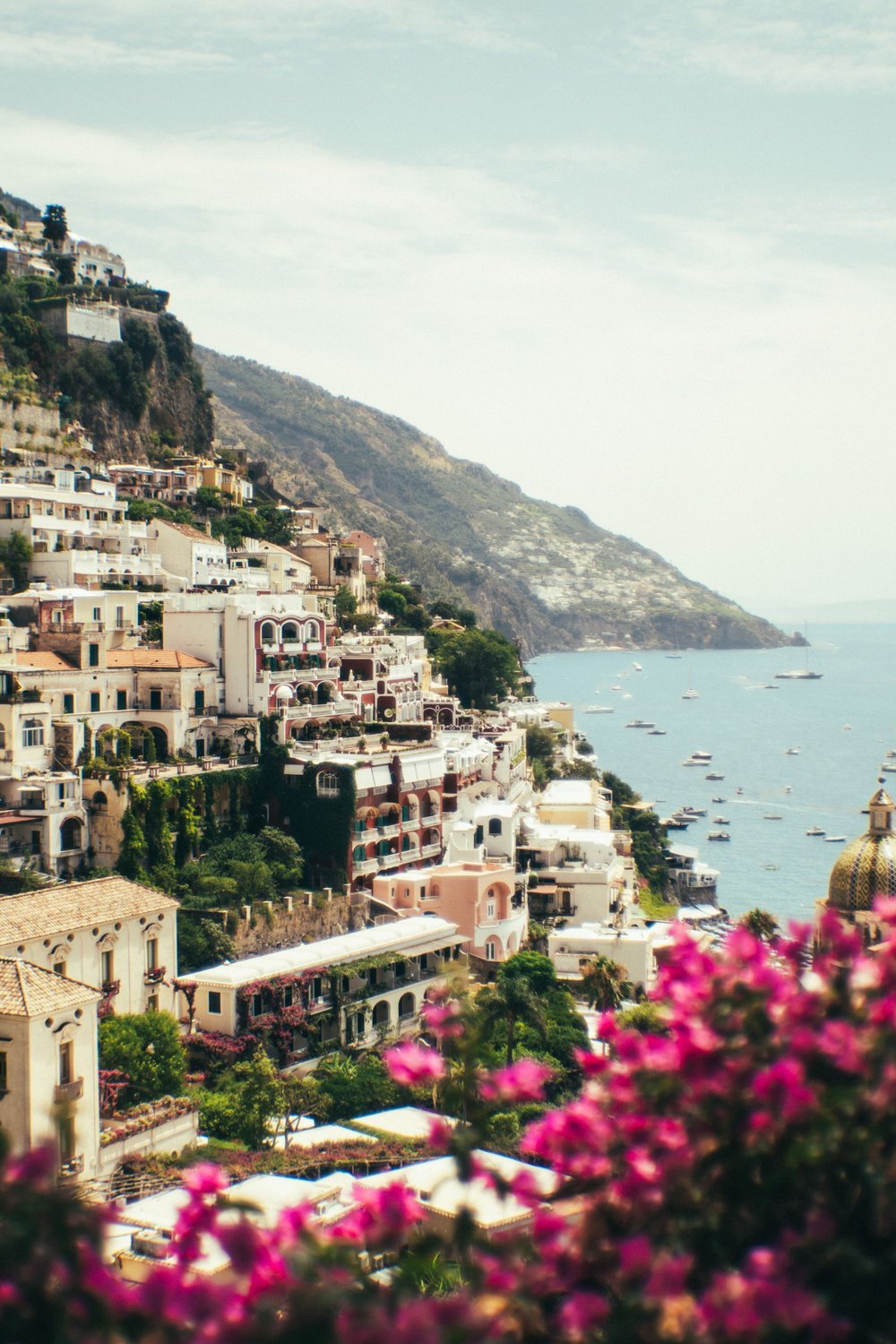
The bougainvillea bursts into vivid fuchsia, making every corner Pinterest-worthy without any effort. Here’s what to prioritise:
- Early morning boat trips to Capri or the sea caves before day-trippers arrive
- The clifftop walk along the Sentiero degli Dei
- Wildflower-lined coastal paths at their absolute peak colour
May in Positano: One of the Best Times to Visit Positano Italy
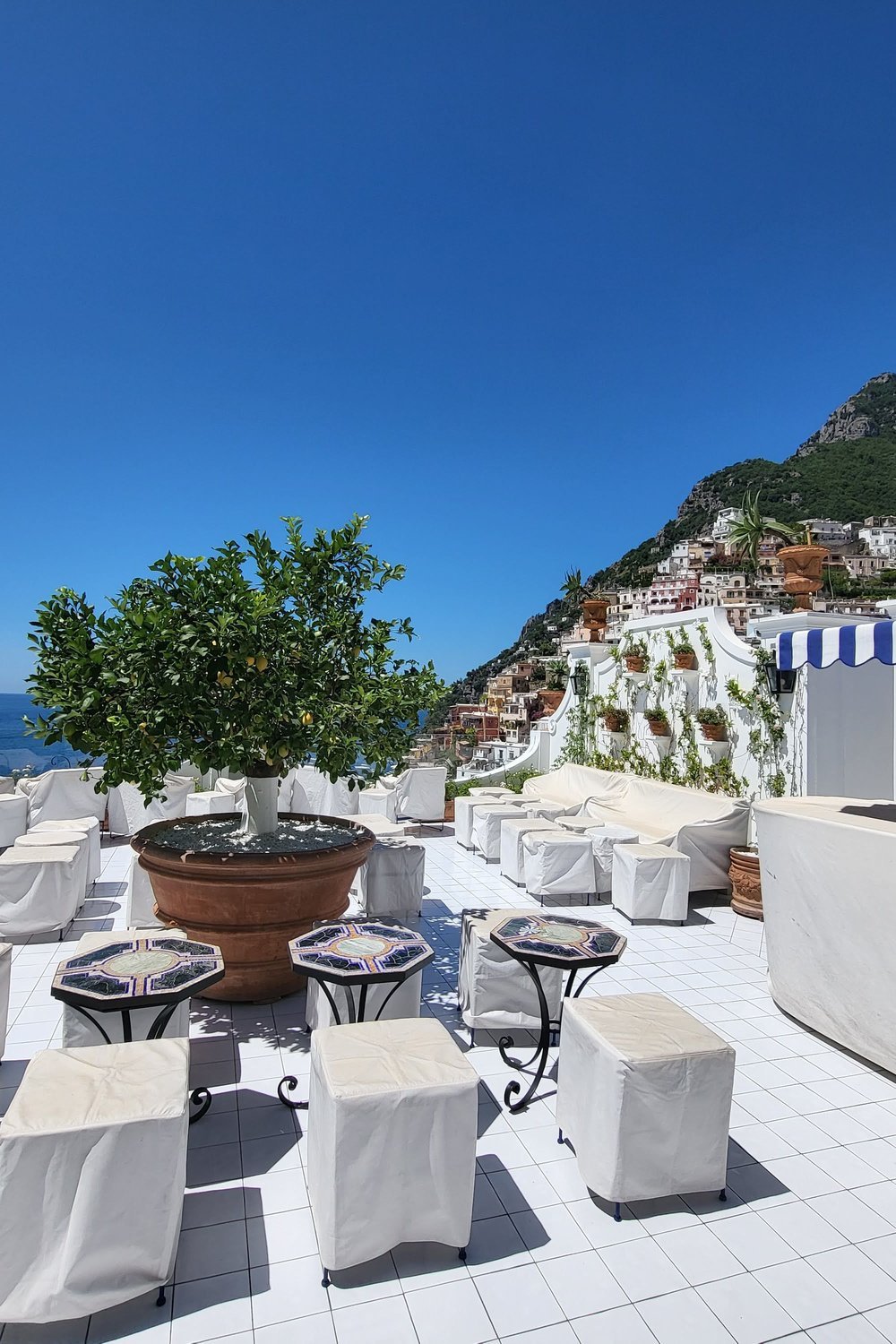
As spring settles into the Amalfi Coast, May transforms Positano into something close to perfect. Temperatures hover around 22–24°C (72–75°F), the bougainvillea is in full bloom, and the summer crowds haven’t arrived yet.
Many seasoned travelers consider this the best time to visit Positano — and honestly, it’s hard to argue. You’ll actually find a sun lounger on Spiaggia Grande without a battle.
The sea reaches around 19°C — refreshing rather than warm, so pack a light wetsuit if you plan to swim longer.
May unlocks some of the most rewarding experiences the town offers:
- Open-air dining with relaxed tables and no reservation scramble
- Coastal hikes like the Path of the Gods at their most beautiful
- Uncrowded beach days with clear, calm water
June: The Gateway to Summer Season in Positano
Booking a cliffside room in June costs roughly 30–40% less than peak July rates — a significant saving for essentially the same sunshine.
Crowds build noticeably after the 10th, so the first two weeks offer a genuine sweet spot. The best time to visit Positano, if you want warmth without the wall-to-wall tourists, is genuinely early June.
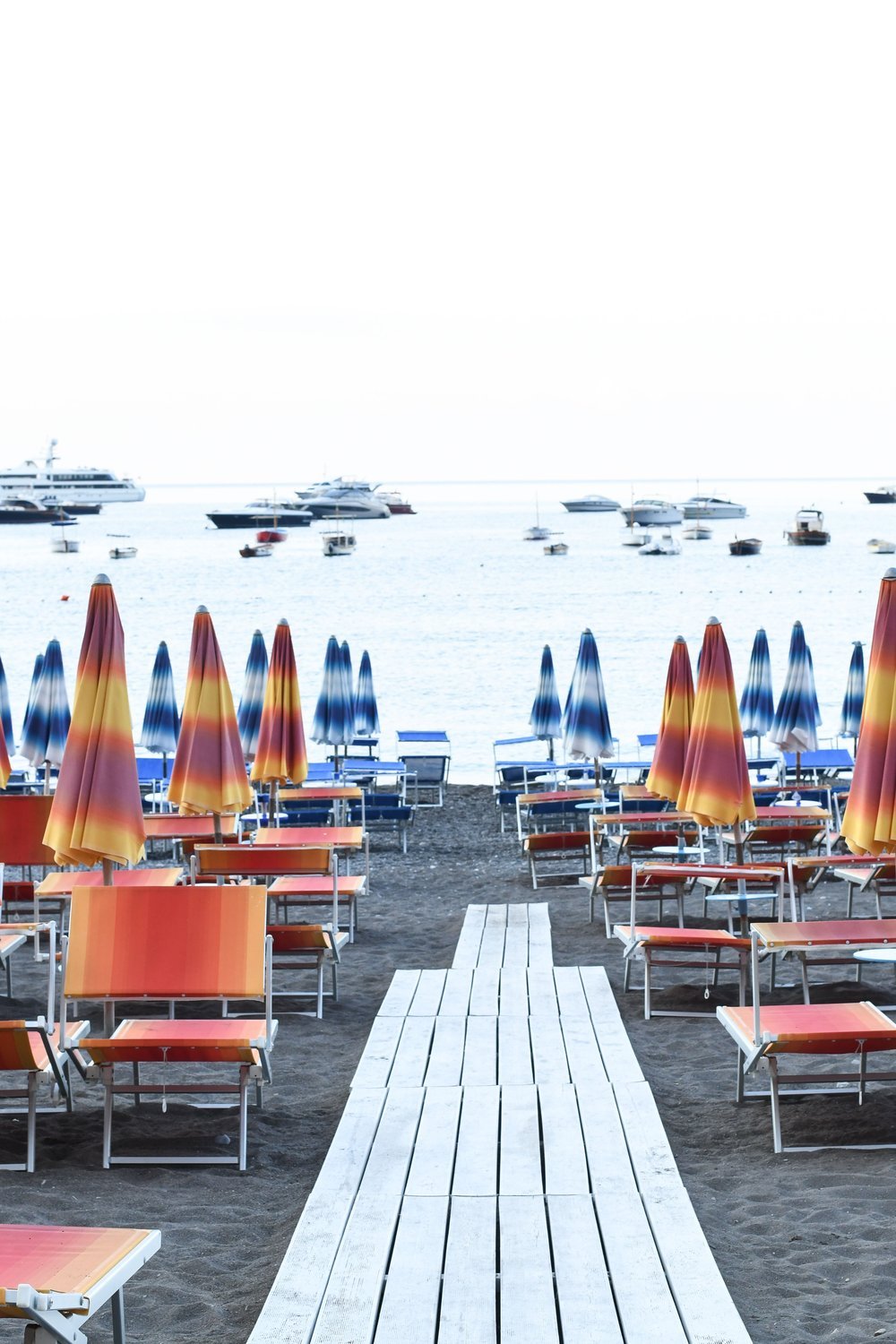
Temperatures hover around 26–28°C, the sea is warm enough for swimming, and the famous beach at Spiaggia Grande finally comes alive with colour.
A few tips to make the most of it:
- Arrive before June 15th to secure better accommodation availability
- Book restaurants in advance — popular terraces fill fast even in early June
- Visit the main beach before 9am for genuinely peaceful mornings
- Use local ferries instead of the congested coastal road
July in Positano: Peak Season Pros, Cons, and Survival Tips
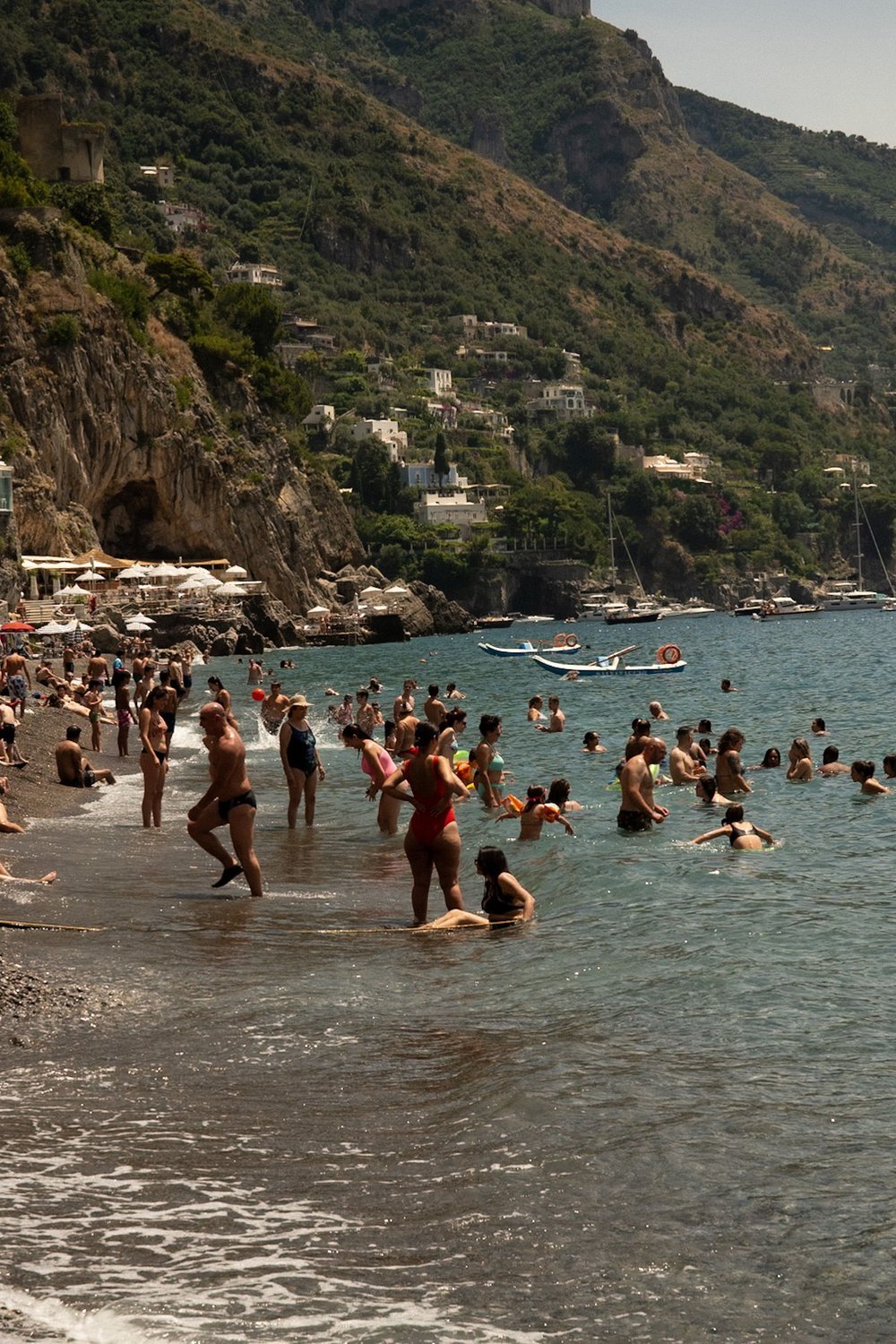
Over 1.5 million visitors pass through the Amalfi Coast each July — and Positano feels every single one of them. It’s loud, crowded, and prices spike sharply, yet the energy is completely electric.
If you’re weighing whether July is the best time to visit Positano, the honest answer depends on your tolerance for heat and crowds. Temperatures regularly hit 34°C, and the narrow beach fills up before 9am.
Ferragosto (August 15th) celebrations actually begin building through late July, bringing open-air concerts, boat parades, and festive dining that genuinely rewards the chaos.
To actually enjoy it, keep these survival tips close:
- Book accommodation at least 4–6 months ahead
- Arrive at Spiaggia Grande before 8:30am to claim a free spot
- Embrace the evening passeggiata — cooler air, golden light, and Positano at its most magical
August: The Most Crowded Month and How to Navigate It
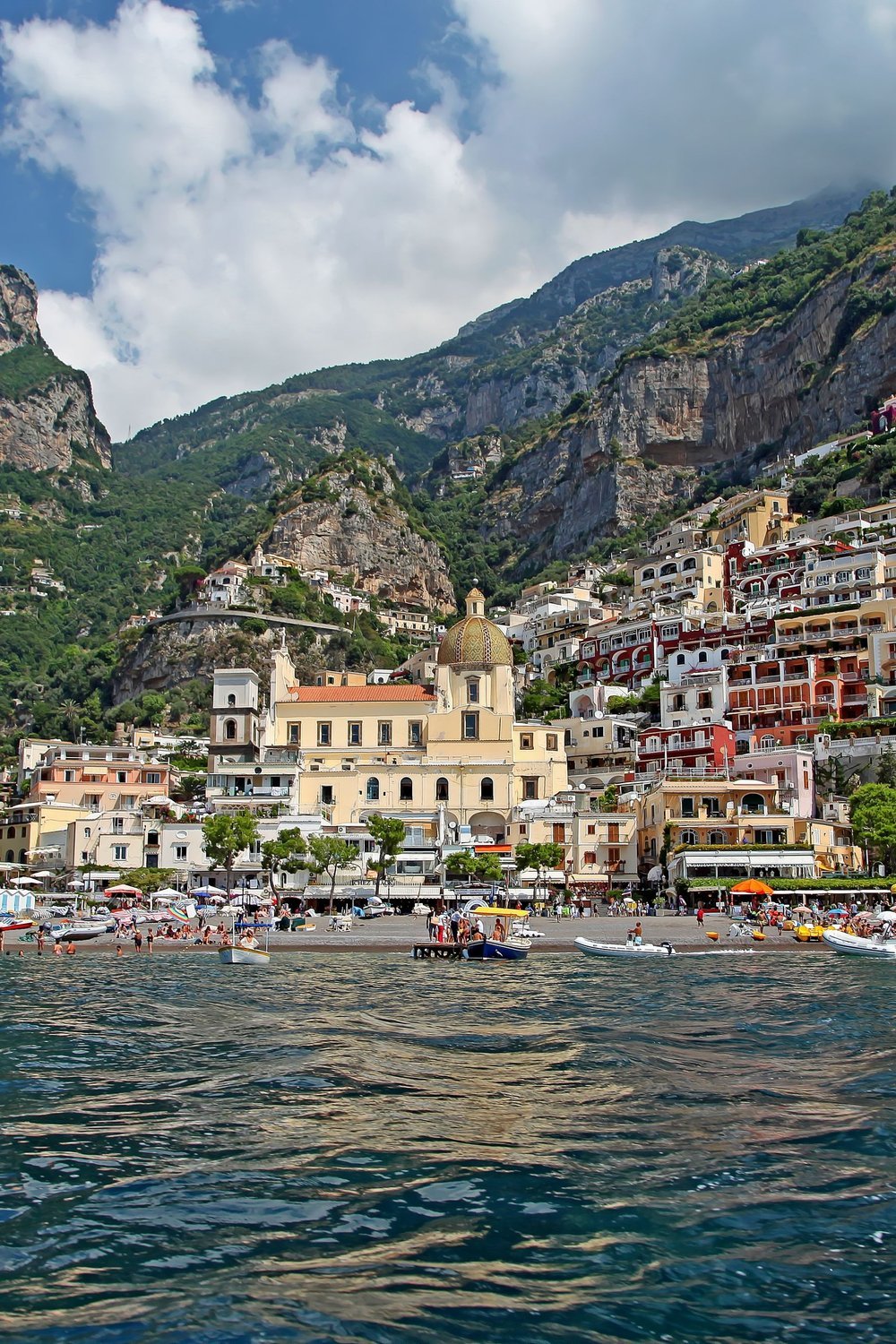
You’ve finally booked your dream trip — then you arrive in Positano in August and can barely move along the main steps. It’s beautiful chaos.
August pulls the largest crowds of any month, meaning accommodation prices peak, beaches fill by 9am, and restaurant queues stretch into the afternoon heat. It’s genuinely intense.
That said, it’s arguably not the best time to visit Positano if you crave peace — but the atmosphere is electric, the sea is warmest, and the town feels gloriously alive.
A few smart moves make all the difference:
- Explore the main beach and steps before 8am — the light is magical and the streets are yours
- Hire a private boat from around €180 for a half-day to reach quieter coves like Laurito
- Skip Fornillo beach on weekends — visit Tuesday or Wednesday mornings instead
September in Positano: The Best Time to Visit Positano for Most Travelers
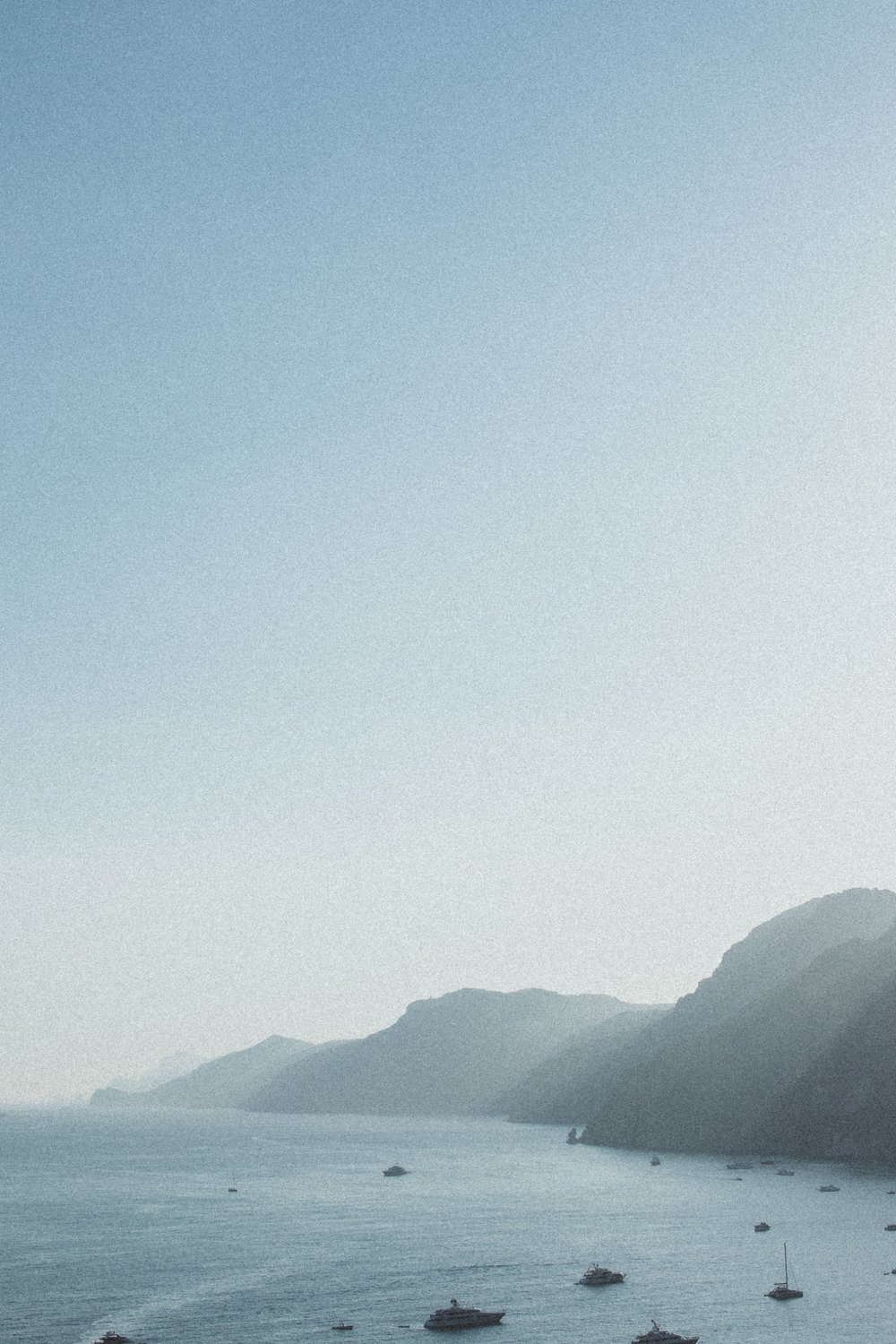
Ready to experience the Amalfi Coast without the August madness? September is your answer.
The sea stays warm at around 25°C, perfect for swimming, while the air softens into something far more comfortable for exploring those famous hillside staircases.
August leaves abruptly — the crowds, the heat, the noise. September fills that space with something richer: locals reclaiming their town, restaurants easing back into relaxed service, and terraces you can actually enjoy.
Prices drop noticeably after the first week, often 20–30% lower than peak summer rates.
The lemon and grape harvests bring a quietly festive energy to surrounding villages, and the light turns golden and painterly — pure magic for photographers.
- Warm water, cooler evenings
- Fewer crowds, better service
- Harvest season atmosphere
- Authentic local life returns
October: Autumn Colors, Warm Seas, and Great Value
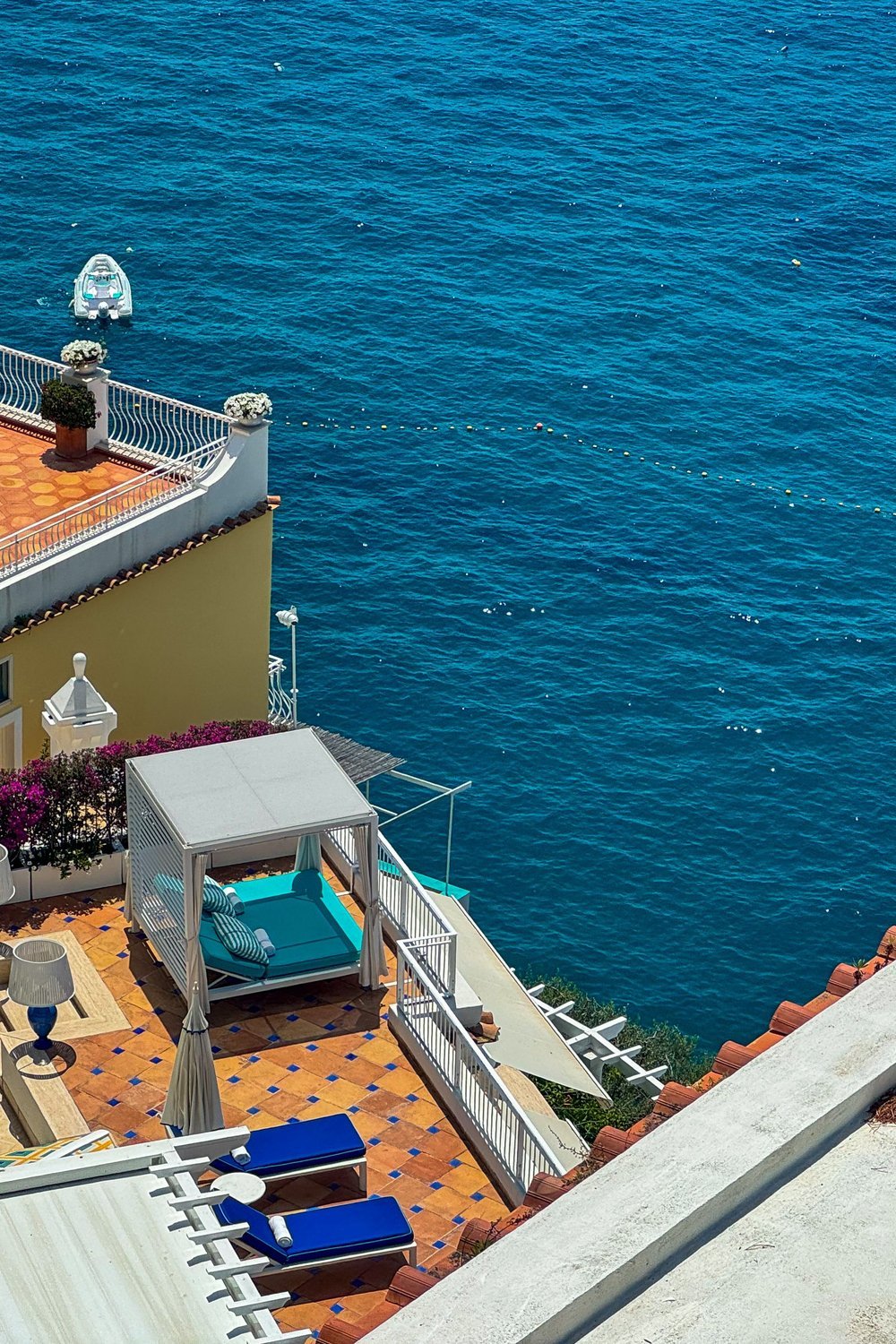
Many travelers write off October as “too late” for the Amalfi Coast — but early October regularly delivers temperatures around 22°C with sea water still warm enough to swim comfortably.
The crowds have thinned, the light turns golden and dramatic, and Positano’s terracotta buildings genuinely glow against the deep blue Tyrrhenian in a way summer’s harsh midday sun never quite manages.
Late October does cool noticeably, with occasional showers rolling in — but that quieter, moodier atmosphere has its own magic.
For budget-conscious travelers, this could honestly be the best time to visit Positano. Expect:
- Hotel rates dropping 30–40% compared to August peaks
- Restaurant tables available without advance booking
- Fewer tour groups at key viewpoints like Sponda
November in Positano: When the Crowds Disappear Completely
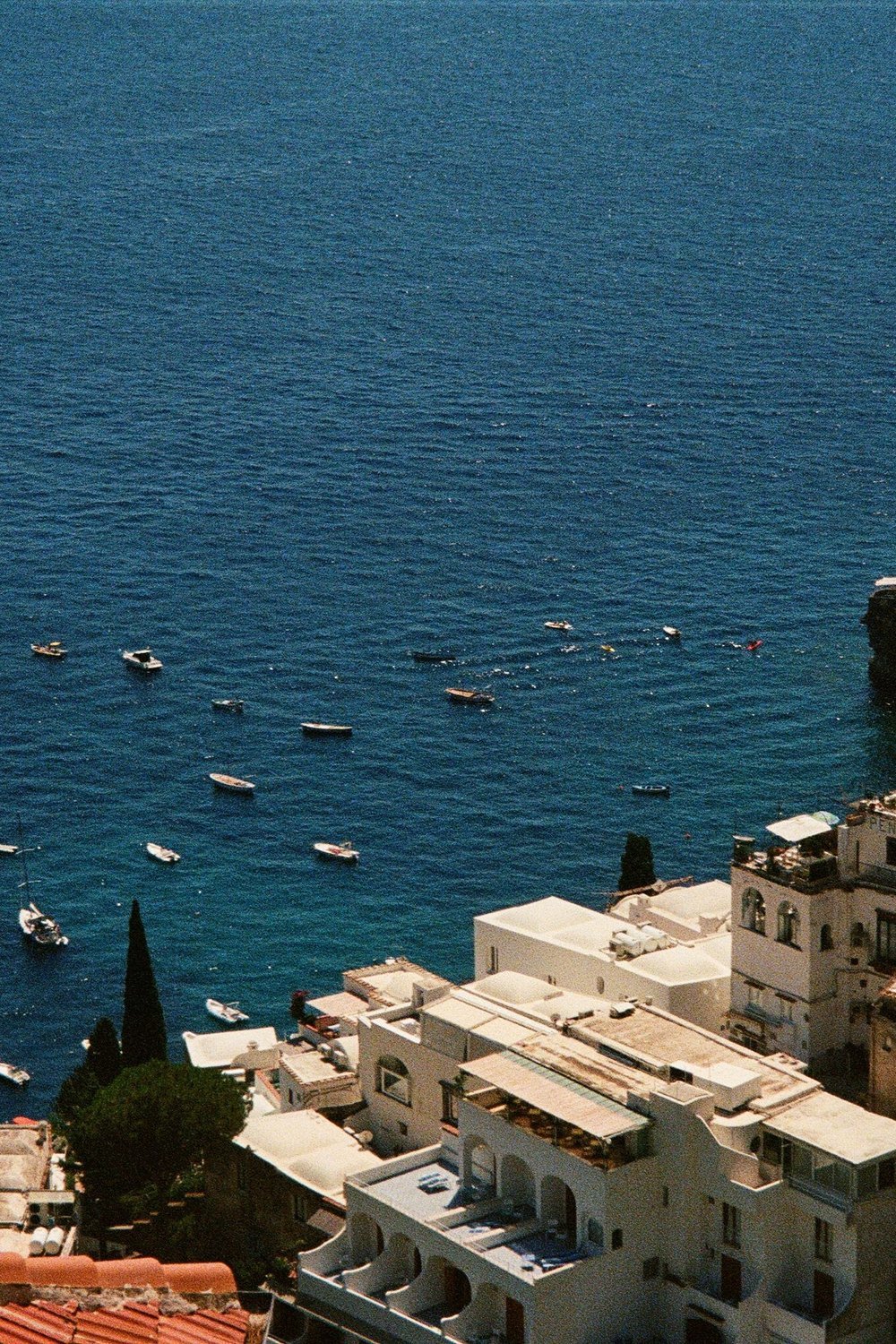
Walking through Positano in November feels like stumbling into a secret — the terraced streets belong entirely to you, the light turns golden and moody, and locals finally have time to chat.
This is far from the best time to visit Positano if you need full amenities. Expect roughly 60% of restaurants and boutiques to close by mid-month, and rain showers arrive without much warning.
What stays open tends to be the most authentic — family-run trattorias, the duomo, coastal walking trails, and a handful of hotels offering quietly discounted rates.
Slow travelers and photographers genuinely thrive here in November. The dramatic clouds rolling over the cliffs create images you simply cannot capture in peak summer.
- Misty mornings ideal for atmospheric photography
- Uncrowded beaches and viewpoints
- Peaceful, unhurried pace with zero tourist pressure
December: Christmas Magic on the Amalfi Coast

Book a cliffside table for dinner early — restaurants fill up surprisingly fast around Christmas week, even in the off-season.
Positano in December is genuinely enchanting. Hand-painted nativity scenes line the stepped pathways, twinkling lights reflect off the sea, and the village feels like it belongs to the locals again — not the crowds.
Temperatures hover around 12–15°C, so pack light layers, a waterproof jacket, and comfortable walking shoes for the steep streets. It’s brisk but never bitter.
If you’re wondering about the best time to visit Positano for an authentic, unhurried experience, December quietly earns its place on that list. I’ve found the warmth of the holiday atmosphere more than compensates for the cooler air.
- Midnight Mass at Santa Maria Assunta is deeply moving
- Fewer tourists means genuine conversations with locals
- Prices drop significantly compared to summer rates
Best Time to Visit Positano for Swimming and Beach Days
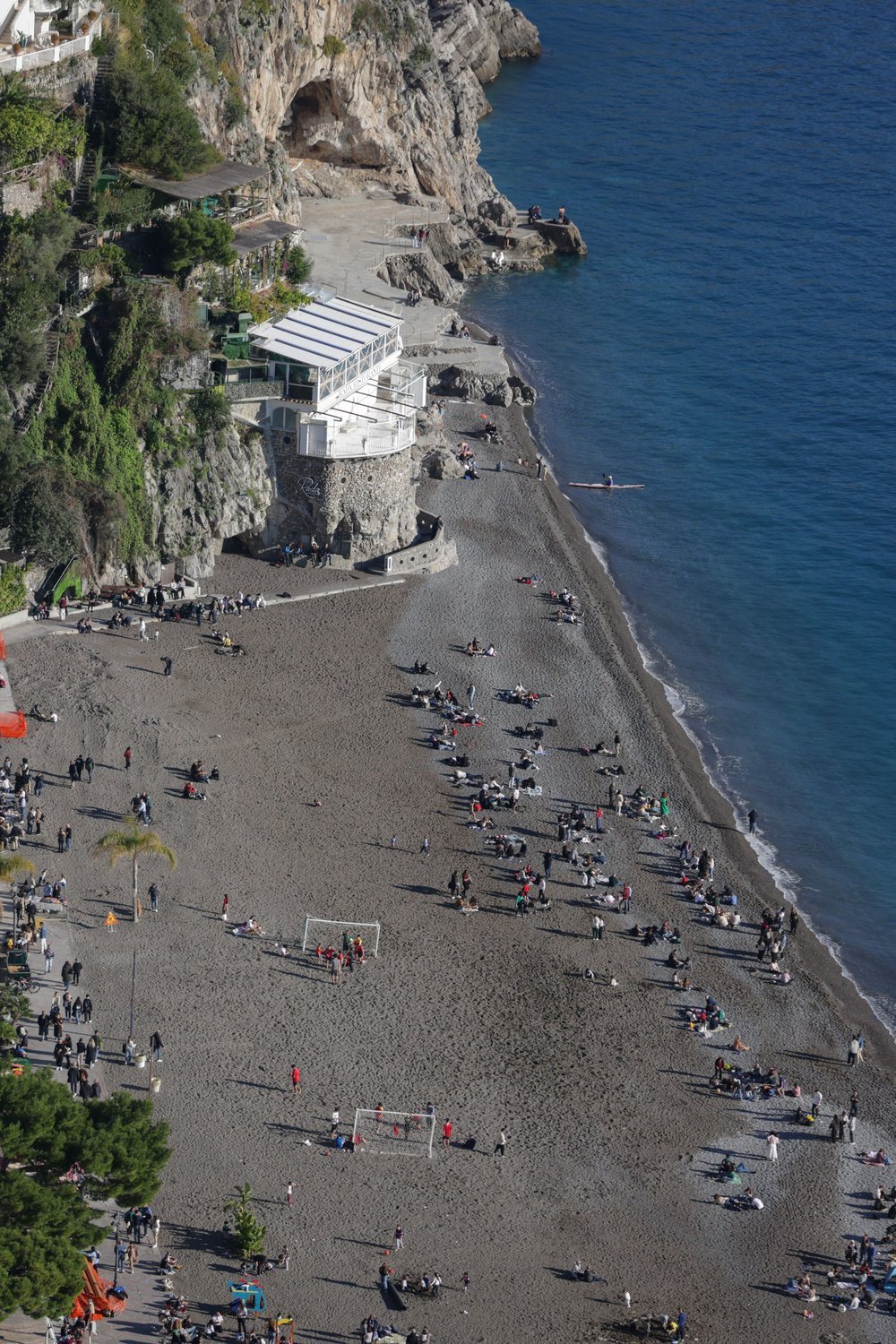
Summer transforms Positano’s shoreline into something truly magical. If beach days are your priority, timing your trip around sea temperatures makes all the difference.
The sea temperature guide tells an honest story: June hovers around 22°C, July and August peak at 25–26°C, and September still delivers a glorious 24°C — perfect for lingering swims.
Most beach clubs open from late May through early October, with peak service running June to September. This window is genuinely the best time to visit Positano for sun-soaked beach days without compromise.
Different beaches suit different travelers:
- Spiaggia Grande — families love the calmer, central setting
- Fornillo Beach — couples and solo explorers find it quieter, more local
- La Porta Beach — hidden gem for adventurous solo visitors
Best Time to Visit Positano on a Budget

A cliffside room that costs €350 in August can drop to under €90 in November — same view, fraction of the price.
The cheapest months to visit fall between November and March. You’ll trade beach weather for misty coastal drama, quieter lanes, and genuinely warm hospitality from locals who actually have time to chat.
Restaurants lower prices, tours run smaller groups, and ferry timetables shrink — but the village itself feels more real.
If budget matters but you still want sunshine, late October or early April hit the sweet spot. This is honestly the best time to visit Positano for value-conscious travelers.
A few insider moves worth knowing:
- Book midweek stays — weekend premiums apply even off-season
- Eat lunch at restaurants instead of dinner for the same quality at lower prices
- Skip private boat tours; public ferries cover the same coastline beautifully
When to Visit Positano for Hiking the Path of the Gods
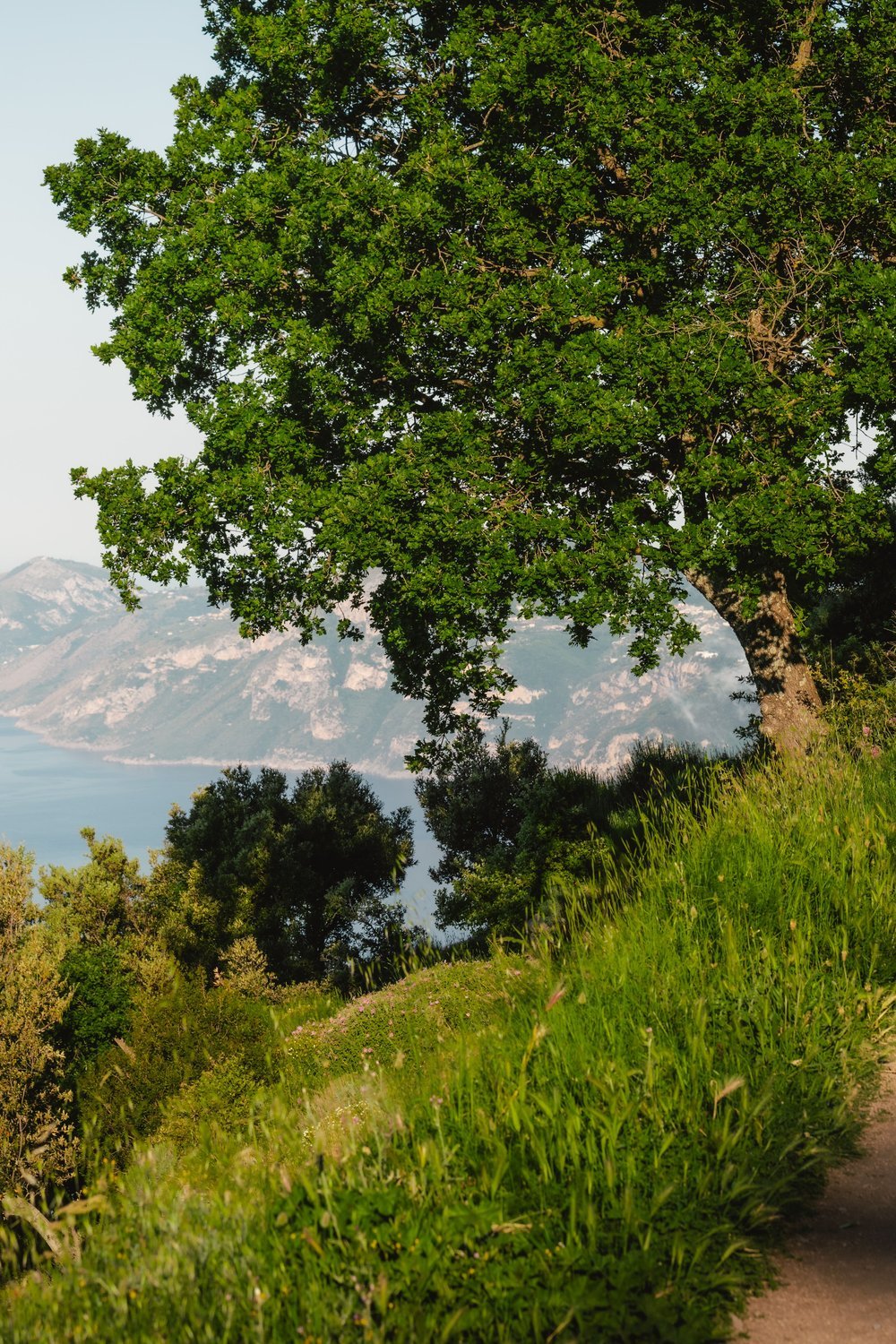
The Sentiero degli Dei stretches roughly 7.8 kilometres one way — and summer heat turns it from a dream hike into a genuine endurance test.
If you’re planning the best time to visit Positano around this iconic trail, April through June and September through October are your golden windows. Temperatures sit between 16–22°C, the path is dry but not scorched, and the coastal views stay crystal clear.
July and August bring dangerous heat above 35°C on exposed ridgelines. Spring wildflowers and autumn golden light make those shoulder months far more rewarding — and far safer.
Pack for a smart hike:
- Grippy trail shoes (not sandals)
- At least 1.5 litres of water
- Sun protection and a light layer for ridge breezes
Finish the trail in Nocelle, then taxi down to Positano for a well-earned aperitivo overlooking the sea.
Positano vs. Amalfi: Which Town to Base Yourself In
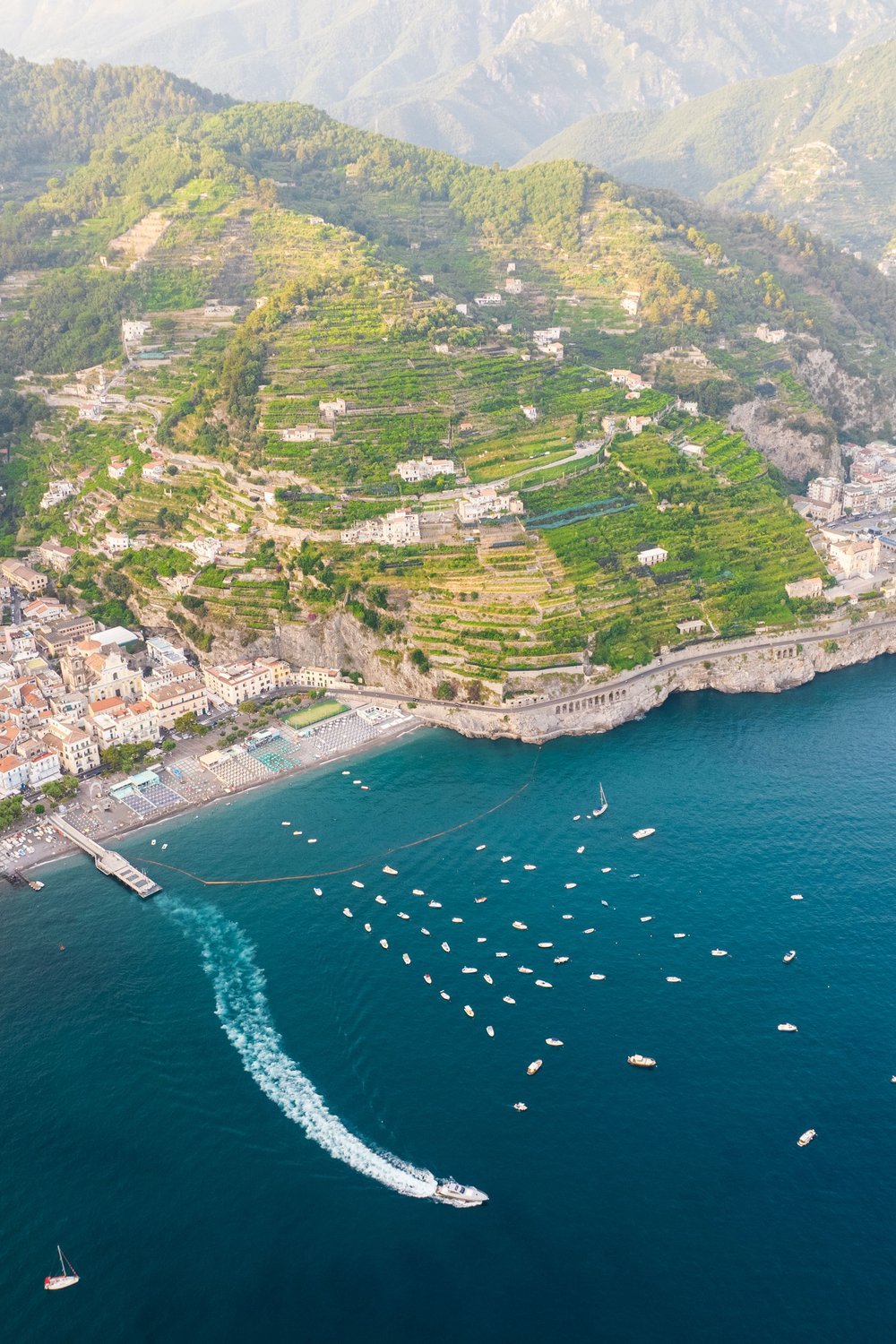
You’ve booked your trip and now you’re staring at two tabs — Positano hotels and Amalfi hotels — completely torn. It’s a genuinely tough call.
Positano is the glamorous one — steep, photogenic, and undeniably romantic. Accommodation runs steep too, often starting around €180/night for a decent room.
Amalfi offers a livelier town centre with better transport links, more affordable stays, and a working-port energy that feels refreshingly real.
- Romantic escapes and splurges: Base yourself in Positano
- Budget-conscious or active travellers: Amalfi wins easily
- Day-tripping the whole coast: Both towns connect well by ferry and bus
Honestly, the best time to visit Positano is whenever you can stay at least two nights — rushing it from Amalfi means missing those golden early-morning hours before the crowds arrive.
How Many Days Do You Really Need in Positano?
Are you torn between a quick stopover and a longer stay? Here’s an honest breakdown.
Two days covers the beach, the main stairways, and a sunset dinner. You’ll leave wanting more.
Four days lets you breathe — add a boat trip, the Path of the Gods hike, and a day in Praiano.
A full week is the sweet spot for slow travelers who want Capri, Ravello, and genuine downtime.
- 2 days: beach + village stroll + one restaurant splurge
- 4 days: hiking, boat rental (~€80/day), neighboring towns
- 7 days: full Amalfi exploration, no rushing
The best time to visit Positano also shapes your pace — shoulder season means fewer crowds, so you can realistically fit more into each day without the summer gridlock.
When NOT to Visit Positano: Months to Avoid or Approach Carefully
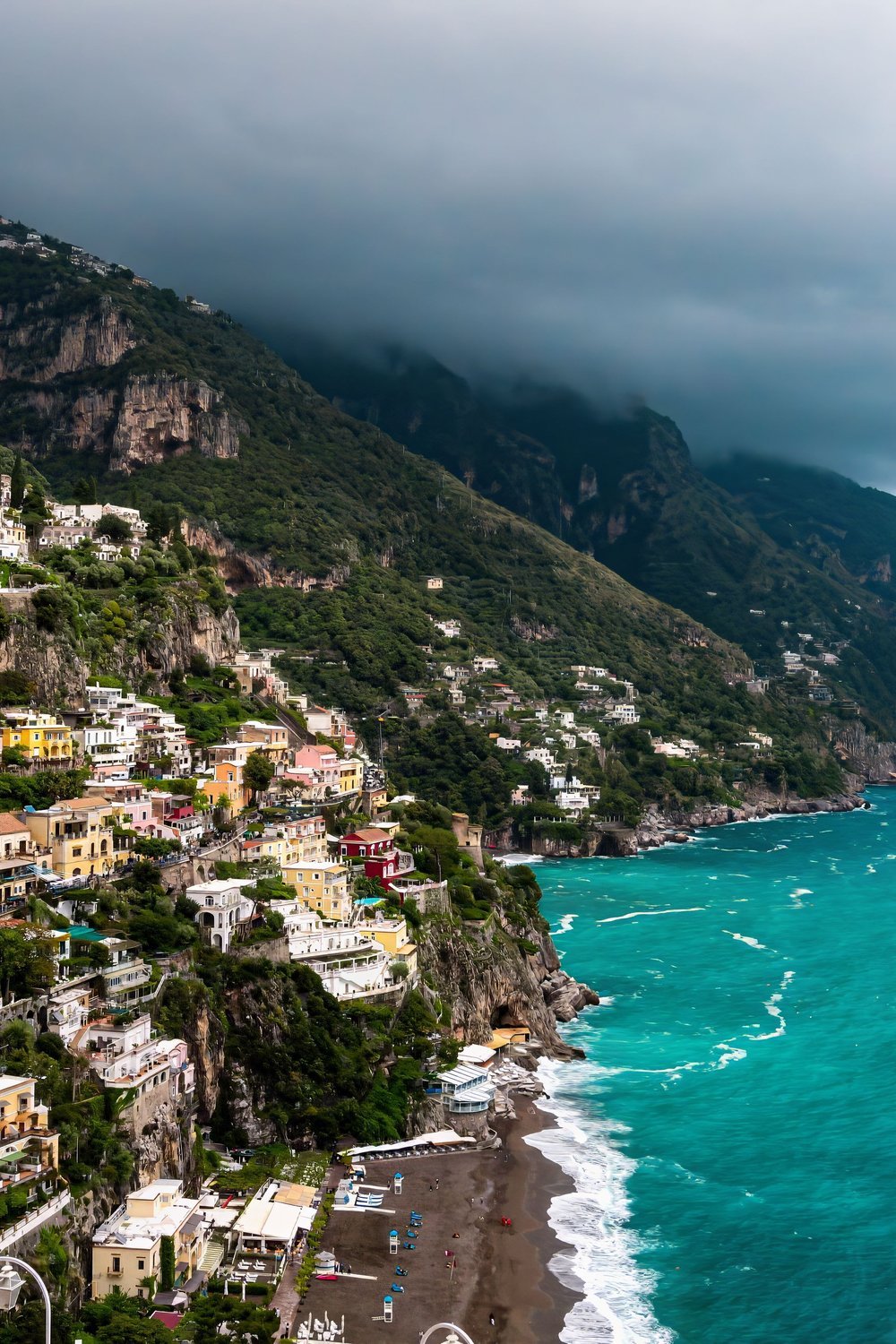
Positano looks dreamy year-round in photos — reality is a little more nuanced. Knowing when to skip it is just as valuable as knowing the best time to visit Positano.
November through January brings the heaviest rainfall, and those steep staircases become genuinely slippery. Many days are grey, blustery, and better suited to a café than a cliffside walk.
August feels like the whole of Europe arrived simultaneously. Beach space shrinks to almost nothing, parking queues stretch over 2 hours, and restaurant waits feel endless. If crowds drain your energy, this month will exhaust you.
The off-season has a quieter charm, but be honest with yourself:
- Over 60% of shops, hotels, and restaurants close between December and February
- Boat tours to Capri stop running regularly
- The famous beach clubs pack away their sunbeds entirely
Practical Tips for Every Season: What to Pack and Plan

After several trips along this coastline, I’ve noticed the right preparation genuinely transforms your experience here.
Season-by-season packing matters more than you’d think. Spring and autumn call for breathable layers plus a light waterproof jacket. Summer demands serious sun protection — SPF 50+ is non-negotiable on those reflective white staircases. Always pack grippy, comfortable walking shoes regardless of season.
Book accommodations at least 4–6 months ahead for summer visits. Shoulder seasons offer more flexibility, but popular boutique hotels still fill quickly.
- Summer: pre-book ferries — queues get brutal
- Spring/Autumn: buses run reliably; driving is manageable
- Winter: driving the Amalfi Coast road is genuinely easier with minimal traffic
Whenever you decide the best time to visit Positano, planning transport early keeps stress completely off the itinerary.
FAQ
When should you avoid visiting the Amalfi Coast?
If crowds and chaos aren’t your thing, skip July and August — streets become genuinely difficult to navigate and prices spike dramatically. November through January brings frequent rain, reduced ferry services, and many restaurants and hotels closing entirely for the off-season.
Is Positano or Amalfi better?
They suit very different travelers. Positano is more glamorous and photogenic — perfect if you want beach days, boutique shopping, and that iconic cliffside scenery. Amalfi town has more historical depth with its cathedral and quieter backstreets, making it a better fit for culture-focused visitors on a tighter budget.
How many days do I need in Positano?
Honestly, two to three full days is the sweet spot for most visitors. I’ve found that one day barely scratches the surface, but four or more can feel repetitive unless you’re using it as a base for day trips along the coast. Factor in at least one slow morning — the light before 9am is something else entirely.
What is the rainiest month on the Amalfi Coast?
November is consistently the wettest month, averaging around 190mm of rainfall — nearly double what you’d see in the drier summer months. That said, rain here tends to arrive in dramatic short bursts rather than all-day drizzle, so it’s not always a dealbreaker.
When is the best time to visit Positano overall?
Late May and early October offer the most reliable combination of warm weather, calmer crowds, and open businesses. These shoulder months consistently deliver the experience most visitors are actually hoping for.
You might also like: 15 Positano Itinerary Ideas for the Perfect Getaway
Key Takeaways
Whether you’re chasing golden summer light or the quiet magic of shoulder season, here’s your quick-reference guide to timing your Amalfi Coast escape perfectly.
- Best overall weather: May and September offer warm sunshine, calm seas, and comfortable temperatures around 24°C — ideal for first-timers.
- Best for budget travelers: Visit in April or October to enjoy significantly lower accommodation rates and fewer crowds.
- Best for beaches: June through August gives you peak Mediterranean swimming conditions.
- Best for hiking: Spring (April–May) is perfect for the Path of the Gods before summer heat sets in.
- Best for romance: Late September strikes the sweet spot — golden light, quieter villages, and intimate atmosphere.
- Best for families: Early June balances warm weather with manageable crowd levels.
The best time to visit Positano truly depends on your travel style and priorities. Found this helpful? Pin this guide and drop your own Positano timing tips in the comments below!