17 Norway Fjords Travel Tips for an Epic Adventure
Introduction
Surprising fact: Norway has more than 1,000 fjords, and this norway fjords travel guide gives you 17 actionable tips to plan a 3 to 10 day trip that fits your pace and budget. These tips cover practical things like when to go, whether to take a fjord cruise or a ferry from Bergen, packing a rain shell, and choosing between a road trip or Hurtigruten sailings.
This guide helps US travelers aged 25 to 55 who want clear logistics, real costs, and hands-on safety and photography advice for places like Geirangerfjord, Flåm, and Sognefjord. Expect one concrete cost example, such as ferries from about $60, plus sample itineraries, a focused packing list, and tips for hiking Trolltunga or finding quieter viewpoints at golden hour. Save this for planning and pin for later.
Geirangerfjord
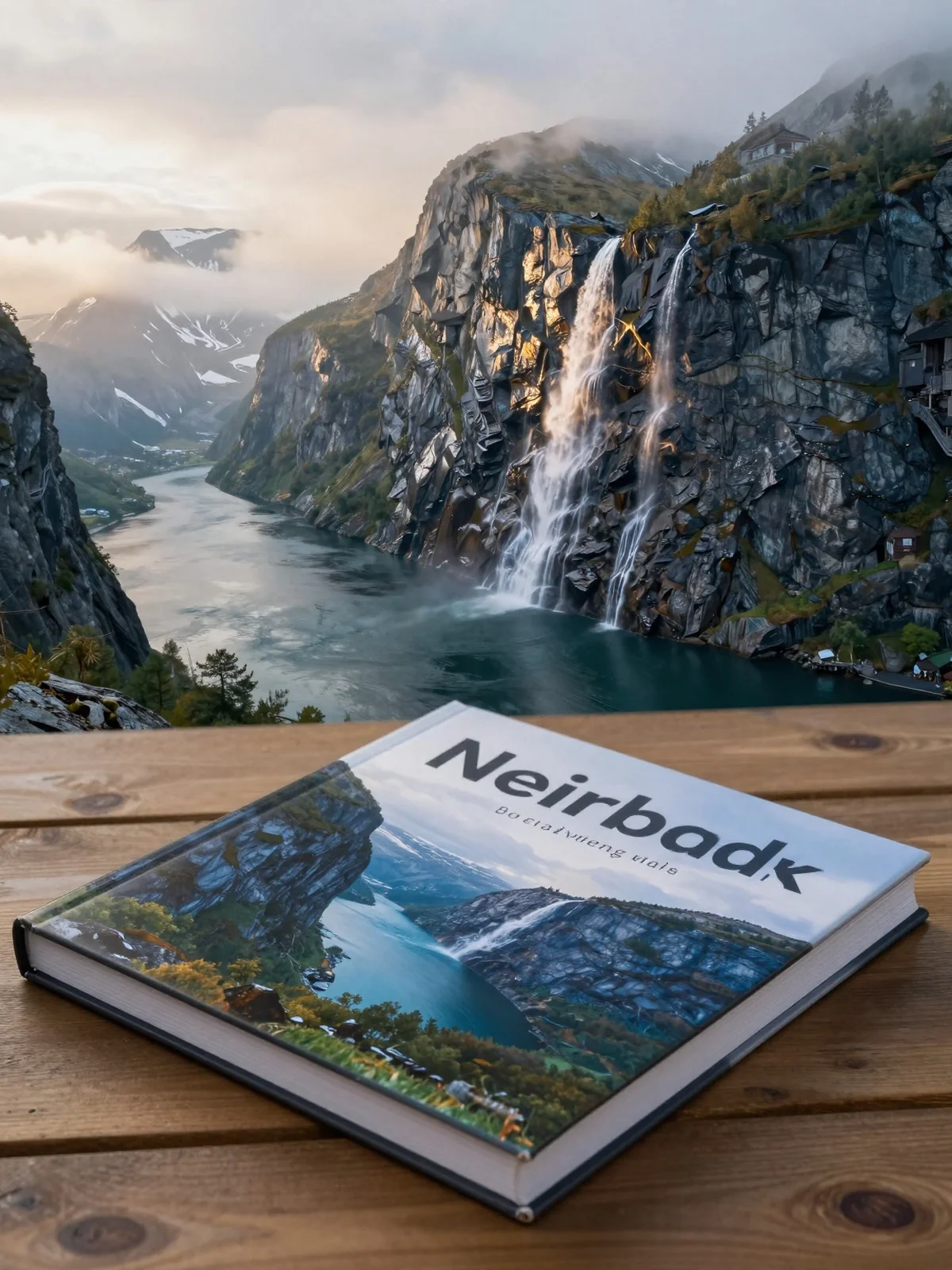
Picture waking before dawn to catch mist curling on the water; Geirangerfjord delivers because of its steep waterfalls and the dramatic Ørnevegen viewpoint.
For photos head to Flydalsjuvet or Ørnevegen at about 5:00 AM for sunrise light and far fewer people.
Peak season means bus tours arrive around 10:00 to 16:00, so early morning gives clear shots and calmer water.
Be careful at cliff edges; fences exist but wear grippy shoes and keep kids within arm’s reach.
Combine a fjord cruise or a ferry hop from Geiranger with a stop on the Norwegian Scenic Routes for varied angles.
This norway fjords travel guide tip helps you shoot iconic scenes without the crowds.
Nærøyfjord
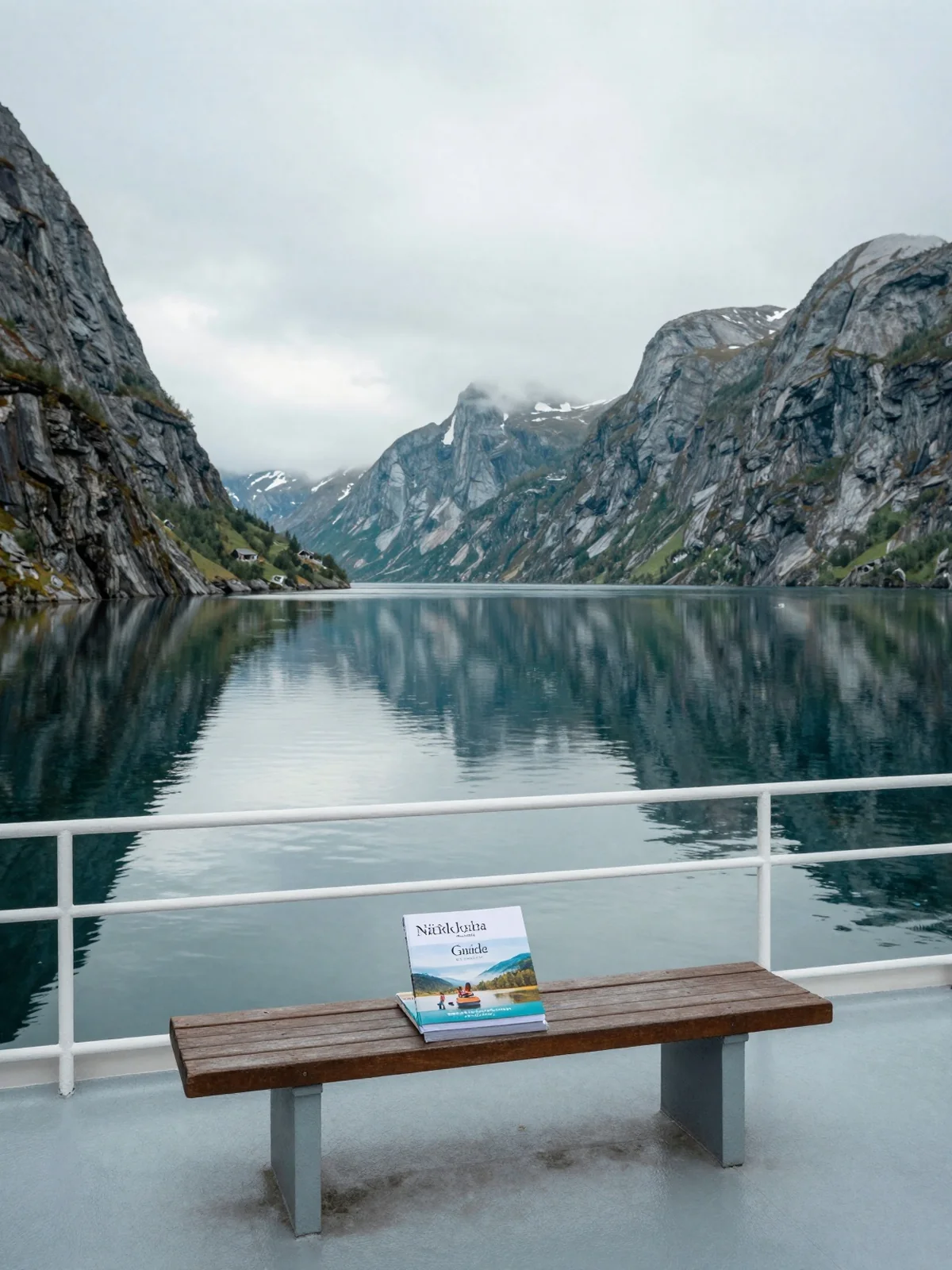
Want dramatic, narrow fjord photos and calm waters? Nærøyfjord is a UNESCO status fjord you can shoot from Gudvangen or on a 2-hour ferry that threads the Aurlandsfjord into the Sognefjord.
For a 3 day plan include Bergen to Flåm return with the fjord ferry and Flåm Railway; for 5 days add a scenic drive on a Norwegian Scenic Route and a glacier viewpoint day.
- Best photos: Gudvangen ferry landing and the steep cliffs near Flåm.
- Low-impact operators: pick local fjord cruises and kayaks run by Visit Norway, listed companies for quieter, sustainable trips.
Bergen
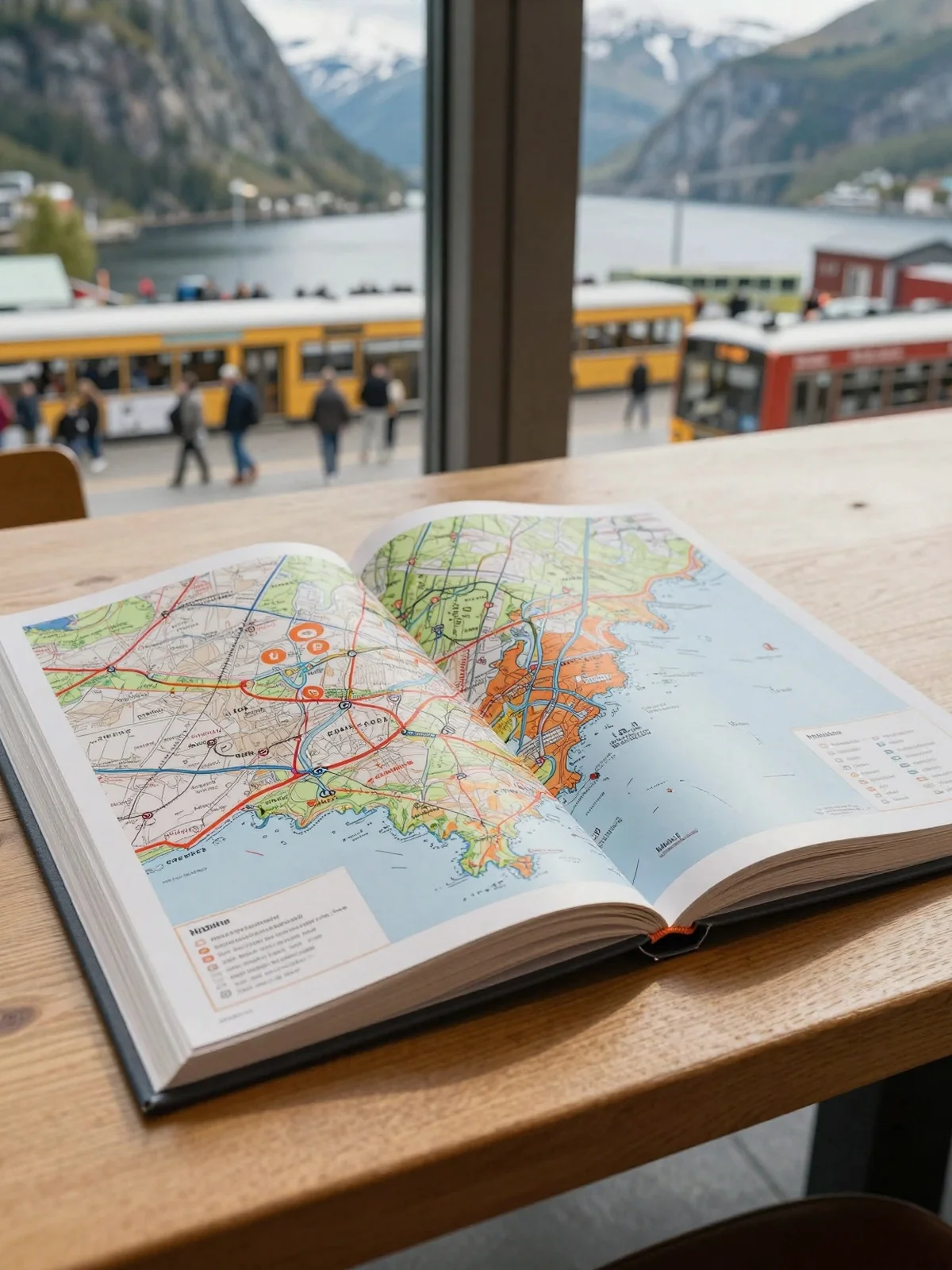
Myth: Bergen is just a pretty postcard. Reality: it is a transit hub for fjord travel with easy train, ferry and Hurtigruten links to places like Flåm and Sognefjord, so plan routes early in your norway fjords travel guide.
From Bergen you can catch a 1.5-hour train to Voss, regional ferries to Aurlandsfjord and longer Hurtigruten sailings toward Geirangerfjord and Nærøyfjord.
- Photo tip for Bryggen: shoot at golden hour or dawn to avoid crowds and soak soft light on the wooden houses.
- Shoulder months May and September cut peak crowds and still offer long daylight for shots and short fjord cruises.
Flåm Village
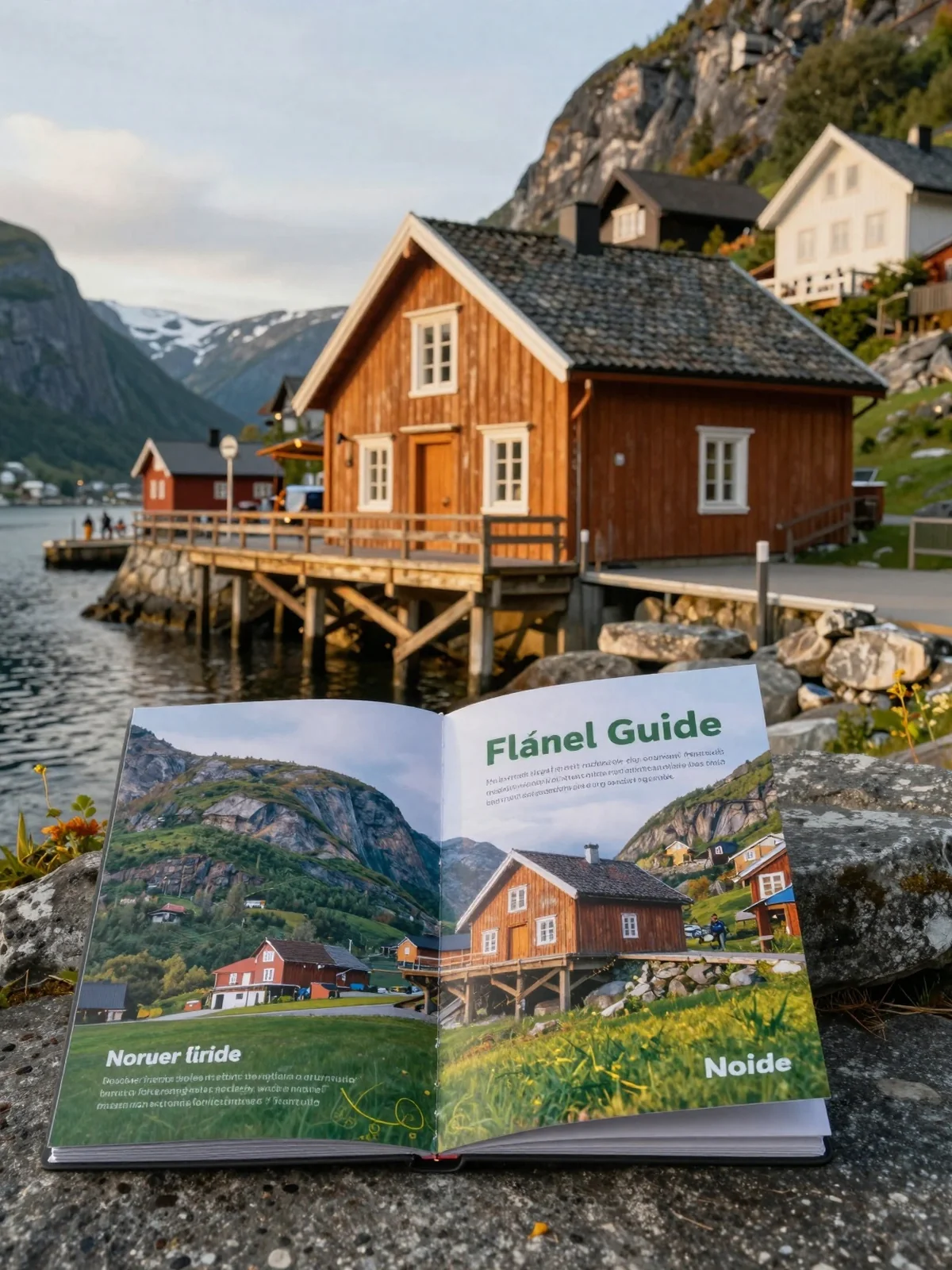
I always pause when the Flåm Railway brakes and the valley opens. The station makes for classic arrival shots with a small-village feel and wooden houses framed by steep mountains.
For photos, walk 10 minutes along the harbor for low-angle shots of Aurlandsfjord and passing ferries. This spot beats crowded viewpoints at golden hour.
Combine Flåm with the Aurlandsfjord loop and allow about 6 hours for trains, a short fjord cruise or ferry, and a riverside lunch. This fits neatly into a Bergen to fjords itinerary or a norway fjords travel guide day stop, with options to add Nærøyfjord or a kayak trip.
Aurlandsfjord
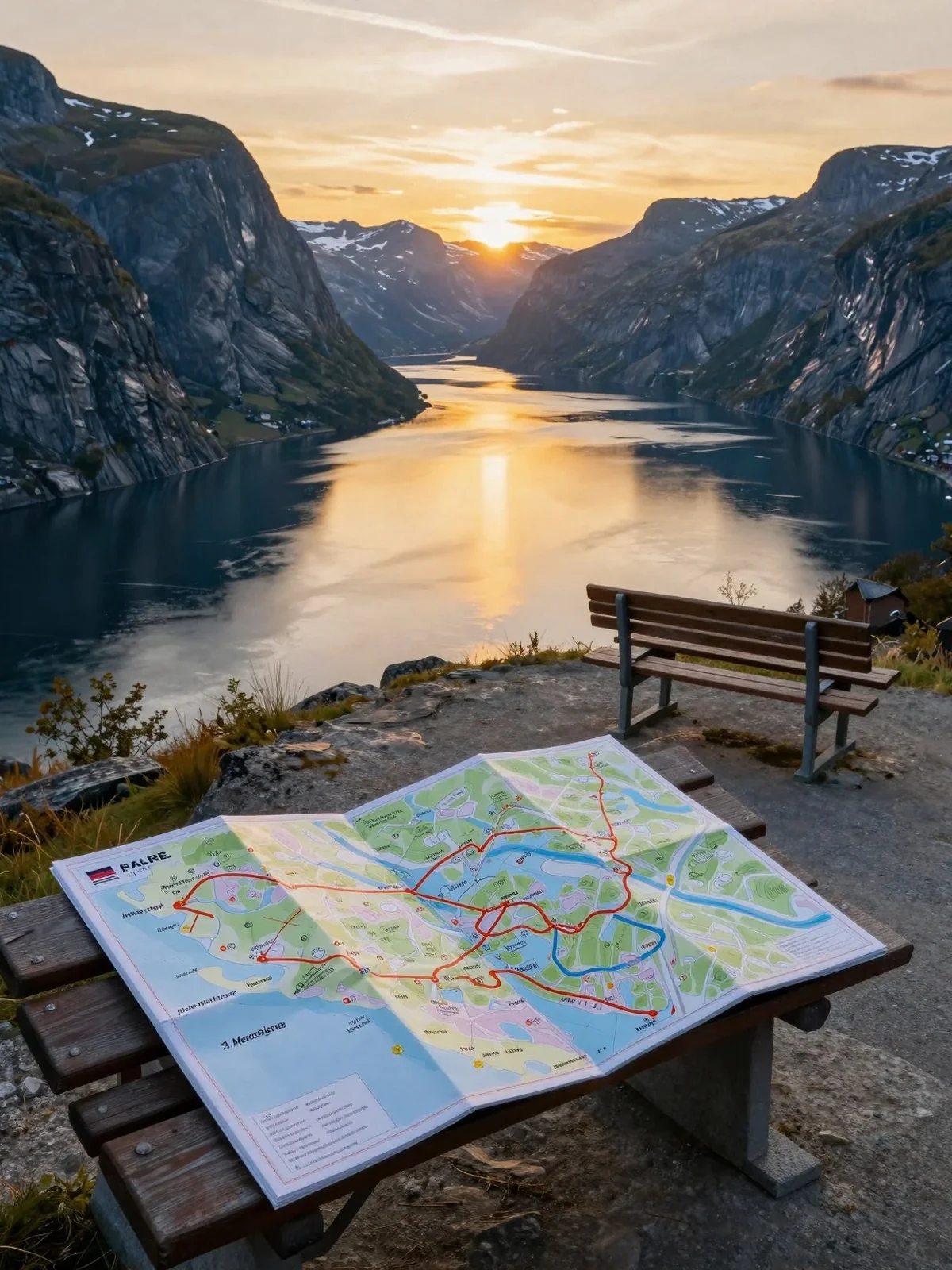
Quick tip Go to Stegastein in golden hour for glassy reflections on Aurlandsfjord; the calm waters make crisp mirror shots of the valley and snowed peaks, ideal if you follow this norway fjords travel guide. Stegastein is 30 meters above the fjord and only a short walk from the parking area, so take a 50 mm lens for close landscapes.
Choose a ferry for relaxed photos and easy stops toward Flåm and Nærøyfjord, or rent a car for flexibility on the Norwegian Scenic Routes; expect parking in Flåm to be around NOK 200 in high season. Ferries suit fjord cruises Norway fans, while a car helps reach hidden viewpoints and mountain hut trails.
Sognefjord
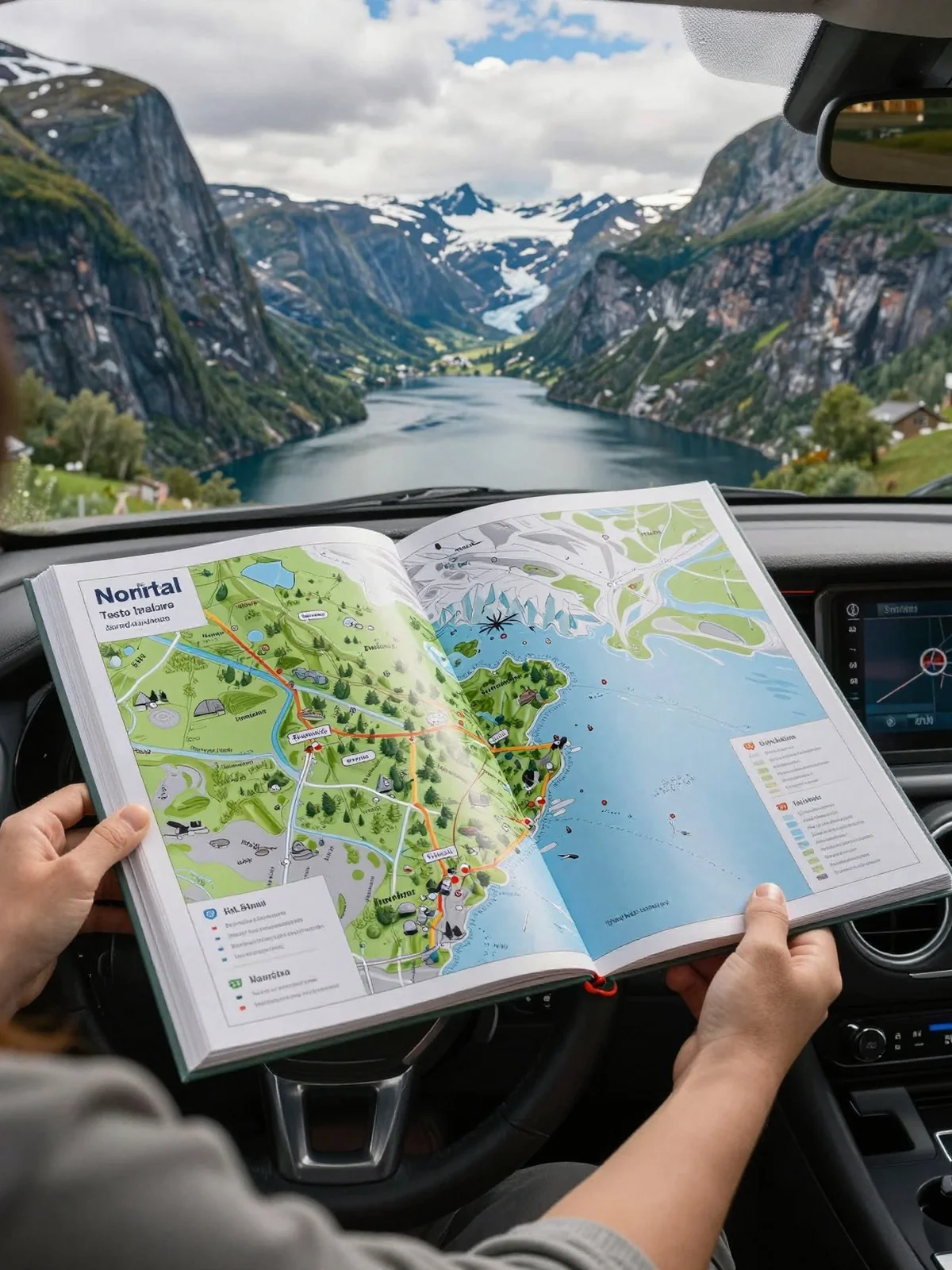
Visit in summer for long daylight and green valleys, or shoulder seasons for fewer crowds. Sognefjord is Norway’s longest fjord at 204 km, known for glacier-fed vistas and long, scenic drives along the Norwegian Scenic Routes.
Sample 7 day leg: base in Flåm and Aurlandsfjord. Day 1 Bergen to Flåm by train, Days 2, 3 kayaking and glacier viewpoint, Day 4 drive to Fjærland, Day 5 ferry crossings, Days 6, 7 hike and rest.
- Ferry crossings about NOK 200 per ride.
- Simple cabin average NOK 900 per night; 6 nights ≈ NOK 5,400.
This norway fjords travel guide tip: book ferries and cabins early through Visit Norway or local tourist information office.
Trolltunga
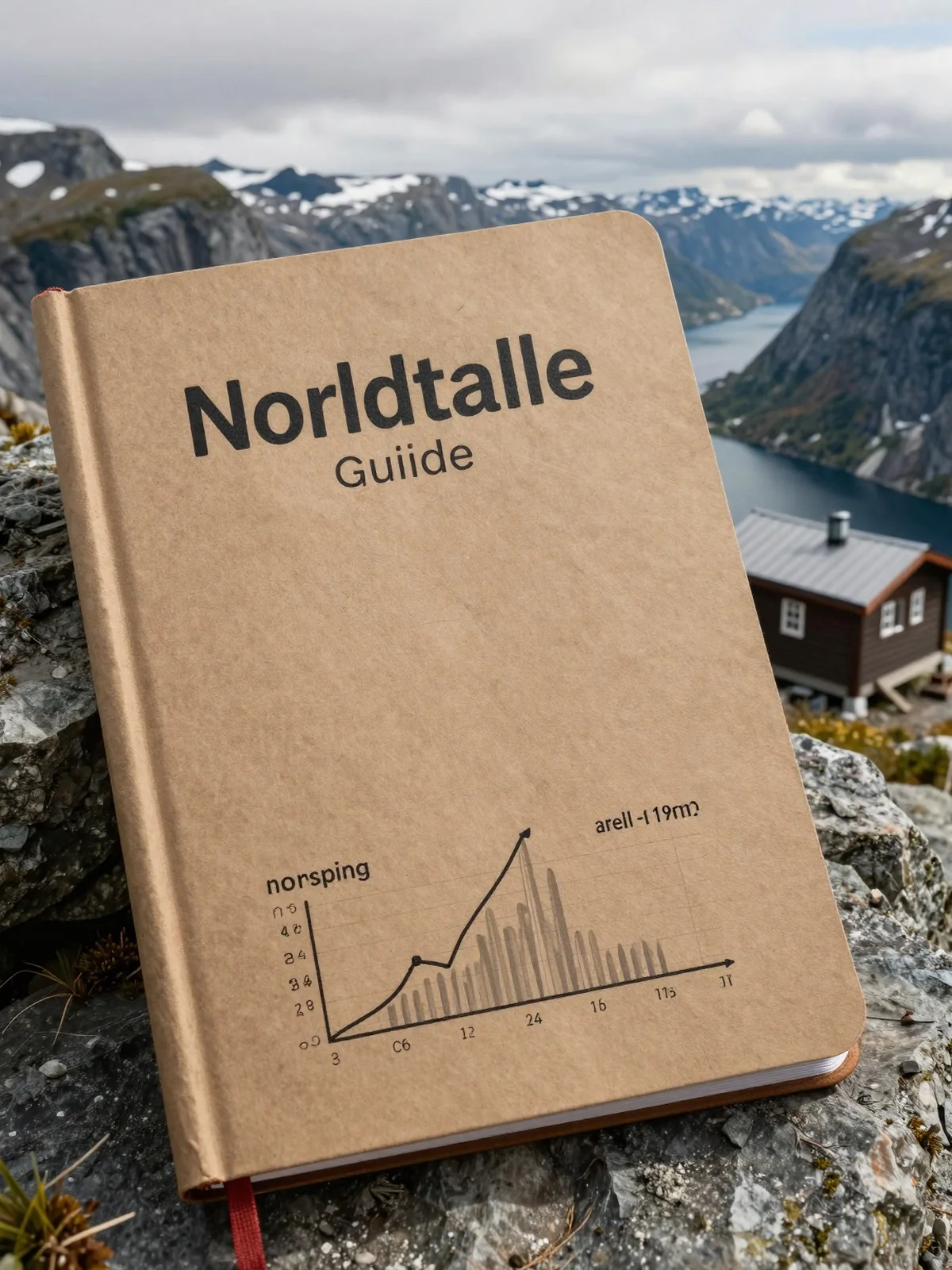
$150 guided day trip vs DIY transport and overnight sleep in a mountain hut for around $40 a night; choose based on comfort and skill.
Trolltunga is an iconic photo plateau but it’s a serious hike: about 28 km roundtrip with 1,100 m ascent and loose stone sections that take 10, 12 hours for average hikers.
- Required gear list: sturdy hiking boots, waterproof jacket, 20, 30 L backpack, 2, 3 layers, headlamp, map or GPS, 2 L water, 2,500, 3,000 kcal food, first aid.
- Safer alternatives: Preikestolen or short trails near Flåm and Bergen for dramatic views without multi-hour exposure.
- Seasonal access: official season late June to mid-September; outside that you need crampons, avalanche skills, and a guide. This norway fjords travel guide warned about late-season snow and shorter daylight.
Fjord Cruise
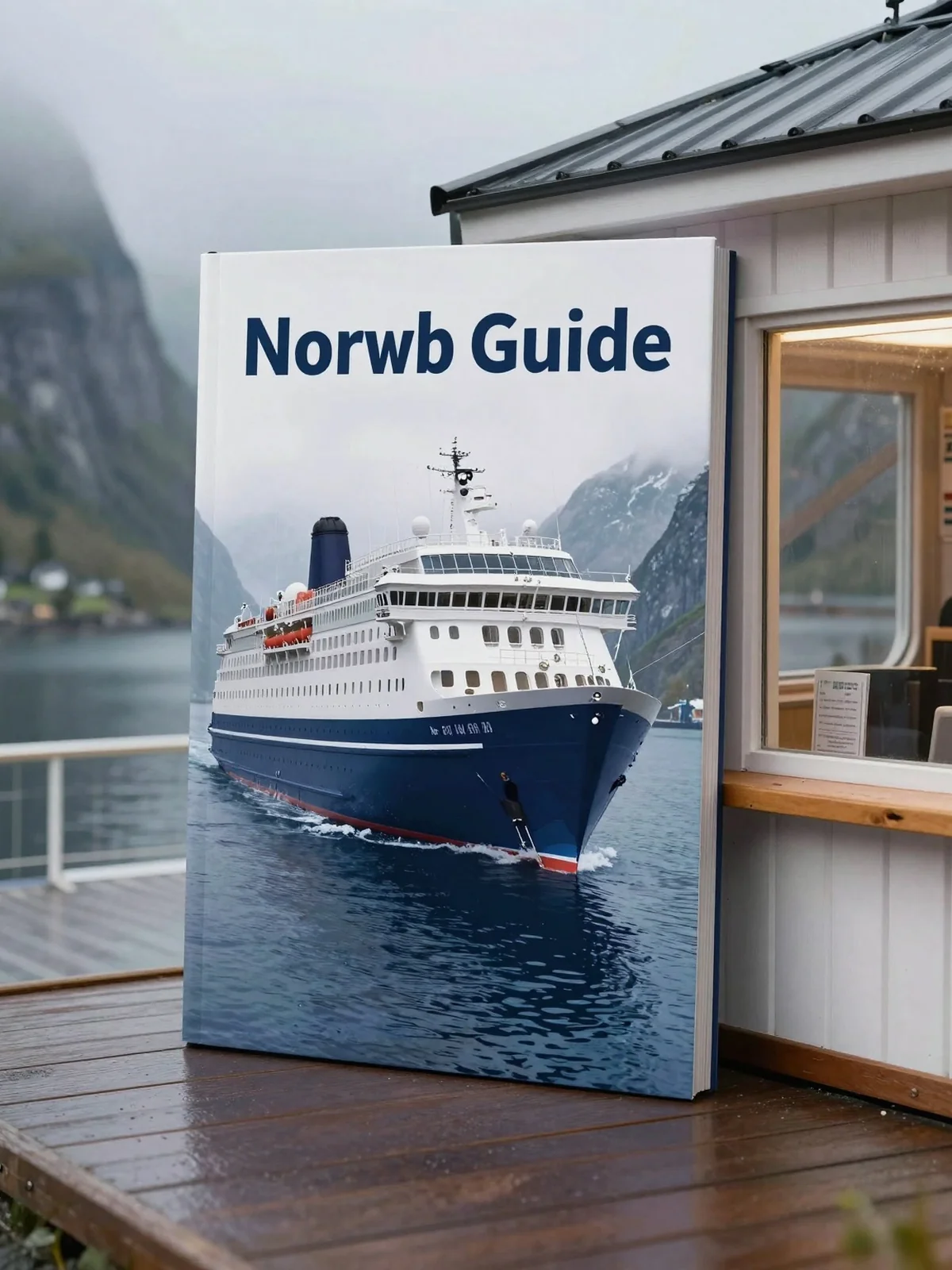
1-day cruises from Bergen start around $100, which makes short fjord hops a great add-on to a Norway trip and fits this norway fjords travel guide idea.
Pick a ferry when you need simple transport between villages or want to combine trains and a road trip. Choose Hurtigruten for multi-day coastal journeys and wildlife viewing with cabins and meals included.
- Typical cost: $100 for day trips, $800+ for 3 to 7-day Hurtigruten voyages.
- What’s included: cabin, most meals, guided talks on Hurtigruten; ferries often include only seating and basic cafe.
- Avoid peak decks 12:00 to 16:00 on sunny summer days; early morning or late afternoon are quieter for photos at Flåm or Geirangerfjord.
Ferry Crossing
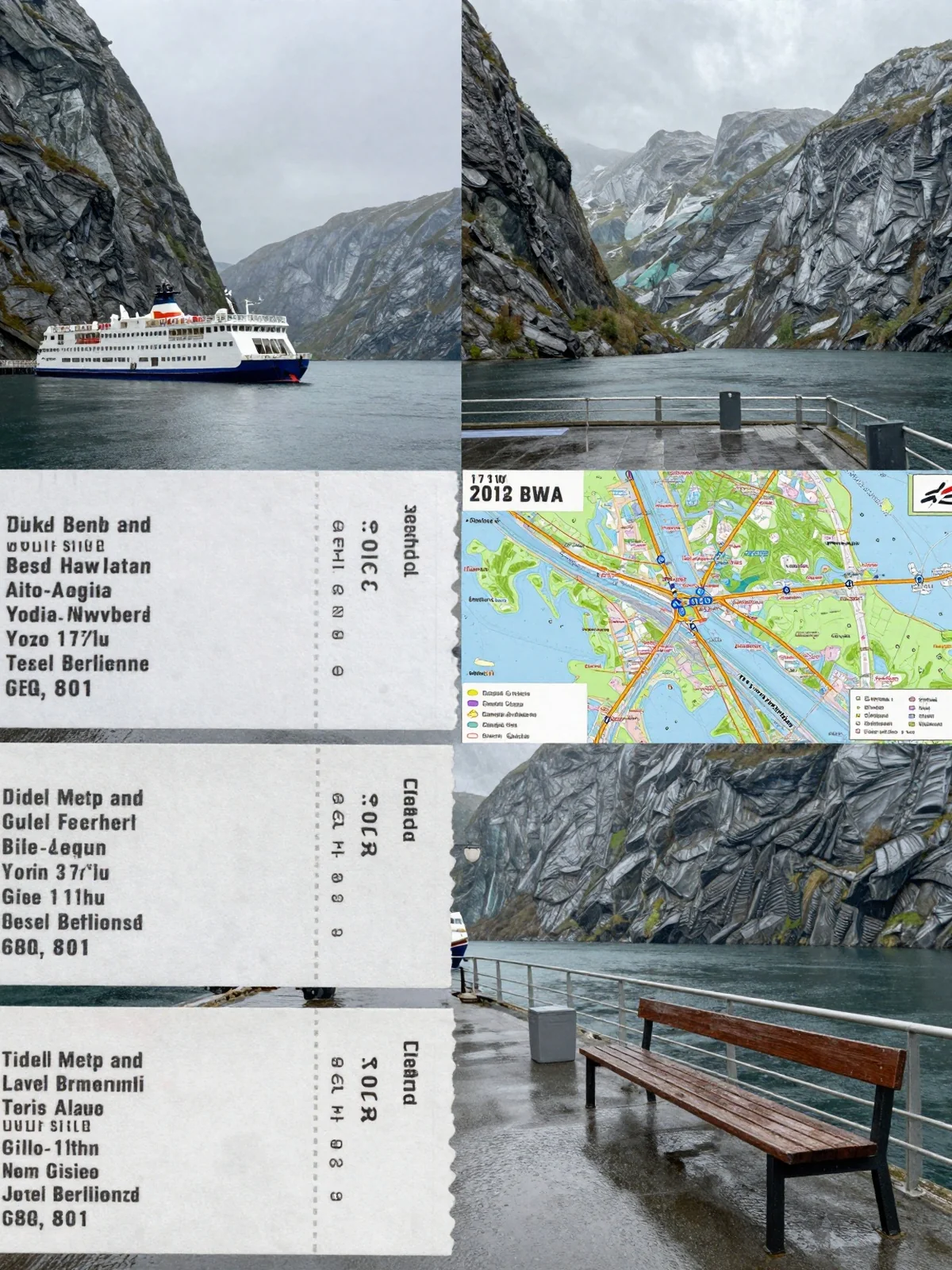
You’re standing on a rainy quay in Flåm and the boat slips in; taking the ferry often feels faster and more scenic than driving. Ferries link towns like Bergen, Geirangerfjord and Aurlandsfjord and can save hours vs driving on narrow mountain roads.
Tickets vary by route and season, from about NOK 150 ($15) for foot passengers to NOK 900 ($90) for a car plus driver on popular crossings. A typical crossing can be 2 hours or longer.
Book early in July and August and check the tourist information office or ferry operator sites like Hurtigruten or local lines.
Vehicle vs foot passenger matters: foot passengers are cheaper and more flexible for fjord cruises Norway day trips.
Scenic Train
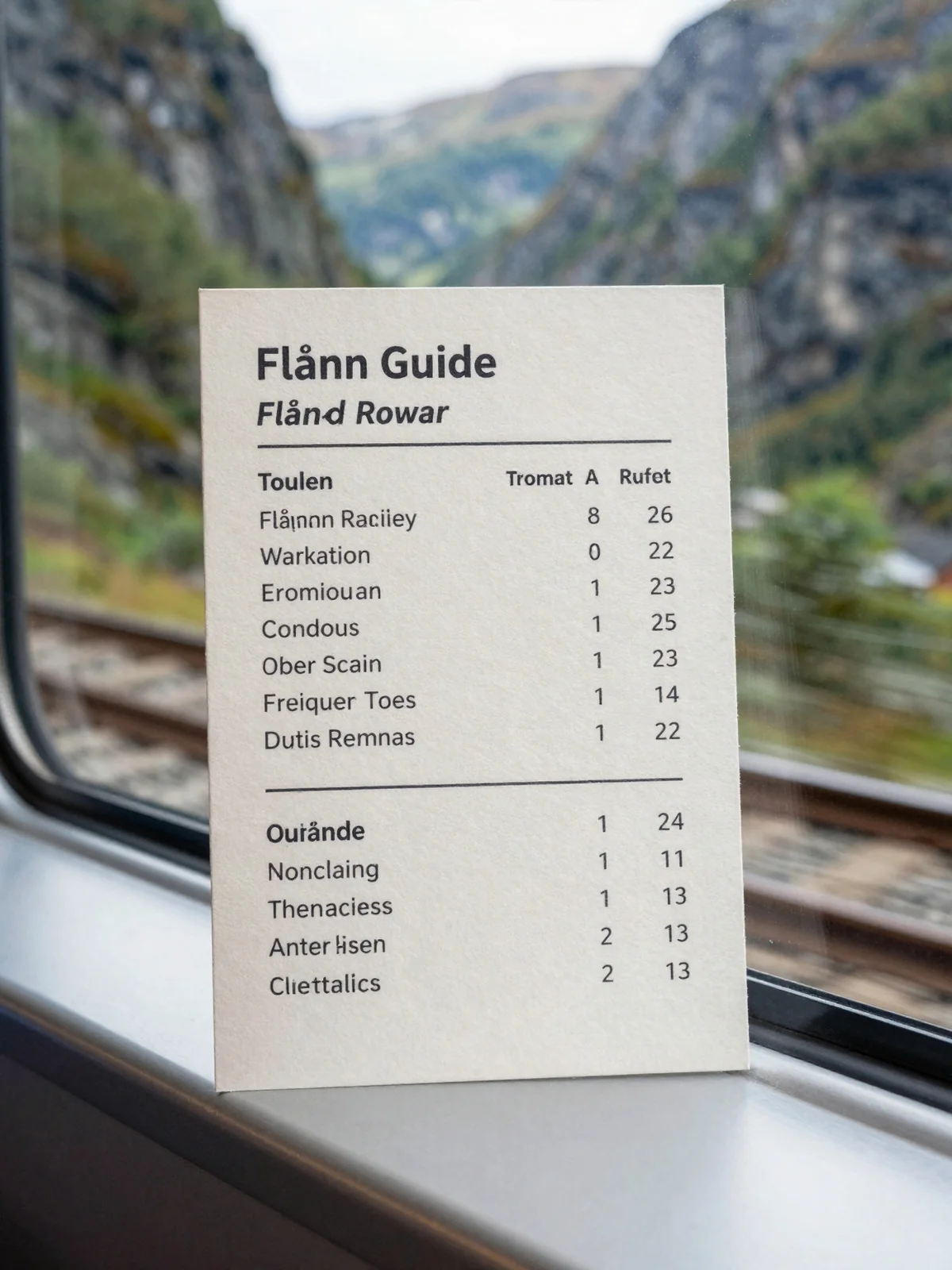
Want jaw-dropping window photos on rails? The Flåm Railway and Bergen Line give nonstop vistas, with the Flåm line climbing 864 m over 20 km and taking about 1 hour. For best shots sit on the right heading up to Myrdal and on the left toward Flåm. Book early on Vy or Flåm AS; expect around NOK 400 ($40) in peak season.
- Pair with a 2 to 3 hour Aurlandsfjord or Nærøyfjord fjord cruise or a ferry to Gudvangen for a tight Bergen to fjords itinerary.
- Keep camera ready at tunnels for sudden glacier and waterfall views.
- This norway fjords travel guide recommends booking trains and short cruises together to avoid peak crowding.
Road Trip Route
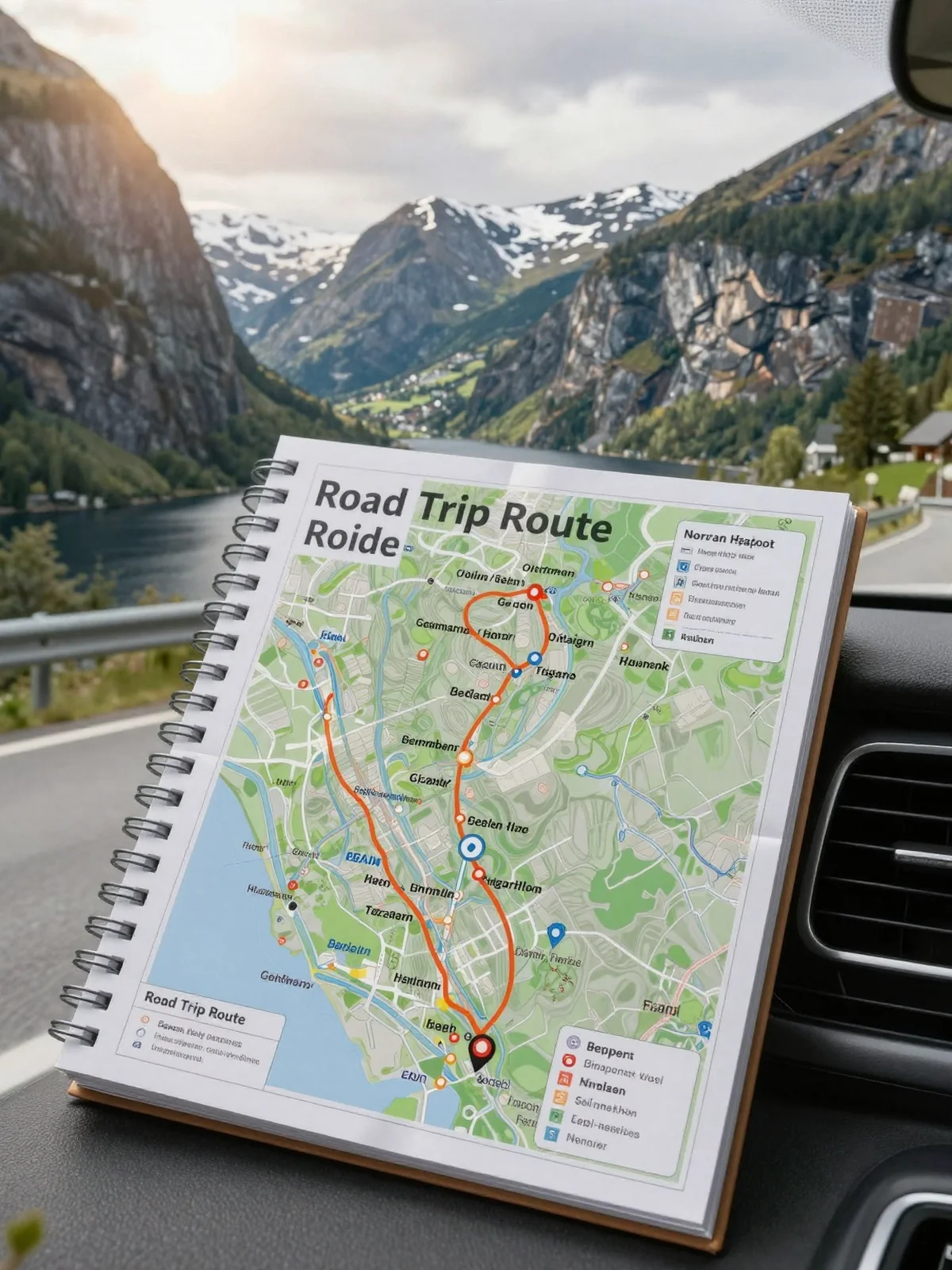
Myth: you need weeks to see a lot. Reality: a 5-day loop hits top fjords without rushing.
- Day 1 Bergen to Flåm, 170 km, part-ferry via Aurlandsfjord, stop in Voss and Flåm.
- Day 2 Flåm to Sognefjord cruise, short hike to viewpoint, overnight in Aurland.
- Day 3 Aurland to Geirangerfjord, 320 km with two ferry segments, scenic stops on Norwegian Scenic Routes.
- Day 4 Explore Geiranger, kayaking or fjord cruise, photo stop at Ørnesvingen.
- Day 5 Return toward Bergen via Trolltunga turnoff or take Hurtigruten link for part of route.
Car hire tip: rent a small diesel or hybrid from Bergen airport, about $55/day in low season. Watch for narrow, wet mountain roads and sudden weather changes; drive slower than locals. Budget roughly $70 fuel per day on this loop.
Kayaking Trip
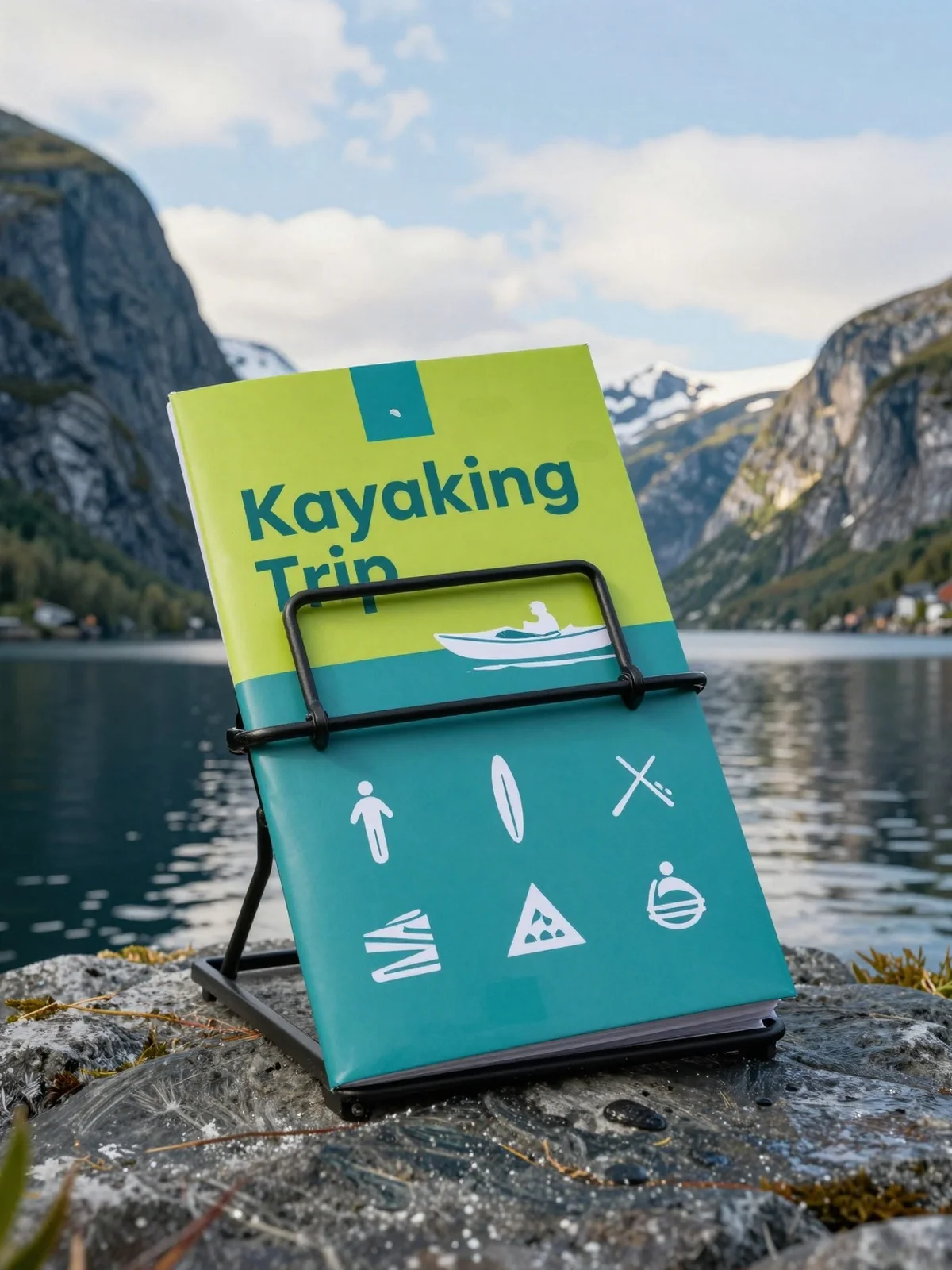
I once paddled a glassy morning in Aurlandsfjord and it felt like moving through a painting; that calm matters. For mellow water try Nærøyfjord, the inner arm of Sognefjord, and the sheltered bays near Flåm, all great for guided or self-guided paddles of 2 to 3 hours.
- Safety gear: lifejacket, spray skirt, whistle, and a dry bag for phone and a 10,000 mAh power bank.
- Recommended operators: local outfits in Bergen and Flåm; expect around NOK 700 (~$70) for a half-day guided trip.
- Sustainable paddling: keep 50 m from seals, pack out all waste, and check Visit Norway or the tourist information office for rules.
- This norway fjords travel guide recommends booking in summer for calmer waters and longer daylight.
Glacier Viewpoint
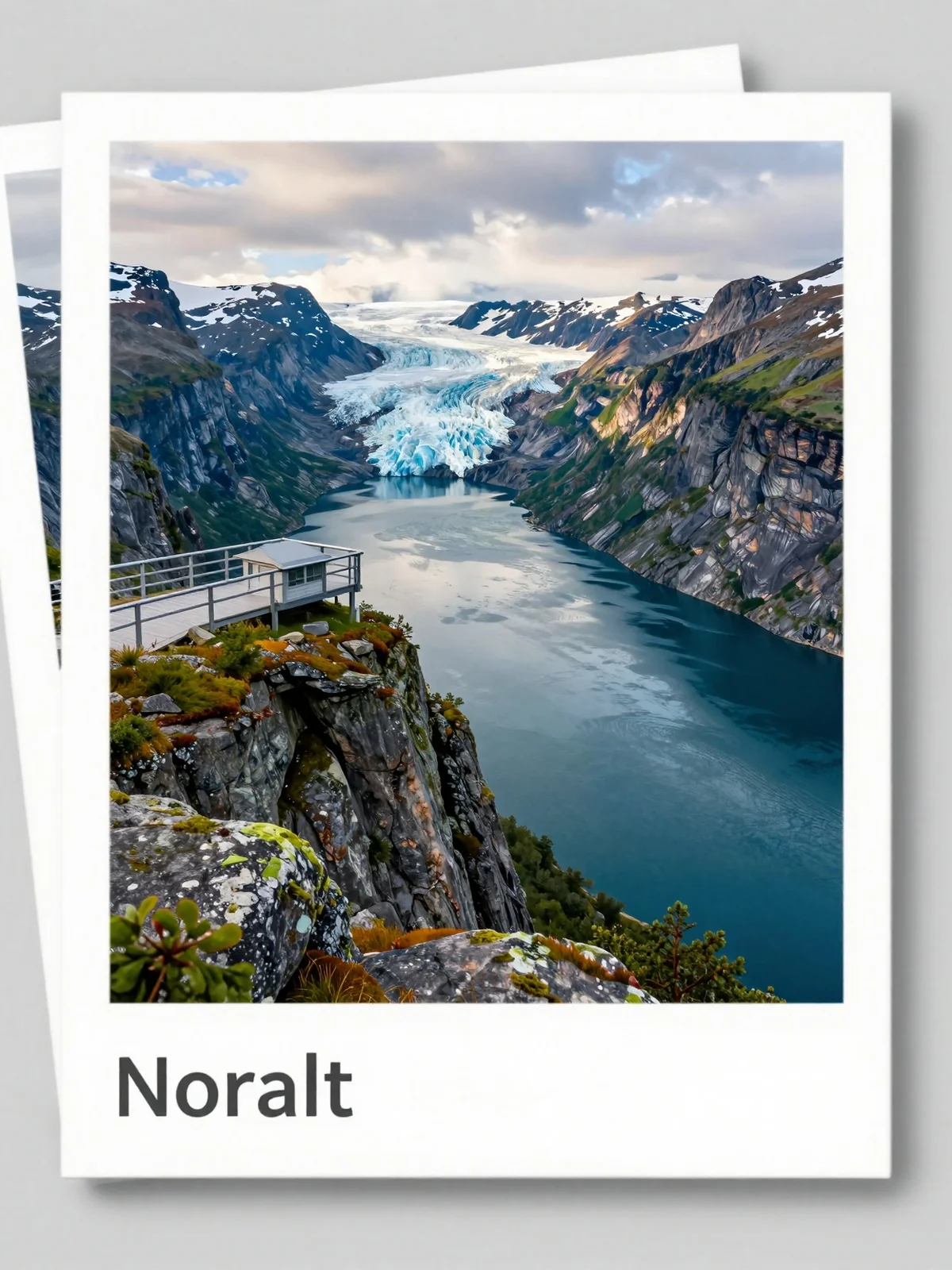
Quick tip: Photograph glaciers feeding fjords from marked viewpoints to stay safe and get clear reflections early morning light.
Best spots include viewpoints above Geirangerfjord and Aurlandsfjord near Flåm, plus boat routes into Nærøyfjord on a fjord cruise or Hurtigruten ferry.
Access varies by season; many glacier trails close in winter and meltwater makes paths slippery in late spring.
For close views join a guided glacier walk from about 1,000 NOK, which includes crampons and safety kit.
Check the local tourist information office or Norway fjords travel guide for current closures, ferry times, and recommended mountain hut alternatives.
Mountain Hut Stay
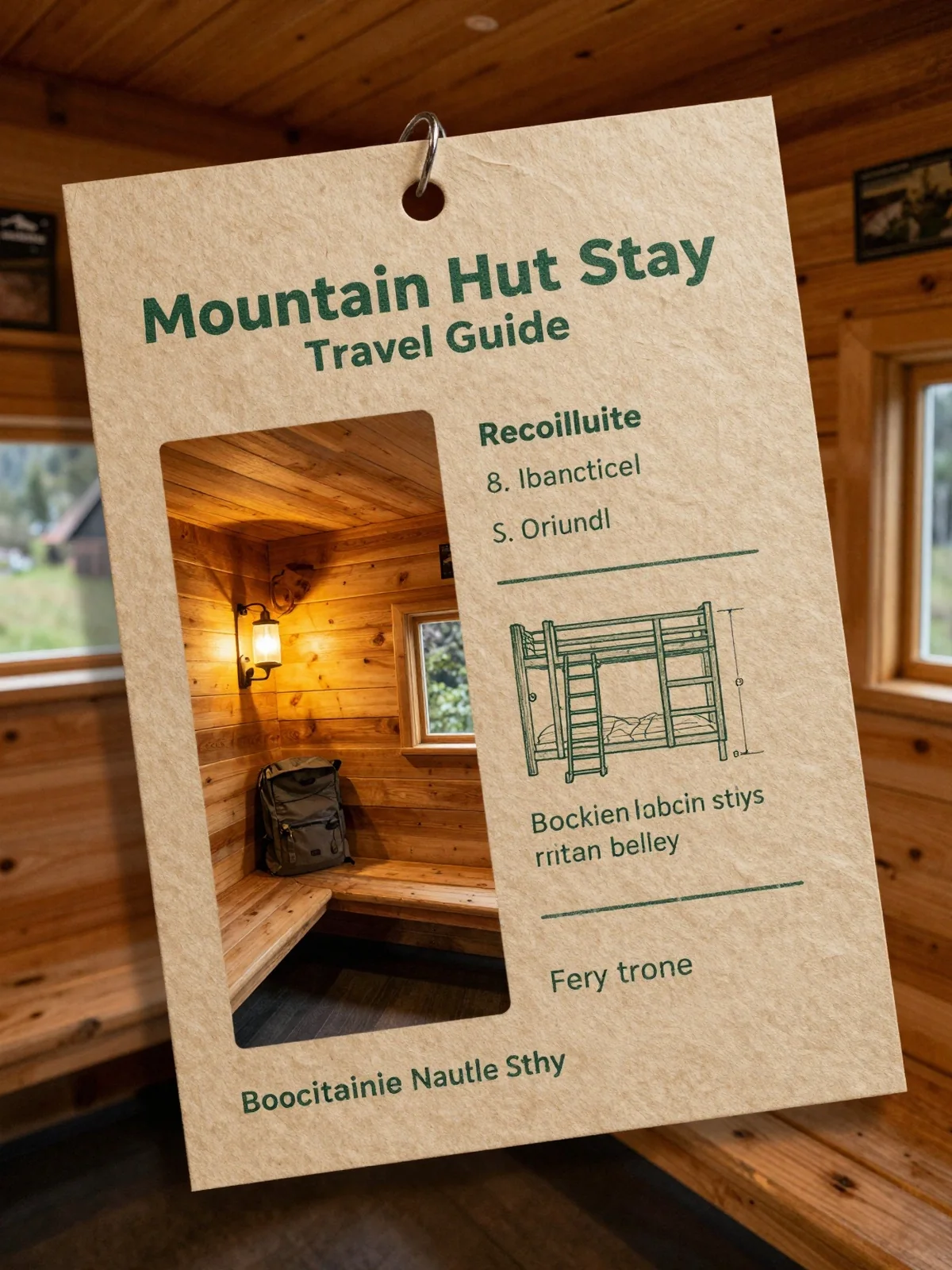
In summer the DNT huts near fjord trails fill fast, so book early through the tourist information office or DNT site to secure a spot.
Expect basic dorms and rustic charm at places near Geirangerfjord or Flåm; many huts cost about NOK 250 per person per night for members and a bit more for guests.
Bedding rules often mean you must bring a sleeping bag liner or rent a sheet; huts usually do not supply daily bed linen.
Plan food and light: pack meals or buy limited provisions, carry a headlamp, spare batteries, and a small gas stove for cooking.
Norway Fjords Packing
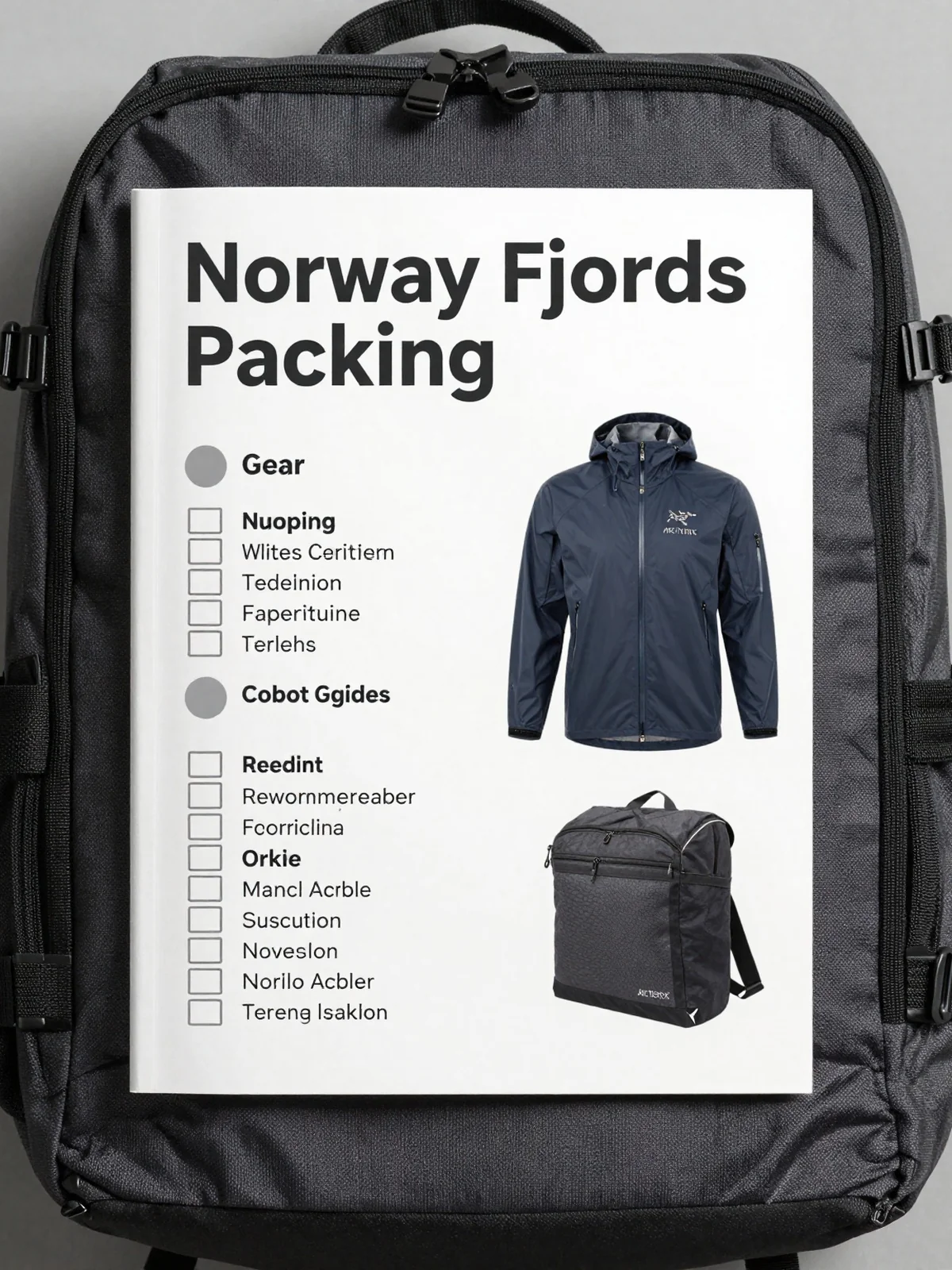
Rain shells range from $100 for a basic Marmot to $300 for a Gore-Tex Arc’teryx; pick one you trust for long days on ferry or at Geirangerfjord.
- Layering checklist: waterproof shell (Arc’teryx Beta), insulated midlayer (Patagonia Nano Puff), softshell or fleece, merino base, and Salomon trail boots or Scarpa for hiking near Flåm. Pack a 30 L daypack.
- Camera tech: mirrorless body, 24, 70mm and 70, 200mm lenses, 10,000 mAh power bank and tripod for golden hour shots on Nærøyfjord.
- Waterproof cases: Pelican or Sea to Summit dry bags protect gear on kayaking or ferry trips. Trade-off: heavier protection adds bulk and cost.
Budget Estimates
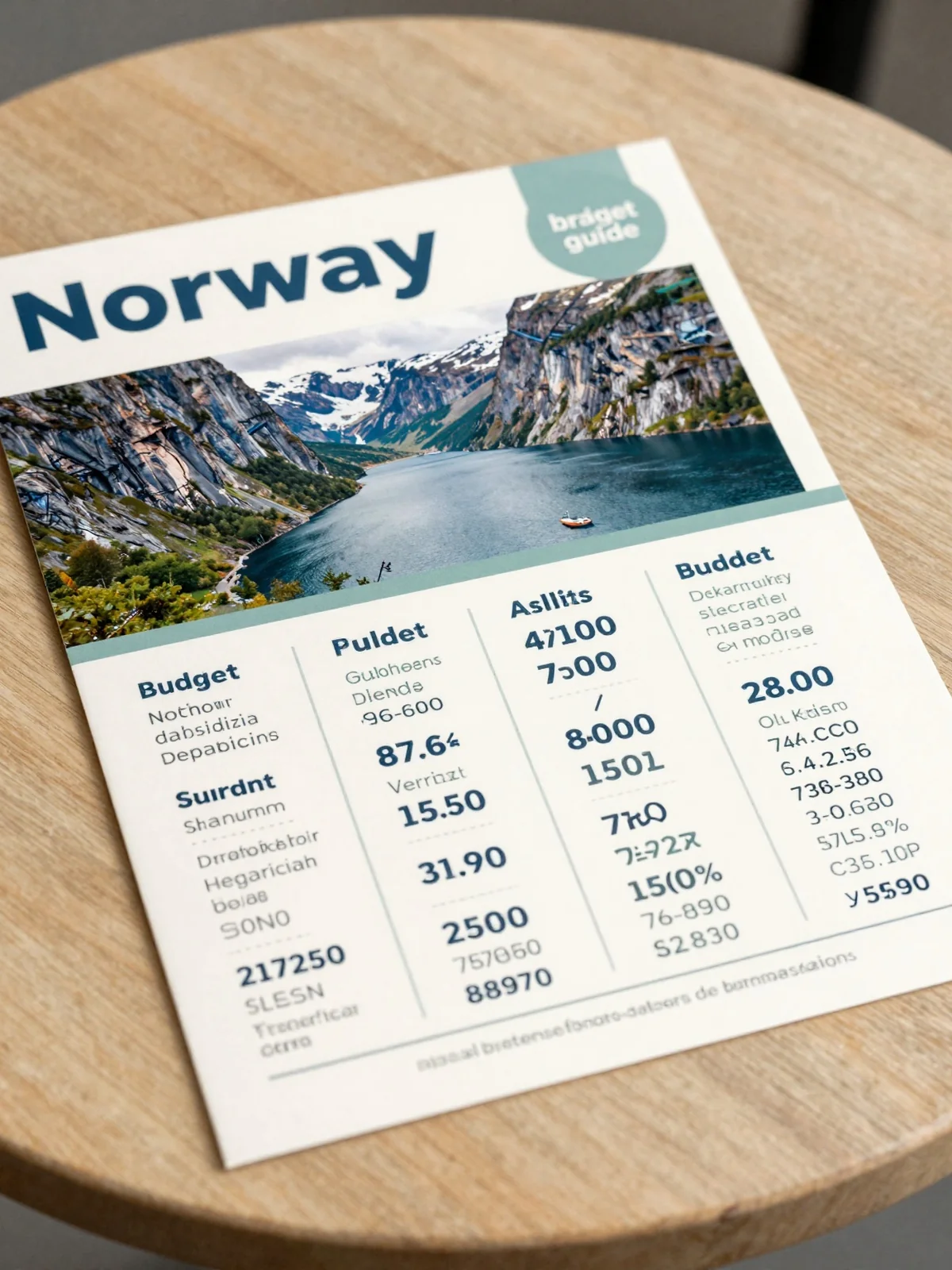
Surprising fact: a simple day in the fjords can start at $90 and jump fast if you take a cruise. For a realistic norway fjords travel guide expect daily cost ranges: budget $90, mid $200, splurge $400+.
- Transport: car hire about $60/day or train fares like Bergen to Flåm from $30; ferries often cost around $20 per crossing.
- Ferries and fjord cruise: short ferry routes are cheap, Hurtigruten or multi-day fjord cruises run from $150 per night.
- Guided hikes: expect $50 to $150 for guided Trolltunga or glacier trips.
- Accommodation tips: use mountain huts or cabins from $40/night and book early in peak season.
Safety For Hikes
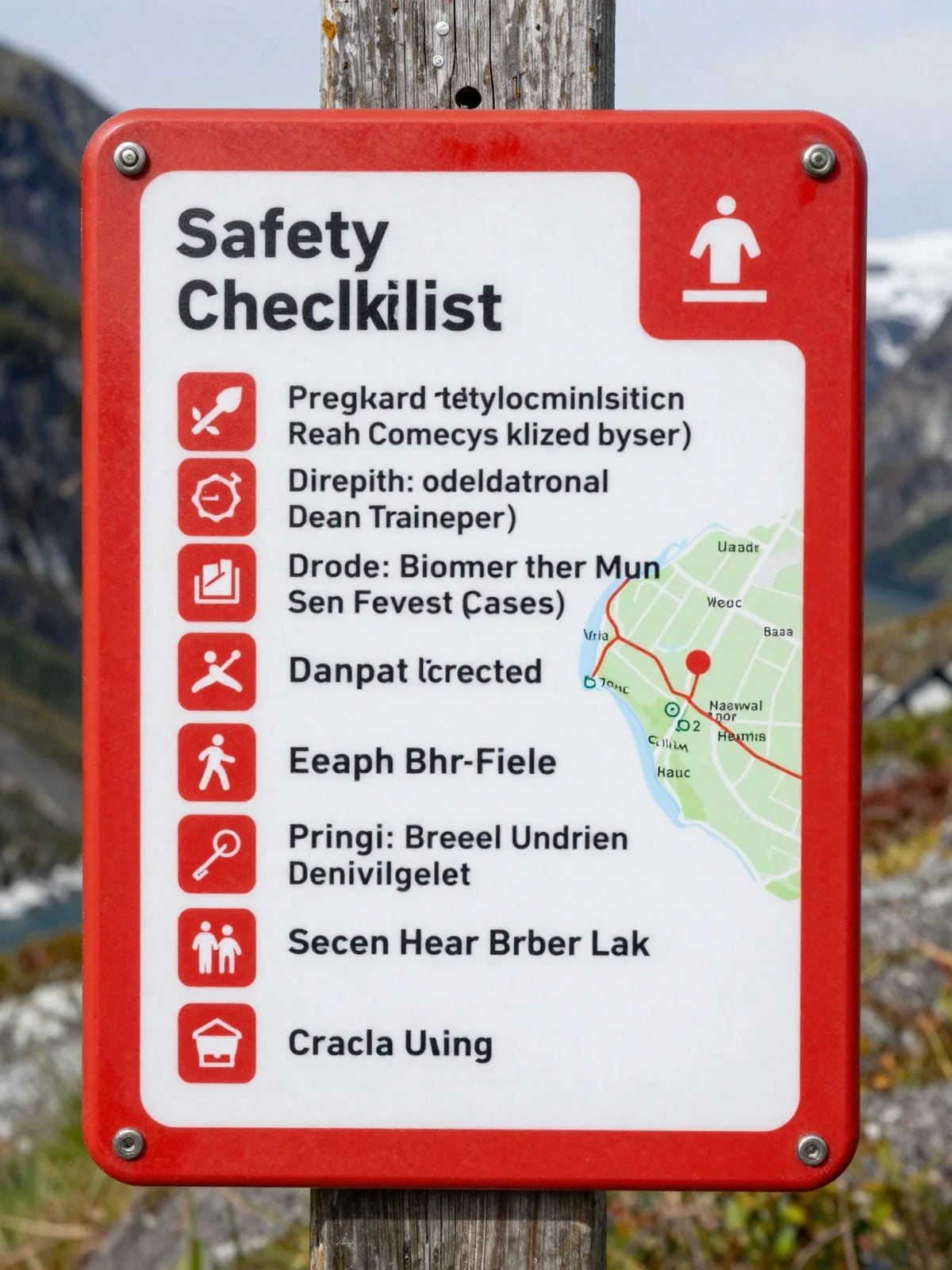
You start at the trailhead with sun, then the wind whips up and you rethink your plan. For a norway fjords travel guide, know that **trail difficulty** varies a lot and you must plan for changeable weather.
- Trolltunga is strenuous. Expect 10-12 hours and 20 km roundtrip; consider a guide or the easier **mountain hut** overnight option.
- Preikestolen is steep but well-marked, 4-5 hours; book a ferry or parking near Stavanger.
- Romsdalseggen is exposed; choose a shorter ridge turnback if wind picks up.
Carry an essential safety kit: map, headlamp, waterproof jacket, 2 litres water, basic first aid and a charged phone. Do weather checks with the Norwegian Meteorological Institute and note the emergency number 112 and local tourist information office (Visit Norway) for nearest **emergency contacts**.
Photography Hotspots
Looking for the exact spots that make your camera sing in the fjords?
- Stegastein: shoot at golden hour for wide Aurlandsfjord panoramas, use a 16-35mm or 24-70mm and arrive by 5:30 AM to avoid buses.
- Ørnevegen: late-afternoon light flatters the cliffs above Geirangerfjord, pack a 70-200mm for compression shots and wildlife.
- Flåm railway bridge: aim for blue hour to capture train streaks over waterfalls; a 50mm prime works great for low light.
- Geiranger viewpoint: sunrise gives layered mist over fjords; take a ferry or hike a short trail to beat crowds in peak season.
- These tips belong in any solid norway fjords travel guide and pair well with fjord cruises Norway or a Bergen to fjords itinerary.
- Quick crowd trick: pick shoulder months and book the 08:00 ferry to Nærøyfjord to dodge tour groups.
Norway Fjords Timing
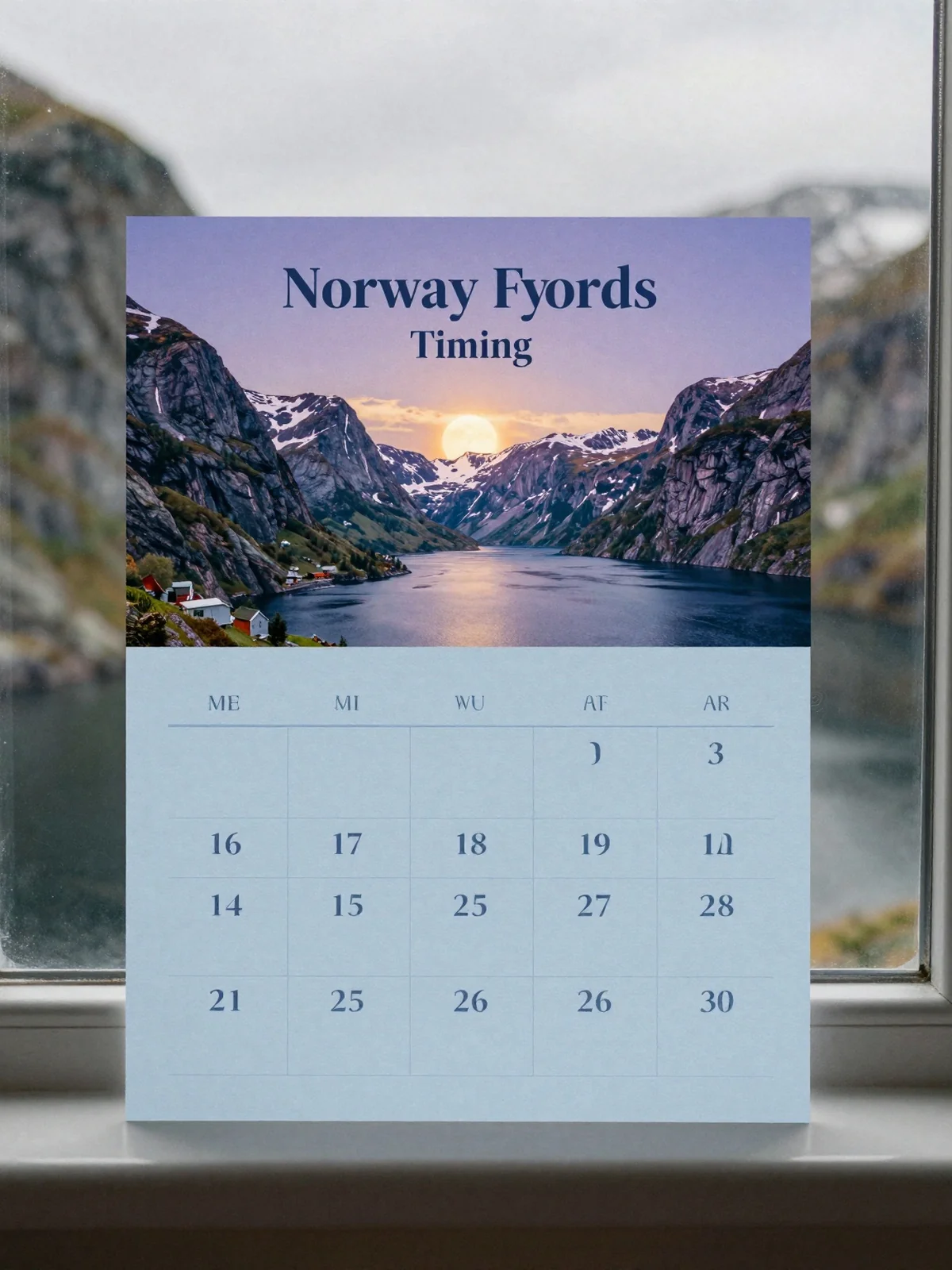
Myth: fjords are only worth visiting in summer. Reality: timing changes the whole trip; summer gives midnight sun and full ferry access, while shoulder seasons mean fewer crowds and lower prices.
June to August offer long days, warm weather and 24-hour daylight at high latitudes, great for kayaking and fjord cruises Norway departures. Expect daytime temps around 15°C to 20°C.
May and September give calmer crowds, cheaper cabins from about NOK 500 a night, and still decent daylight for hiking near Trolltunga or Geirangerfjord.
Winter brings limited daylight and some closures, but northern lights and glacier views if you plan for cold-weather gear and train or Hurtigruten ferry options.
For another perspective, this detailed piece on The 15 Best Fjords in Norway – According to Locals! is worth a read.
FAQ
What are the best times of year to visit and why?
Late June to August gives the warmest weather, long daylight and easier hiking, while May and September offer fewer crowds and clearer light for photos. For dramatic winter fjord views and northern lights you can visit in December but expect limited daylight and colder weather.
How do I get around: ferries, trains, rental cars, cruises and which suits each trip length?
For 3 day trips stick to trains and ferries between Bergen, Flåm and Aurlandsfjord for quick scenic access. For 5 to 7+ days mix a rental car with local ferries and a fjord cruise or Hurtigruten leg if you want islands and longer stretches of Sognefjord and Geirangerfjord. A car plus ferry is best for flexible road trip Norwegian fjords plans; trains are best if you want to relax and avoid driving.
Which fjords should I include for 3, 5, 7+ day itineraries?
3 days: Bergen, Flåm and Aurlandsfjord. 5 days: add Nærøyfjord and Sognefjord with a ferry hop. 7+ days: include Geirangerfjord and a Hurtigruten cruise day, plus time for a glacier viewpoint or kayaking near Aurland.
What should I pack specific to fjord weather and product examples?
Pack layers, a waterproof Gore-Tex jacket, Merrell hiking boots, and an Osprey 40L daypack; carry a 1 litre water bottle and quick-dry base layers. Don’t skip gaiters for muddy trails and a small power bank for camera use.
How much will a typical trip cost and what are safety and sustainability tips?
Budget about $100 per day, mid-range $200 per day, splurge $400+ per day; ferries cost around $20, $60 per leg. For safety avoid attempting Trolltunga or Romsdalseggen without proper gear; choose the marked mountain hut or guided hike as easier alternatives. Travel sustainably by booking local operators, following Leave No Trace, and checking the tourist information office or Visit Norway for regulated kayak and wildlife rules.
Where are exact photo spots and when to go for best light?
For golden hour shots go to Flåm viewpoint above the railway at sunrise, Stegastein overlook near Aurlandsfjord late afternoon, and Flydalsjuvet at Geirangerfjord at sunset. Arrive 45 minutes before sunrise for fewer people and softer light.
You might also like: 16 Plitvice Lakes Travel Tips for an Amazing Visit
Key Takeaways
Tip: pick your main transport first, then plan days and pack layers. For example, choose ferry or car, lock a 3/5/7 day sample itinerary, then pack for changeable weather.
- Seven planning rules: timing, transport mix, packing, budget, safety, sustainability, photo timing.
- Pick transport first: decide ferry, train, rental car or fjord cruise like Hurtigruten before booking stays in Bergen, Flåm or Geirangerfjord.
- Sample itineraries: use 3/5/7 day plans that combine train, ferry and driving to hit Sognefjord, Nærøyfjord and Aurlandsfjord.
- Packing layers: bring 3, 5 technical layers, waterproof jacket, and sturdy hiking boots for trails like Trolltunga or short hikes near Flåm.
- Budget and safety: plan about $150 per day midrange, check tide/river warnings and local tourist information office before hard hikes.
- Shoot at golden hour: aim for sunrise or late evening for best Norway fjords travel guide photos and fewer crowds.
Save this to Pinterest for quick reference on the go.