Microadventures: Outdoor Escapes You Can Do After Work
# Microadventures: Outdoor Escapes You Can Do After Work
You do not need a week of vacation, a plane ticket, or a garage full of gear to have an adventure. You need a few free hours, a spot within an hour of your front door, and the willingness to skip one ordinary evening at home. That is the entire premise of a microadventure, and it might be the single best concept ever invented for people who work for a living.
If you spend Monday through Friday at a desk, microadventures are your cheat code. They fit between clock-out and clock-in, cost almost nothing, and deliver a surprising amount of that big-trip feeling without using a single vacation day.
This guide explains what a microadventure actually is, where the idea came from, and exactly how to pull one off on a work night. You will find eight weeknight-ready ideas, a table of ideas sorted by the time you have, a planning checklist, and honest safety advice for the outdoors after dark.
What Is a Microadventure? (The Alastair Humphreys Story)
The word "microadventure" was coined and popularized by British adventurer and author Alastair Humphreys. This is not marketing legend; it is documented. Wikipedia notes that Humphreys "pioneered the concept and coined the term 'microadventure,'" and Outside Magazine calls him "the father of microadventures."
Humphreys was not always a small-adventure guy. He became known for enormous feats: a four-year, 46,000-mile bicycle ride around the world, rowing across the Atlantic Ocean, walking across India, and running 150 miles across the Sahara Desert. After years of telling those stories to audiences, he noticed something frustrating: people loved hearing about adventure but almost never went out and had one themselves. The barrier was always the same. Adventures felt like they required huge blocks of time, serious money, and major logistics.
So in 2011, Humphreys ran a "Year of Microadventure" to prove that adventure is mostly a mindset, not a budget: a shorter, simpler, cheaper, more local, more accessible version of a regular adventure, squeezed into the margins of real life. That year earned him National Geographic's Adventurer of the Year recognition in 2012, and his 2014 book Microadventures: Local Discoveries for Great Escapes carried the idea worldwide.
The rules are refreshingly simple. A microadventure should be short (hours, not weeks, often between workdays), local (if the drive is longer than the outing, pick a closer spot), cheap (ideally close to free), simple (if planning takes longer than doing, simplify), and slightly out of the ordinary. There is no badge to earn and no gatekeeper. If it feels like an adventure to you, and it fits around your normal life, it counts.
Why Microadventures Were Basically Invented for Office Workers
Humphreys himself wrote that the goal is to stop being limited by your 9 to 5 and start thriving in your 5 to 9. For a desk worker, that framing demolishes every classic excuse.
The time excuse disappears. A microadventure needs no request to HR and no calendar block. You decide at lunch that tonight is the night, and you go.
The money excuse disappears. A full weekend trip can easily run several hundred dollars. Most microadventures cost less than a takeout dinner, and many are genuinely free: a sunset hike on public land, stargazing at a dark pullout, a bivvy in your own backyard.
The gear excuse disappears. Beginners often assume they need to be fully outfitted first. A microadventure flips that: start with what you have, and only buy gear after you know you love the activity. A daypack, decent shoes, water, a headlamp, and layers cover most evening outings.
The fitness excuse disappears. Nobody is asking you to thru-hike anything. A two-mile sunset walk to a viewpoint is a legitimate microadventure. You set the difficulty and make each outing a little bolder than the last.
The payoff is real. Sleeping somewhere unusual on a Tuesday, or watching sunrise from a hill before your standup meeting, resets your brain. It breaks the blur of identical workdays.
The 5-to-9 Mindset: Adventure Between Clock-Out and Clock-In
The phrase "5 to 9" is the microadventurer's motto. Your 9 to 5 pays the bills. Your 5 to 9 is where the living happens. Humphreys used the phrase in a National Geographic essay to argue that you should stop being limited by work hours and start treating the evening hours as prime adventure time.
Adopting the mindset takes three small shifts: decide before the couch gets you (pick your plan at lunch and lay gear by the door), keep a go-bag packed so leaving takes sixty seconds, and lower the bar on purpose ("we walked to the overlook and watched the clouds go pink" is a perfect trip report). When the bar is low, you go more often, and frequency beats intensity.
Microadventure Ideas by Time Available
The best microadventure is the one that fits the time you actually have tonight.
| Time Available | Idea | What You Need | Difficulty |
|---|---|---|---|
| 2 hours | Sunset viewpoint hike | Shoes, water, headlamp for the walk back | Easy |
| 2 hours | Golden-hour urban paddle (kayak, canoe, or SUP rental) | Rental gear, dry bag, PFD | Easy |
| 2 hours | Picnic dinner at a park with a view | Blanket, takeout, bug spray | Easy |
| 2 hours | Evening trail run or brisk walk | Running shoes, water, charged phone | Easy |
| One evening | Night hike under the full moon | Headlamp (plus backup), layers, friend | Easy to moderate |
| One evening | Stargazing drive to a dark-sky spot | Blanket, warm layers, star chart app | Easy |
| One evening | Cookout and campfire at a nearby campsite | Cooler, camp chairs, firewood | Easy |
| One evening | Wild swim or sunset beach visit | Towel, swimsuit, warm layers for after | Easy to moderate |
| One evening | Bike the long way home with a detour | Bike, lights, lock | Easy |
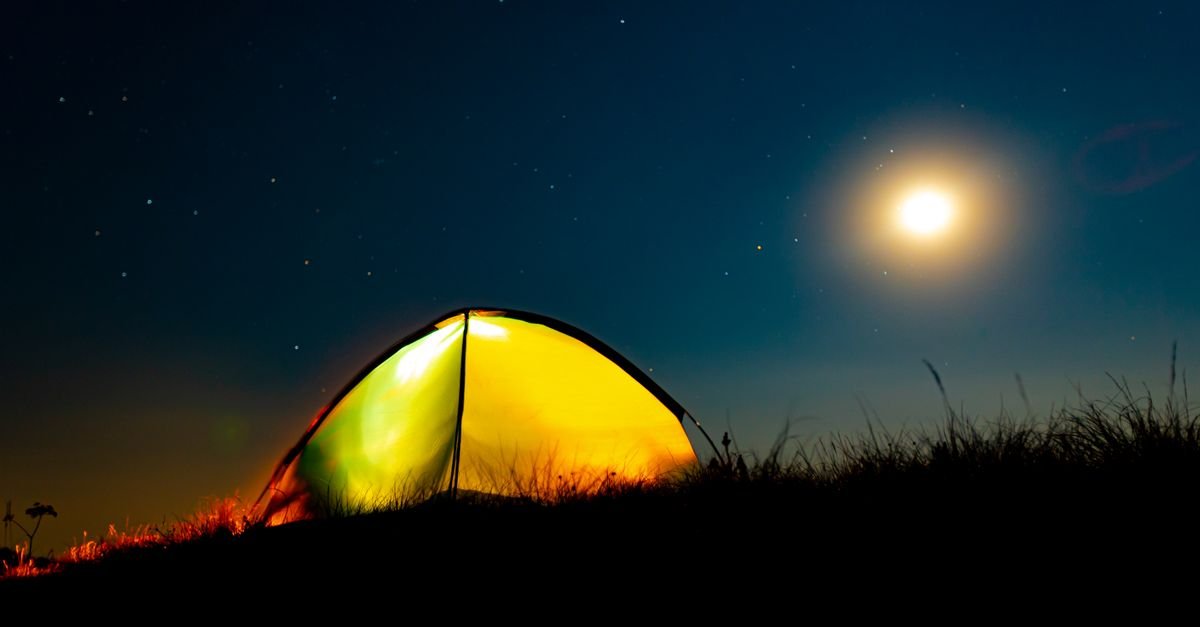
| Overnight | Backyard or balcony campout | Tent or tarp, sleeping bag, sleeping pad | Easy |
| Overnight | Work-night bivvy on a local hill | Bivvy bag or tarp, sleeping bag, pad, headlamp | Moderate |
| Overnight | Quick tent camp at a campground near the city | Tent, sleeping setup, cooler, no-cook food | Easy |
| Overnight | Sleep-out under the stars (no tent) | Sleeping bag, pad, bug protection | Easy |
| Overnight | Sunrise mission: hike up before dawn, back for work | Headlamp, warm layers, thermos | Moderate |
8 Weeknight Microadventures You Can Do This Week
1. The Sunset Summit (or Viewpoint) Hike
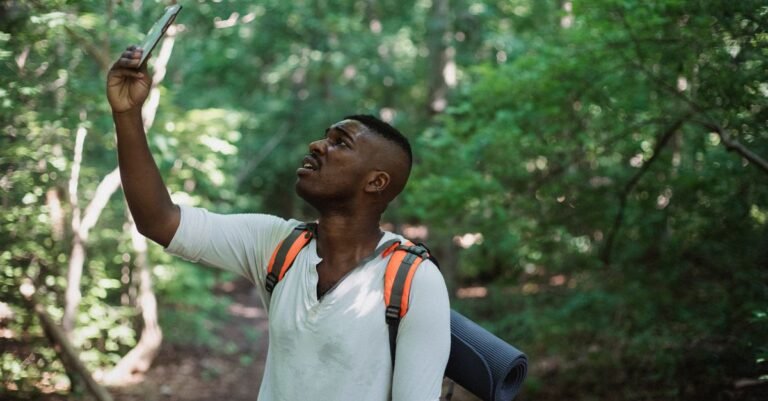
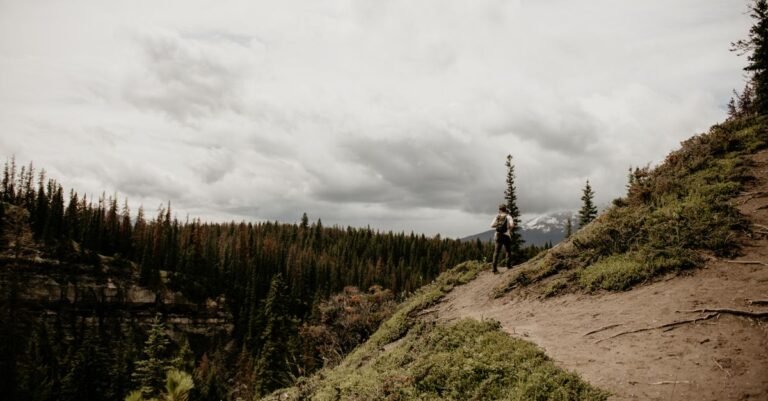
This is the gateway microadventure. Pick a trail with a west-facing view, leave right after work, and hike up as the light goes gold. Check sunset times that morning and give yourself a buffer. Bring a headlamp even if you expect to be back before dark, because "sure" is how people end up stumbling downhill by phone light. A thermos and a snack at the top turn a walk into an occasion.
2. The Sunrise Mission Before Work
Set the alarm early, drive to a nearby trailhead in the dark, and reach an east-facing viewpoint as the sky lightens. You will be back at your desk by nine with a story nobody else in the meeting has. This works best when sunrise is early but not absurdly so. If the alarm feels brutal, start with a sunrise from a scenic drive-up overlook, then work up to hiking for it.
3. The Work-Night Bivvy
This is the classic Humphreys move: sleep on a hill after work, watch the sun rise, and get back to your desk on time. A bivvy bag is a waterproof cocoon for your sleeping bag, lighter and simpler than a tent, and sleeping out under just the sky is the single most adventure-per-dollar experience available. Pick a legal spot close to home, pack a no-cook dinner and a warm sleeping bag, and set an alarm.
4. The Urban Paddle
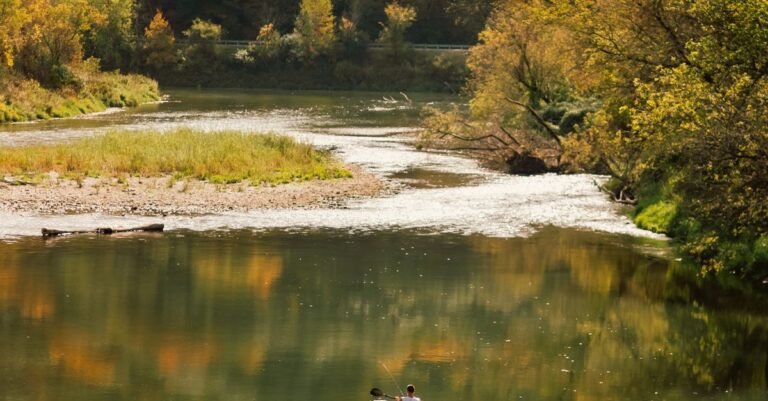
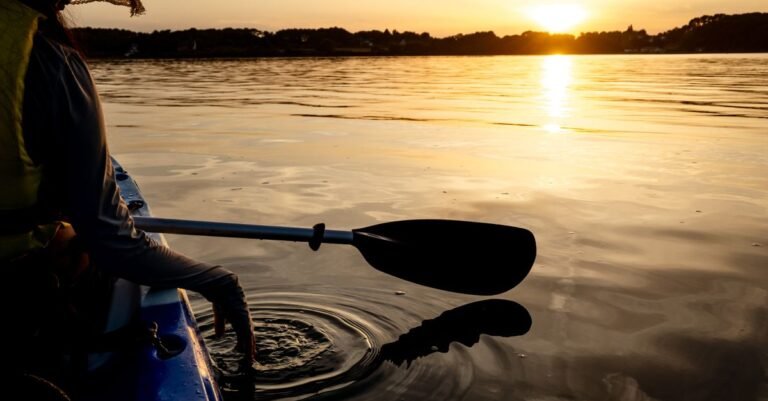
Cities with rivers, lakes, bays, or reservoirs often have outfitters renting kayaks, canoes, or stand-up paddleboards by the hour, with evening hours in summer. An after-work paddle at golden hour is peaceful in a way that surprises first-timers: calm water, beautiful light, and exercise that does not feel like exercise. Always wear a personal flotation device and stay close to shore until you know what you are doing.
5. Stargazing Without the Big Drive
You do not need a famous dark-sky park. Use a light-pollution map to find the darkest spot within 30 to 45 minutes of home: a county park, a hilltop, a lake shore, or a quiet roadside pullout. Bring blankets, warm layers, and a free star chart app. Time it for a new moon when the sky is darkest, or aim for a meteor shower, which turns an ordinary night into an event. One of the cheapest ideas on this list, and one of the most memorable.
6. The Full Moon Night Walk
A night hike under a full moon needs almost no artificial light, which makes familiar trails feel completely new. Go with a friend, bring headlamps anyway, stick to trails you know well, and tell someone your plan. Once a month, the moon hands you a free adventure; take it.
7. The Backyard Campout
Never underestimate the backyard. Pitch a tent, string up a hammock, or roll out a sleeping bag on the porch. Cook dinner outside, watch the stars, and wake up at home. It sounds too simple to count, but that is exactly why Humphreys included it in the original idea: adventure is about breaking routine, not traveling far. It is also the perfect shakedown trip; if something in your sleep setup fails in the backyard, you learn the lesson without suffering for it.
8. The Commute Adventure
When time is truly tight, squeeze adventure out of the commute itself. Get off the train a stop early and walk home through a park. Bike a longer, greener route. It will not replace a night under the stars, but it keeps the adventurous reflex alive on weeks when the calendar wins.
Your First Work-Night Bivvy: An Hour-by-Hour Playbook
The work-night bivvy is the signature microadventure, so here is exactly how one runs. Adapt the times to your schedule and season.
- 12:00 p.m. (at work): Check weather and sunset/sunrise times. Text a friend your plan. Pack your go-bag if you have not already.
- 5:30 p.m.: Leave work. Eat something simple now or bring a no-cook dinner.
- 6:30 p.m.: Arrive and hike in while there is light. Pick a flat, sheltered sleep spot and note your route back.
- 7:30 p.m.: Dinner with a view. Watch the sunset. Do not rush it.
- 9:00 p.m.: Set up your sleep system. Enjoy the stars.
- 10:30 p.m.: Sleep. Earlier than usual, and that is fine.
- 5:30 a.m.: Wake for sunrise. Pack up, leaving the spot cleaner than you found it.
- 6:30 a.m.: Hike out, drive home, shower, grab coffee, head to work.
The first time feels slightly ridiculous. The second time feels like a tradition.
The Microadventure Planning Checklist
Most failed microadventures fail before you leave the house. Run through this list and you will avoid nearly every problem.
The day before (or morning of):
- Pick your spot and check that it is legal to be there after dark (park hours, camping rules, permits).
- Check the weather forecast and sunset/sunrise times.
- Charge your phone and headlamp.
- Tell someone your plan: where, when you will return.
- Prep food so you are not cooking from scratch at 8 p.m.
Packing (the essentials):
- Headlamp plus a backup light or spare batteries
- More water than you think you need
- Warm layer and rain layer, even on nice days
- Snacks or a simple meal
- Phone with offline maps downloaded
- Basic first aid kit and a trash bag (pack out everything)
- For overnights: sleeping bag, sleeping pad, shelter (tent, tarp, or bivvy bag)
Before you leave the trailhead:
- Lock the car and leave valuables at home.
- Note your route back, especially if returning in the dark.
- Check in with your contact person.
When you get home:
- Text your contact that you are back.
- Air out sleeping gear so it is ready next time.
- Jot down what worked and what did not; a two-line note makes every future trip smoother.
Gear: What You Actually Need (and What You Can Skip)
The microadventure gear list is short on purpose. Here is the honest version.
Actually need:
- A comfortable daypack you already own
- Shoes with decent grip
- A headlamp. This is the single most important purchase: it turns the dark from a hard stop into an option.
- Layers: a warm mid-layer and a rain shell
- Water bottle or reservoir, plus extra water in the car
- Snacks or simple food
Nice to have:
- Sleeping pad and sleeping bag for overnights
- A tarp or bivvy bag (cheaper and lighter than a tent for solo sleep-outs)
- A paper map of the area as backup
Can skip for now: expensive GPS devices (your phone with offline maps is fine), a full camp kitchen (no-cook food is faster), and anything marketed as "expedition" anything.
Buy gear only after a few trips tell you what is missing. The best kit is the kit you already have, used often.
Staying Safe After Dark and On Your Own
Microadventures are low risk by design, but "low risk" is not "no risk." The dark and unfamiliar spots deserve respect.
- Always tell someone your plan. Where you are going, your route, and when you will check in. The single most important safety habit.
- Bring light and then bring more light. A headlamp plus a small backup turns a dead battery into an annoyance, not an emergency.
- Stick to known trails after dark until you are comfortable navigating at night. New routes are for daylight.
- Check the weather obsessively. A forecast you ignored at 5 p.m. becomes a problem at midnight. Bail cheerfully if conditions turn.
- Know the land rules. Some parks close at dusk and some prohibit overnight stays; check the managing agency's website first.
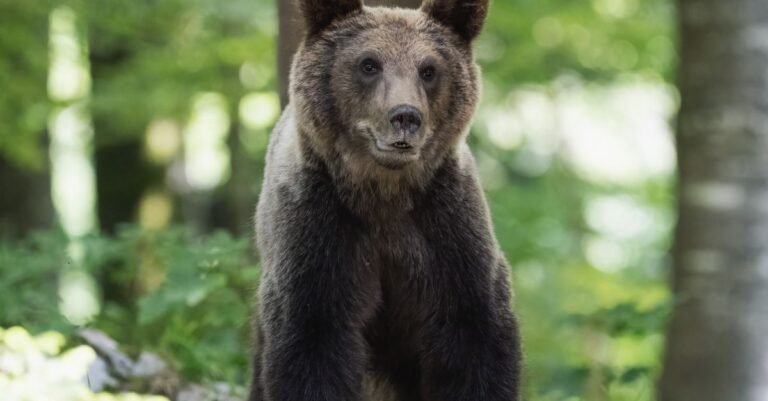
- Wildlife basics: Store food away from where you sleep and know what lives in your area before you go.
- Trust your gut. If a trailhead feels wrong or the weather looks worse than forecast, leave.
Common Mistakes That Ruin a Microadventure
- Overpacking. A heavy pack for a sunset hike turns fun into chore. Pack for hours, not days.
- Picking a spot too far away. If the drive is two hours each way, it is a commute with a view. Stay within an hour.
- Skipping the headlamp. The most common beginner error, and the easiest to fix.
- No backup plan for weather. Keep a rainy-evening alternative ready, like a covered pavilion picnic or an urban night walk.
- Forgetting it is a work night. Set two alarms for morning missions and lay out work clothes before you leave.
- Waiting for perfect conditions. There is no perfect evening. Go on the good-enough one.
Frequently Asked Questions
What exactly counts as a microadventure? Any short, local, low-cost outdoor outing that breaks your routine. British adventurer Alastair Humphreys, who coined the term, describes it as a shorter, simpler, cheaper, more local, more accessible version of an adventure.
Who came up with microadventures? Alastair Humphreys, a British adventurer known for cycling around the world and rowing the Atlantic. In 2011 he undertook a "Year of Microadventure" to show that adventure does not require huge time or money, and his 2014 book Microadventures: Local Discoveries for Great Escapes spread the concept worldwide.
Do I need special gear for a microadventure? No. Most evening microadventures need only shoes, water, snacks, layers, and a headlamp. Overnight versions add a sleeping bag, pad, and simple shelter like a tarp or bivvy bag.
Is it safe to do a microadventure alone at night? It can be, with precautions: tell someone your plan, stick to trails you know, carry backup light, and check the weather. Beginners should start with a friend and try solo outings after building experience.
How much does a microadventure cost? Usually somewhere between free and the price of gas and snacks. Evening kayak rentals cost a modest fee, but most ideas in this guide are free.
Can I really do an overnight microadventure on a work night? Yes, if the spot is within about an hour of home. Hike in after work, sleep out, wake for sunrise, and be home in time to shower and commute. The keys are pre-packing, a no-cook dinner, and a reliable alarm.
Your First Microadventure Is This Week
Here is your assignment. At lunch today, pick one idea from the table that fits the time you have. Text a friend. Pack the bag. Leave straight from work.
It will not be perfect. You might forget the bug spray or pick a viewpoint with a mediocre view. Go anyway. The first microadventure is never about the destination; it is about proving to yourself that adventure fits into a normal working life.
Alastair Humphreys's whole point was that the wild is closer than we think, and the time is shorter than we fear. Your 5 to 9 is waiting. Use it.