Sleeping Bags vs Quilts for Camping: Which Should You Buy?
If you are shopping for your first serious sleep system, you have probably run into a confusing debate: sleeping bags vs quilts. Backpacking forums are full of quilt evangelists who swear they will never go back to a bag, while plenty of experienced campers stick with their trusty mummy bag and see no reason to change. Both sides have a point, because bags and quilts solve the same problem in very different ways.
This guide breaks down how each system works, where each one wins, and which one you should actually buy based on how you camp. No jargon, no hype, just the tradeoffs that matter for a weekend warrior.
The Quick Answer: Bag or Quilt?
Short on time? Here is the decision in one paragraph:
Buy a sleeping bag if you are new to camping, sleep cold, camp in shoulder seasons or winter, toss and turn a lot, or mostly car camp where weight does not matter. It is simpler, warmer out of the box, and more forgiving.
Buy a quilt if you are getting into backpacking, count ounces, sleep warm, and mostly camp in spring through fall. It is lighter, packs smaller, and gives you more freedom of movement, but it takes some practice to use well.
For most first-time buyers, a sleeping bag is the safer choice. Quilts reward experience; bags forgive inexperience. Now let us dig into why.
How a Sleeping Bag Works (and Why Your Back Still Gets Cold)
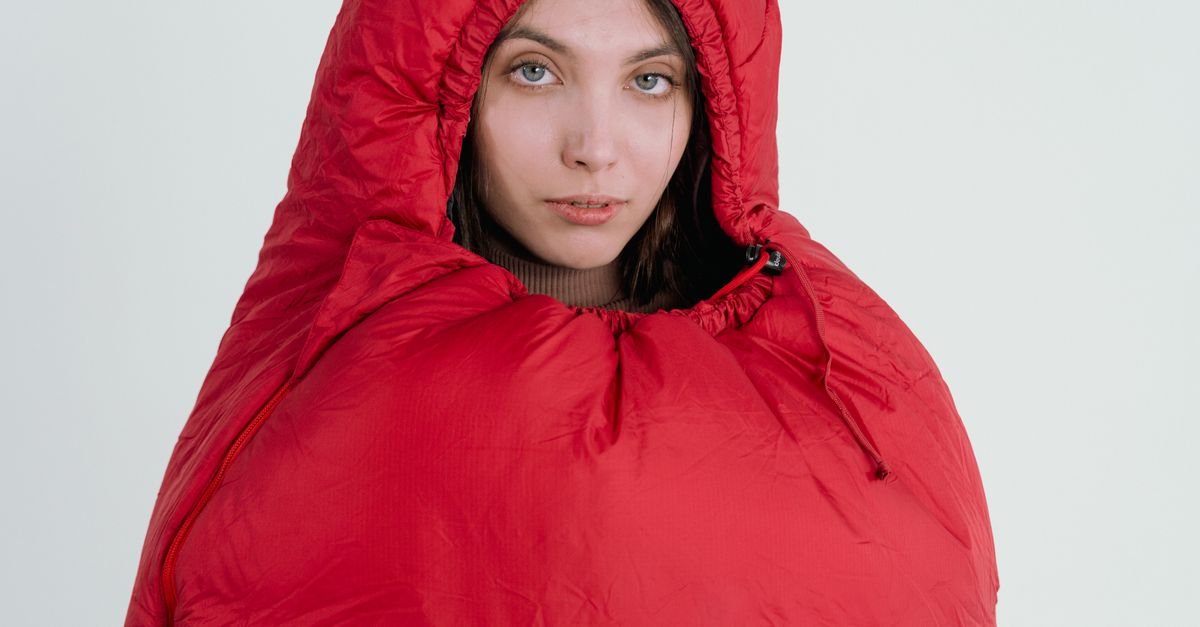
A traditional sleeping bag wraps all the way around you like a cocoon. Mummy bags taper from shoulders to feet to eliminate dead air space, and most include an insulated hood that cinches around your face. You climb in, zip up, and the bag traps your body heat in a full 360-degree envelope.
Here is the part most beginners do not realize: the insulation underneath you is mostly wasted. When you lie on a sleeping bag, your body weight compresses the down or synthetic fill beneath you, squeezing out the loft (the fluffy air pockets) that actually does the insulating. Compressed insulation barely insulates at all. That is why experienced campers will tell you that your sleeping pad, not your bag, is what keeps your back warm. The pad's R-value (its resistance to heat loss into the ground) does the real work underneath you.
Sleeping bags come in three main shapes:
- Mummy: Tapered, hooded, lightest and warmest for the weight. The backpacking standard.
- Semi-rectangular: A compromise between mummy efficiency and rectangular roominess.
- Rectangular: Roomy and comfortable, but heavy and bulky. Best for car camping and kids.
How a Backpacking Quilt Works (and Why It Is Lighter)
A backpacking quilt is essentially the top half of a sleeping bag: insulation on top, open on the bottom, with no hood and usually a shorter zipper or none at all. Instead of wrapping around you, it drapes over you like the comforter on your bed at home, and it attaches to your sleeping pad with straps or clips to seal out drafts.
The logic is simple and sound. Since the insulation underneath you gets compressed and does almost nothing, why carry it? By deleting the bottom insulation, the hood, and most of the zipper, a quilt saves a meaningful amount of weight and packed volume. For the same temperature rating, a quilt typically weighs 8 to 16 ounces less than a comparable mummy bag and compresses noticeably smaller.
Quilts shine on warm nights too. You can drape one loosely like a blanket, stick a leg out, or vent it easily, which is much harder to do in a zipped-up mummy bag. Active sleepers who change positions love the freedom: the quilt stays put on the pad while you move underneath it, instead of the whole bag twisting around you.
The catch? All that openness has to be managed. Without a sealed tube around you, cold air can sneak in around the edges, especially if you move a lot or the pad straps are not dialed in. And with no hood, you need a warm hat or hooded jacket for your head on cold nights.
Head-to-Head Comparison
| Feature | Sleeping Bag | Quilt |
|---|---|---|
| Warmth (same temp rating) | Excellent; full enclosure seals heat in | Excellent when properly set up; relies on technique |
| Weight | Heavier; extra fabric, full zipper, hood | Lighter; typically 8-16 oz less at the same rating |
| Packed size | Bulkier | Packs smaller |
| Draft protection | Excellent; sealed all around | Good; requires pad straps and practice |
| Freedom of movement | Restrictive, especially mummy bags | Excellent; move freely underneath |
| Temperature regulation | Harder to vent; can overheat | Easy; drape loosely or vent like a blanket |
| Ease of use | Get in, zip up, done | Learning curve with straps and draft management |
| Hood | Built in on most mummy bags | None; bring a warm hat |
| Cold-weather performance | Better below freezing | Workable, but draft management gets critical |
| Warm-weather comfort | Can feel clammy and restrictive | Excellent ventilation |
| Price (comparable quality) | Wide range; good budget options exist | Often similar or slightly less; premium quilts cost as much as bags |
| Best for | Beginners, cold sleepers, winter camping, car camping | Ultralight backpackers, warm sleepers, 3-season trips |
Sleeping Bags: Pros and Cons
Pros
Simple to use. There is no technique to learn. Unroll it, climb in, zip up, sleep. After a long day on the trail when your brain is fried, simplicity is a genuine feature.
Better draft protection. The full enclosure, draft collar, and hood create a sealed warm envelope. When the temperature drops at 3 a.m., you will be glad every edge is closed.
Built-in hood. Your head loses a lot of heat, and a cinched hood is the easiest way to keep it warm. With a quilt, head insulation is on you (a beanie or puffy hood).
More forgiving for beginners. If your pad is a little under-insulated or the night runs colder than forecast, a bag's sealed design gives you a bigger margin of error.
Great budget options. The sleeping bag market is huge, so you can find solid 3-season bags at very reasonable prices, especially synthetic ones.
Cons
Heavier and bulkier. More fabric, more insulation, a full-length zipper, and a hood all add weight and packed volume compared to a quilt with the same rating.
Restrictive. Mummy bags in particular can feel claustrophobic, especially for side sleepers and anyone who tosses and turns. You move, the whole bag moves with you.
Harder to ventilate. On warm nights, a zipped bag can feel like a sauna. You can unzip partially, but it never vents as naturally as an open quilt.
Quilts: Pros and Cons
Pros
Lighter and more packable. This is the headline reason quilts exist. Dropping 8 to 16 ounces from your sleep system is a big deal when you are carrying everything on your back, and the smaller packed size frees up real pack volume.
Freedom of movement. Side sleepers, stomach sleepers, and sprawlers all do better under a quilt. You can shift positions without the whole system twisting around you.
Superior temperature regulation. A quilt works across a wider temperature range. Drape it loosely on warm nights, cinch it down when it cools off. One quilt can comfortably cover conditions where you might want two different bags.
No zipper hassles. Fewer zippers means nothing to snag in the middle of the night and one less failure point on a long trip.
Cons
Draft management takes practice. This is the number one complaint from quilt skeptics, and it is legitimate. If the pad straps are loose or you are an active sleeper, cold air sneaks in around the edges. Most people figure it out after a few nights, but those first few nights can be chilly.
No hood. You will need a warm beanie, a buff, or a hooded puffy jacket for cold nights. That is extra gear to remember and extra weight that eats into the quilt's weight savings.
Relies heavily on your sleeping pad. Because there is no insulation underneath you at all, your pad's R-value becomes critical. A quilt paired with a thin summer pad on a cold night is a recipe for a miserable time.
Not ideal for deep cold. Below freezing, and especially well below freezing, the sealed design of a mummy bag is simply more reliable. Most quilt makers and users agree: quilts are a 3-season tool.
The Real Tradeoffs Beginners Underestimate
Reading spec sheets is one thing; here are the practical realities that surprise first-time quilt users.
The strap system is fiddly at first. Most quilts attach to your pad with elastic straps and clips. It takes a few practice runs (do this at home, not at midnight on your first trip) to get the tension right: snug enough to seal drafts, loose enough to move.
Your pad matters more than you think. With a bag, a mediocre pad is partially masked by the bag's bottom insulation (thin as it is when compressed). With a quilt, the pad is your only underside insulation. Budget for a pad with an appropriate R-value: around 2 for summer, 3 to 4 for 3-season use, 5+ for winter.
The weight savings shrink for cold sleepers. If you run cold, you may need to size your quilt wider, add a warmer hat, or bring extra layers, all of which eat into the weight advantage. Be honest about how you sleep.
Quilts are not automatically cheaper. Quality down quilts from cottage makers cost about the same as quality down bags. The savings are in weight and volume, not necessarily dollars. Do not choose a quilt expecting to save money; choose it to save weight.
Car campers gain almost nothing. If weight and packed size do not matter because your car is 20 feet away, a quilt's main advantages disappear, while its draft-management downside remains. For pure car camping, a roomy bag (or even two bags zipped together) is more comfortable.
Which Should YOU Buy? A Scenario Guide
You are brand new to camping and mostly car camping. Buy a sleeping bag. Get a comfortable semi-rectangular or rectangular bag rated for the coldest nights you expect. Simple, cozy, no learning curve.
You are starting to backpack and want to go light. Consider a quilt, but only if you are willing to practice the setup and pair it with a good insulated pad. A 20-degree quilt is the classic 3-season choice for most US backpacking.
You sleep cold, no matter what. Buy a bag. The sealed design and hood give you the biggest margin of warmth for your money and your worry.
You are a side sleeper who feels trapped in mummy bags. Try a quilt, or look at roomier semi-rectangular bags. Comfort is not a luxury; bad sleep ruins trips.
You camp year-round, including winter. Buy a bag, ideally a proper winter-rated mummy bag. Quilts are not the tool for deep cold.
You are on a tight budget. Shop sleeping bags first. The used and budget bag market is deep, and a $100 synthetic bag will keep you warm on summer weekends just fine.
You want one system for everything. A quality 20-degree down mummy bag is the most versatile single purchase for a 3-season camper. A 20-degree quilt is the most versatile single purchase for a 3-season backpacker who sleeps warm.
Frequently Asked Questions
Are quilts actually as warm as sleeping bags?
At the same temperature rating, a quilt can keep you just as warm as a bag, but only if it is set up correctly with a properly insulated sleeping pad. The rating assumes you manage drafts and insulate your head. A bag achieves its rating with less technique required.
Do I need a special sleeping pad for a quilt?
You do not need a special pad, but you do need a warm enough one. Because a quilt has no bottom insulation, your pad does 100 percent of the underside work. For 3-season use, look for a pad with an R-value around 3 to 4 or higher.
Can you use a quilt for winter camping?
It is possible, and some experienced winter backpackers do it, but it is not recommended for beginners. Draft management becomes critical below freezing, and a mummy bag's sealed design is more reliable and more forgiving in deep cold.
What temperature quilt should a beginner get?
A 20-degree quilt (or 20-degree bag) is the standard recommendation for 3-season backpacking across most of the US. It handles spring and fall nights and is not overkill for summer at elevation. If you only camp in warm summer weather, a 30- or 40-degree option saves weight and money.
Why are quilts so popular with thru-hikers?
Thru-hikers walk thousands of miles, so every ounce matters enormously, and they sleep in their systems for months. The weight savings, smaller packed volume, and comfort for side sleeping add up to a real quality-of-life difference over a five-month hike. Weekend warriors feel these benefits too, just on a smaller scale.
Can I just use a regular blanket instead of a camping quilt?
For warm-weather car camping, honestly, yes, people do it all the time. But a proper backpacking quilt is cut to seal around your pad, uses technical insulation that stays warm when damp (or ultralight down), and packs to a fraction of a blanket's size. A home blanket is fine for a 70-degree night at a drive-up site; it is not a backcountry sleep system.
Final Verdict
Sleeping bags vs quilts is not a debate with one winner. It is a choice between two good tools designed for different priorities.
Choose the sleeping bag if you want simplicity, maximum warmth with minimum fuss, and a system that forgives beginner mistakes. It remains the best choice for new campers, cold sleepers, winter trips, and car camping.
Choose the quilt if you are chasing lighter pack weight, sleep warm, move around at night, and are willing to learn a slightly fussier setup. It is the favorite of experienced 3-season backpackers for good reason.
Either way, do not neglect the other half of the equation: your sleeping pad. The best bag or quilt in the world cannot save you from a cold, thin pad on chilly ground. Get the sleep system that matches how you camp, pair it with a pad rated for your conditions, and you will sleep well out there.
One last piece of advice for beginners: if you can, try before you buy. Borrow a friend's quilt for a weekend, or rent a sleeping bag from an outdoor shop, and pay attention to how you actually sleep. Do you sprawl? Do you run cold? Do you hate feeling constricted? Your own answers to those questions are worth more than any spec sheet, and they will point you to the right system faster than hours of forum reading.