A Weekend in Rocky Mountain National Park: The Perfect 2-Day Itinerary
# A Weekend in Rocky Mountain National Park: The Perfect 2-Day Itinerary
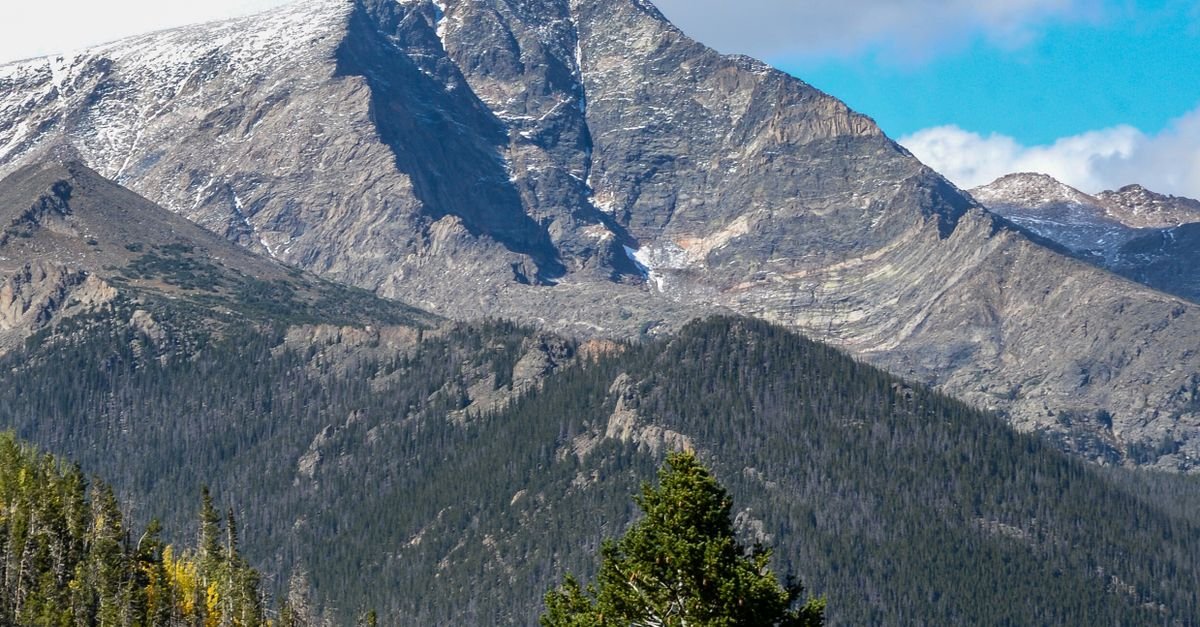
Rocky Mountain National Park does not ease you in. One minute you are in the cute mountain town of Estes Park buying fudge, and the next you are standing at 9,475 feet staring at a lake so blue it looks edited. Then you drive Trail Ridge Road, climb above the trees entirely, and realize the tundra has its own stark beauty that no photograph quite captures.
Here is the catch that surprises first-timers: Rocky Mountain is one of the few national parks that requires a timed-entry reservation just to get in during peak season. Show up without one on a summer Saturday and you will be turned around at the gate. The good news is that the system is simple once someone explains it clearly, which is exactly what this guide does.
This is a true weekend itinerary: arrive Friday evening, hike Saturday and Sunday, head home Sunday night. It is built around the permit windows so you never waste a minute.
Short on Time? Here Is Your RMNP Mini Guide
| Topic | The Essentials |
|---|---|
| Timed entry | Required in 2026: two permit types on Recreation.gov, $2 fee each (verify current dates on NPS.gov) |
| Bear Lake Road permit | Needed 5 a.m. to 6 p.m. daily, late May to mid-October; covers the whole park |
| Rest-of-park permit | Needed 9 a.m. to 2 p.m. daily over a slightly shorter season; does NOT include Bear Lake Road |
| Entrance fee | $35 per vehicle for 7 days, on top of the reservation (check NPS.gov for latest) |
| Altitude | Bear Lake sits at 9,475 ft; Trail Ridge Road tops 12,183 ft. Hydrate and take it easy on day one |
| Best 2-day combo | Day 1: Bear Lake corridor hikes. Day 2: Trail Ridge Road drive + alpine tundra walks |
| Where to stay | Estes Park (east side, most lodging) or Grand Lake (west side, quieter) |
The Two-Permit System, Explained Simply
This is the part that confuses everyone, so let us make it painless. Rocky Mountain runs two timed-entry products, and they are not interchangeable.
Timed Entry + Bear Lake Road is the one most weekend visitors want. It grants access to the Bear Lake Road corridor (Bear Lake, Glacier Gorge, Sprague Lake, Moraine Park) between 5 a.m. and 6 p.m., and it also covers the rest of the park. In 2026 it runs from May 22 through October 18. If your weekend includes any Bear Lake hiking, and it should, get this one.
Timed Entry (rest of park) covers everything except the Bear Lake Road corridor: Trail Ridge Road, the Alpine Visitor Center, the west side, Wild Basin. It is required from 9 a.m. to 2 p.m. over roughly the same season, ending a few days earlier in October. Outside those hours, you can enter those areas without any reservation.
Key facts that trip people up:
- Each reservation costs only a $2 Recreation.gov processing fee, but it does NOT replace the park entrance fee. You need both.
- Reservations give you a two-hour entry window. Once you are in, you can stay all day. There is no set departure time.
- Reservations release on the first of each month at 8 a.m. Mountain Time for the following month, plus a batch at 7 p.m. the night before your visit. The night-before releases sell out fast, so set an alarm.
- You cannot buy timed entry at the entrance station. It is Recreation.gov or nothing.
Weekend strategy: book the Timed Entry + Bear Lake Road permit for Saturday (your big hiking day). For Sunday's Trail Ridge Road drive, either book the rest-of-park permit or simply enter before 9 a.m., when no reservation is needed. An early Sunday start solves the problem for free.
Altitude: The Thing That Will Humble You
Most visitors to Rocky Mountain arrive from somewhere near sea level, and the park does not care about your gym routine. Bear Lake sits at 9,475 feet. The Alpine Visitor Center sits at 11,796 feet. At those elevations, the air holds roughly a third less oxygen than at sea level, and you will feel it on every uphill step.
I am not telling you this to scare you. I am telling you because altitude sickness ruins more RMNP weekends than weather does, and it is almost entirely preventable:
- Hydrate aggressively starting the day before you arrive. Dehydration and altitude are a miserable combination.
- Take it easy on day one. The itinerary below puts the hardest hiking on Saturday, but keep your pace conversational. If you are breathing too hard to talk, slow down.
- Limit alcohol the first night. It hits harder at elevation and dehydrates you.
- Eat carbs. Your body burns through glycogen faster up high.
- Know the symptoms: headache, nausea, dizziness, and unusual fatigue. The cure is descending to lower elevation and resting. Do not push through it.
Spend Friday night in Estes Park (7,500 feet) rather than driving straight to a high trailhead Saturday morning. That one night of acclimatization helps more than people expect.
Day 1: Bear Lake Corridor (Your Permit Day)
Theme: alpine lakes. Today uses your Timed Entry + Bear Lake Road permit for the park's most beloved cluster of trailheads.
Morning: Bear Lake Loop + Nymph and Dream Lakes
Start at the Bear Lake trailhead, the crown jewel of the park. The 0.8-mile loop around Bear Lake itself is nearly flat and delivers postcard views of Hallett Peak and Longs Peak reflected in the water. Do it first as a warm-up while your legs are fresh and the light is good.
Then continue past Bear Lake on the trail to Nymph Lake (half a mile, gentle climb, lily pads in summer) and Dream Lake (another half mile, steeper, absurdly photogenic). The round trip to Dream Lake and back is about 2.2 miles total and might be the best effort-to-scenery ratio in the entire park.
Arrive early. The Bear Lake parking lot fills by 8 a.m. on summer Saturdays. If it is full, park at the Glacier Basin Park & Ride and take the free shuttle, which runs every 10 to 15 minutes and stops at Bierstadt Lake, Glacier Gorge, and Bear Lake.
Midday: Emerald Lake or Alberta Falls
If your legs feel good after Dream Lake, keep going to Emerald Lake. It adds about another mile round trip past Dream Lake, climbing to a dramatic cirque lake beneath sheer cliffs. The full Bear Lake to Emerald Lake round trip is roughly 3.6 miles.
Alternatively, or additionally, hike to Alberta Falls from the Glacier Gorge trailhead: a 1.6-mile round trip to a powerful cascade that is especially impressive during spring snowmelt. It is a great shorter option if altitude is slowing you down.
Afternoon: Sprague Lake and Moraine Park
As the day warms up, shift to easier sightseeing. Sprague Lake is a half-mile boardwalk loop, fully accessible, with mountain reflections that photographers love. Nearby Moraine Park is prime elk-viewing territory, especially in the fall rut (September into October), when bull elk bugle across the meadow at dawn and dusk. Bring binoculars and keep a respectful distance. Elk are wild animals, not photo props.
Sunset: Bear Lake or Trail Ridge Overlook
If you still have energy, return to Bear Lake for alpenglow on the peaks. Otherwise, drive up Bear Lake Road toward the Beaver Meadows entrance and catch sunset from one of the lower overlooks. Then head into Estes Park for dinner. You have earned it.
Day 1 totals: 4 to 7 miles of hiking depending on how far past Dream Lake you go, all between 9,400 and 10,100 feet.
Day 2: Trail Ridge Road and the Alpine Tundra
Theme: the roof of the park. Today is about the drive and the strange, beautiful world above treeline.
Morning: Enter Early, Drive Trail Ridge Road
Enter the park before 9 a.m. and no timed-entry reservation is needed for the non-Bear-Lake areas. Head straight for Trail Ridge Road, the highest continuous paved road in the United States, topping out at 12,183 feet.
The full drive from Estes Park to Grand Lake is about 48 miles and takes two to three hours with stops, though you will want to allow more. Key stops from east to west:
- Many Parks Curve: your first big panoramic overlook.
- Rainbow Curve: sweeping views of the eastern valleys.
- Forest Canyon Overlook: a short walk to views of the deep canyon carved by glaciers.
- Alpine Visitor Center (11,796 ft): exhibits, restrooms, a gift shop, and the start of the Alpine Ridge Trail.
- Tundra Communities Trail: a one-mile round trip stroll through fragile alpine tundra with interpretive signs. Stay on the path. Tundra plants grow millimeters per year and die under boots.
- Milner Pass: the Continental Divide crossing at 10,759 feet. Stand with one foot in the Atlantic watershed and one in the Pacific.
Weather warning: Trail Ridge Road is notorious for afternoon thunderstorms. Start early, and be below treeline or back in your car by early afternoon if storms build. Lightning above treeline is genuinely dangerous.
Midday: Grand Lake or Wild Basin
At the west end of Trail Ridge Road sits Grand Lake, a charming small town on the shore of Colorado's largest natural lake. Grab lunch, walk the lakeside, and enjoy the quieter side of the park. The west side sees a fraction of the east side's crowds.
Alternative for hikers: instead of driving all the way to Grand Lake, detour to the Wild Basin area on the southeast side of the park. The trail to Ouzel Falls (5.4 miles round trip) passes two smaller waterfalls and offers a wilder, less crowded experience than the Bear Lake corridor.
Afternoon: Head Home via Estes Park
Drive back over Trail Ridge Road (it is a different road in reverse, somehow) or exit via the Fall River entrance. Stop in Estes Park for an early dinner and souvenirs, then hit the road. Denver International Airport is about 90 minutes from Estes Park in good traffic.
Day 2 totals: mostly driving with 1 to 3 miles of easy tundra walking. Your legs will thank you.
Where to Stay for an RMNP Weekend
| Option | Pros | Cons | Typical Cost |
|---|---|---|---|
| Estes Park hotel/lodge | Tons of options, restaurants, 10 min to Beaver Meadows entrance | Books out early; summer rates are steep | $150 to $350/night |
| Estes Park cabin rental | Kitchens save money on food; great for groups | Often 2-night minimums | $200 to $400/night |
| Moraine Park Campground | Inside the park, elk wander through camp | Reservations extremely competitive; no hookups | Around $30/night |
| Grand Lake lodging | Quieter, cheaper, near the west side | Far from Bear Lake corridor (1+ hr drive) | $120 to $220/night |
| Denver + day trip | Cheapest lodging, no mountain-town premium | 90+ min each way; exhausting for 2 days | $100 to $180/night |
My recommendation: Estes Park. The east side holds everything on this itinerary, and cutting commute time matters enormously on a two-day trip. Book as early as you can, especially for summer and fall weekends.
What to Pack for RMNP
Mountain weather is a drama queen. It can be 75 degrees at lunch and hailing by 3 p.m. Pack for all of it:
Clothing:
- Moisture-wicking base layers, insulating mid-layer (fleece or puffy), waterproof rain shell
- Warm hat and sun hat, gloves (even in summer for the tundra)
- Hiking boots with ankle support, broken in before the trip
- Wool socks plus a spare pair in your daypack
Daypack essentials:
- 2 to 3 liters of water per person, more than you think you need
- High-energy snacks and a real lunch
- Sunscreen and sunglasses (UV is intense at altitude)
- Map: download offline maps, since cell service is spotty to nonexistent in the park
- Headlamp, basic first aid, blister kit
Car kit:
- Warm blanket or sleeping bag (Trail Ridge Road can close temporarily for weather)
- Cooler with extra water and food
- Printed timed-entry reservation confirmation (screenshots work, but paper never runs out of battery)
RMNP Weekend Budget Breakdown
Per person, two people sharing:
| Expense | Budget Option | Comfortable Option |
|---|---|---|
| Timed entry reservation | $1 (split $2 fee) | $1 |
| Entrance fee (split) | $17.50 | $17.50 (or $0 with annual pass) |
| Lodging (2 nights, split) | $30 (camping) | $300 (Estes Park hotel) |
| Food | $70 | $140 |
| Gas / transport | $50 | $80 |
| Total per person | Around $170 | Around $540 |
The America the Beautiful pass ($80) pays for itself if you visit three or more fee-charging parks in a year. For a single RMNP weekend, just pay the $35 vehicle fee.
FAQs About a Weekend in Rocky Mountain National Park
Do I need a timed-entry reservation for Rocky Mountain National Park?
During the peak season (roughly late May through mid-October in 2026), yes. You need either a Timed Entry + Bear Lake Road reservation or a Timed Entry reservation for the rest of the park, depending on where you are going and when. Outside the permit season and outside the daily permit hours, no reservation is needed. Always verify the current season dates on the NPS website before your trip.
Which timed-entry permit should I get?
Get Timed Entry + Bear Lake Road if you plan to visit the Bear Lake corridor at all, which most first-timers do. It covers the entire park. Get the rest-of-park Timed Entry only if you are skipping Bear Lake Road entirely. When in doubt, get the Bear Lake version.
How do I get a last-minute timed-entry reservation?
A batch of next-day reservations releases at 7 p.m. Mountain Time the night before on Recreation.gov. They sell out within minutes for summer weekends, so be logged in and ready at 7 p.m. sharp. Alternatively, enter the non-Bear-Lake areas before 9 a.m. or after 2 p.m., when no reservation is required.
What is the best month to visit Rocky Mountain National Park?
September is the local favorite: elk rut, golden aspens, fewer crowds than summer, and usually full road access. July and August offer wildflowers and guaranteed Trail Ridge Road access but bring peak crowds. June can still have snow at high elevations. October brings fall color but roads start closing.
Is Trail Ridge Road scary to drive?
It is dramatic but not technically difficult. The road is fully paved with guardrails in the most exposed sections. Take it slow, use pullouts to let faster traffic pass, and do not look at the drop-offs if heights bother you. The bigger concern is weather: the road can close temporarily for snow even in summer.
Can I see wildlife in just two days?
Very likely. Elk are abundant in Moraine Park and Horseshoe Park, especially at dawn and dusk. Marmots and pikas live above treeline along Trail Ridge Road. Mule deer wander through Estes Park itself. Moose inhabit the west side near Grand Lake. Bring binoculars, keep 25 yards from elk and deer, and never approach any wild animal.
Final Thoughts
Rocky Mountain National Park asks a little more of you than most parks: a reservation to book, altitude to respect, weather to watch. In return, it gives you alpine lakes before lunch and tundra sunsets the same day. That is a trade worth making.
Book the Bear Lake permit the moment reservations open, spend Friday night in Estes Park, and start Saturday early. Do those three things and the mountains take care of the rest.
Permit seasons, fees, and hours change. Always confirm current requirements on the official NPS Rocky Mountain page and Recreation.gov before your trip.