2 Days in Zion National Park: The Perfect Weekend Itinerary
# 2 Days in Zion National Park: The Perfect Weekend Itinerary
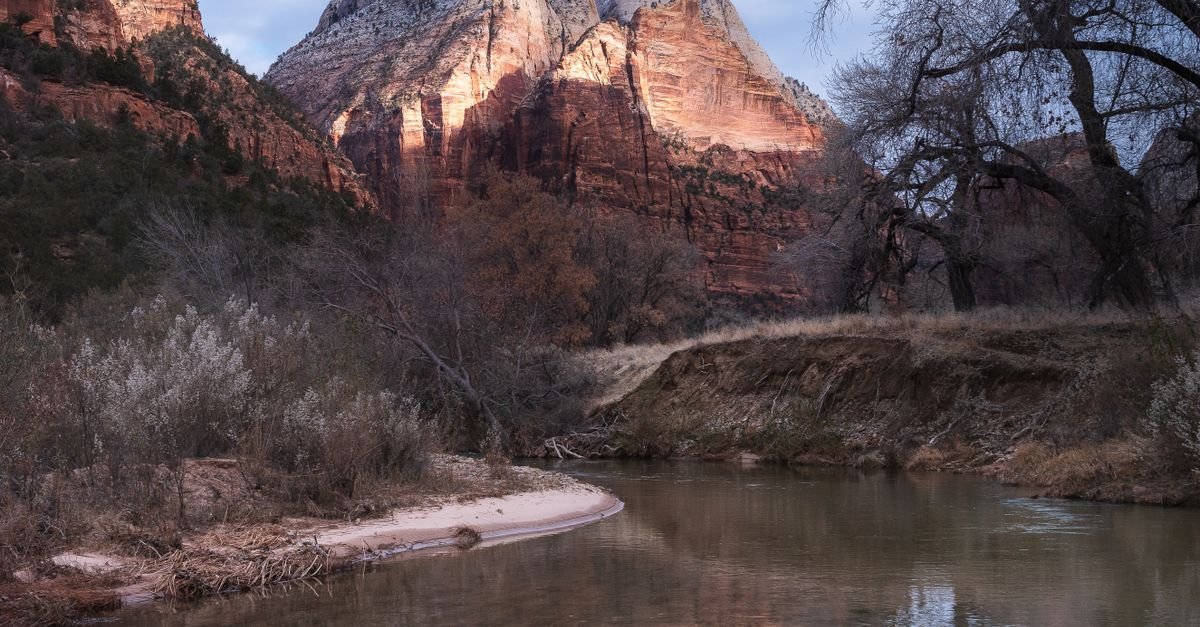
Zion has a way of ruining other parks for you. The first time you ride the shuttle up Zion Canyon and those thousand-foot sandstone walls close in around you, something shifts. Weekend trips are supposed to feel rushed. Zion somehow makes two days feel like a real adventure.
I have done Zion as a frantic one-dayer and as a lazy four-day trip, and honestly, two full days is the sweet spot for a working person with limited vacation time. It is enough to hike the two signature trails, ride the full canyon, catch a sunset that will live in your camera roll forever, and still be home for work on Monday.
This guide is built for the weekend warrior: fly in Friday night, hike Saturday and Sunday, fly home Sunday evening. Every fee, permit, and shuttle detail below reflects the current rules, but park policies shift, so always double-check the official NPS Zion site before you go.
Short on Time? Here Is Your Zion Mini Guide
| Topic | The Essentials |
|---|---|
| Entrance fee | $35 per vehicle, valid 7 days (check NPS.gov for the latest fee) |
| Timed entry | None for general park entry; Zion does not use a timed-entry reservation system |
| Angels Landing permit | Required past Scout Lookout; $6 to apply via Recreation.gov lottery, $3 per person if selected |
| Shuttle | Free and mandatory on Zion Canyon Scenic Drive during shuttle season (roughly March through November) |
| Best 2-day combo | Day 1: Angels Landing (or Scout Lookout) + Emerald Pools. Day 2: The Narrows bottom-up + sunset at Canyon Junction |
| Where to stay | Springdale (walkable to the park) or Watchman Campground inside the park |
| Budget estimate | Around $400 to $700 per person for the weekend, depending on lodging |
Before You Go: Zion Weekend Logistics
Zion rewards planners. The park runs on a permit and shuttle system that confuses first-timers, so let us get the boring stuff handled first. Ten minutes of reading here saves you hours of frustration at the gate.
Entrance Fees and Passes
The standard Zion entrance fee is $35 per private vehicle, good for seven consecutive days. Motorcycles pay $30, and individuals entering on foot or bicycle pay $20. If you are visiting two or more national parks within twelve months, the $80 America the Beautiful annual pass pays for itself and covers everyone in your vehicle.
One 2026 change worth knowing: the NPS added a surcharge for international visitors. Non-U.S. residents aged 16 and older pay an additional fee on top of the standard entrance fee at several major parks, though holding an America the Beautiful pass waives it. If anyone in your group is visiting from abroad, check the current NPS fee page before you arrive so there are no surprises at the gate.
The Shuttle System
Here is the single most important thing to understand about Zion: during shuttle season, you cannot drive your own car up Zion Canyon Scenic Drive. The free park shuttle is mandatory, and it is genuinely the best way to see the canyon anyway.
The shuttle runs from the Zion Canyon Visitor Center to the Temple of Sinawava (the end of the canyon road), stopping at all major trailheads along the way. Buses come every 5 to 10 minutes during peak season. A second free shuttle connects the town of Springdale to the park entrance, which means if you stay in Springdale you may never need to move your car all weekend.
Shuttle season typically runs from early March through late November, with reduced winter service on weekends. During the operating season, plan your hiking around shuttle start times. The first buses fill fast on Saturdays, so early risers get the quietest trails.
The Angels Landing Permit Lottery
Angels Landing is Zion's most famous hike, and since 2022 you need a permit to go past Scout Lookout onto the chained section. Here is how the lottery works:
- Seasonal lotteries run in roughly three-month blocks. You apply on Recreation.gov, rank your preferred dates, and pay a $6 application fee covering up to six people.
- Day-before lottery runs from 12:01 a.m. to 3 p.m. Mountain Time the day before your hike. This is your backup plan if you missed the seasonal window.
- If selected, Recreation.gov charges $3 per person automatically.
- You do NOT need a permit to hike the West Rim Trail as far as Scout Lookout, which still delivers jaw-dropping views.
Apply for the seasonal lottery the moment your dates are firm, and set a phone reminder for the day-before lottery as a backup. Plenty of weekend visitors score day-before permits.
What About The Narrows Permits?
The classic bottom-up Narrows hike (walking upstream from the Temple of Sinawava and turning around whenever you like) requires no permit. Only the top-down through-hike of the full 16 miles requires a wilderness permit. For a two-day weekend, the bottom-up day hike is the move, and you can decide how far to go based on water levels and your energy.
Day 1: Canyon Classics
Theme: the big views. Today is about elevation, exposure, and that classic Zion postcard scenery.
Morning: Angels Landing via the West Rim Trail
Get on the first shuttle you can. Seriously. The Angels Landing trailhead at the Grotto is one of the busiest in the park, and starting early means cooler temperatures and fewer crowds on the narrow chained section.
The full hike to Angels Landing summit is about 5.4 miles round trip with roughly 1,500 feet of elevation gain. The first two miles follow the West Rim Trail up a series of famous switchbacks called Walter's Wiggles to Scout Lookout. This section alone is a fantastic hike, and if you did not win the permit lottery, Scout Lookout is your turnaround point. The views from Scout Lookout down into Zion Canyon are genuinely spectacular, so do not feel shortchanged.
If you have the permit, continue past Scout Lookout onto the chained section: a half-mile spine of rock with drop-offs on both sides and chains bolted into the stone. Take your time, let faster hikers pass, and keep three points of contact. The summit view, with the Virgin River bending 1,500 feet below you, is one of the great payoffs in American hiking.
Time needed: 4 to 5 hours round trip. Difficulty: strenuous.
If heights are not your thing: swap Angels Landing for Observation Point via the East Mesa Trail. It is longer but far less exposed, and the view looks DOWN on Angels Landing.
Midday: Refuel in Springdale
Head back down and catch the shuttle to the visitor center, then walk or ride into Springdale for lunch. The town exists to serve park visitors, so you will find everything from pizza to Thai food within a ten-minute walk of the park entrance. Eat a real meal. You will need the calories.
Afternoon: Emerald Pools Trails
The Emerald Pools are Zion's gentle afternoon answer to the morning's intensity. Three tiers of pools and waterfalls sit beneath hanging gardens on the canyon wall, connected by a trail system you can customize:
- Lower Emerald Pool: an easy 1.2-mile round trip, paved and family-friendly, ending at a waterfall that drips off an overhang.
- Middle Emerald Pool: adds another half mile with better views back across the canyon.
- Upper Emerald Pool: a 3-mile round trip total, ending at a quiet amphitheater pool beneath towering cliffs.
Do the full loop to all three pools if your legs still work. The contrast between desert canyon and hanging water gardens is pure Zion.
Sunset: Canyon Junction or the Pa'rus Trail
For sunset, you have two excellent low-effort options. The Canyon Junction bridge area offers the iconic view of the Watchman glowing red at golden hour, and it is an easy walk from the shuttle stop. Alternatively, the flat Pa'rus Trail follows the Virgin River and delivers gorgeous light on the Towers of the Virgin with almost no elevation gain. Bring a jacket. Desert evenings cool fast.
Day 1 totals: 8 to 10 miles of hiking if you do everything, or trim to 6 by choosing either Angels Landing or Emerald Pools.
Day 2: The Narrows and the East Side
Theme: water and wonder. Today trades elevation for immersion.
Morning: The Narrows (Bottom-Up)
This is the hike people dream about. The Narrows is a slot canyon where the Virgin River fills the canyon floor wall to wall, and you hike upstream through the water itself, with canyon walls rising a thousand feet on either side.
Start at the Temple of Sinawava (the last shuttle stop) and walk the paved Riverside Walk for one mile to the water's edge. From there, you wade upstream as far as you like and turn around whenever you are ready. Most day hikers go 2 to 4 miles upstream, reaching sections like Mystery Falls or Wall Street, the narrowest and most dramatic part of the canyon.
What you need to know:
- Rent gear in Springdale. Canyoneering boots, neoprene socks, and a walking stick make an enormous difference. Outfitters in town rent full dry-suit kits in cold months. Budget roughly $25 to $55 for a day rental.
- Check the flow rate. The NPS closes the Narrows to hiking when the river flows above 150 cubic feet per second. Spring runoff can close it for weeks. Check the park's website the morning of your hike.
- Bring a dry bag for your phone, snacks, and extra layers. Everything you carry will get splashed.
- Start early. The same shuttle logic applies, and morning light in the canyon is magical.
Time needed: 4 to 6 hours for a satisfying out-and-back. Difficulty: moderate to strenuous depending on distance and water level.
Afternoon: Kolob Canyons or the East Side
After lunch, you have a choice based on energy and interest:
Option A: Kolob Canyons. This separate section of the park sits about 40 minutes northwest of the main canyon off I-15. A 5-mile scenic drive ends at the Timber Creek Overlook trail, an easy one-mile round trip with sweeping red-rock views. Kolob sees a fraction of the main canyon's crowds, and the drive itself is stunning.
Option B: Zion-Mount Carmel Highway and the East Side. Drive the famous highway through the mile-long tunnel (note: oversized vehicles need a tunnel permit and should check current rules) to the east side of the park. The Canyon Overlook Trail is a short, easy one-mile round trip ending at a spectacular viewpoint, and the Checkerboard Mesa area offers classic roadside scenery.
Either option fills a perfect half-day. If your flight is late Sunday, this is also the ideal buffer before heading to the airport.
Evening: Head Home
Most weekend visitors fly out of Las Vegas (about 2.5 to 3 hours from Springdale) or St. George (about 45 minutes). If you are driving home, the sunset over the desert on I-15 is a fine farewell.
Where to Stay for a Zion Weekend
Where you sleep shapes the whole trip. Here is the honest breakdown:
| Option | Pros | Cons | Typical Cost |
|---|---|---|---|
| Springdale hotel/lodge | Walk to park entrance and town shuttle; restaurants steps away | Books out months ahead in peak season; priciest option | $150 to $350/night |
| Watchman Campground | Inside the park, riverside sites, unbeatable location | Reservations vanish instantly; no hookups | Around $30 to $45/night |
| South Campground | Inside the park, slightly easier to book than Watchman | Fewer amenities, first-come during some seasons | Around $20 to $35/night |
| Hurricane / La Verkin | 20 to 30 minutes away; much cheaper | You will drive and park every day | $80 to $150/night |
| St. George | 45 minutes away; full city amenities | Longest commute to the park | $100 to $180/night |
My recommendation for a weekend: Springdale if you can afford it and book early. Eliminating the daily parking scramble is worth real money on a two-day trip. Every minute spent circling for parking is a minute not on the trail.
Book lodging the moment your dates are set. Springdale sells out for spring break, summer weekends, and fall foliage season.
What to Pack for 2 Days in Zion
Zion's desert environment punishes the unprepared and rewards the over-prepared. Here is the weekend list:
Hiking essentials:
- Broken-in hiking shoes or boots with good grip (the sandstone is slick)
- Daypack (20 to 30 liters)
- At least 2 to 3 liters of water capacity per person per day, plus electrolytes
- Sun protection: hat, sunglasses, sunscreen (there is almost no shade on exposed trails)
- Layers: mornings can be 40 degrees and afternoons 90 in shoulder seasons
For The Narrows:
- Quick-dry shorts or pants (no cotton, no jeans)
- Rented canyoneering boots, neoprene socks, and walking stick
- Dry bag for electronics and snacks
- Extra pair of dry socks and shoes waiting in the car
General:
- Headlamp (even if you do not plan night hiking)
- Basic first aid kit with blister treatment
- Snacks: the park has limited food options beyond the lodge
- Cash or card: the park is cashless at entrance stations
Zion Weekend Budget Breakdown
Costs vary wildly by lodging choice, but here is a realistic per-person estimate for two people sharing:
| Expense | Budget Option | Comfortable Option |
|---|---|---|
| Entrance fee (split) | $17.50 | $17.50 |
| Lodging (2 nights, split) | $60 (camping) | $300 (Springdale hotel) |
| Food | $80 | $150 |
| Narrows gear rental | $30 | $50 |
| Angels Landing lottery | $6 application | $6 application |
| Gas / transport | $60 | $100 |
| Total per person | Around $255 | Around $625 |
The biggest lever is lodging. Camp and cook some meals, and Zion is one of the most affordable big-name park weekends in the country. Splurge on Springdale and it is still cheaper than most city weekends.
FAQs About 2 Days in Zion
Do I need a reservation to enter Zion National Park?
No. Unlike some other national parks, Zion does not use a timed-entry reservation system for general park entry. You pay the entrance fee at the gate and go. The only reservations you need are activity-specific: the Angels Landing permit lottery and wilderness permits for the top-down Narrows through-hike.
Can I do Zion in 2 days?
Absolutely. Two full days covers the two signature experiences (Angels Landing or Scout Lookout, and The Narrows) plus Emerald Pools, a scenic drive, and a sunset. You will not see everything, but you will hit the highlights without feeling rushed if you start early.
How hard is the Angels Landing hike?
It is strenuous but doable for anyone with reasonable fitness. The challenge is equal parts elevation gain (about 1,500 feet), heat, and exposure on the chained section. People afraid of heights should stop at Scout Lookout, which requires no permit and still offers incredible views. There is no shame in that decision; the chains are genuinely exposed.
What is the best month to visit Zion for a weekend?
Spring (March to May) and fall (September to November) offer the best combination of mild weather, manageable crowds, and full shuttle service. Summer brings extreme heat and the biggest crowds. Winter is quiet and beautiful but the Narrows is usually too cold and some trails can be icy.
Can I drive my own car in Zion Canyon?
Not during shuttle season. Private vehicles are prohibited on Zion Canyon Scenic Drive while the shuttle operates (roughly March through November). You can drive the Zion-Mount Carmel Highway, the Kolob Terrace Road, and the Kolob Canyons Road year-round.
Is The Narrows safe for beginners?
The bottom-up day hike is beginner-friendly as long as you respect the river. Check the flow rate before you go, rent proper footwear and a walking stick, and turn around if water reaches your waist or the current feels strong. Flash floods are the real danger: never enter the Narrows if rain is forecast anywhere in the region.
Final Thoughts
Two days in Zion works because the park's layout does the planning for you. The shuttle strings the best trailheads together like beads, the two signature hikes could not be more different from each other, and Springdale handles all the logistics of food and beds. Your job is simply to show up early, carry water, and say yes to the experiences.
Book the lodging, enter the Angels Landing lottery, and check the Narrows flow rate the week before you go. Do those three things and the weekend practically runs itself. The canyon will handle the rest.
Fee and permit details change. Always confirm current fees, shuttle dates, and lottery procedures on the official NPS Zion website before your trip.