2 Days in the Columbia River Gorge: Waterfalls, Hikes + Hood River Itinerary
# 2 Days in the Columbia River Gorge: Waterfalls, Hikes + Hood River Itinerary
The Columbia River Gorge packs more waterfalls into 80 miles than anywhere else in North America. Sheer basalt cliffs rise 3,000 feet from the river, and the tributary creeks pour over them in falls that range from roadside cascades to 620-foot giants. It is 30 minutes from Portland, which makes it both the easiest world-class scenery in the Pacific Northwest and one of the most crowded.
Two days is the perfect amount of time. Day 1 covers the famous Oregon waterfall corridor along the Historic Columbia River Highway. Day 2 crosses to the Washington side for bigger hikes, wilder scenery, and the adventure town of Hood River. Follow this plan and you will see the Gorge's greatest hits without the stress that ruins so many first visits. This itinerary includes the current permit and fee situation for 2026, because the Gorge's rules have changed recently and most older guides are out of date.
Know Before You Go (Permits and Fees)
Multnomah Falls timed permits: In 2026, timed entry permits were required from May 22 through September 7, between 9am and 6pm, at $2 per vehicle with 14-day and 2-day advance release waves. That season has now ended. If you are visiting during a future permit season, book on Recreation.gov as early as your plans allow. Outside the permit season, no reservation is needed.
Oregon state parks day-use fees: As of March 2026, several popular Gorge trailheads on the Oregon side (including Latourell Falls, Bridal Veil Falls, and the Angel's Rest trailhead) charge a day-use parking fee of $10 for in-state vehicles and $12 for out-of-state vehicles. Wahkeena Falls and Horsetail Falls remain free. Fees can change, so check the Oregon State Parks site before you go.
Federal lands: The Gorge is a National Scenic Area, not a national park, so no federal entrance fee applies at most stops. Some trailheads require a Northwest Forest Pass or the America the Beautiful pass.
When to go: The waterfalls run strongest from late winter through spring. Summer brings smaller crowds on the big hikes but thinner falls. Fall color in the Gorge is excellent, especially along the Washington side. Winter means dramatic high water but also trail closures and icy conditions.
Day 1: The Oregon Waterfall Corridor
Start early. The waterfall corridor along the Historic Columbia River Highway is the most visited part of the Gorge, and parking fills fast on nice days.
Morning: Vista House and Latourell Falls
Begin at Vista House at Crown Point, the 1916 stone observatory perched 733 feet above the river. The panoramic view up and down the Gorge is the best orientation you can get, and the building itself is beautiful. Arrive before 9am to park easily. Inside, interpretive displays explain the Gorge's geology, including the Missoula Floods that carved this canyon at the end of the last ice age. It is worth 20 minutes even if viewpoints are not usually your thing.
Next, drive to Latourell Falls. The 249-foot falls plunge straight off an overhanging basalt cliff into a pool you can walk right up to. The columnar basalt formations around the falls are among the most perfect examples in the Gorge, giant organ-pipe columns of dark rock. The lower falls viewpoint is a short walk from the parking area; the 2.4-mile loop to Upper Latourell Falls adds a quieter forest experience with a second, more secluded cascade.
Midday: Bridal Veil Falls and Wahkeena Falls
Bridal Veil Falls drops in two tiers through a fern-draped amphitheater. The 0.6-mile trail is easy and the setting is intimate compared to the bigger falls. Check the current day-use fee before you go.
Wahkeena Falls (free parking) offers a 0.5-mile walk to the base of the 242-foot falls, with an option to continue up the steep switchbacks toward Fairy Falls and the famous Wahkeena-Multnomah loop for serious hikers.
Afternoon: Multnomah Falls
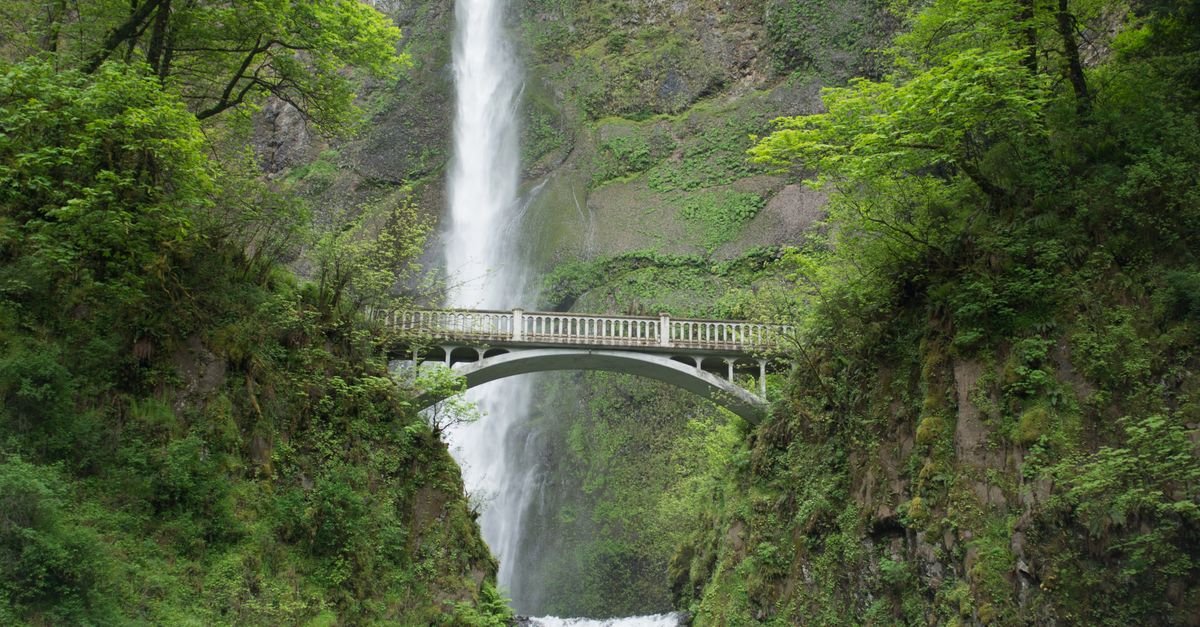
Save Multnomah Falls for the afternoon when the morning tour buses have thinned. At 620 feet, it is the tallest waterfall in Oregon and the most visited natural site in the Pacific Northwest. Walk to the Benson Bridge for the classic view between the upper and lower tiers, then climb the switchbacks to the top (2.4 miles round trip) for the view down the Gorge. The climb is 11 switchbacks and 700 feet of gain, a legitimate workout that most visitors skip, which means the top viewpoint is often quiet even when the base is packed.
The Multnomah Falls Lodge serves lunch and has a gift shop and interpretive displays. Built in 1925, the lodge is worth a look for its own sake. During permit season, remember your timed entry reservation.
Late Afternoon: Horsetail Falls and Oneonta
Horsetail Falls pours 176 feet right beside the highway, an easy roadside stop. If you want one more hike, the trail behind Ponytail Falls (Upper Horsetail) lets you walk behind the cascade, a 1-mile round trip that feels like a secret even though it is well known.
End Day 1 in Hood River, 30 minutes east. This is your base for the night and one of the great small adventure towns in America.
Day 2: The Washington Side and Hood River
Day 2 is wilder, steeper, and less crowded. Cross the river on the Bridge of the Gods ($2 toll) or the Hood River Bridge and explore the Washington side.
Morning: Dog Mountain or Eagle Creek
Choose your big hike:
Dog Mountain (6 miles round trip, 2,800 feet of gain) is the classic spring hike, famous for wildflower meadows in May and June and brutal switchbacks year-round. The summit views span the Gorge and Mount Hood. Permits are required on weekends in wildflower season, so check current requirements.
Eagle Creek Trail (up to 13 miles round trip, hike as far as you like) is the most dramatic trail in the Gorge: cliff-hugging paths with cable handrails, waterfall after waterfall, and the famous Tunnel Falls at mile 6.5, where the trail passes through a tunnel blasted behind the cascade. Turn around whenever you are satisfied; the first 2 miles to Punch Bowl Falls make an excellent shorter outing. Note that sections have been affected by the 2017 Eagle Creek Fire; check current trail status before going, as closures and hazard zones have changed over the years.
Pick one. Both are full-morning commitments.
Midday: Stevenson and the Bridge of the Gods
Grab lunch in Stevenson, a quiet river town with good cafes and a waterfront park. Walk across the Bridge of the Gods if you did not cross it earlier; the steel-grate deck with the river visible below is an experience in itself.
Afternoon: Rowena Crest and Tom McCall Preserve
Drive back west along Highway 14 to Rowena Crest, one of the most photographed viewpoints in the Gorge. The horseshoe curves of the old highway below the viewpoint are iconic, and the Tom McCall Preserve trails wind through spring wildflower fields with sweeping river views. The 1.5-mile Rowena Plateau trail is easy and spectacular.
In spring, this area is carpeted in balsamroot and lupine. In fall, the golden grasses against the blue river are just as beautiful.
Evening: Hood River
Return to Hood River for the evening. Walk the waterfront, watch the windsurfers and kiteboarders (Hood River is one of the wind sport capitals of the world, and summer afternoons bring hundreds of colorful sails to the river), and eat well. The town's food scene is excellent: farm-to-table restaurants, breweries, and the famous fruit loop stands selling pears, apples, and cherries from the Hood River Valley orchards. For a memorable dinner, pick a spot on the waterfront and time it for sunset over the river.
More Gorge Hikes for Extra Time
If you move fast or add a third day, these hikes are worth the effort:
Angel's Rest (4.8 miles round trip, 1,475 feet of gain): The best moderate summit hike on the Oregon side, ending on an exposed rocky promontory with huge Gorge views. The trailhead now charges the Oregon state parks day-use fee. Go on a weekday to avoid crowds.
Wahclella Falls (2.4 miles round trip, easy): A family-friendly hike to a two-tiered 350-foot waterfall in a lush canyon. The trail crosses bridges over rushing creeks and ends in an amphitheater of basalt. One of the best easy hikes in the Gorge.
Beacon Rock (1.8 miles round trip): On the Washington side, this 848-foot basalt monolith has a trail of 52 switchbacks spiraling to the top. The engineering is as impressive as the view. Short, steep, and fun.
Hamilton Mountain (7.5 miles round trip, hard): The Washington side's big viewpoint hike, with Rodney Falls and Hardy Falls along the way and panoramic summit views. A full-day commitment for strong hikers.
Where to Stay and Eat
Hood River is the clear base for this itinerary. Options range from the historic Hood River Hotel downtown to vacation rentals with river views. Book summer weekends ahead.
Cascade Locks (Oregon side) is quieter and closer to the waterfall corridor, with the famous Thunder Island Brewing and the Bridge of the Gods right there.
Portland works if you prefer city lodging; the Gorge is 30 to 45 minutes away.
For food, do not miss the Hood River Fruit Loop, a 35-mile driving tour of farm stands, wineries, and orchards in the valley south of town. In harvest season (late summer through fall), it is a destination in itself.
For food, do not miss the Hood River Fruit Loop, a 35-mile driving tour of farm stands, wineries, and orchards in the valley south of town. In harvest season (late summer through fall), it is a destination in itself: fresh pears, apples, cherries, and berries sold at roadside stands, plus wineries and cideries with Mount Hood views. Pick up a Fruit Loop map in Hood River and allow at least half a day. Even outside harvest season, the valley's lavender farms and the mountain views from the upper valley make the drive worthwhile.
What to Pack for the Gorge
- Rain shell, always. The Gorge makes its own weather and the west end can be wet when Hood River is sunny. A packable rain jacket lives in your daypack year-round.
- Traction for your feet. Waterfall trails are perpetually damp and slippery. Shoes with good grip matter more here than almost anywhere.
- Layers. Temperature swings of 20 degrees between the river level and the ridgetop trails are normal, especially in spring and fall.
- Swimsuit and towel in summer. Several falls have swimmable pools, and the river beaches near Hood River are perfect on hot afternoons.
- Cash and cards. The Bridge of the Gods toll, farm stands, and small-town cafes are easier with both.
- Offline maps. Cell service is spotty in the side canyons and along the Washington side.
Two-Day Costs at a Glance
| Expense | Cost | Notes |
|---|---|---|
| Multnomah Falls permit | $2/vehicle | In permit season only |
| OR state parks day-use | $10-12/vehicle | At fee trailheads |
| Northwest Forest Pass | $30/year or $5/day | Some trailheads |
| Bridge of the Gods toll | $2 | Each crossing |
| Lodging (2 nights) | $150-300/night | Hood River books up |
| Food | $50-80/person/day | Fruit Loop stands are cheap |
Planning Tips for the Gorge
Start Day 1 before 8am. The waterfall corridor parking lots fill by 9:30am on nice weekends from spring through fall. An early start also gives you the best light on the falls, which face various directions and photograph best in soft morning light.
Have a rain plan. The Gorge creates its own weather, and the west end can be drizzly when Hood River is sunny. Waterfalls are actually better after rain. Pack a rain shell and embrace it.
Check trail status before you go. The 2017 Eagle Creek Fire closed trails for years, and some sections still have restrictions or hazards. The Forest Service posts current conditions; a 2-minute check saves a wasted drive.
Do not stack both big hikes in one day. Dog Mountain plus Eagle Creek in a single day is how people get injured or end up hiking in the dark. One big hike per day is the rule, no exceptions.
The Fruit Loop is the sleeper highlight. Most Gorge itineraries skip it, but the Hood River Valley's orchards, lavender farms, and wineries with Mount Hood views are genuinely special. Allow at least half a day if you go in harvest season.
Frequently Asked Questions
Do I need a reservation for Multnomah Falls?
During the permit season (May 22 through September 7 in 2026), timed entry permits were required between 9am and 6pm, costing $2 per vehicle with advance release waves on Recreation.gov. Outside the permit season, no reservation is needed. Check current requirements before your visit, as the program details change yearly.
What is the best waterfall hike in the Columbia River Gorge?
For a single classic hike, the Wahkeena-Multnomah loop (5.4 miles) connects multiple falls in one walk. For roadside beauty, Latourell Falls wins with its perfect basalt columns. For drama, Eagle Creek on the Washington side is unmatched, with cliff trails and Tunnel Falls. For wildflowers plus views, Dog Mountain in spring. For an easy family hike, Wahclella Falls delivers a 350-foot cascade in 2.4 miles.
How far is the Columbia River Gorge from Portland?
The western end of the Gorge (Troutdale, Vista House) is about 30 minutes from downtown Portland. Multnomah Falls is about 40 minutes. Hood River is about an hour. It is one of the easiest major scenic destinations to reach from any American city.
Can you do the Gorge in one day?
You can see the Oregon waterfall corridor in one long day from Portland, but you will miss the Washington side, Hood River, and the Fruit Loop entirely. Two days is the sweet spot for the full experience without rushing.
When is the best time to visit the Columbia River Gorge?
Late winter through spring for the fullest waterfalls, May through June for wildflowers on Dog Mountain and Rowena Crest, September through October for fall color and fewer crowds. Summer is driest but the falls run thinner.
Where should I stay in the Columbia River Gorge?
Hood River is the best base: central location, great food, and adventure-town energy. Cascade Locks is quieter and closer to the falls. Portland works for day trips but adds driving time each day.
Do I need a permit to hike in the Columbia River Gorge?
Some trailheads now require timed-entry permits during peak season, a system introduced after the Eagle Creek fire recovery to manage crowds. Multnomah Falls has used timed entry in summer in recent years. Always check the Forest Service site before a weekend visit, and have a backup hike picked out in case your first choice is full.