One Day in Joshua Tree: The Perfect Itinerary (What to See, Do + Where to Eat)
# One Day in Joshua Tree: The Perfect Itinerary (What to See, Do + Where to Eat)
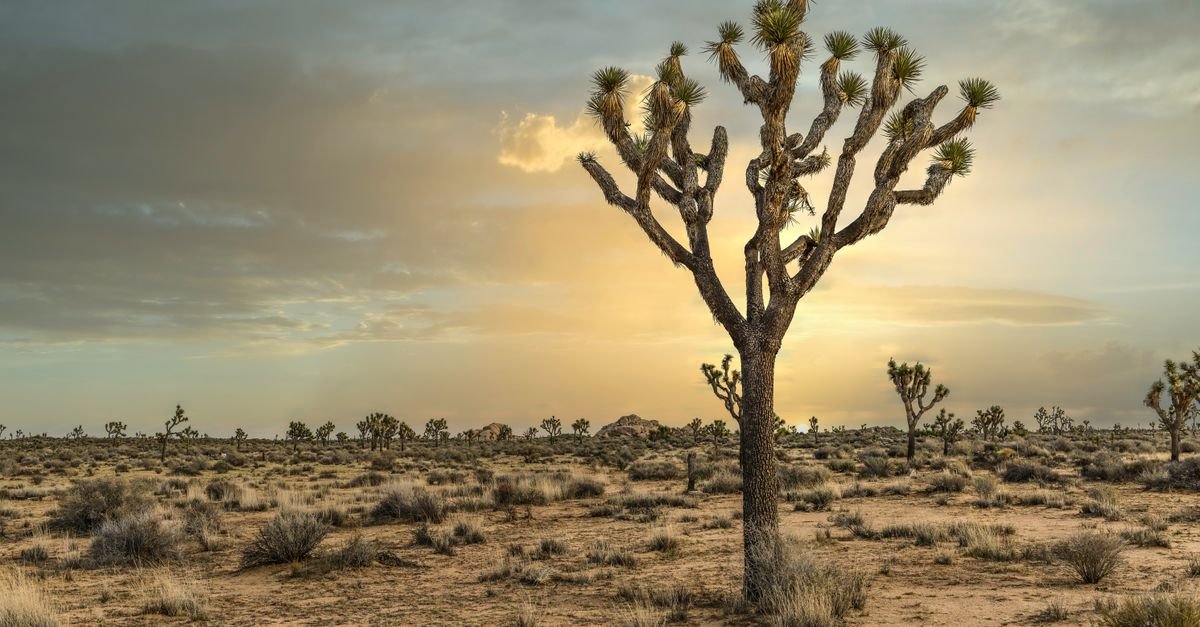
Joshua Tree National Park is one of those places that rearranges your idea of what a desert looks like. Twisted Joshua trees (which are not actually trees at all, but giant branching yuccas) rise from fields of monzogranite boulders. Two distinct deserts meet inside the park boundary. And at night, the sky puts on a show that city dwellers forget is possible.
One day is enough to see the highlights if you plan well. This itinerary follows the classic northwest loop from the West Entrance, hitting the best short hikes and viewpoints in a logical order, ending with sunset and optional stargazing. Every fee, hike distance, and practical detail is current for 2026.
Know Before You Go
There are no services inside the park. No gas stations, no restaurants, no hotels, no water fountains on the trails. Fill your tank, pack all food and water, and use the restroom at the visitor center before entering.
Entrance fee: About $30 per vehicle, valid for 7 days. The Joshua Tree annual pass is $55, and the America the Beautiful pass ($80) covers it if you visit other parks within the year.
Which entrance: Use the West Entrance near the town of Joshua Tree for this itinerary. The North Entrance at Twentynine Palms works too. Skip the South (Cottonwood) Entrance for a one-day trip; that section has very few Joshua trees and eats up driving time.
Cell service: Unreliable to nonexistent inside the park. Download offline maps before you enter.
Timing: Start by 8am at the latest. In summer, start at sunrise and plan to be done hiking by 11am. In winter, the short days mean you need to move efficiently.
Morning: Enter and Explore the Wonderland of Rocks
8:00am: West Entrance and Park Boulevard
Enter through the West Entrance and stop for the classic photo at the park sign. Grab a paper map at the entrance station if one is available. Then head east on Park Boulevard, the 30-mile scenic road that forms the backbone of this itinerary. Without stops it takes about 45 minutes to drive; with stops, it takes all day, which is exactly the point.
8:30am: Hidden Valley
Your first hike is Hidden Valley, a 1-mile loop through a rock-enclosed valley that legend says was once used by cattle rustlers. The trail weaves between massive boulder piles with Joshua trees scattered throughout. It is easy, gorgeous, and the perfect introduction to the park's geology.
Allow 45 minutes. The loop is well-marked and mostly flat, with a few short scrambles over rocks that kids love. Watch for climbers on the boulder faces; Hidden Valley is one of the park's most popular climbing areas, and watching a skilled climber work a route adds a whole extra dimension to the walk. Early morning light slants through the gaps between boulders in a way that makes the whole valley glow, which is another reason to start here first.
9:30am: Barker Dam
Next up is Barker Dam, a 1.3-mile loop to a small reservoir built by early cattle ranchers and now listed on the National Register of Historic Places. The trail passes petroglyphs, desert varnish streaked rocks, and excellent boulder formations. When the dam holds water (usually winter and spring), it reflects the cliffs beautifully and attracts bighorn sheep.
Allow about an hour. This is one of the best wildlife-spotting trails in the park, so keep your eyes on the rocky slopes. Desert bighorn sheep are the prize sighting, but you are more likely to spot jackrabbits, roadrunners, and chuckwallas sunning on the rocks. The petroglyphs along the trail are fragile and federally protected, so look closely but never touch.
10:45am: Keys View
Drive up Keys View Road to Keys View, the highest easily accessible viewpoint in the park at 5,185 feet. On clear days you can see across the Coachella Valley to the San Andreas Fault, and on exceptional days all the way to Mexico. The view captures the meeting of the two deserts: the higher Mojave with its Joshua trees behind you, the lower Colorado Desert stretching out below.
It is a 5-minute walk from the parking lot, so this is a viewpoint, not a hike. Still, do not skip it. The scale of the landscape only makes sense from up here.
Midday: Lunch and the Geology Tour Road
12:00pm: Lunch
There are no restaurants in the park, so lunch is a picnic. Good options: the picnic areas at Hidden Valley or Jumbo Rocks, or drive back out to the town of Joshua Tree for a proper meal (about 15 minutes from the West Entrance). If you packed food, find shade at a picnic table and rest during the midday heat. This break is strategic, not lazy.
1:00pm: Skull Rock and Split Rock
Back on Park Boulevard, stop at Skull Rock, where erosion has carved a boulder into an unmistakable skull shape. The 0.5-mile Discovery Trail loop around it is easy and fun, with interpretive signs about desert ecology. This stop is popular, so midday is actually fine here since most people cluster at the rock itself while the trail stays quiet. Walk the full loop rather than just photographing the rock; the signed nature trail explains how the boulders formed and what lives among them, and it turns a roadside photo op into a genuinely interesting 20-minute walk.
Nearby Split Rock offers a 2.5-mile loop to Face Rock for those wanting more miles. The Split Rock loop is one of the quieter trails in the central park, winding through classic Joshua tree forest with far fewer people than the headline stops. If you are hiking strong and the heat is manageable, add it. Otherwise save your energy for the afternoon stops.
Afternoon: Arch Rock and the Cholla Garden
2:30pm: Arch Rock
Turn onto Pinto Basin Road and park at the Twin Tanks lot for the Arch Rock Trail, a 1.4-mile round trip to a natural granite arch. The trail crosses a wash and climbs gently through boulder fields. The arch photographs best in afternoon light, and the short spur to Heart Rock nearby is worth the extra 10 minutes.
This is a great spot for some easy rock scrambling. The boulders around the trail are solid, grippy granite, and climbing a few feet up gives you completely different perspectives.
4:00pm: Cholla Cactus Garden
Continue south on Pinto Basin Road to the Cholla Cactus Garden, a quarter-mile loop through a dense stand of teddybear cholla. In late afternoon light, the chollas glow as if lit from within. Stay on the trail and do not touch the cacti; the spines detach at the slightest contact and are notoriously painful to remove.
This stop takes 20 to 30 minutes. It is otherworldly and unlike anything else in the park.
5:00pm: Return North for Sunset
Drive back north on Pinto Basin Road and Park Boulevard toward the west side of the park. You are positioning for sunset.
Sunset and Stargazing
6:00pm: Sunset at Keys View or Arch Rock
For sunset, you have two excellent choices. Keys View gives you the vast western panorama as the sun drops behind Mount San Jacinto. Arch Rock and the surrounding boulders catch incredible warm light and offer foreground interest for photos.
In winter, sunset is around 5pm, so adjust the whole afternoon schedule earlier. In summer, you have light until nearly 8pm.
After Dark: Stargazing (Optional but Unforgettable)
Joshua Tree is an International Dark Sky Park, and on a moonless night the Milky Way is bright enough to cast shadows. The best stargazing spots are away from the towns: the Arch Rock area, Jumbo Rocks, or anywhere along Pinto Basin Road.
Bring warm layers (desert nights get cold even after hot days, with 30-degree drops common), a red flashlight to preserve night vision, a blanket or camp chairs, and patience. Give your eyes 20 minutes to adjust. If you have never seen a truly dark sky, this alone is worth the trip. The Andromeda Galaxy is visible to the naked eye on clear nights, and satellites drift silently overhead every few minutes. Check a stargazing app for the International Space Station flyover schedule; watching it cross the desert sky is a genuine thrill.
Desert Wildlife to Watch For
The desert looks empty until you learn to look. Keep an eye out all day for these park residents:
- Desert bighorn sheep: The park's most sought-after sighting. Check rocky slopes near Barker Dam and the Wonderland of Rocks in the morning.
- Roadrunners: Faster and funnier in person than in cartoons. They hunt lizards along the roadsides.
- Chuckwallas: Big, colorful lizards that wedge themselves into rock crevices. Common around Hidden Valley.
- Jackrabbits: Most active at dawn and dusk, with ears that work like radiators.
- Golden eagles and red-tailed hawks: Watch the sky above the boulder fields, especially midday when thermals rise.
- Bobcats: Rare and mostly nocturnal, but lucky visitors spot them at dawn near water sources.
Give all wildlife space and never feed animals. A fed coyote or raven becomes a problem animal, and the park rangers take this seriously.
Where to Eat and Stay Nearby
Joshua Tree town (at the West Entrance) has the best food options: Crossroads Cafe for California-style comfort food, Joshua Tree Coffee Company for your morning fuel, and a growing scene of creative restaurants and breweries.
Twentynine Palms (North Entrance) is more affordable and less trendy, with solid diners and motels.
Yucca Valley (15 minutes west) has the most lodging inventory and chain hotels.
For a splurge, the area's famous Airbnb scene includes architect-designed desert homes with hot tubs under the stars. Book well ahead for weekends and holidays.
One-Day Costs at a Glance
| Expense | Cost | Notes |
|---|---|---|
| Park entrance | ~$30/vehicle | 7-day pass |
| Gas | ~$20-40 | Fill up before entering |
| Food | Picnic or $15-25/person in town | No food inside park |
| Water | Bring 1+ gallons per person | No water on trails |
| Lodging (if overnight) | $100-300/night | Book weekends ahead |
What to Wear and Pack
Desert conditions punish the unprepared and reward the over-prepared. Here is the packing list that covers a full Joshua Tree day:
- Sun hat, sunglasses, and sunscreen. The desert sun is intense year-round, and there is almost no shade on the trails. Reapply sunscreen every two hours.
- Sturdy closed-toe shoes. Trails are rocky and cactus spines go straight through sandals. Trail runners or hiking boots are ideal.
- Layers. A light jacket for the morning and evening, even in summer. Winter days demand a real warm layer, especially at Keys View where the wind bites.
- At least a gallon of water per person for a full day, plus salty snacks. There is no water available at trailheads.
- Headlamp or flashlight. Essential if you stay for stargazing, and smart to carry anyway in case a hike runs long.
- First aid basics including tweezers. Cholla spines happen, and tweezers plus a comb are the standard removal tools.
Tips for a Perfect Joshua Tree Day
Water is everything. Bring at least a liter per person per hour of hiking, and keep extra gallons in the car. There is no drinking water at trailheads. Dehydration sneaks up fast in dry desert air because your sweat evaporates before you notice it.
Do not rely on your phone. Download offline maps, screenshot this itinerary, and tell someone your plan. If you get lost or injured, you may have no way to call for help from inside the park.
Respect the desert. Stay on trails, do not climb on the fragile cryptobiotic soil crusts, and never carve or stack rocks. The desert looks tough but its ecosystem is incredibly fragile and slow to recover.
Check the moon phase for stargazing. A full moon washes out the Milky Way. The best stargazing happens during the new moon. If your trip coincides with a full moon, the moonlit desert has its own stark beauty, so it is still worth staying after dark.
Spring wildflowers are a bonus, not a guarantee. In wet years (usually after El Nino winters), the desert erupts in color from March to April. In dry years, there is almost nothing. Do not plan an entire trip around a bloom unless reports confirm it.
Frequently Asked Questions
Can you see Joshua Tree in one day?
Yes, the highlights fit comfortably in one full day if you start early and follow the northwest loop: Hidden Valley, Barker Dam, Keys View, Skull Rock, Arch Rock, and the Cholla Cactus Garden. You will wish you had two days, but one well-planned day covers the essential experience. If you can add a second day, use it for the longer Ryan Mountain hike and a slower morning in the Wonderland of Rocks.
What is the best entrance for a first visit?
The West Entrance near the town of Joshua Tree. It puts you directly on the Park Boulevard loop with all the major stops. The North Entrance at Twentynine Palms is a fine alternative. Avoid the South Entrance for a one-day trip.
How much does Joshua Tree cost?
The entrance fee is about $30 per vehicle, valid for 7 days. Check the NPS website for the current fee before your visit, as prices have been adjusted in recent years.
Is Joshua Tree good for beginners?
Very. The best stops involve short, well-marked trails under 2 miles: Hidden Valley (1 mile), Barker Dam (1.3 miles), Skull Rock (0.5 miles), and Arch Rock (1.4 miles). The challenge is heat and water management, not technical difficulty. Anyone who can walk a few miles on flat ground can do the essential Joshua Tree experience. The park is also one of the best places in America to try rock scrambling safely, since the granite boulders offer endless low-consequence routes.
When is the best time to visit Joshua Tree?
October through November and March through April offer the best weather. Spring can bring wildflowers in wet years. Summer is brutally hot and requires dawn starts. Winter days are pleasant but short, with cold nights.
Where should I watch sunset in Joshua Tree?
Keys View for the grand panorama, or the Arch Rock area for warm light on the boulders. Both are excellent. For sunrise, the Cholla Cactus Garden glows beautifully in early morning light.
How much water do I need for one day in Joshua Tree?
More than you think. Carry at least one gallon per person for a full day of short hikes and viewpoints, and drink before you feel thirsty. There is no water available inside the park, so fill up in town before you enter. Heat sneaks up fast among the boulders, even in spring.