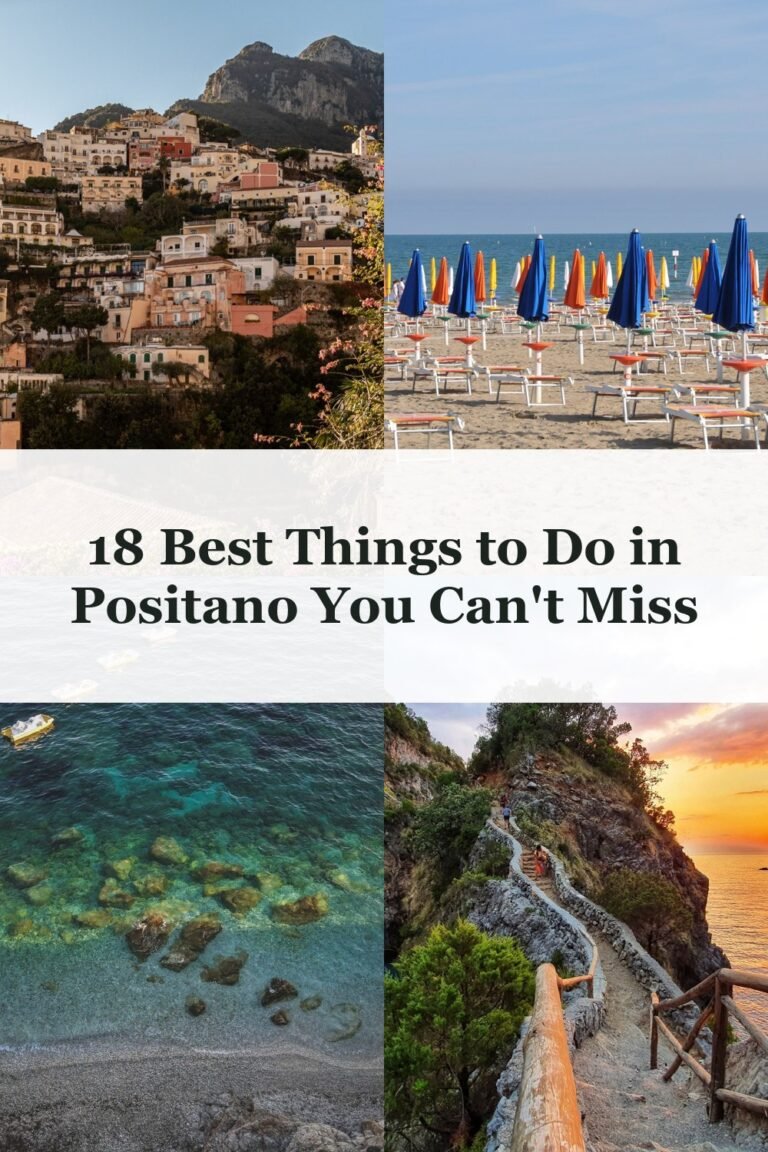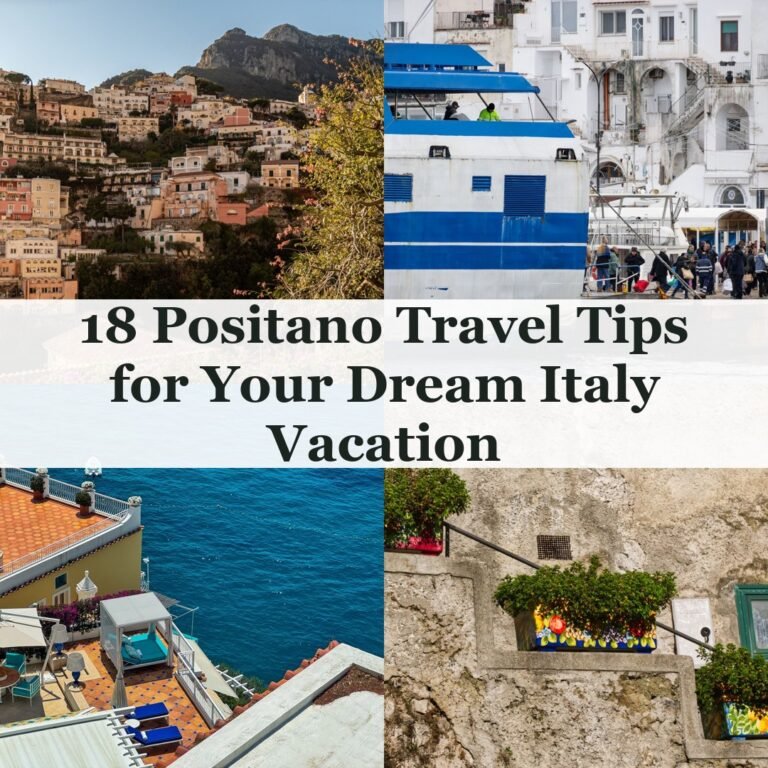
18 Amalfi Coast Travel Tips for a Picture-Perfect Trip
Introduction
The Amalfi Coast stretches just 30 miles along southern Italy’s Sorrentine Peninsula — yet it packs in some of the most jaw-dropping scenery on the planet, making every curve of the road feel like a painting come to life. This amalfi coast travel guide exists because those 30 miles deserve far more than generic advice.
Picture lemon groves clinging to cliffs that plunge straight into water so blue it almost looks unreal. Imagine pastel-painted villages stacked like colorful wedding cakes above hidden sea caves and bobbing fishing boats.
But getting here — and truly enjoying it — takes planning that goes well beyond booking a hotel.
For another perspective, this detailed piece on My Travel Guide to the Amalfi Coast, Italy is worth a read.
Honest, practical logistics are what separate a dreamy trip from a frustrating one. This guide skips the fluff and gives you 18 insider tips covering everything from ferry schedules and parking nightmares to the best time to visit and how to avoid the crowds.
By the time you finish reading, you’ll know exactly how to move through this coastline with confidence, comfort, and a full camera roll worth keeping.
Amalfi Coast Travel Guide: Overview of the 13 Towns You Need to Know
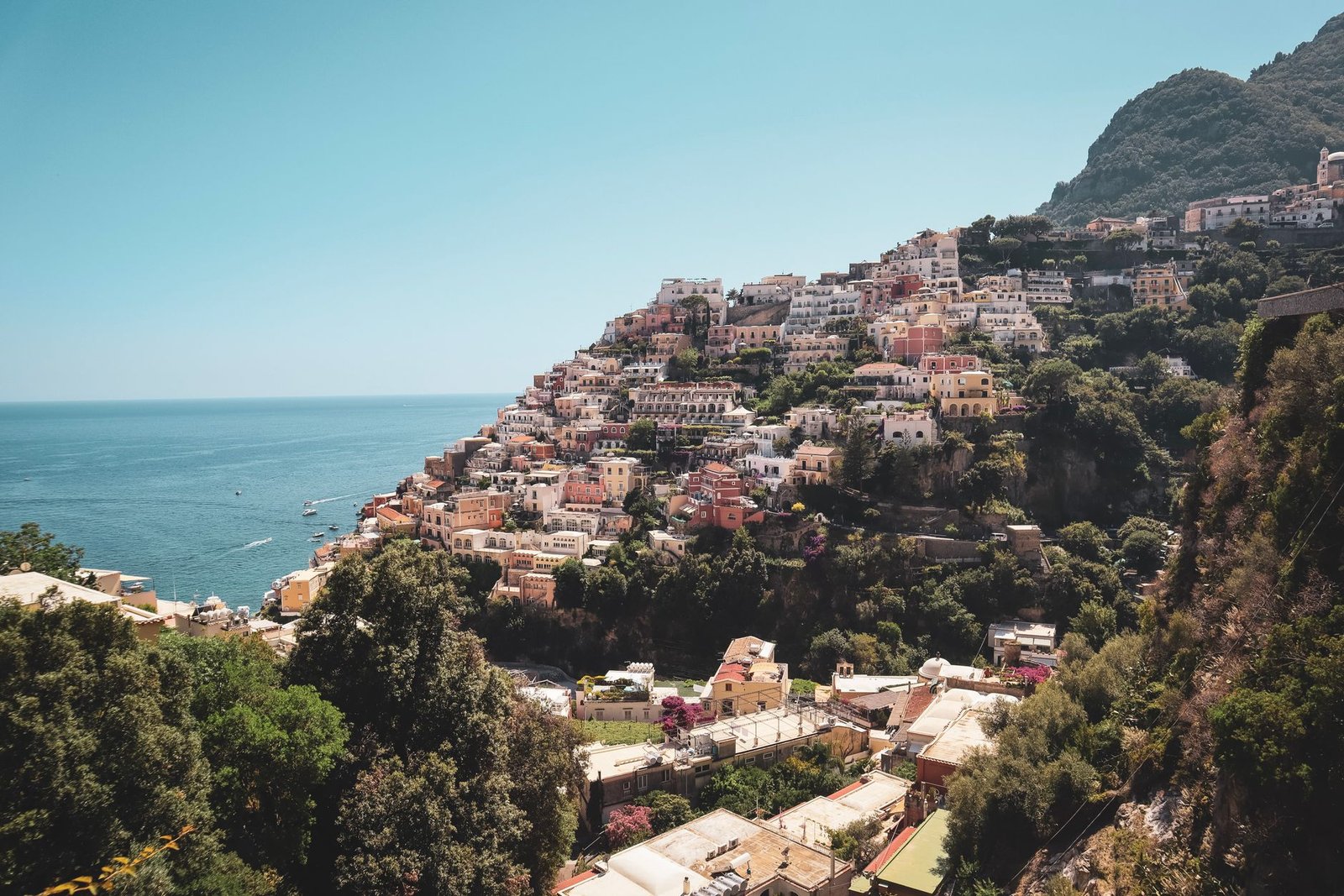
You open Google Maps, zoom into that famous stretch of Italian coastline, and suddenly realize there are far more towns clinging to those cliffs than you expected. Planning just got more interesting.
The Amalfi Coast runs approximately 40 kilometers from Positano in the west to Vietri sul Mare in the east. Thirteen official towns sit along this ribbon of road, each with its own personality.
Use this amalfi coast travel guide breakdown to picture the coastline from west to east:
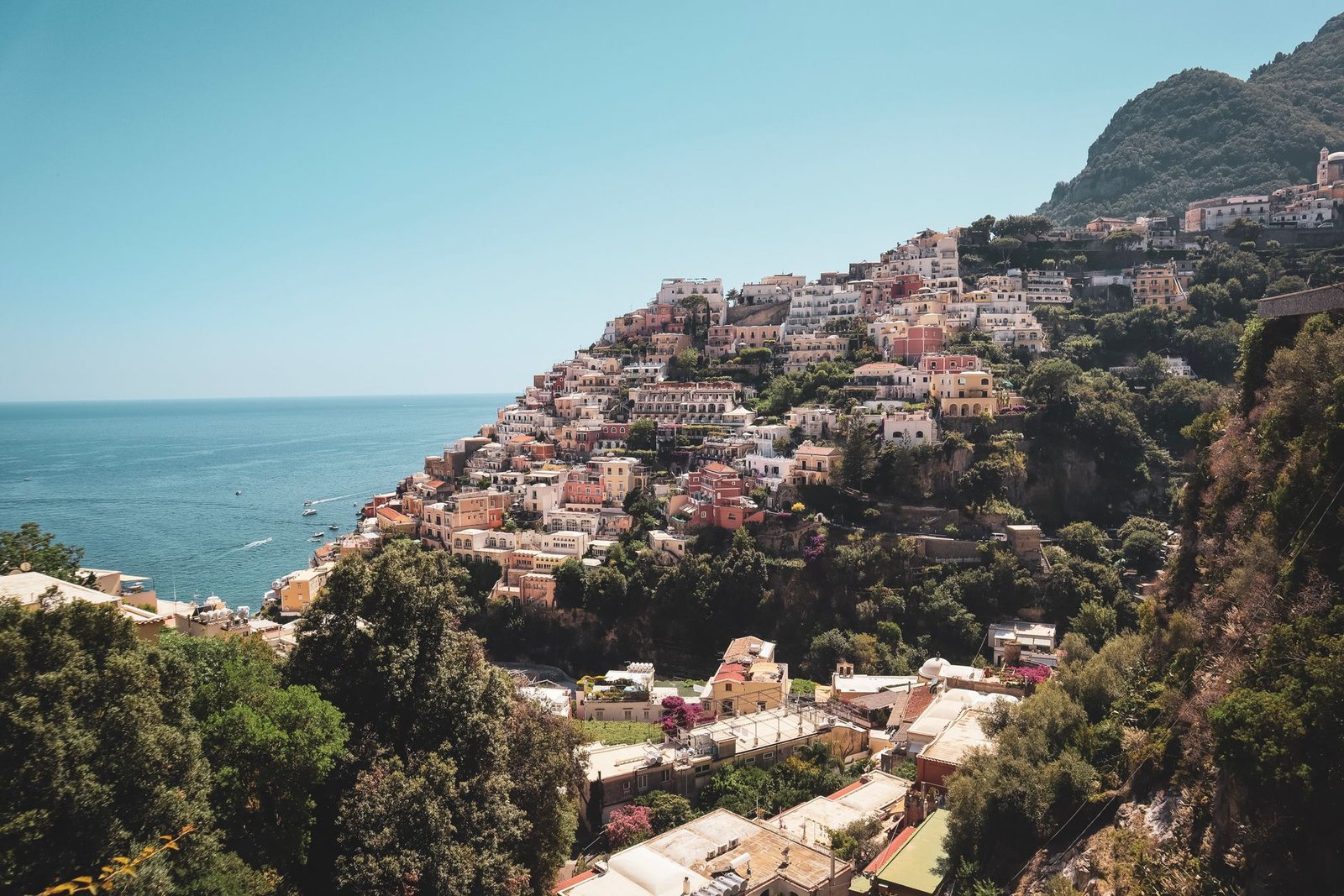
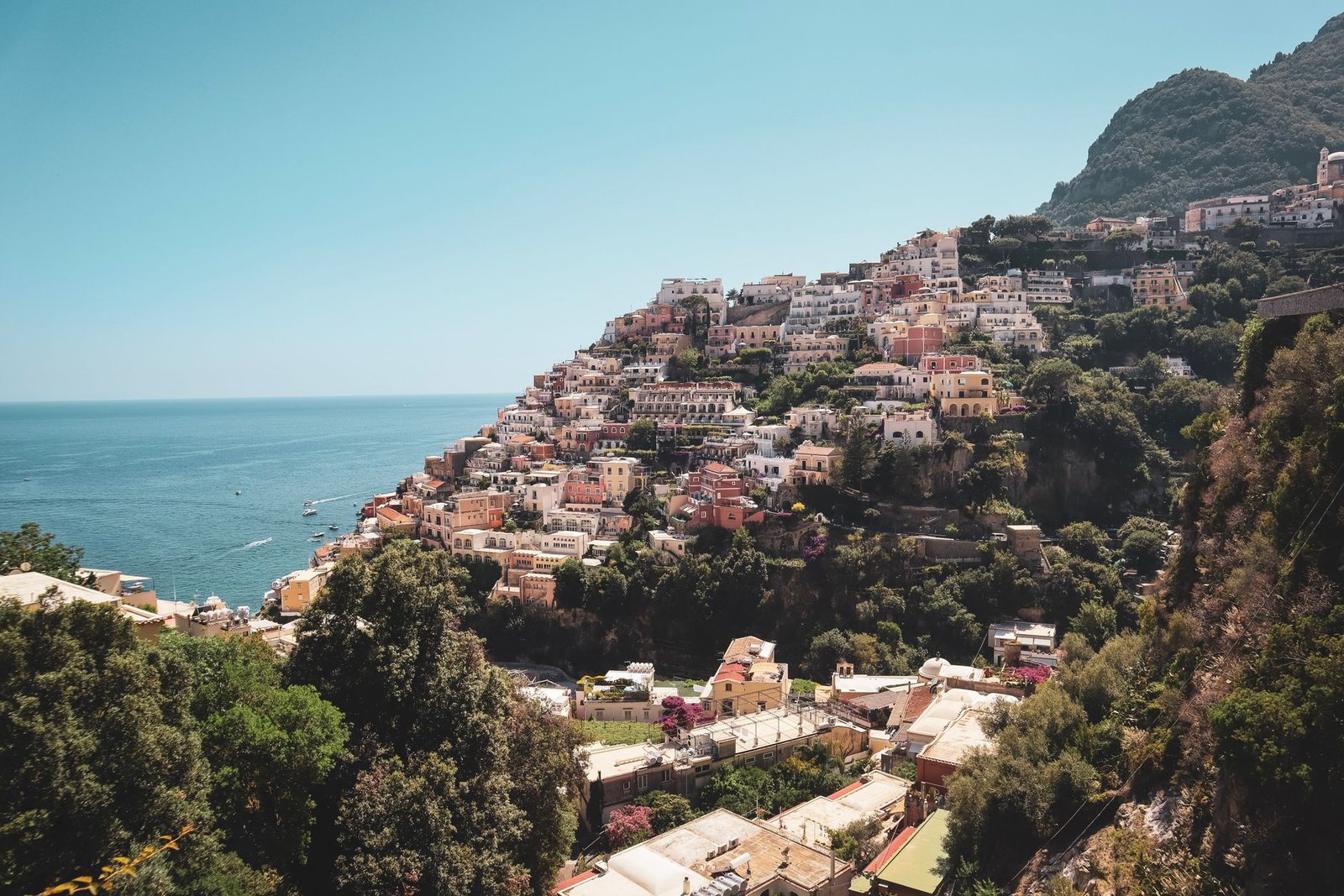
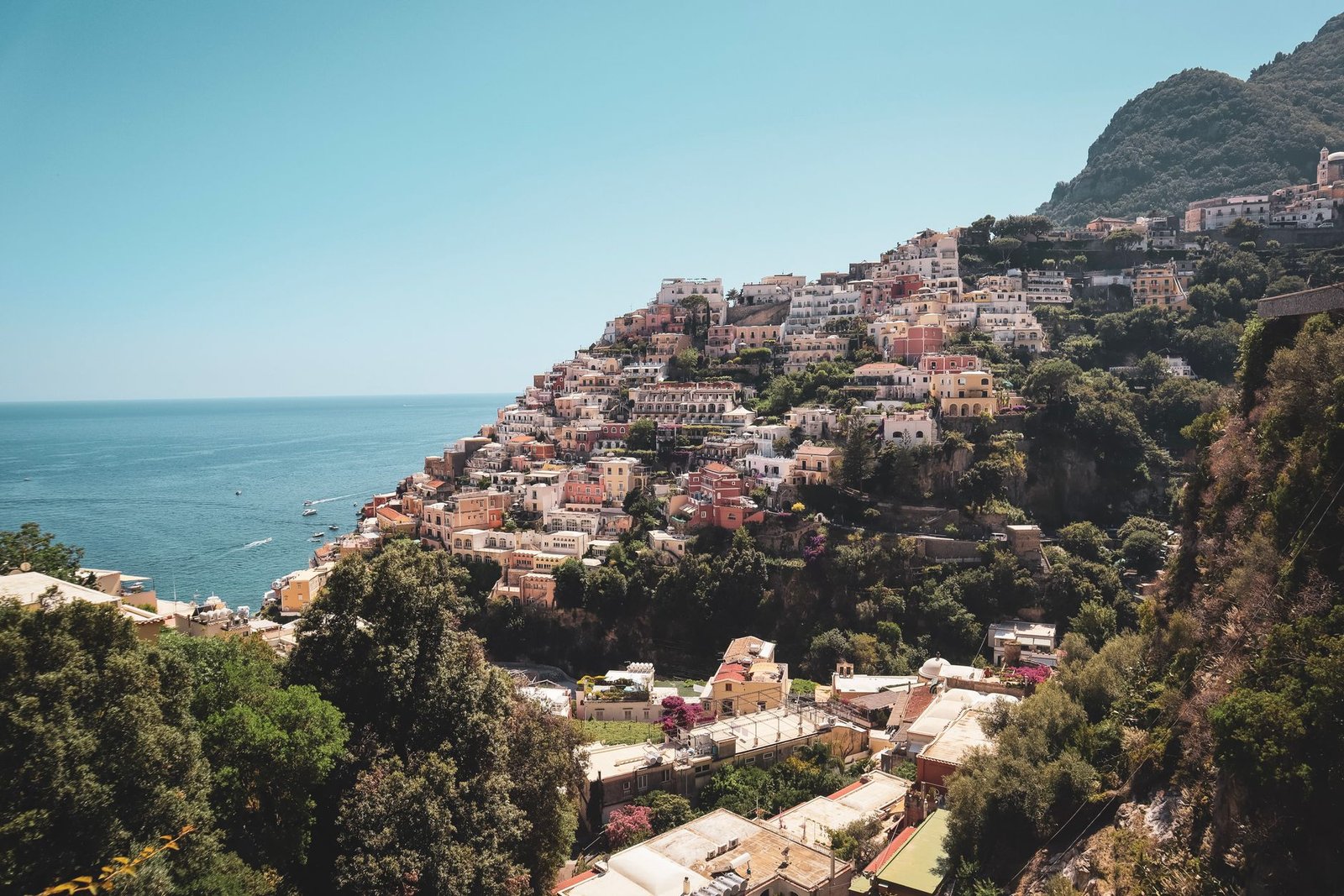
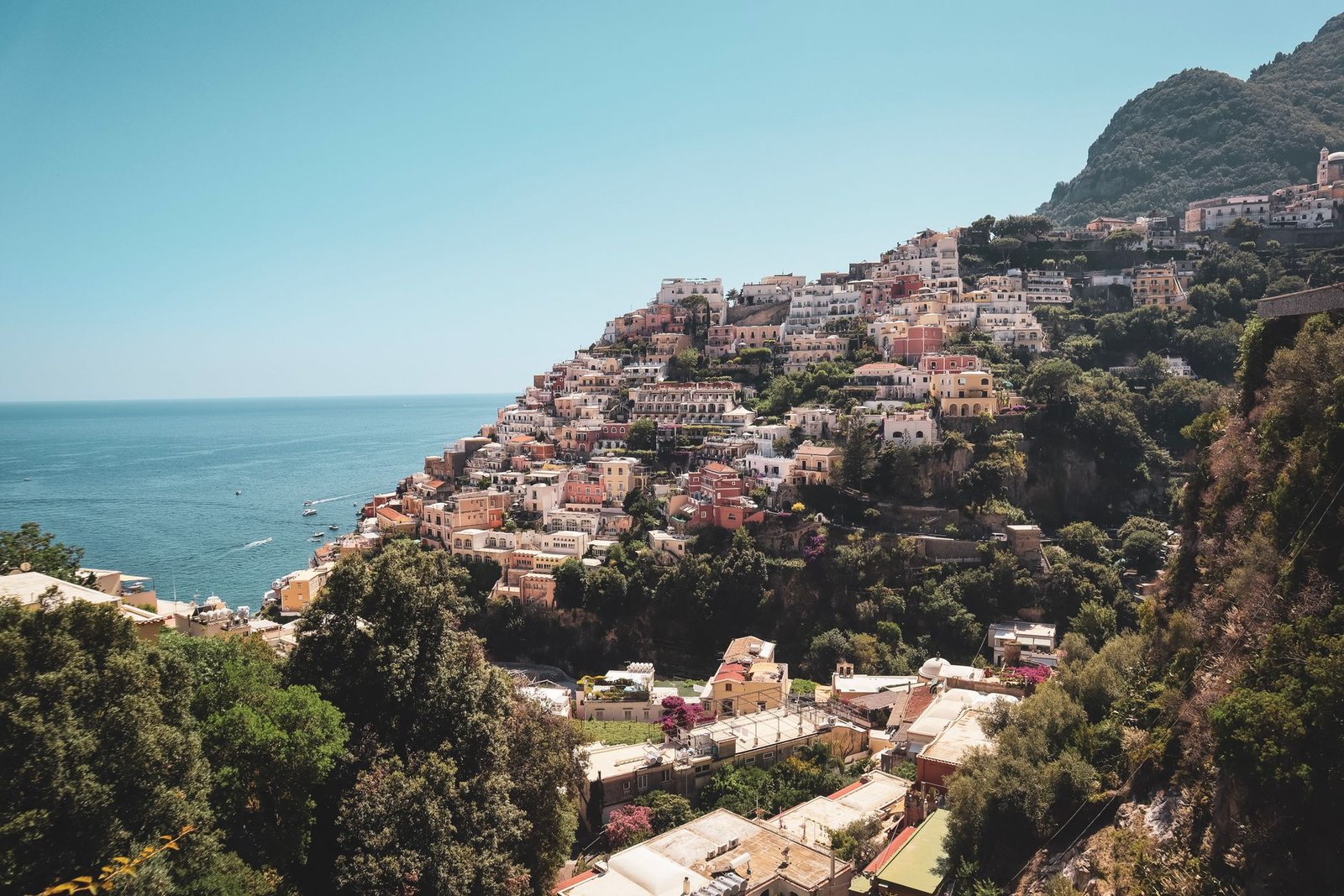
- Positano – the glamorous, pastel-stacked village that defines the coast’s iconic look
- Praiano – quieter than Positano, with dramatic sea views and fewer crowds
- Furore – a tiny fjord village famous for its hidden beach and painted houses
- Conca dei Marini – a sleepy fishing hamlet with an emerald sea cave nearby
- Amalfi – the historic capital, home to a striking 9th-century cathedral
- Atrani – the smallest town, tucked behind Amalfi and often overlooked
- Ravello – perched 365 meters above sea level, beloved for its gardens and music festival
- Scala – the oldest settlement on the coast, wonderfully peaceful
- Minori – known for its wide beach and Roman villa ruins
- Maiori – has the longest beach on the entire coast
- Cetara – a working fishing village famous for its bottled anchovy sauce
- Erchie – a tiny cove community with a medieval watchtower
- Vietri sul Mare – the eastern gateway, celebrated for its hand-painted ceramics
Positano, Amalfi, Ravello, Praiano, and Cetara attract the most visitors. Each rewards a slower, longer stay than most travelers allow themselves.
When Is the Best Time to Visit the Amalfi Coast
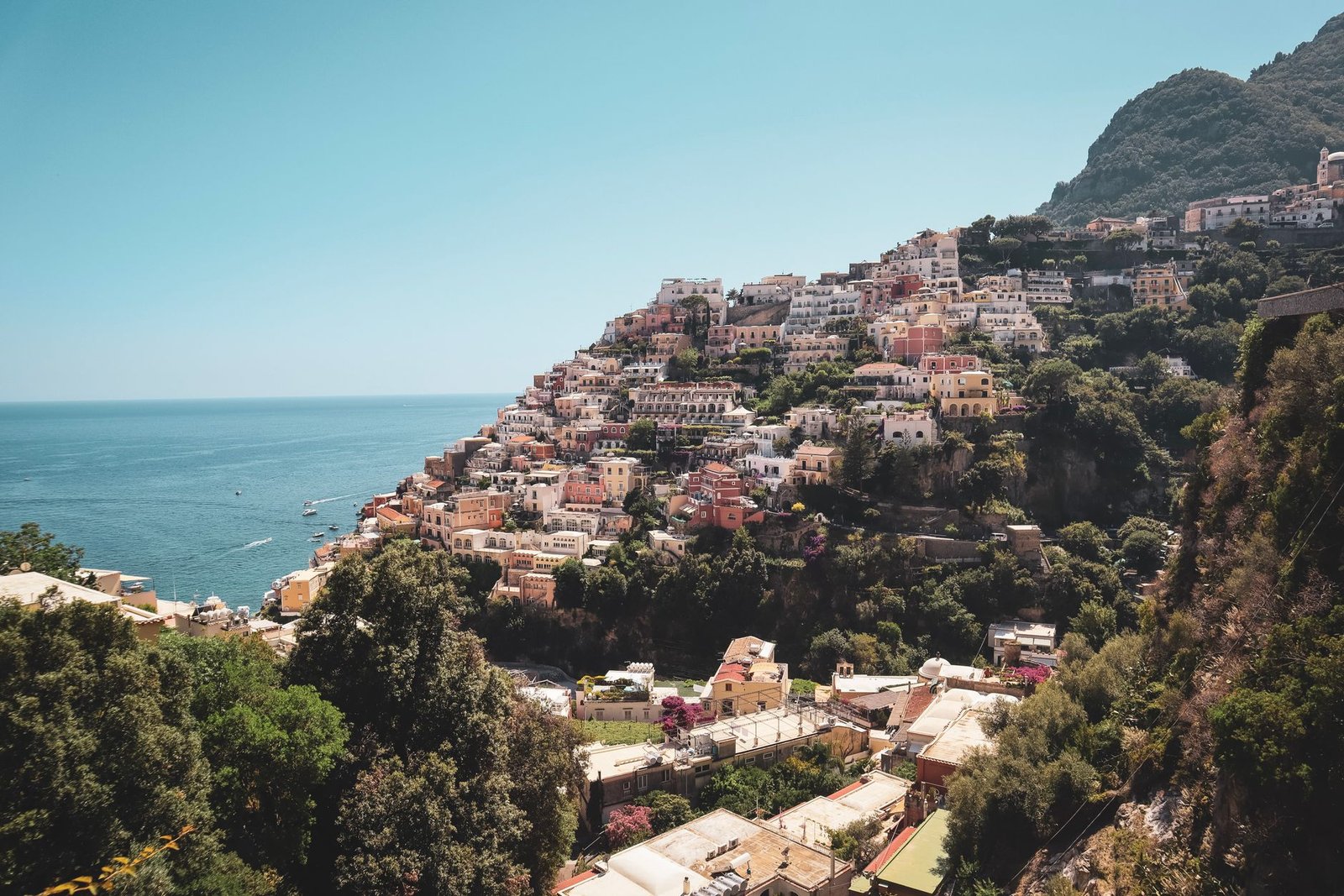
Have you ever arrived somewhere breathtaking only to share it with ten thousand other tourists? Timing your Amalfi Coast trip makes all the difference between a serene escape and a sweaty shuffle down a crowded cliff road.
May and September are the sweet spot for most travelers. The sea is warm enough to swim, the bougainvillea is in bloom, and you can actually find a table at a cliffside restaurant without a two-hour wait.
Any solid amalfi coast travel guide will tell you that peak summer from June through August brings fierce heat, bumper-to-bumper traffic on the SS163 coastal road, and hotel rates that can easily exceed €400 per night in Positano.
- April–May: mild temperatures around 18–22°C, fewer crowds, lower prices
- June–August: lively atmosphere, crystal water, but heavy tourist traffic and premium pricing
- September–October: warm evenings, harvest festivals, noticeably quieter beaches
- November–March: many hotels and restaurants close, ferry services reduce significantly
October is quietly wonderful. The light turns golden, day-trippers disappear, and lemon groves start filling with fruit.
If you visit between November and March, expect a slower, more local version of the coast. Some villages feel almost abandoned, but that stillness has its own quiet charm.
How Many Days Should You Spend on the Amalfi Coast
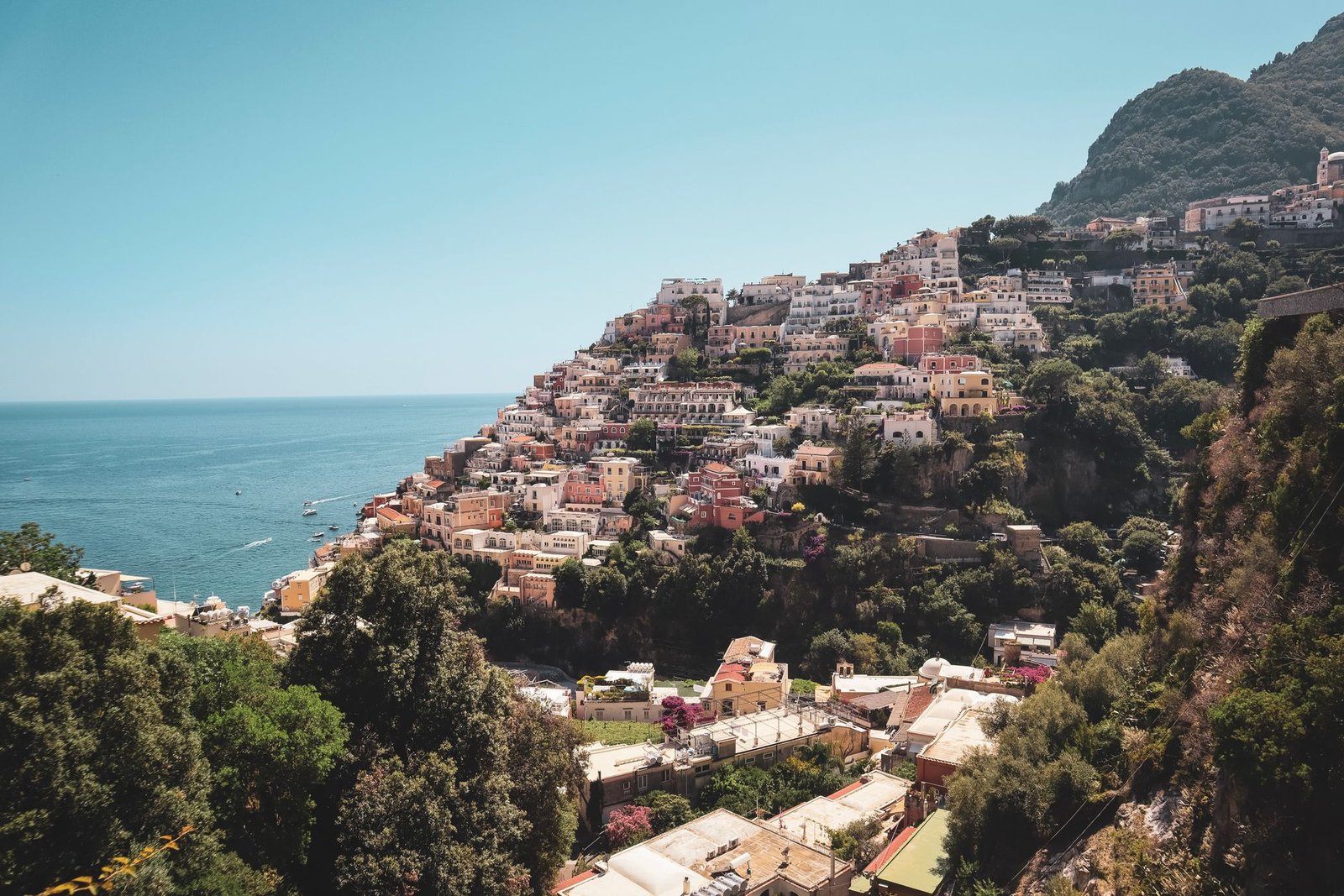
Many visitors assume a quick overnight stop is enough to see the coast. In reality, squeezing this region into 24 hours means spending most of your trip stuck in traffic rather than sipping limoncello on a sun-warmed terrace.
Every solid amalfi coast travel guide will tell you that three days is the absolute minimum for a meaningful visit. It gives you time to settle into one base town, explore two or three villages, and catch at least one golden-hour swim.
A five-day trip is where things start to breathe. You can dedicate a full day to Positano, another to Ravello’s quiet gardens, and still leave an afternoon completely unplanned — which is often the best afternoon of the whole trip.
Seven days is the sweet spot if your schedule allows it. You can work in a boat excursion to the Grotta dello Smeraldo, a hike along the Sentiero degli Dei trail (roughly 7.5 kilometers end to end), and a slower day trip toward Paestum.
- 3-day focus: Base yourself in Positano, day-trip to Amalfi town and Ravello
- 5-day focus: Add a ferry to Capri and a leisurely drive toward Cetara
- 7-day focus: Include hiking, a cooking class, and one fully unscheduled day
Resist the urge to town-hop every single day. Choosing one home base — and genuinely settling into its rhythm — will always feel better than rushing through a checklist.
How to Get to the Amalfi Coast Without the Stress
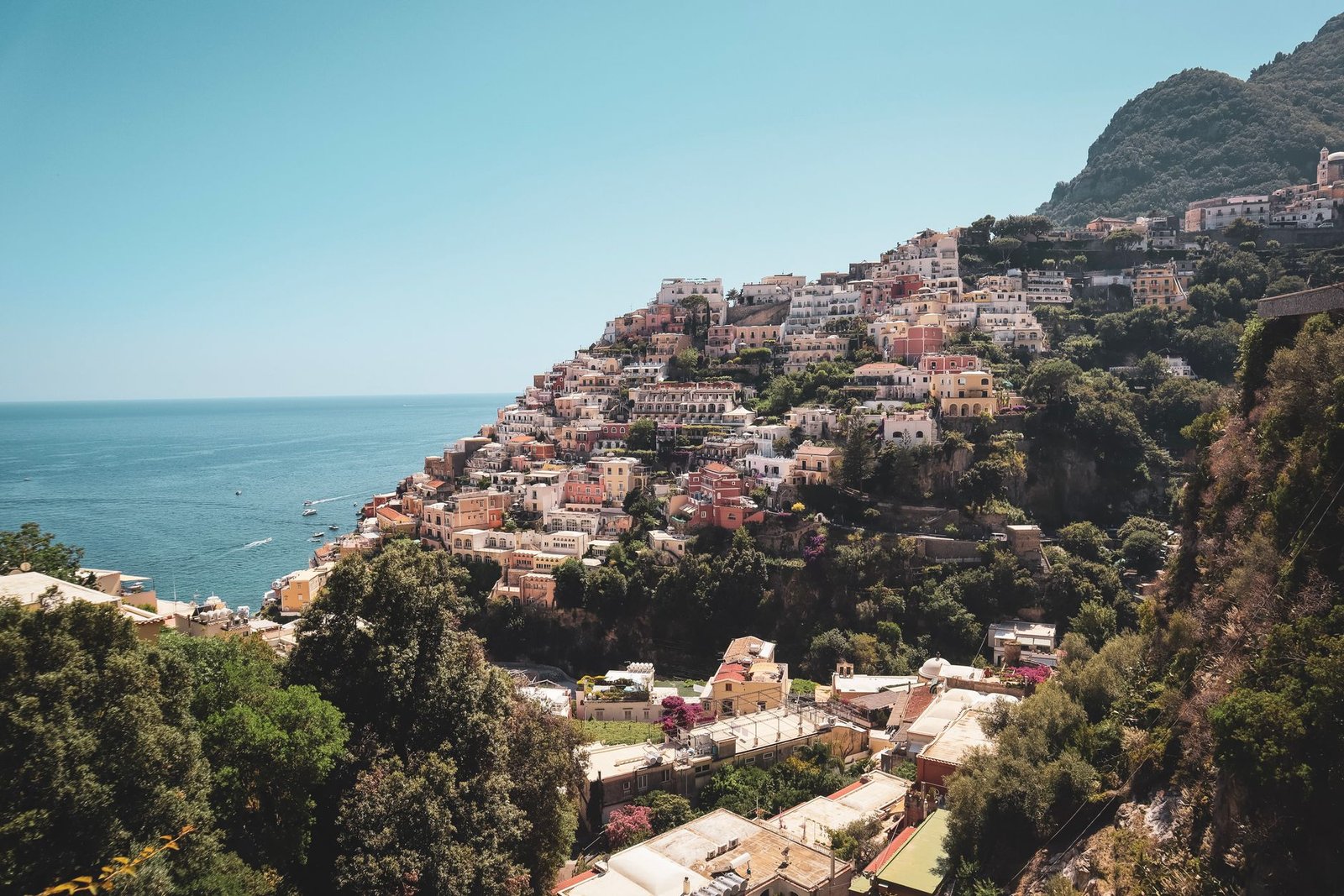
Every solid amalfi coast travel guide will tell you the same thing: getting here is half the adventure, and choosing the right route makes all the difference between arriving relaxed or completely frazzled.
Flying into Naples is almost always the better choice. Naples Airport sits roughly 75 kilometers from Positano, saving you a long crawl down from Rome when you’re already exhausted from a transatlantic flight.
Rome’s Fiumicino Airport does offer more international flight connections, which makes it worth considering if you’re flying from North America with limited routing options.
Once you land in Naples, you have genuinely good options waiting for you:
- The Circumvesuviana train runs from Naples to Sorrento, where ferries connect directly to Amalfi and Positano
- Ferry services along the coast are scenic, affordable, and completely avoid the cliff-side road traffic
- SITA buses cover the entire coastline but run on tight schedules, so download the timetable in advance
- Private transfers from Naples typically cost around €120–€150 and are worth every euro if you’re traveling with family or heavy luggage
Renting a car on the Amalfi Coast is genuinely stressful — the SS163 coastal road is narrow, congested, and parking is nearly impossible in peak summer months.
Instead, lean into the ferry and bus system. It’s slower, yes, but you’ll actually see the coastline rather than white-knuckling a steering wheel around blind corners.
Navigating the Amalfi Coast: Ferry, Bus, and the Odd-Even Road Rule Explained
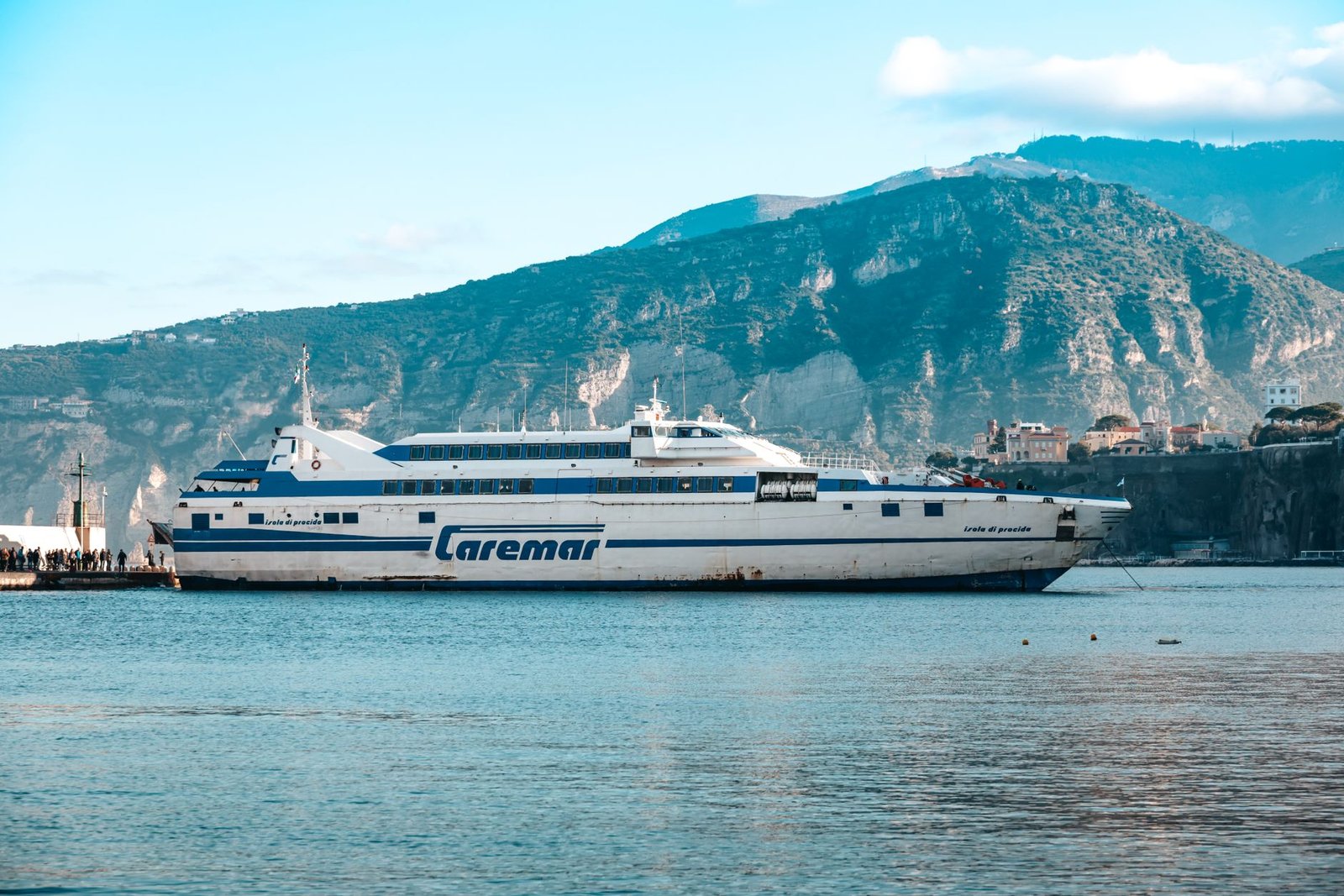
Book your transportation before you arrive — options fill up fast in July and August, and last-minute scrambling on a clifftop road is nobody’s idea of a good time.
The SITA bus network is your budget-friendly backbone along the coast. A single ride costs around €2.50, and you can buy tickets at tabacchi shops or newsstands before boarding — drivers rarely sell them onboard.
Buses run frequently between Sorrento, Positano, Amalfi, and Ravello. They are small, the roads are narrow, and yes, it gets crowded — travel before 9am or after 5pm to breathe a little easier.
Ferries are the relaxed alternative, and honestly worth every cent for the views alone. Ferry routes connect Positano, Amalfi, Salerno, and Capri from roughly April through October, with tickets purchased directly at each town’s harbor dock or via Travelmar and LMP online.
If you’re renting a car, every solid amalfi coast travel guide will flag the odd-even license plate rule. On the SS163 coastal road, odd-numbered plates drive on odd calendar days, even-numbered plates on even days — this applies during peak summer months to ease congestion.
- Check your rental plate number before planning driving days
- Violations result in fines, so this isn’t flexible
- Scooter rentals follow the same restriction
Planning around these rules keeps your trip smooth rather than stressful.
Where to Stay on the Amalfi Coast for Every Budget
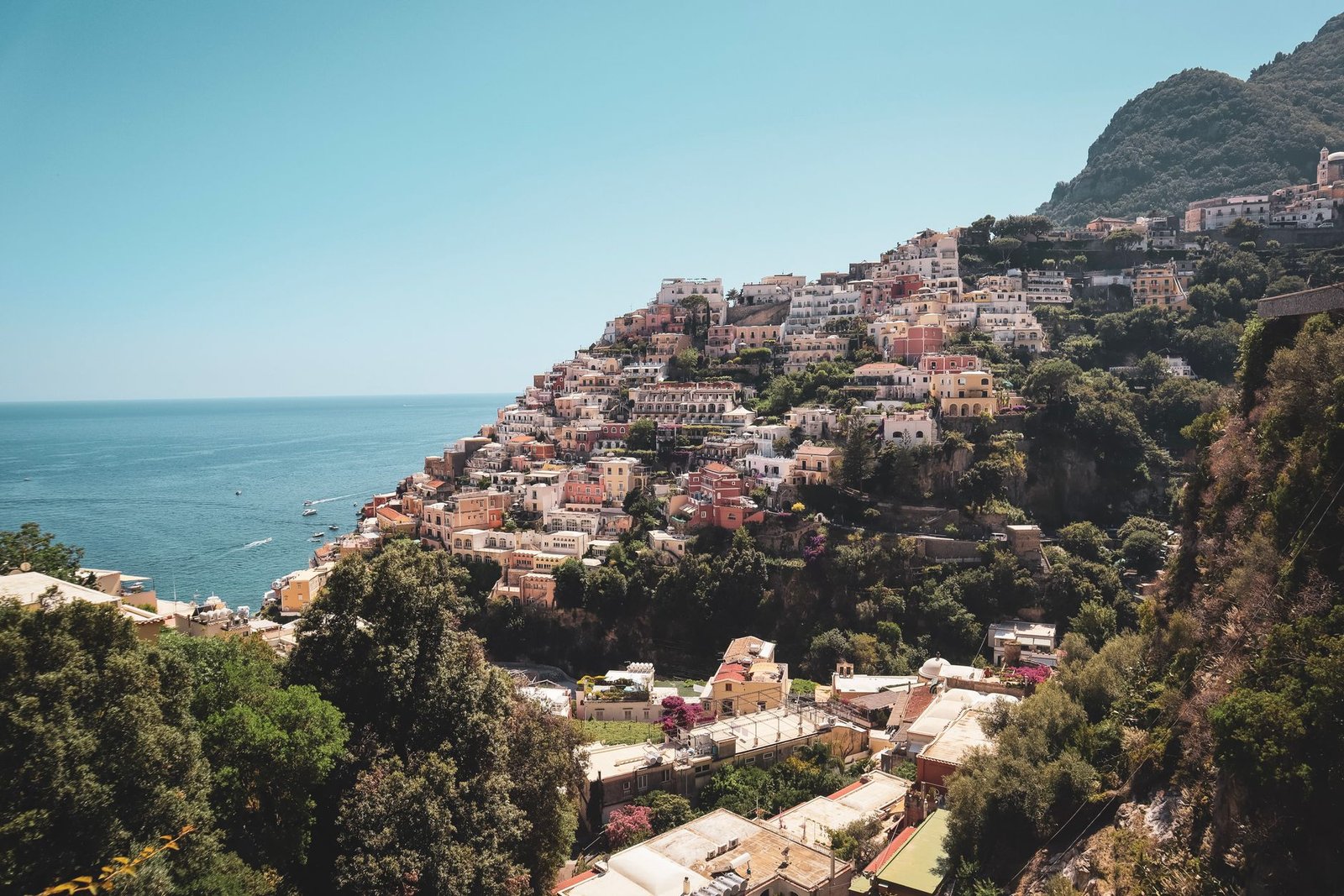
In summer, every cliffside room from Positano to Ravello fills up weeks before you even think to look. Knowing where to base yourself — and booking early — makes the difference between a dream trip and a stressful scramble.
Your ideal town depends entirely on what you want from each day. Positano suits lovers of atmosphere and easy beach access, Ravello rewards those chasing views and tranquility, and Amalfi town itself works well if you want central ferry connections without committing to one stretch of coast.
For a realistic amalfi coast travel guide approach to budget, look beyond the famous names. Praiano and Maiori consistently offer lower nightly rates than Positano, with Praiano sitting just minutes away by local bus and Maiori offering a wider sandy beach and family-friendly guesthouses.
- Positano luxury hotels regularly start at €350 per night in peak season
- Praiano and Maiori B&Bs often run €80–€140 per night for the same period
- Ravello suits honeymooners and anyone prioritising silence over nightlife
Book at least three to four months ahead for July and August stays. Booking.com and direct hotel websites both work well, but emailing smaller guesthouses directly sometimes unlocks rooms that never appear online.
Arriving in May or late September gives you softer prices, quieter lanes, and the same dazzling views — just with space to actually enjoy them.
Amalfi Coast Travel Guide to the Top Hikes and Scenic Trails
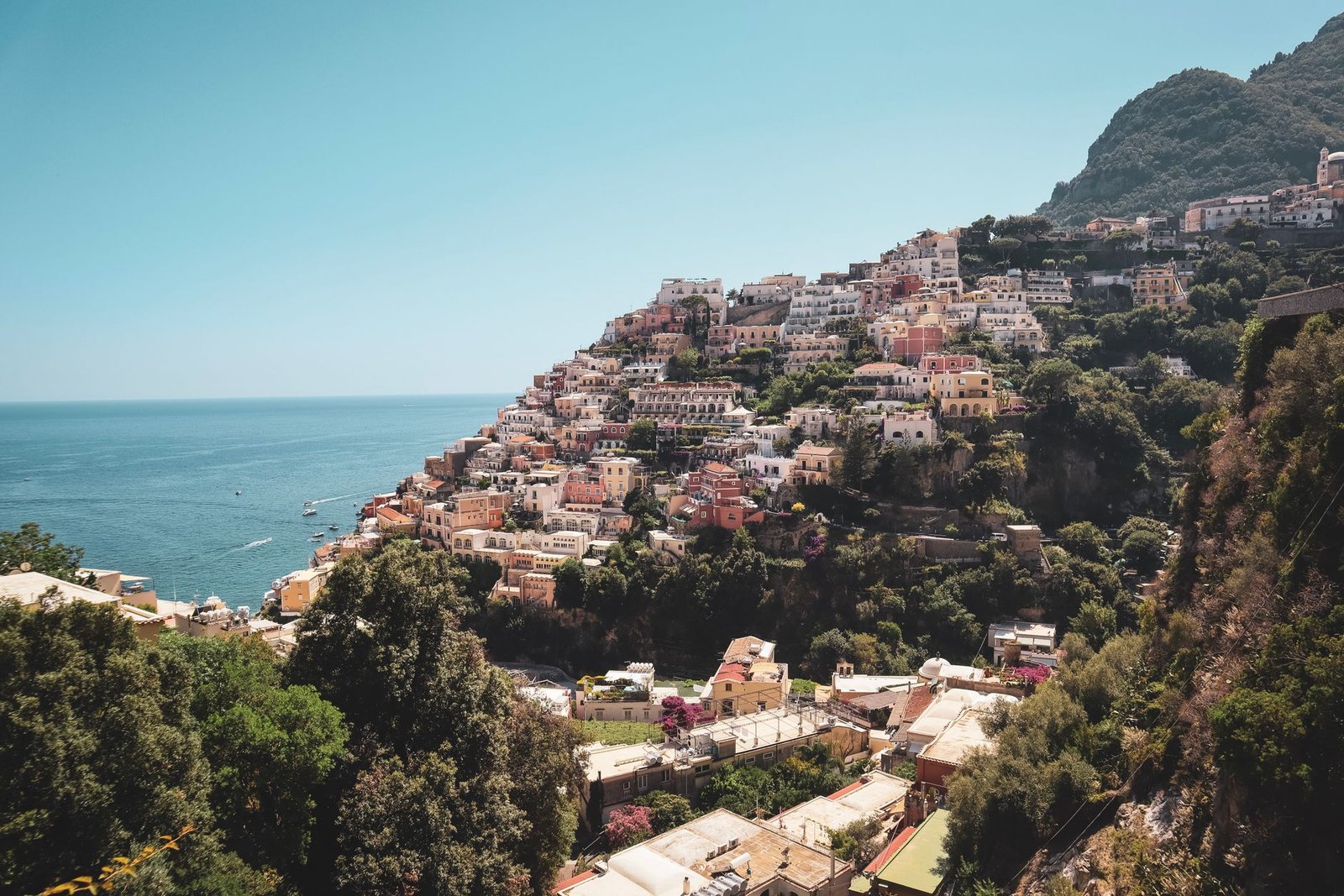
Hiring a private boat costs €300 or more for a single afternoon, but lacing up your hiking boots costs nothing — and the views from the trails above the coastline are just as breathtaking.
The Path of the Gods (Sentiero degli Dei) is the most celebrated walk on the entire coast, stretching approximately 7.8 kilometers from Bomerano down to Nocelle above Positano. The trail is rated moderate, with some uneven rocky sections, and rewards you with sweeping panoramas of terraced lemon groves and deep blue water at nearly every turn.
Spring (April through early June) and autumn (September through October) offer the most comfortable temperatures for this hike. Summer heat makes the exposed sections genuinely punishing by mid-morning.
The Valle delle Ferriere nature reserve near Amalfi town is a quieter alternative that winds through ancient paper mills, lush ferns, and a cool freshwater stream. It feels like a completely different world tucked just minutes from the busy waterfront.
Every solid amalfi coast travel guide will tell you to start both hikes before 8:00 a.m. to beat the midday heat and the tour groups that arrive later in the morning.
For practical preparation, pack the following every single time:
- Sturdy closed-toe shoes with grip — sandals are genuinely dangerous on loose stone
- At least 1.5 liters of water per person
- Sun protection including a hat, sunglasses, and SPF 50 sunscreen
- A light layer for shaded valley sections that stay surprisingly cool
Must-See Attractions in Each Major Town
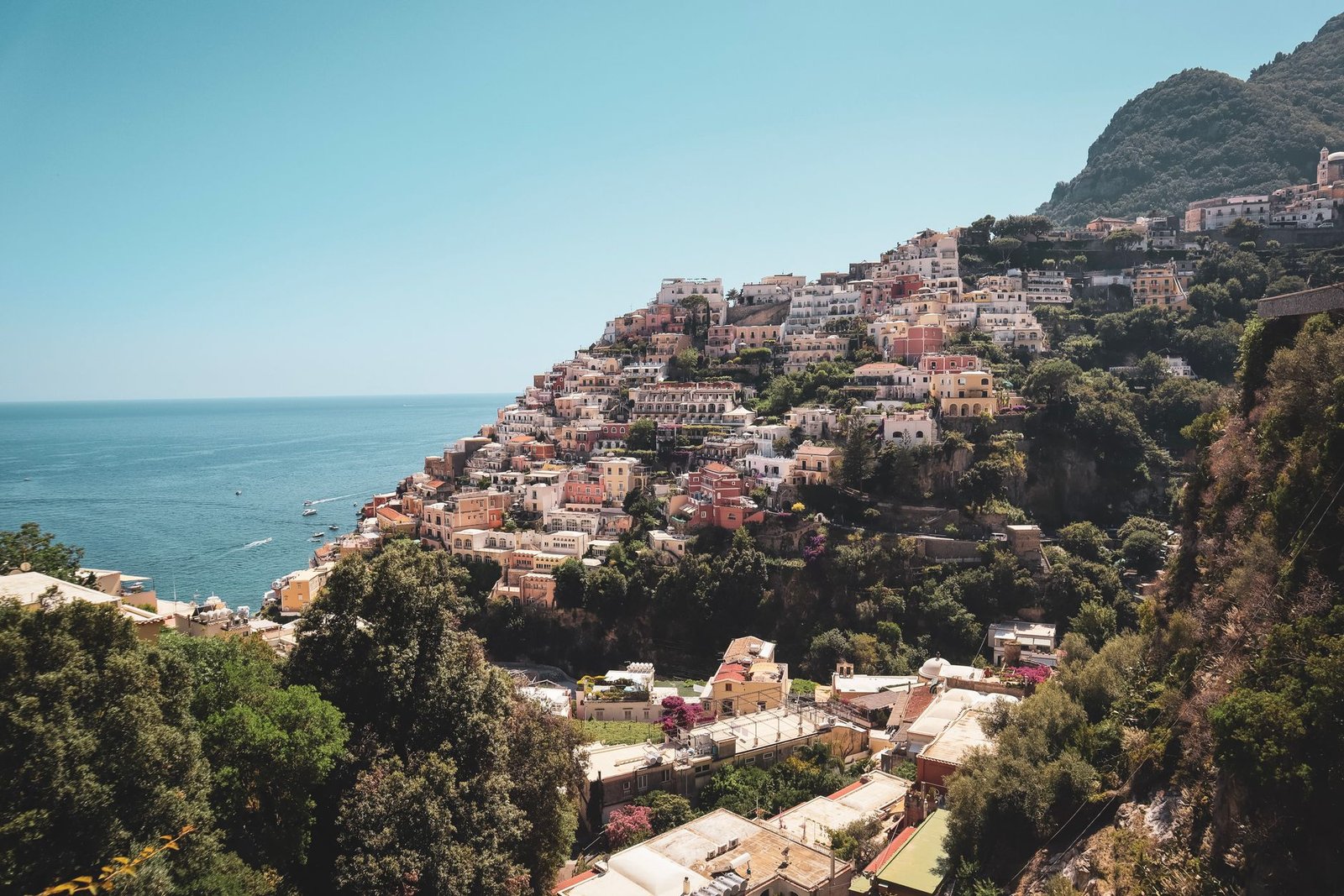
Every amalfi coast travel guide will point you toward Positano first — and for good reason. The village stacks 4,000 residents across near-vertical cliffs, creating that iconic cascading postcard view.
Positano’s Church of Santa Maria Assunta sits right at the waterfront, hiding a 13th-century Byzantine icon of the Black Madonna inside its majolica-tiled dome. The beach below gets crowded by 10am, so arrive early to claim your spot on the dark volcanic sand.
In Amalfi town, the Cathedral of Sant’Andrea rewards visitors with stunning Arab-Norman architecture and a crypt worth lingering in. Wander the narrow side streets behind the cathedral to find local ceramic shops and quiet piazzas that most tour groups never reach.
Don’t skip the Paper Museum, where Amalfi’s 1,000-year papermaking tradition comes to life through hands-on demonstrations for just €4 entry.
Ravello sits 365 meters above sea level, and the terrace at Villa Cimbrone offers what many consider the finest panorama on the entire coast. Villa Rufolo hosts summer classical concerts on a stage built directly over the clifftop gardens.
For quieter moments, these smaller villages deserve real attention:
- Praiano — a working fishing village with far fewer crowds than its neighbors
- Furore — famous for its dramatic fjord and tiny hidden beach
- Cetara — the local capital of anchovy production, with exceptional seafood restaurants
What to Eat on the Amalfi Coast: A Foodie’s Essential Guide
You sit down at a cliffside table, the sea glittering below, and realize you have absolutely no idea what to order. Every amalfi coast travel guide will point you toward the pasta, but the real joy is knowing exactly which dish to choose.
Scialatielli ai frutti di mare is the signature pasta of the region — thick, hand-cut noodles tangled with clams, mussels, and shrimp in a light tomato or white wine sauce. Order it anywhere along the coast and you will not be disappointed.
For something sweet, track down delizia al limone, a dome-shaped sponge cake soaked in lemon cream that tastes exactly like the hillsides smell. Sfogliatelle, the flaky shell-shaped pastry filled with ricotta, makes a perfect morning snack with an espresso.
Fresh anchovies from Cetara are another essential stop. The village is famous for colatura di alici, an amber fish sauce aged in oak barrels — one small bottle runs around €8 and transforms any pasta dish at home.
- Positano: Lo Guarracino (mid-range, panoramic terrace, excellent grilled fish)
- Ravello: Ristorante Rossellinis (splurge-worthy, outstanding local wine list)
- Cetara: Acquapazza (budget-friendly, colatura di alici in everything)
Pick up locally made limoncello and Ravello wine directly from family-run shops in Ravello’s main piazza rather than supermarkets — the quality difference is immediately obvious in your first sip.
Amalfi Coast Budget Breakdown: Is $10,000 Enough for Italy?
Are you wondering whether your travel budget will actually stretch across one of Italy’s most glamorous coastlines? The short answer is yes — but how far it goes depends entirely on how you travel.
Budget travelers can manage on roughly $100–$150 per day by staying in Praiano or Minori instead of Positano, eating at family-run trattorias, and using public ferries rather than private water taxis.
Mid-range travelers should expect $250–$400 daily, covering boutique hotels, sit-down restaurant meals, and occasional boat tours. Luxury travelers easily spend $800 or more per day with cliffside suite upgrades and private experiences.
Here’s a realistic per-day cost breakdown for a mid-range couple:
- Accommodation: $180–$300
- Food and dining: $60–$100
- Transport (ferries, buses): $20–$40
- Tours and activities: $30–$80
Any solid amalfi coast travel guide will remind you that saving money here is absolutely possible with a little creativity.
Free viewpoints like the Via Nastro Azzurro lookout above Positano cost nothing and deliver stunning photographs. Pack a picnic from a local alimentari and eat on the harbor wall instead of paying restaurant prices.
Public beaches at Atrani and Minori offer free beach access without paying for a sunbed, saving you the standard €20–€30 daily rental fee found at most private lidos.
Photography Tips for Capturing Picture-Perfect Amalfi Coast Shots
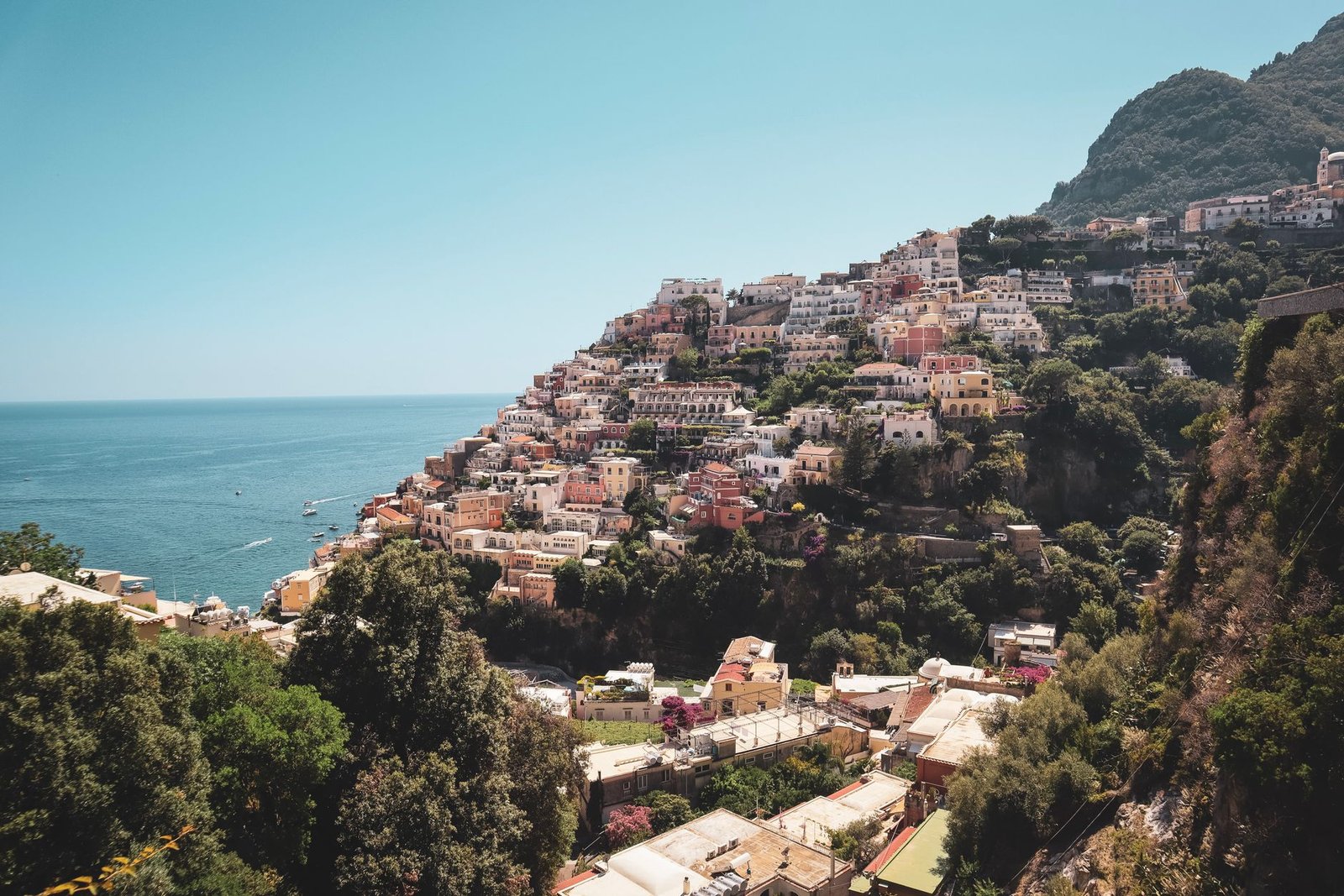
Many visitors assume you need to wake before dawn to get great shots here. In reality, the Amalfi Coast’s most stunning light arrives during the golden hour — roughly 60 minutes before sunset — when the cliffside villages glow warm amber and the sea turns deep violet.
The best viewpoints reward a little legwork. Climb to the Terrace of Infinity in Ravello for sweeping panoramas with almost zero foot traffic after 6:00 p.m. In Positano, hire a small boat for around €25 to photograph the village from the water — that layered, cascading look everyone wants simply cannot be captured from shore.
Furore fjord is a hidden gem worth including in any serious amalfi coast travel guide. Position yourself on the narrow road bridge just before sunset, when the gorge walls channel the fading light directly into the water below.
Mediterranean midday light is brutally harsh between 11:00 a.m. and 3:00 p.m. Shoot during this window only in shaded lemon groves or inside ceramic shops for naturally diffused, colorful interiors.
For gear, a lightweight mirrorless camera handles the constant staircase climbing far better than a heavy DSLR. Pack a circular polarizing filter — it cuts the glare bouncing off the sea and makes the famous turquoise water genuinely pop.
- Ravello Terrace of Infinity: best at sunset facing west
- Positano from the sea: boat tour, early evening
- Furore fjord bridge: late afternoon, spring or autumn
- Shoot in RAW format to recover highlights blown out by bright coastal reflections
Amalfi Coast Packing List: What to Bring for a Seamless Trip
AI 529
Amalfi Coast Safety Tips and Things Nobody Warns You About
Pack a small crossbody bag with a zip closure before you leave home — it will serve you far better than a backpack on these narrow, crowded streets.
Pickpockets are most active in Positano and Amalfi town, particularly around the main beach areas and ferry docks where tourists are distracted by the views. Keep your phone in a front pocket and leave your passport locked in your hotel safe every single day.
Any solid amalfi coast travel guide will mention the scenery, but few emphasize how physically demanding this destination really is. Steep staircases, uneven cobblestones, and crumbling pathway edges are everywhere, so wear proper closed-toe shoes rather than sandals or flip-flops, even on warm days.
- Ravello alone has over 300 steps from the main road to the village center
- Shade is genuinely scarce between 11am and 3pm — carry water and sunscreen
- Elderly travelers and those with mobility challenges should research specific village accessibility before booking
The beaches here are mostly pebble, not sand, which surprises many visitors and makes walking to the water’s edge surprisingly tricky barefoot.
Jellyfish season typically peaks from July through August, when warm, calm water brings them close to shore along the entire coastline. Ask your hotel or a local beach attendant each morning before swimming — they always know current conditions.
Day Trips from the Amalfi Coast Worth Adding to Your Itinerary
Spring and early autumn are the sweet spots for day trips, when crowds thin out and the roads stay manageable enough to actually enjoy the journey.
Any solid amalfi coast travel guide will point you toward Pompeii and Herculaneum as essential detours. Take the Circumvesuviana train from Salerno rather than renting a car — it drops you directly at the Pompeii Scavi entrance and saves you the stress of coastal parking.
Herculaneum is smaller and better preserved than Pompeii, making it a smarter choice if your time is tight. Two hours there feels more rewarding than a rushed four-hour sprint through Pompeii.
Capri by ferry runs roughly €20–€25 each way from Positano, with boats departing most mornings between 9am and 10am. Skip the chairlift line at Monte Solaro and head straight to the Blue Grotto early — the light inside the cave is best before noon.
The Capri day trip gets expensive fast once you add lunch and transport around the island, so set a firm budget before you board.
- Naples is just 90 minutes by ferry from Amalfi town
- A half-day food tour covers the historic Spaccanapoli district and includes a proper pizza stop
- Book a Naples food tour for your arrival or departure day to avoid losing a full beach day
Arriving into Naples hungry and leaving full is honestly one of the better ways to begin or end a coastal trip.
Sustainable and Responsible Travel Tips for the Amalfi Coast
Renting a private boat for a day costs around €300–€500, but sharing a group ferry for €8 cuts emissions dramatically and keeps money circulating through the local public transport system rather than a handful of charter companies.
The Amalfi Coast receives roughly 6 million visitors every year, and the pressure on its narrow roads, fragile cliffs, and small village infrastructure is genuinely significant. Overtourism strains everything from the water supply to the lemon groves that have defined this coastline for centuries.
Being a mindful visitor means slowing down. Stay two or three nights in a family-run pensione in Praiano or Furore rather than rushing through on a day trip from Naples or Sorrento.
Supporting local businesses makes a measurable difference. Order the catch of the day at a fisherman-owned trattoria, buy ceramics directly from the artisan workshop, and skip the international coffee chains clustered near the larger ferry ports.
- Carry a reusable water bottle — public drinking fountains are common in Amalfi, Ravello, and Positano
- Use the SITA bus network instead of renting a car along the SS163 coastal road
- Avoid single-use plastic bags at markets and pack reef-safe sunscreen for swimming
- Book tours with guides who are registered local residents
Every solid amalfi coast travel guide will tell you the same thing: the coast stays beautiful only when visitors treat it like somewhere they genuinely care about.
Common Amalfi Coast Travel Mistakes to Avoid
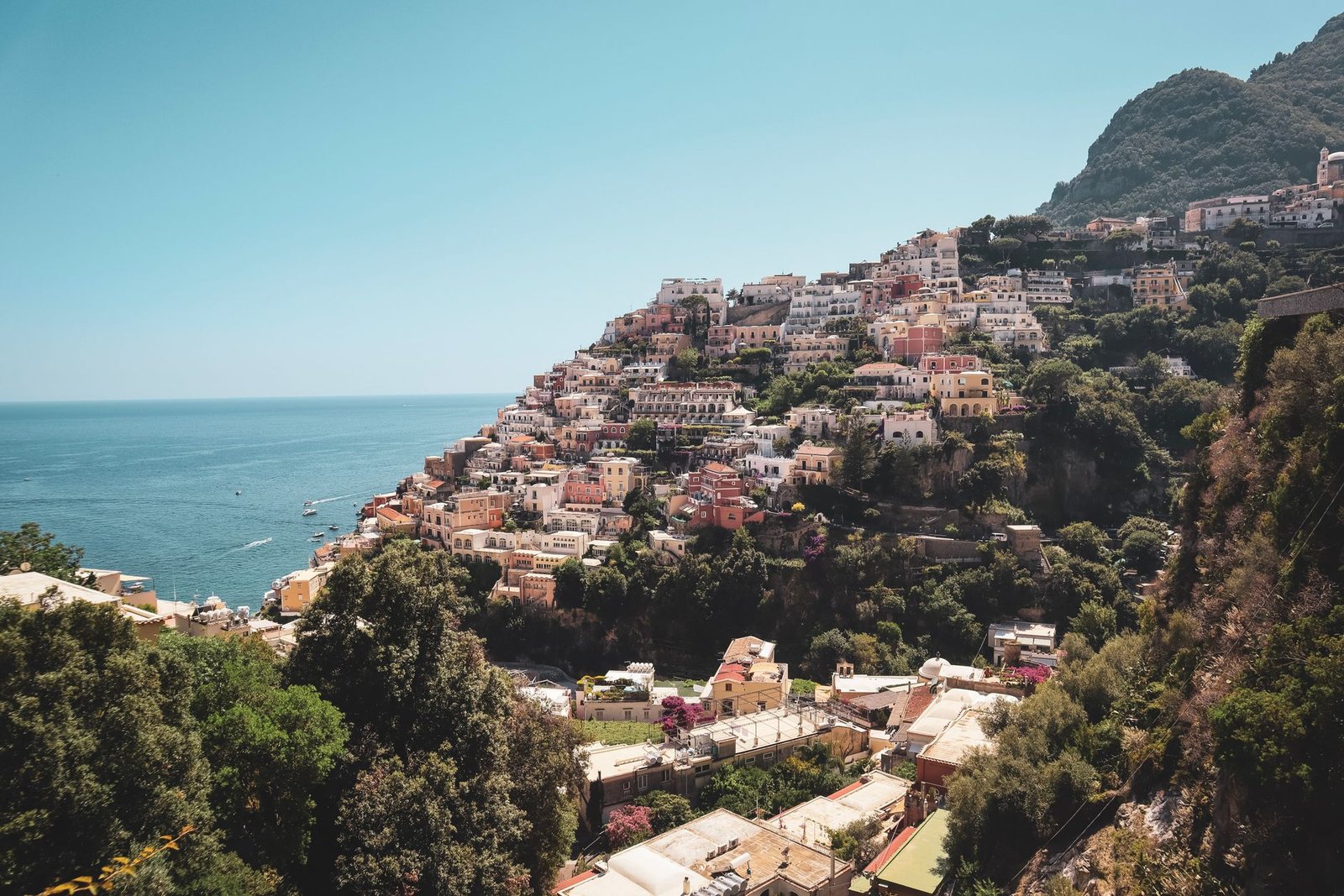
Nearly 40% of first-time visitors to the Amalfi Coast say they would choose a different base town if they could do the trip over again — a completely avoidable regret with a little planning.
Choosing the wrong base town is the most common misstep. Positano is dreamy and photogenic but steep, expensive, and better suited for honeymooners. Ravello is quiet and artistic, while Amalfi town sits centrally and offers easier access to ferries and local life.
Before you finalize any amalfi coast travel guide you find online, match each town’s personality to your travel style, budget, and mobility level.
Underestimating travel times between towns will quietly destroy your itinerary. A journey that looks like 6 kilometers on a map can easily take 45 minutes by bus due to hairpin roads, traffic, and packed stops.
Always build in buffer time, especially if you’re catching a ferry or a timed tour. What feels like a quick hop rarely is.
Finally, skipping reservations during peak season (June through August) is a real gamble. The best waterfront restaurants and private boat tours fill up days — sometimes weeks — in advance.
- Book dinner reservations at least 3–5 days ahead in summer
- Reserve boat tours and cooking classes before you arrive
- Call directly when possible — many smaller restaurants don’t use booking apps
A little preparation here saves a lot of disappointment once you’re actually standing on that gorgeous coastline.
Amalfi Coast Travel Tips for Families, Couples, and Solo Travelers
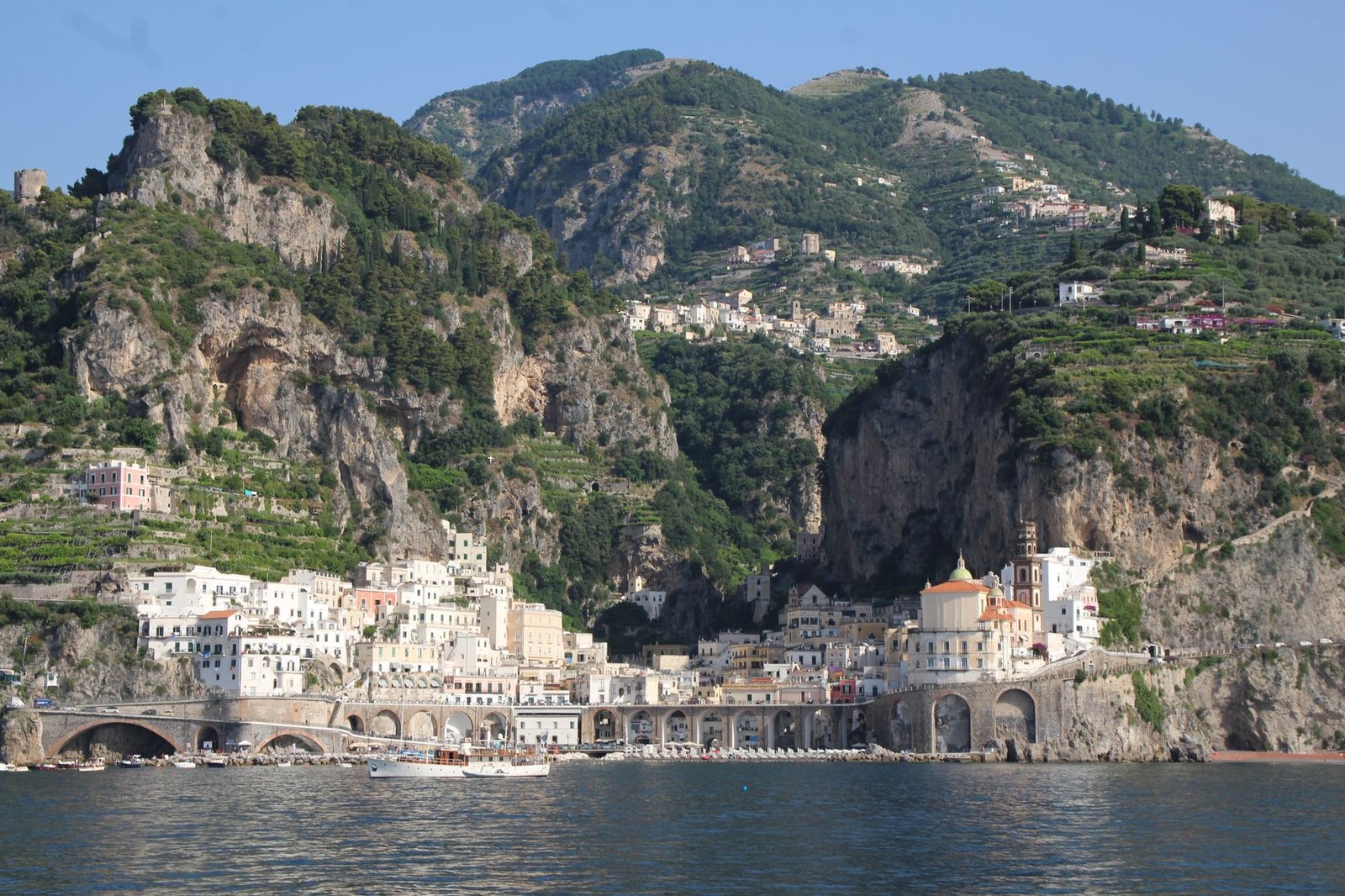
You’ve booked the trip, but now you’re wondering whether the Amalfi Coast actually works for your travel style. The good news is that this coastline has something genuinely different to offer every kind of traveler.
Families with young children will feel most at ease in Maiori and Minori, two quieter towns with wider, flatter promenades and pebble beaches that don’t require navigating hundreds of steep steps. The pace is slower, the crowds are thinner, and gelato shops are never far away.
For couples, the coast delivers romance without much effort. Private boat tours along the coastline typically start around €150 for two hours and let you swim in sea caves away from the crowds. Pair that with a sunset dinner on a clifftop terrace or a night in a converted villa, and you have a trip you’ll talk about for years.
- Book a table at a restaurant with a sea-facing terrace at least three days ahead
- Ask your villa host about private chef experiences
- Time your boat tour for late afternoon light
Solo travelers often find the coast more welcoming than expected. Hostels in Sorrento, the main gateway town, attract a social international crowd and regularly organize group day trips down the coast.
Whatever your situation, a solid amalfi coast travel guide will help you match the right towns and experiences to your travel group before you arrive.
How to Plan Your Amalfi Coast Trip Step by Step
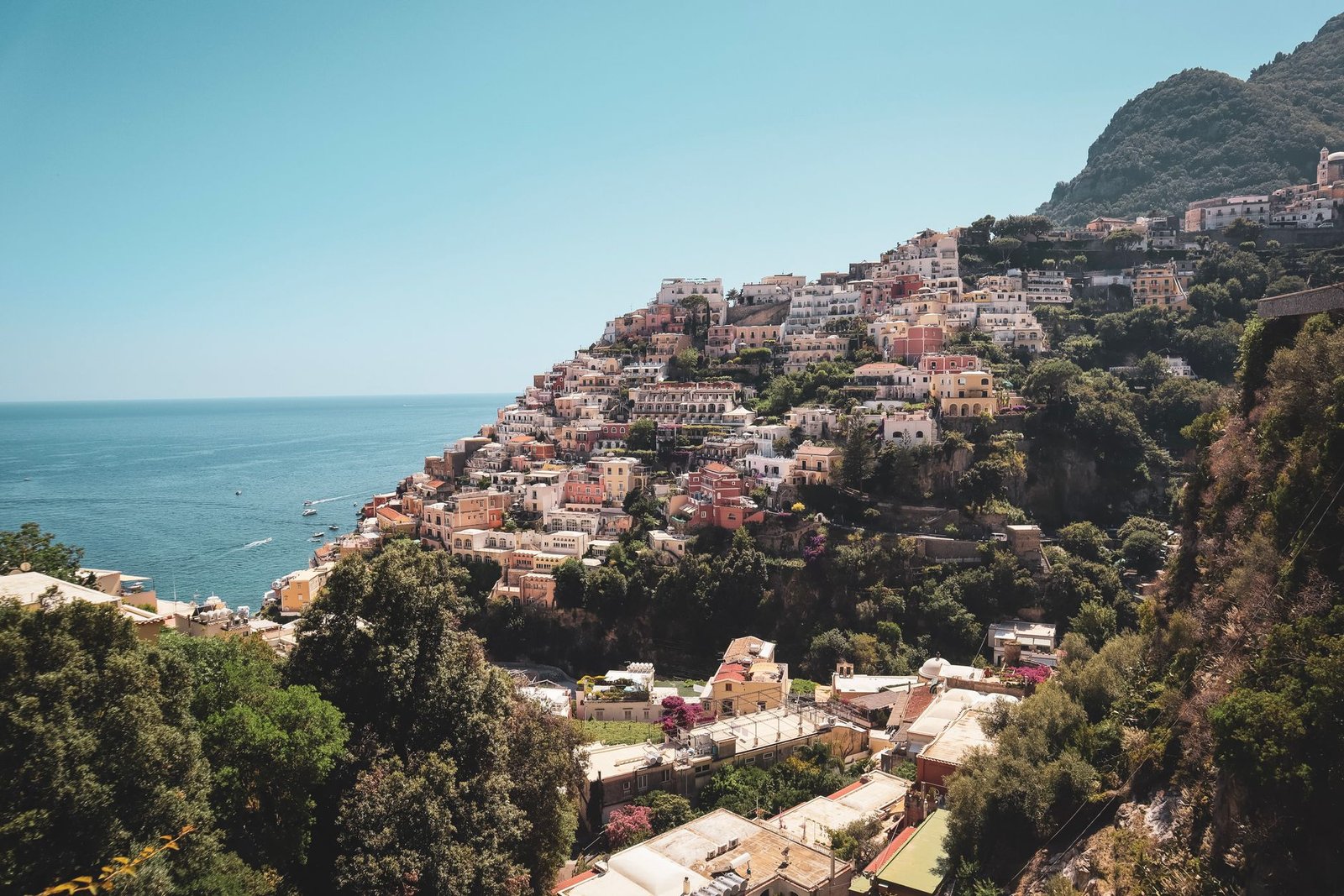
Have you ever started researching a trip and immediately felt overwhelmed by how many moving pieces there are? The Amalfi Coast rewards patients planners, so let’s break this down into a timeline that actually works.
Six months out, lock in your flights into Naples (NAP) and book your accommodations. Cliffside hotels in Positano and Ravello sell out fast, especially for June through August travel.
At the three-month mark, reserve any cooking classes, boat tours, or guided hikes along the Sentiero degli Dei. Popular experiences book up quickly, and many require a minimum deposit of €30–€50 per person.
Last-minute planning (two to four weeks before departure) is when you finalize ferry and SITA bus schedules. Check the official Travelmar and Alilauro websites for current timetables, as seasonal routes change year to year.
Use this amalfi coast travel guide checklist to stay organized:
- Flights booked into Naples or Rome
- Accommodations confirmed with cancellation policy reviewed
- Ferry and bus schedules downloaded offline via Google Maps or Rome2rio
- Travel insurance purchased covering trip delays and medical
- Lightweight walking shoes and sun protection packed
For real-time weather, Windy.com gives detailed coastal forecasts that are more accurate than general apps for this specific region.
Planning ahead turns a logistically tricky destination into one of the smoothest, most memorable trips of your life.
FAQ
Many travelers assume the Amalfi Coast requires either a rushed weekend or a full month to enjoy properly. Reality lands somewhere much more manageable in between.
How many days is ideal for the Amalfi Coast?
Four to seven days gives you enough time to explore multiple villages without burning out on the winding roads. Three days feels rushed, while a full week lets you settle into a slower pace, take a boat trip to Capri, and still enjoy long lunches without watching the clock.
Is $10,000 enough for a trip to Italy?
Yes, $10,000 covers a comfortable Amalfi Coast trip for two people, including flights, mid-range hotels, meals, and day trips. Budget roughly $300–$400 per day for a couple once you’re on the ground, and you’ll have room for splurges without stress.
What is the odd-even rule on the Amalfi Coast?
The odd-even rule is a license plate restriction system limiting which cars can drive the SS163 coastal road on certain days. Plates ending in odd numbers drive on odd calendar days, even numbers on even days — a practical detail every amalfi coast travel guide should flag before you rent a car.
What is the best month to go to Amalfi?
May and September are the standout months, offering warm weather, calmer crowds, and reasonable accommodation prices. July and August deliver peak sunshine but also peak chaos, with traffic and hotel rates climbing sharply.
You might also like: 15 Lake Como vs Amalfi Coast: Which Is Better?
Key Takeaways
After my third trip along this breathtaking stretch of coastline, I can honestly say that a little preparation makes every lemon granita taste sweeter and every cliffside view feel even more earned.
- Visit in May or early October to enjoy warm temperatures, manageable crowds, and hotel rates that can run 30–40% lower than peak August prices.
- Base yourself in Ravello or Praiano if you want a quieter, more local feel — save Positano for a day trip rather than your home base.
- Ditch the rental car and rely on the SITA bus network and regional ferries to hop between towns without the stress of narrow cliff roads.
- Book restaurants and boat tours at least two weeks ahead during summer months — walk-ins are charming in theory but frustrating in practice.
- Pack light, breathable layers because coastal breezes drop quickly after sunset even in July, and cobblestone staircases demand comfortable shoes over sandals.
- Keep this amalfi coast travel guide bookmarked so you can revisit packing lists, ferry schedules, and town-by-town recommendations right from your phone.
Have you already started planning your trip — or just returned from one? Drop your experience in the comments below, I genuinely love hearing which hidden staircase or tiny trattoria stole your heart.
Found this helpful? Save it to Pinterest so your future self (and your travel-loving friends) can find it easily.